
This lesson provides an essential overview of the legal framework governing traffic violations for motorcycle riders in Turkey. You will learn how the penalty point system works, the consequences of reckless riding, and the legal repercussions you may face, ensuring you are fully prepared for the exam and your future on the road.
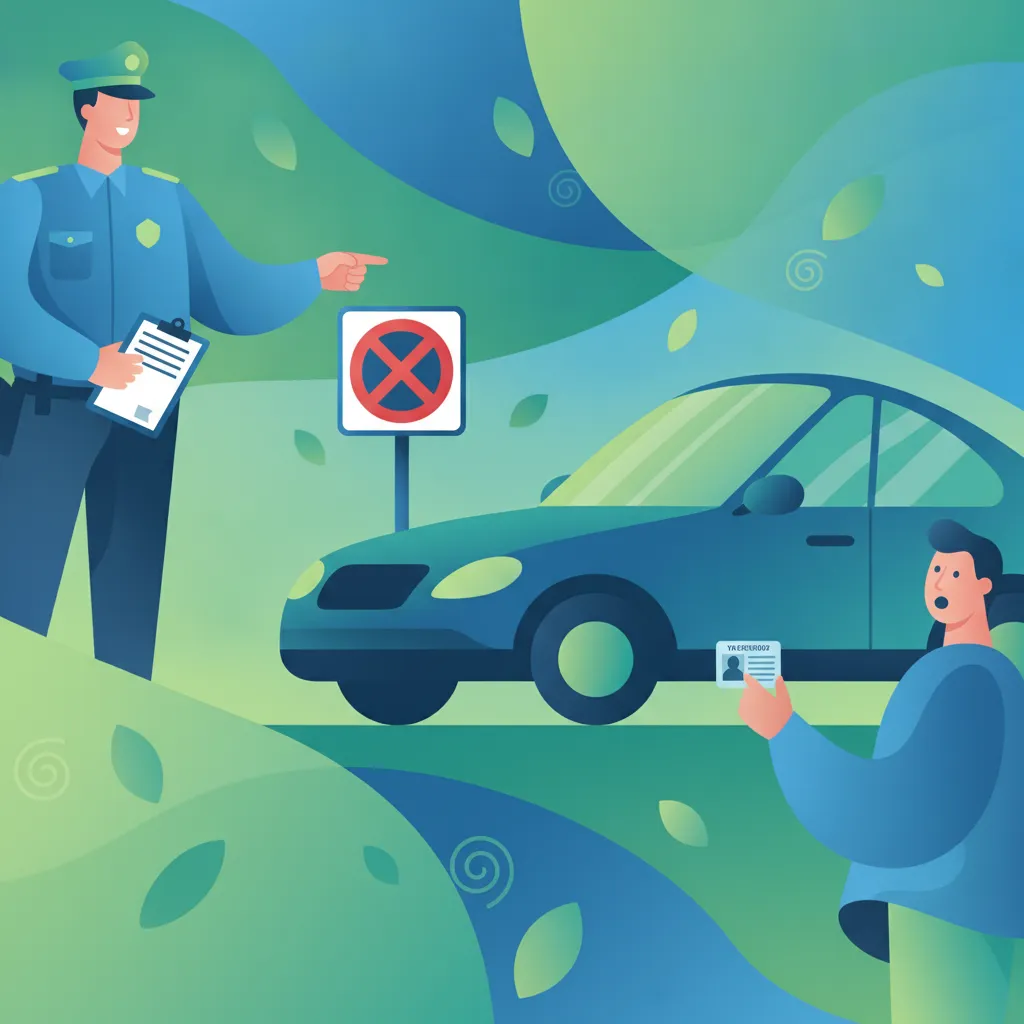
Lesson content overview
Operating a motor vehicle or motorcycle on public roads in Turkey carries significant legal responsibilities. The primary legislation governing all road traffic, driver behavior, and safety standards is the Highway Traffic Law No. 2918 (Karayolları Trafik Kanunu). This legal framework is designed to protect lives, establish order, and deter unsafe riding or driving practices.
For motorcycle riders, understanding these laws is not just about passing an exam; it is a critical safeguard for your life, your driving privileges, and your financial well-being. Riders are highly vulnerable on the road, and compliance with traffic regulations directly correlates with a lower risk of accidents.
The Turkish legal system applies traffic penalties based on four core pillars:
In Turkey, traffic violations are categorized under two distinct legal channels: Administrative Penalties and Criminal Penalties.
Administrative penalties are issued directly by traffic enforcement officers or automated electronic systems under the authority of the Traffic Police (Trafik Polisi) or the Gendarmerie Traffic teams (Jandarma Trafik). These penalties do not result in a criminal record but carry immediate practical consequences:
When a traffic violation crosses the threshold from a simple infraction to a severe threat to human life or public safety, it is prosecuted under the Turkish Penal Code No. 5237 (Türk Ceza Kanunu). Criminal penalties require a court trial and can result in:
Every traffic violation in Turkey is linked to a specific article within the Highway Traffic Law No. 2918. Fines are updated annually according to the official Revaluation Rate (Yeniden Değerleme Oranı) published in the Official Gazette.
The 15-Day Early Payment Discount: Under Turkish law, if you pay an administrative traffic fine within 15 calendar days of the date of notification, you are entitled to a 25% discount on the total amount. Paying after this period requires the full amount, and late interest will accumulate monthly.
Fines can be issued in two ways:
To track driver behavior over time and identify high-risk individuals, Turkey utilizes a centralized License Point System.
When you commit an administrative traffic violation, a designated number of penalty points (typically 10, 15, 20, or 30 points depending on the severity of the offense) is added to your driving profile. These points accumulate over a rolling one-year period from the date of the first violation.
A cumulative tracking system where specific point values are added to a driver's record for traffic violations. Reaching a cumulative total of 100 points within a 12-month period triggers an automatic license suspension.
If you accumulate 100 penalty points within one year, the legal consequences scale progressively to encourage rehabilitation and remove persistent offenders from the road:
First-Time Accumulation of 100 Points:
Second-Time Accumulation of 100 Points:
Third-Time Accumulation of 100 Points:
In Turkey, driving under the influence (DUI) of alcohol or drugs is treated with absolute severity. The law distinguishes between private drivers and professional/commercial drivers regarding permissible blood alcohol limits.
Under Turkish Law, the BAC limit is measured in promille (promil):
If you are caught operating a vehicle with a BAC above your designated legal limit, the administrative penalties escalate sharply on a recurring basis within a 5-year window:
If a breathalyzer or blood test reveals that a driver has a BAC of 1.00 promille or higher, administrative penalties no longer suffice. Under Article 179/3 of the Turkish Penal Code, driving with a BAC over 1.00 promille is classified as a criminal offense: "Endangering Traffic Safety" (Trafik Güvenliğini Tehlikeye Sokmak).
This violation leads to an immediate criminal trial, with a potential sentence of up to 2 years of imprisonment, even if no accident or injury occurred.
Vehicle impoundment is an administrative action where traffic authorities physically remove a vehicle from public roads and place it in a secured, state-authorized storage yard. The vehicle owner cannot retrieve it until all associated violations are resolved, administrative issues are cleared, and towing/storage fees are paid in full.
Common Triggers for Immediate Vehicle Impoundment:
The following reference table outlines common traffic violations in Turkey, including their administrative fines, penalty points, license suspension conditions, and potential criminal penalties:
| Violation (Turkish Term) | Administrative Fine | Penalty Points | License Suspension | Criminal Penalty |
|---|---|---|---|---|
| Exceeding Speed Limit by 10% to 30% (Hız Sınırını Aşmak) | Standard Fine | 10 | — | — |
| Exceeding Speed Limit by 30% to 50% | Elevated Fine | 15 | — | — |
| Exceeding Speed Limit by more than 50% | Maximum Fine | 15 | 1 Year (if repeated 5 times in 1 year) | — |
| Running a Red Light (Kırmızı Işık İhlali) | Standard Fine | 20 | 30 Days (if repeated 3 times in 1 year) | — |
| Using a Handheld Mobile Phone While Driving (Seyir Halinde Cep Telefonu Kullanmak) | Standard Fine | 10 | — | — |
| Failure to Wear a Helmet / Seatbelt (Kask / Emniyet Kemeri Takmamak) | Standard Fine | 15 | — | — |
| Driving Under the Influence (BAC > 0.50 promille / 0.20 for motorcycles) | Heavy Fine | 20 | 6 Months (1st offense) | Imprisonment up to 2 years if BAC > 1.00 promille |
| Refusing a Breathalyzer/Alcohol Test (Alkol Ölçümünü Reddetmek) | Maximum Fine | — | 2 Years | — |
| Reckless Driving Causing Injury or Death (Taksirle Yaralama veya Ölüme Sebebiyet Verme) | — | — | Immediate Suspension by Court | Imprisonment (Min. 2 years for fatality under TCK 85) |
| Driving Without a License / Invalid Class (Sürücü Belgesiz Araç Kullanmak) | Heavy Fine (Issued to both driver and owner) | — | — | Possible court action for repeated offenses |
Many road users run into legal trouble due to misunderstandings or ignoring less common clauses in the traffic code.
Many riders assume that posted speed limits in construction zones are merely suggestions. However, speed limits in these areas are legally binding and heavily enforced. Penalties for speeding in active construction zones may be subject to stricter enforcement to protect vulnerable road workers.
Using your phone for navigation while riding is a common source of fines. Even a brief glance at a phone held in your hand or resting in your lap while stopped at a red light constitutes "using a mobile phone while driving" and carries a fine and 10 penalty points. To use GPS legally, the device must be securely mounted to the motorcycle’s handlebars, and you must not manually input or touch the screen while the vehicle is in motion.
Under Article 78/1-b, both motorcycle operators and passengers must wear an approved protective helmet (kask). Crucially, the helmet must be properly buckled. An unbuckled helmet or a helmet resting on top of the head is legally treated as not wearing one, resulting in a fine and 15 penalty points.
If a traffic light is completely dead or flashing erratically, you cannot simply cross without stopping. Under Turkish traffic law, a malfunctioning signal converts the intersection into an uncontrolled junction or a "Stop" intersection depending on surrounding signs. Crossing without coming to a complete stop and yielding right-of-way can still result in a reckless driving infraction or a fine.
Newly licensed riders in Turkey are subject to a 2-year candidate/provisional license period (Aday Sürücü). The rules for provisional riders are exceptionally strict:
The enforcement and legal assessment of a traffic violation can change based on environmental and situational factors:
Understanding the consequences of your decisions on the road emphasizes the value of defensive riding:
Explore all units and lessons included in this driving theory course.
Lesson content overview
Explore all units and lessons included in this driving theory course.
Explore search topics learners often look for when studying Penalties and Legal Consequences. These topics reflect common questions about road rules, driving situations, safety guidance, and lesson level theory preparation for learners in Turkey.
Browse additional driving theory lessons that cover connected traffic rules, road signs, and common driving situations related to this topic. Improve your understanding of how different rules interact across everyday traffic scenarios.
Understand how proactive riding techniques and hazard perception help prevent traffic violations and reduce crash risk. This guide explains how to identify dangerous road situations and apply defensive behaviors in accordance with Turkish traffic safety principles to keep your driving record clean.

In this lesson, learners will discover the principles of defensive riding, focusing on hazard anticipation, maintaining safe distances, and practicing proactive avoidance techniques. It emphasizes developing a vigilant riding posture, constantly scanning the environment, and preparing to react to potential dangers from other road users, road conditions, or unexpected traffic events.

Defensive riding is the practice of anticipating potential road conflicts and acting early to prevent accidents before they occur. This lesson teaches you how to systematically scan the road ahead for changing conditions, keep an adequate safety cushion around your moped, and pre-plan exit routes in tight spots. You will learn to assume you are invisible to other drivers and adapt your speed and road position proactively to protect yourself against sudden maneuvers.

Proper road positioning is your primary shield against being squeezed, sideswiped, or overlooked by larger motor vehicles in daily traffic. This lesson explains how to ride in the center or slightly off-center of your lane to prevent unsafe overtaking within the same lane. You will study how to identify the massive blind spots of buses and trucks, maintain appropriate following distances, and execute overtaking maneuvers with maximum safety margin and clear signal warning.

In this lesson, learners will explore the core obligations of a motorcyclist, emphasizing the necessity of adhering to traffic laws and maintaining respectful conduct toward all road participants. The discussion will focus on the principles of defensive riding, where anticipation of hazards and courteous behavior are paramount. Ethical decision-making will be highlighted as a key factor in preventing accidents and fostering a positive traffic environment.
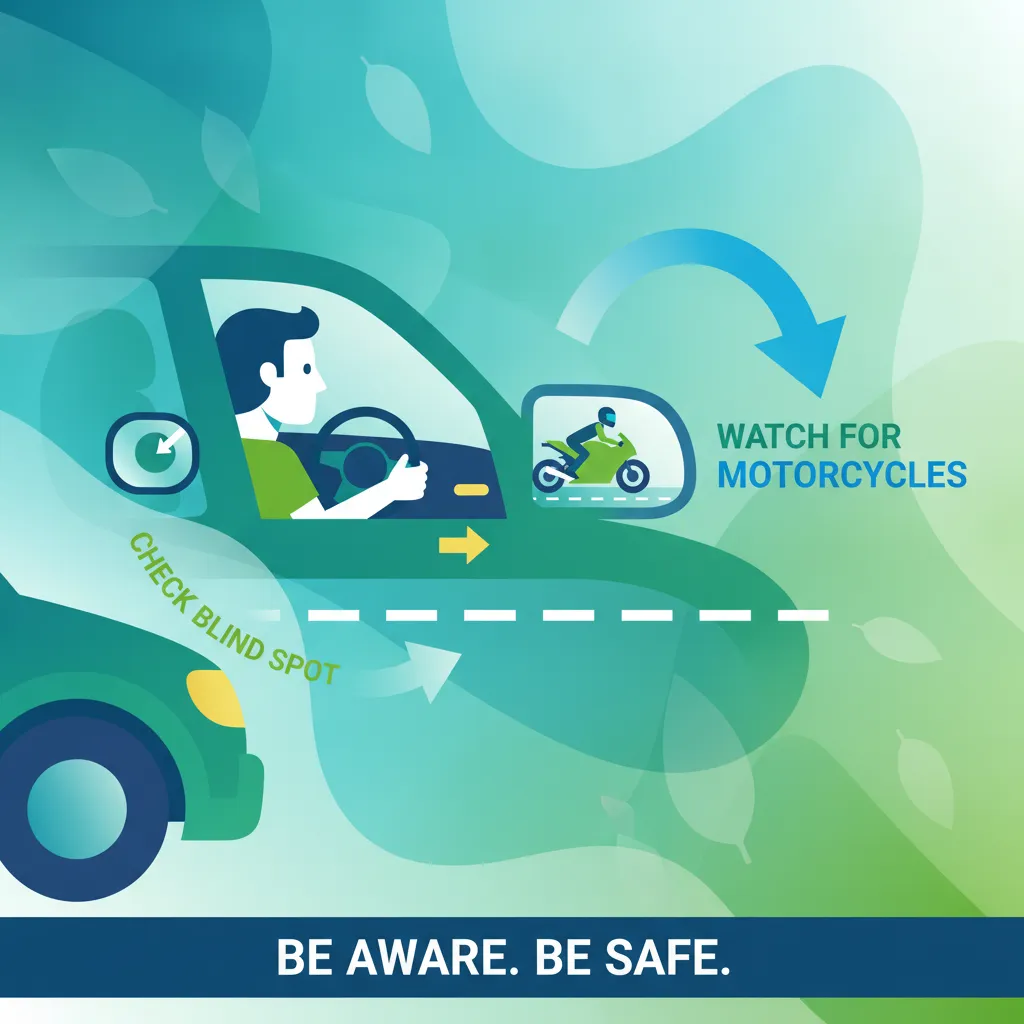
Learners will gain insight into the unique challenges posed by motorcycles and scooters sharing the road with passenger vehicles. The lesson highlights the importance of checking blind spots, maintaining safe following distances, and being aware of the faster acceleration and maneuverability of two-wheeled vehicles. Strategies for anticipating their movements and preventing collisions are discussed.

In this lesson, learners explore the unique challenges and safety considerations related to motorcyclists and scooter riders. Topics include the importance of visibility, the use of protective gear, and the need for drivers to be aware of blind spots. The lesson also covers lane discipline for two-wheeled vehicles and safe overtaking practices.
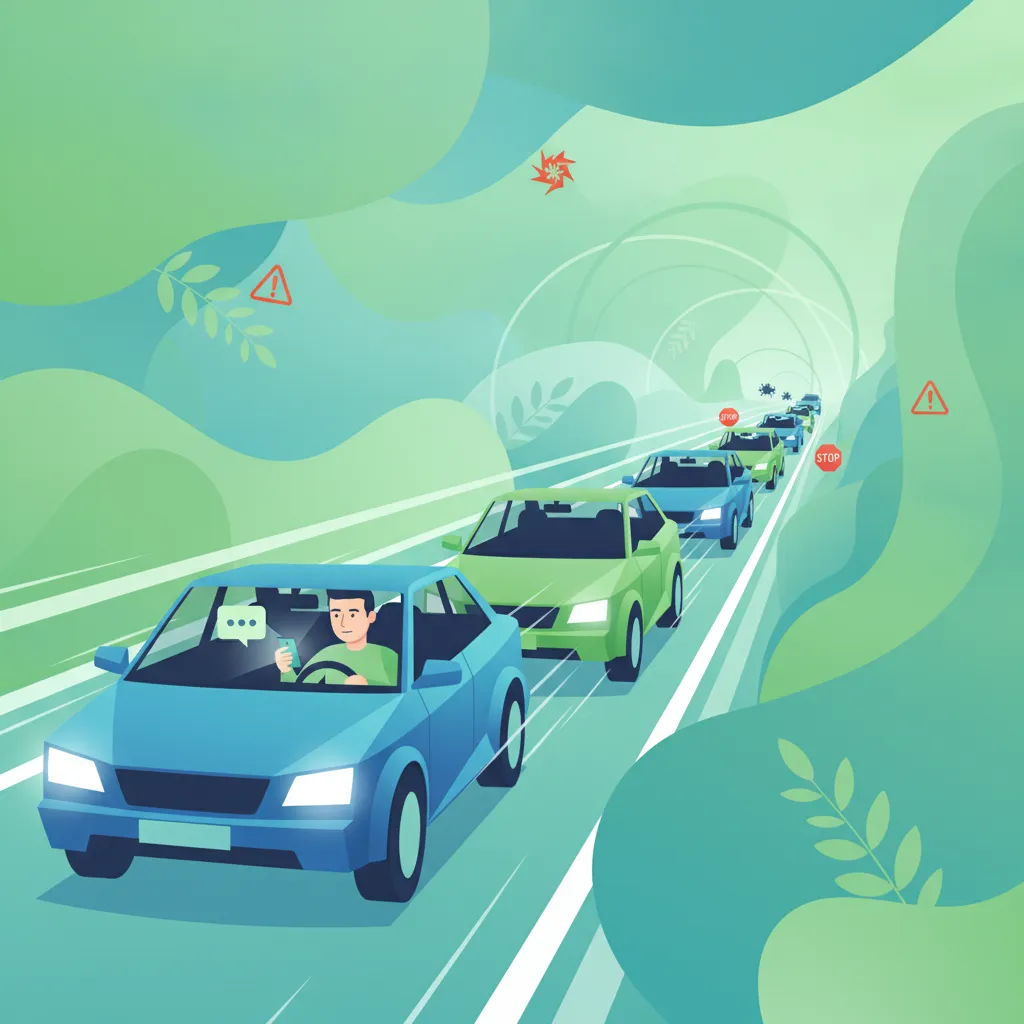
In this lesson, learners will explore the various forms of risk behaviour that can lead to accidents, such as aggressive riding, speeding, riding under the influence of alcohol or drugs, driving while fatigued, and being distracted. The lesson emphasizes the importance of self-awareness, recognizing personal limits, and adopting a safety-first mindset to mitigate these risks and make safe decisions.

In this lesson, learners will gain comprehensive knowledge of safe overtaking maneuvers during riding, emphasizing the importance of assessing traffic flow, checking blind spots, and signaling intentions. The content covers overtaking strategies on both straight roads and curves, considering visibility and speed differentials. By mastering these techniques, motorcyclists can execute overtaking safely.

Riding an exposed lightweight vehicle in busy Turkish cities requires exceptional personal conduct, patience, and absolute control over your emotional reactions. This lesson discusses the psychological aspects of riding, teaching you how to avoid aggressive behaviors and stay calm under stressful traffic situations. It covers proper non-verbal communication, polite road sharing practices, and maintaining safe buffers from other motorists to establish a safe, predictable presence on any public street.

This lesson addresses the specific challenges of riding a motorcycle after dark, focusing on the importance of proper headlamp usage, reflective clothing, and heightened situational awareness. It provides guidance on how to remain visible to other road users, how to read road markings and signs under low-light conditions, and techniques for managing glare and fatigue during extended night rides.
Learn about the specific regulations governing the two-year candidate driver period. This overview covers the stricter point thresholds, zero-tolerance alcohol policies, and the administrative obligations for new licence holders under the Turkish Highway Traffic Law.

This introductory lesson defines the exact parameters, restrictions, and vehicle types allowed under the Turkish Category B driving privilege. It outlines the age requirements, training processes, and the standardized exam layout to guide candidates from start to finish. Candidates will learn how to navigate the official licensing structure successfully.

Learners will gain insight into the essential documentation and registration processes for passenger vehicles, covering the requirements for legal operation and fleet management. The lesson details the necessary paperwork, periodic inspections, and permits required to maintain compliance with Turkish transport regulations. Mastery of these administrative aspects ensures that drivers are prepared to meet all legal obligations for vehicle operation.

Learners will examine the specific licence categories applicable to passenger vehicles, detailing the legal definitions and core obligations tied to each class. The lesson clarifies the prerequisites for obtaining each licence, the regulatory environment governing passenger transport, and the responsibilities drivers assume upon certification. By understanding these legal foundations, participants will be prepared to navigate the regulatory landscape effectively in their professional roles.

This lesson provides an exhaustive breakdown of the mandatory vehicle and driver documents that must be carried inside the vehicle at all times. It explains the exact validity terms of a Turkish driving licence, standard renewal steps, and compulsory insurance procedures. Drivers will understand how to verify document accuracy to pass police roadside checks.

This lesson provides a detailed overview of the Turkish legal framework governing motorcycle licences, outlining the specific requirements for A1, A2, and full A categories. Learners will explore age requirements, necessary medical examinations, and the documentation needed for official application procedures. The lesson also clarifies the structure and content of the theoretical and practical examinations under the national Karayollı Trafik Kanunu regulations.

This lesson emphasizes the critical importance of maintaining accurate and up-to-date documentation for professional goods vehicle operation. It covers essential documents such as driver's licences, vehicle registration, logbooks, cargo permits, and inspection certificates. Learners will understand the legal requirements for record keeping and the role of tachographs in monitoring driver activity.
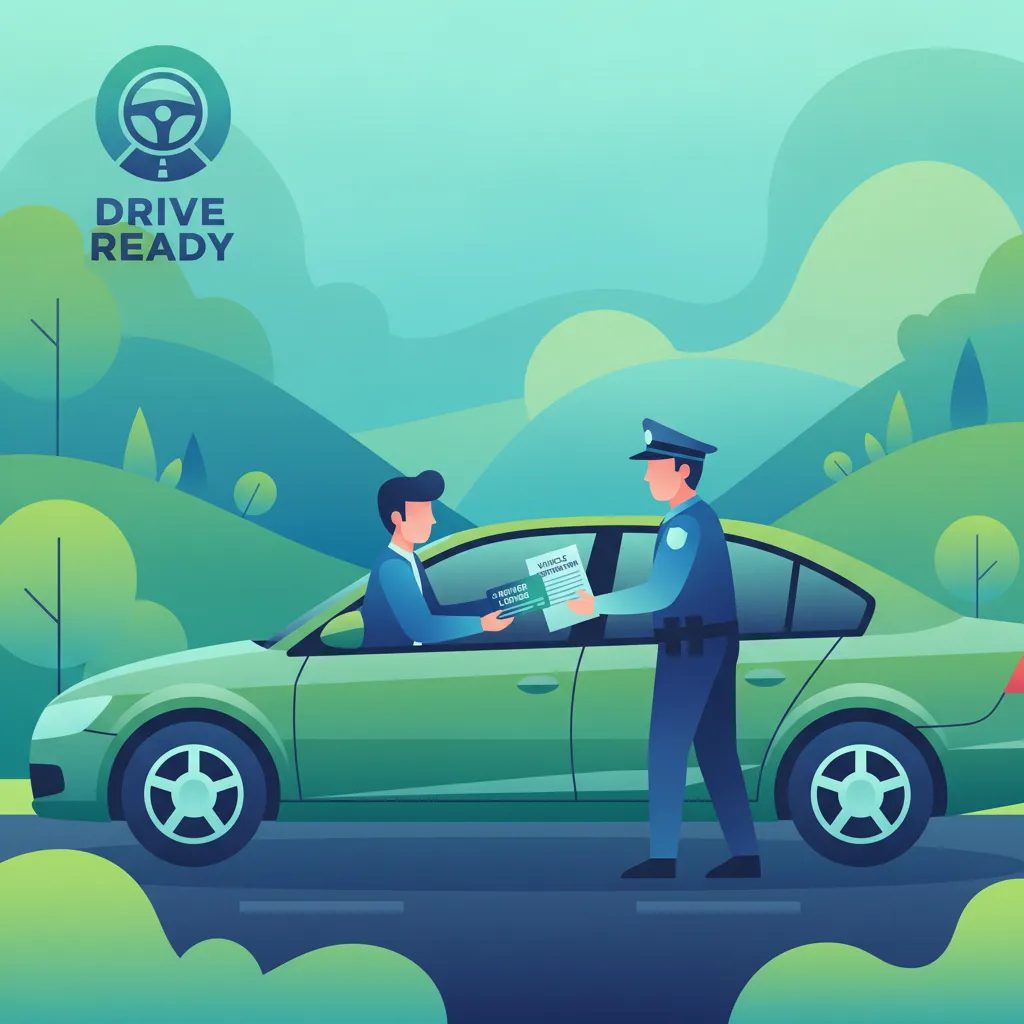
This lesson details the statutory duties imposed on motor vehicle drivers by Turkish traffic legislation to maintain order on public roads. It emphasizes mandatory seat belt usage, mobile phone bans, vehicle inspection rules, and general compliance with police directions. Understanding these duties ensures drivers avoid heavy penalties and maintain road safety.

This lesson provides an in-depth overview of the Turkish legal framework that governs professional goods vehicle operation. It explains the specific licence categories detailing the eligibility requirements, vehicle classifications, and procedural steps for obtaining each licence. Learners will become familiar with the fundamental statutes, including the Karayollari Trafik Kanunu, that form the basis of all regulatory activities.
This lesson examines the integral role of the goods vehicle driver in contributing to overall traffic safety and a positive safety culture. It focuses on proactive driving behaviors, hazard identification, and effective risk management strategies. Communication techniques with other road users, compliance with traffic flow regulations, and competent emergency responses are highlighted as essential skills.

This lesson outlines the spectrum of penalties and legal consequences that goods vehicle drivers may face for violating traffic regulations. It details the types of infractions, ranging from minor violations to serious offenses, and explains the corresponding fines, points, and license suspensions. Learners will gain an understanding of the enforcement mechanisms and how repeat offenses can exacerbate penalties.
Find clear answers to common questions learners have about Penalties and Legal Consequences. Learn how the lesson is structured, which driving theory objectives it supports, and how it fits into the overall learning path of units and curriculum progression in Turkey. These explanations help you understand key concepts, lesson flow, and exam focused study goals.
In Turkey, accumulating a certain number of penalty points within a specific timeframe can lead to the temporary suspension of your driving licence. It is crucial for A-category riders to understand these thresholds to maintain their eligibility to ride.
Speeding results in administrative fines that increase based on the percentage of the speed limit exceeded. Repeated or severe speeding can lead to license points, suspension, or even judicial proceedings if it results in an accident.
Yes, the general traffic laws and penalty systems in Turkey apply to all motorcycle categories. However, the responsibilities and legal expectations for safety remain high regardless of which A-category licence you hold.
The exam often presents scenarios where you must identify the appropriate legal consequence for a specific traffic violation, such as riding without a helmet or ignoring a stop sign. Knowing the penalty structure helps you identify the correct legal response.
Use our comprehensive practice search to find exactly the Turkish driving theory questions you need to master. Whether reviewing specific road signs, traffic rules, or first aid scenarios, select your perfect practice set and boost your confidence for the official ehliyet sınavı.