This lesson details the statutory requirements and ethical responsibilities every driver must follow to ensure safety on Turkish roads. You will learn the legal framework governing vehicle operation, from mandatory equipment to compliance with official traffic directions. This foundational knowledge is essential for both your upcoming MTSK e-sınav and your future daily driving.
Lesson content overview
To operate a motor vehicle legally and safely on public roads in Turkey, drivers must comply with a strict framework of statutory duties. These rules are governed primarily by the Turkish Highway Traffic Law (Karayolları Trafik Kanunu No. 2918).
Understanding these legal obligations is not only a core requirement for passing the official MTSK e-sınav (Turkish Driving License Theory Exam) for a Category B license, but it is also fundamental to reducing traffic accidents, avoiding heavy financial penalties, and protecting the lives of all road users.
In Turkey, driving is considered a regulated privilege rather than an inherent right. The Ministry of Transport and Infrastructure, alongside the Ministry of Interior, enforces strict statutory duties to maintain order on the highways.
Every individual operating a motor vehicle must understand that traffic laws apply uniformly across all public roads—whether driving on a major national highway (otoyol), an urban avenue, or a remote rural path.
Failing to comply with these basic duties results in a combination of administrative fines, penalty points (ceza puanı), vehicle impoundment, or even criminal prosecution in severe cases.
The seat belt is the single most effective safety device inside a motor vehicle. Under Turkish traffic legislation, the use of seat belts (emniyet kemeri) is strictly mandatory for the driver and all passengers while the vehicle is in motion.
A safety restraint system designed to secure a vehicle's occupants against harmful movement that may result from a collision, sudden braking, or rapid deceleration. It secures the occupant to the vehicle's structural frame to prevent ejection.
A common and highly dangerous misconception is that seat belts are only necessary for the driver and front-seat passenger, or that they can be ignored during short, low-speed trips in residential areas.
Turkish law makes no such distinctions:
Safety Insight: According to data from the World Health Organization (WHO), wearing a seat belt correctly reduces the risk of fatal injuries by up to 60% in frontal collisions and up to 45% in serious side-impact crashes. Neglecting the seat belt in the rear seat is equally deadly; unbelted rear passengers can be thrown forward with immense force, severely injuring or killing the front-seat occupants.
Children require specialized protection systems tailored to their height and weight. Under Turkish traffic regulations:
Driver distraction is a leading cause of traffic accidents worldwide. In Turkey, the law strictly prohibits the use of handheld mobile phones or any communication devices while the vehicle is actively in motion.
The physical holding, touching, or operating of a mobile phone or smart device for calling, texting, viewing navigation, or browsing the internet while the vehicle is in traffic.
When a driver looks at a mobile phone screen to read or send a text message, their eyes are off the road for an average of 4.6 seconds. At a standard highway speed of 90 km/h, this is equivalent to driving the entire length of a football field completely blindfolded.
The law distinguishes between handheld and hands-free communication:
Even with hands-free systems, the cognitive distraction of a phone call reduces situational awareness and slows down reaction times. It is always safest to pull over to a legal parking spot before conducting phone conversations.
To ensure that every vehicle on public roads meets basic safety and environmental standards, Turkey mandates periodic technical examinations. This process is officially managed by TÜVTÜRK, the authorized vehicle inspection service.
A periodic, legally mandated technical evaluation of a motor vehicle to verify its roadworthiness, safety components (brakes, steering, lights, tyres), and environmental compliance (emissions).
The frequency of the muayene depends entirely on the classification and age of the vehicle:
Before taking a vehicle to a TÜVTÜRK station, drivers should ensure that all critical safety components are in perfect working order.
Braking System: Ensure the service brakes and handbrake operate smoothly, evenly, and with sufficient stopping power.
Lighting and Indicators: Verify that all headlights (high and low beams), tail lights, brake lights, indicators, hazard lights, and license plate lights are fully functional.
Tyre Condition: Check that the tread depth of all tyres is at least the legal minimum of 1.6 mm, and inspect for any visible damage, bulges, or uneven wear.
Steering and Suspension: Confirm there is no excessive play in the steering wheel and that the shock absorbers are not leaking.
Required Safety Equipment: Verify that the vehicle is carrying a complete first-aid kit, two warning triangles, a fire extinguisher, and a spare tyre with a jack.
Operating a vehicle with an expired inspection certificate (muayenesiz araç kullanmak) is a serious violation. If caught during a police check, the driver will face a substantial fine, and the vehicle may be banned from traffic or impounded until a valid inspection is obtained.
On public roads, the hierarchy of traffic control commands is absolute. Drivers must understand that human law enforcement officers take immediate precedence over all other physical traffic control devices.
When navigating any roadway, intersection, or emergency scene, drivers must prioritize instructions in the following order:
1. Traffic Police / Authorized Officials (Highest Authority)
   ↓
2. Temporary Traffic Lights / Signals
   ↓
3. Permanent Traffic Signs (Regulatory & Warning)
   ↓
4. Road Markings and Lane Indicators (Lowest Authority)
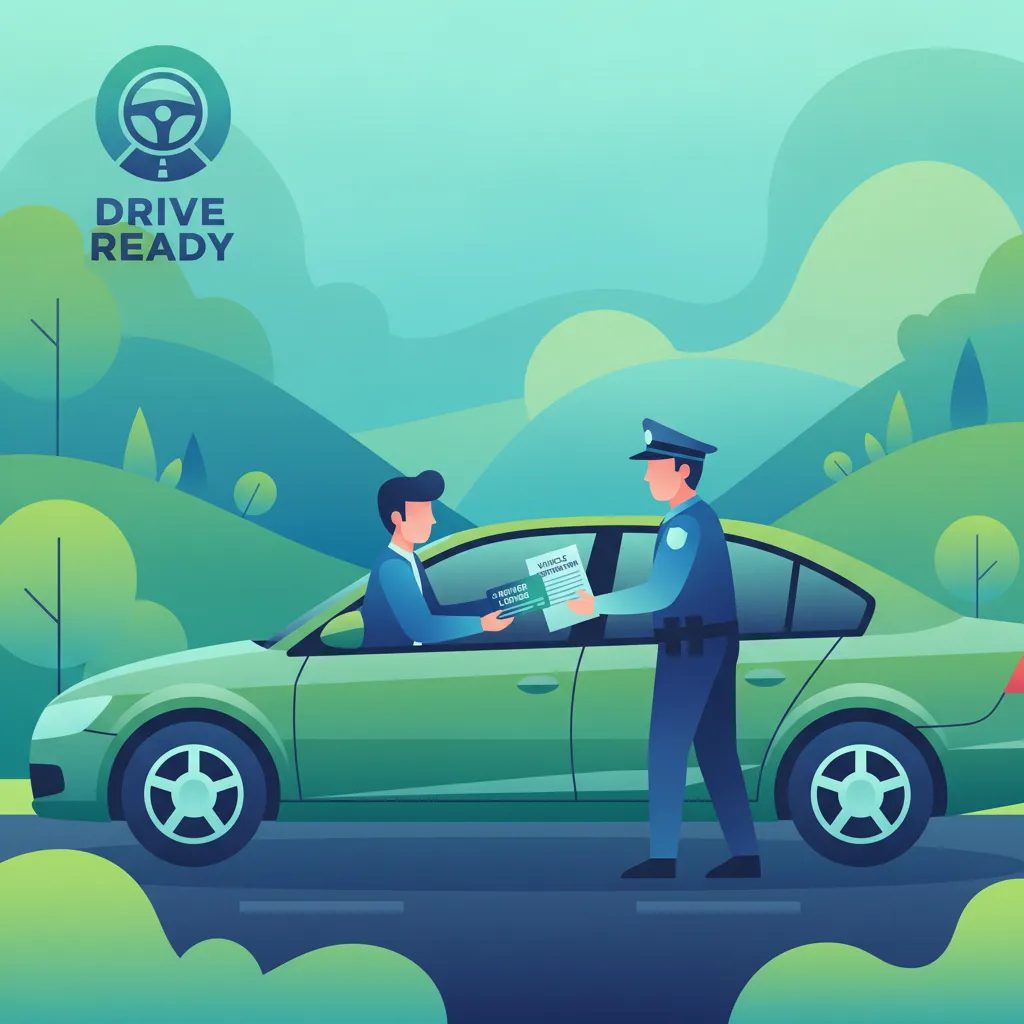
If a traffic police officer (Trafik Polisi) signals you to proceed through a red light at an intersection, you are legally obligated to follow the officer's hand signals, overriding the red light.
During routine traffic stops, emergency checkpoints, or accident management scenes, drivers must adhere to the following duties:
Whenever you operate a motor vehicle in Turkey, you are legally required to carry physical, original copies of critical documents. Failing to present these documents upon request by traffic authorities is an automatic traffic violation.
You must keep the following documents inside the vehicle or on your person whenever driving:
While digital verification systems (such as the e-Devlet mobile application) are increasingly integrated into Turkish law enforcement systems, drivers are still legally required to carry the original physical documents. A dead phone battery or a lack of internet connection at a remote checkpoint is not accepted as a valid excuse for failing to present your license or registration.
To maintain public safety and preserve the environment, Turkish traffic law also penalizes several specific "edge case" behaviors that drivers might not immediately think of as major offences.
Understanding the consequences of compliance versus violation helps reinforce safe driving habits:
| Driver Behavior (Cause) | Road Safety Outcome | Legal Consequences (Effect) |
|---|---|---|
| Consistent Seat Belt Use | Drastically reduced crash injuries/fatalities | Full legal compliance; no penalty points |
| Using Handheld Phone | Visual and cognitive distraction; slower reactions | Heavy fines; deduction of 10-15 penalty points |
| Letting Muayene Expire | High risk of sudden mechanical/brake failure | Vehicle banned from traffic; towed to compound |
| Disobeying Police Signals | High risk of intersection collisions | Massive fines; potential court appearance |
| Failing to Carry License | Inability to prove driving status to authorities | Administrative fine; vehicle may be held |
Safety on public roads relies on the collective discipline of all drivers. Adhering to your legal obligations—such as fastening your seat belt, putting away your mobile phone, scheduling your periodic vehicle inspections, keeping your physical documentation current, and respecting the commands of traffic officers—is the cornerstone of defensive driving.
By prioritizing compliance, you protect yourself from steep financial penalties and license points, while contributing directly to a safer and more orderly driving environment throughout Turkey.
Explore all units and lessons included in this driving theory course.
Lesson content overview
Explore all units and lessons included in this driving theory course.
Explore search topics learners often look for when studying Legal Obligations of Drivers. These topics reflect common questions about road rules, driving situations, safety guidance, and lesson level theory preparation for learners in Turkey.
Browse additional driving theory lessons that cover connected traffic rules, road signs, and common driving situations related to this topic. Improve your understanding of how different rules interact across everyday traffic scenarios.
Learn how the Turkish administrative penalty system tracks driver violations. This lesson covers how penalty points are assigned for traffic offences, the legal consequences of reaching point thresholds, and how these rules function alongside standard financial fines to maintain road safety and compliance across Turkish highways.
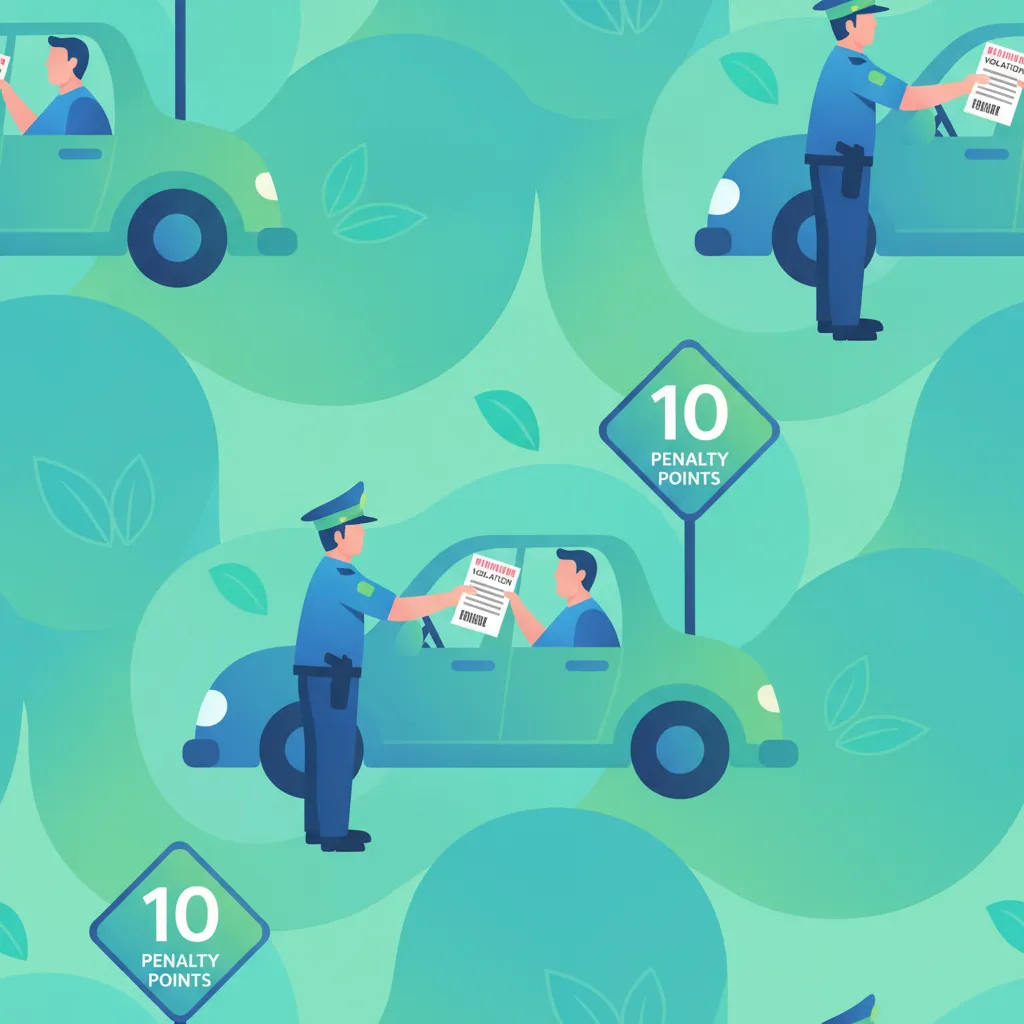
This lesson explains the mechanics of the Turkish traffic demerit points system and the corresponding fine structures for legal violations. It details how specific offenses accumulate points and the exact thresholds that trigger licence suspension or permanent revocation. Drivers will learn the administrative processes involved in appealing penalties.
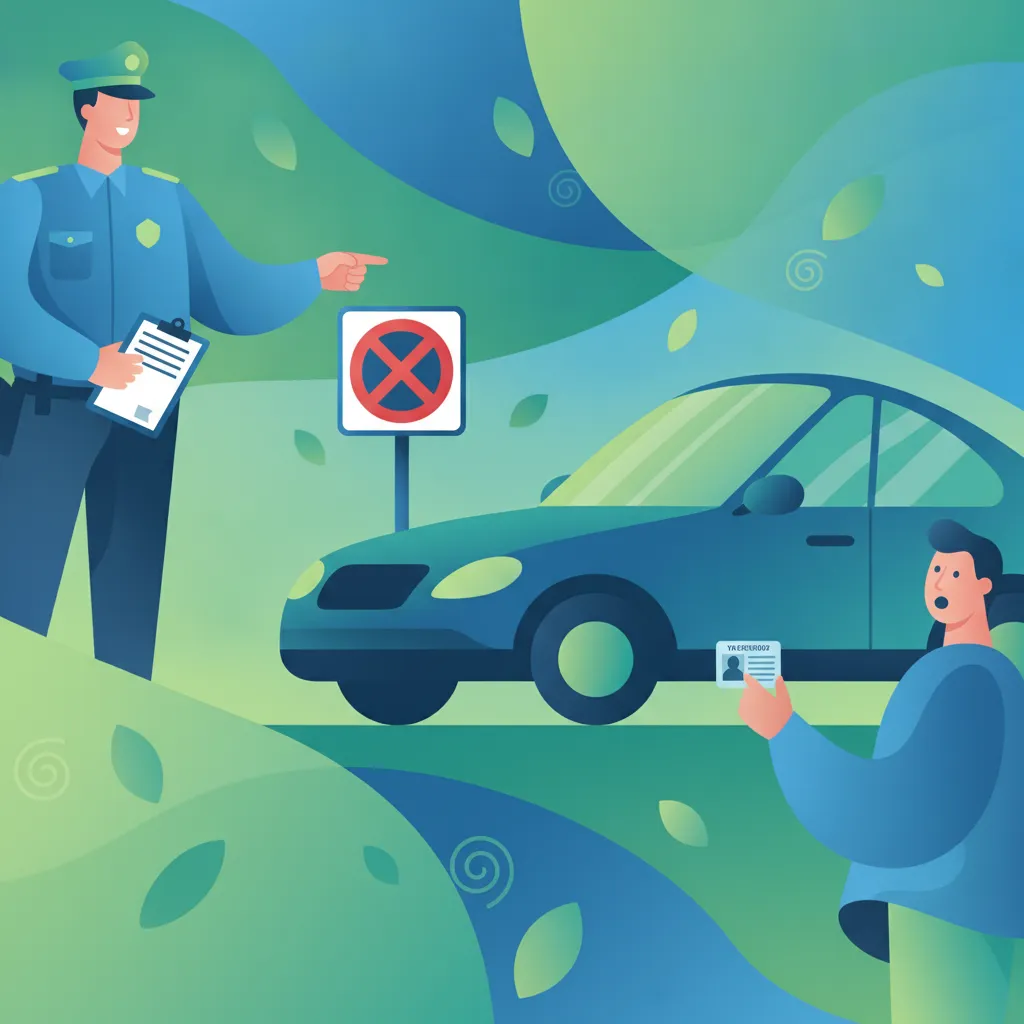
In this lesson, learners will be introduced to the legal framework governing traffic penalties in Turkey, including the various fines, licence suspensions, and criminal charges that may result from traffic violations. It will cover the points system, the severity of penalties for specific offences such as speeding and reckless driving, and the legal processes involved in enforcement.
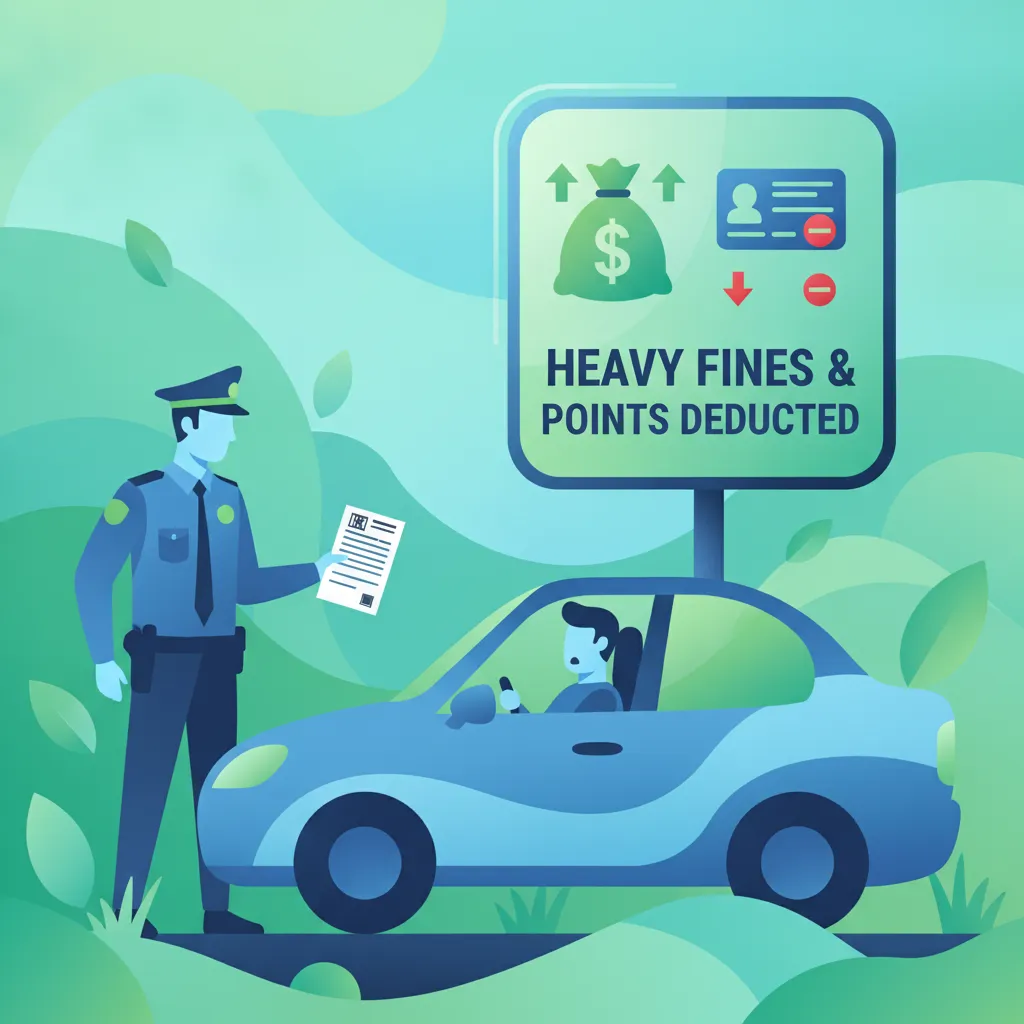
Violating Turkish traffic regulations results in serious legal and financial consequences designed to hold drivers accountable and ensure public safety. This lesson outlines the specific penalty points assigned to common infractions, the fine structure for speeding and illegal parking, and the conditions under which your moped or driving licence can be seized. Understanding these administrative penalties reinforces the importance of maintaining strict, daily compliance with national traffic laws.
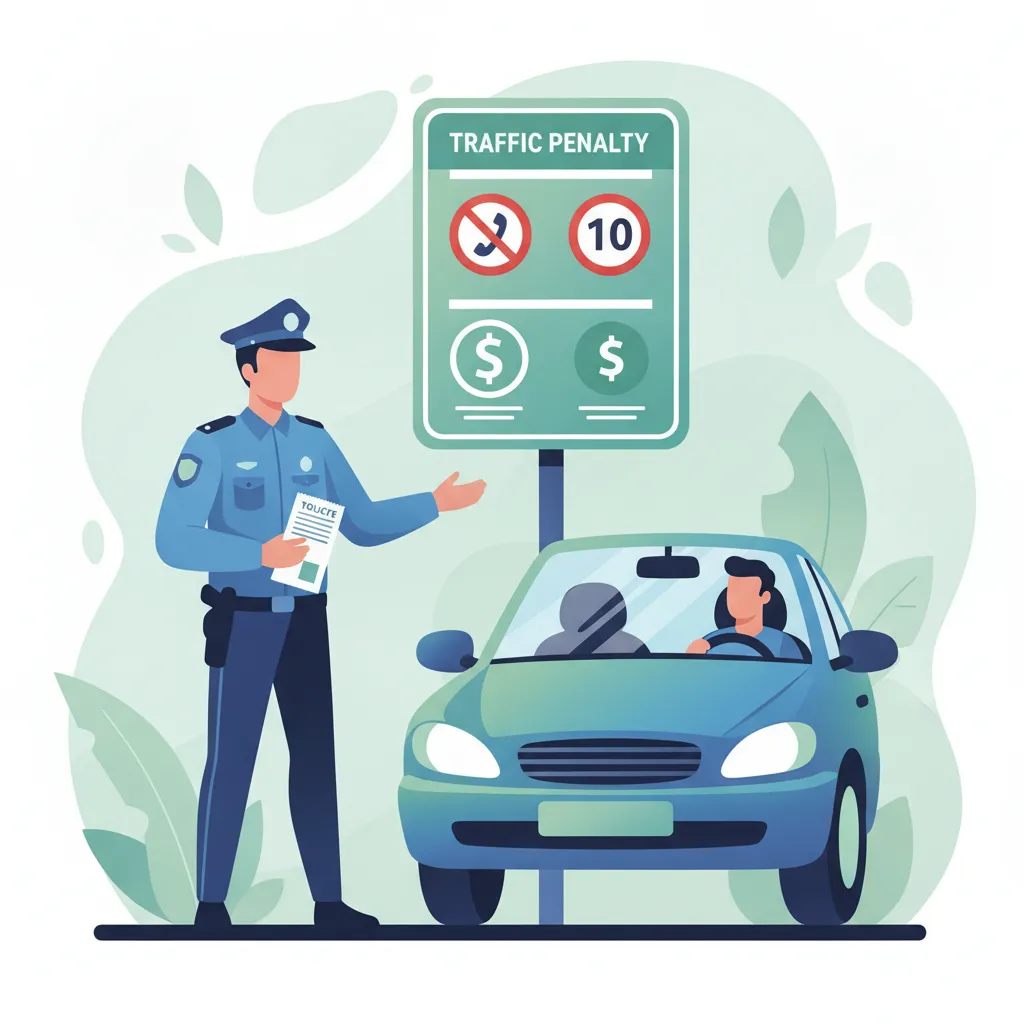
This lesson provides an overview of the penalties and legal consequences associated with traffic violations and non-compliance in goods vehicle operation. Learners will learn about the fines, demerit points, and potential license suspensions that can result from various infractions. The lesson emphasizes the importance of adhering to regulations and the impact of repeated offenses on drivers.
This lesson outlines the spectrum of penalties and legal consequences that goods vehicle drivers may face for violating traffic regulations. It details the types of infractions, ranging from minor violations to serious offenses, and explains the corresponding fines, points, and license suspensions. Learners will gain an understanding of the enforcement mechanisms and how repeat offenses can exacerbate penalties.
This lesson covers the severe administrative, financial, and criminal penalties associated with serious traffic violations in Turkey. It outlines the legal processes for driving licence suspension, vehicle impoundment, and mandatory driver retraining programs. Motorists will understand the long-term impact of a criminal driving record.
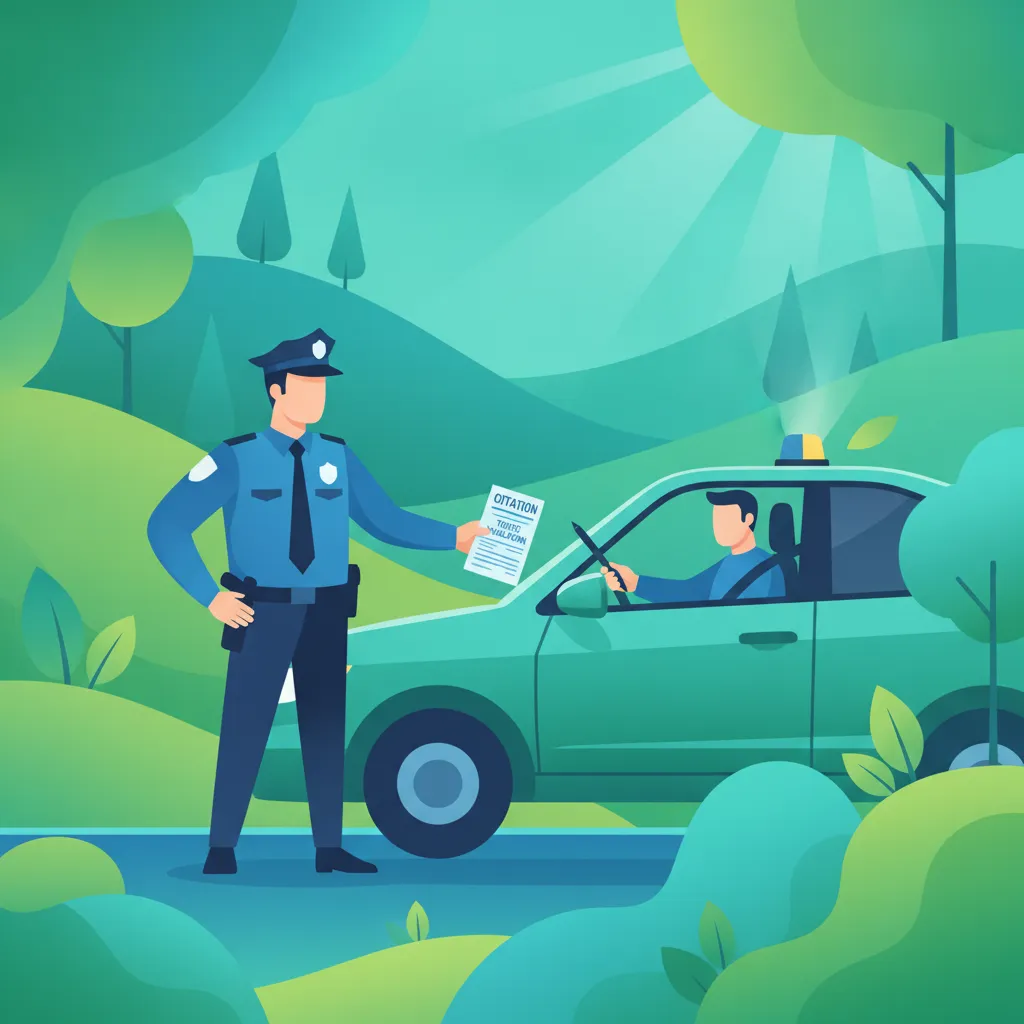
This lesson outlines the spectrum of legal repercussions that motorcyclists may face when violating traffic regulations, ranging from monetary fines to licence suspension or revocation. Learners will gain insight into the administrative processes involved, the role of law enforcement and judicial bodies, and how repeated offenses can lead to escalating penalties. Understanding these consequences reinforces the importance of strict adherence to traffic laws.
In this lesson, participants will learn about the specific offences and penalties that apply to passenger vehicle drivers, focusing on violations that directly jeopardize passenger safety and public security. The content outlines the legal repercussions of non-compliance, including fines, licence suspensions, and other enforcement actions. Understanding these penalties reinforces the critical nature of adhering to traffic laws and safety protocols in professional passenger transport.
This lesson outlines the legal framework governing passenger vehicle operation, highlighting the penalties for various offences, such as speeding, failure to adhere to stop procedures, or neglecting passenger safety protocols. Learners will understand the importance of compliance to avoid fines, licence suspension, or other legal actions, and the role of regulatory bodies in enforcement.

This lesson focuses on the unique requirements and best practices for operating passenger vehicles on highways and expressways. Topics include maintaining appropriate speed, adhering to lane discipline, executing safe overtaking maneuvers, and managing merges and exits. Emphasis is placed on ensuring a smooth ride for passengers while integrating safely with faster-moving traffic.
Understand the official priority sequence for traffic control devices in Turkey. This lesson explains why the instructions of a traffic police officer always override traffic lights, road signs, and markings, ensuring you can navigate checkpoints and emergency situations safely according to national traffic legislation.

This lesson provides an in-depth understanding of traffic light signals and their role in regulating intersection traffic. Learners will study the meanings of red, yellow, and green lights, as well as pedestrian and bicycle signals. The lesson also covers special conditions such as flashing signals and signal malfunctions. Emphasis is placed on the correct driver response to each signal phase.

In this lesson, learners will explore the functioning of traffic lights and their impact on motorcycle riding. It delves into the meanings of red, amber, and green lights, as well as dedicated turn arrows and pedestrian signals. The lesson highlights specific considerations for motorcyclists at intersections, such as the appropriate response to amber lights, the use of turn arrows for safe lane changes, and legal crossing obligations.
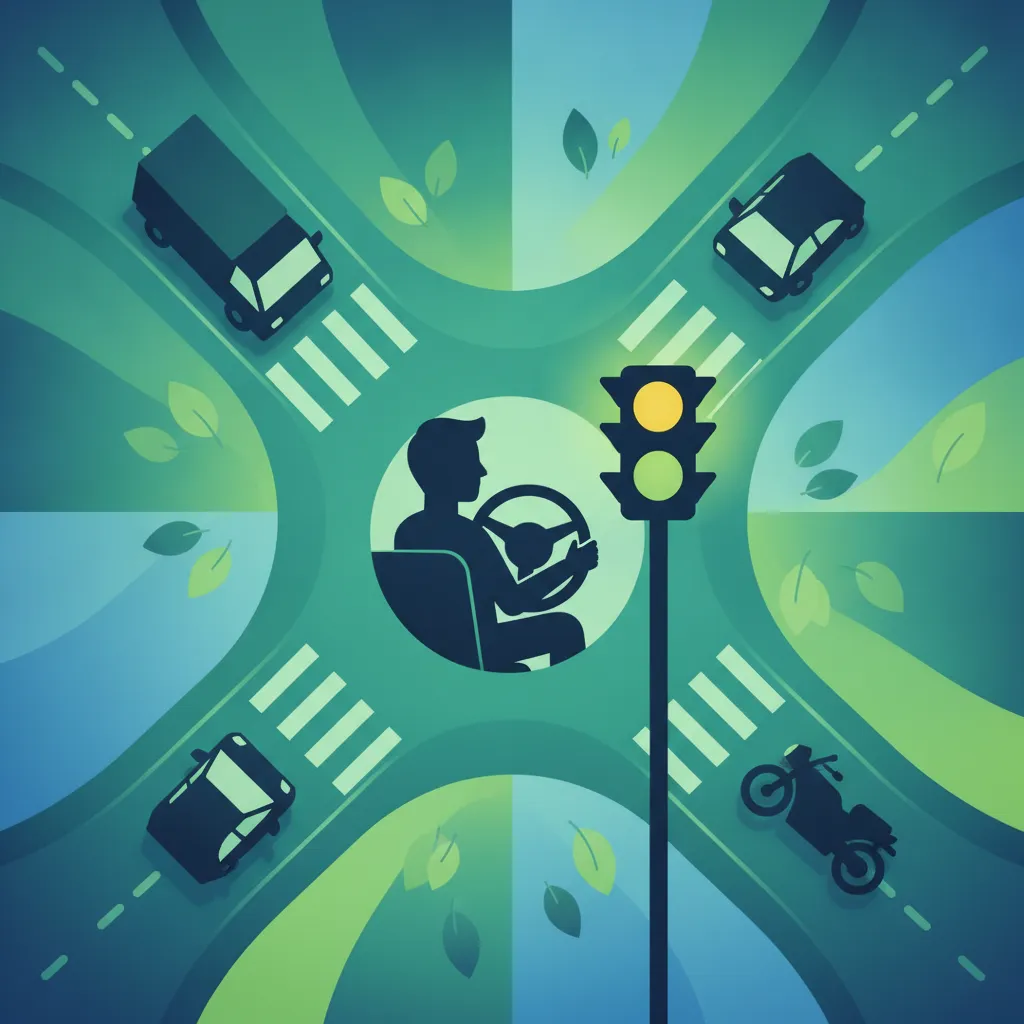
Correctly interpreting traffic signal sequences and priority rules is crucial for preventing devastating right-angle collisions at intersections. This lesson breaks down the phase progression of standard lights, the meanings of flashing amber or red indicators, and the hierarchy of traffic control when a police officer is directing vehicles. You will also master the basic legal default rules of right-of-way, such as yielding to vehicles coming from the right at uncontrolled junctions.
This lesson focuses on priority rules at controlled intersections equipped with traffic signals, stop signs, or yield signs. Learners will understand how to interpret traffic light phases, comply with stop and yield indications, and assess right-of-way at these intersections. The lesson also covers pedestrian and cyclist considerations, as well as emergency vehicle priority.
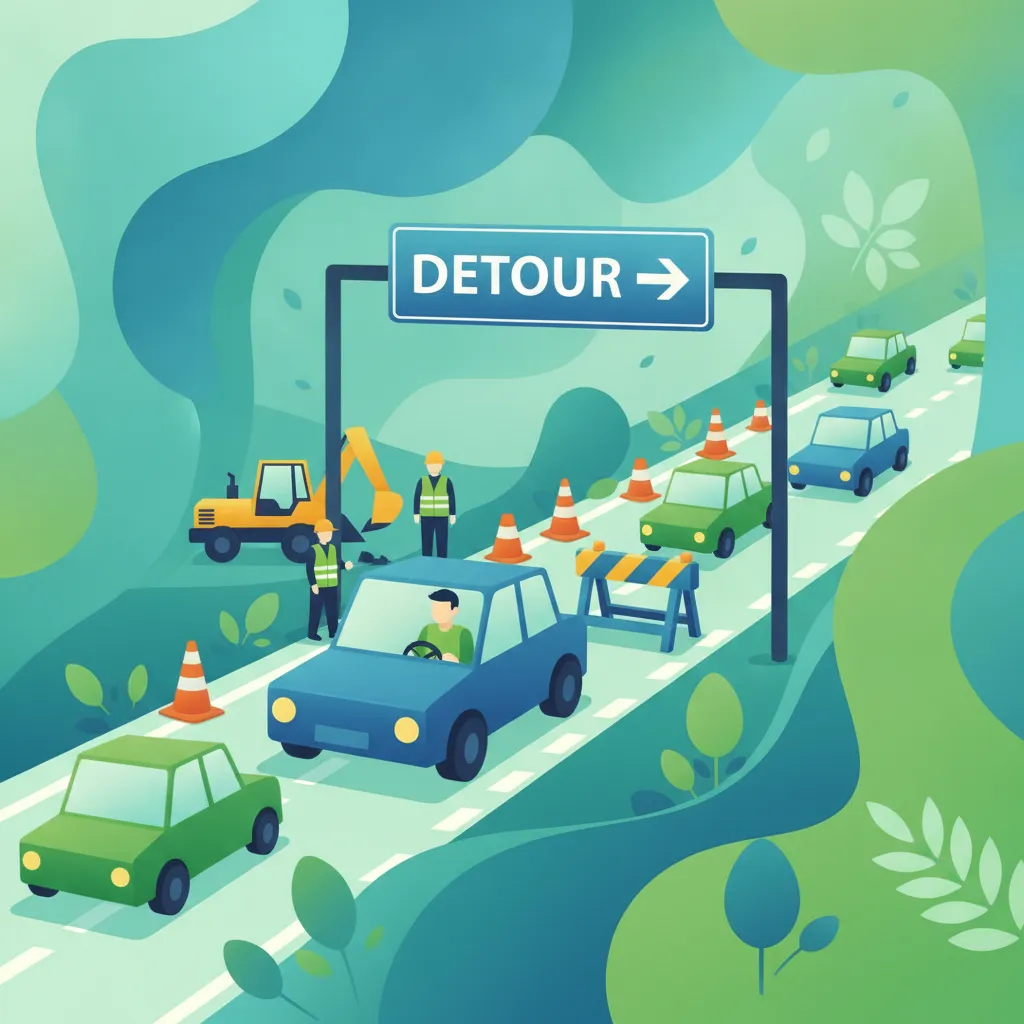
This lesson guides motorists on how to safely navigate active roadwork zones, detours, and temporary lane configurations. It details the meaning of construction signs, temporary speed reductions, and the legal requirement to protect highway workers. Drivers will learn to expect sudden stops and maintain slow, steady speeds through work areas.

In this lesson, learners will master the meanings of various traffic signs as defined by Turkish traffic legislation. The focus will be on understanding regulatory, warning, and informational signs, with particular attention to those that directly affect motorcyclists, such as speed limits and lane usage. By the end of this session, participants will be able to quickly recognize sign categories and apply the required actions safely.
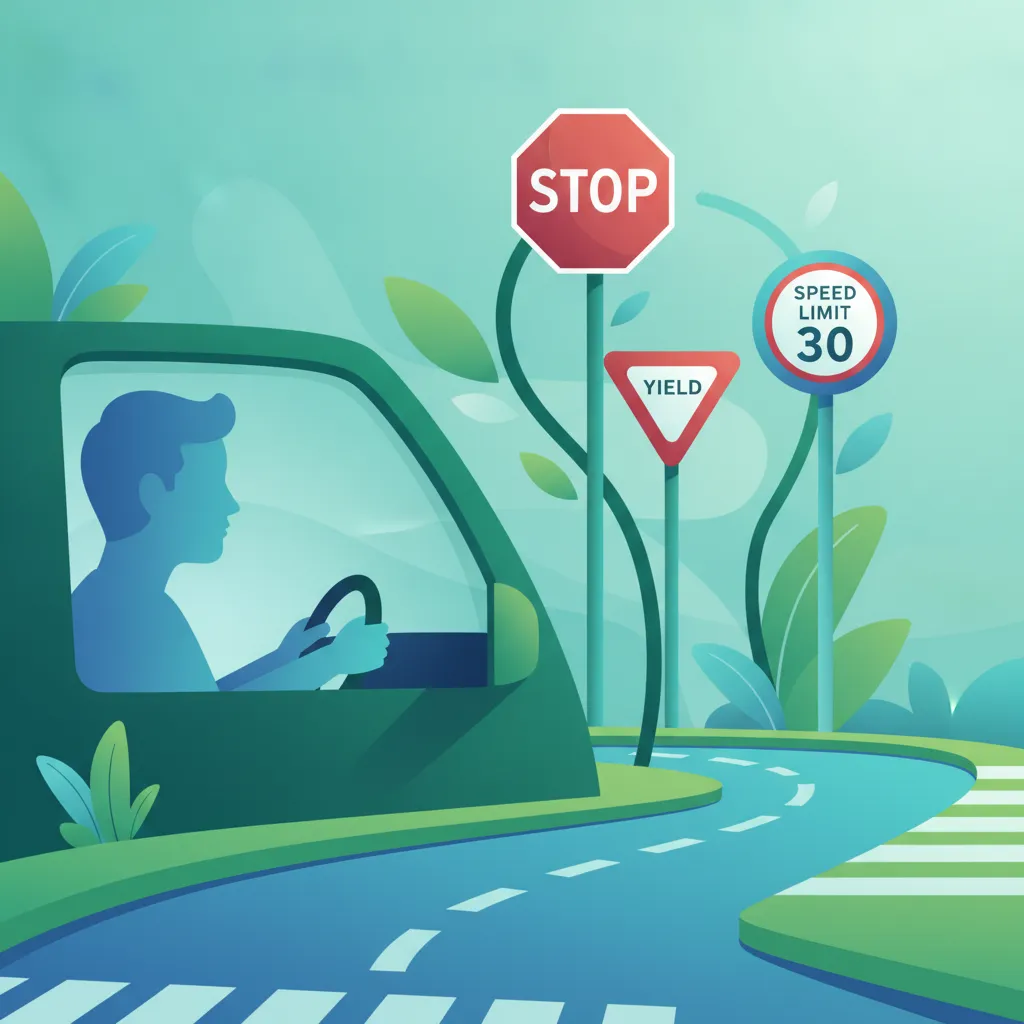
This lesson delves into the regulatory traffic signs that dictate mandatory and prohibited actions for drivers. Learners will study signs indicating speed limits, stop and yield requirements, no-entry zones, and lane usage directives. The lesson also covers temporary regulatory signs used in construction or special events, emphasizing the importance of adhering to these signs to avoid penalties.
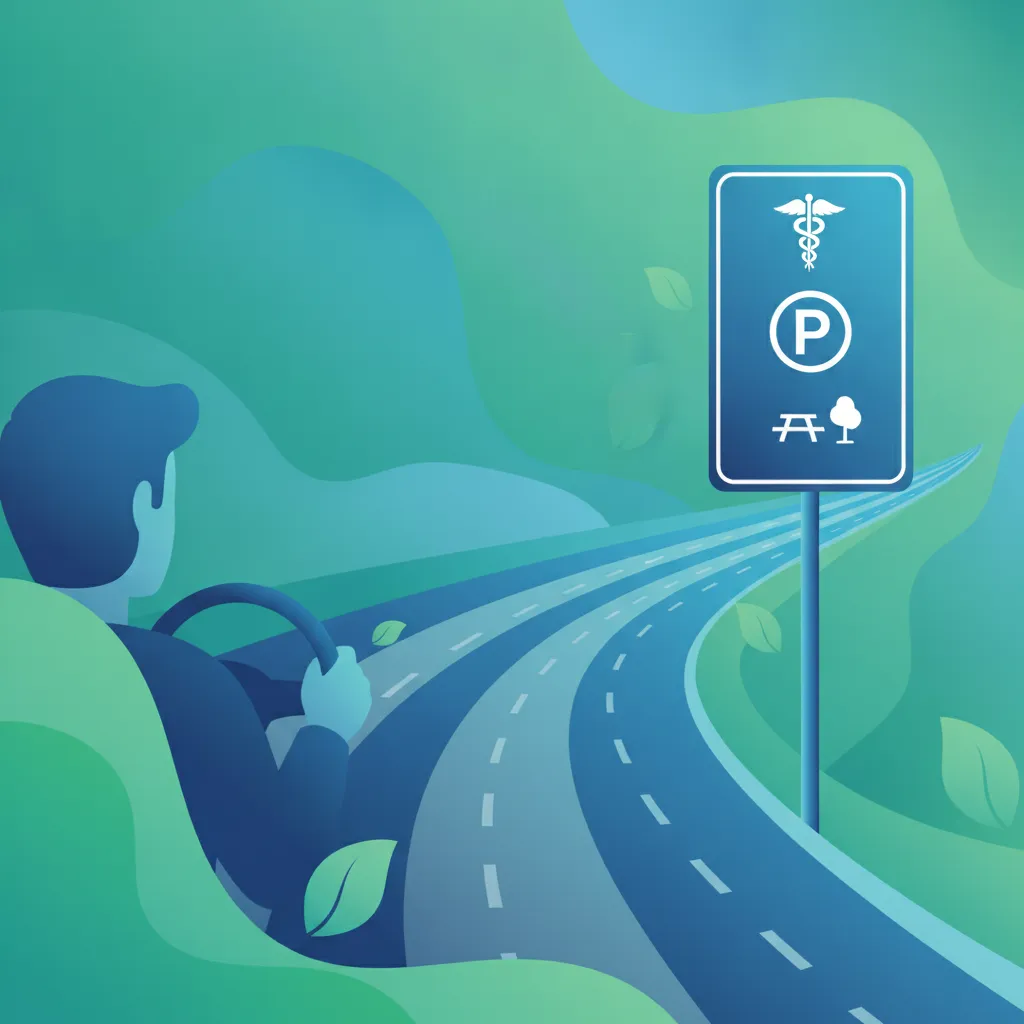
This lesson focuses on informational traffic signs that provide guidance and essential information to drivers. Learners will examine signs indicating directions, distances to cities, service areas, fuel stations, hospitals, police stations, and tourist attractions. The lesson highlights the role of these signs in facilitating navigation and ensuring drivers can locate essential services safely.
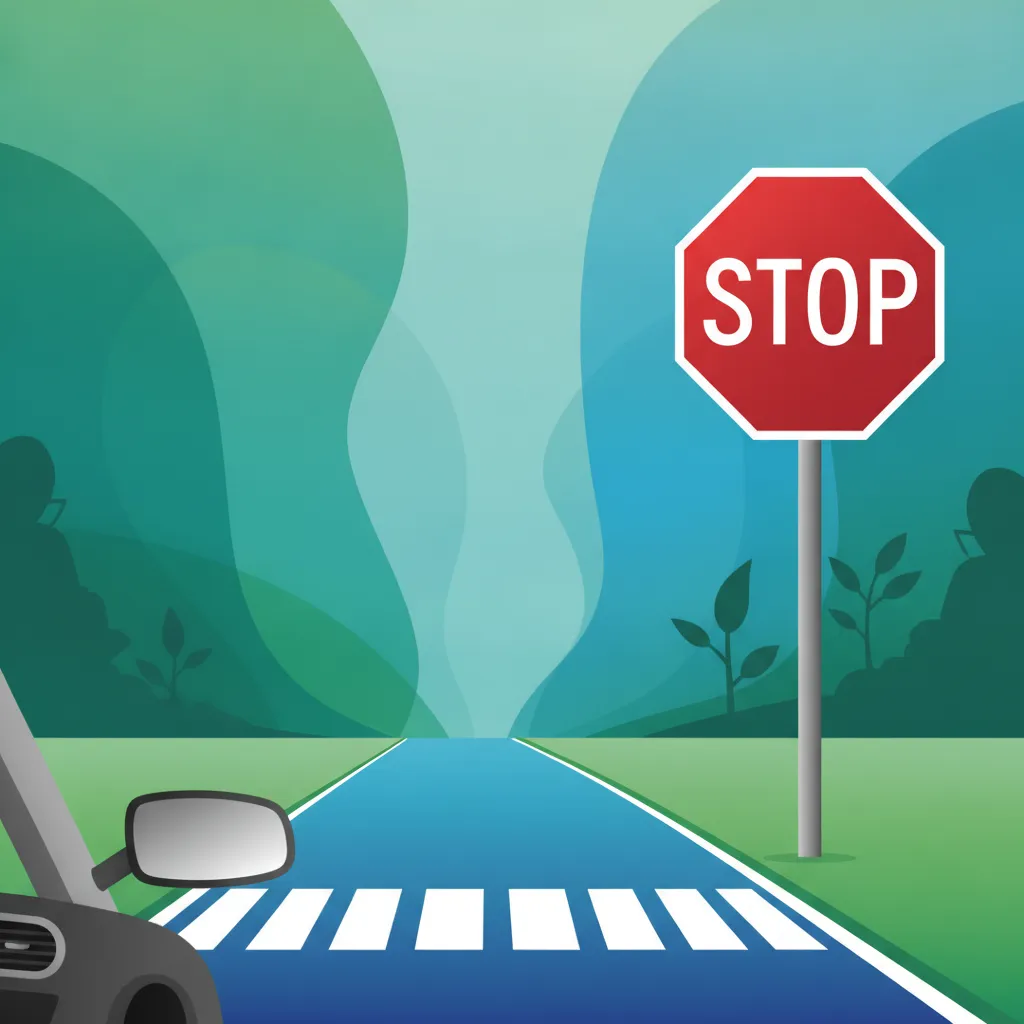
In this lesson, learners explore vertical road markings, primarily focusing on signs mounted on poles or overhead structures. Topics include direction indicators, speed limit signs, warning signs, and regulatory signs. The lesson emphasizes the importance of sign placement, illumination, and visibility in ensuring driver compliance. Real-world scenarios demonstrate how drivers should interpret and react to vertical markings.
Violating Turkish traffic regulations results in serious legal and financial consequences designed to hold drivers accountable and ensure public safety. This lesson outlines the specific penalty points assigned to common infractions, the fine structure for speeding and illegal parking, and the conditions under which your moped or driving licence can be seized. Understanding these administrative penalties reinforces the importance of maintaining strict, daily compliance with national traffic laws.
Find clear answers to common questions learners have about Legal Obligations of Drivers. Learn how the lesson is structured, which driving theory objectives it supports, and how it fits into the overall learning path of units and curriculum progression in Turkey. These explanations help you understand key concepts, lesson flow, and exam focused study goals.
Under Turkish traffic law, using a mobile phone while the vehicle is in motion is prohibited. It is considered a serious distraction and a traffic violation. You must pull over safely and park the vehicle if you need to use your phone.
Seat belt usage is a mandatory legal obligation for both drivers and passengers in Turkey. Failing to wear one is a punishable traffic violation that results in a fine and, in some cases, traffic penalty points against your record.
Yes, ensuring your vehicle undergoes mandatory periodic inspections (TÜVTÜRK) is a primary legal duty of the driver. Operating a vehicle with an expired inspection certificate is illegal and can lead to severe penalties.
Yes. According to the hierarchy of traffic control, instructions from a traffic police officer always take precedence over traffic lights, road signs, and road markings. You must follow the officer's hand signals at all times.
Use our comprehensive practice search to find exactly the Turkish driving theory questions you need to master. Whether reviewing specific road signs, traffic rules, or first aid scenarios, select your perfect practice set and boost your confidence for the official ehliyet sınavı.