This lesson explores the essential ethical standards and professional conduct required for goods vehicle operators in Turkey. You will learn how your responsibilities as a professional driver contribute to road safety and public trust. This foundational knowledge is crucial for your C1, C, C1E, or CE theory exam.
Lesson content overview
Operating a heavy commercial vehicle is not merely a job; it is a profound safety and social responsibility. As a professional driver preparing for C1, C, C1E, or CE license categories within the framework of the Turkey Professional Goods Vehicle Theory Course, you control vehicles that weigh several tonnes. Because of their sheer size, weight, and potential to cause catastrophic damage, the standard of care required of you is significantly higher than that of a private passenger car driver.
This lesson explores the professional conduct, ethical obligations, and legal standards that define high-quality driving in the logistics and transport sector. By understanding your duty of care, ethical decision-making processes, and the expectations set by the Turkish Highway Traffic Regulation (Karayolları Trafik Yönetmeliği), you will build the mindset necessary to protect lives, maintain public trust, and promote efficient cargo movement.
A professional goods vehicle driver is a key player in the national economy and a guardian of public safety. In Turkey, where road transport is the backbone of the domestic supply chain, heavy vehicle operations directly impact daily traffic flow, infrastructure wear, and environmental health.
When you sit behind the wheel of a heavy commercial vehicle, you act as the public face of your employer and the logistics industry. Every maneuver you make—from how you merge onto the highway to how you handle tight urban corners—shapes the public’s perception of commercial transport.
While basic traffic laws define what you must or must not do, ethical standards define what you should do to ensure the highest level of safety. Legal compliance is the bare minimum; professional ethics go further.
For example, a law might specify the maximum speed limit under normal conditions, but an ethical driver proactively reduces speed below that limit when navigating a school zone or driving through heavy rain on the Anatolian Highway (Anadolu Otoyolu), even if no sign explicitly mandates it.
In legal and moral terms, the Duty of Care (Özen Yükümlülüğü) is the obligation to act with reasonable caution to avoid causing foreseeable harm to other road users. As a heavy vehicle operator, your duty of care is disproportionately high because of the physics of your vehicle.
The legal and moral responsibility of a professional driver to take all reasonable precautions to prevent harm to pedestrians, passengers, cyclists, other motorists, and public infrastructure.
To fulfill this obligation, you must integrate several practices into your daily routine:
A common misunderstanding among novice drivers is believing that focusing solely on their own vehicle absolves them of responsibility for surrounding traffic. In practice, a professional driver must drive defensively, actively anticipating the mistakes of less experienced road users and taking preventive action to avoid accidents.
To achieve true professionalism, a driver must commit to several core principles that extend beyond mechanical driving skills.
Professionalism means consistently maintaining high standards of competence, accountability, and ethical behavior. A professional driver does not let personal emotions, frustration, or fatigue dictate their driving style. They remain calm, polite, and methodical, even when facing delays, difficult traffic, or challenging customer interactions.
The logistics sector operates on tight schedules. While punctuality is crucial, a professional driver understands that safety must never be sacrificed for speed. Balancing these two demands is a key test of professional conduct.
Never attempt to make up for logistical delays by speeding, tailgating, or violating mandatory driving and rest periods. A late delivery is a minor business inconvenience; an accident caused by rushing can be fatal and carries severe legal consequences.
In Turkey’s busy urban centers, space is limited. Professional drivers must treat all road users with courtesy. This includes:
The transport sector is constantly evolving with new vehicle technologies, updated environmental standards, and changing legal regulations. Under the Turkish vocational qualification system, drivers must maintain their SRC Certificate (Mesleki Yeterlilik Belgesi) and undergo regular psychotechnical evaluations. Professional drivers actively seek to improve their knowledge of eco-driving, smart tachographs, and advanced safety systems.
As a professional driver, you will regularly face ethical dilemmas where business pressures conflict with safety regulations. Ethical decision-making means consistently choosing the path that prioritizes human life and legal compliance over financial convenience.
Consider the following common scenarios and how an ethical, professional driver handles them:
Your dispatcher insists that you carry a load that exceeds your vehicle’s maximum authorized mass (MAM) or violates axle weight limits to save on a second trip.
During your pre-trip inspection, you notice a deeply worn tread on one of your steering axle tires or a faulty brake light. The dispatcher tells you to complete the day's run and fix it over the weekend.
You are caught in an unexpected traffic jam on the Istanbul-Ankara highway and are running out of legal driving hours on your digital tachograph. You are only 30 kilometers away from your destination.
Identify the Conflict: Determine where the operational request (e.g., speed, overloading) conflicts with safety guidelines or legal limits.
Assess the Risks: Evaluate the potential consequences of the unsafe action on yourself, other road users, and your career.
Consult the Regulations: Use your training on Turkish Highway Traffic Codes and safety guidelines as your absolute reference point.
Communicate Transperently: Explain the situation clearly to your employer or dispatcher, focusing on safety, legal compliance, and liability.
Choose Safety: Take the action that guarantees safe vehicle operation, even if it results in temporary operational delays.
Vulnerable Road Users (VRUs)—including pedestrians, young children, elderly citizens, cyclists, and motorcyclists—suffer the most severe consequences in accidents involving heavy goods vehicles. A major part of your professional conduct is maintaining an attitude of protective vigilance toward these groups.
Because C and CE category vehicles have substantial blind spots (kör noktalar), you must exercise extreme caution when maneuvering in urban delivery areas.
Professional driving conduct in Turkey is regulated by specific laws and administrative frameworks. Compliance with these rules is essential to keep your license and avoid severe legal penalties.
This regulation defines the strict operational boundaries for heavy goods vehicles. Key legal requirements include:
Neglecting your professional obligations leads to a range of severe penalties, including:
A professional driver's ethical and physical conduct must adapt to changing driving conditions. You must assess how external factors alter your vehicle's safety limits and adjust your behavior accordingly.
| Environmental Factor | Physical Impact on Vehicle | Required Professional Adjustment |
|---|---|---|
| Heavy Rain / Snow / Ice | Reduced tire traction, significantly increased braking distances, and poor visibility. | Reduce speed well below the legal limit, increase your following distance to at least double the standard gap, and turn on low-beam headlights. |
| Dense Fog | Severe reduction in visibility and difficulty estimating distances. | Reduce speed, activate fog lights, avoid overtaking, and use road markings to guide your lane positioning. |
| Urban Residential Roads | Higher concentration of pedestrians, cyclists, children, and parked vehicles. | Maintain extreme alertness, drive at low speeds, actively scan blind spots, and be prepared for sudden stops. |
| Steep Gradients (e.g., Mountain Passes) | Risk of brake fade due to overheating on downgrades. | Select a low gear before starting the descent, utilize auxiliary braking systems (retarder/exhaust brake), and keep a safe distance from vehicles ahead. |
As a candidate for a professional goods vehicle license (C1, C, C1E, CE) in Turkey, always keep these core principles at the center of your driving philosophy:
By committing to these high ethical standards, you guarantee your own long-term success as a driver, protect your livelihood, and play an active role in keeping Turkey's roads safe for everyone.
Explore all units and lessons included in this driving theory course.
Lesson content overview
Explore all units and lessons included in this driving theory course.
Explore search topics learners often look for when studying Professional Conduct and Ethical Obligations. These topics reflect common questions about road rules, driving situations, safety guidance, and lesson level theory preparation for learners in Turkey.
Browse additional driving theory lessons that cover connected traffic rules, road signs, and common driving situations related to this topic. Improve your understanding of how different rules interact across everyday traffic scenarios.
Learn about the mandatory administrative requirements, including SRC certificates, psychotechnical reports, and tachograph regulations. This guide covers the legal framework governing professional goods vehicle operation under the Turkish Highway Traffic Regulation and ensures you understand the necessary compliance standards for operating heavy commercial vehicles legally and safely.

This lesson emphasizes the critical importance of maintaining accurate and up-to-date documentation for professional goods vehicle operation. It covers essential documents such as driver's licences, vehicle registration, logbooks, cargo permits, and inspection certificates. Learners will understand the legal requirements for record keeping and the role of tachographs in monitoring driver activity.

This lesson emphasizes the critical importance of maintaining accurate documentation and records for goods vehicle operation. Learners will explore the legal requirements for logbooks, permits, and other essential paperwork, and understand how proper documentation supports compliance and safety. The lesson also highlights the potential consequences of inaccurate or missing records on the road.
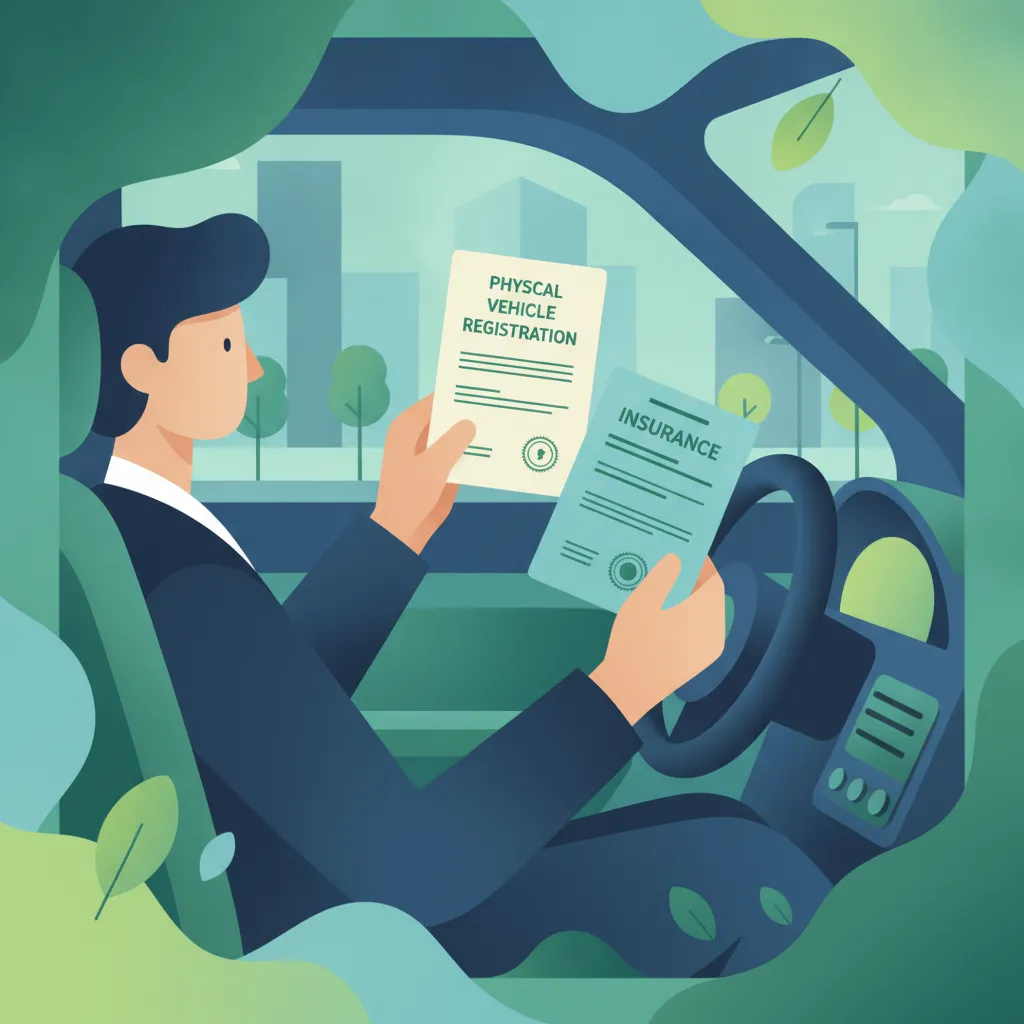
Learners will gain insight into the essential documentation and registration processes for passenger vehicles, covering the requirements for legal operation and fleet management. The lesson details the necessary paperwork, periodic inspections, and permits required to maintain compliance with Turkish transport regulations. Mastery of these administrative aspects ensures that drivers are prepared to meet all legal obligations for vehicle operation.
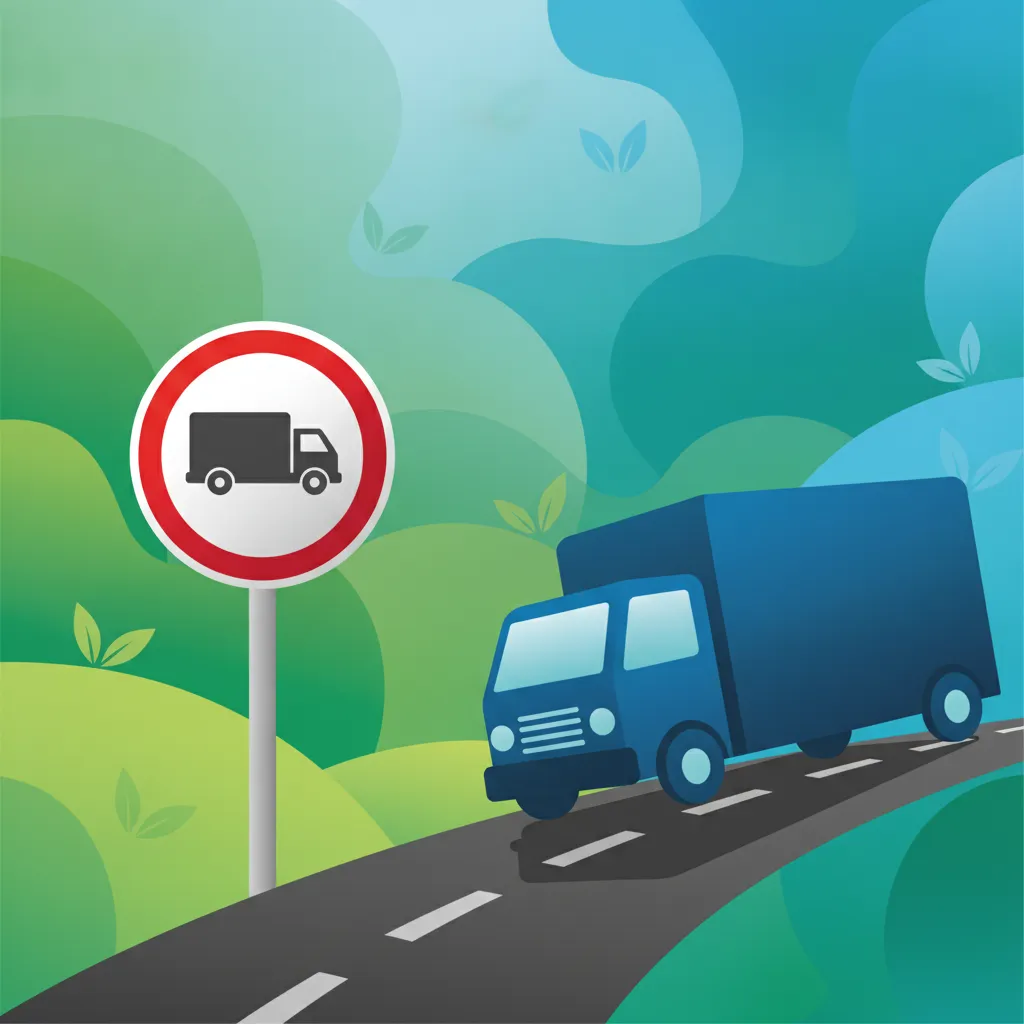
This lesson focuses on traffic signs and road markings that are specifically relevant to goods vehicles in Turkey. Learners will become familiar with signs indicating prohibited routes, weight limits, height restrictions, hazardous material transport, and lane usage regulations. The lesson emphasizes the importance of accurately interpreting these signs to ensure compliance with traffic laws.
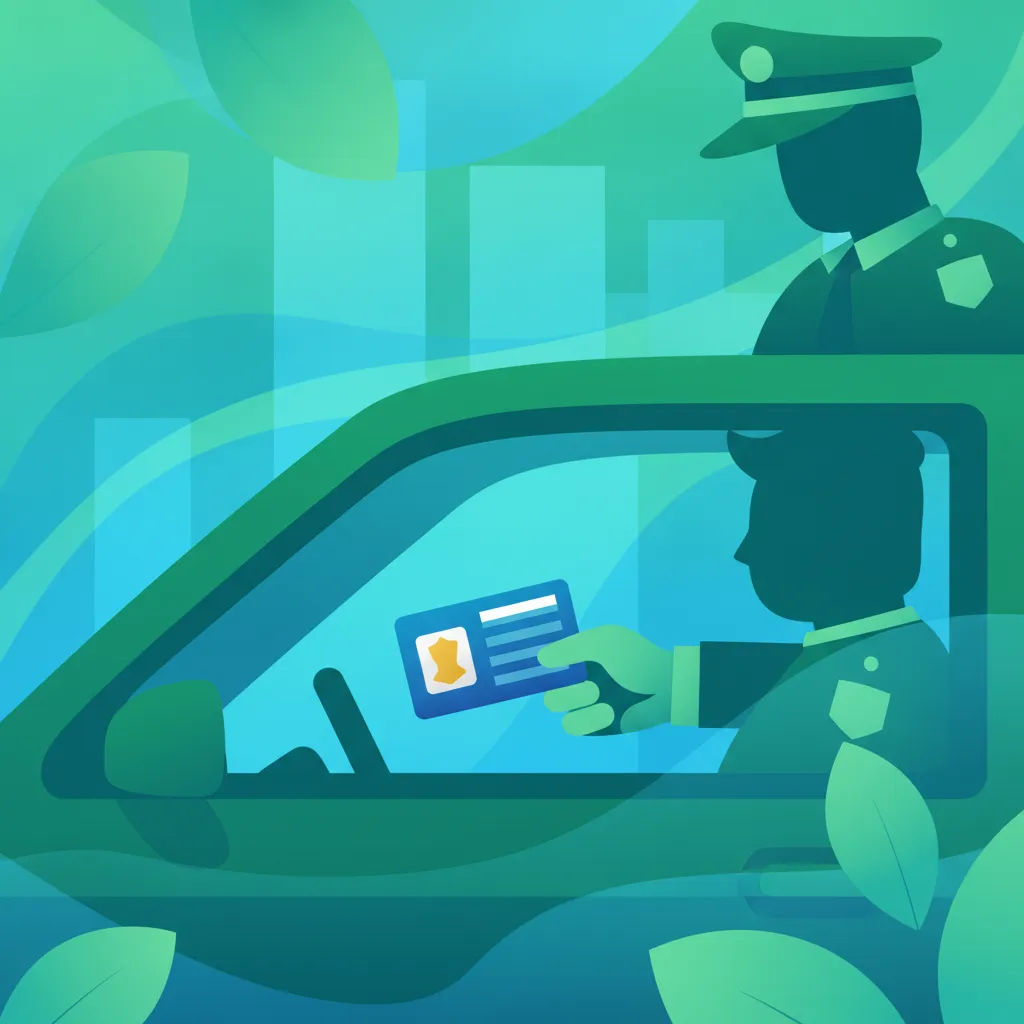
This lesson provides an exhaustive breakdown of the mandatory vehicle and driver documents that must be carried inside the vehicle at all times. It explains the exact validity terms of a Turkish driving licence, standard renewal steps, and compulsory insurance procedures. Drivers will understand how to verify document accuracy to pass police roadside checks.
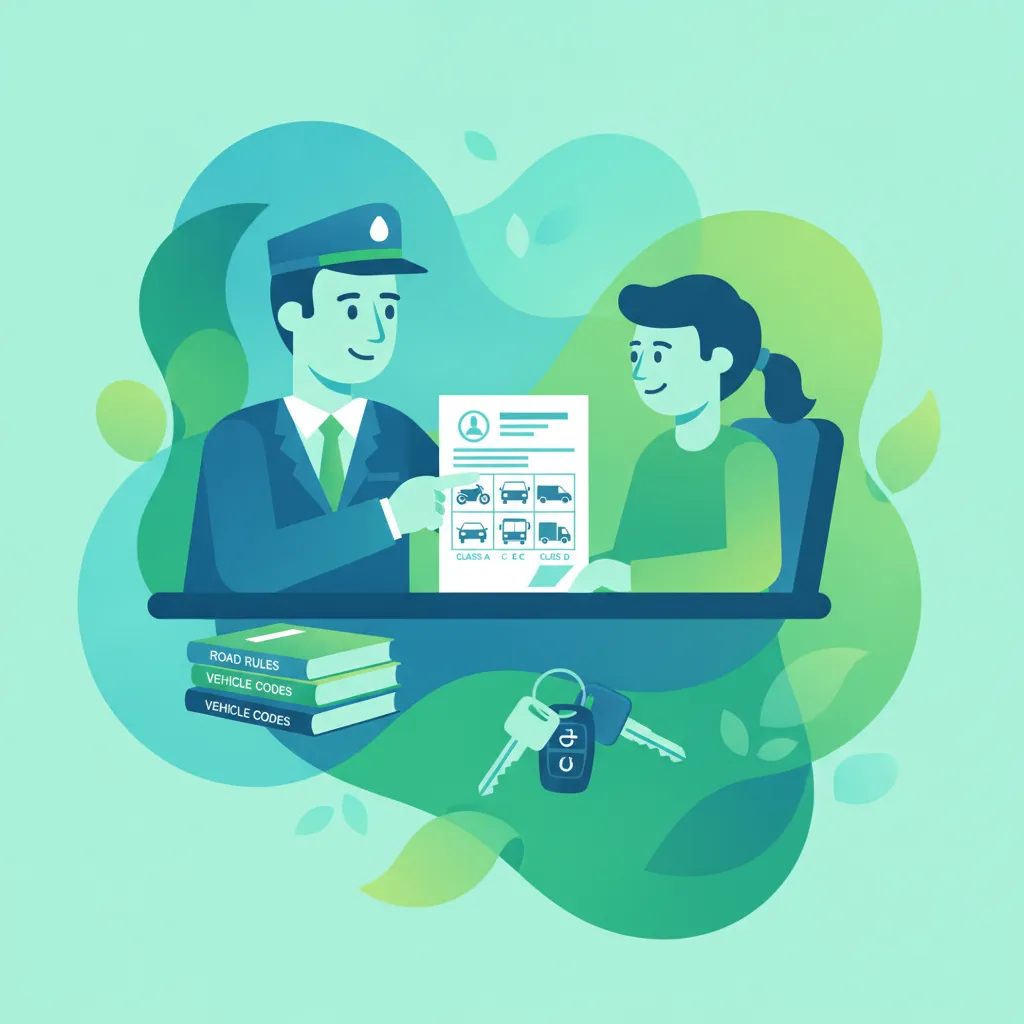
This lesson provides an in-depth overview of the Turkish legal framework that governs professional goods vehicle operation. It explains the specific licence categories detailing the eligibility requirements, vehicle classifications, and procedural steps for obtaining each licence. Learners will become familiar with the fundamental statutes, including the Karayollari Trafik Kanunu, that form the basis of all regulatory activities.
This lesson examines the integral role of the goods vehicle driver in contributing to overall traffic safety and a positive safety culture. It focuses on proactive driving behaviors, hazard identification, and effective risk management strategies. Communication techniques with other road users, compliance with traffic flow regulations, and competent emergency responses are highlighted as essential skills.

This lesson provides a detailed overview of the classification system for goods vehicles in Turkey, focusing on the specific dimensional limits for each category. Learners will become familiar with the maximum allowable length, width, and height for these vehicles, as defined by Turkish law. Understanding these limits is crucial for ensuring compliance with road regulations and avoiding serious violations.
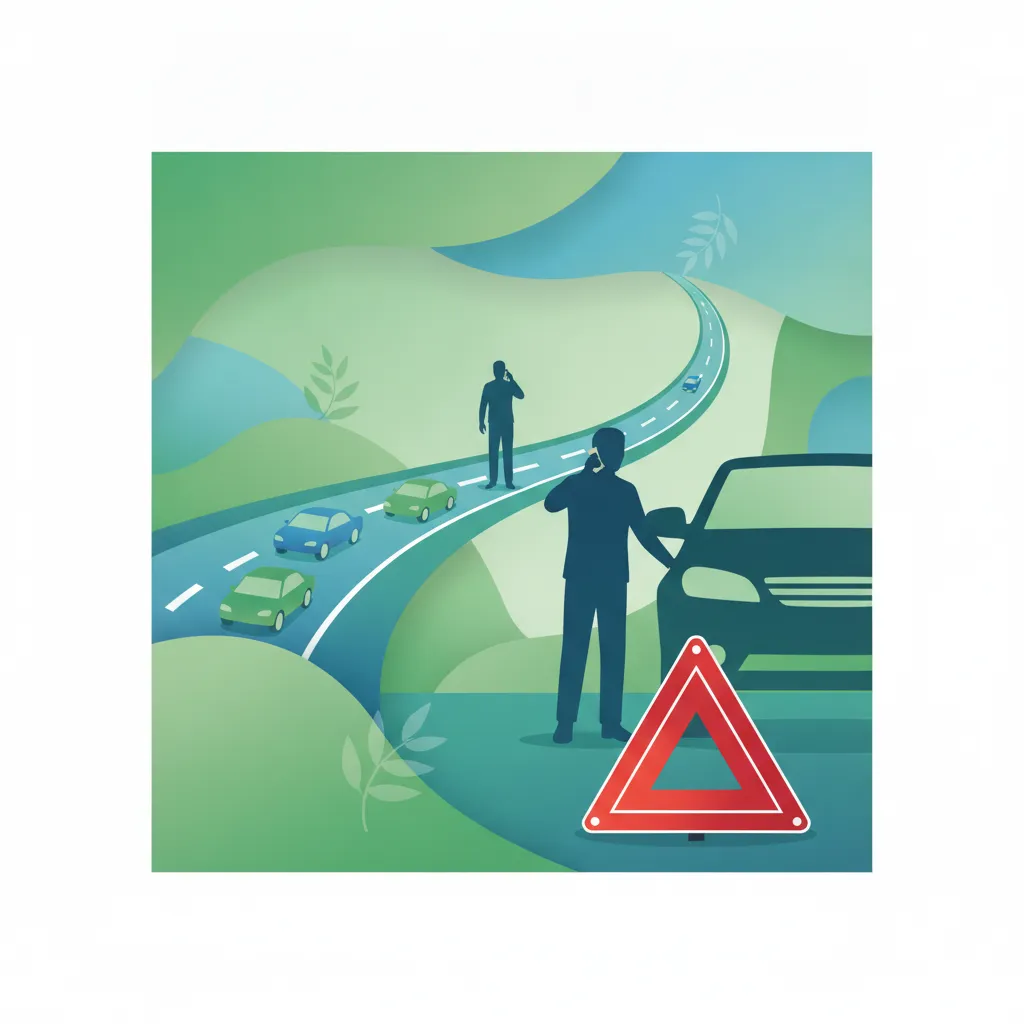
This lesson provides guidance on appropriate actions to take in the event of an accident or emergency while operating a goods vehicle. Learners will understand how to secure the scene, call Turkish emergency services (112), provide basic first aid, and complete necessary documentation. Emphasis is placed on ensuring personal safety, preventing further incidents, and facilitating rescue teams.
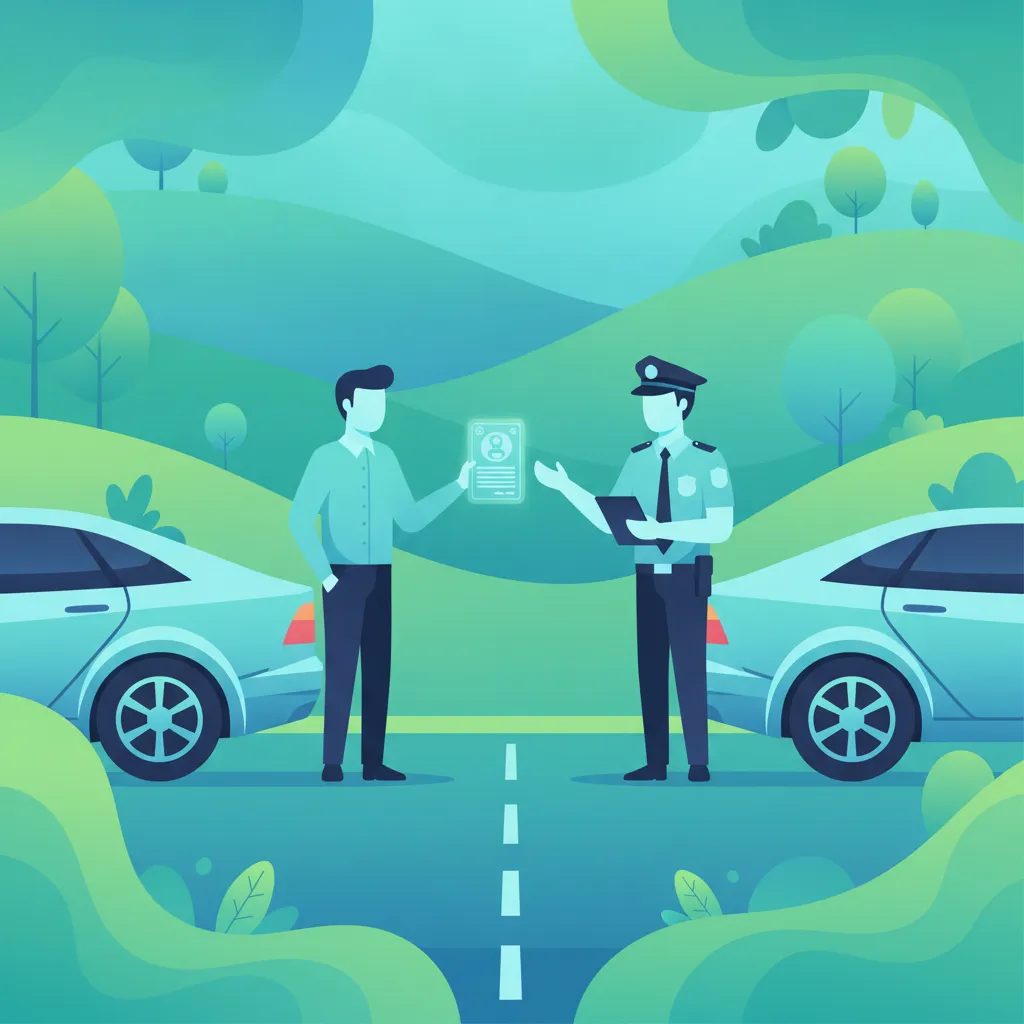
This lesson focuses on the importance of maintaining professional conduct when interacting with traffic authorities, law enforcement, and the general public. Learners will explore communication techniques that convey respect and courtesy, even in stressful situations. Emphasis is placed on upholding a positive image of the transportation industry and resolving conflicts amicably on the road.
Understand how to implement defensive driving strategies to mitigate risks associated with large vehicle dimensions and weight. This lesson focuses on scanning techniques, managing blind spots, and proactive hazard awareness to protect vulnerable road users and ensure safe navigation in varied urban and highway traffic conditions in Turkey.

This lesson addresses the challenges of safely reversing a goods vehicle, including the identification of blind spots and rear visibility limitations. It covers proper mirror and rearview camera usage, as well as strategies for maintaining awareness of obstacles and the trailer's path. The lesson also emphasizes the importance of reversing alarms and slow, controlled vehicle movements.
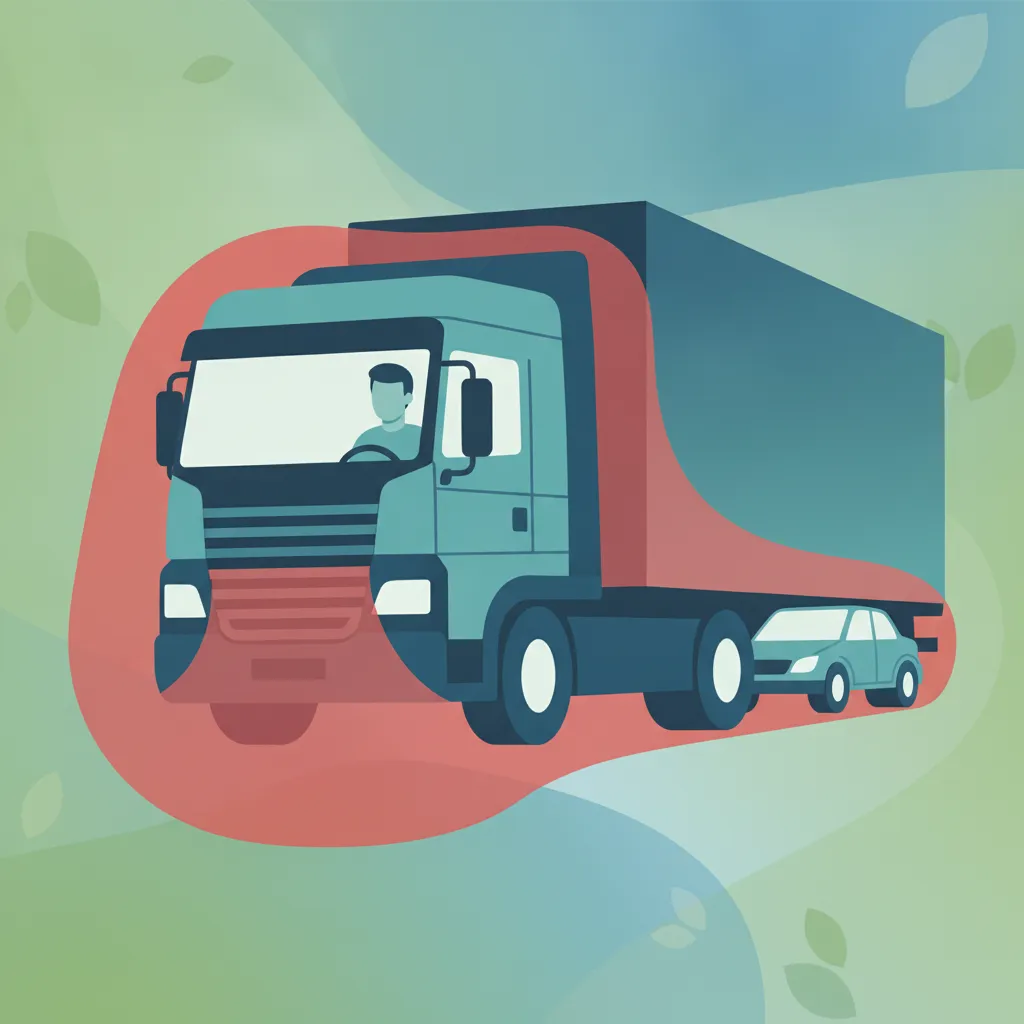
This lesson focuses on identifying and managing blind spots specific to goods vehicles, which are larger and have more extensive blind zones compared to standard cars. Learners will explore techniques for blind spot detection using mirrors, rearview cameras, and sensor systems, ensuring safe lane changes and maneuvering. The lesson emphasizes the importance of continuous observation and modern safety technology.

This lesson introduces the proper utilization of mirrors, rearview cameras, and additional sensor systems to enhance situational awareness for goods vehicle drivers. Learners will understand the importance of correctly adjusting mirrors for optimal coverage, interpreting camera feeds, and relying on sensor alerts. The lesson emphasizes integrating modern safety technology into daily driving practices.
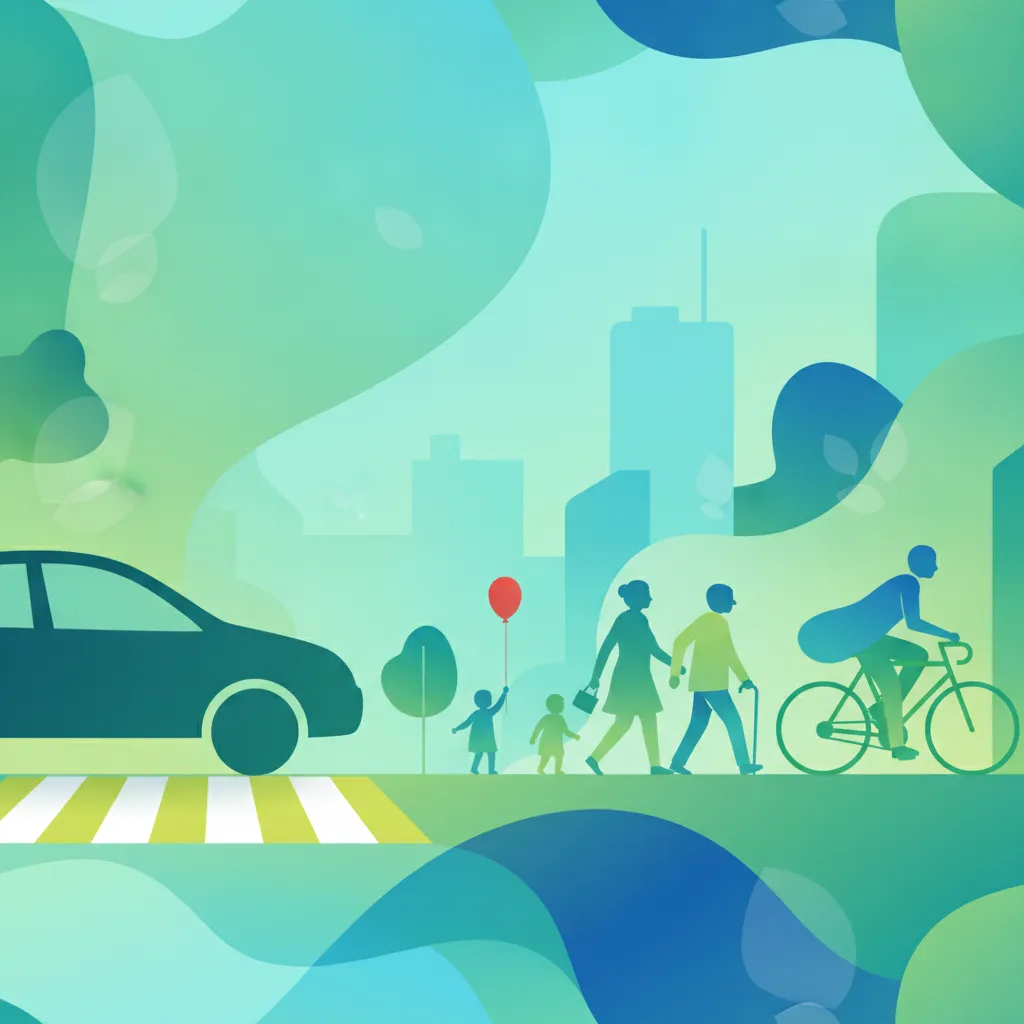
This lesson focuses on protecting vulnerable road users, such as pedestrians, cyclists, and motorcyclists, in mixed traffic environments. Learners will examine specific strategies for increased vigilance, anticipatory driving, and properly yielding to these users. The lesson also covers high-risk zones, such as school areas and public transport stops, emphasizing the need for heightened safety.
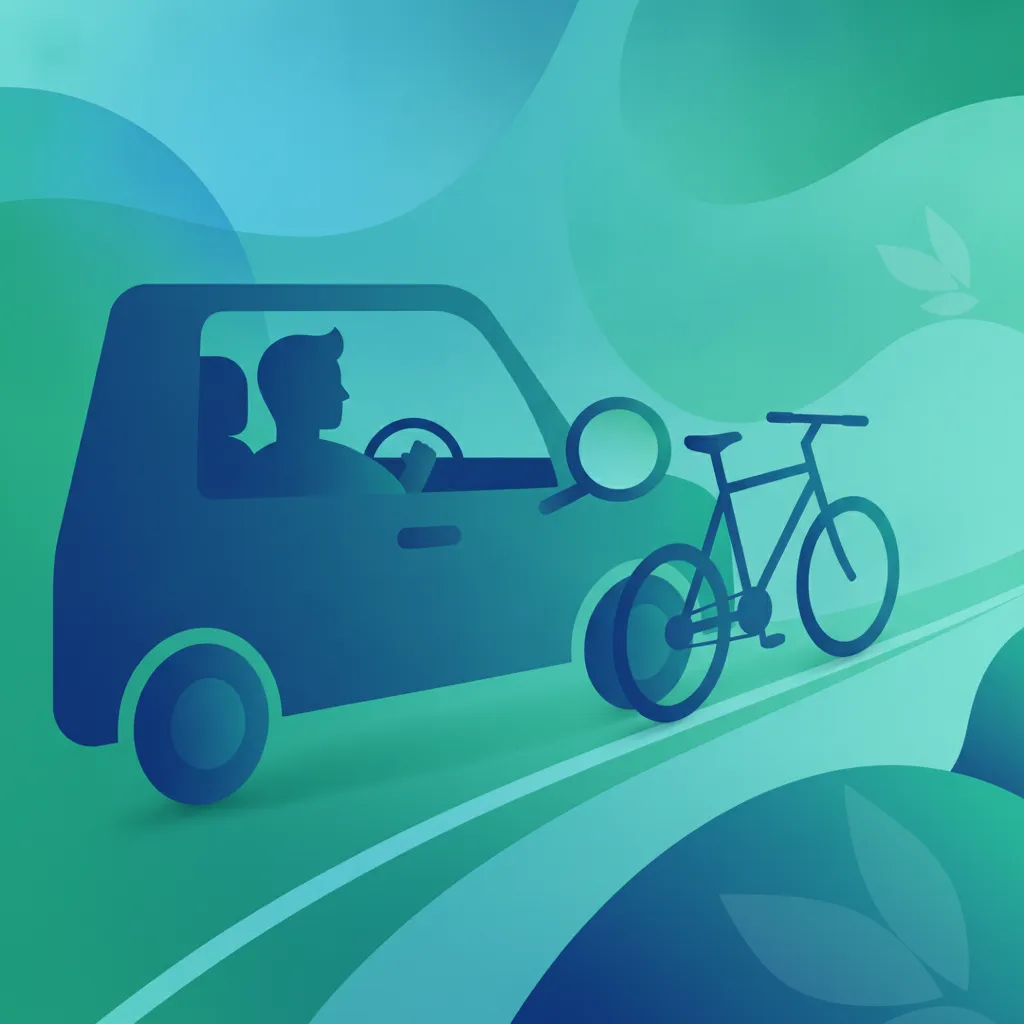
This lesson focuses on the execution of safe right and left turns with large passenger vehicles, emphasizing the identification and management of blind spots. Learners will understand the correct use of turn signals, proper positioning within the turn, and the importance of thorough observation before and during turning. Strategies for minimizing blind spot exposure are also covered.
This lesson focuses on the challenges and techniques required when maneuvering goods vehicles in confined spaces such as loading docks, narrow streets, and urban environments. It addresses the importance of spatial awareness, precision driving, and understanding vehicle dimensions to avoid collisions. Learners will explore strategies for effective parking, reversing, and handling blind spots safely.
This lesson highlights the critical nature of blind spots for motorcyclists, teaching strategies to recognize and mitigate these hidden areas. Learners will practice techniques for checking blind spots before lane changes and overtaking, ensuring they are fully aware of surrounding traffic. The lesson emphasizes how proper mirroring and head checks can significantly reduce the risk of collisions.

Proper road positioning is your primary shield against being squeezed, sideswiped, or overlooked by larger motor vehicles in daily traffic. This lesson explains how to ride in the center or slightly off-center of your lane to prevent unsafe overtaking within the same lane. You will study how to identify the massive blind spots of buses and trucks, maintain appropriate following distances, and execute overtaking maneuvers with maximum safety margin and clear signal warning.

Learners will explore the proper adjustment and utilization of mirrors, rear-view cameras, and blind spot sensors to maximize visibility while operating a passenger vehicle. The lesson covers the optimal positioning of mirrors for comprehensive coverage, interpreting camera and sensor alerts, and integrating these tools into safe driving practices. Proper use of these technologies reduces blind spots and enhances overall situational awareness.
This lesson explores effective turning strategies for goods vehicles, focusing on managing the larger turn radius required due to vehicle size and load. Learners will understand how to approach corners safely, adjust speed, use signals appropriately, and compensate for off-tracking. The lesson also highlights how load distribution impacts turning dynamics and the importance of vehicle control.
Find clear answers to common questions learners have about Professional Conduct and Ethical Obligations. Learn how the lesson is structured, which driving theory objectives it supports, and how it fits into the overall learning path of units and curriculum progression in Turkey. These explanations help you understand key concepts, lesson flow, and exam focused study goals.
Professional drivers operate heavy vehicles with higher risk profiles. The exam covers this to ensure drivers understand their legal and social duty to maintain safety beyond just basic traffic signs.
The primary responsibility is to ensure the safety of themselves, their cargo, and all other road users, especially in urban environments where vulnerable road users like cyclists and pedestrians are present.
It ensures that drivers follow both the written law and the spirit of the law, promoting safe driving culture, reducing accidents, and improving the efficiency of goods transport operations.
Yes, many exam questions present scenarios where you must choose the most professional and safety-conscious course of action, reflecting the ethical standards taught in this course.
Use our comprehensive practice search to find exactly the Turkish driving theory questions you need to master. Whether reviewing specific road signs, traffic rules, or first aid scenarios, select your perfect practice set and boost your confidence for the official ehliyet sınavı.