
This lesson focuses on the critical skills required to maneuver large passenger vehicles safely during right and left turns. You will learn to manage blind spots, use turn signals correctly, and position your vehicle to ensure the safety of passengers and vulnerable road users in accordance with Turkish traffic law.
Lesson content overview
Operating a large passenger vehicle under a Class D licence in Turkey (Sürücü Belgesi - D Sınıfı) demands a heightened level of spatial awareness, precise speed management, and strict lane discipline. Buses and large passenger coaches carry the most valuable cargo on our roads: human lives. Because of their massive physical dimensions, long wheelbases, and elevated seating positions, these vehicles behave very differently from standard passenger cars.
Every turn executed at an intersection represents a complex interaction between vehicle physics, local traffic regulations, and the visibility limitations of the driver. Understanding how to manage these challenges safely is essential for passing your official driving theory exam and operating professionally on Turkish highways and urban streets.
When driving a vehicle that can exceed 12 metres in length, standard turning techniques are no longer sufficient. The physical size of a Class D vehicle introduces unique dynamic forces and spatial requirements that you must actively manage before, during, and after every turn.
The most critical physical concept in large vehicle turning is off-tracking (often referred to in driving school as rear-wheel cheat). When a long vehicle turns, the rear wheels do not follow the exact same path as the front wheels. Instead, they cut a shorter path toward the inside of the turn.
In addition to off-tracking, Class D drivers must manage tail swing. Many modern passenger coaches feature a significant body overhang behind the rear axle. When you steer sharply to the right, the rear bumper and body of the bus swing out in the opposite direction (to the left). This tail swing can easily strike vehicles in the lane next to you, hit pedestrians on the sidewalk, or scrape against walls in tight spaces.
The phenomenon where the rear wheels of a long vehicle follow a shorter, tighter path than the front wheels during a turn, requiring the driver to steer wider to clear obstacles.
Every vehicle has blind spots—areas around the exterior that cannot be directly seen by the driver in their normal seated position or through standard mirrors. In a large passenger vehicle, these blind spots (kör noktalar) are exceptionally large and can easily hide entire cars, motorcycles, cyclists, and pedestrians.
To safely operate a Class D vehicle, you must use a structured observation routine to mitigate these blind spots before making any lateral maneuver:
Turning a massive passenger coach requires deliberate, step-by-step preparation. A rushed turn can easily destabilize the vehicle or trap it in a position where it cannot clear obstacles.
Right turns are highly demanding because the turning radius is much tighter than left turns, and you must stay close to the curb to prevent other vehicles from squeezing past on your right side.
Left turns provide more physical space, but they carry a high risk of collisions with oncoming traffic and vehicles waiting at the stop line of the intersecting road.
Assess and Plan: Scan the intersection at least 15 seconds ahead. Identify lane configurations, traffic signs, and pedestrian activity.
Signal Early: Activate your turn signal at least 3 seconds before initiating any lane change or braking, giving clear notice to following drivers.
Decelerate Gradually: Smoothly apply the brakes to reduce speed before entering the turn. Do not brake abruptly while turning, as this can destabilize passengers and reduce tire traction.
Verify Blind Spots: Perform a complete mirror sweep and a physical shoulder check on the side of the turn.
Execute and Monitor: Guide the vehicle through its planned arc at a slow, controlled speed, continuously monitoring the mirrors for off-tracking and tail swing.
The Turkish Highway Traffic Law (Karayolları Trafik Kanunu) mandates strict legal requirements for turn signal usage and lane positioning. Adhering to these is not only a matter of defensive driving but also a legal necessity to pass the Class D practical and theoretical exams.
In Turkey, turn signals must be used well in advance of any maneuver. Under official guidelines, drivers must activate their turn indicators:
You must complete turns from the correct lane as indicated by road markings and traffic signs. Changing lanes in the middle of an intersection is highly illegal and dangerous.
As a professional Class D driver, you share the road with highly vulnerable users: pedestrians (yayalar), cyclists (bisikletliler), and motorcyclists (motosikletliler). Because of your vehicle's immense weight and size, any collision with a vulnerable road user is likely to have catastrophic consequences.
Under Turkish traffic regulations, pedestrians always have absolute priority at marked crosswalks (yaya geçitleri) and intersections without traffic lights.
Two-wheeled vehicles are highly maneuverable and frequently travel in the margins of the road, placing them directly inside your most dangerous blind spots.
To ensure safety and avoid costly fines or license suspension points, you must steer clear of several common driving errors during turns:
A professional driver must constantly adapt their turning and blind spot management techniques to match changing environmental conditions.
Rain, snow, and ice drastically reduce tire traction, making turns highly hazardous.
The weight and distribution of your passenger load heavily influence how your vehicle handles turns.
The turning environment dictates the hazards you are most likely to encounter:
This lesson covers the critical skills for executing safe turns and managing blind spots when operating Class D passenger vehicles in Turkey. You will learn about off-tracking (where rear wheels cut closer to the curb than front wheels) and tail swing (rear body swinging opposite the turn), both of which require deliberate positioning and wider turning paths. The lesson details four major blind spot zones around a bus and emphasizes a systematic observation routine combining mirror checks with physical shoulder checks. Turkish traffic law mandates specific signal distances, and the lesson provides step-by-step procedures for right and left turns, including the buttonhook technique for safe curb clearance. Special attention is given to protecting vulnerable road users such as pedestrians, cyclists, and motorcyclists who frequently occupy blind spots in urban Turkish traffic.
A short set of high-value points that capture the most important learning from this lesson.
Off-tracking means rear wheels cut a tighter path than front wheels during turns, requiring you to steer wider on right turns to avoid the curb.
Tail swing causes the rear of the bus to swing opposite to the turn direction, potentially striking vehicles or pedestrians beside you.
Always use the buttonhook technique on right turns: drive straight into the intersection first, then steer sharply right to clear the curb safely.
Your right-side blind spot is the most dangerous zone and can hide entire vehicles, cyclists, and pedestrians across multiple lanes.
Keep wheels straight while waiting for a left turn gap; if rear-ended with wheels turned, you will be pushed into oncoming traffic.
Explore all units and lessons included in this driving theory course.
Signal at least 3 seconds and 30 metres before turns in urban areas, or 150 metres on rural roads under Turkish traffic law.
Never cut the corner on left turns; drive to the center of the intersection first to avoid sweeping across oncoming lanes.
Perform both mirror checks and physical shoulder checks; mirrors alone cannot cover all blind spots on large vehicles.
Allow at least 1.5 metres lateral clearance when passing cyclists to avoid wind turbulence pulling them toward your bus.
Decelerate before entering a turn; braking mid-turn destabilizes passengers and reduces tire traction.
Late signal activation (mid-turn or immediately before braking) provides no warning to following drivers and causes rear-end collisions.
Jug-handling on right turns by swinging wide before entering the intersection, which opens space for motorcycles to pass on the inside.
Relying solely on mirrors and skipping physical shoulder checks, leading to turns into vehicles in adjacent blind spots.
Cutting corners on left turns, causing the bus side to sweep into the path of vehicles waiting at the stop line.
Sudden braking during a turn, which shifts weight distribution and risks passenger falls inside the bus.
Lesson content overview
A short set of high-value points that capture the most important learning from this lesson.
Off-tracking means rear wheels cut a tighter path than front wheels during turns, requiring you to steer wider on right turns to avoid the curb.
Tail swing causes the rear of the bus to swing opposite to the turn direction, potentially striking vehicles or pedestrians beside you.
Always use the buttonhook technique on right turns: drive straight into the intersection first, then steer sharply right to clear the curb safely.
Your right-side blind spot is the most dangerous zone and can hide entire vehicles, cyclists, and pedestrians across multiple lanes.
Keep wheels straight while waiting for a left turn gap; if rear-ended with wheels turned, you will be pushed into oncoming traffic.
Explore all units and lessons included in this driving theory course.
Signal at least 3 seconds and 30 metres before turns in urban areas, or 150 metres on rural roads under Turkish traffic law.
Never cut the corner on left turns; drive to the center of the intersection first to avoid sweeping across oncoming lanes.
Perform both mirror checks and physical shoulder checks; mirrors alone cannot cover all blind spots on large vehicles.
Allow at least 1.5 metres lateral clearance when passing cyclists to avoid wind turbulence pulling them toward your bus.
Decelerate before entering a turn; braking mid-turn destabilizes passengers and reduces tire traction.
Late signal activation (mid-turn or immediately before braking) provides no warning to following drivers and causes rear-end collisions.
Jug-handling on right turns by swinging wide before entering the intersection, which opens space for motorcycles to pass on the inside.
Relying solely on mirrors and skipping physical shoulder checks, leading to turns into vehicles in adjacent blind spots.
Cutting corners on left turns, causing the bus side to sweep into the path of vehicles waiting at the stop line.
Sudden braking during a turn, which shifts weight distribution and risks passenger falls inside the bus.
Explore search topics learners often look for when studying Executing Safe Turns and Managing Blind Spots. These topics reflect common questions about road rules, driving situations, safety guidance, and lesson level theory preparation for learners in Turkey.
Browse additional driving theory lessons that cover connected traffic rules, road signs, and common driving situations related to this topic. Improve your understanding of how different rules interact across everyday traffic scenarios.
Learn how to manage heavy city traffic, coordinate with pedestrian movements at bus stops, and apply lane discipline rules for large vehicles. This guide explains the complexities of driving passenger transport through dense urban areas in accordance with Turkish traffic legislation and professional driving standards.
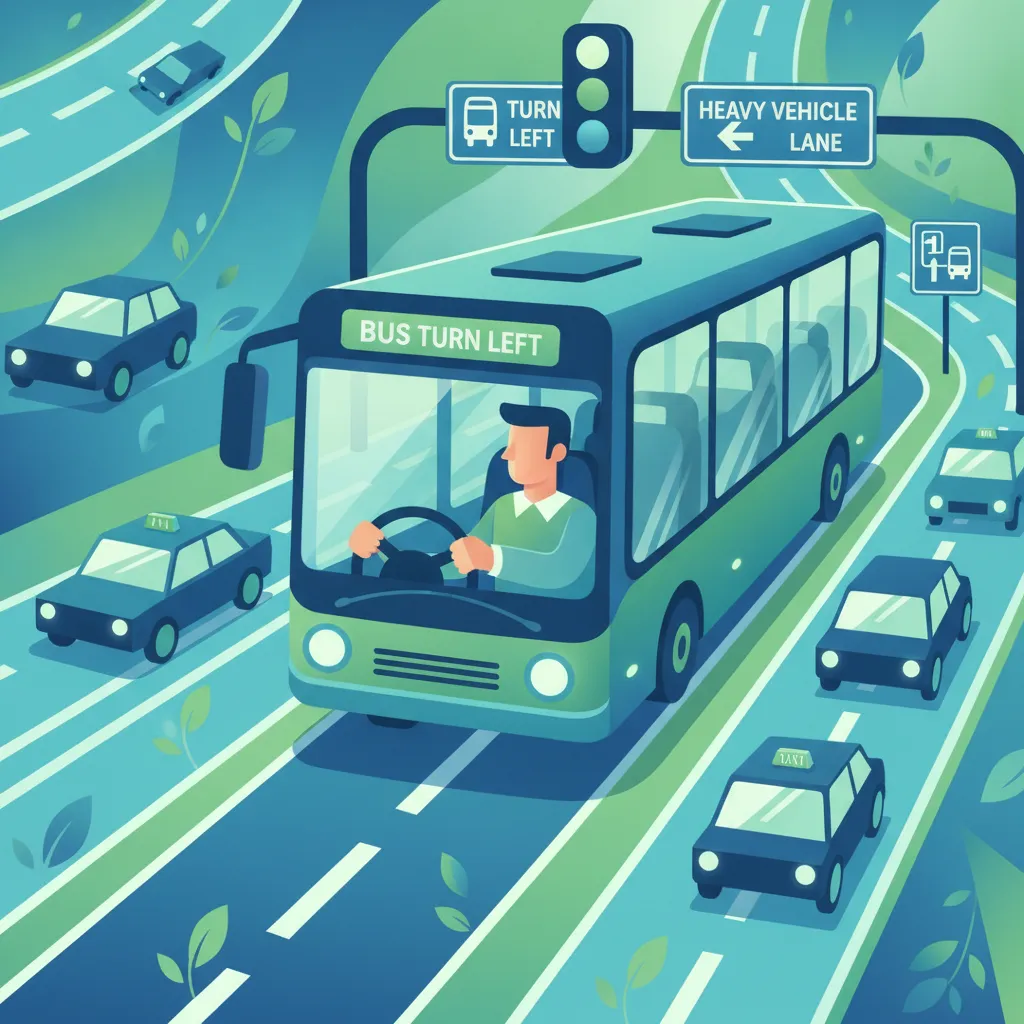
Learners will explore strategies for navigating congested urban traffic environments while operating large passenger vehicles. The lesson covers lane selection, adherence to traffic signals, and the use of bus lanes where applicable. Understanding how to maintain smooth traffic flow while ensuring passenger safety is crucial for efficient urban transportation.
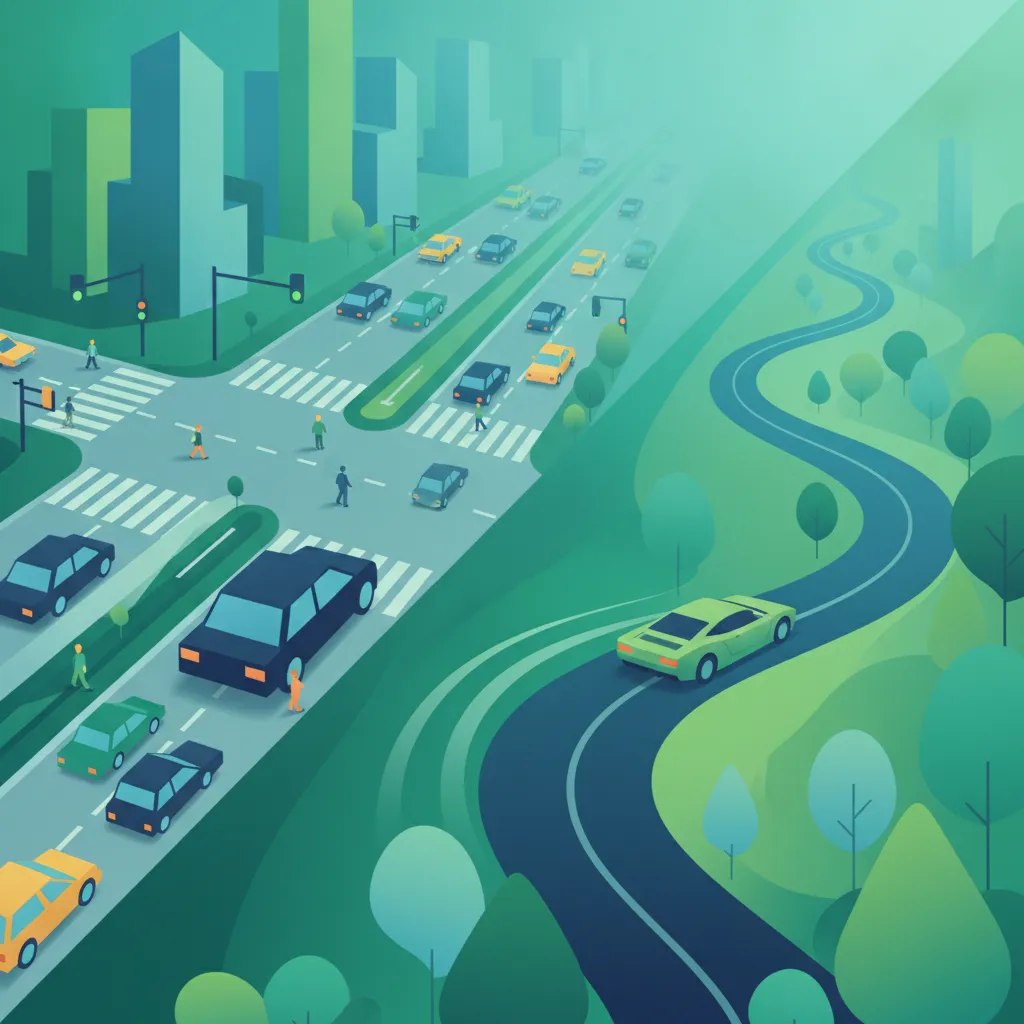
This lesson delves into specific manoeuvring strategies required when navigating both tight urban environments and open rural roads with large passenger vehicles. Learners will explore techniques for handling narrow streets, tight turns, and intersections, while maintaining safety and efficiency. The content emphasizes planning and execution of manoeuvres based on road conditions and vehicle dimensions.

This lesson focuses on the safe interaction with other traffic participants at bus stops and traffic intersections. Learners will explore right-of-way rules, signal compliance, and techniques for maintaining safe distances while stopping and departing. Understanding these interactions is vital for preventing accidents in complex traffic environments.
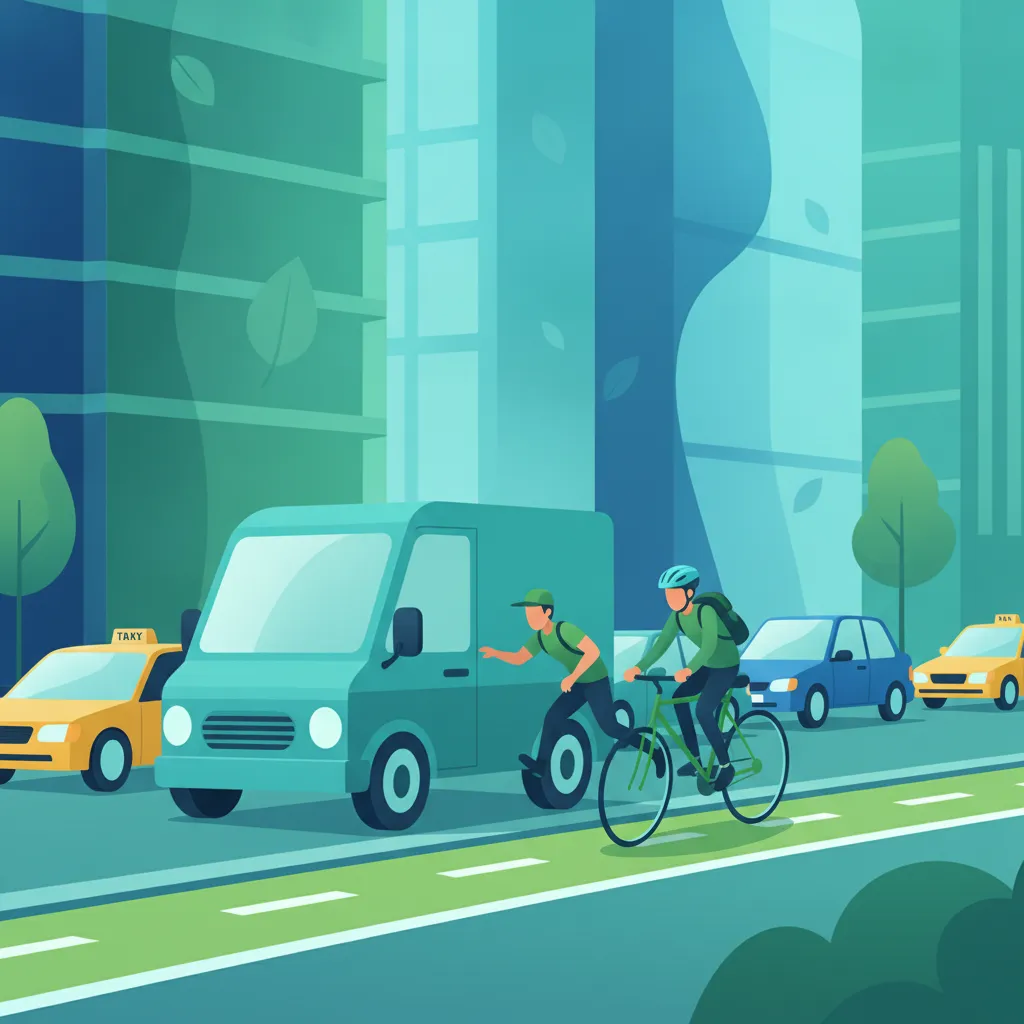
This lesson explores the unique challenges faced during urban deliveries, such as navigating restricted loading zones, traffic congestion, and narrow streets. Learners will learn strategies for safe maneuvering, efficient loading and unloading, and maintaining situational awareness in high-pedestrian traffic areas. Emphasis is placed on complying with local regulations and optimizing time management.

This lesson focuses on the challenges and techniques required when maneuvering goods vehicles in confined spaces such as loading docks, narrow streets, and urban environments. It addresses the importance of spatial awareness, precision driving, and understanding vehicle dimensions to avoid collisions. Learners will explore strategies for effective parking, reversing, and handling blind spots safely.
This lesson focuses on the critical importance of lane discipline and proper lane usage for large goods vehicles. Learners will understand the challenges posed by wider vehicle dimensions, the necessity of maintaining adequate lane occupancy, and the need for precise lane keeping. Emphasis is placed on selecting appropriate lanes, adhering to traffic flow, and ensuring general highway safety.

Learners will explore the fundamentals of maintaining correct lane discipline, focusing on appropriate lane positioning, understanding lane markings, and executing lane changes safely. Emphasis is placed on the unique considerations for large passenger vehicles within the lane, such as width and maneuverability. The lesson also addresses the impact of proper lane discipline on overall traffic flow and safety.
In this lesson, learners will master the skills required to safely navigate various types of intersections encountered in Turkish urban settings. The content covers interpreting traffic signals, understanding right-of-way rules, and executing proper lane positioning. Practical strategies for managing blind spots and ensuring visibility to other road users are emphasized. By the end of this session, participants will be equipped with safe crossing techniques.
Learners will examine the complexities of operating in environments where various road users, including pedestrians, cyclists, and motorcyclists, coexist. The lesson emphasizes the need for heightened situational awareness, defensive driving techniques, and proactive hazard anticipation. Strategies for navigating mixed traffic safely, especially in congested urban areas, are highlighted.
This lesson focuses on the proper approach to bus stops and terminals within city traffic, emphasizing safe positioning, adherence to traffic signals, and maintaining smooth traffic flow. Learners will understand the importance of signaling intentions, checking blind spots, and ensuring the safety of boarding and alighting passengers. Effective stop management reduces the risk of accidents and traffic disruption.
Understand the critical interaction between large passenger vehicles and vulnerable road users like cyclists, motorcyclists, and pedestrians. This lesson covers defensive driving strategies, blind spot awareness, and legal requirements for yielding at crosswalks to ensure road safety and compliance with Turkish traffic regulations.

This lesson focuses on protecting vulnerable road users, such as pedestrians, cyclists, and motorcyclists, in mixed traffic environments. Learners will examine specific strategies for increased vigilance, anticipatory driving, and properly yielding to these users. The lesson also covers high-risk zones, such as school areas and public transport stops, emphasizing the need for heightened safety.
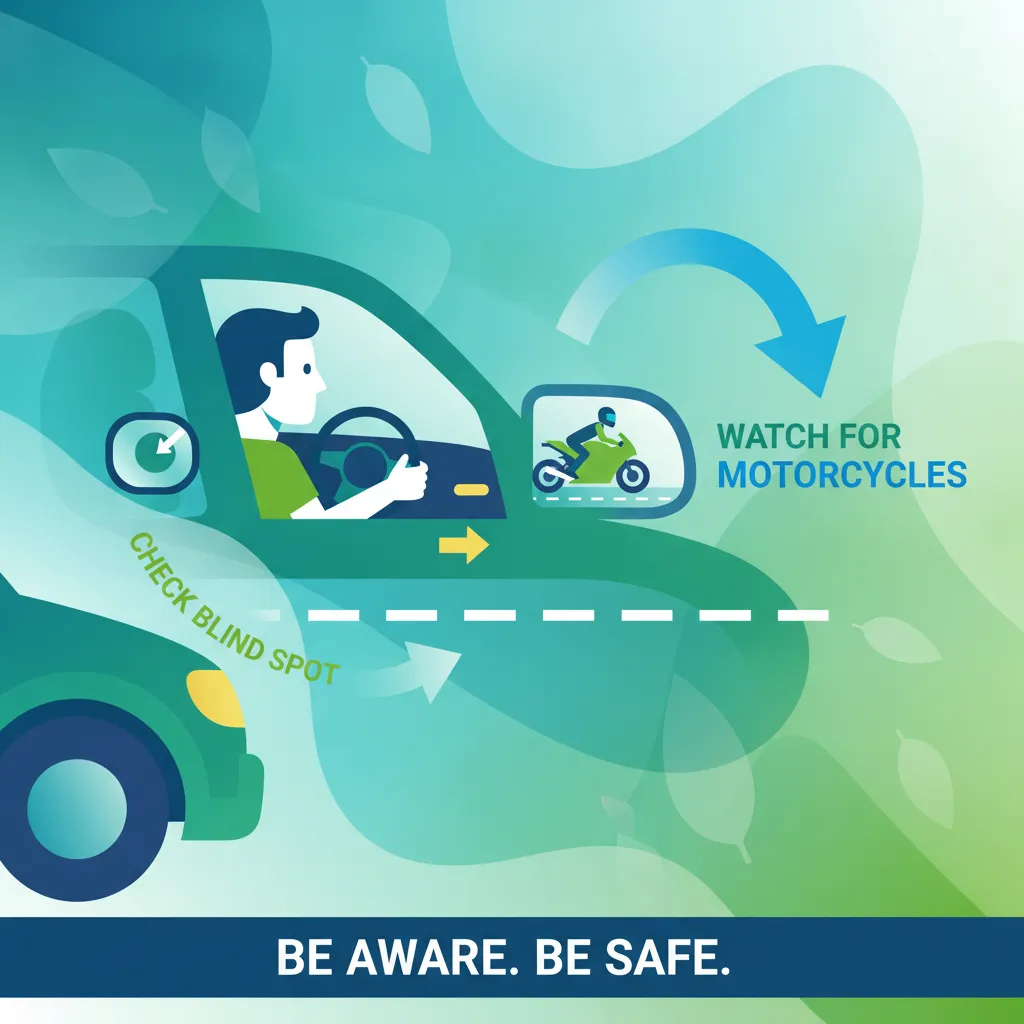
Learners will gain insight into the unique challenges posed by motorcycles and scooters sharing the road with passenger vehicles. The lesson highlights the importance of checking blind spots, maintaining safe following distances, and being aware of the faster acceleration and maneuverability of two-wheeled vehicles. Strategies for anticipating their movements and preventing collisions are discussed.
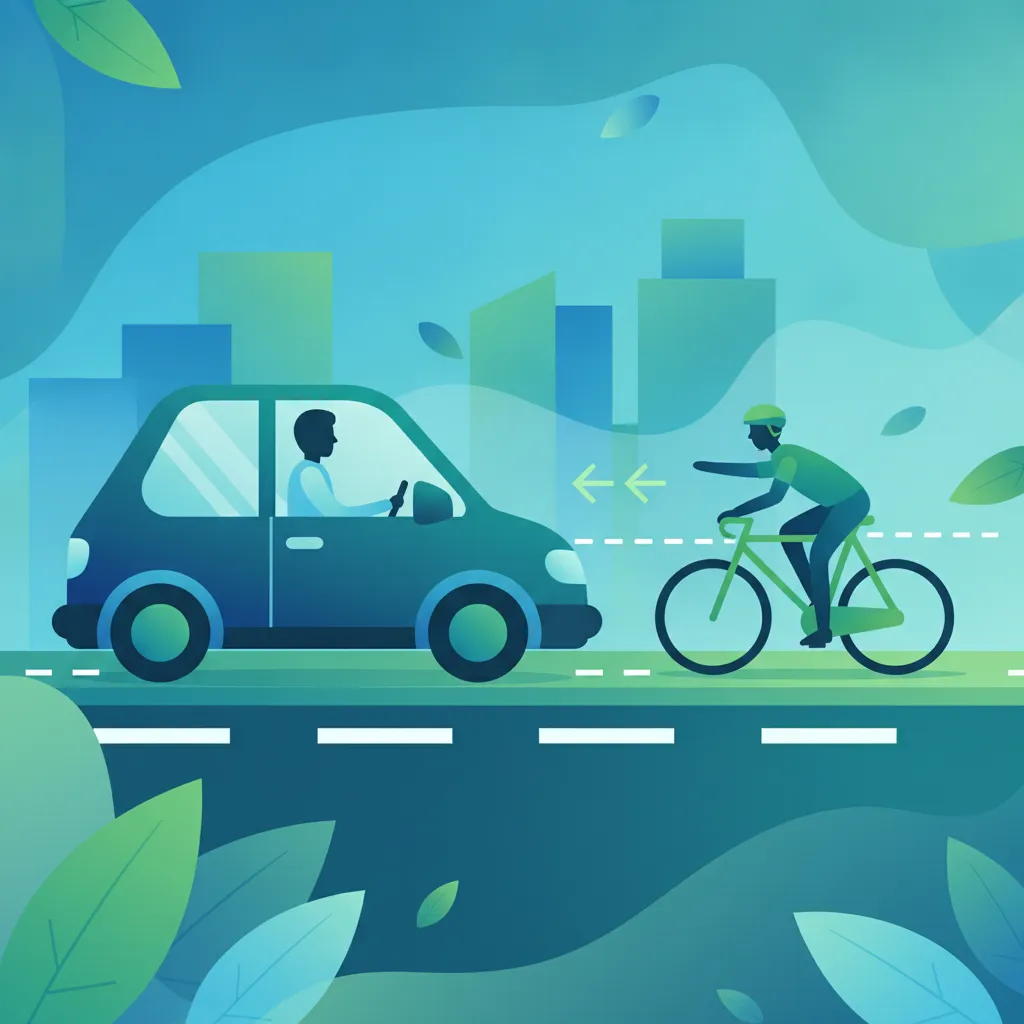
This lesson examines the interaction between drivers and cyclists, focusing on the safe sharing of road space. Topics include the proper use of bicycle lanes, yielding to cyclists at intersections, and safe passing distances. The lesson also addresses cyclist vulnerabilities and ways to minimize risks. Real-world examples illustrate common hazards when sharing the road.

This lesson examines the critical interactions between goods vehicles and vulnerable road users such as pedestrians, cyclists, and motorcyclists, particularly in urban environments. Learners will explore right-of-way rules, maintaining safe distances, and strategies for anticipating the actions of these road users. The lesson emphasizes the importance of clear communication and protective driving.
Learners will examine the complexities of operating in environments where various road users, including pedestrians, cyclists, and motorcyclists, coexist. The lesson emphasizes the need for heightened situational awareness, defensive driving techniques, and proactive hazard anticipation. Strategies for navigating mixed traffic safely, especially in congested urban areas, are highlighted.

Proper road positioning is your primary shield against being squeezed, sideswiped, or overlooked by larger motor vehicles in daily traffic. This lesson explains how to ride in the center or slightly off-center of your lane to prevent unsafe overtaking within the same lane. You will study how to identify the massive blind spots of buses and trucks, maintain appropriate following distances, and execute overtaking maneuvers with maximum safety margin and clear signal warning.
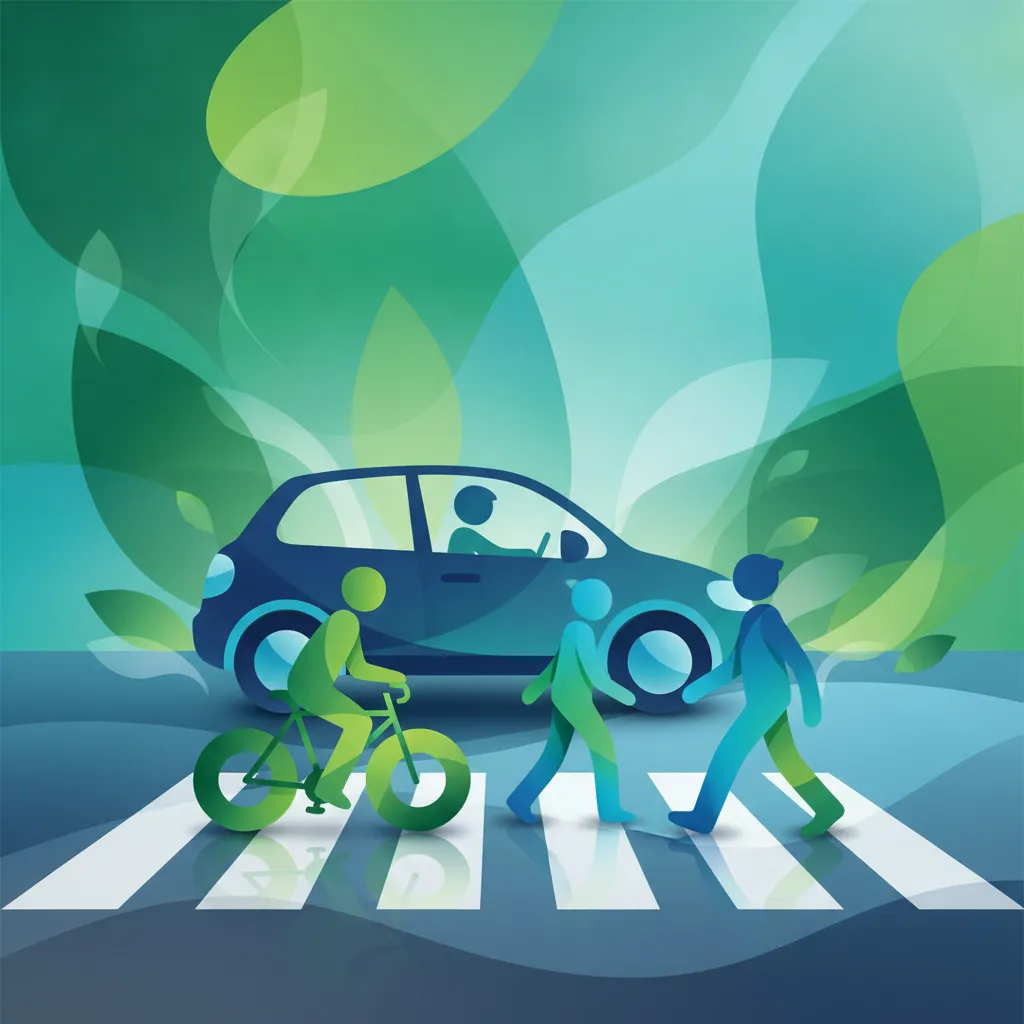
This lesson emphasizes the importance of yielding to pedestrians and cyclists at intersections, crosswalks, and designated lanes. Learners will understand the legal obligations to provide safe passage to vulnerable road users and the correct procedures for stopping and allowing them to cross. Real-world examples illustrate scenarios where failing to yield can lead to accidents.
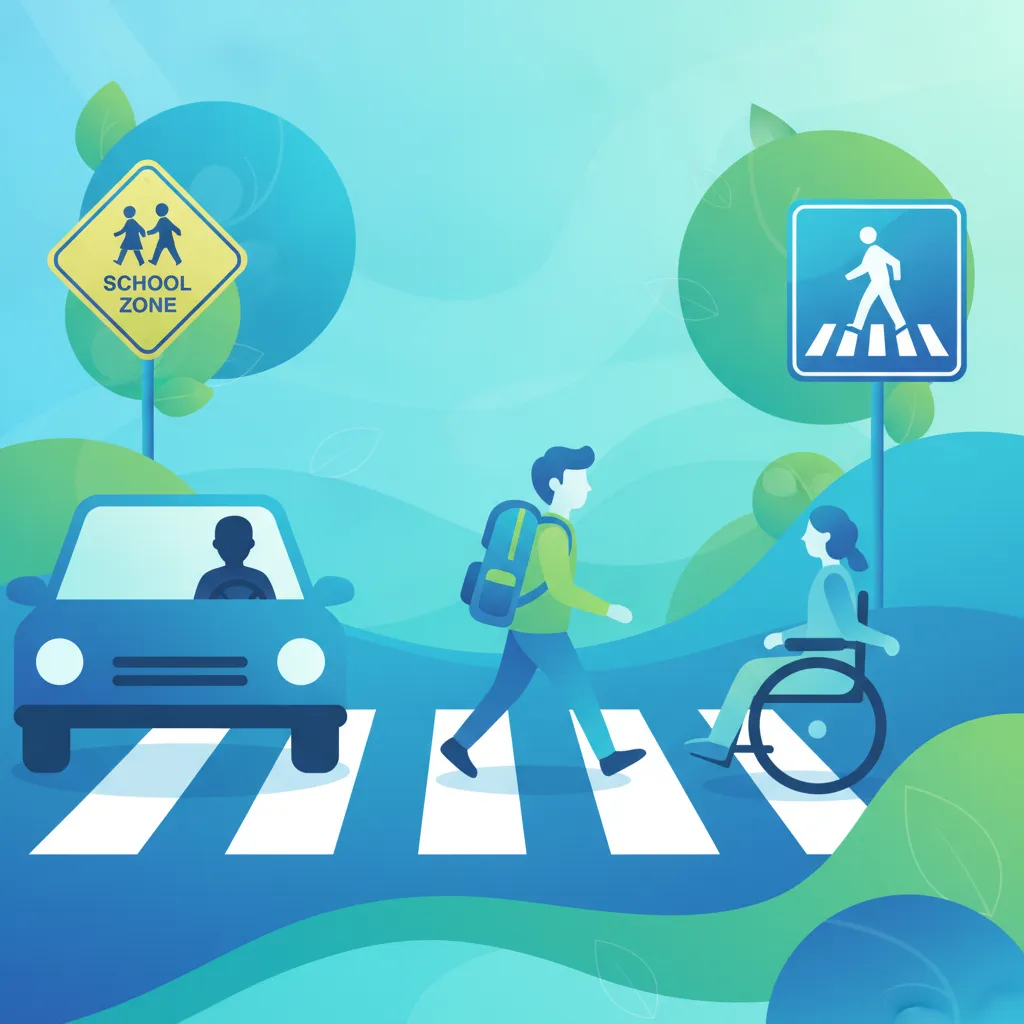
Learners will identify the different categories of vulnerable road users and understand the heightened risks they face. The lesson emphasizes the importance of recognizing these users, anticipating their actions, and taking proactive measures to ensure their safety while operating passenger vehicles. Strategies for mitigating danger and fostering a protective driving environment are explored.

In this lesson, learners will discover the principles of defensive riding, focusing on hazard anticipation, maintaining safe distances, and practicing proactive avoidance techniques. It emphasizes developing a vigilant riding posture, constantly scanning the environment, and preparing to react to potential dangers from other road users, road conditions, or unexpected traffic events.

Defensive riding is the practice of anticipating potential road conflicts and acting early to prevent accidents before they occur. This lesson teaches you how to systematically scan the road ahead for changing conditions, keep an adequate safety cushion around your moped, and pre-plan exit routes in tight spots. You will learn to assume you are invisible to other drivers and adapt your speed and road position proactively to protect yourself against sudden maneuvers.
Find clear answers to common questions learners have about Executing Safe Turns and Managing Blind Spots. Learn how the lesson is structured, which driving theory objectives it supports, and how it fits into the overall learning path of units and curriculum progression in Turkey. These explanations help you understand key concepts, lesson flow, and exam focused study goals.
Large passenger vehicles have significant blind spots that standard mirrors cannot cover. Proper adjustment is legally and practically required to ensure you can see vulnerable road users, such as cyclists, who may be positioned alongside the vehicle before you initiate a turn.
The biggest risk is the 'rear-wheel cut-in' and the blind spot created on the inside of the turn. If you do not monitor these areas effectively, you risk colliding with pedestrians or motorcyclists who may attempt to pass on the side where you are turning.
In Turkish traffic regulations, you must signal your intent well in advance to alert other road users. For larger vehicles, this is even more critical to allow other drivers to adjust their speed or distance, ensuring they do not occupy the space you need to complete the turn.
Yes, the MTSK e-sınav often presents scenarios testing whether you understand the correct order of mirror checks (inside and outside) combined with head checks before committing to a turn. You must show you are aware of your entire surroundings.
Use our comprehensive practice search to find exactly the Turkish driving theory questions you need to master. Whether reviewing specific road signs, traffic rules, or first aid scenarios, select your perfect practice set and boost your confidence for the official ehliyet sınavı.