
This lesson provides an essential overview of the traffic penalty system as it applies to professional C and CE license holders in Turkey. You will learn how the Turkish Highway Traffic Regulation classifies infractions and the legal consequences of non-compliance. Understanding these rules is vital for maintaining your professional credentials and ensuring safety on the road.

Lesson content overview
Operating a professional goods vehicle—such as a rigid truck, articulated lorry, or a heavy drawbar combination—demands an elevated level of responsibility. Because of the sheer size, weight, and potential destructive force of heavy commercial vehicles, the legal framework governing their operation is exceptionally stringent.
In Turkey, professional drivers holding C1, C, C1E, or CE license categories must strictly adhere to the rules outlined in the Turkish Highway Traffic Regulation (Karayolları Trafik Kanunu). This lesson provides a comprehensive breakdown of the traffic enforcement mechanisms, the demerit points system, financial penalties, license suspensions, and the severe criminal liabilities that commercial drivers face for non-compliance.
The core purpose of traffic enforcement and penalty systems is three-fold:
For professional drivers, traffic violations do not merely result in personal expenses; they directly threaten their livelihood, the financial stability of their transport operators, and the safety of vulnerable road users.
Turkish traffic law categorizes violations based on their risk level, dividing them into minor infractions, serious offenses, and criminal acts.
Minor violations typically involve administrative oversights or low-risk operational errors. While they may not immediately cause a catastrophic accident, their accumulation indicates poor professional conduct.
These violations carry administrative fines and add a small number of demerit points to the driver’s official record.
Serious offenses involve a conscious disregard for traffic laws, road conditions, or the physical limitations of a heavy vehicle. These violations significantly escalate the probability of a collision.
Serious offenses result in substantial financial penalties, high demerit point allocations, and potential immediate license suspension.
This is the most critical category of traffic violations. When a driver's negligence or violation of safety rules results in a collision causing bodily harm or fatality, the legal consequences shift from administrative traffic law to the Turkish Penal Code (Türk Ceza Kanunu).
Penalties include immediate confiscation of the driver's license, heavy judicial fines, and long-term imprisonment.
The demerit points system tracks a driver's overall compliance profile. Points are assigned to a driver's record upon the registration of a violation.
Different point values are assigned depending on the severity of the infraction. For example:
These points accumulate over a rolling one-year period starting from the date of the first offense.
If a driver accumulates 100 demerit points within a single calendar year, structured administrative actions are triggered:
First-Time Accumulation (100 Points): The driver's license is suspended for a period of 2 months. Before the license can be returned, the driver must complete a mandatory traffic and environment education course at an approved driving school.
Second-Time Accumulation (100 Points): If a driver accumulates 100 points for a second time within the same year, their license is suspended for 4 months. The driver must undergo a comprehensive psychotechnical and psychiatric evaluation to assess their psychological fitness to drive.
Third-Time Accumulation (100 Points): A third accumulation within a single year results in the permanent revocation of the driver's license. To drive again, the individual must repeat the entire licensing process, including driving theory and practical exams.
Professional drivers are subject to specific regulations due to the size and weight of their vehicles.
While private passenger vehicle drivers in Turkey are subject to a blood alcohol concentration (BAC) limit of 0.50 promil, professional drivers of commercial goods vehicles are subject to a strict 0.00 promil limit.
Zero Tolerance Policy: Any detection of alcohol or illegal drugs in a commercial driver's system while operating a goods vehicle is an immediate violation. There is no acceptable margin of error.
If a professional driver is caught driving a commercial vehicle under the influence of alcohol:
Heavy goods vehicles have lower legal speed limits than passenger cars on almost all Turkish roads. A speed limit sign applicable to a highway does not necessarily apply to a vehicle carrying heavy cargo.
Speeding fines in Turkey are tiered based on the percentage by which the limit is exceeded:
Overloading heavy vehicles degrades braking performance, accelerates tire wear, compromises stability, and damages public infrastructure like bridges and road surfaces.
Enforcement occurs at highway weighing stations (denetim istasyonları) distributed across the national road network.
When a vehicle is found to exceed its maximum authorized mass or individual axle load limits:
Improperly secured loads that pose a risk of falling or shifting also incur substantial fines, and the vehicle is barred from proceeding until the cargo is correctly lashed and stabilized.
To maintain a clean professional record, drivers must understand how traffic tickets are processed and appealed.
When a traffic fine is issued, either directly by a traffic officer or via electronic enforcement cameras (such as the TEDES system), it is formally registered against the driver's national identity number or the vehicle's license plate.
Early Payment Discount: Paying a traffic fine within 15 calendar days of its official notification date grants the driver a 25% discount on the total fine amount.
Fines must be paid within the legally defined period (typically 30 days from notification). Late payments trigger an additional monthly interest fee (usually 5% per month, compounding), up to a maximum limit defined by law.
Drivers have the right to appeal any traffic penalty if they believe it was issued in error or lacks sufficient evidence (such as missing photographic proof from an automated camera).
An appeal must be filed at the local Peace Judgership of Criminal Court (Sulh Ceza Hakimliği) within 15 days of the official notification of the fine. The application must include:
Filing an appeal does not automatically suspend the payment deadline. It is often recommended to pay the fine with the 25% early discount first; if the appeal is successful, the paid amount is refunded by the treasury.
These real-world scenarios illustrate how minor errors can compound or how major violations are penalized.
Explore all units and lessons included in this driving theory course.
Lesson content overview
Explore all units and lessons included in this driving theory course.
Explore search topics learners often look for when studying Penalties, Fines, and Legal Consequences. These topics reflect common questions about road rules, driving situations, safety guidance, and lesson level theory preparation for learners in Turkey.
Browse additional driving theory lessons that cover connected traffic rules, road signs, and common driving situations related to this topic. Improve your understanding of how different rules interact across everyday traffic scenarios.
Learn about the ethical obligations and safety standards required for professional goods vehicle operators in Turkey. This lesson covers the role of the driver in maintaining public safety and the importance of continuous professional development to prevent workplace violations and maintain a clean driving record.

Learners will examine the broader concept of fostering a safety-oriented and professional culture within passenger transport services. The lesson discusses the impact of driver attitudes on passenger trust, the importance of ongoing safety training, and the role of ethical conduct in enhancing service quality. Strategies for promoting a proactive safety mindset among drivers and staff are presented.
This lesson examines the integral role of the goods vehicle driver in contributing to overall traffic safety and a positive safety culture. It focuses on proactive driving behaviors, hazard identification, and effective risk management strategies. Communication techniques with other road users, compliance with traffic flow regulations, and competent emergency responses are highlighted as essential skills.

This lesson promotes a responsible, safe, and sustainable driving culture, emphasizing personal accountability and environmental protection. It covers eco-driving techniques that reduce emissions and fuel consumption while enhancing overall traffic flow. Motorists will learn to view driving as a privilege that demands constant civic responsibility.

This lesson emphasizes the value of continuous professional development and fostering a safety culture within the goods vehicle transportation sector. Learners will understand the importance of ongoing training, staying updated with industry standards, and pursuing proactive self-improvement. Emphasis is placed on cultivating a mindset that prioritizes safety and best practices in Turkey.

This lesson emphasizes the ethical dimension of driving, encouraging a responsible and considerate attitude towards all road users. Learners will explore the principles of defensive driving, risk awareness, and the moral obligations that come with operating a vehicle. The importance of respecting pedestrians, cyclists, and vulnerable road users is highlighted, along with the broader societal benefits of ethical driving.
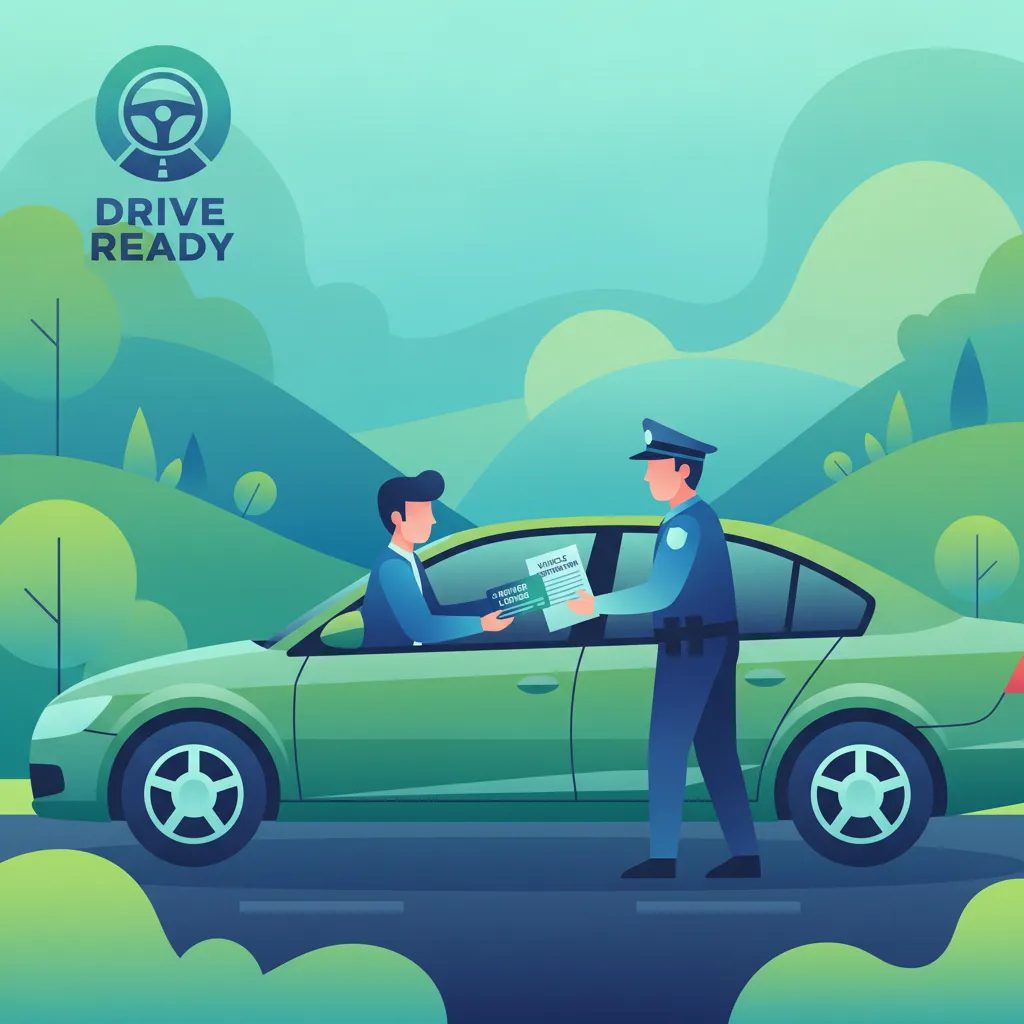
This lesson details the statutory duties imposed on motor vehicle drivers by Turkish traffic legislation to maintain order on public roads. It emphasizes mandatory seat belt usage, mobile phone bans, vehicle inspection rules, and general compliance with police directions. Understanding these duties ensures drivers avoid heavy penalties and maintain road safety.
This lesson delves into the ethical responsibilities and professional standards expected of goods vehicle drivers, emphasizing their pivotal role in ensuring traffic safety. It explores the duty of care owed to other road users and the broader societal expectations placed upon professional drivers. Learners will examine how their conduct directly influences public trust and overall traffic flow in urban environments.

This lesson focuses on the importance of maintaining professional conduct when interacting with traffic authorities, law enforcement, and the general public. Learners will explore communication techniques that convey respect and courtesy, even in stressful situations. Emphasis is placed on upholding a positive image of the transportation industry and resolving conflicts amicably on the road.

This lesson explores the standards of conduct expected from passenger vehicle drivers, emphasizing ethical decision-making and interactions with passengers and the public. It covers the impact of driver behaviour on public perception, the importance of maintaining a professional image, and the responsibilities inherent in transporting passengers safely and courteously. Learners will develop an understanding of how ethical practices contribute to service excellence and public trust.

Learners will explore the core safety priorities for passenger transport, including the correct use of seat belts, securing luggage, and maintaining passenger stability during vehicle motion. The lesson highlights the importance of clear safety briefings, the location and operation of emergency exits, and conducting risk assessments before departure. By mastering these practices, drivers can significantly reduce the likelihood of accidents and injuries.
Understand the critical relationship between proper cargo lashing, center of gravity, and vehicle stability on Turkish roads. This lesson explains how load distribution impacts braking, maneuvering, and overall road safety to help drivers avoid common overloading fines and maintain vehicle control during transit.

This lesson examines the effects of load dynamics on vehicle stability during acceleration and deceleration. Learners will learn how cargo can shift and affect handling, particularly during sudden speed changes or emergency braking situations. The lesson emphasizes proper load securing, gradual acceleration, and controlled braking to maintain stability and prevent serious accidents.

This lesson delves into the concept of centre of gravity and its critical impact on the stability of goods vehicles. Learners will explore how load height and distribution affect side and dynamic stability, particularly during braking, cornering, and evasive maneuvers. The lesson explains the increased rollover risk associated with a high centre of gravity and provides strategies for managing weight.

This lesson provides a detailed overview of cargo securing techniques and the legal requirements for securing loads on goods vehicles. It covers the proper use of straps, chains, tarpaulins, and other securing methods to prevent cargo shift during transit. Learners will learn how to assess the need for additional restraints based on cargo type, weight, and dynamic transport conditions.

This lesson focuses on the importance of maintaining safe following distances for goods vehicles, taking into account longer braking distances and increased load. Learners will learn how to calculate appropriate gaps based on speed, road conditions, and vehicle dynamics. The lesson emphasizes safe following practices to prevent rear-end collisions and improve overall traffic safety in Turkey.

This lesson focuses on the essential principles of load planning and weight distribution for goods vehicles. Learners will understand how to assess cargo weight, determine optimal placement, and maintain a low centre of gravity to ensure vehicle stability. The lesson emphasizes legal load limits, the dangers of overloading, and the impact of uneven load distribution on handling and braking.

This lesson focuses on speed regulation for goods vehicles, highlighting how vehicle weight, load, and road conditions influence safe operating speeds. Learners will understand legal speed limits for various road types and the necessity of adapting speed to traffic flow and environmental conditions. The lesson also emphasizes the importance of maintaining appropriate speed to ensure vehicle control.

This lesson delves into the principles of weight distribution and load limits for goods vehicles, emphasizing the impact on vehicle stability and safety. It examines the concept of Gross Vehicle Weight (GVW) and the legal limits imposed on individual axles to prevent overloading. Learners will explore how improper weight distribution affects the centre of gravity, braking performance, and handling characteristics.

This lesson explains the legal guidelines and safety physics for carrying passengers and securing cargo inside or on top of a vehicle. It details how excess weight or poorly distributed cargo negatively affects vehicle handling, braking, and fuel efficiency. Drivers will learn the legal payload limits specified under Turkish Category B regulations.

This lesson addresses the techniques required for safely navigating grades and slopes with heavy goods vehicles. Learners will explore the use of engine braking, proper gear selection, and auxiliary retarders to manage speed on steep downhill sections. The lesson also covers strategies for starting on uphill grades without rollback, considering vehicle weight and load distribution.
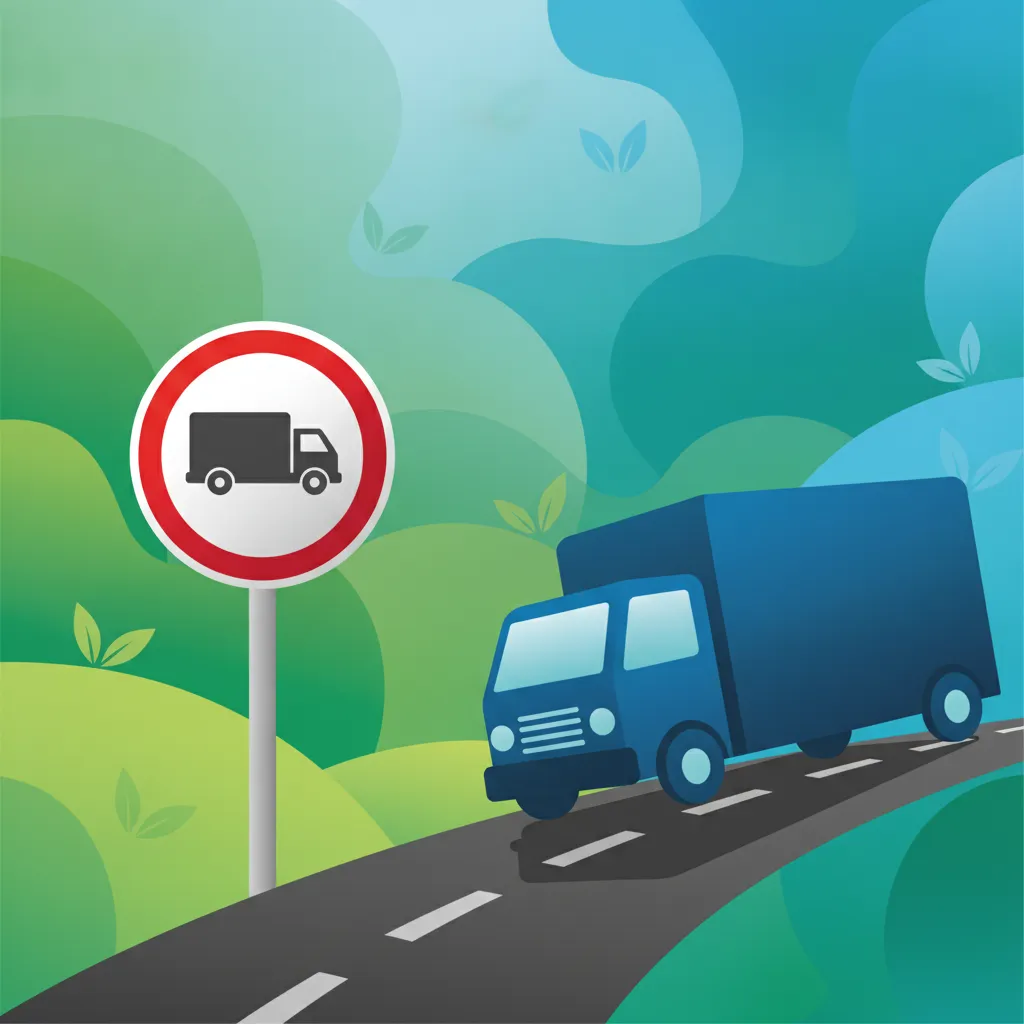
This lesson focuses on traffic signs and road markings that are specifically relevant to goods vehicles in Turkey. Learners will become familiar with signs indicating prohibited routes, weight limits, height restrictions, hazardous material transport, and lane usage regulations. The lesson emphasizes the importance of accurately interpreting these signs to ensure compliance with traffic laws.
Find clear answers to common questions learners have about Penalties, Fines, and Legal Consequences. Learn how the lesson is structured, which driving theory objectives it supports, and how it fits into the overall learning path of units and curriculum progression in Turkey. These explanations help you understand key concepts, lesson flow, and exam focused study goals.
In Turkey, accumulating penalty points through traffic violations can lead to the temporary suspension of your driving license. For professional drivers, maintaining a clean record is critical as higher standards of compliance are expected during official duties.
Repeat offenses generally result in escalated penalties, including heavier fines, more penalty points, and potential long-term suspension of your C or CE license. Continuous violations may also trigger administrative reviews of your professional driving eligibility.
Yes, certain violations related to weight limits, load security, and unauthorized access are specific to heavy goods vehicles. These often carry different financial penalties than standard passenger car infractions.
Yes, understanding the legal framework and consequences of violations is a key part of the professional goods vehicle curriculum and is tested in the official Turkish theory exam.
Use our comprehensive practice search to find exactly the Turkish driving theory questions you need to master. Whether reviewing specific road signs, traffic rules, or first aid scenarios, select your perfect practice set and boost your confidence for the official ehliyet sınavı.