This lesson provides critical safety strategies for interacting with pedestrians, cyclists, and motorcyclists while operating professional goods vehicles. Understanding these dynamics is essential for passing your C, C1, C1E, or CE license theory exam and ensuring safety on Turkish roads.
Lesson content overview
Operating a heavy goods vehicle (HGV) such as a truck, trailer, or articulated vehicle (C1, C, C1E, or CE license classes) carries immense responsibility. Due to their sheer size, weight, and limited visibility, these vehicles present a disproportionate hazard to those who share the road without the protection of a metal cabin.
In the context of the Turkish Highway Traffic Regulation (Karayolları Trafik Yönetmeliği), protecting Vulnerable Road Users (VRUs) is not just a safety recommendation—it is a strict legal mandate. This lesson covers the essential skills, legal responsibilities, and physical principles required to safely share mixed traffic environments with pedestrians, cyclists, and motorcyclists.
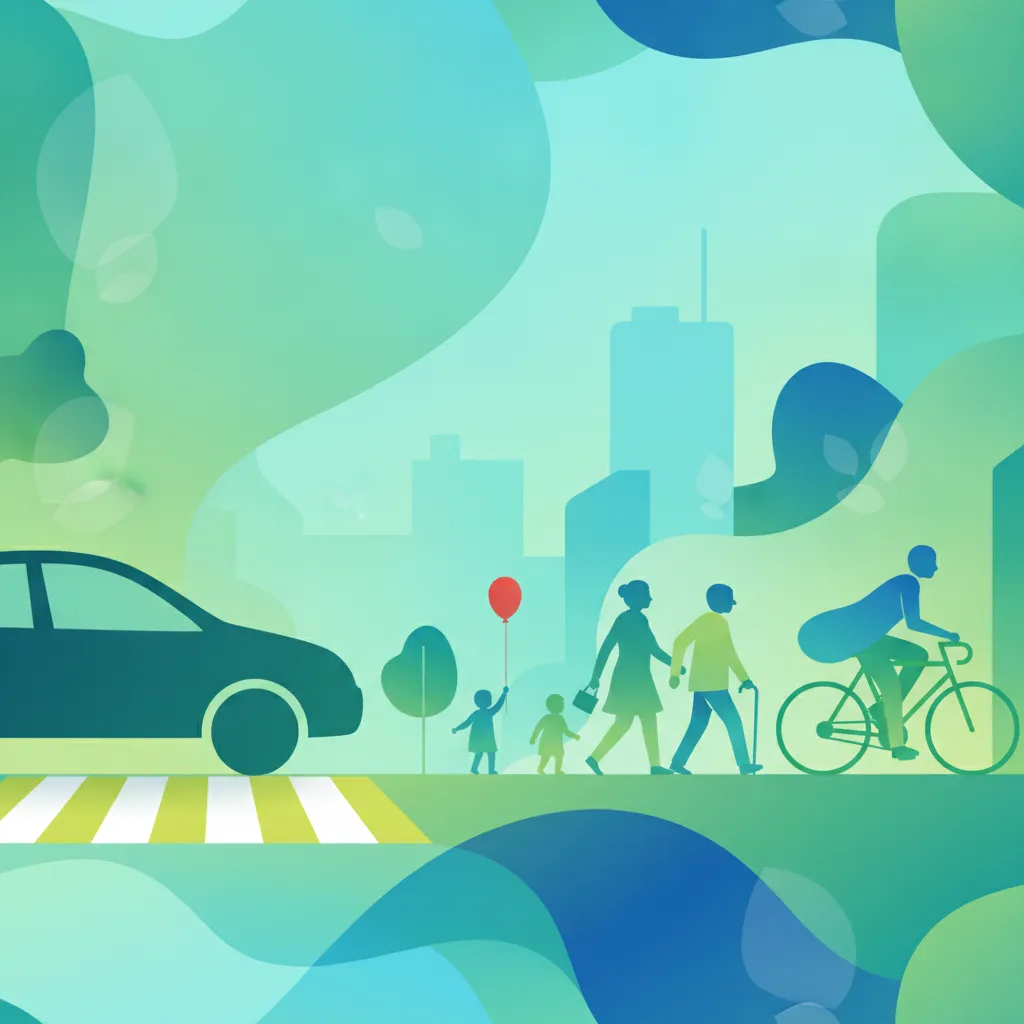
A Vulnerable Road User is defined as any road user who has a significantly higher risk of injury or death in a collision due to their lack of external physical protection. In mixed traffic, this category primarily comprises pedestrians, cyclists, and motorcyclists.
Pedestrians are the most exposed users on the road. They include children, the elderly, individuals with limited mobility, and distracted shoppers. Professional drivers must understand that pedestrians do not have a uniform walking speed, nor do they always behave predictably. Children may suddenly run into the street to retrieve a ball, while elderly pedestrians may require significantly more time to clear a crossing.
Cyclists occupy a unique space in mixed traffic. While they are legally permitted to use most municipal roads, they move at much slower speeds than motorized traffic and are highly susceptible to wind gusts, road surface irregularities, and the aerodynamic draw (suction) created by passing heavy vehicles.
With the rapid growth of urban delivery services in Turkey's major cities, the density of motorcyclists and electric scooters (e-scooter) has increased dramatically. These riders often filter through stationary or slow-moving traffic, placing themselves directly in the blind spots of large goods vehicles. Their high acceleration capabilities combined with low physical visibility make them incredibly difficult to track without systematic mirror checks.
While defensive driving is required at all times, professional drivers must exercise heightened vigilance in specific geographical areas where the density of VRUs is naturally high.
School zones are highly active during morning drop-off and afternoon pick-up hours. Children often travel in groups, are easily distracted, and lack a mature perception of speed and distance.
When approaching an Okul Geçidi, you must proactively reduce your speed—typically to 30 km/h or lower—and be prepared to stop instantly. Do not attempt to overtake any vehicle within a school zone, as the vehicle ahead may be stopping to let a child cross.
Bus and tram stops are high-intensity conflict zones. Pedestrians exiting a bus or tram often make hurried decisions, such as crossing directly in front of or behind the stopped transit vehicle, completely hidden from your line of sight.
Under Turkish traffic laws, when a tram stops at a designated boarding area that does not have a safety island for passengers, drivers of vehicles traveling in the same direction must stop and wait until passengers have safely boarded or crossed the road to the sidewalk.
In residential zones (meskun mahal), the speed limit is generally capped at 50 km/h, but road geometry, parked cars, and active community life often dictate a much lower speed. Large goods vehicles delivering cargo in these zones must navigate tight clearances where parked cars can obscure children playing or pedestrians stepping off the curb.
The Turkish Highway Traffic Law (Karayolları Trafik Kanunu) places a strict legal duty on drivers to yield to vulnerable road users under specific conditions.
In recent years, Turkey has significantly strengthened its legislation regarding pedestrian safety through amendments to Article 74 of Law No. 2918.
Absolute Pedestrian Priority: Drivers approaching any unmarked intersection, pedestrian crossing (yaya geçidi), or school crossing (okul geçidi) where there are no traffic lights or traffic police must slow down, bring their vehicle to a complete stop, and yield the right of way to any pedestrian who is currently crossing or preparing to cross.
Failure to adhere to this law results in heavy administrative fines, penalty points on your commercial driver’s license, and potential criminal liability in the event of an accident.
Where a dedicated cycle path intersects a roadway, drivers turning across the cycle path must yield to any oncoming cyclists. You must never park, stop, or idle your commercial vehicle on a bicycle lane, even temporarily for loading or unloading goods. This forces cyclists to merge into fast-moving vehicle lanes, exposing them to extreme danger.
When overtaking a cyclist or motorcyclist on any road, professional drivers must maintain a safe lateral clearance of at least 1.5 metres. Heavy vehicles generate a powerful bow wave of air pressure at the front, followed by low pressure along the sides.
If you pass too closely, this aerodynamic turbulence can destabilize a two-wheeled rider, pulling them toward your trailer wheels. Always change lanes completely to overtake whenever possible, and only perform the maneuver when you have a clear view of the road ahead.
Anticipatory driving means predicting hazards before they materialize and modifying your driving state to eliminate the risk of a conflict. For HGV drivers, this practice is non-negotiable.
Scan Early: As you approach an intersection, look at least 15 to 20 seconds ahead. Scan sidewalks, corners, and cycle paths for pedestrians and riders.
Reduce Speed: Ease off the accelerator to transfer the weight of your vehicle forward, pre-charging your air brakes and reducing your overall stopping distance.
Establish Eye Contact: Look directly at pedestrians or cyclists waiting at the intersection. If they do not look back at you, assume they are unaware of your large vehicle's presence.
Check Blind Spots Thoroughly: Perform a complete check of your mirrors, passenger-side window, and blind-spot cameras before initiating any turn.
Execute with Caution: Complete the turn slowly, keeping a wide path to prevent the rear wheels of your truck or trailer from mounting the curb or encroaching on cycle lanes.
The total stopping distance of an HGV consists of two main components: Reaction Distance (the distance traveled while the driver perceives a hazard and applies the brakes) and Braking Distance (the distance the vehicle travels after the brakes are applied).
Because heavy commercial vehicles operate on pneumatic (air) braking systems, there is an inherent delay known as "brake lag" (typically 0.4 to 2 seconds) while compressed air travels through the lines to actuate the brake drums or discs.
At 50 km/h, a fully loaded truck can take more than double the distance to stop compared to a standard passenger car. If you do not practice anticipatory driving, you physically eliminate your chance of stopping in time for a sudden hazard.
Despite the elevation of a truck cabin, HGVs suffer from massive blind spots (kör noktalar), particularly on the passenger side (right side in Turkey), directly in front of the cab, and directly behind the trailer.
To protect VRUs who may enter these zones, professional drivers must utilize a combination of physical mirrors and modern driver assistance technologies:
The difficulty of protecting vulnerable road users escalates dramatically under unfavorable driving conditions.
| Environmental Factor | Risk Associated with VRUs | Required Adjustments for HGV Drivers |
|---|---|---|
| Rain & Wet Roads | Reduced traction increases HGV stopping distance; pedestrians walking with umbrellas have blocked side vision and may step out blindly. | Increase following distance; reduce speed significantly before crossings; turn on windshield defrosters to maintain clear side-window views. |
| Nighttime & Low Light | Pedestrians in dark clothing are almost invisible; glare from oncoming headlights can mask cyclists. | Clean all mirrors and windows before driving; use low beams correctly in urban zones; scan active pedestrian areas with heightened focus. |
| Heavy Snow & Ice | Sudden sliding of either the truck or the VRU; cycle paths may be unplowed, forcing cyclists into main lanes. | Reduce speeds drastically; do not perform sudden steering corrections; maintain extreme lateral clearances. |
| Vehicle Loading State | An empty or improperly balanced trailer has highly unstable braking properties, leading to potential wheel lockup or trailer swing during emergency stops. | Check load distribution; brake progressively; allow extra margin around roadside pedestrians to prevent trailer-swing hazards. |
To maintain professional standards, you must avoid these ten critical errors frequently committed by commercial drivers in mixed traffic:
To further master the interaction between heavy transport vehicles and mixed traffic safety, explore the following resources:
To test your knowledge on traffic signs, legal yielding rules under the Turkish Highway Traffic Regulation, and safe braking distances, use our specialized prep materials:
Explore all units and lessons included in this driving theory course.
Lesson content overview
Explore all units and lessons included in this driving theory course.
Explore search topics learners often look for when studying Protecting Vulnerable Road Users in Mixed Traffic. These topics reflect common questions about road rules, driving situations, safety guidance, and lesson level theory preparation for learners in Turkey.
Browse additional driving theory lessons that cover connected traffic rules, road signs, and common driving situations related to this topic. Improve your understanding of how different rules interact across everyday traffic scenarios.
Learn about the advanced technical systems designed to mitigate blind spots for heavy goods vehicles, including proximity mirrors and sensor-based alert systems. Understand how these technologies integrate with mandatory mirror checks to enhance safety when navigating dense urban traffic and maneuvering around vulnerable road users in Turkey.
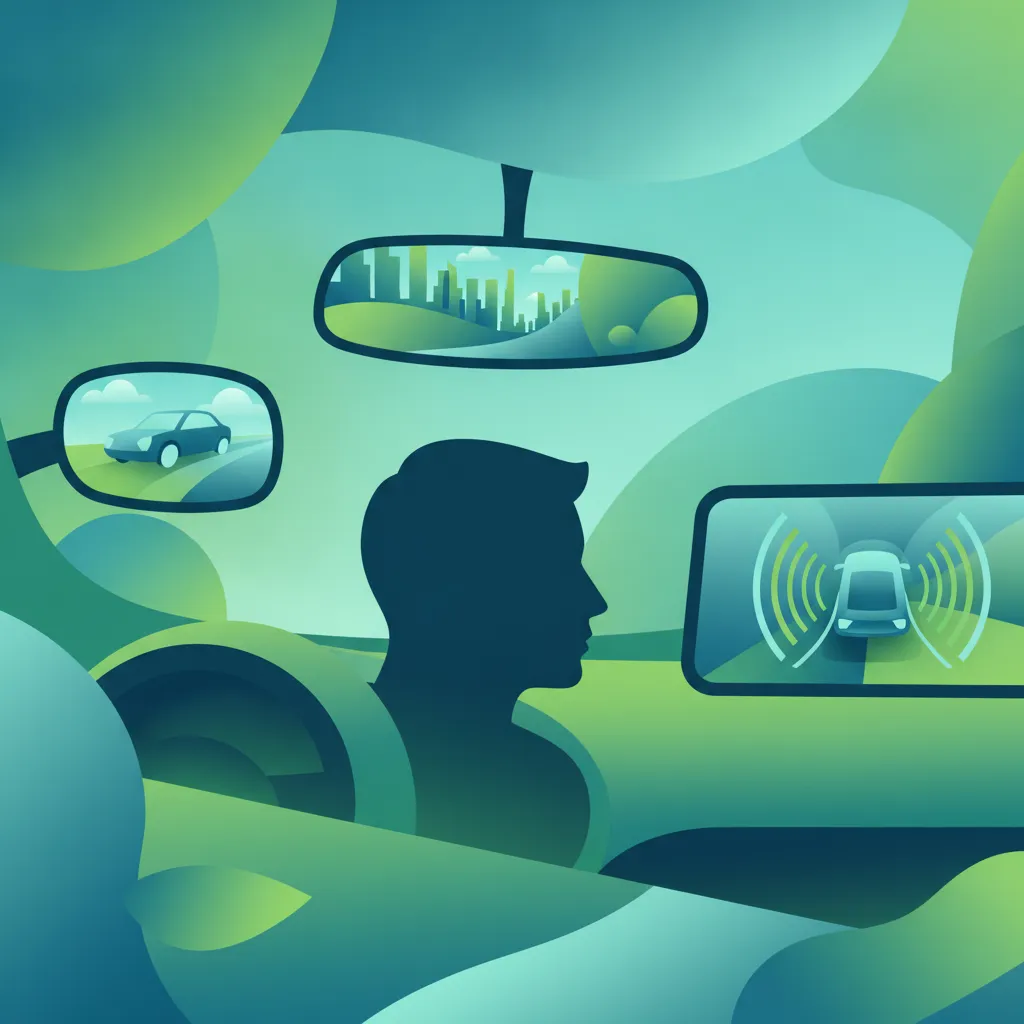
This lesson introduces the proper utilization of mirrors, rearview cameras, and additional sensor systems to enhance situational awareness for goods vehicle drivers. Learners will understand the importance of correctly adjusting mirrors for optimal coverage, interpreting camera feeds, and relying on sensor alerts. The lesson emphasizes integrating modern safety technology into daily driving practices.

This lesson focuses on identifying and managing blind spots specific to goods vehicles, which are larger and have more extensive blind zones compared to standard cars. Learners will explore techniques for blind spot detection using mirrors, rearview cameras, and sensor systems, ensuring safe lane changes and maneuvering. The lesson emphasizes the importance of continuous observation and modern safety technology.
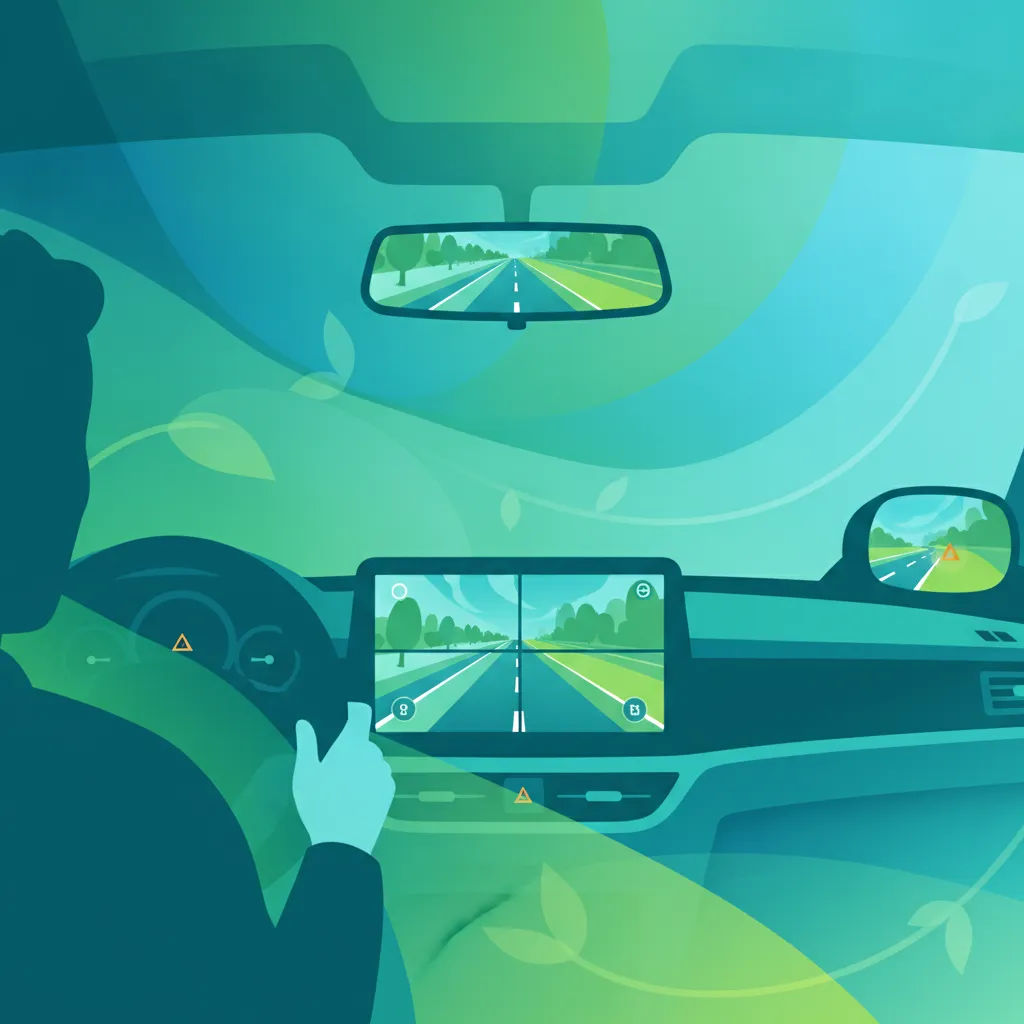
Learners will explore the proper adjustment and utilization of mirrors, rear-view cameras, and blind spot sensors to maximize visibility while operating a passenger vehicle. The lesson covers the optimal positioning of mirrors for comprehensive coverage, interpreting camera and sensor alerts, and integrating these tools into safe driving practices. Proper use of these technologies reduces blind spots and enhances overall situational awareness.

This lesson addresses the challenges of safely reversing a goods vehicle, including the identification of blind spots and rear visibility limitations. It covers proper mirror and rearview camera usage, as well as strategies for maintaining awareness of obstacles and the trailer's path. The lesson also emphasizes the importance of reversing alarms and slow, controlled vehicle movements.
This lesson focuses on the execution of safe right and left turns with large passenger vehicles, emphasizing the identification and management of blind spots. Learners will understand the correct use of turn signals, proper positioning within the turn, and the importance of thorough observation before and during turning. Strategies for minimizing blind spot exposure are also covered.
This lesson highlights the critical nature of blind spots for motorcyclists, teaching strategies to recognize and mitigate these hidden areas. Learners will practice techniques for checking blind spots before lane changes and overtaking, ensuring they are fully aware of surrounding traffic. The lesson emphasizes how proper mirroring and head checks can significantly reduce the risk of collisions.

This lesson covers the proper usage, maintenance, and alignment of the vehicle's lighting systems, including high beams, low beams, and fog lights. It explains the legal requirements for activating lights during daytime, twilight, tunnel crossings, and heavy rain. Drivers will learn how to avoid blinding oncoming motorists while maintaining visibility.
This lesson focuses on the challenges and techniques required when maneuvering goods vehicles in confined spaces such as loading docks, narrow streets, and urban environments. It addresses the importance of spatial awareness, precision driving, and understanding vehicle dimensions to avoid collisions. Learners will explore strategies for effective parking, reversing, and handling blind spots safely.
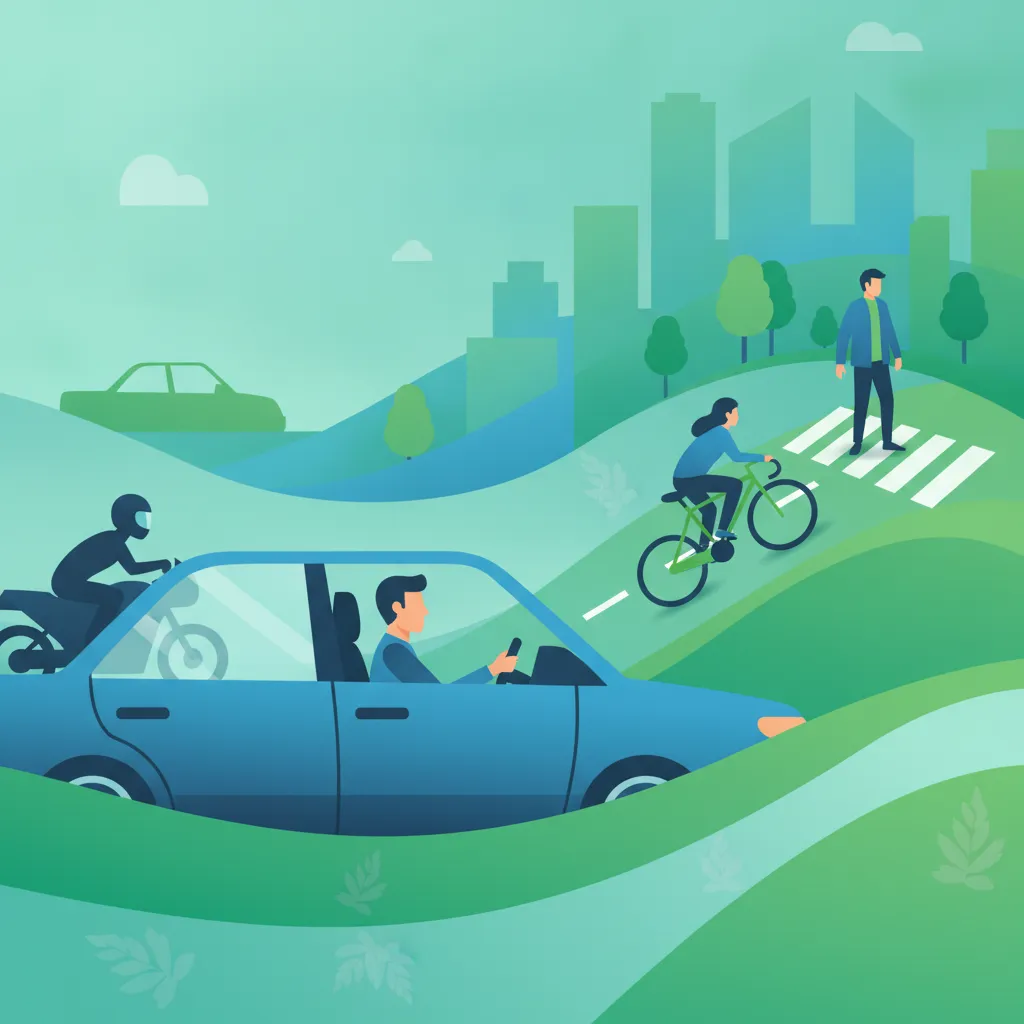
Learners will examine the complexities of operating in environments where various road users, including pedestrians, cyclists, and motorcyclists, coexist. The lesson emphasizes the need for heightened situational awareness, defensive driving techniques, and proactive hazard anticipation. Strategies for navigating mixed traffic safely, especially in congested urban areas, are highlighted.
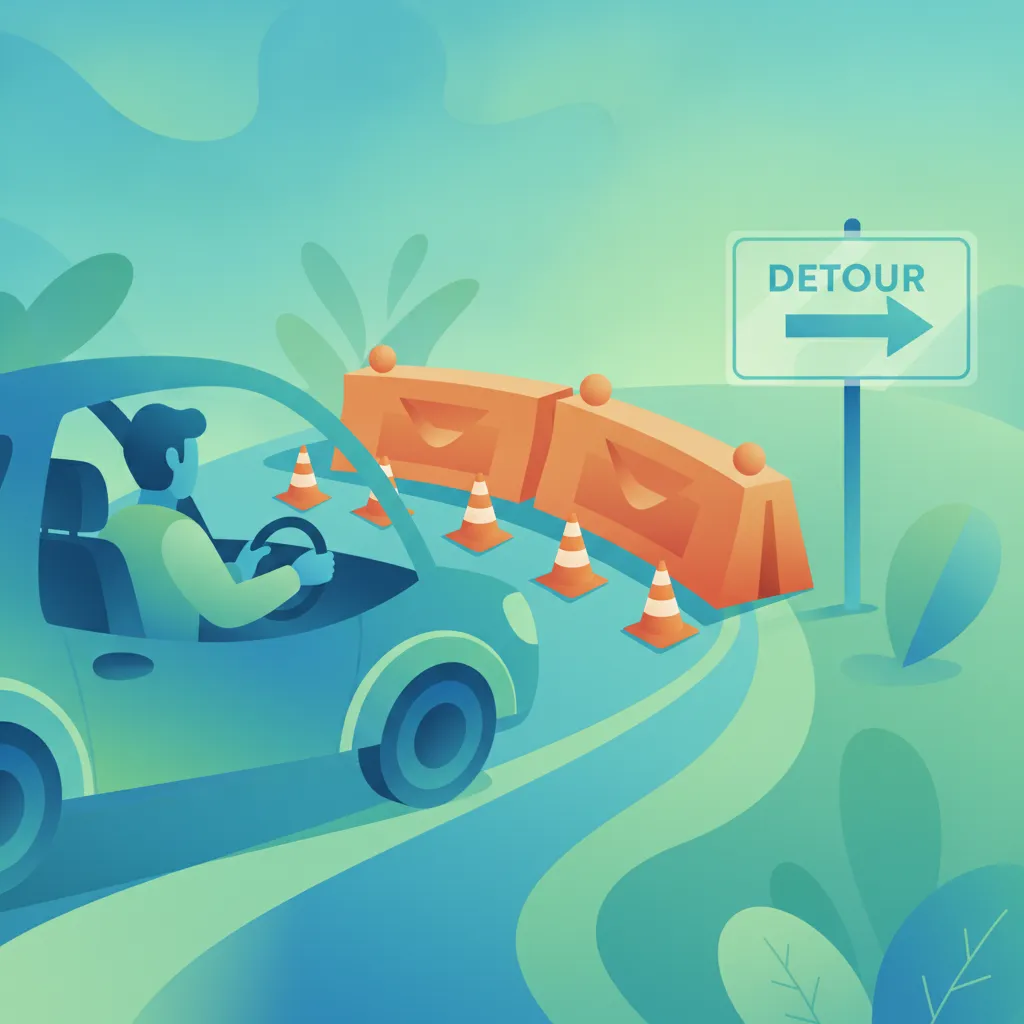
This lesson focuses on effectively managing road closures and detours that affect goods vehicle routes. Learners will explore strategies for obtaining real-time information, updating navigation systems, and planning alternate routes to maintain efficiency and compliance. Emphasis is placed on safety considerations, communication with dispatch centers, and adhering to traffic management.
Explore the principles of safe maneuvering for articulated and rigid vehicles in complex urban settings. This guide covers turning strategies, trailer off-tracking physics, and legal requirements for navigating narrow streets and intersections while ensuring the safety of pedestrians and cyclists in accordance with Turkish traffic regulations.
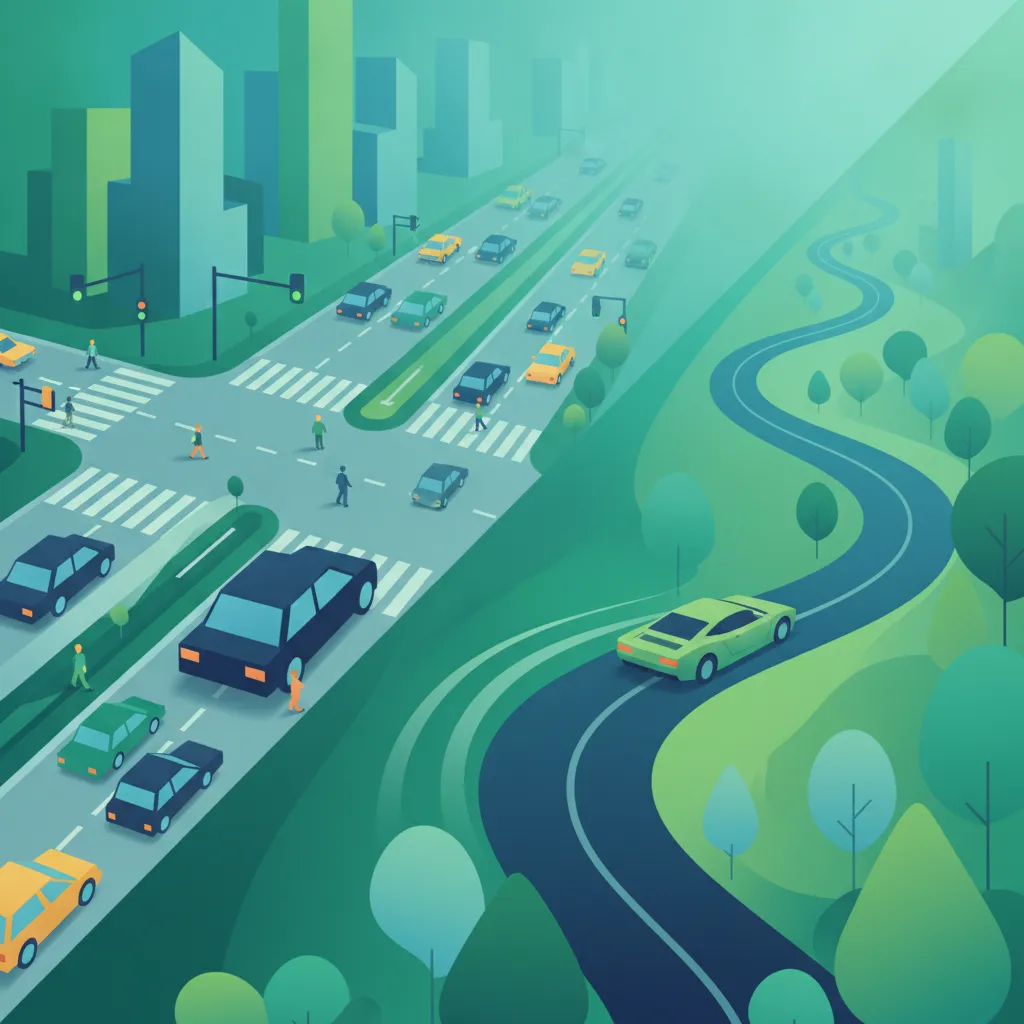
This lesson delves into specific manoeuvring strategies required when navigating both tight urban environments and open rural roads with large passenger vehicles. Learners will explore techniques for handling narrow streets, tight turns, and intersections, while maintaining safety and efficiency. The content emphasizes planning and execution of manoeuvres based on road conditions and vehicle dimensions.
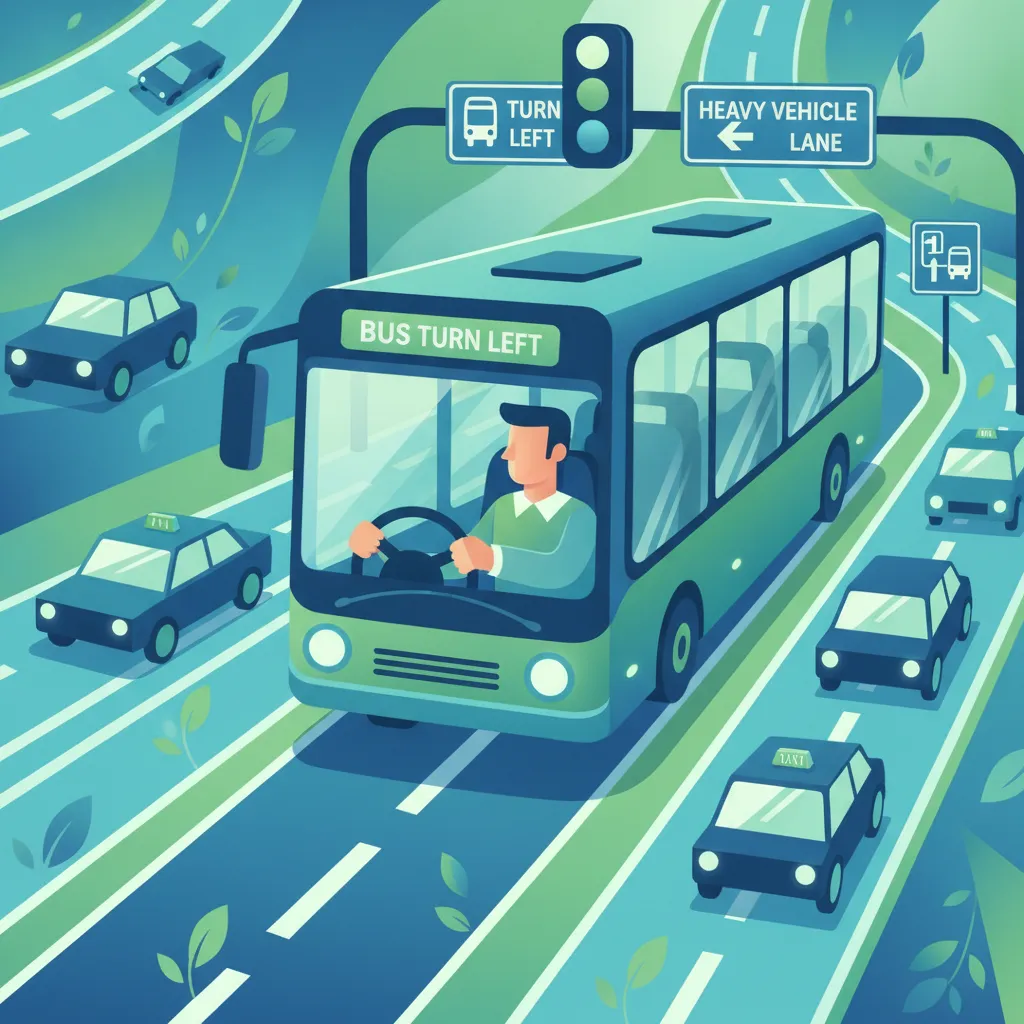
Learners will explore strategies for navigating congested urban traffic environments while operating large passenger vehicles. The lesson covers lane selection, adherence to traffic signals, and the use of bus lanes where applicable. Understanding how to maintain smooth traffic flow while ensuring passenger safety is crucial for efficient urban transportation.
This lesson focuses on the challenges and techniques required when maneuvering goods vehicles in confined spaces such as loading docks, narrow streets, and urban environments. It addresses the importance of spatial awareness, precision driving, and understanding vehicle dimensions to avoid collisions. Learners will explore strategies for effective parking, reversing, and handling blind spots safely.
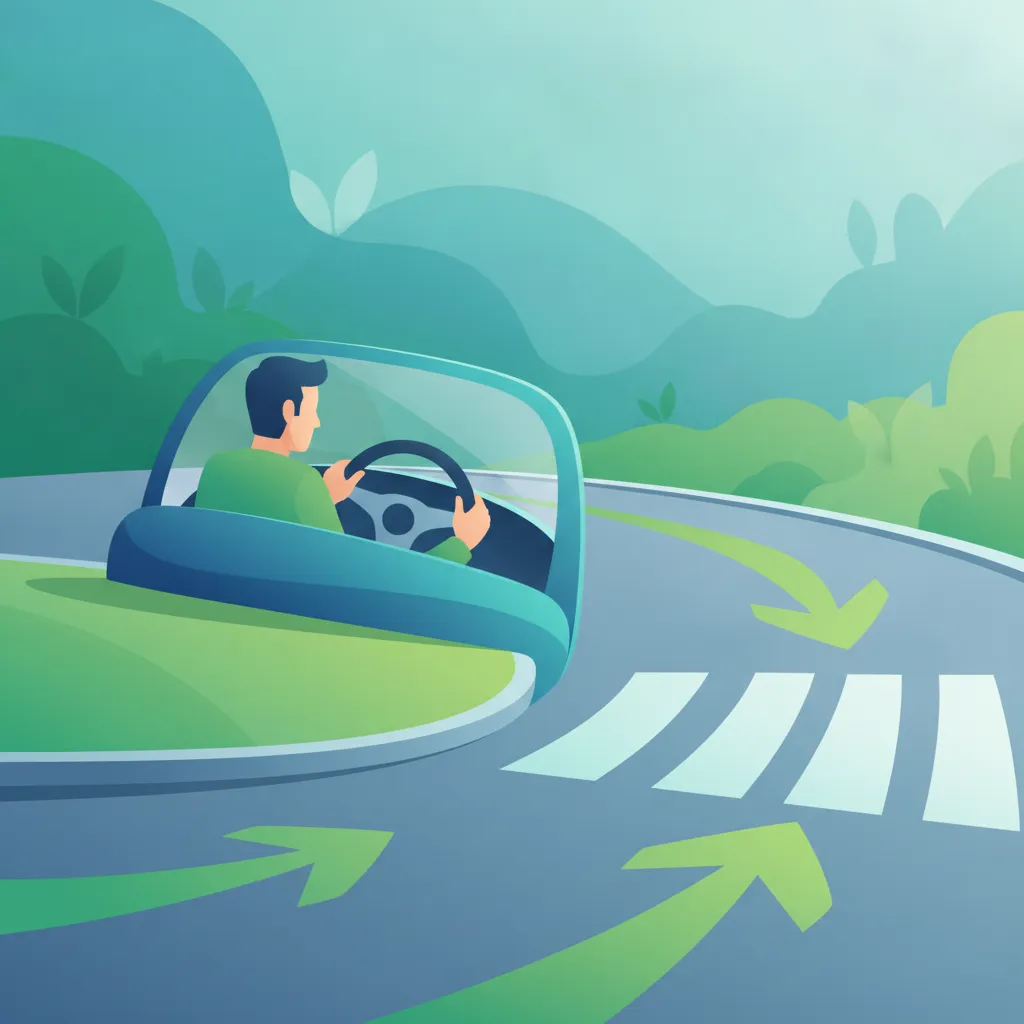
This lesson explores effective turning strategies for goods vehicles, focusing on managing the larger turn radius required due to vehicle size and load. Learners will understand how to approach corners safely, adjust speed, use signals appropriately, and compensate for off-tracking. The lesson also highlights how load distribution impacts turning dynamics and the importance of vehicle control.
This lesson focuses on the execution of safe right and left turns with large passenger vehicles, emphasizing the identification and management of blind spots. Learners will understand the correct use of turn signals, proper positioning within the turn, and the importance of thorough observation before and during turning. Strategies for minimizing blind spot exposure are also covered.
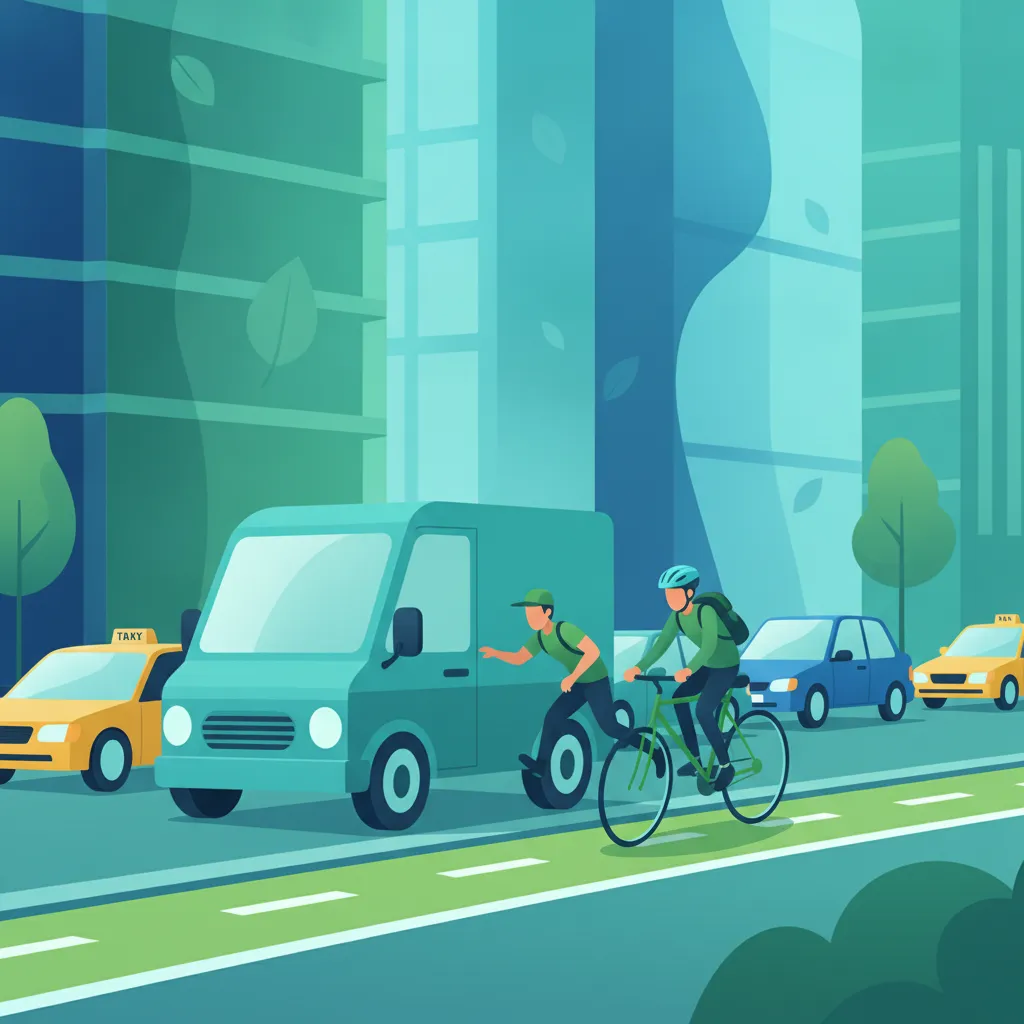
This lesson explores the unique challenges faced during urban deliveries, such as navigating restricted loading zones, traffic congestion, and narrow streets. Learners will learn strategies for safe maneuvering, efficient loading and unloading, and maintaining situational awareness in high-pedestrian traffic areas. Emphasis is placed on complying with local regulations and optimizing time management.
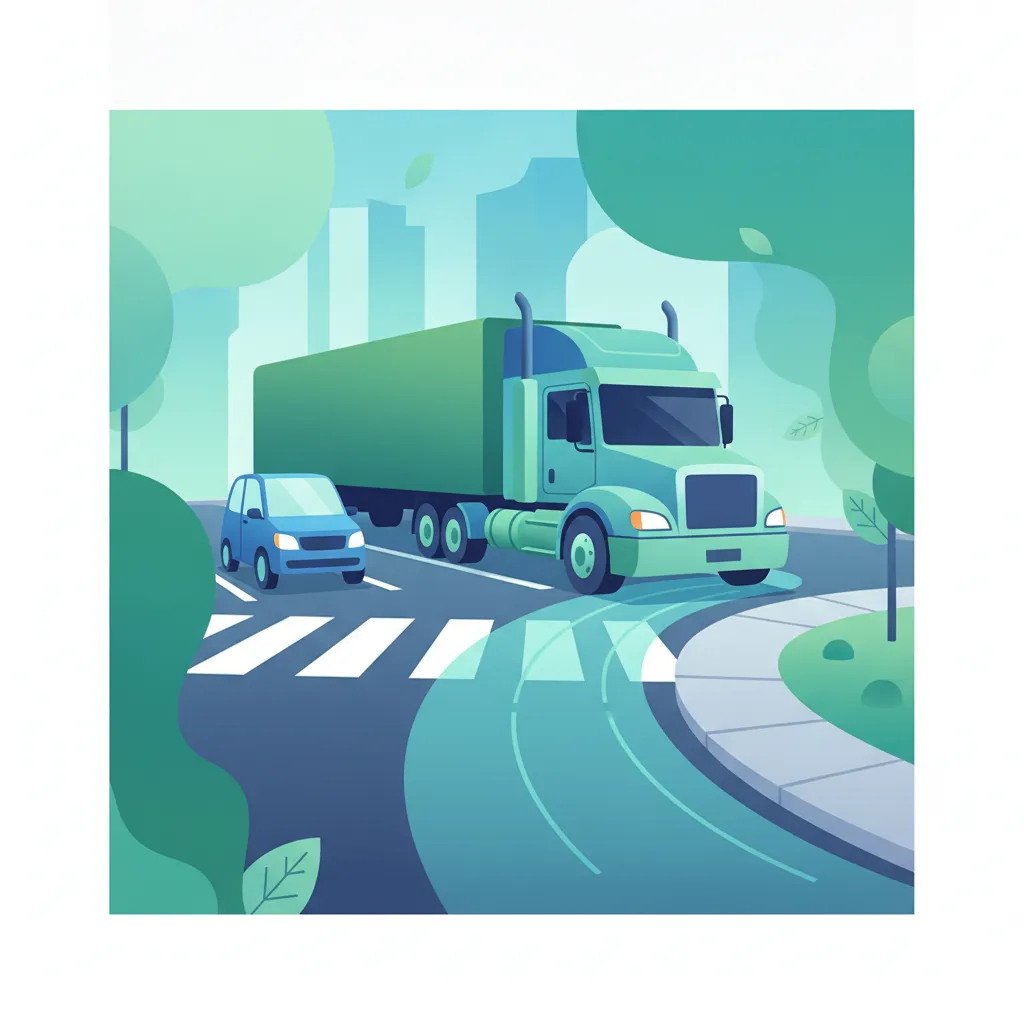
This lesson examines the specific road space requirements necessary for large goods vehicles to operate safely and efficiently. Topics include the need for adequate lane width, lateral clearance, and turning lanes to accommodate wider and longer vehicles. Learners will explore the proper use of shoulders, overtaking procedures, and the impact of large vehicles on overall road capacity in traffic.
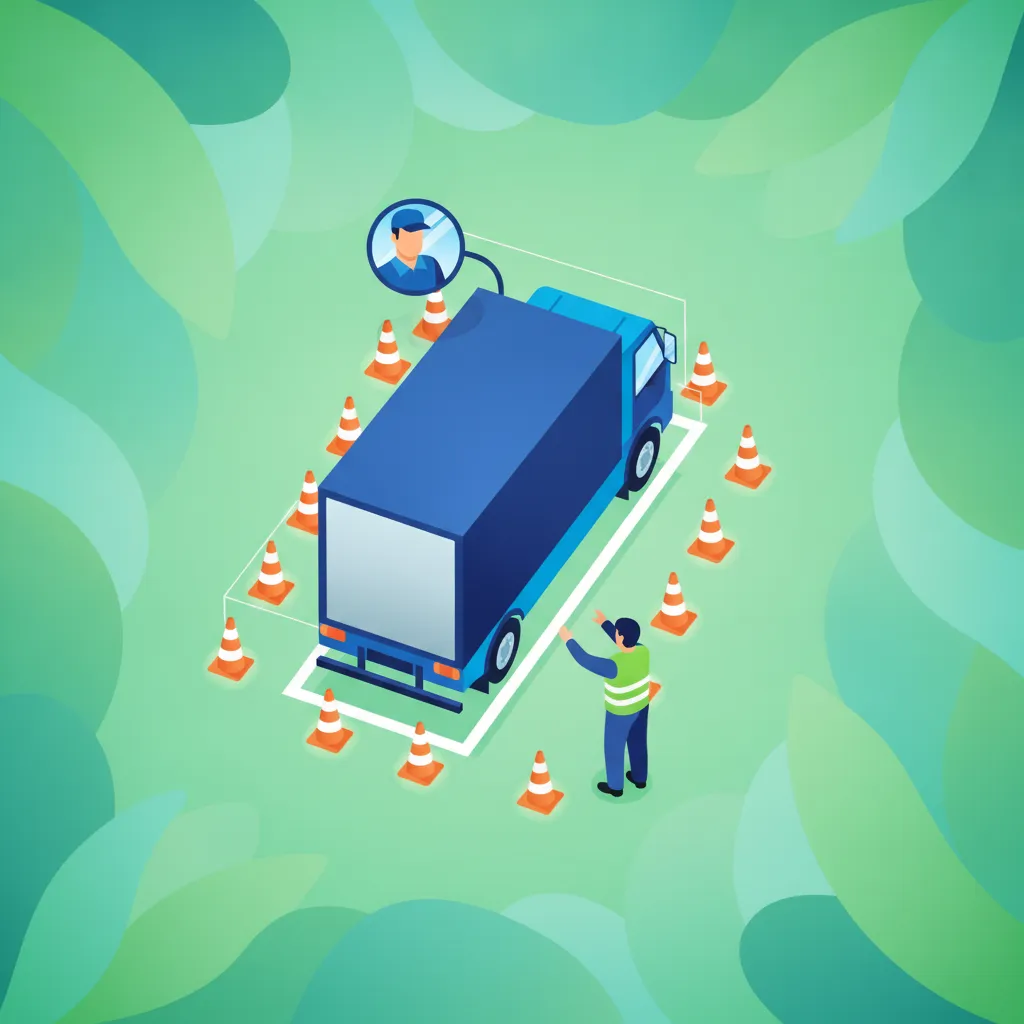
Learners will acquire skills for safely reversing large passenger vehicles in limited spaces, such as bus bays and loading docks. The lesson covers the effective use of mirrors, rear-view cameras, and precise steering inputs to navigate obstacles. Emphasis is placed on slow, controlled movements and constant observation to avoid collisions.
Find clear answers to common questions learners have about Protecting Vulnerable Road Users in Mixed Traffic. Learn how the lesson is structured, which driving theory objectives it supports, and how it fits into the overall learning path of units and curriculum progression in Turkey. These explanations help you understand key concepts, lesson flow, and exam focused study goals.
Vulnerable road users include pedestrians, cyclists, motorcyclists, and sometimes users of small mobility devices. Because they lack the protection of a vehicle body, professional drivers must exercise extreme caution around them.
You must use a systematic approach, checking all mirrors and additional wide-angle or curb-view mirrors before initiating any maneuver. Relying solely on your primary mirrors is insufficient for heavy goods vehicles.
Yes, Turkish regulations emphasize reduced speed and heightened vigilance near schools and bus stops. You must be prepared to stop if a bus is stationary or if children are present, as they are unpredictable road users.
Large vehicles like C, C1, C1E, and CE have significant stopping distances and large blind zones. Examiners test this knowledge to ensure professional drivers are capable of preventing fatal collisions in mixed-traffic environments.
Use our comprehensive practice search to find exactly the Turkish driving theory questions you need to master. Whether reviewing specific road signs, traffic rules, or first aid scenarios, select your perfect practice set and boost your confidence for the official ehliyet sınavı.