
This lesson details the legal responsibilities and consequences of non-compliance for Class D passenger vehicle drivers in Turkey. By understanding these regulations, you will be better prepared to navigate the legal aspects of the official driving theory exam and maintain professional safety standards on the road.
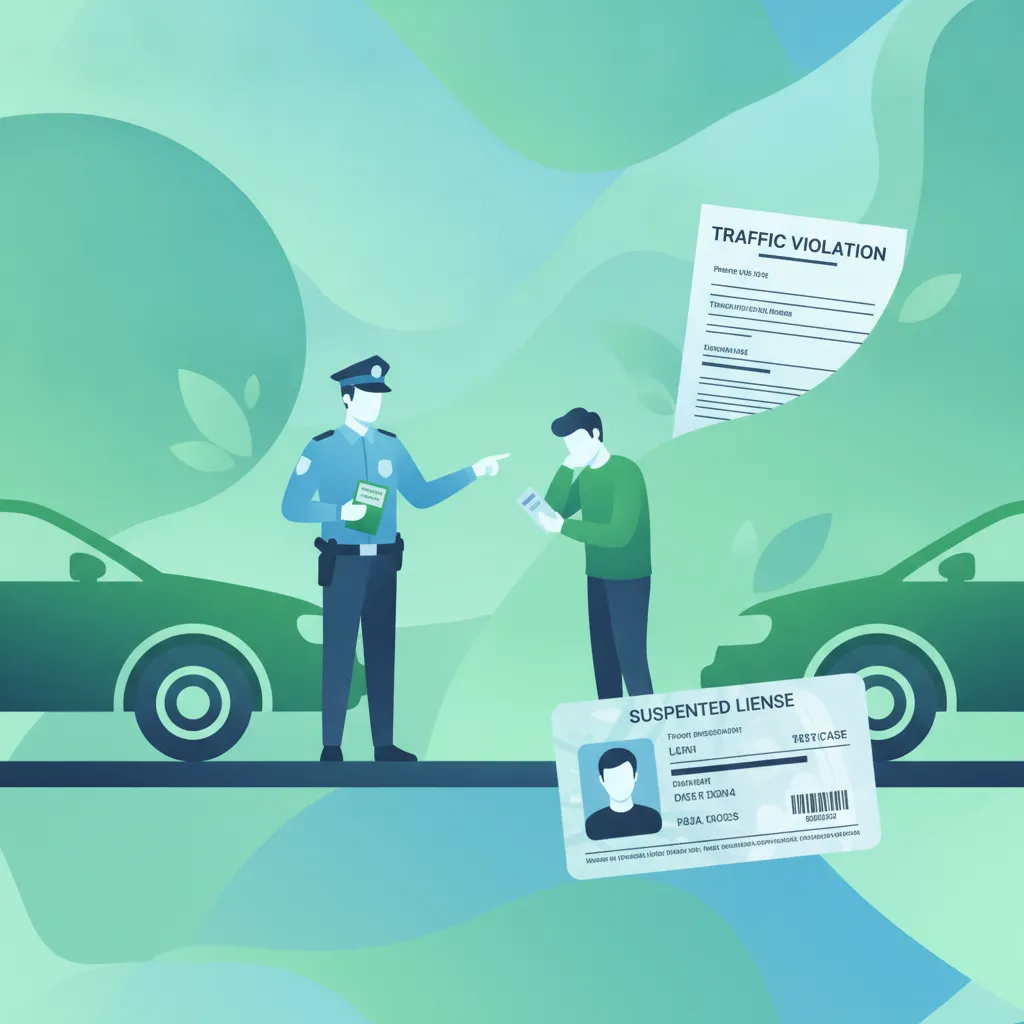
Lesson content overview
Operating a commercial passenger vehicle under a Class D driving licence in Turkey carries profound legal, professional, and ethical responsibilities. Because passenger transport drivers are responsible not only for their own safety but also for the lives of dozens of passengers and other road users, the legal framework governing these operations is exceptionally strict.
Non-compliance with the rules set forth in the Turkish Highway Traffic Law (Karayolları Trafik Kanunu, Law No. 2918) does not merely result in monetary losses; it can lead to the permanent loss of your professional livelihood, driver's licence revocation, and, in severe cases, criminal prosecution and imprisonment. This lesson details the legal structures, enforcement mechanisms, violation categories, and penalty systems that every professional Class D driver must understand to ensure safe and fully compliant operations.
Traffic safety and commercial transport compliance in Turkey are overseen by a network of regulatory and enforcement institutions. Understanding who enforces these laws and the legal authority they hold is the first step in maintaining professional compliance.
All traffic enforcement, penalty structures, and licensing rules are rooted in two primary legislative texts:
Turkish traffic law categorizes violations based on their risk level, potential for causing harm, and the nature of the legal proceedings required to resolve them. For a Class D driver, even minor infractions are scrutinized closely because of the physical size and passenger capacity of buses and coaches.
A monetary penalty imposed directly by authorized law enforcement officers (or automated electronic systems) for violating the provisions of the Highway Traffic Law. These are administrative sanctions rather than criminal convictions.
Minor offences generally involve procedural errors, vehicle equipment oversights, or low-risk driving habits. Examples include:
While individual minor offences carry lower monetary fines, they still accumulate demerit points on your driving record.
Serious offences represent direct, high-risk behaviors that actively compromise road safety and passenger security. Examples include:
These violations result in high monetary fines, substantial demerit point allocations, and can lead to immediate temporary licence suspension if repeated.
Criminal offences are prosecuted under the Turkish Penal Code (Türk Ceza Kanunu - TCK) rather than purely administrative traffic codes. These involve actions that demonstrate a willful disregard for human life or result in severe harm. Examples include:
Criminal violations involve immediate arrest, vehicle impoundment, court trials, permanent revocation of professional transport certificates (SRC documents), and potential custodial prison sentences.
To deter habitual offenders, Turkey employs a cumulative demerit point system. Every driver starts with a clean slate, and specific point values are added to their record for each violation committed within a calendar year.
Under Article 118 of the KTK, any driver who accumulates a total of 100 demerit points within a single calendar year faces progressive administrative actions:
First 100-Point Accumulation: The driver's licence is suspended for a period of 2 months. During this suspension, the driver is prohibited from operating any motor vehicle. To regain the licence, the driver must complete a mandatory traffic safety training course at an authorized driving school.
Second 100-Point Accumulation: If a driver accumulates another 100 points within the same calendar year, the licence is suspended for 4 months. To recover the licence, the driver must undergo a comprehensive psychiatric and psychotechnical evaluation (psikoteknik değerlendirme) to prove their mental and emotional fitness to drive.
Third 100-Point Accumulation: A third accumulation of 100 points within a single year results in the permanent cancellation of the driver's licence. The individual must go through the entire training, testing, and licensing process from the beginning after a legally specified waiting period.
For professional Class D drivers, even a two-month suspension can terminate their employment, as transport companies are legally barred from employing drivers without active, valid driving credentials.
Certain violations are given heightened priority by enforcement authorities due to their direct correlation with catastrophic passenger transport accidents. Below is the legal breakdown of these critical offences.
Speed management is one of the most heavily monitored aspects of highway safety. Turkey utilizes extensive speed camera networks, average-speed corridor monitoring on highways, and mobile radar checkpoints.
Under Article 51 of the KTK, speeding fines are strictly tiered based on the percentage by which the driver exceeds the posted speed limit:
As a Class D driver, you must remember that heavy passenger vehicles (buses and coaches) have lower legal speed limits than passenger cars on almost all road classes. You must adhere to the specific limits designated for heavy commercial vehicles, not the general speed limits posted for passenger cars.
Adverse weather conditions (such as heavy rain, fog, or ice) legally require you to reduce your speed well below the posted maximum limits. If you drive at the posted limit during a blizzard and cause an accident, you can still be cited for "not adjusting vehicle speed to weather and road conditions" under KTK Article 52.
Failing to respect stop signs, red lights, or pedestrian crossings carries immediate penalties. Rolling stops—where the vehicle slows down but does not come to an absolute halt—are illegal.
Class D drivers bear a direct legal duty to secure their passengers. While passengers in urban transit buses are permitted to stand in designated areas, long-distance intercity coach drivers must comply with strict seatbelt protocols.
Turkey enforces incredibly strict blood alcohol concentration (BAC) limits, with a zero-tolerance philosophy applied to commercial and professional transport.
Distracted driving is a primary catalyst for highway accidents. Under Article 73/c of the KTK, using a handheld mobile phone, radio transmitter, or other communication device while the vehicle is in motion is strictly illegal.
It is critical for a Class D driver to understand the difference between how minor infractions and major, tragic events are processed through the Turkish legal system.
+-------------------------------------------------------------------------+
|                           TRAFFIC INCIDENT                              |
+-------------------------------------------------------------------------+
                                     |
         +---------------------------+---------------------------+
         |                                                       |
         v                                                       v
+----------------------------------+          +----------------------------------+
|      ADMINISTRATIVE VIOLATION    |          |         CRIMINAL OFFENCE         |
|   (e.g., Speeding, Red Light)    |          |   (e.g., Fatal Collision, DUI)   |
+----------------------------------+          +----------------------------------+
         |                                                       |
         v                                                       v
+----------------------------------+          +----------------------------------+
| Issued by: Traffic Police / EGM  |          | Handled by: Public Prosecutor    |
| Sanctions: Fines & Points        |          | Sanctions: Arrest & Trial        |
| Resolution: Financial Payment    |          | Resolution: Court Judgment       |
+----------------------------------+          +----------------------------------+
Administrative violations do not involve the criminal courts. If you receive a speeding fine or a fine for a red-light violation:
If an accident results in bodily injury or death, or if you violate DUI laws above the criminal threshold, the matter enters the criminal justice system:
To understand how these laws apply in real-world contexts, review the following scenarios depicting correct and incorrect driver decisions and their direct legal consequences.
A Class D minibus driver is running late on an urban route. He approaches a quiet intersection controlled by a Stop sign (DUR). Rather than coming to a full halt, he performs a "rolling stop" at 10 km/h, assuming it is safe because he cannot hear any oncoming traffic.
An urban transport driver is operating an articulated bus during peak rush hour. The bus is already at maximum legal passenger capacity, but a large crowd at the next stop forces their way on, blocking the front stairwell and preventing the driver from closing the pneumatic doors.
Why are these laws so uncompromising? The strict penalties for Class D operations are not arbitrary; they are deeply rooted in the physical realities of operating heavy vehicles and the cognitive limitations of human drivers.
+--------------------------------------------------------------------------+
|  THE PHYSICS OF SPEED: WHY TIERED PENALTIES EXIST                        |
+--------------------------------------------------------------------------+

At 50 km/h:
[Reaction Distance: 15m] + [Braking Distance: 13m] = Total Stopping: 28m
Energy level: 1x (Base kinetic impact)

At 90 km/h:
[Reaction Distance: 25m] + [Braking Distance: 45m] = Total Stopping: 70m
Energy level: ~3.2x (Exponential increase in destructive force)
The stopping distance of a vehicle increases exponentially, not linearly, with speed. A standard 12-metre passenger coach weighing 18 tonnes possesses massive kinetic energy. If you double your speed, your kinetic energy—and the destructive force of a potential collision—increases fourfold. The tiered penalty system reflects this physical reality: higher speeds dramatically reduce your ability to avoid collisions, necessitating increasingly severe legal deterrents.
At a highway speed of 90 km/h, a commercial bus travels approximately 25 metres every single second. If a driver glances down at a handheld mobile phone for just three seconds to read a text message, the vehicle travels 75 metres completely blind. If traffic ahead stops suddenly during those three seconds, a catastrophic rear-end collision is virtually inevitable. This physical reality is why handheld phone use carries heavy fines and immediate demerit points.
Operating a bus requires continuous, complex multi-tasking: monitoring passenger behavior, tracking multiple blind spots, managing vehicle width, and adjusting to changing traffic signals. Even minute levels of alcohol impairment delay reaction times, narrow the visual field, and create overconfidence. Because of the extreme risk to public safety, the legal limit for professional drivers (0.2 promil) is set to ensure that drivers never operate a commercial vehicle with any active cognitive impairment.
Maintaining a flawless legal record is a core pillar of professionalism for any Class D passenger vehicle driver. By understanding the Turkish demerit point thresholds, the strict zero-tolerance approach to DUI and distracted driving, and the tiered structures for speeding, you can protect your career, avoid severe financial penalties, and—most importantly—ensure that every passenger under your care arrives safely at their destination.
To further deepen your knowledge of commercial passenger safety and prepare for your official theory exam, explore the related modules on professional driver conduct, terminal safety protocols, and emergency evacuation procedures.
Explore all units and lessons included in this driving theory course.
Lesson content overview
Explore all units and lessons included in this driving theory course.
Explore search topics learners often look for when studying Legal Implications and Penalties for Non-Compliance. These topics reflect common questions about road rules, driving situations, safety guidance, and lesson level theory preparation for learners in Turkey.
Browse additional driving theory lessons that cover connected traffic rules, road signs, and common driving situations related to this topic. Improve your understanding of how different rules interact across everyday traffic scenarios.
Understand the legal and ethical requirements for professional drivers operating Class D vehicles in Turkey. This lesson covers driver fitness, documentation, and the professional responsibilities essential for compliance with Turkish transport legislation and safe public service.
This lesson explores the standards of conduct expected from passenger vehicle drivers, emphasizing ethical decision-making and interactions with passengers and the public. It covers the impact of driver behaviour on public perception, the importance of maintaining a professional image, and the responsibilities inherent in transporting passengers safely and courteously. Learners will develop an understanding of how ethical practices contribute to service excellence and public trust.

Learners will examine the broader concept of fostering a safety-oriented and professional culture within passenger transport services. The lesson discusses the impact of driver attitudes on passenger trust, the importance of ongoing safety training, and the role of ethical conduct in enhancing service quality. Strategies for promoting a proactive safety mindset among drivers and staff are presented.
This lesson delves into the ethical responsibilities and professional standards expected of goods vehicle drivers, emphasizing their pivotal role in ensuring traffic safety. It explores the duty of care owed to other road users and the broader societal expectations placed upon professional drivers. Learners will examine how their conduct directly influences public trust and overall traffic flow in urban environments.

This lesson equips drivers with techniques to manage passenger behavior and foster effective in-vehicle communication. Topics include handling disruptive passengers, making clear announcements, and using non-verbal signals to maintain order. By promoting respectful conduct and clear communication, drivers can ensure a smoother, safer journey for everyone on board.

This lesson emphasizes the ethical dimension of driving, encouraging a responsible and considerate attitude towards all road users. Learners will explore the principles of defensive driving, risk awareness, and the moral obligations that come with operating a vehicle. The importance of respecting pedestrians, cyclists, and vulnerable road users is highlighted, along with the broader societal benefits of ethical driving.
In this lesson, participants will learn about the specific offences and penalties that apply to passenger vehicle drivers, focusing on violations that directly jeopardize passenger safety and public security. The content outlines the legal repercussions of non-compliance, including fines, licence suspensions, and other enforcement actions. Understanding these penalties reinforces the critical nature of adhering to traffic laws and safety protocols in professional passenger transport.

This lesson focuses on the importance of maintaining professional conduct when interacting with traffic authorities, law enforcement, and the general public. Learners will explore communication techniques that convey respect and courtesy, even in stressful situations. Emphasis is placed on upholding a positive image of the transportation industry and resolving conflicts amicably on the road.

Learners will explore the core safety priorities for passenger transport, including the correct use of seat belts, securing luggage, and maintaining passenger stability during vehicle motion. The lesson highlights the importance of clear safety briefings, the location and operation of emergency exits, and conducting risk assessments before departure. By mastering these practices, drivers can significantly reduce the likelihood of accidents and injuries.

Learners will explore best practices for ensuring passenger safety during the boarding and alighting process, focusing on proper vehicle positioning, door operation, and passenger assistance. The lesson covers the use of handrails, steps, and ramps, as well as strategies for managing standing passengers and luggage. Emphasis is placed on clear communication and maintaining situational awareness to prevent accidents.

This lesson focuses on the specific considerations required when transporting children, elderly individuals, and passengers with reduced mobility. Topics include the proper installation of child safety seats, techniques for assisting elderly passengers, and procedures for safely boarding and securing wheelchair users. Drivers will learn how to use accessibility features and special equipment to ensure a safe and dignified travel experience for these vulnerable groups.
Learn the mandatory safety protocols for managing passenger boarding, alighting, and transit in commercial vehicles. This guide details legal requirements for passenger safety, securing passengers during transit, and handling vehicle stops according to official Turkish traffic regulations.
Learners will explore best practices for ensuring passenger safety during the boarding and alighting process, focusing on proper vehicle positioning, door operation, and passenger assistance. The lesson covers the use of handrails, steps, and ramps, as well as strategies for managing standing passengers and luggage. Emphasis is placed on clear communication and maintaining situational awareness to prevent accidents.

This lesson details the procedures for safely evacuating passengers from a bus in the event of a fire or other critical emergency. Topics include the location and use of emergency exits, fire extinguishers, and lighting, as well as the importance of clear communication and orderly movement of passengers. Practical steps for assisting vulnerable passengers during evacuation are emphasized.
Learners will explore the core safety priorities for passenger transport, including the correct use of seat belts, securing luggage, and maintaining passenger stability during vehicle motion. The lesson highlights the importance of clear safety briefings, the location and operation of emergency exits, and conducting risk assessments before departure. By mastering these practices, drivers can significantly reduce the likelihood of accidents and injuries.

Learners will examine effective strategies for safely coordinating with pedestrians and other road users when approaching and departing bus stops. The lesson highlights right-of-way rules, the importance of yielding at crosswalks, and clear communication with both passengers and other drivers. These practices are vital for preventing accidents and ensuring a harmonious flow of traffic in busy urban areas.

This lesson addresses the particular challenges posed by standing passengers and the handling of luggage within passenger vehicles. Learners will explore best practices for securing items, guiding passenger movement, and maintaining vehicle stability. Understanding these aspects helps prevent accidents caused by shifting loads or passenger instability, especially during sudden stops or turns.
This lesson focuses on the specific considerations required when transporting children, elderly individuals, and passengers with reduced mobility. Topics include the proper installation of child safety seats, techniques for assisting elderly passengers, and procedures for safely boarding and securing wheelchair users. Drivers will learn how to use accessibility features and special equipment to ensure a safe and dignified travel experience for these vulnerable groups.
This lesson focuses on the proper approach to bus stops and terminals within city traffic, emphasizing safe positioning, adherence to traffic signals, and maintaining smooth traffic flow. Learners will understand the importance of signaling intentions, checking blind spots, and ensuring the safety of boarding and alighting passengers. Effective stop management reduces the risk of accidents and traffic disruption.

This lesson covers the proper handling of bus stops and designated passenger boarding zones, emphasizing safety, efficiency, and compliance with regulations. Topics include the correct positioning of the vehicle, safe boarding and alighting procedures, and managing passenger flow during stops. Effective management of these zones reduces the risk of accidents and ensures a smooth passenger experience.

This lesson focuses on the specific considerations for ensuring the safety of pedestrians and schoolchildren around bus stops and terminals. Learners will explore strategies for slowing down, stopping at appropriate distances, and maintaining heightened vigilance. The lesson also covers effective communication with children and the importance of secure boarding and alighting processes to prevent accidents.

This lesson explores the specific responsibilities and precautions required when operating passenger vehicles on routes that serve schools. Topics include adhering to reduced speed limits, coordinating with crossing guards, ensuring safe loading and unloading of students, and managing interactions with parents and school staff. Emphasis is placed on creating a secure and predictable environment for children.
Find clear answers to common questions learners have about Legal Implications and Penalties for Non-Compliance. Learn how the lesson is structured, which driving theory objectives it supports, and how it fits into the overall learning path of units and curriculum progression in Turkey. These explanations help you understand key concepts, lesson flow, and exam focused study goals.
Neglecting safety protocols can lead to heavy administrative fines, penalty points on your licence, and in severe cases involving accidents, potential criminal liability or long-term suspension of your commercial driving privileges.
Yes, as a professional passenger vehicle driver, you are held to higher ethical and safety standards. Many traffic offences incur stricter penalties or additional oversight because of the responsibility you have toward your passengers.
The MTSK e-sınav often presents scenario-based questions where you must identify the correct legal response to a traffic violation or explain the severity of a specific driving offence.
It depends on the severity of the offence under Turkish traffic law. Some penalties result in temporary suspension, while repeated violations or involvement in serious accidents can lead to permanent revocation of your commercial license category.
Use our comprehensive practice search to find exactly the Turkish driving theory questions you need to master. Whether reviewing specific road signs, traffic rules, or first aid scenarios, select your perfect practice set and boost your confidence for the official ehliyet sınavı.