
This lesson details the specific legal and administrative rules governing Category AM vehicles in Austria. By understanding these requirements, you will be well-prepared to navigate the regulatory aspects of riding, ensuring both your moped and documentation are fully compliant with Austrian law.
Lesson content overview
Operating any motor vehicle on public roads in Austria, especially Category AM vehicles like mopeds, small scooters, and light quadricycles, comes with a set of crucial legal and administrative responsibilities. Adhering to these requirements is not merely about avoiding fines; it forms the bedrock of road safety, environmental protection, and financial accountability. This lesson delves into the essential regulations concerning vehicle registration, the display of licence plates, mandatory third-party liability insurance, and the necessity of regular technical inspections for your AM vehicle.
The Austrian legal framework aims to ensure that every vehicle on the road is safe, identifiable, and adequately covered for potential damages it might cause. For Category AM riders, understanding these rules is fundamental to responsible riding and helps build a strong foundation for safe participation in traffic.
Compliance with legal requirements ensures your vehicle is roadworthy and that you are financially prepared for unforeseen events. This reduces the risk of accidents caused by mechanical failures, protects other road users, and ensures you meet your legal obligations as a vehicle operator. Ignoring these duties can lead to severe penalties, including hefty fines, vehicle impoundment, and even consequences for your driving licence. It also means you may be riding an unsafe vehicle, endangering yourself and others.
Familiarize yourself with the specific requirements for your AM vehicle type. While many rules are general, some details might vary slightly between mopeds, small scooters, and light quadricycles.
Before your AM vehicle can legally touch public roads in Austria, it must be officially registered. This process, known as Zulassung, is a fundamental step that links the vehicle to its owner and brings it into the national vehicle register.
Vehicle registration is the official act of recording your vehicle in the national register. This process provides the legal basis for your AM vehicle's presence on public roads, enabling identification, tax collection, and regulatory oversight by authorities. It is administered by designated registration offices (Zulassungsstellen) which are often affiliated with insurance companies.
When registering a new AM vehicle or re-registering one, you typically need to provide personal identification, proof of ownership (e.g., purchase invoice), and most importantly, proof of valid third-party liability insurance. The registration process concludes with the issuance of a registration certificate (Zulassungsbescheinigung Teil I) and the allocation of a unique licence plate number.
Gather all necessary documents: identification, proof of ownership (purchase agreement/invoice), and the insurance certificate (Versicherungsbestätigung) from your insurer.
Visit an authorized registration office (Zulassungsstelle). These are often branches of insurance companies.
Submit your documents and pay the registration fees.
Receive your registration certificate (Zulassungsbescheinigung Teil I) and your new licence plate (Kennzeichen).
Attach the licence plate securely to your vehicle before its first use on public roads.
The registration certificate (Zulassungsbescheinigung Teil I) is a critical document that must be carried in your vehicle whenever you are operating it. It serves as official proof that your AM vehicle is lawfully registered. Police officers often request this document during routine checks to verify the vehicle's legal status and match it with the displayed licence plate.
Common mistakes include riding with an expired temporary plate, forgetting to update registration after significant vehicle changes, or simply not carrying the certificate. Failure to produce a valid registration certificate upon request can lead to fines and, in some cases, the impoundment of your vehicle until the issue is resolved.
The official registration certificate for a vehicle in Austria, which must be carried by the driver whenever the vehicle is in use.
The licence plate, or Kennzeichen, is more than just a piece of metal; it is the primary means by which authorities identify your AM vehicle and link it to its registration and owner. Proper display and maintenance of your licence plate are mandatory requirements under Austrian law.
For most AM vehicles, specifically mopeds and small scooters, only a single licence plate is required, which must be displayed at the front of the vehicle. This is distinct from cars or larger motorcycles, which typically require both front and rear plates. However, certain light quadricycles may have specific rules that could include an optional rear plate; it is vital to verify this for your specific vehicle type.
The licence plate itself is usually a reflective plate displaying a unique combination of letters and numbers (e.g., "AB 123 CD"). It signifies that your vehicle has successfully undergone the registration process and has valid third-party liability insurance.
Austrian road traffic law, specifically § 16 StVO, mandates that the licence plate must be clearly legible at all times and securely attached to the vehicle. This means the plate must not be obscured by dirt, snow, or any accessories. It also implies that the plate should be mounted in a way that prevents it from becoming loose, detaching, or being damaged during normal operation.
An illegible licence plate, whether due to dirt, damage, or improper mounting, can lead to fines. Ensure your plate is always clean and securely fastened. Using plates from another vehicle or creating a makeshift plate are serious offenses that can result in significant legal penalties.
Perhaps one of the most critical legal requirements for any AM vehicle in Austria is mandatory third-party liability insurance, known as Haftpflichtversicherung. This insurance is not optional; it is a fundamental pillar of financial protection for all road users.
Third-party liability insurance serves a crucial purpose: it provides financial compensation for damages caused to third parties in the event of an accident where you are at fault. This includes injuries to other people, damage to their vehicles, or damage to property. The "polluter pays" principle is central here, ensuring that victims of accidents receive necessary financial support without direct burden on the at-fault party.
Without valid liability insurance, you would be personally responsible for all damages and costs resulting from an accident you caused. This could amount to hundreds of thousands or even millions of euros, leading to severe personal financial ruin. Therefore, this insurance protects not only the victims but also the rider from potentially catastrophic financial consequences.
Once you've secured your liability insurance policy, your insurer will provide you with an insurance certificate (Versicherungsnachweis). This document serves as proof that your vehicle is adequately insured. Just like your registration certificate, this proof must be carried in your AM vehicle at all times while riding.
While an electronic version on your smartphone might be accepted in some cases, it is always safer to carry a physical copy or ensure your electronic proof is easily accessible and verifiable. Police officers have the right to request this proof during traffic stops to confirm your compliance with § 6 KfzG (Motor Vehicle Law). Forgetting to renew your policy on time or failing to carry the proof can lead to fines and even the temporary impoundment of your vehicle.
Mandatory third-party liability insurance in Austria that covers damages caused to other individuals or their property by the insured vehicle.
To ensure that AM vehicles remain safe and roadworthy throughout their lifespan, Austrian law mandates regular technical inspections, known as Hauptuntersuchung (main inspection). This process, governed by § 23 StVZO (Road Traffic Licensing Ordinance), is designed to identify and rectify any safety-critical defects.
During a technical inspection, authorized inspection stations (Prüfstellen) rigorously check various safety-critical components of your AM vehicle. This includes, but is not limited to:
Upon successful completion of the inspection, a special sticker, the Prüfplakette (inspection sticker), is affixed to your licence plate. This sticker prominently displays the month and year by which the next inspection is due, providing a clear visual cue of your vehicle's current inspection status.
The frequency of technical inspections for AM vehicles in Austria follows a specific schedule:
It is the rider's responsibility to monitor the expiry date on the Prüfplakette and schedule the inspection well in advance. Riding with an expired inspection sticker means your vehicle is legally considered unsafe and can result in fines and potentially other legal consequences. Even if your vehicle appears to be running fine, an overdue inspection sticker signals non-compliance to authorities.
Austrian authorities take legal requirements for vehicle operation seriously. Non-compliance with registration, insurance, or inspection obligations can lead to significant penalties designed to ensure adherence to safety standards and legal responsibilities.
The penalties for violating these regulations vary depending on the specific offense and its severity:
Being aware of common pitfalls can help you avoid unnecessary legal trouble:
Legal requirements don't exist in a vacuum; various conditions can affect their implications and enforcement. Understanding these contextual variations helps ensure comprehensive compliance.
The legal requirements discussed in this lesson are enshrined in specific Austrian laws and ordinances. Understanding these abbreviations provides a deeper context for the rules.
These legal documents collectively form the robust framework ensuring safety, environmental protection, and accountability on Austrian roads for all vehicles, including your Category AM moped or scooter.
Let's explore some practical examples of how these legal requirements play out in everyday riding situations.
Scenario: New Scooter Purchase and First Ride
Scenario: Approaching Technical Inspection Deadline
Scenario: Routine Police Check and Missing Documents
Scenario: Accident with an Uninsured AM Vehicle
Operating an AM vehicle in Austria comes with clear and non-negotiable legal obligations designed to protect all road users and ensure a safe, traceable, and accountable traffic environment.
By diligently adhering to these legal requirements, you contribute to your safety, the safety of others, and ensure that your experience as an AM rider in Austria remains both enjoyable and lawful.
This lesson covers the mandatory legal requirements for operating Category AM vehicles in Austria, including vehicle registration through the Zulassung process, mandatory third-party liability insurance (Haftpflichtversicherung), and periodic technical inspections (Hauptuntersuchung) every two years after an initial three-year exemption. Key documents include the Zulassungsbescheinigung Teil I for registration and the Versicherungsnachweis for insurance, both of which must be carried at all times. The lesson details enforcement consequences including fines, vehicle impoundment, and personal financial liability for uninsured riders, emphasizing that compliance protects both the rider and other road users.
A short set of high-value points that capture the most important learning from this lesson.
Every AM vehicle must be officially registered (Zulassung) at a Zulassungsstelle and carry the Zulassungsbescheinigung Teil I at all times
Third-party liability insurance (Haftpflichtversicherung) is mandatory before a vehicle can be used on public roads in Austria
AM vehicles require their first technical inspection after three years, then every two years thereafter (StVZO § 23)
Licence plates (Kennzeichen) must be clearly legible and securely mounted, with only one plate required at the front for mopeds
Non-approved modifications can void your operating permit and insurance coverage
Explore all units and lessons included in this driving theory course.
Registration certificate = Zulassungsbescheinigung Teil I; Insurance proof = Versicherungsnachweis; Inspection sticker = Prüfplakette
Three years first inspection, then biennial for AM vehicles
Missing documents during a check can result in fines and potential vehicle impoundment
Uninsured riders are personally liable for all damages they cause, which can amount to significant financial burden
Vehicle impoundment (Beschlagnahmung) is possible for lack of insurance or expired inspection
Riding with an expired or temporary plate before completing full registration at a Zulassungsstelle
Failing to carry both the registration certificate and insurance proof when stopped by police
Letting insurance policy lapse or assuming coverage continues automatically without renewal
Forgetting the biennial inspection deadline after the initial three-year exemption period
Making unapproved modifications that alter type approval, potentially voiding insurance and operating permit
Lesson content overview
A short set of high-value points that capture the most important learning from this lesson.
Every AM vehicle must be officially registered (Zulassung) at a Zulassungsstelle and carry the Zulassungsbescheinigung Teil I at all times
Third-party liability insurance (Haftpflichtversicherung) is mandatory before a vehicle can be used on public roads in Austria
AM vehicles require their first technical inspection after three years, then every two years thereafter (StVZO § 23)
Licence plates (Kennzeichen) must be clearly legible and securely mounted, with only one plate required at the front for mopeds
Non-approved modifications can void your operating permit and insurance coverage
Explore all units and lessons included in this driving theory course.
Registration certificate = Zulassungsbescheinigung Teil I; Insurance proof = Versicherungsnachweis; Inspection sticker = Prüfplakette
Three years first inspection, then biennial for AM vehicles
Missing documents during a check can result in fines and potential vehicle impoundment
Uninsured riders are personally liable for all damages they cause, which can amount to significant financial burden
Vehicle impoundment (Beschlagnahmung) is possible for lack of insurance or expired inspection
Riding with an expired or temporary plate before completing full registration at a Zulassungsstelle
Failing to carry both the registration certificate and insurance proof when stopped by police
Letting insurance policy lapse or assuming coverage continues automatically without renewal
Forgetting the biennial inspection deadline after the initial three-year exemption period
Making unapproved modifications that alter type approval, potentially voiding insurance and operating permit
Explore search topics learners often look for when studying Legal Requirements and Vehicle Limits. These topics reflect common questions about road rules, driving situations, safety guidance, and lesson level theory preparation for learners in Austria.
Browse additional driving theory lessons that cover connected traffic rules, road signs, and common driving situations related to this topic. Improve your understanding of how different rules interact across everyday traffic scenarios.
Understand the specific legal and administrative obligations for operating AM category vehicles in Austria. Covers essential details on registration, insurance, and mandatory technical roadworthiness checks.

This lesson provides a detailed definition of the vehicles covered by the Category AM license in Austria, including mopeds, small scooters, and light quadricycles. It clarifies the legal limitations on engine capacity, maximum design speed, and vehicle weight. The content also outlines the basic equipment requirements and eligibility criteria for young riders.

This lesson details the mandatory lighting and reflector requirements for Category AM vehicles in Austria. It explains the functions of different light settings, including daytime running lights, and their importance for being seen. Additionally, it covers the legal standards for protective helmets, a critical component of rider safety.

This lesson outlines the legal speed limits for Category AM vehicles in Austria, covering urban, residential, and rural areas. It explains how to identify different speed zones through signage and the importance of adjusting speed based on traffic, weather, and road conditions. Adherence to these limits is a fundamental aspect of both legal compliance and safety.

This lesson provides a clear overview of the legal penalties for traffic violations in Austria. It details the system of fines, demerit points, and the conditions that can lead to license suspension or revocation. Understanding these consequences reinforces the importance of lawful and responsible riding.
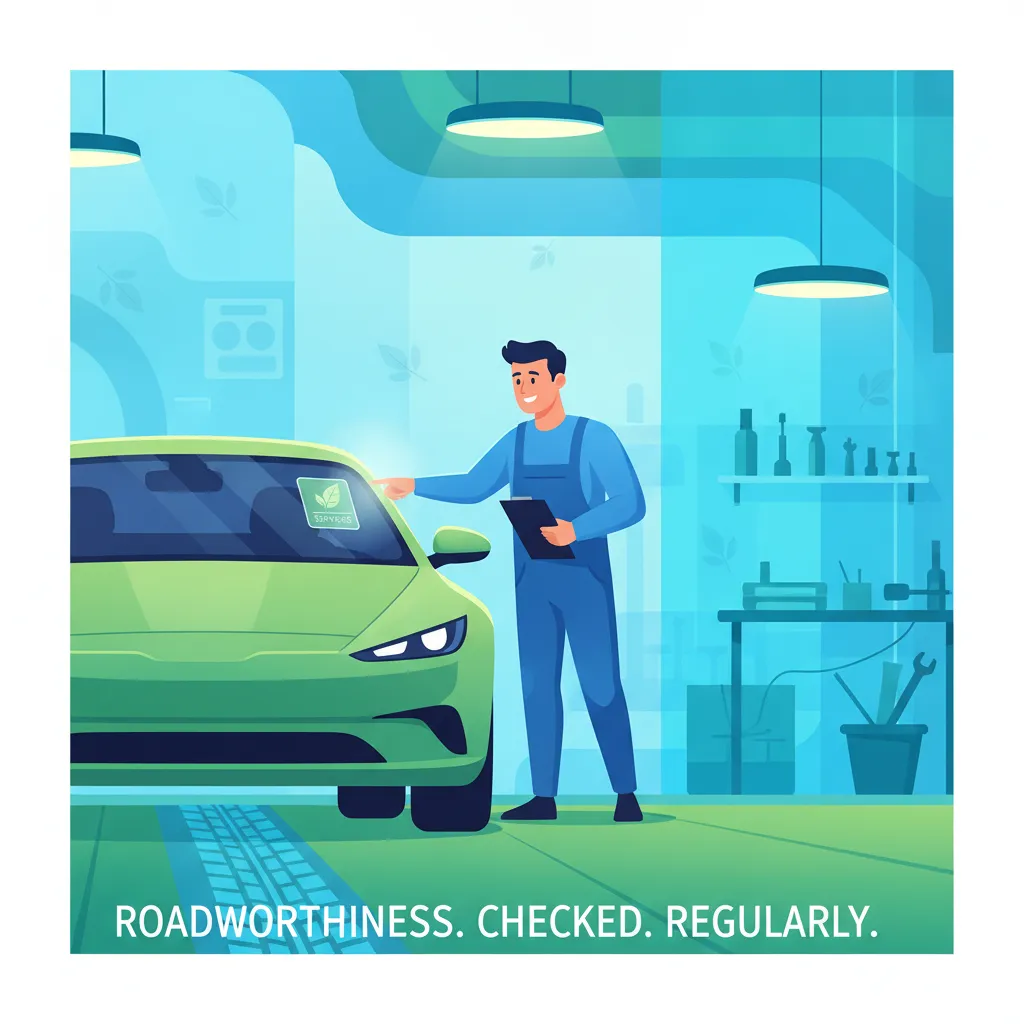
This lesson covers the legal requirements for regular maintenance and periodic roadworthiness certification (known as the 'Pickerl' or TÜV inspection) in Austria. It explains the importance of adhering to manufacturer-recommended service intervals. Maintaining a certified, roadworthy vehicle is a core legal responsibility for any operator or driver.

This lesson details the mandatory personal and vehicle documentation required for motorcyclists in Austria. It covers the necessity of carrying a valid licence card, vehicle registration papers, and proof of insurance at all times. Understanding these legal requirements ensures full compliance with Austrian traffic law and facilitates smooth interactions with law enforcement.

This lesson provides practical information on the use of winter equipment for AM vehicles. It explains the legal requirements for winter tires and snow chains in Austria under specific conditions. The content includes guidance on how to correctly install and remove snow chains to ensure they are effective and safe.
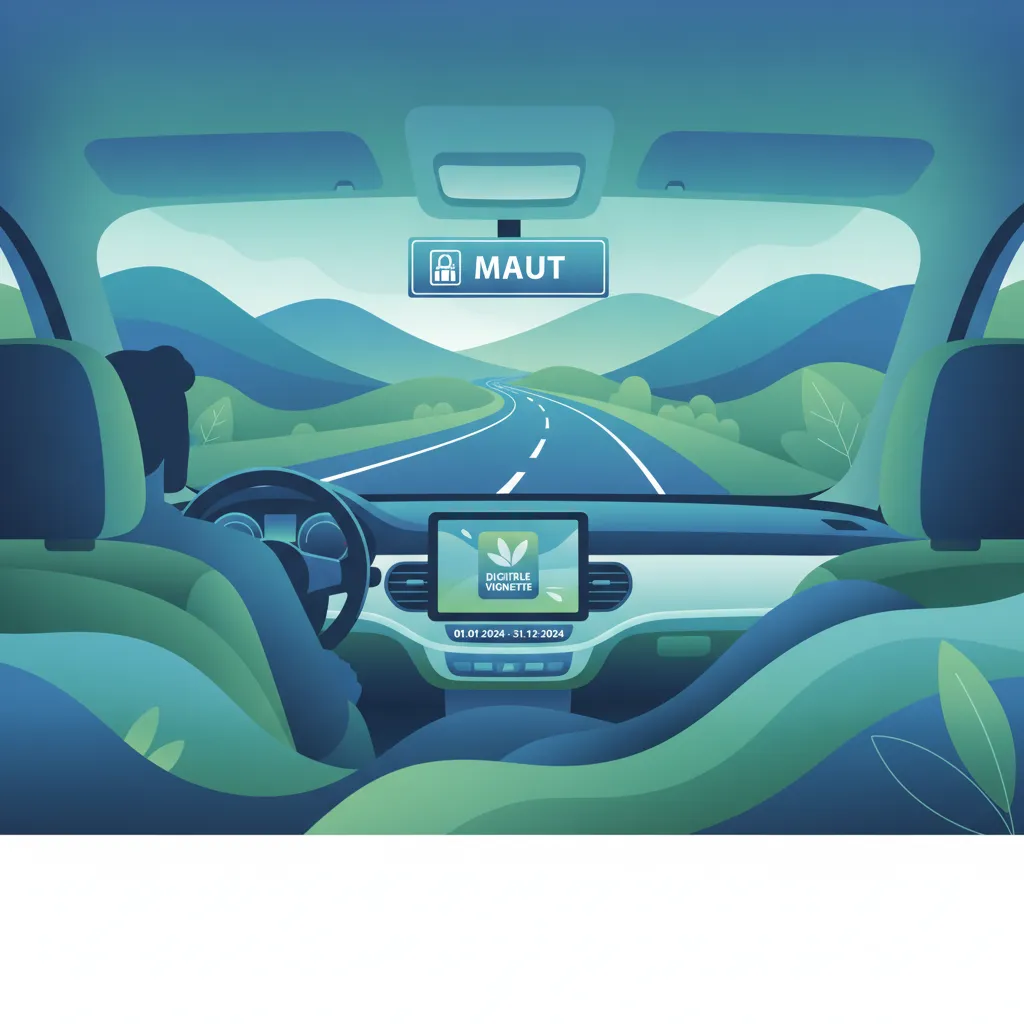
This lesson guides learners through the essential documentation required for legally operating a vehicle in Austria, including the registration certificate, proof of insurance, and the driver's license (Führerschein). It explains the Austrian Vignette system for using motorways (Autobahnen) and expressways (Schnellstraßen), covering how to purchase, affix, and comply with the regulations. The content also provides awareness of specific toll roads and their payment systems to ensure full legal conformity.
Explore practical real-world scenarios demonstrating the application of Austrian legal requirements for AM vehicles. Learn about common violations, penalties, and how to avoid them.
This lesson provides a clear overview of the legal penalties for traffic violations in Austria. It details the system of fines, demerit points, and the conditions that can lead to license suspension or revocation. Understanding these consequences reinforces the importance of lawful and responsible riding.
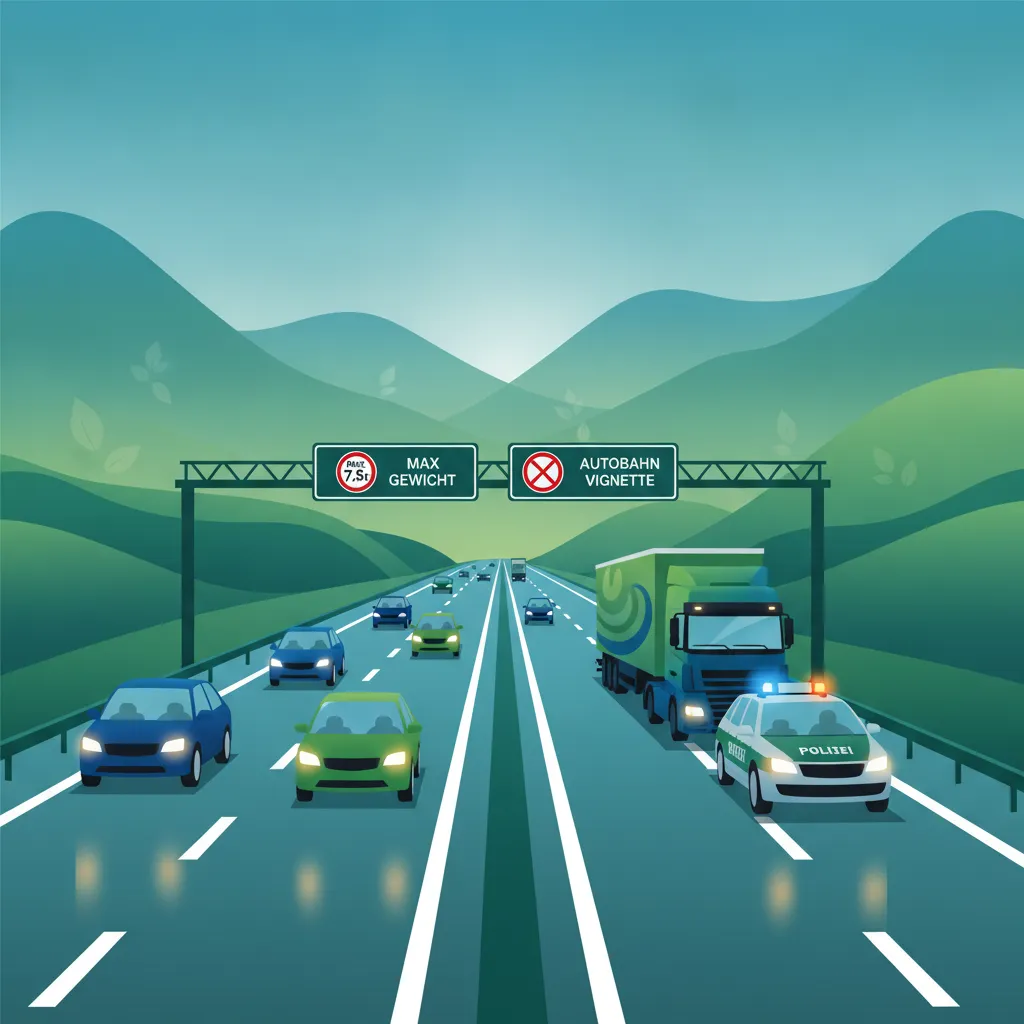
This lesson explains the system of penalties and enforcement for heavy vehicle operations in Austria. It covers the fines and penalty points associated with common traffic violations, such as overloading or insecure loads. Learners will understand the role of authorities in conducting roadside checks and inspections to ensure regulatory compliance.

This lesson provides an overview of the legal framework for traffic enforcement in Austria. It explains the structure of fines for common offenses, the demerit point system that can lead to licence suspension, and the more severe consequences for major violations. Understanding these penalties reinforces the importance of consistent adherence to all traffic laws.

This lesson provides an overview of the legal framework governing heavy vehicle drivers in Austria. It details the potential penalties for violations, including fines, penalty points, and the risk of licence suspension. A clear understanding of these consequences reinforces the importance of compliant and responsible driving.
This lesson outlines the legal speed limits for Category AM vehicles in Austria, covering urban, residential, and rural areas. It explains how to identify different speed zones through signage and the importance of adjusting speed based on traffic, weather, and road conditions. Adherence to these limits is a fundamental aspect of both legal compliance and safety.

This lesson explains the correct protocol when encountering emergency vehicles with active sirens and lights. It details the legal requirement to yield the right-of-way and provides practical guidance on how to pull over safely and efficiently. Understanding these procedures helps ensure emergency services can reach their destination without delay.

This lesson provides a comprehensive overview of a driver's legal responsibilities and the potential consequences of failing to adhere to traffic laws. Learners will explore the concept of liability in the event of an accident and the structure of the official penalty catalogue. The material covers the impact of fines, demerit points, and potential driving bans (Fahrverbot) on one's license, as well as the effects on insurance premiums.

This lesson details the legal ramifications of operating an overloaded heavy vehicle in Austria, which include significant fines and penalty points. It also emphasizes the severe safety risks, such as compromised braking performance and increased mechanical stress on the vehicle. Understanding these consequences reinforces the importance of strict adherence to weight limits.
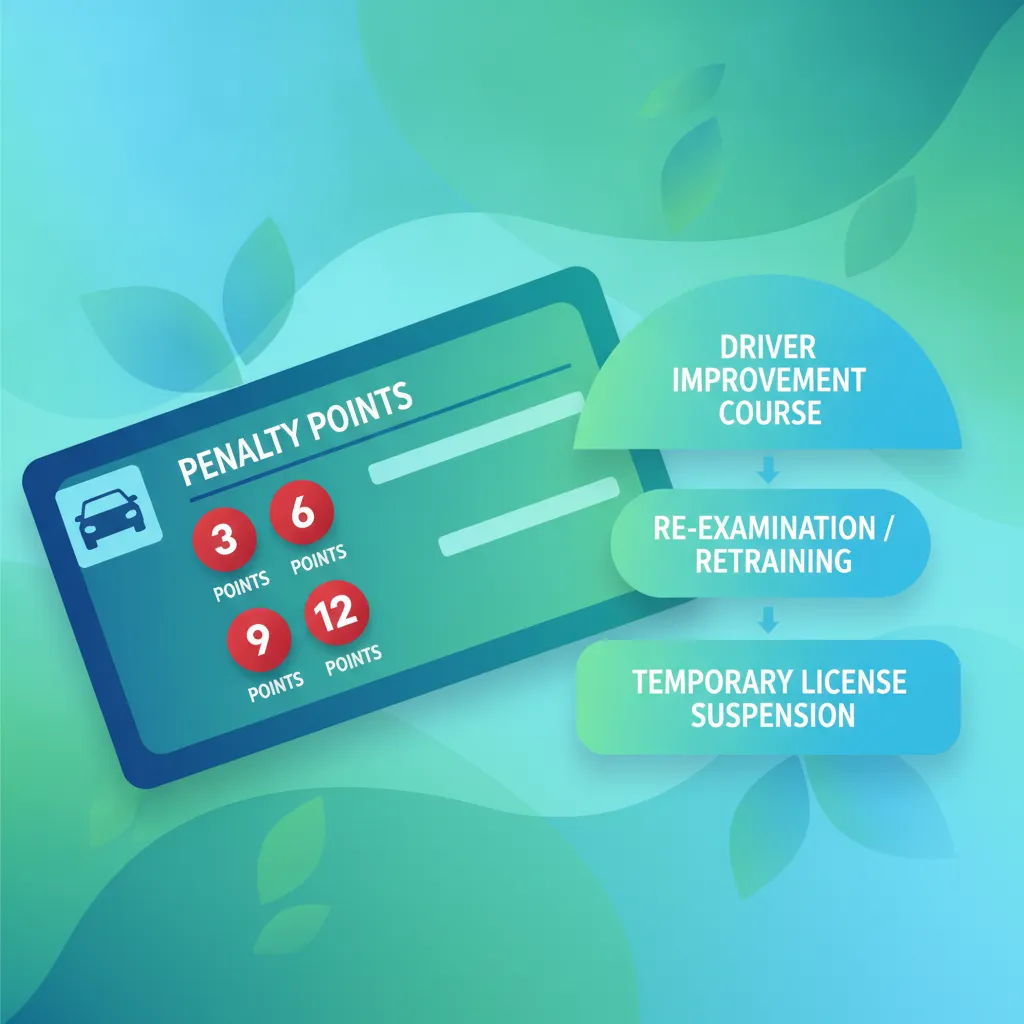
This lesson offers a clear explanation of the Austrian system of penalties for traffic offenses, including the demerit points system (Vormerksystem). It details which violations lead to points, the accumulation process, and the consequences at each stage, such as mandatory driver improvement courses and potential license suspension (Fahrverbot). Understanding this system provides a strong incentive for consistent compliance with all traffic regulations.
Find clear answers to common questions learners have about Legal Requirements and Vehicle Limits. Learn how the lesson is structured, which driving theory objectives it supports, and how it fits into the overall learning path of units and curriculum progression in Austria. These explanations help you understand key concepts, lesson flow, and exam focused study goals.
Yes, mandatory third-party liability insurance is required to operate any motor vehicle on Austrian public roads, including AM mopeds. This ensures coverage in the event of an accident.
Modifying an AM vehicle to exceed the legal speed limit of 45 km/h is illegal. It invalidates your registration, may void your insurance coverage, and will result in heavy fines and potential loss of your driving privileges.
Yes, mopeds must comply with roadworthiness standards. Regular checks ensure your lighting, brakes, and tires are safe, which is a requirement for maintaining your legal status on the road.
You should always carry your valid AM driving license and be able to provide proof of insurance and registration documentation if requested by authorities.
Refine your study plan by searching for specific Austrian driving theory practice sets. Pinpoint questions related to particular road rules, signs, or challenge levels, and begin practicing immediately to reinforce your knowledge and excel in your official exam with confidence. Get started with focused revision today.