
Navigate Belgium's diverse driving conditions with confidence. This unit covers adapting to adverse weather, low-light situations, high-speed motorways, challenging rural roads, and the complexities of roadworks. Mastering these topics is crucial for both your Belgian Category B theory exam success and everyday safe driving.
Browse all lessons that make up Weather, Night Driving, Motorways, Rural Roads and Roadworks. Each lesson focuses on specific topics, learning objectives, and core concepts, helping you build essential knowledge and follow a clear, structured progression toward your study goals in Belgium.
This lesson focuses on driving safely in adverse weather like rain, fog, and low sun glare, which affects road friction and visibility. It provides guidelines on speed adaptation, maintaining a safe following distance, and the proper use of vehicle equipment like lights and wipers. Learners will understand how to reduce risks like hydroplaning and skidding.
Night driving presents unique challenges, including reduced visibility and glare from oncoming vehicles. This lesson covers proper headlight usage, eye adaptation, and techniques for driving safely at night. It also addresses tunnel navigation, focusing on speed limits, appropriate lighting, and understanding emergency procedures inside tunnels.
This lesson covers the specific challenges of driving on motorways, rural roads, and navigating roadworks. Learners will review lane discipline on high-speed roads and identify hazards common to rural roads, such as sharp bends and wildlife. It also explains the importance of adjusting speed and following temporary signage in construction zones.
Explore high-intent keywords and long-tail search topics learners use when researching Weather, Night Driving, Motorways, Rural Roads and Roadworks. These terms reflect how people search for reliable study materials, structured explanations, and unit-level theory preparation support in Belgium.
Find clear answers to the most common questions learners ask about Weather, Night Driving, Motorways, Rural Roads and Roadworks. Understand how the unit is organized, what learning goals it supports, and how it contributes to your study progression with structured explanations and practical guidance tailored for learners in Belgium.
Driving in fog significantly reduces visibility, making it difficult to judge distances and see hazards. Belgian theory emphasizes reducing speed, increasing following distance, using fog lights correctly (front and rear when visibility is less than 50m), and being extra vigilant for other vehicles and road users. Avoid stopping unnecessarily on the carriageway and listen for traffic you cannot see.
Night driving presents challenges related to reduced visibility and potential driver fatigue. In Belgium, it's crucial to adapt your speed to what you can clearly see, use your headlights appropriately (dipped beam in built-up areas, main beam on unlit roads when no oncoming traffic is present), and be aware of glare from other vehicles' lights. Always be prepared for unexpected hazards like pedestrians or cyclists who may be less visible.
When entering a Belgian motorway, you must yield to traffic already on the motorway. Use the acceleration lane to reach a speed similar to the motorway traffic flow. Check your mirrors and blind spot carefully before merging, and only enter when it's safe to do so without forcing other drivers to brake or swerve. Always enter from the rightmost lane.
Rural roads in Belgium can have hidden hazards like sharp bends, narrow lanes, and farm vehicles. Belgian theory advises reducing speed, especially on blind corners, and being prepared for cyclists, pedestrians, or animals. Ensure you maintain a safe distance from the vehicle ahead, as surfaces can be uneven or slippery. Use your headlights to increase visibility.
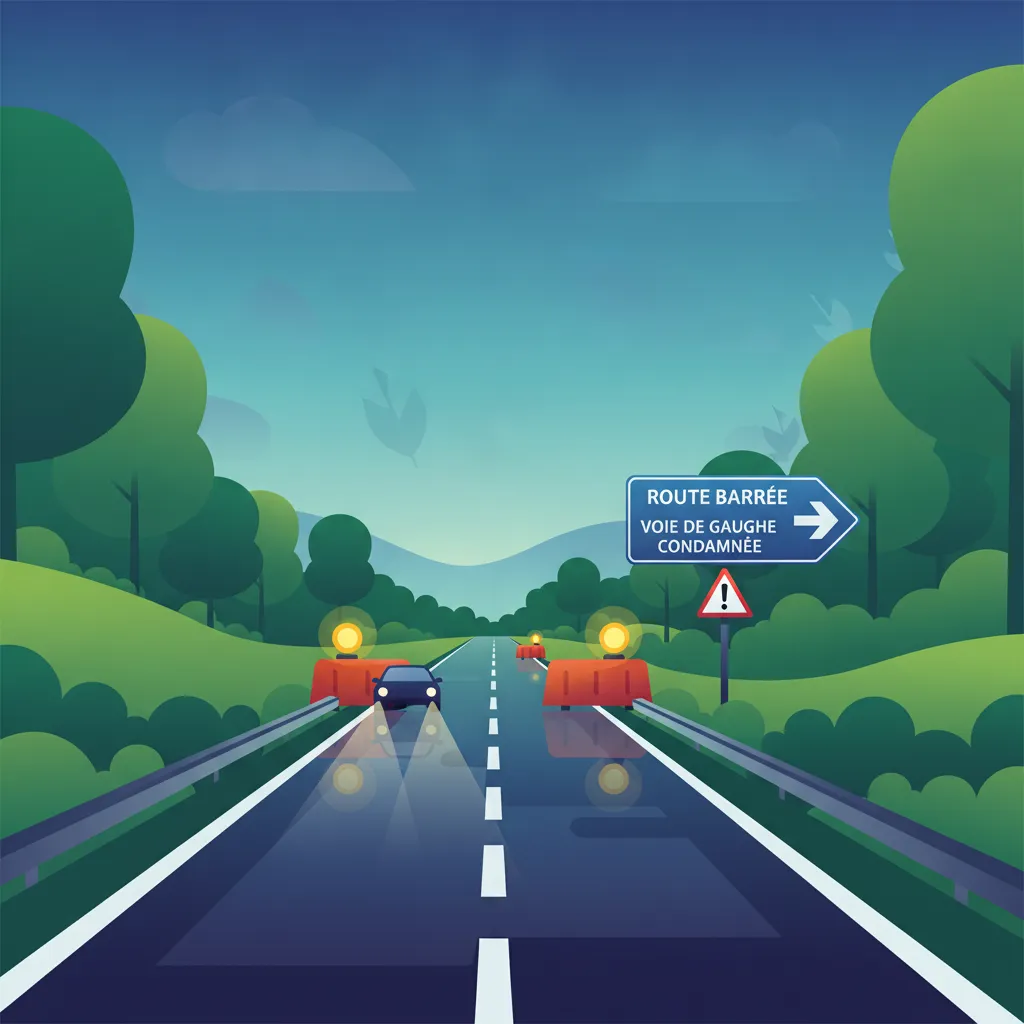
Roadworks require extra caution. In Belgium, always be prepared for changes in road layout, reduced speed limits, and temporary signage. Reduce your speed well in advance, increase your following distance, and pay close attention to instructions from traffic controllers or temporary signals. Do not cut corners or ignore temporary barriers, as they are there for safety.
Yes, tunnels in Belgium have specific rules. You must switch on your dipped headlights before entering. Maintain a safe following distance, as visibility changes drastically upon entry and exit. Be aware of potential congestion and ensure you follow any specific lane guidance or speed limits posted for the tunnel. Some tunnels may also have specific requirements for vehicle types or hazardous materials.
All included lessons
Lessons in Weather, Night Driving, Motorways, Rural Roads and Roadworks
See who benefits most from studying Weather, Night Driving, Motorways, Rural Roads and Roadworks. This overview explains how the unit supports different learning needs, what level of knowledge is helpful before starting, and how it fits into the overall study path in Belgium.
This unit is essential for all learners preparing for the Belgian Category B driving theory exam. It's particularly beneficial for those who may have limited experience driving in varied conditions or who need to refresh their knowledge on specific challenges like night driving, motorway rules, or navigating roadworks safely.

Explore our structured curriculum and choose the courses tailored to your Belgian driving licence. Master official traffic rules, road signs, and critical driving procedures. Our guided paths are designed to prepare you comprehensively for success on your theory exam.
Browse Driving Theory CoursesExplore all units and lessons included in this driving theory course.
Explore our structured curriculum and choose the courses tailored to your Belgian driving licence. Master official traffic rules, road signs, and critical driving procedures. Our guided paths are designed to prepare you comprehensively for success on your theory exam.
Browse Driving Theory Courses