
This lesson guides you through the distinct challenges of high-speed motorways, narrow rural roads, and active roadwork zones in Belgium. Building on your knowledge of speed limits and lane discipline, you will learn how to anticipate specific hazards and adjust your driving for safer, more predictable outcomes. These skills are vital for navigating diverse Belgian road environments and passing your Category B theory exam.
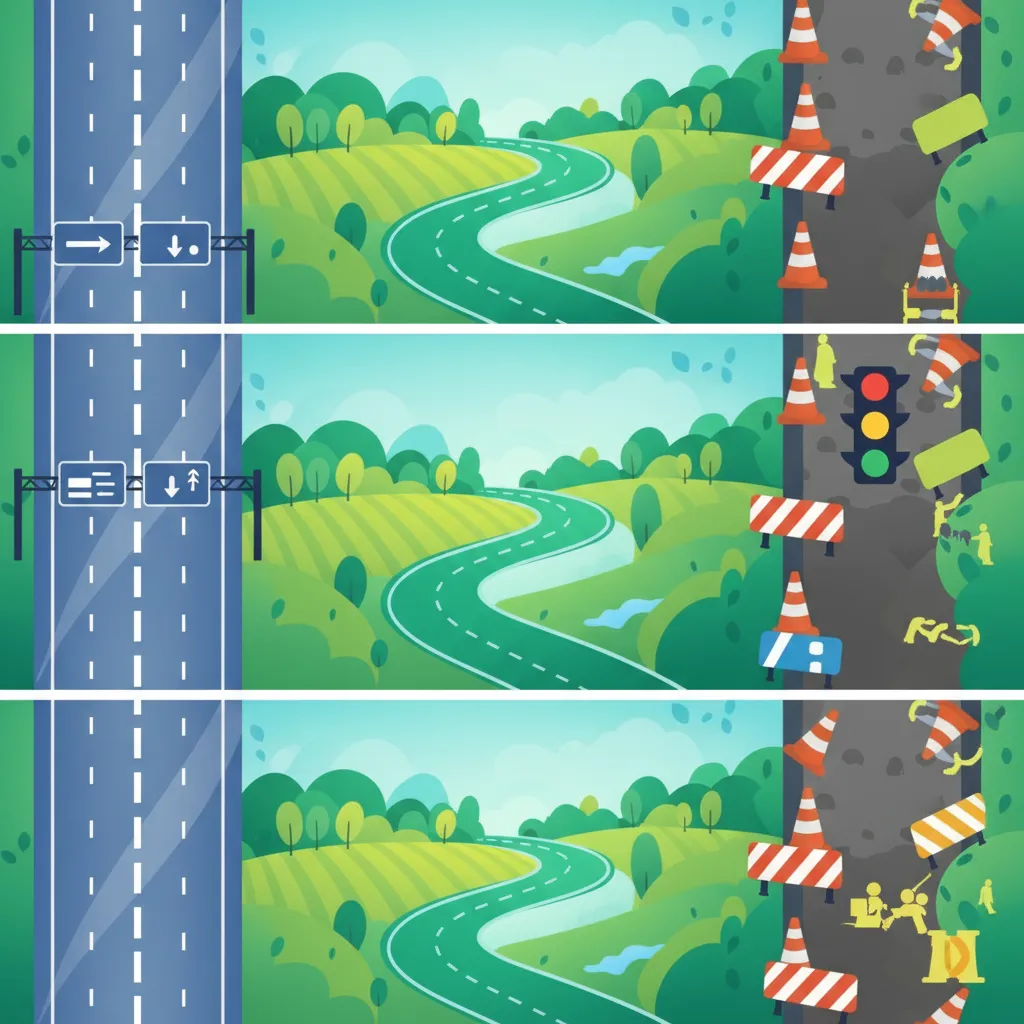
Lesson content overview
Driving on different types of roads in Belgium, such as motorways, rural roads, and through temporary roadworks, demands distinct skills and a keen understanding of specific traffic regulations. Each environment presents unique challenges, from high-speed lane discipline to unexpected hazards and temporary traffic reconfigurations. This lesson provides a comprehensive guide to mastering these diverse driving conditions, ensuring safety and compliance with Belgian traffic laws.
You will learn about the precise rules governing lane use on high-speed roads, how to anticipate and react to the common dangers of rural routes, and the critical importance of adapting your driving behavior in construction zones. Developing proficiency in these areas is essential for safe, confident, and lawful driving on all Belgian roads.
Motorways, known as autoroutes or autosnelwegen in Belgium, are high-speed, multi-lane roads designed for efficient long-distance travel. They feature controlled entry and exit points, prohibiting direct access from adjacent properties and ensuring a smooth flow of traffic. Understanding how to navigate these roads, with their specific speed limits and rules, is crucial for your Belgian Category B driving licence.
Proper lane discipline is paramount on motorways to maintain smooth traffic flow and prevent accidents. In Belgium, the general rule is to keep to the rightmost available lane unless you are overtaking or preparing to turn left. This fundamental principle ensures that faster traffic can utilize the left lanes for passing.
Always return to the rightmost lane as soon as it is safe and practical after completing an overtaking maneuver. This practice is vital for maintaining traffic efficiency and safety on Belgian motorways.
While you must generally keep right, there are situations where you may remain in a left lane:
Entering and exiting motorways are critical maneuvers that require careful attention and adherence to specific procedures.
When entering a motorway, you will typically use an acceleration lane (strook voor het invoegen or bande d'accélération). This lane runs parallel to the main carriageway and is designed to allow you to match the speed of the traffic already on the motorway before merging.
Signal Early: Activate your right indicator well in advance to signal your intention to merge onto the motorway.
Adjust Speed: Use the acceleration lane to build up your speed to match that of the main motorway traffic. Do not merge too slowly, as this can create a dangerous situation.
Check Mirrors and Blind Spots: Continuously check your rearview and side mirrors, and perform a head check (shoulder check) to confirm that there is a safe gap in the traffic.
Merge Smoothly: Once a safe gap is identified, steer smoothly into the rightmost lane of the motorway. Avoid sudden braking or acceleration.
Maintain Speed: Once merged, maintain the appropriate speed for the motorway traffic, observing all speed limits.
Exiting a motorway involves using a deceleration lane (uitrijstrook or bande de décélération) to slow down safely without affecting the flow of traffic on the main carriageway.
Plan Ahead: Pay attention to overhead signs and road markings indicating upcoming exits. Move to the appropriate right-hand lane well before your intended exit.
Signal Early: Activate your right indicator to signal your intention to exit the motorway.
Enter Deceleration Lane: Enter the deceleration lane as early as possible. Do not wait until the last moment, as this can lead to dangerous sudden braking on the main carriageway.
Reduce Speed: Begin to reduce your speed only once you are fully within the deceleration lane. Do not slow down on the main motorway carriageway.
Follow Exit Route: Continue to follow the signs and markings for your exit route.
On Belgian motorways, overtaking is generally performed on the left. This means you should move into a lane to the left of the vehicle you wish to overtake, complete the maneuver safely, and then return to the rightmost lane as soon as it is safe to do so.
Passing on the right is generally prohibited on Belgian motorways, with some specific exceptions. Do not intentionally pass vehicles on their right side unless one of the following conditions applies:
Always use your blinkers to indicate your intention to change lanes and check your mirrors and blind spots carefully before making any lateral movement.
Rural roads in Belgium, often winding through fields, forests, and small villages, present a stark contrast to motorways. These roads are typically narrower, have more frequent bends, and can feature variable speed limits, often dropping significantly when entering built-up areas or approaching specific hazards. Driving on rural roads requires heightened awareness and adaptive driving techniques.
The unique environment of rural roads brings with it a specific set of hazards that drivers must be prepared for:
Adjusting your vehicle's speed according to the prevailing road conditions, visibility, traffic, and specific hazards present.
On rural roads, speed adaptation is more critical than on motorways. The posted speed limit is a maximum, not a target. You must adjust your speed based on:
Overtaking on rural roads generally takes place on the left, similar to motorways. However, due to narrower roads, opposing traffic, and limited visibility, overtaking can be significantly more hazardous.
Before attempting to overtake on a rural road, ensure you have a clear, unobstructed view of the road ahead for a sufficient distance to complete the maneuver safely. Never overtake on or approaching a blind bend, at a junction, or over a solid white line. Always consider the speed and width of the vehicle you are passing.
Roadworks (wegenwerken or travaux routiers) are a common sight on Belgian roads, signifying essential maintenance, repair, or improvement projects. These zones introduce temporary changes to the road environment, demanding extra vigilance and strict adherence to temporary regulations. Your ability to navigate these areas safely is a key aspect of responsible driving.
In roadworks zones, temporary traffic signs and road markings override any permanent signs or markings that would normally apply. These temporary signals are designed to guide you safely through the altered road layout and protect construction workers.
Look for a series of signs when approaching roadworks. Often, there will be an advance warning sign, followed by signs indicating a speed reduction, and then signs showing lane closures or diversions. Be prepared to slow down and adapt your driving gradually.
Driving through roadworks requires a significant adjustment to your normal driving habits:
Regardless of whether you are on a motorway, a rural road, or passing through roadworks, certain core principles of safe driving remain universally applicable and are critical for your Belgian driving licence exam.
The ability to identify potential dangers on the road well in advance, understand their implications, and take appropriate action to avoid or mitigate them.
Hazard perception is a fundamental skill for all drivers. It involves constantly scanning the road ahead, to the sides, and behind you, looking for anything that could become a danger. This includes:
Risk assessment then follows hazard perception. Once a hazard is identified, you must quickly evaluate the level of risk it poses and decide on the safest course of action. This might involve adjusting your speed, changing lanes, or preparing to brake.
Adhering to Belgian traffic regulations is not just about avoiding fines; it's about ensuring safety for everyone on the road.
Driving conditions are rarely constant. Your driving behavior must adapt to various factors:
Successfully navigating Belgian motorways, rural roads, and roadworks zones relies on a combination of specific knowledge, adaptive skills, and a commitment to safety.
By consistently applying these principles, you will enhance your safety, contribute to the safety of others, and demonstrate the responsible driving behavior expected for the Belgian Category B driving licence.
This lesson covers the distinct skills needed for Belgian motorways, rural roads, and roadwork zones. For motorways, the key rule is keeping right except when overtaking, with specific procedures for safe merging via acceleration lanes and exiting via deceleration lanes. Overtaking is done on the left, with passing on the right reserved for exceptional circumstances. Rural roads require heightened awareness of hazards like blind bends, wildlife, and farm vehicles, demanding constant speed adaptation beyond just following posted limits. Roadwork zones introduce temporary signage that overrides permanent markings, requiring strict compliance with reduced speeds and altered lane configurations. Across all environments, hazard perception and maintaining appropriate following distances remain fundamental to safe driving.
A short set of high-value points that capture the most important learning from this lesson.
Keep to the rightmost lane on Belgian motorways unless actively overtaking or preparing to turn left.
Use the acceleration lane to match motorway speed before merging, and the deceleration lane only after exiting the main carriageway.
Overtake on the left; passing on the right is only permitted in specific circumstances like dense traffic or when a vehicle is turning left.
On rural roads, reduce speed before blind bends, near wildlife areas, and when encountering farm vehicles or poor road surfaces.
In roadworks zones, temporary signs and markings override permanent ones and must be strictly followed.
Explore all units and lessons included in this driving theory course.
Motorway lane discipline in Belgium: rightmost lane is default, left lanes are for overtaking only.
Acceleration lane (strook voor het invoegen) is for building speed before merging; deceleration lane (uitrijstrook) is for slowing after exiting.
Passing on the right is generally prohibited on motorways except in dense traffic, when a left-turning vehicle is ahead, or in acceleration/deceleration lanes.
Rural road hazards include sharp blind bends, wildlife, slow farm vehicles, uneven surfaces, limited visibility at junctions, and cyclists.
Speed adaptation means the posted limit is a maximum; reduce further for visibility, road conditions, weather, and specific hazards.
Failing to return to the rightmost lane after overtaking, blocking faster traffic in left lanes.
Merging onto the motorway too slowly, creating dangerous speed differential with main carriageway traffic.
Attempting to overtake on rural roads at or near blind bends where visibility is limited.
Ignoring temporary roadworks signs assuming permanent markings still apply.
Slowing down in the deceleration lane only at the last moment instead of entering early and reducing speed within it.
Lesson content overview
A short set of high-value points that capture the most important learning from this lesson.
Keep to the rightmost lane on Belgian motorways unless actively overtaking or preparing to turn left.
Use the acceleration lane to match motorway speed before merging, and the deceleration lane only after exiting the main carriageway.
Overtake on the left; passing on the right is only permitted in specific circumstances like dense traffic or when a vehicle is turning left.
On rural roads, reduce speed before blind bends, near wildlife areas, and when encountering farm vehicles or poor road surfaces.
In roadworks zones, temporary signs and markings override permanent ones and must be strictly followed.
Explore all units and lessons included in this driving theory course.
Motorway lane discipline in Belgium: rightmost lane is default, left lanes are for overtaking only.
Acceleration lane (strook voor het invoegen) is for building speed before merging; deceleration lane (uitrijstrook) is for slowing after exiting.
Passing on the right is generally prohibited on motorways except in dense traffic, when a left-turning vehicle is ahead, or in acceleration/deceleration lanes.
Rural road hazards include sharp blind bends, wildlife, slow farm vehicles, uneven surfaces, limited visibility at junctions, and cyclists.
Speed adaptation means the posted limit is a maximum; reduce further for visibility, road conditions, weather, and specific hazards.
Failing to return to the rightmost lane after overtaking, blocking faster traffic in left lanes.
Merging onto the motorway too slowly, creating dangerous speed differential with main carriageway traffic.
Attempting to overtake on rural roads at or near blind bends where visibility is limited.
Ignoring temporary roadworks signs assuming permanent markings still apply.
Slowing down in the deceleration lane only at the last moment instead of entering early and reducing speed within it.
Explore search topics learners often look for when studying Motorways, Rural Roads, and Roadworks. These topics reflect common questions about road rules, driving situations, safety guidance, and lesson level theory preparation for learners in Belgium.
Browse additional driving theory lessons that cover connected traffic rules, road signs, and common driving situations related to this topic. Improve your understanding of how different rules interact across everyday traffic scenarios.
Explore detailed Belgian traffic regulations and safety considerations for high-speed motorways, challenging rural roads, and dynamic roadworks zones. Understand specific lane discipline, hazard perception, and legal requirements for these distinct environments.
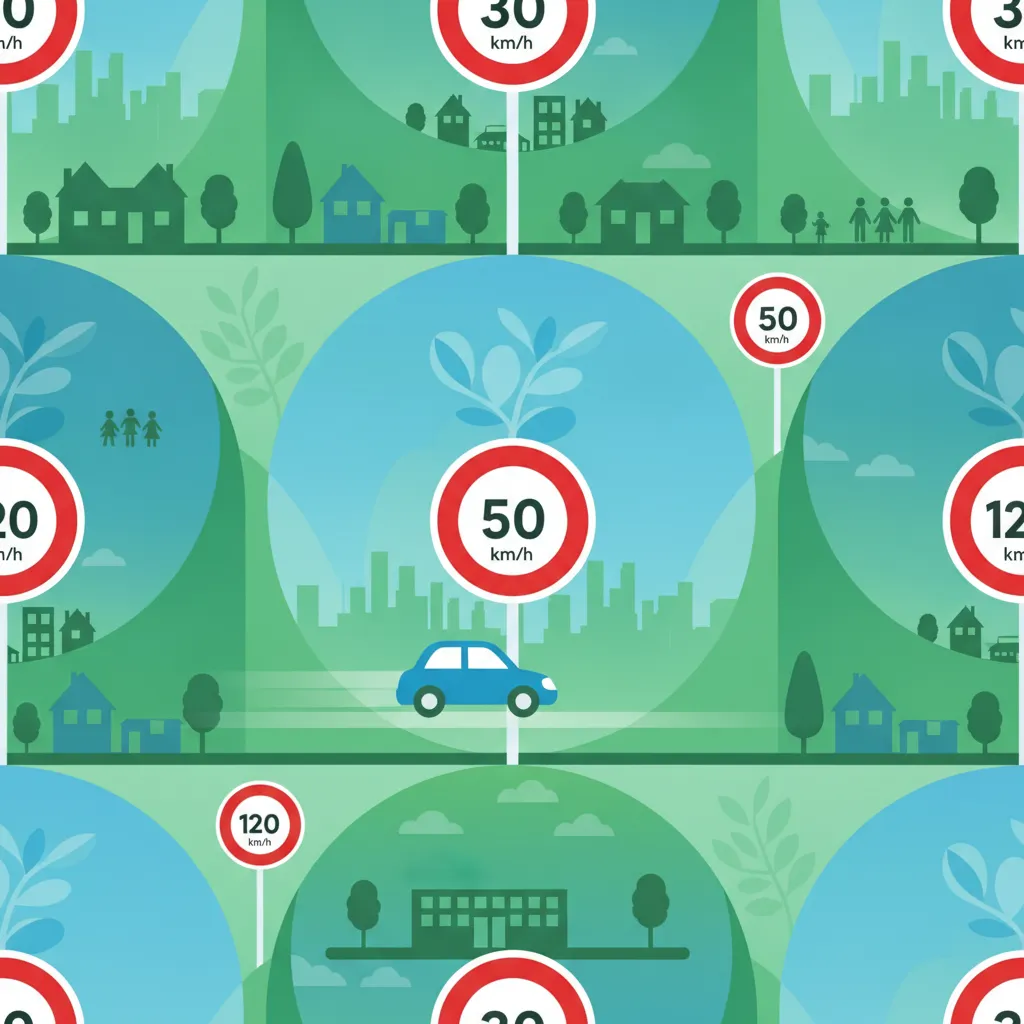
This lesson outlines the specific speed limits applicable in various zones, such as residential areas, rural roads, and motorways in Belgium. Learners will recognize different speed limit signs and understand the rationale behind the speed settings. The lesson also covers variable speed limits and the importance of adjusting speed to road and traffic conditions.

The focus of this lesson is on maintaining proper lane discipline, especially on motorways and other high-speed roads. Learners will explore the rules for changing lanes, overtaking, and positioning in the correct lane based on speed and traffic flow. Emphasis is placed on safe merging techniques and adherence to all lane markings for fluid traffic movement.

Overtaking safely is a critical driving skill. This lesson explains where and how overtaking is permitted in Belgium, the importance of correct signaling, and maintaining a sufficient speed differential. Learners will understand the rules for passing on motorways and single-carriageway roads, and how to identify zones where overtaking is prohibited.
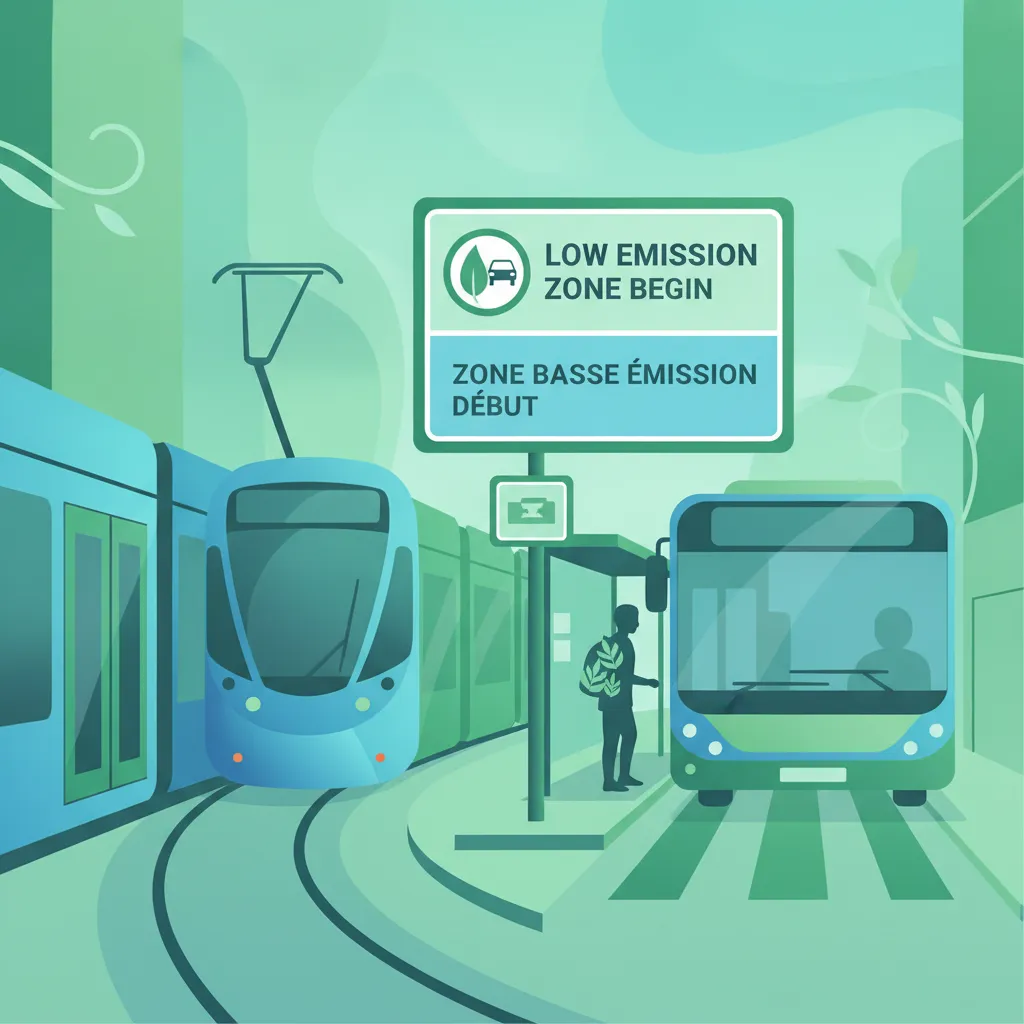
This lesson addresses unique traffic environments and special zones commonly found in Belgian urban areas. It clarifies the specific regulations concerning tramways, including where trams have absolute priority, and the conditions under which motorcycles may use bus lanes. The lesson also explains how to identify and comply with restrictions in low-emission zones.
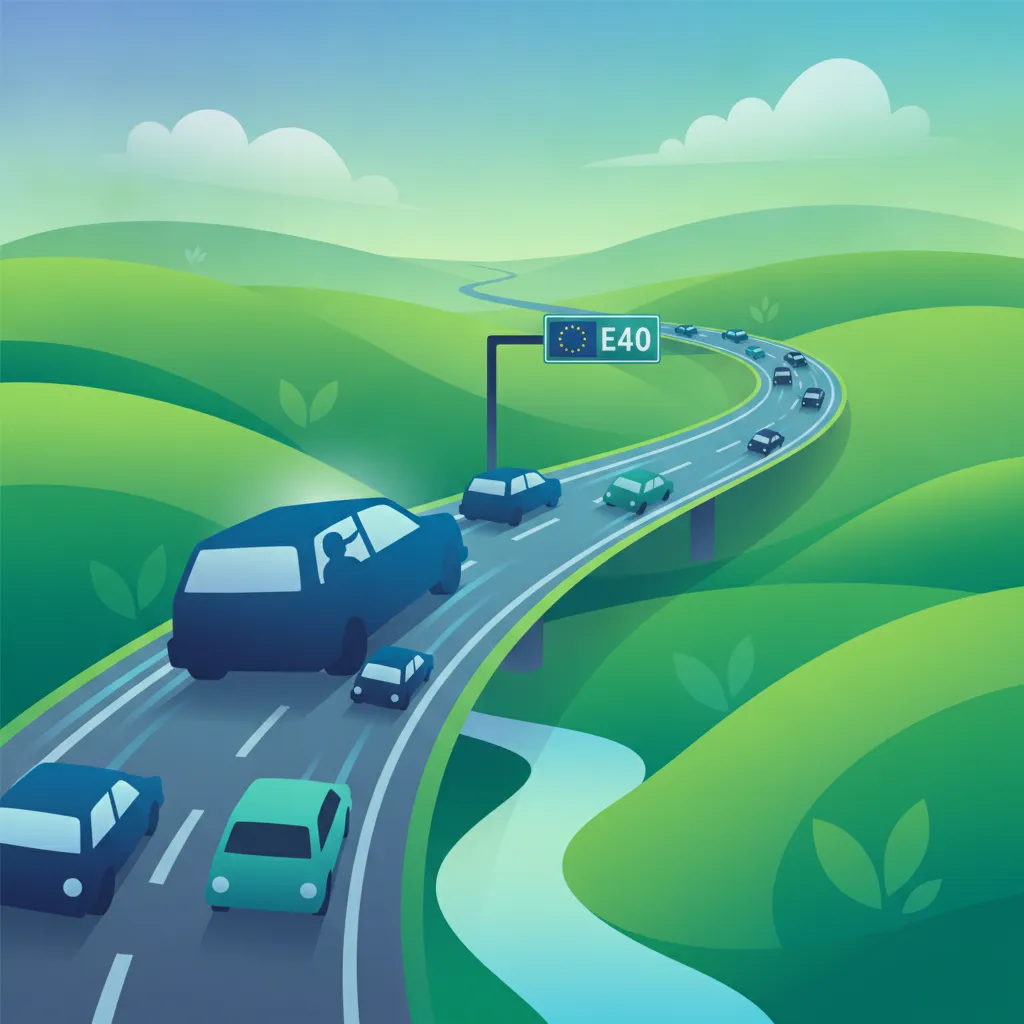
Merging onto motorways requires understanding the dynamics of fast-moving traffic. This lesson covers the correct use of entrance ramps, acceleration lanes, and the technique of matching speed with the flow of traffic. Learners will practice safe merging procedures, including selecting an appropriate gap and yielding to mainline traffic when necessary.

This lesson focuses on the rules governing pedestrian crossings, including marked zebra crossings and signal-controlled crossings. Special attention is given to school zones and residential areas where pedestrian activity is high. Learners will understand how to recognize and respect pedestrian priority in various crossing scenarios to ensure their safety.
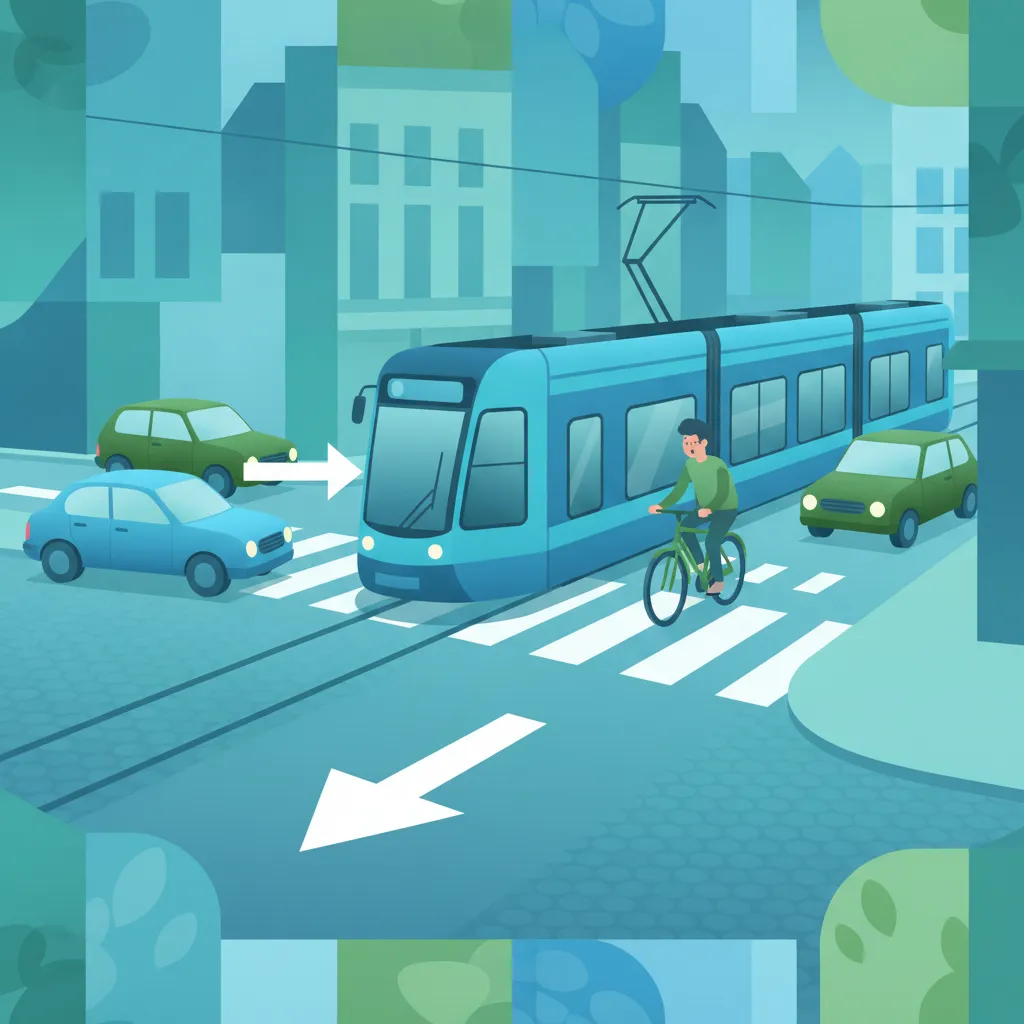
This lesson delves into the complex priority rules that govern Belgian roadways, with a strong focus on the default 'priority from the right' principle. It explains how to interpret priority signs, such as 'give way' and 'stop', and apply the correct right-of-way at various types of junctions. You will learn the hierarchy of road users and the specific rules for yielding in different traffic scenarios.
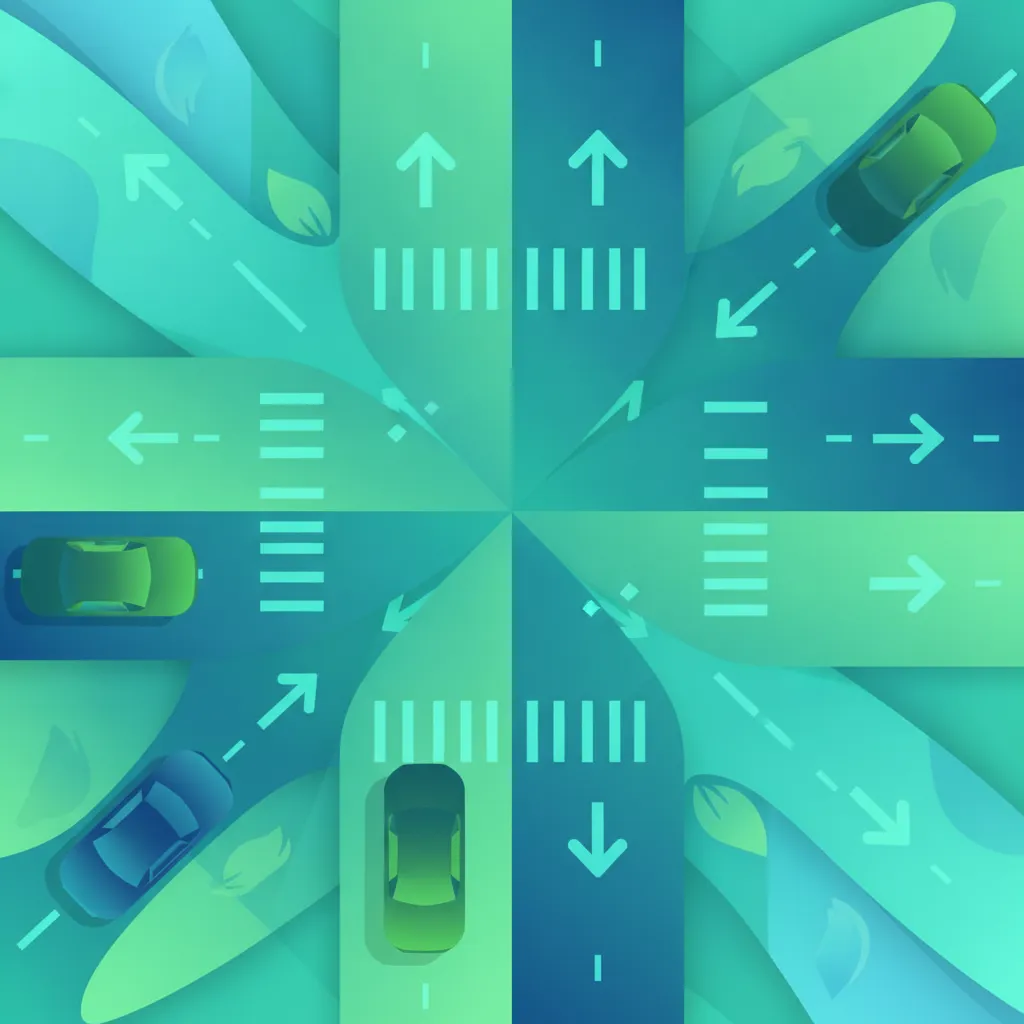
Directional symbols and arrows painted on the road surface guide drivers on permitted lane movements and turning directions. This lesson explains the interpretation of these arrows, covering rules for one-way streets, mandatory turns, and lane-specific instructions. Learners will understand how to comply with these symbols to navigate complex intersections safely and efficiently.
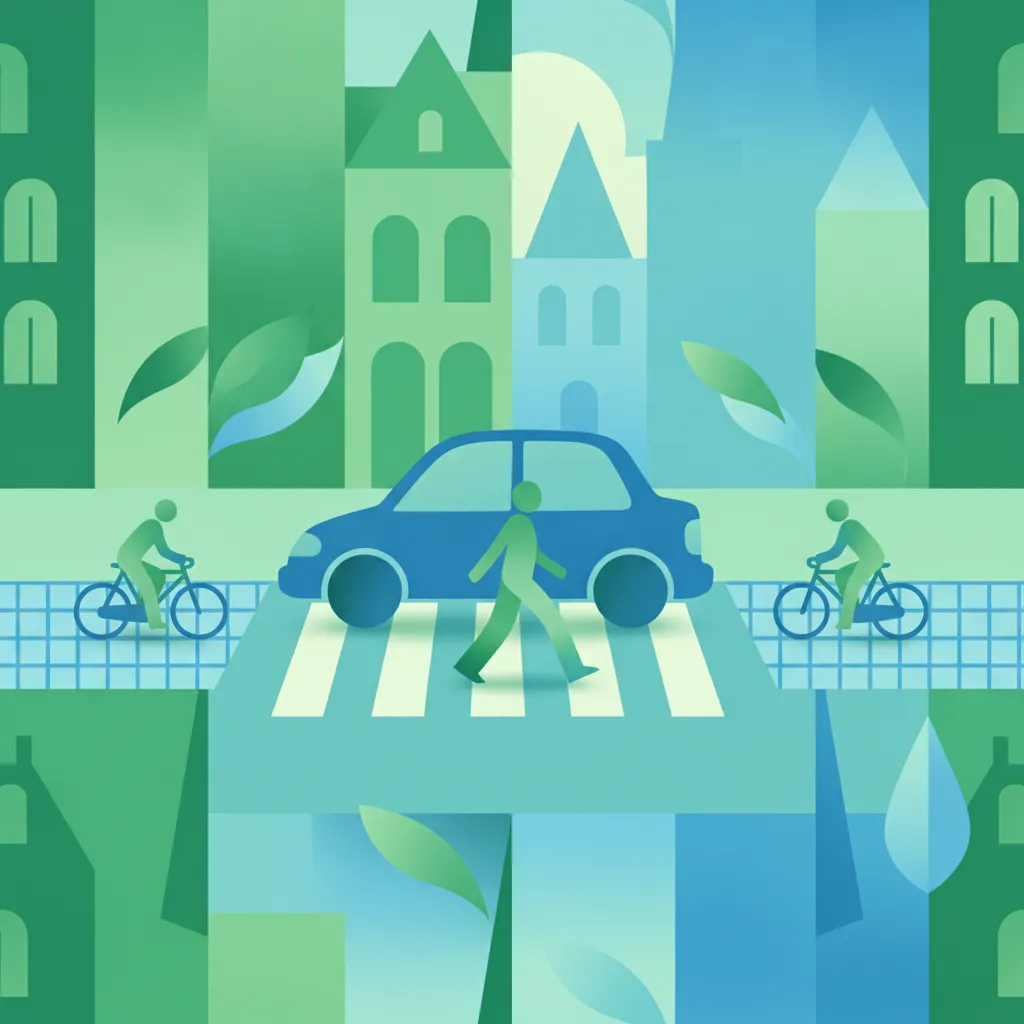
This lesson details a motorcyclist's obligations when approaching various types of crossings, including marked pedestrian and bicycle lanes. It emphasizes the legal requirement to yield to vulnerable road users and the importance of thorough visual checks before proceeding. You will learn how to maintain a safe distance and anticipate the movements of pedestrians and cyclists in urban areas.

This lesson focuses on warning signs designed to alert drivers to potential hazards ahead. Topics include warnings for sharp curves, steep gradients, slippery surfaces, and zones with high pedestrian or wildlife activity. Learners will understand how to correctly interpret these signs and adjust their driving behavior to maintain safety on the road.
Learn to safely interpret temporary traffic signs and markings in Belgian roadworks. This lesson covers how to adapt your driving to these changing conditions and identify common hazards on rural roads and motorways.
This lesson focuses on warning signs designed to alert drivers to potential hazards ahead. Topics include warnings for sharp curves, steep gradients, slippery surfaces, and zones with high pedestrian or wildlife activity. Learners will understand how to correctly interpret these signs and adjust their driving behavior to maintain safety on the road.
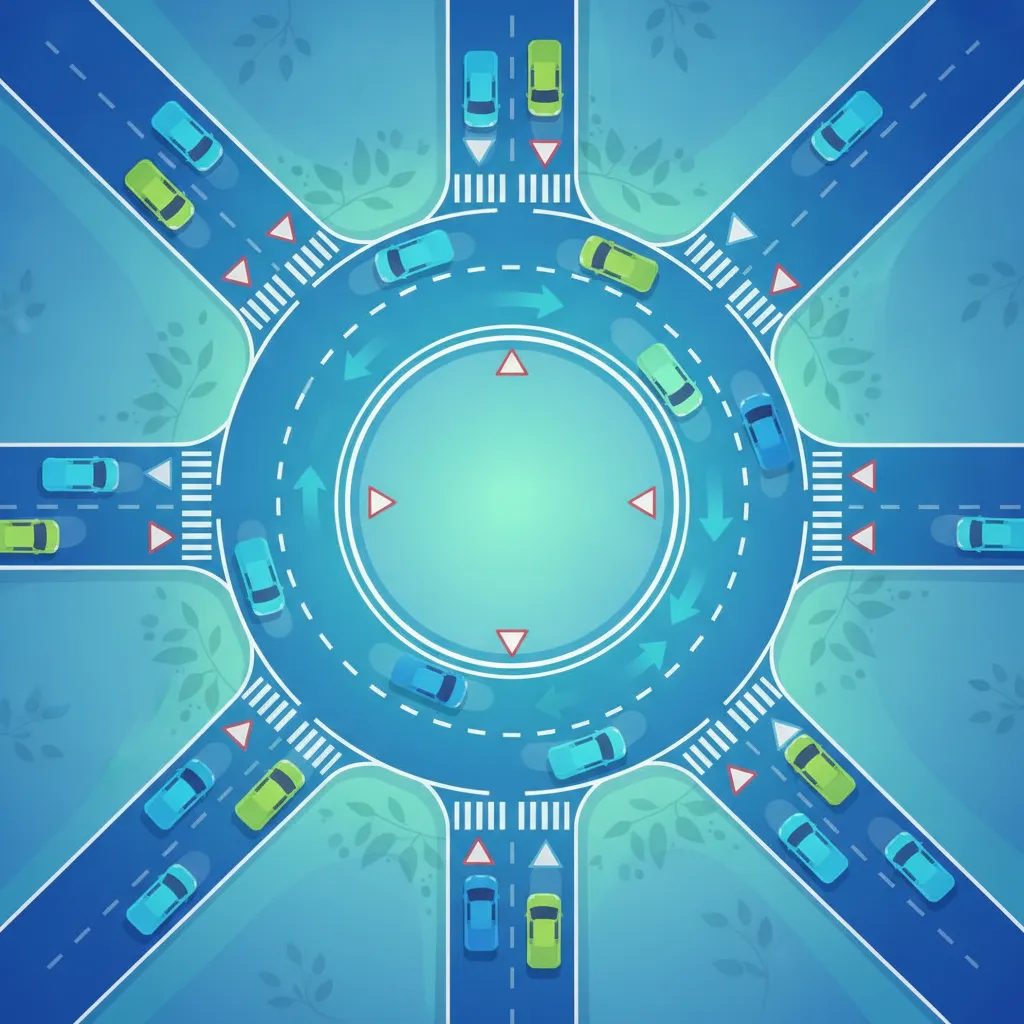
Roundabouts are a key feature of Belgian traffic management. This lesson explains how to approach, enter, navigate, and exit a roundabout safely, with a focus on yielding priority to traffic already circulating. Learners will also study correct lane positioning on multi-lane roundabouts and the appropriate use of signals.
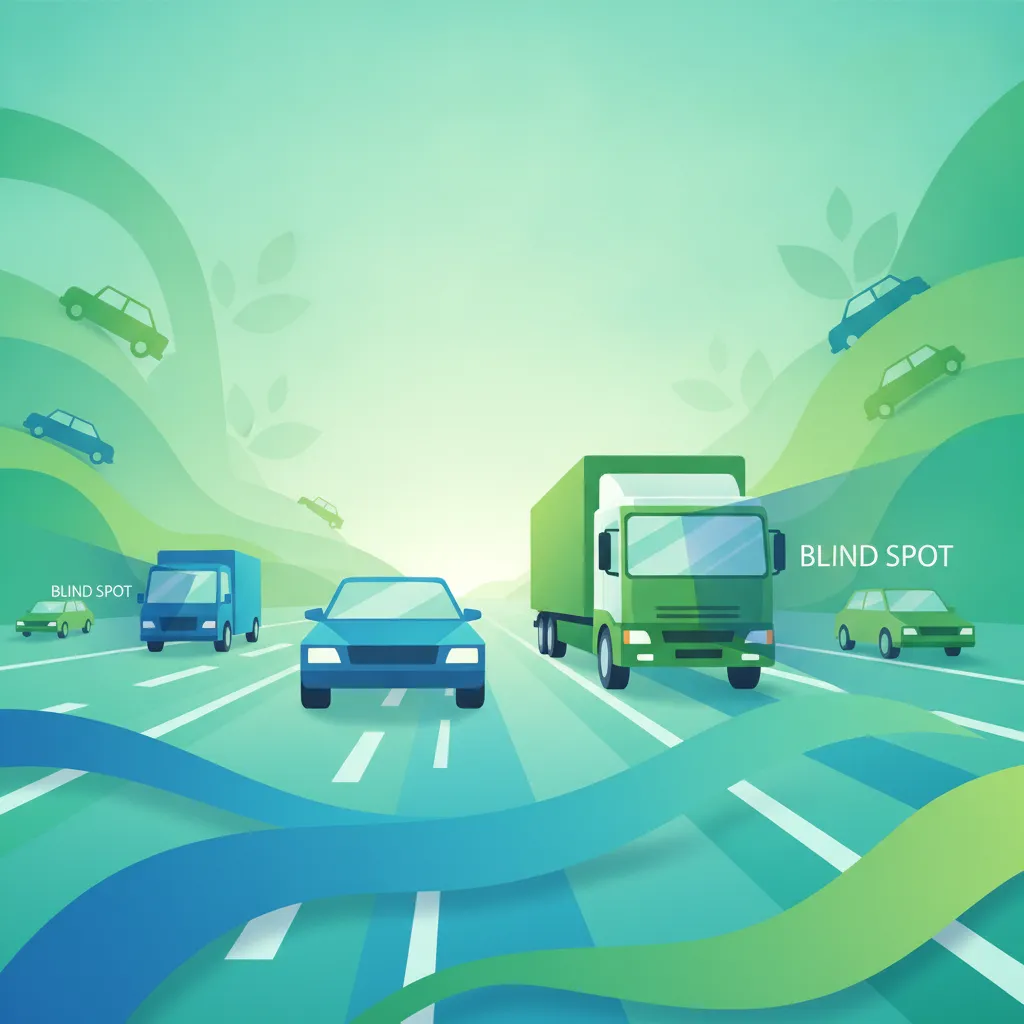
This lesson focuses on recognizing and staying out of the blind spots of other vehicles, especially large trucks and buses where 'no-zones' are significant. It provides practical strategies for managing your position on the road to ensure you remain visible to other drivers at all times. You will learn to anticipate lane changes and other maneuvers from vehicles that may not be aware of your presence.
This lesson focuses on the rules governing pedestrian crossings, including marked zebra crossings and signal-controlled crossings. Special attention is given to school zones and residential areas where pedestrian activity is high. Learners will understand how to recognize and respect pedestrian priority in various crossing scenarios to ensure their safety.
This lesson addresses unique traffic environments and special zones commonly found in Belgian urban areas. It clarifies the specific regulations concerning tramways, including where trams have absolute priority, and the conditions under which motorcycles may use bus lanes. The lesson also explains how to identify and comply with restrictions in low-emission zones.

This lesson provides specific instructions for navigating roundabouts, a common feature on Belgian roads. It covers the rules of priority upon entry, the correct lane choice based on the intended exit, and the proper use of signals. Learners will understand how to safely circulate and exit, while being mindful of other vehicles, particularly larger ones with significant blind spots.

This lesson introduces the various types of road surface markings and their specific legal meanings in Belgium. Topics include the rules for solid and broken lines, double lines, and special markings for pedestrian zones, bus lanes, and tramways. Understanding these markings is essential for maintaining correct lane discipline and executing safe overtaking maneuvers.
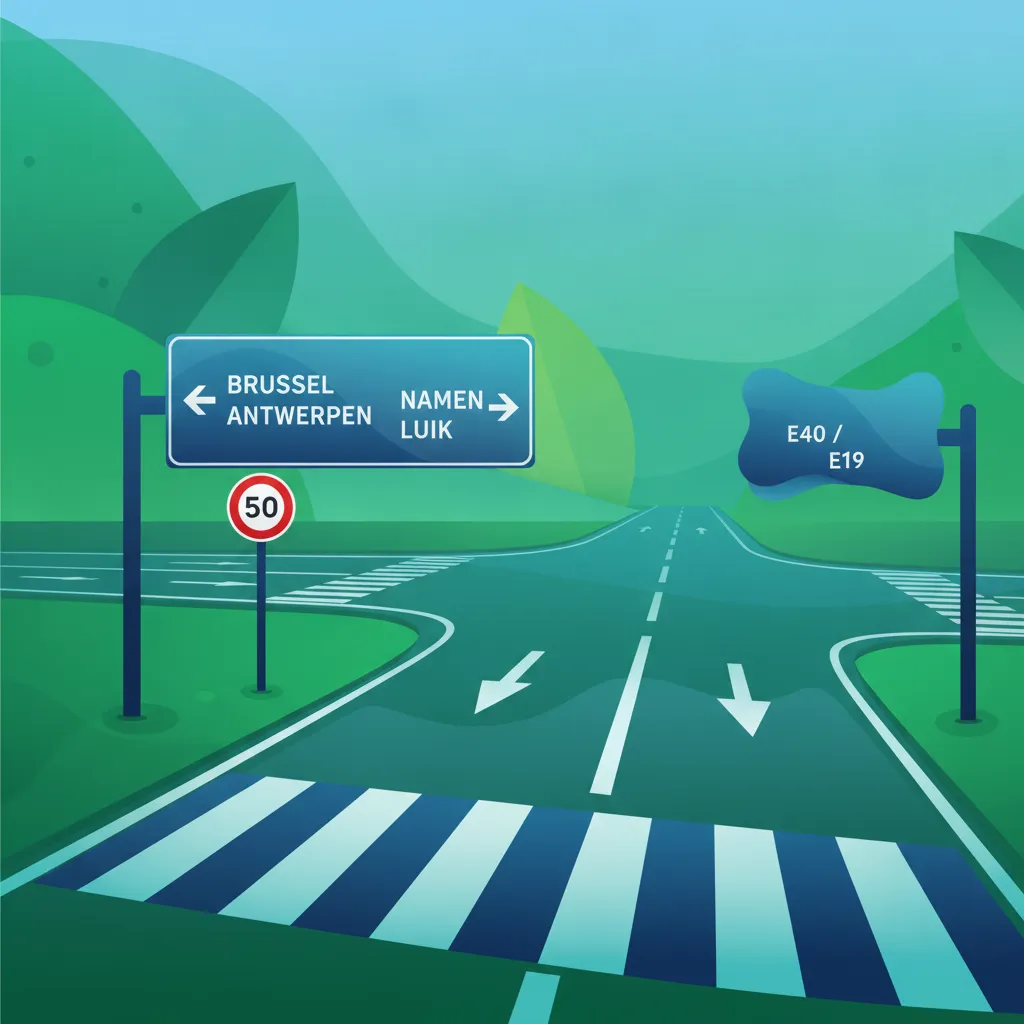
This lesson explains the role of information signs and road markings in guiding road users. It covers directional signs that help with navigation and markings that delineate lanes, pedestrian crossings, and zones for specific users like cyclists. Learners will understand how to use this information to maintain correct lane positioning and navigate their route efficiently and safely.
This lesson details a motorcyclist's obligations when approaching various types of crossings, including marked pedestrian and bicycle lanes. It emphasizes the legal requirement to yield to vulnerable road users and the importance of thorough visual checks before proceeding. You will learn how to maintain a safe distance and anticipate the movements of pedestrians and cyclists in urban areas.
Directional symbols and arrows painted on the road surface guide drivers on permitted lane movements and turning directions. This lesson explains the interpretation of these arrows, covering rules for one-way streets, mandatory turns, and lane-specific instructions. Learners will understand how to comply with these symbols to navigate complex intersections safely and efficiently.
Find clear answers to common questions learners have about Motorways, Rural Roads, and Roadworks. Learn how the lesson is structured, which driving theory objectives it supports, and how it fits into the overall learning path of units and curriculum progression in Belgium. These explanations help you understand key concepts, lesson flow, and exam focused study goals.
No, you must always drive in the rightmost lane if it is free. The middle and left lanes are intended for overtaking or if the right lane is congested.
Orange signs and markings take precedence over permanent white signs and road markings. You must follow the temporary instructions, such as reduced speed limits or lane diversions, immediately.
Yes, standard speed limits vary based on the region (Flanders, Wallonia, Brussels) and the specific road type. Always watch for signs indicating the speed limit for that specific stretch of road.
The most common hazards are restricted visibility due to sharp bends, agricultural machinery, and the presence of wildlife, which require you to slow down and stay alert.
Ready to focus your Belgian driving theory revision? Utilize our powerful search tool to pinpoint exact topics, road signs, or difficulty levels. Engage with practice questions that directly address your learning needs and solidify your understanding of Belgian traffic laws for your upcoming exam.