
This crucial final unit focuses on the significant dangers of impaired driving and driver fatigue. You'll learn about legal limits for alcohol and drugs in Belgium, the severe consequences of driving under the influence, and essential strategies to combat fatigue and distraction. We also cover important information on legal penalties, how to respond in emergencies, and the fundamental principles of being a responsible driver on Belgian roads.
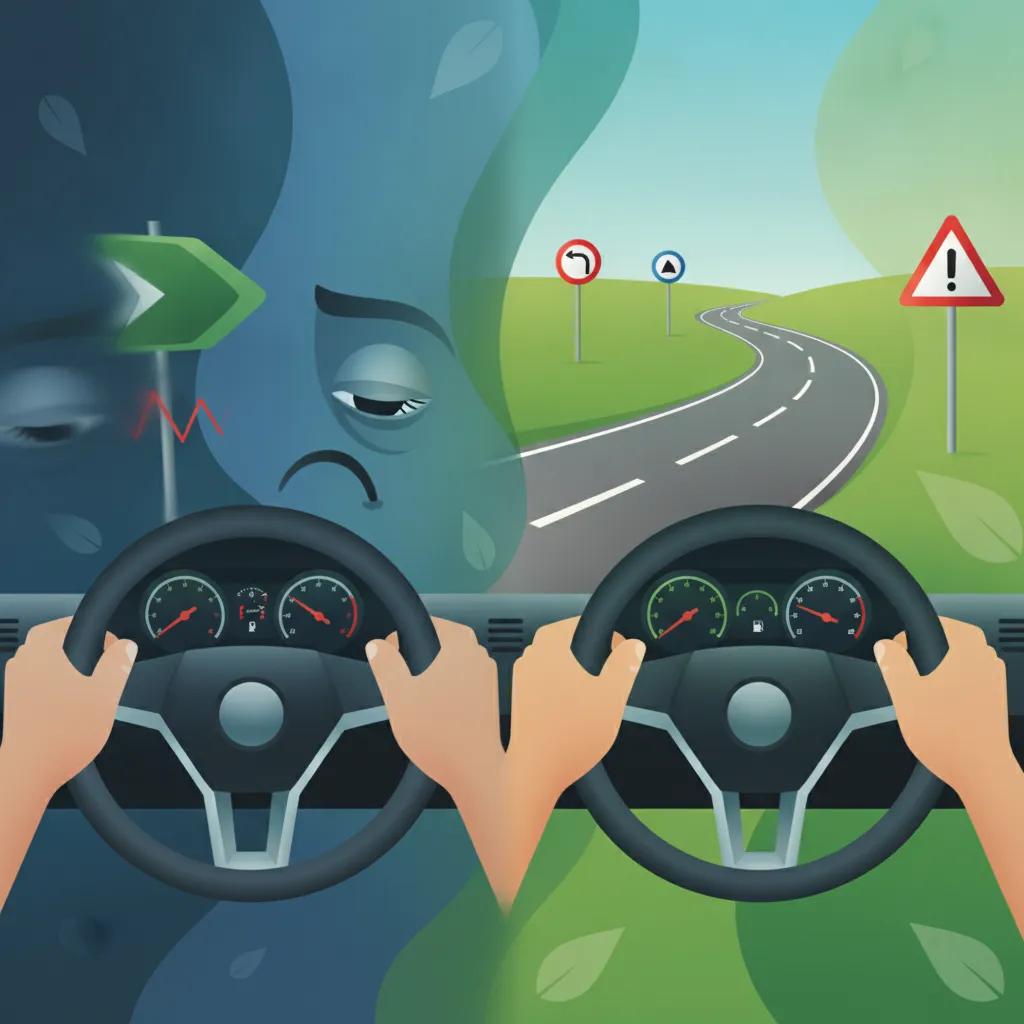
Browse all lessons that make up Alcohol, Drugs, Fatigue, Penalties, Emergencies and Responsible Driving. Each lesson focuses on specific topics, learning objectives, and core concepts, helping you build essential knowledge and follow a clear, structured progression toward your study goals in Belgium.
This lesson explains how alcohol and drugs impair driving abilities, including reaction time, judgment, and coordination. Learners will study the legal blood alcohol concentration (BAC) limits in Belgium and the zero-tolerance policy for illicit substances. It also details the severe legal and personal consequences of driving while impaired.
Fatigue and distraction are major causes of road accidents. This lesson highlights the risks of driving while tired, emphasizing the importance of regular rest breaks and recognizing signs of drowsiness. It also examines common sources of driver distraction, particularly mobile phones, and provides strategies to maintain full focus on the road.
This lesson outlines the legal penalties for traffic offences, including fines and potential licence suspension. It also covers correct emergency protocols, such as what to do at an accident scene, how to call 112, and the basics of first aid. The lesson concludes by emphasizing the importance of responsible driving to foster a safer road safety culture for everyone.
Explore high-intent keywords and long-tail search topics learners use when researching Alcohol, Drugs, Fatigue, Penalties, Emergencies and Responsible Driving. These terms reflect how people search for reliable study materials, structured explanations, and unit-level theory preparation support in Belgium.
Find clear answers to the most common questions learners ask about Alcohol, Drugs, Fatigue, Penalties, Emergencies and Responsible Driving. Understand how the unit is organized, what learning goals it supports, and how it contributes to your study progression with structured explanations and practical guidance tailored for learners in Belgium.
In Belgium, the legal limit for blood alcohol content (BAC) for drivers is 0.5 grams per litre (or 0.2 milligrams per litre of breath). This limit is significantly lower for probationary drivers. Exceeding this limit can lead to severe penalties, including fines, licence suspension, and even imprisonment.
Drugs, whether illicit or prescription, can severely impair your driving abilities. They can affect concentration, coordination, perception of time and distance, and reaction times. Driving under the influence of drugs is illegal and carries penalties similar to drunk driving.
Driving while fatigued is as dangerous as driving under the influence of alcohol. Fatigue significantly slows reaction times, reduces concentration, and can lead to microsleeps, where you briefly fall asleep without realizing it. This drastically increases the risk of accidents.
Penalties vary depending on the offense but can include substantial fines, immediate suspension of your driving licence, mandatory re-examinations, and in severe cases, imprisonment. These penalties are strictly enforced to ensure road safety.
In an emergency, stay calm and assess the situation. If you're involved in an accident, ensure your safety and that of others, call emergency services if necessary, and exchange information with other parties involved. If your vehicle breaks down, try to move it to a safe location, use hazard lights, and place a warning triangle.
Responsible driving involves obeying all traffic laws, respecting other road users (especially vulnerable ones), maintaining your vehicle, avoiding distractions, and never driving under the influence of alcohol, drugs, or while excessively fatigued. It's about making safe choices for yourself and the community.
Yes, Belgium has stricter rules for certain categories of drivers, including newly qualified drivers, who may face a lower alcohol limit. It is crucial for all drivers to be aware of the specific regulations that apply to them.
All included lessons
Lessons in Alcohol, Drugs, Fatigue, Penalties, Emergencies and Responsible Driving
See who benefits most from studying Alcohol, Drugs, Fatigue, Penalties, Emergencies and Responsible Driving. This overview explains how the unit supports different learning needs, what level of knowledge is helpful before starting, and how it fits into the overall study path in Belgium.
This unit is essential for all aspiring Category B drivers in Belgium preparing for their theory exam. It is particularly vital for learners who need a thorough understanding of the severe consequences of impaired driving and fatigue, and for anyone seeking to solidify their knowledge on legal penalties and emergency response procedures before their test.

Explore our structured curriculum and choose the courses tailored to your Belgian driving licence. Master official traffic rules, road signs, and critical driving procedures. Our guided paths are designed to prepare you comprehensively for success on your theory exam.
Browse Driving Theory CoursesExplore all units and lessons included in this driving theory course.
Explore our structured curriculum and choose the courses tailored to your Belgian driving licence. Master official traffic rules, road signs, and critical driving procedures. Our guided paths are designed to prepare you comprehensively for success on your theory exam.
Browse Driving Theory Courses