Understanding priority signs is crucial for safe driving, especially at intersections. This group of signs dictates who has the right-of-way, overriding general rules. By mastering these Belgian priority signs, you'll learn to confidently judge traffic flow, react appropriately to yielding and stopping situations, and significantly improve your performance on the theory exam.
An explanation of how Belgian Priority Signs road signs apply in real traffic situations in Belgium. Learn where these signs are typically placed, what drivers are expected to do when they appear, and how correct reactions help you stay safe, avoid fines, and succeed in your Belgian driving theory exam.
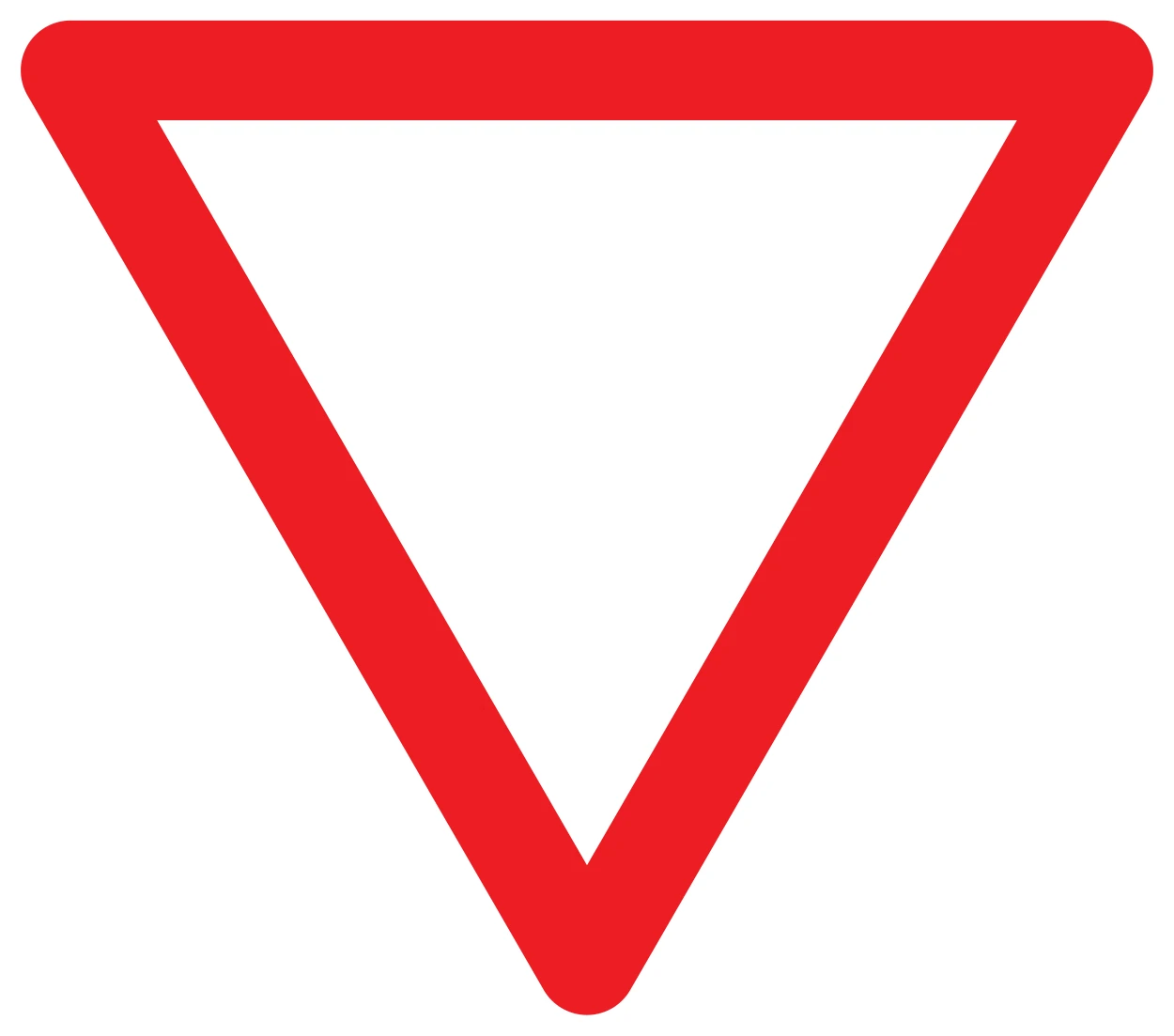
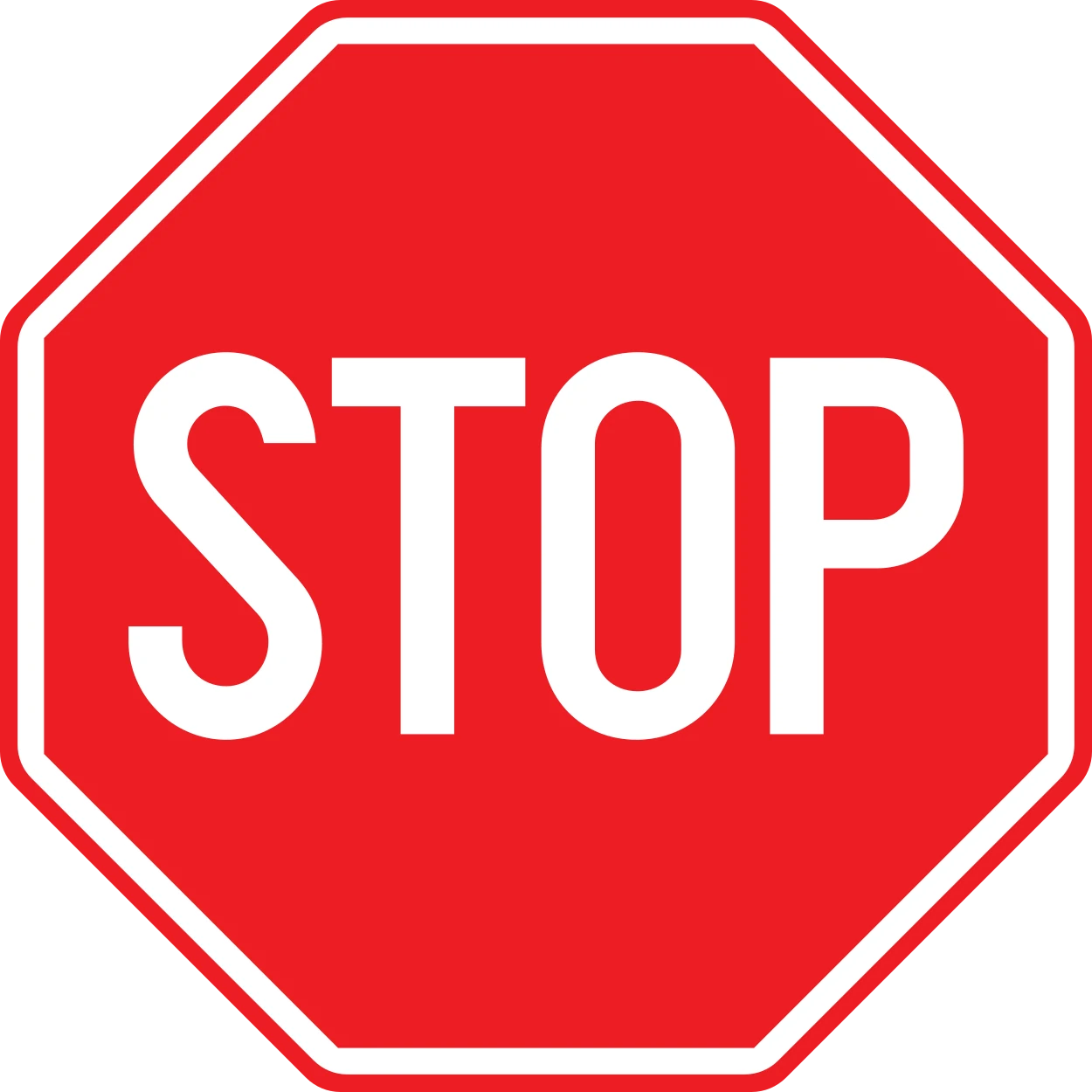
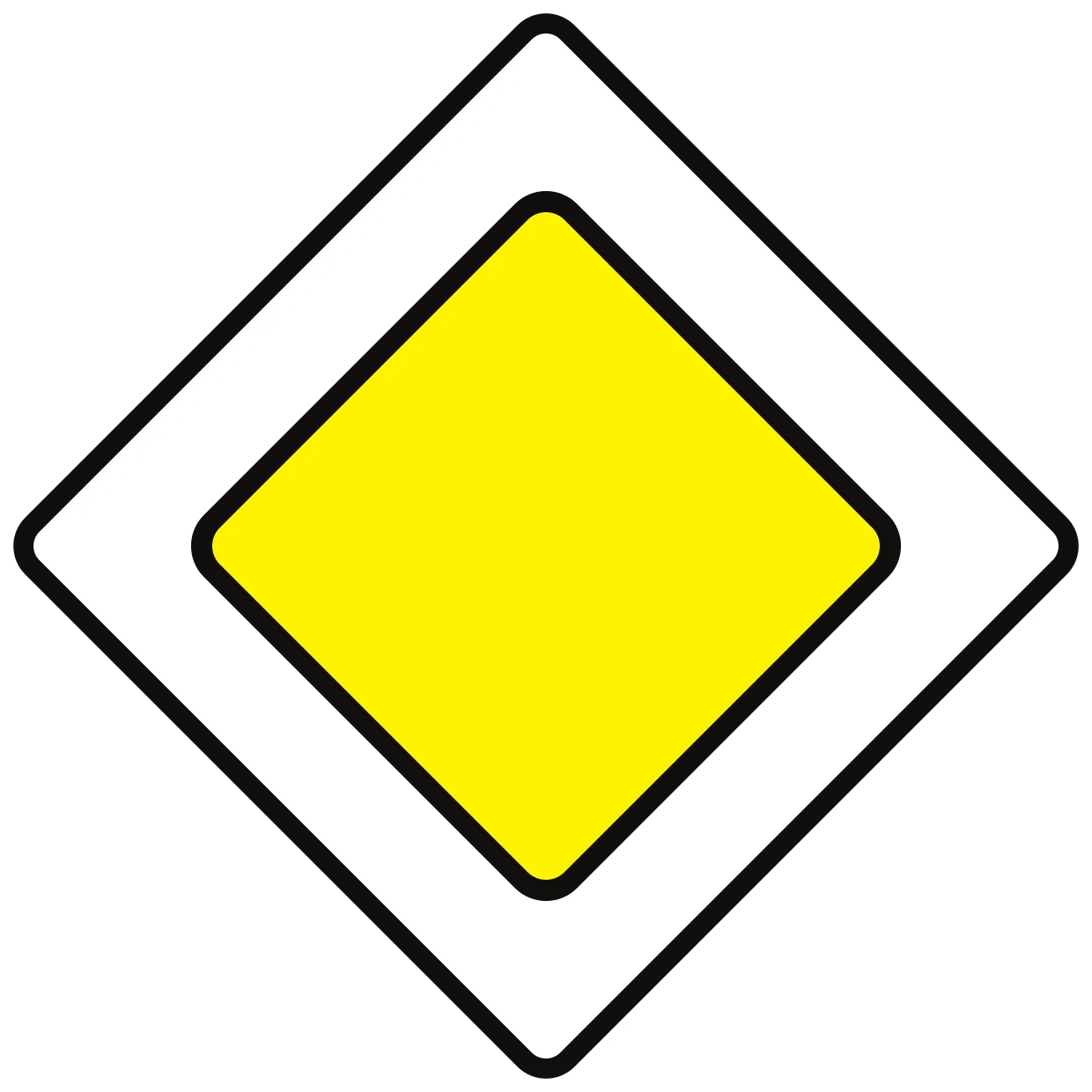
Belgian priority signs are frequently encountered at junctions, intersections, and specific road sections where the standard right-of-way rules need to be modified. You'll see 'Yield' (B1) and 'Stop' (B5) signs commonly at exits from minor roads onto busier streets, or where visibility is limited. Signs like 'Yield in 150 metres' (B3) and 'Stop in 150 metres' (B7) give you advance warning, allowing you to prepare adequately. The 'Priority Road' (B9) sign indicates you have the right-of-way on that particular route, often seen when entering a main road from a side street. Conversely, 'End of priority road' (B11 and B13) signals that standard right-of-way rules will soon apply again. Signs like 'Intersection with priority' (B15) and 'Intersection with priority to the right' (B17) are vital for navigating complex junctions, clarifying who should yield. Special signs (B19, B21, B22, B23) exist for specific priority rules, including those involving oncoming traffic or cyclists, often seen in narrower roads or specific urban layouts.
An overview of the key learning outcomes when studying the Belgian Priority Signs road sign category. Understand the main concepts, sign meanings, and traffic situations covered here so you can recognise patterns, answer theory questions more confidently, and build a solid foundation for safe driving in Belgium.
Master Belgium's critical priority signs, essential for navigating junctions and understanding right-of-way. Studying these together clarifies common situations and overrides default assumptions, crucial for passing your theory test revision. Recognising these traffic signs is fundamental to safe driving in Belgium.

Prepare to stop: Understand the B7 'Stop in 150 Metres' priority traffic sign.
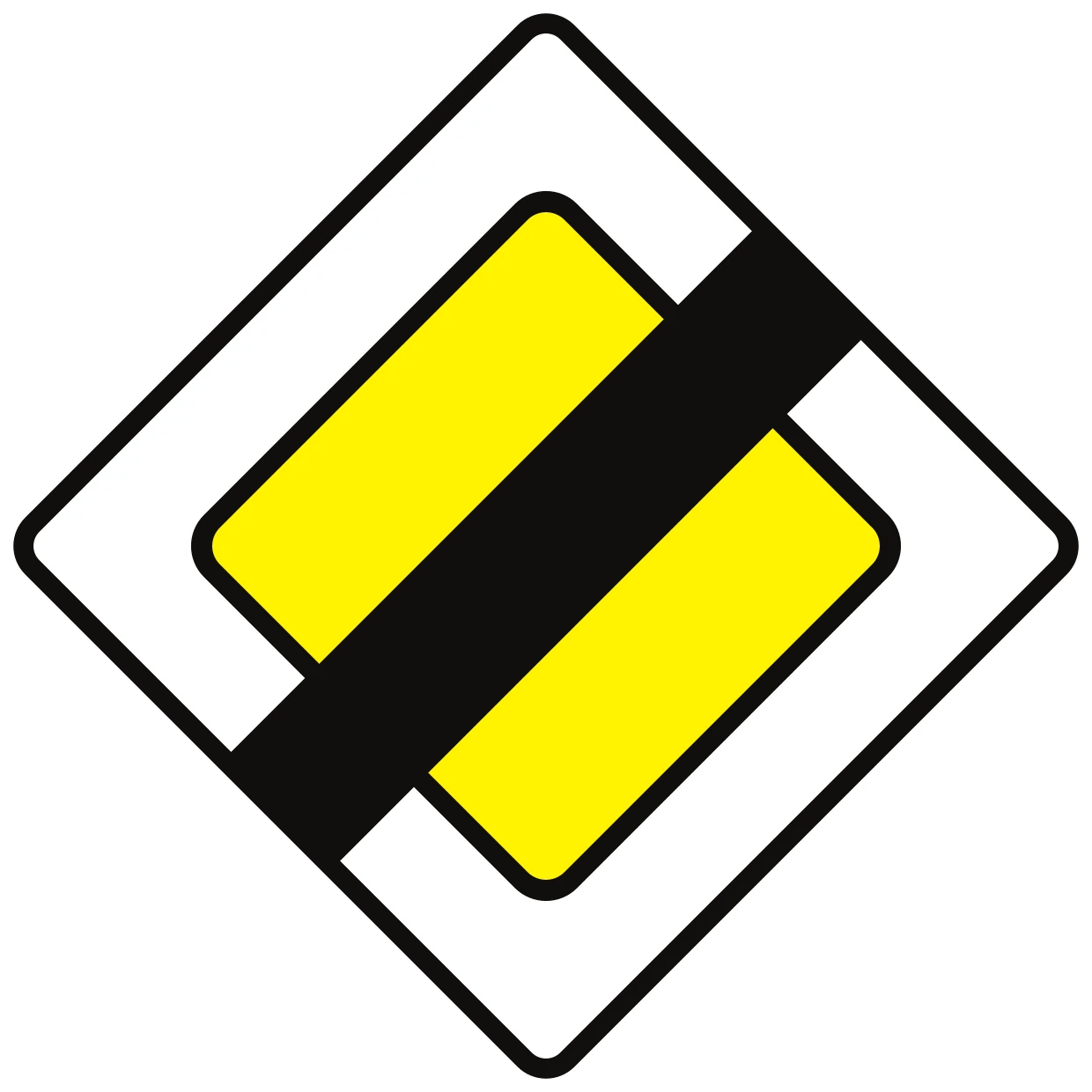
Master the B11: Signalling the End of Your Priority Road

Prepare to yield: The B13 sign means priority ends in 250 metres.
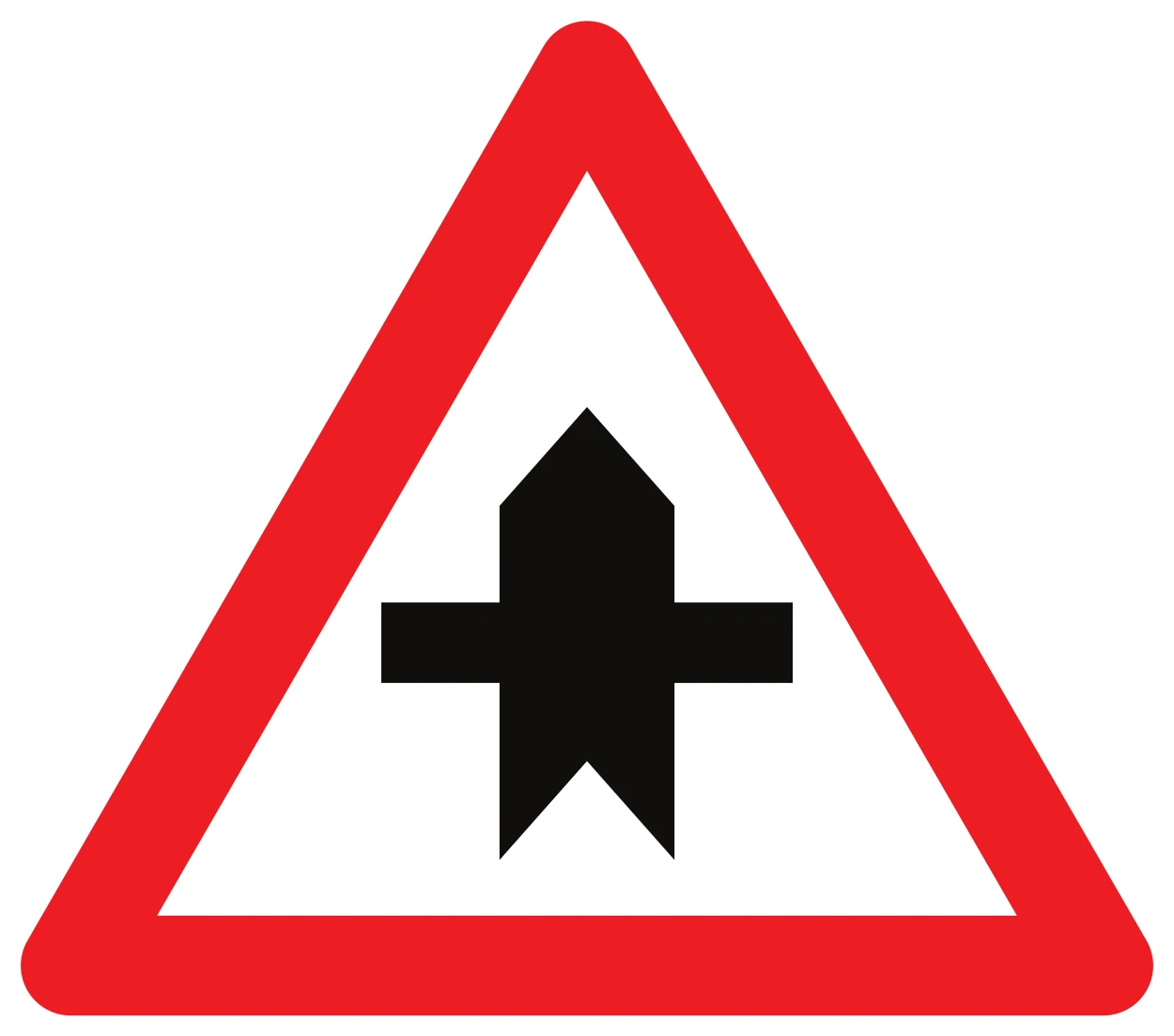
Master the B15 'Intersection with Priority' Road Sign in Belgium
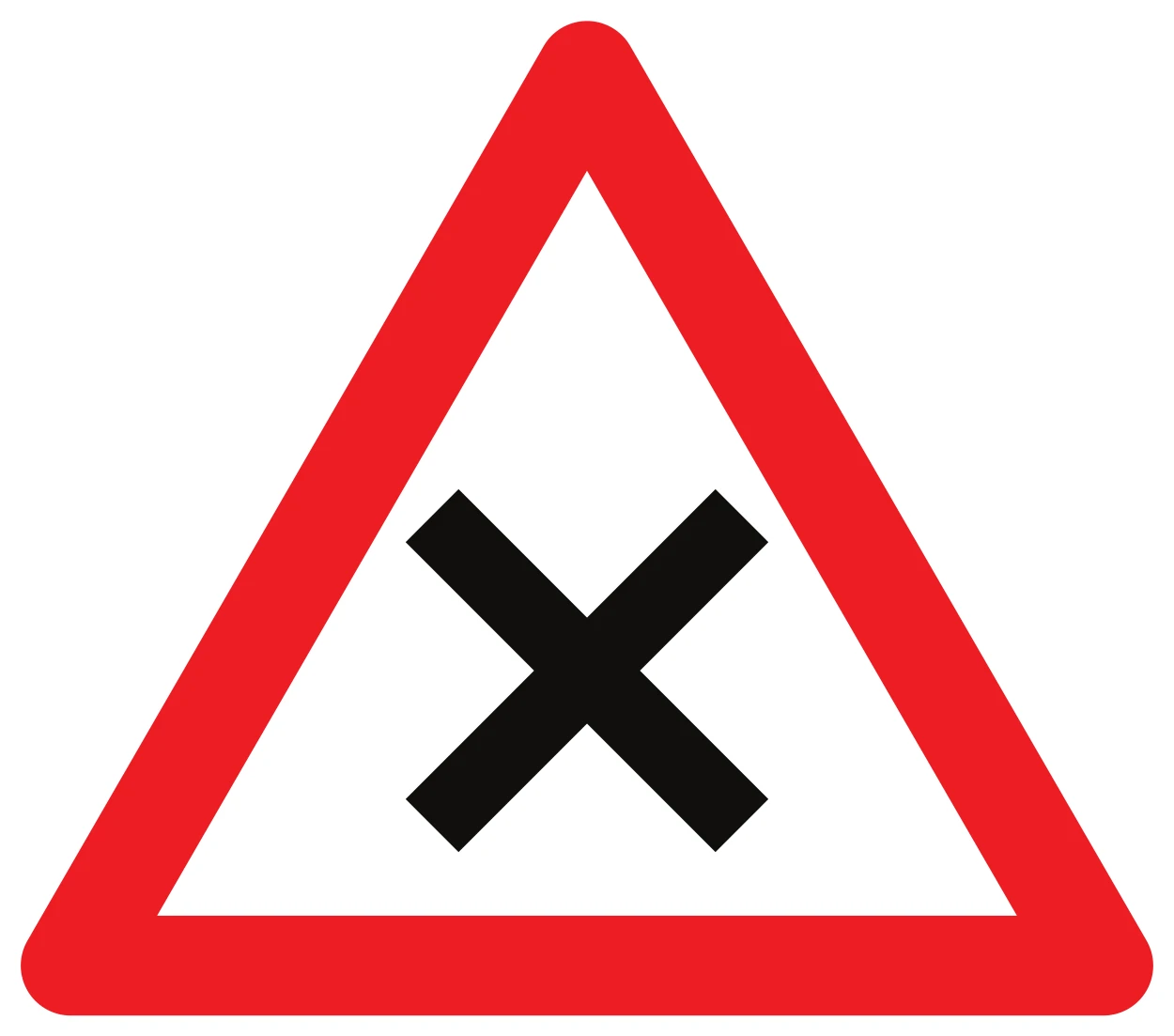
Master the B17 'Intersection with Priority to the Right' Sign
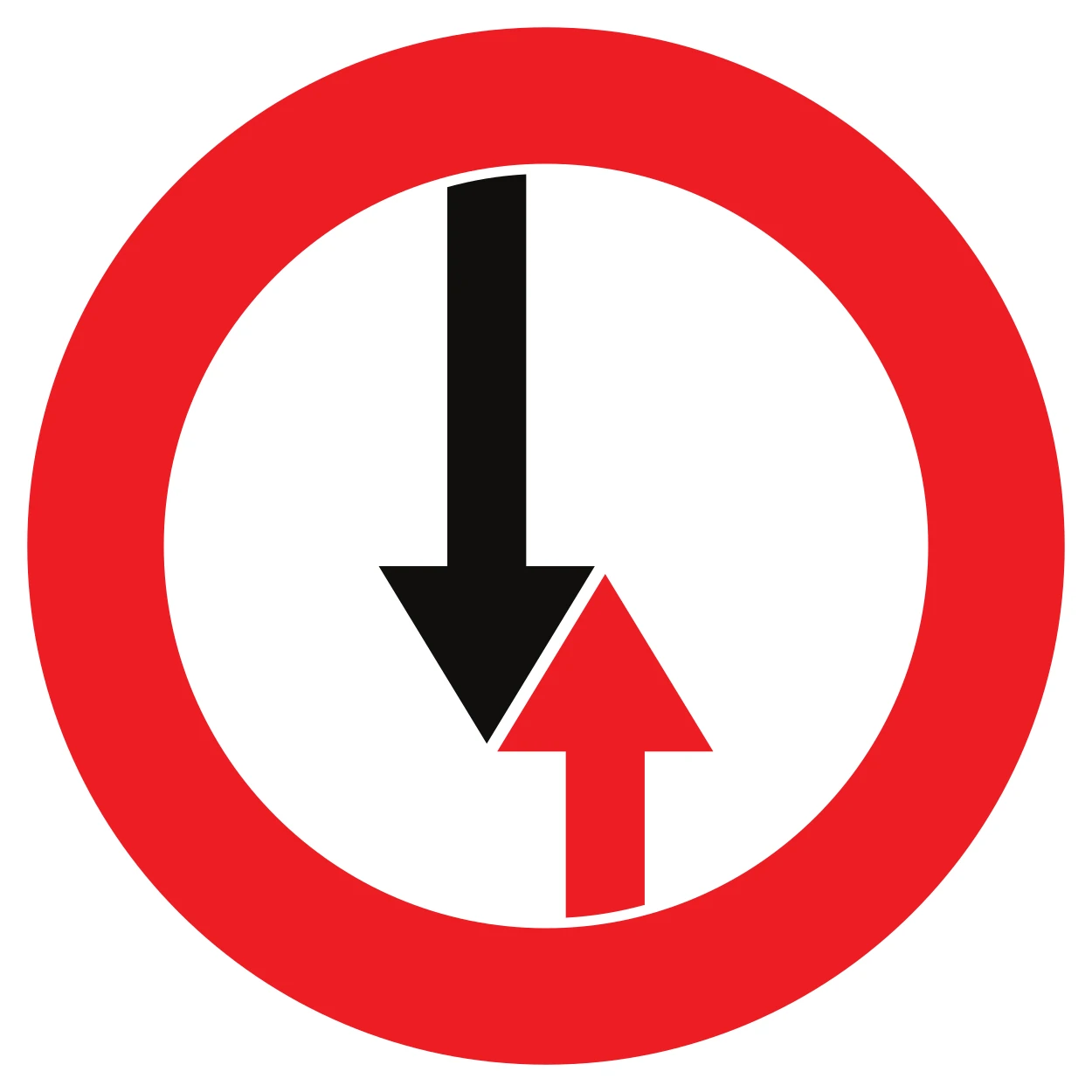
Master Belgian road sign B19: Yield to oncoming traffic!
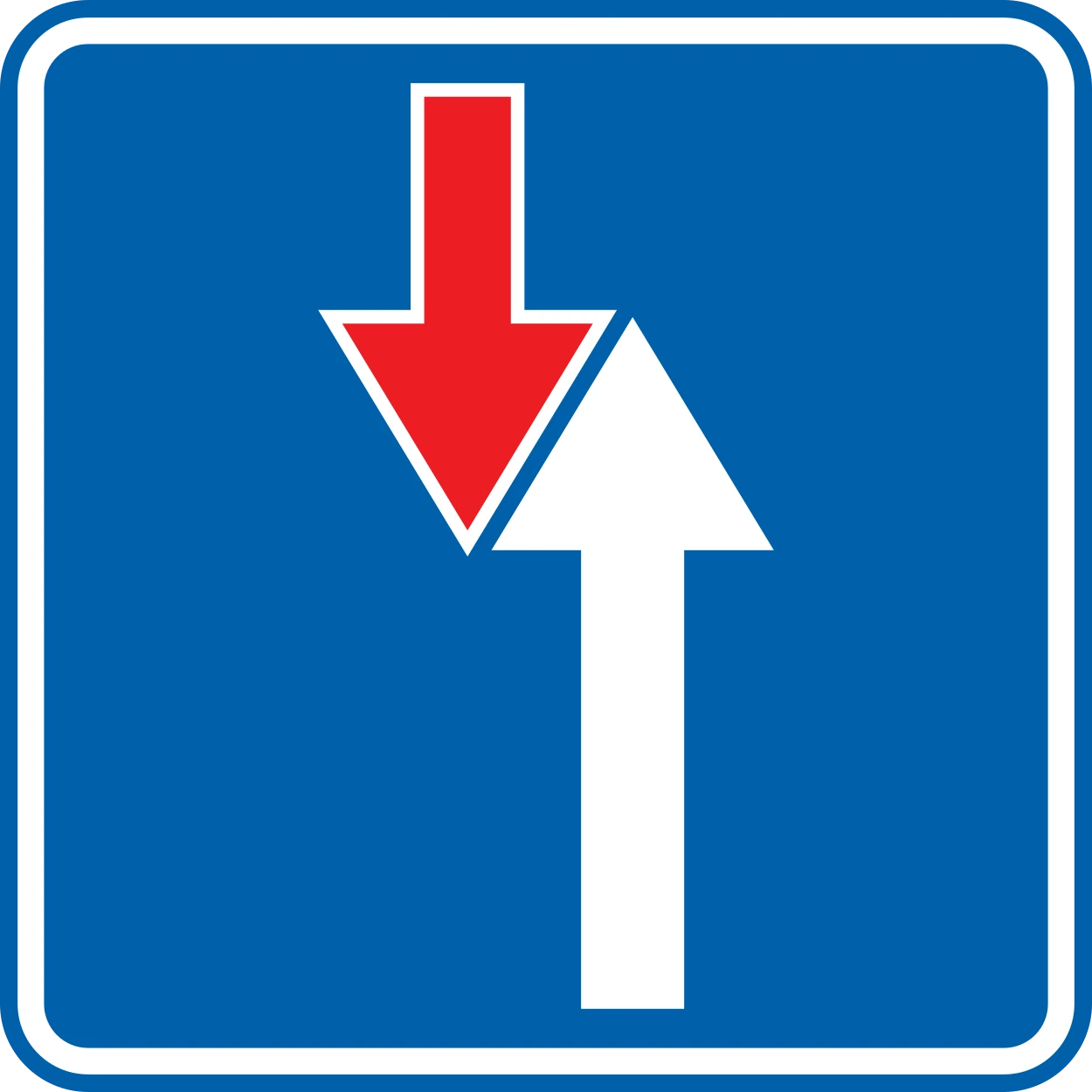
B21: You have priority over oncoming traffic at this narrow passage.
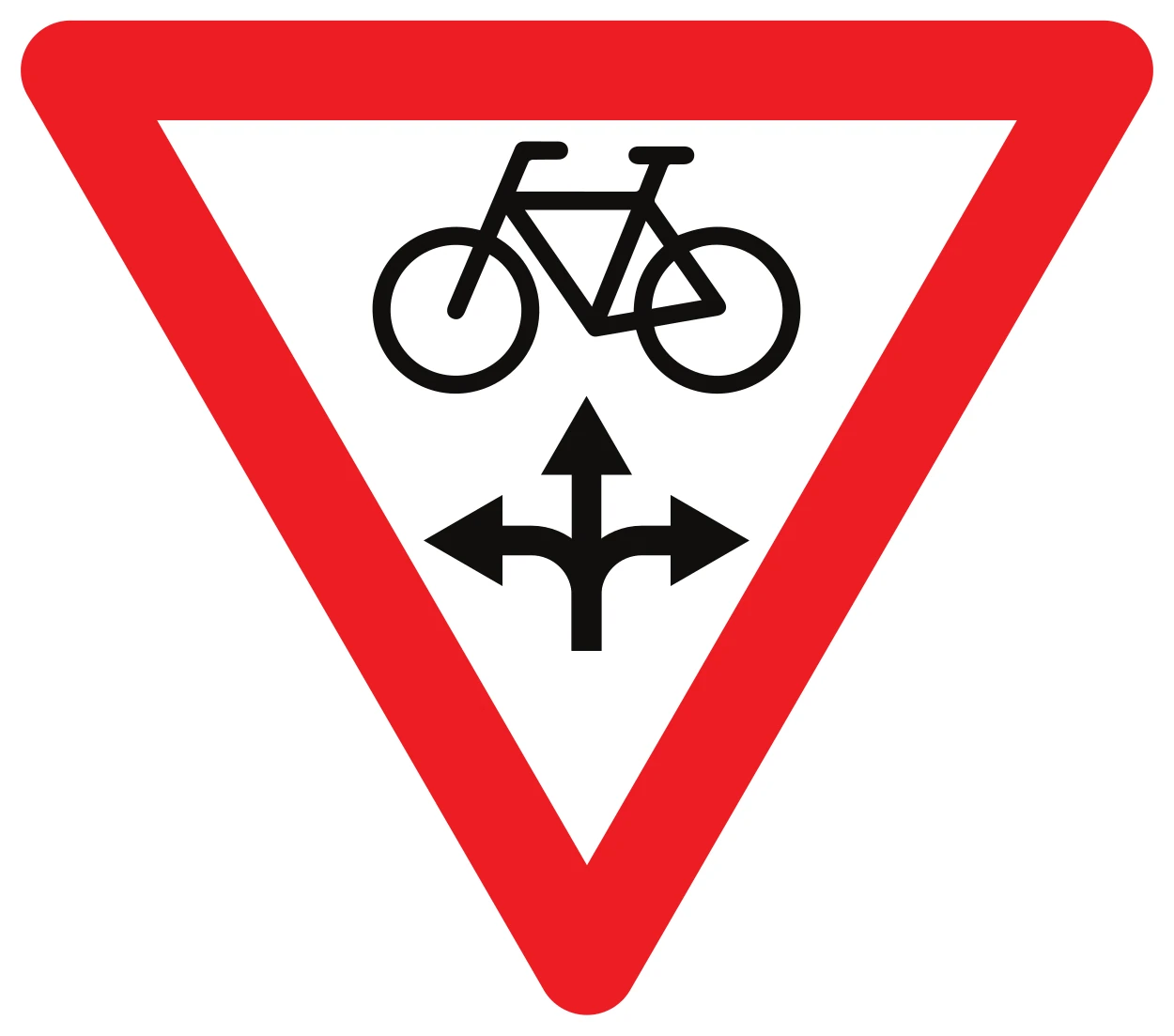
Belgian B22 Sign: Bikes Can Turn Right After Yielding, Even on Red
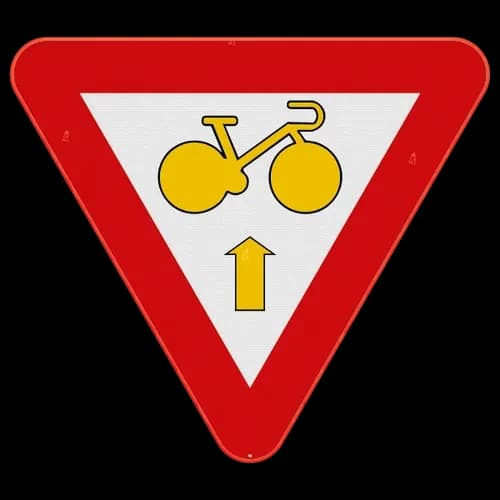
B23: Bikes May Proceed Through Red or Yellow Lights After Yielding
Clear answers to common questions about the Belgian Priority Signs road sign category. Use this FAQ to review tricky rules, understand how these signs appear in exam scenarios, and remove confusion that often leads to mistakes in the Belgian driving theory exam in Belgium.
The 'Yield' sign (B1) requires you to slow down and be prepared to stop if necessary to allow other traffic or pedestrians to pass. You must yield the right-of-way. The 'Stop' sign (B5) is more absolute; you must come to a complete stop at the designated line before proceeding, and only do so when it is safe and does not impede other traffic. Always check for 'in X metres' variations (B3, B7) which indicate an advance warning.
You lose priority when you encounter the 'End of priority road' sign (B11). There's also an advance warning sign, 'End of priority road in 250 metres' (B13), which tells you to prepare for the change. After this sign, standard right-of-way rules, such as giving way to the right, will apply again unless other signs indicate otherwise.
Yes, some signs specifically address cyclist priority. For instance, signs like 'Bike may pass a yellow or red light to turn right, after yield' (B22) and 'Bike may pass a yellow or red light to go straight, after yield' (B23) indicate that cyclists have a specific right-of-way condition, even when lights are not favourable, after they have yielded to other traffic. As a driver, you must be aware of these cyclists' specific rights in these situations.
The 'Intersection with priority to the right' sign (B17) is an exception to the rule that priority is usually given to traffic on the main road. This sign means that traffic coming from the right at the upcoming intersection has priority, even if it's from a side road. You must yield to traffic approaching from your right.
Signs like 'Yield to oncoming traffic' (B19) and 'Priority over oncoming traffic' (B21) are used on narrow stretches of road where two vehicles cannot pass each other simultaneously. 'Yield to oncoming traffic' means you must wait if an oncoming vehicle is already on the narrow section or approaching it. 'Priority over oncoming traffic' means you have the right-of-way, and oncoming vehicles must wait for you to clear the narrow section.
Navigate each road sign category to deepen your understanding of Belgian traffic rules. Focus on warning, regulatory, or informational signs. This structured pathway helps solidify your knowledge for the driving theory exam. Explore specific sign groups now to boost preparation.
Explore Road Sign Categories