The Belgian B7 road sign clearly indicates that you must stop in 150 metres. As part of Belgium's priority signs, it overrides standard priority rules, requiring you to yield before entering a conflict point. Drivers must pay close attention to this sign and any supplementary panels that might alter its instructions, ensuring they slow down early to assess the situation and proceed only when safe.
Master the meaning of Belgian road sign B7, a crucial element for your theory test revision, indicating a mandatory stop in 150 metres. This detailed explanation will help you recognise this priority sign and prepare for safe decision-making at upcoming junctions, essential for your driving knowledge.
Belgian road sign B7, titled "Stop in 150 metres", belongs to the belgian priority signs group. It is used to communicate stop in 150 metres in a form that drivers can recognise quickly during Belgian theory study and real traffic. The practical task is to identify who must go first, who must wait, and whether the priority changes after the junction or narrow passage, because the legal effect of a road sign starts from its placement and can be refined by panels, lane markings, traffic lights, or zone signs. For learners, the safest approach is to identify the sign early, say what road users or manoeuvres it affects, and then choose speed, position, and priority behaviour that match the displayed instruction.
Belgian road sign B7 means "Stop in 150 metres". In practice, it tells drivers to apply the priority instruction before entering the conflict point, while checking the exact road layout, markings, and any supplementary panels before acting.
Get clear, practical answers to the most common questions about the B7 - Stop in 150 metres road sign. Learn how the sign works, what rules it represents, and how it affects real driving situations. This FAQ strengthens your understanding and supports accurate decision making for the Belgian driving theory exam in Belgium.
The Belgian B7 sign means you must stop your vehicle 150 metres from the upcoming junction or conflict point. It's a crucial priority sign that requires you to yield to other traffic that has priority, and to stop completely before proceeding if necessary.
Yes, the B7 'Stop in 150 Metres' sign mandates a complete stop. You must bring your vehicle to a standstill 150 metres before the junction or area indicated. After stopping, you can only proceed when it is safe and you have right of way, or when other traffic allows you to enter.
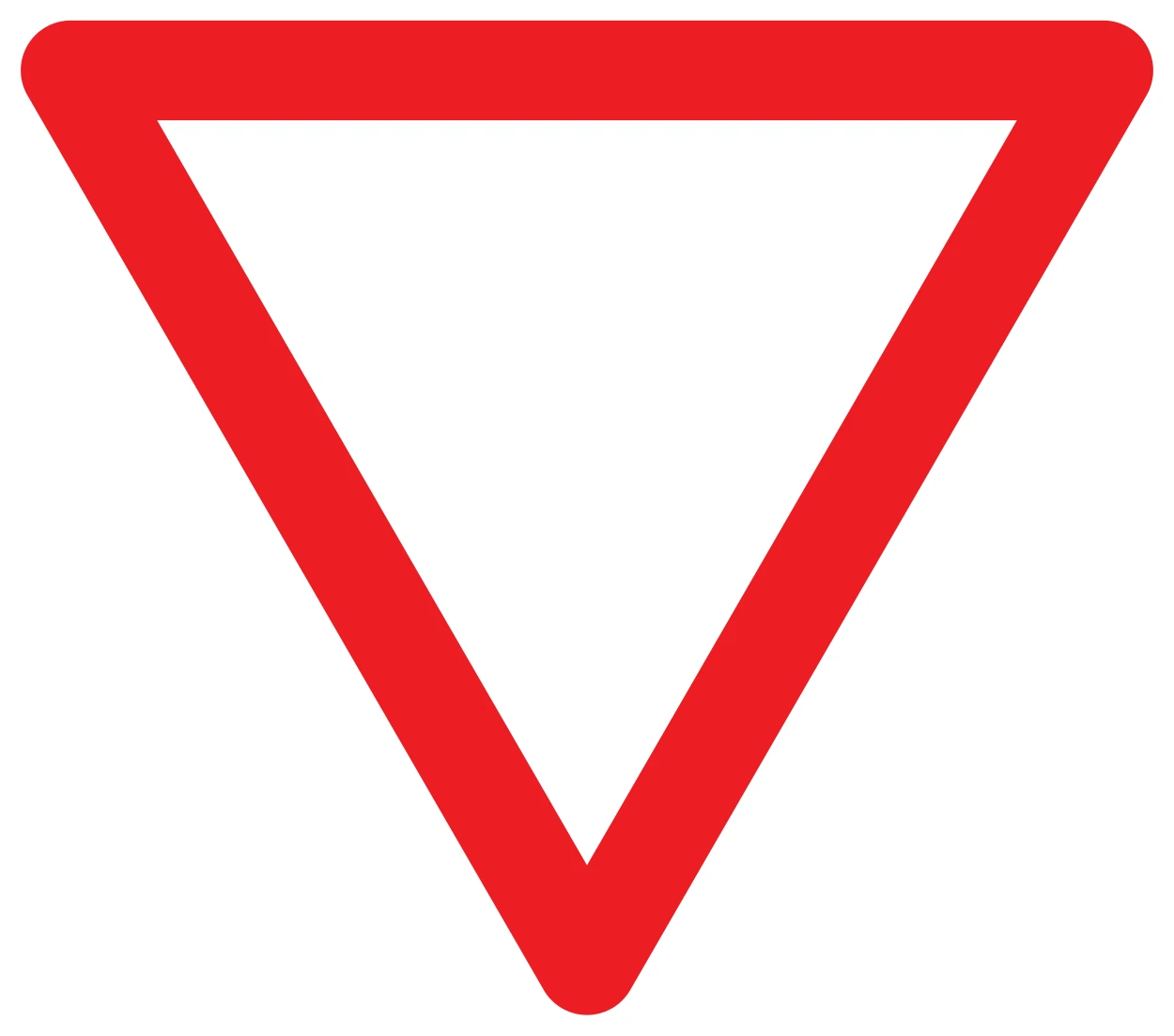
The B6 'Yield' sign (triangle pointing down) requires you to slow down and yield to traffic that has priority. The B7 'Stop in 150 Metres' sign, however, is more strict; it demands a complete stop before the indicated point, regardless of whether other traffic is present. You must stop first, then check for priority.
While the sign mandates a stop, always observe the road layout and any supplementary panels. These panels can modify the distance, specify times, or indicate which vehicles or directions are affected. However, the fundamental requirement to stop before the indicated point remains unless explicitly altered by traffic lights or other official signals.
A common mistake is failing to stop completely, or stopping too late. Learners sometimes assume right-hand priority still applies when it doesn't, or they don't read supplementary panels correctly, leading to incorrect behaviour. Always remember B7 means a definite stop, then assess.
After stopping at the 150-metre mark, carefully check the traffic situation. Wait for any vehicles or road users with priority to pass. Only proceed into the conflict area when you are certain it is safe to do so and you will not impede other traffic.
A clear reference image of the B7 - Stop in 150 metres road sign used in Belgium.

The B7 - Stop in 150 metres road sign may also be known by these alternative names or terms.
The B7 - Stop in 150 metres road sign is part of the Belgian Priority Signs category, which groups together signs with similar rules and functions.
Mastering Belgian road signs requires understanding subtle differences. Comparing 'Stop in 150 metres' with other priority signs aids in accurate sign recognition and boosts your theory test revision for fewer mistakes.
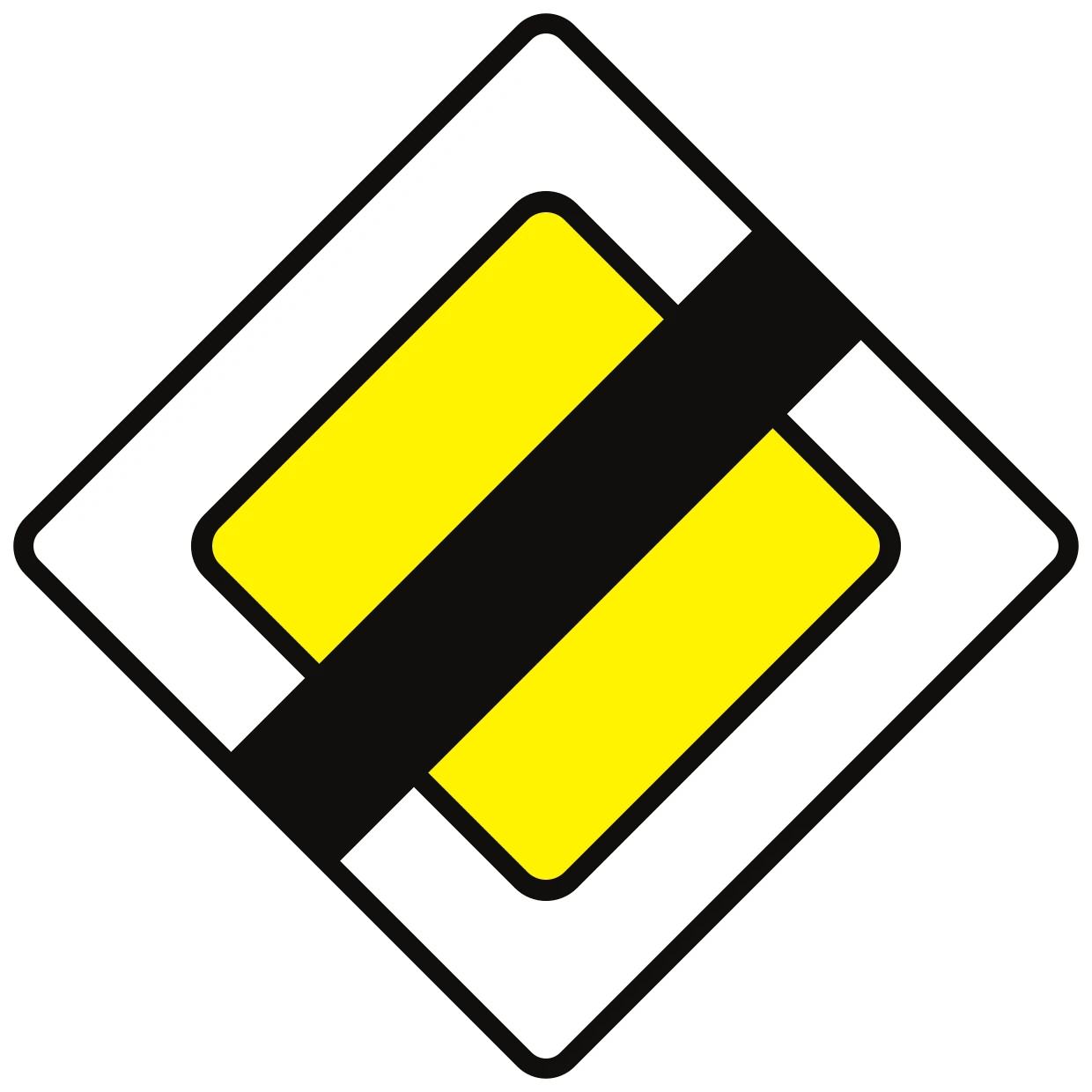
Master the B11: Signalling the End of Your Priority Road

Prepare to yield: The B13 sign means priority ends in 250 metres.
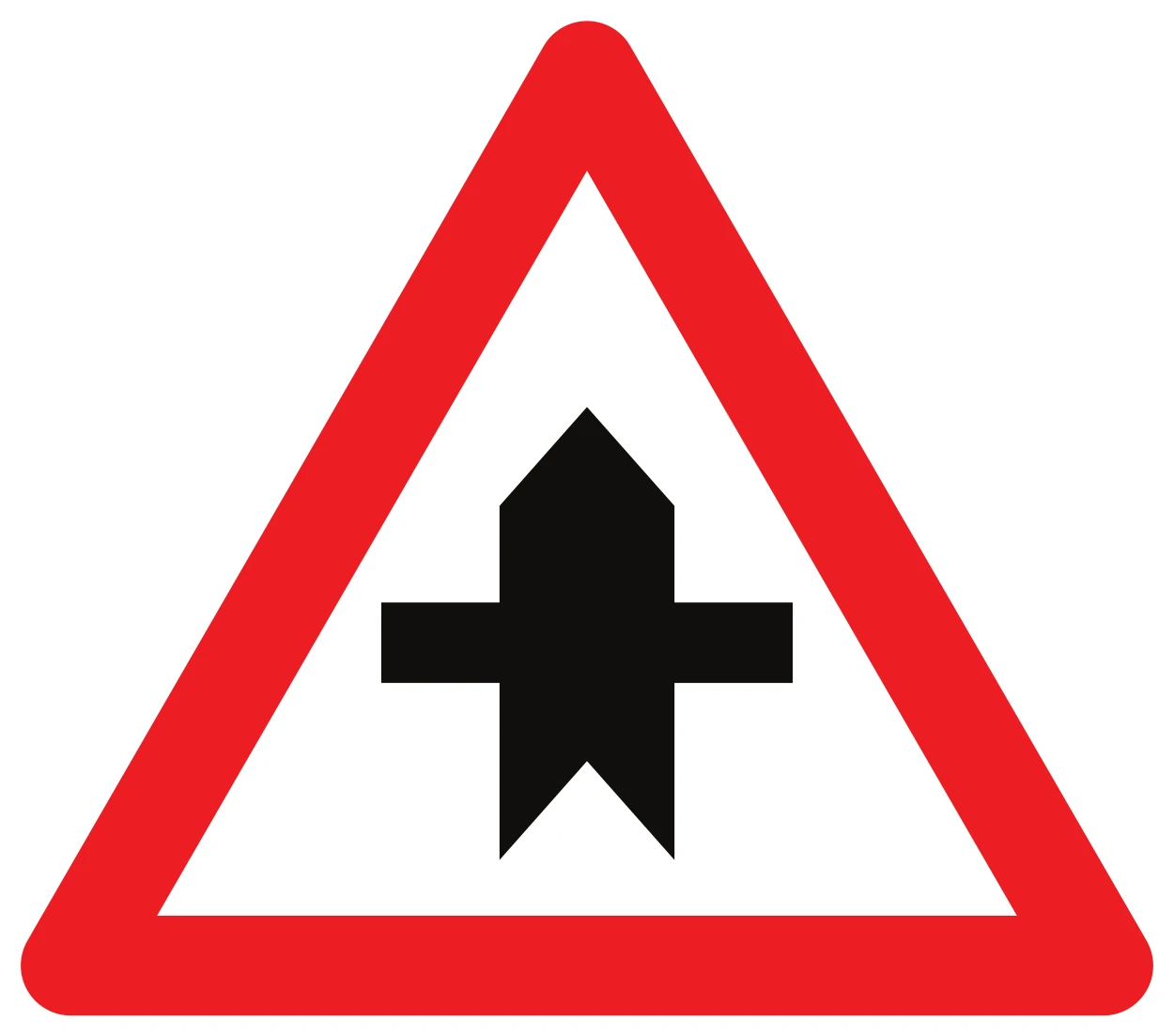
Master the B15 'Intersection with Priority' Road Sign in Belgium
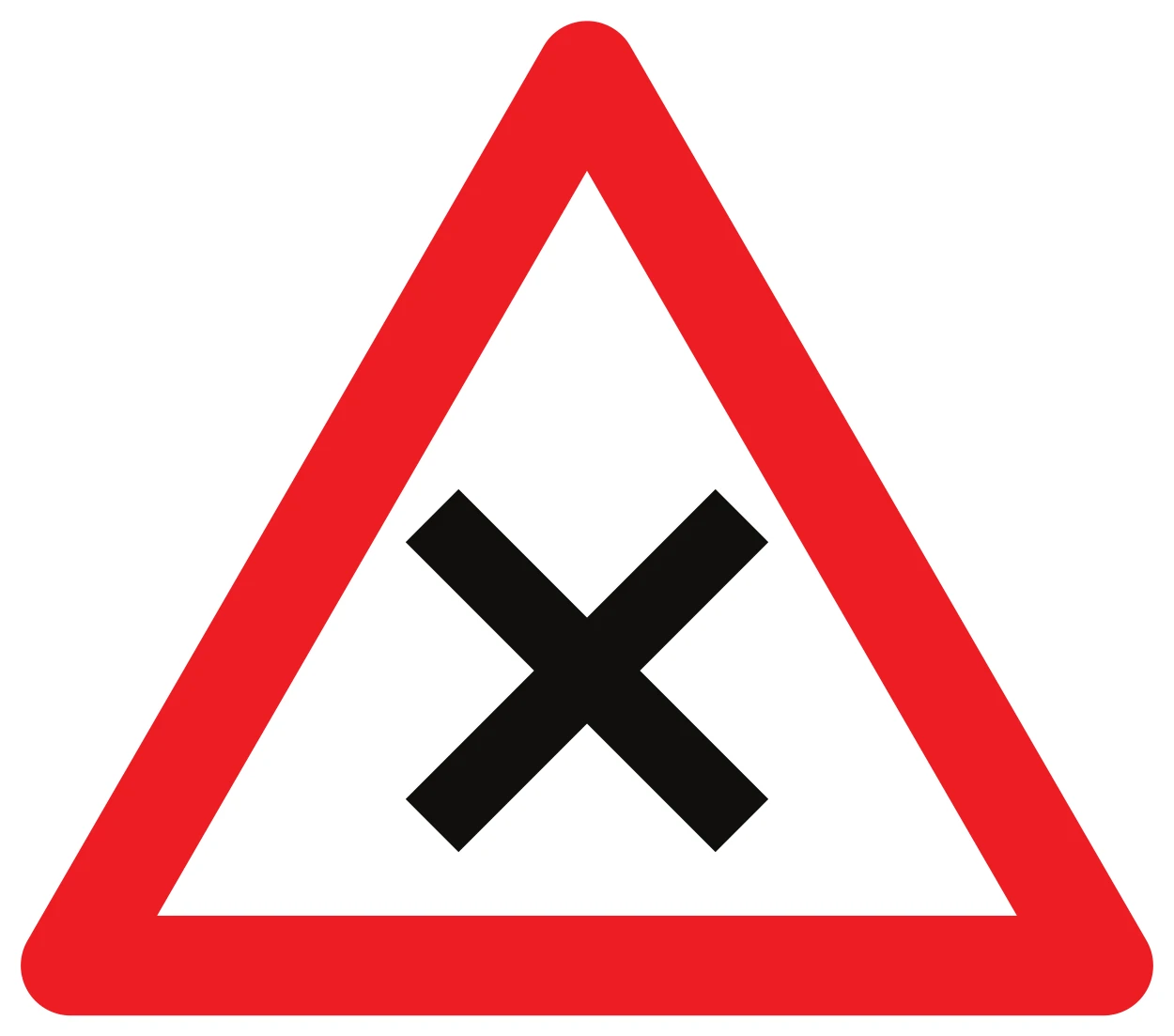
Master the B17 'Intersection with Priority to the Right' Sign
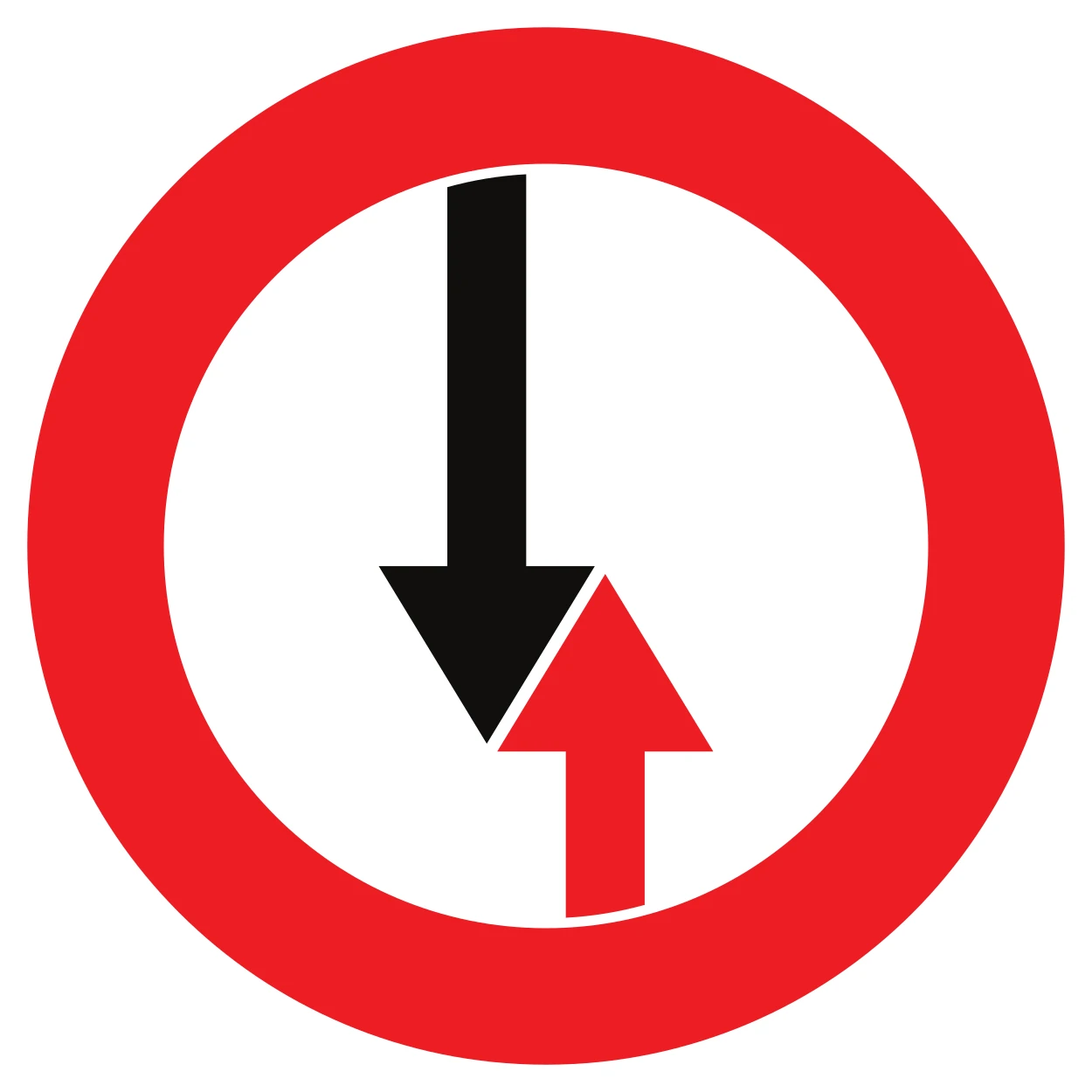
Master Belgian road sign B19: Yield to oncoming traffic!
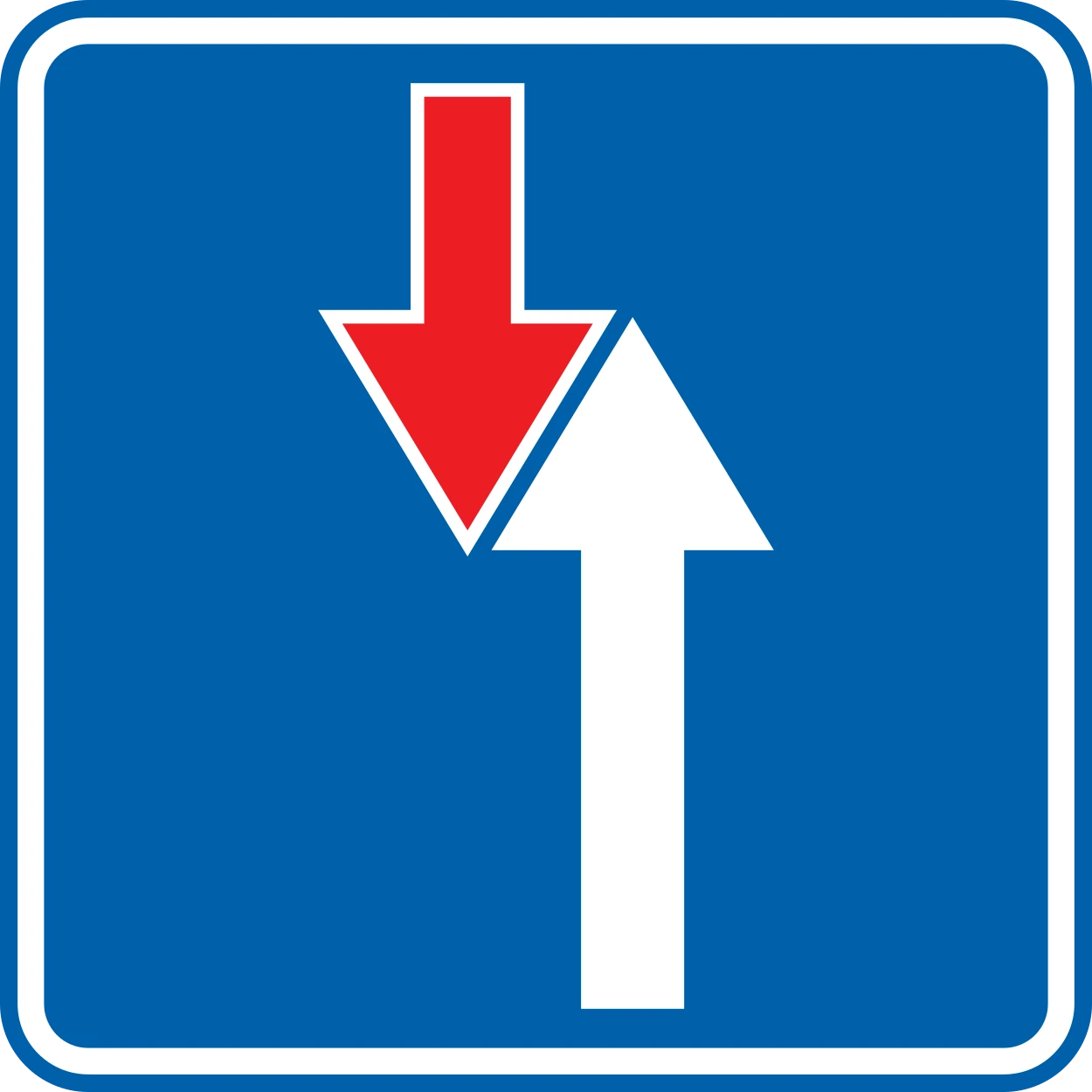
B21: You have priority over oncoming traffic at this narrow passage.
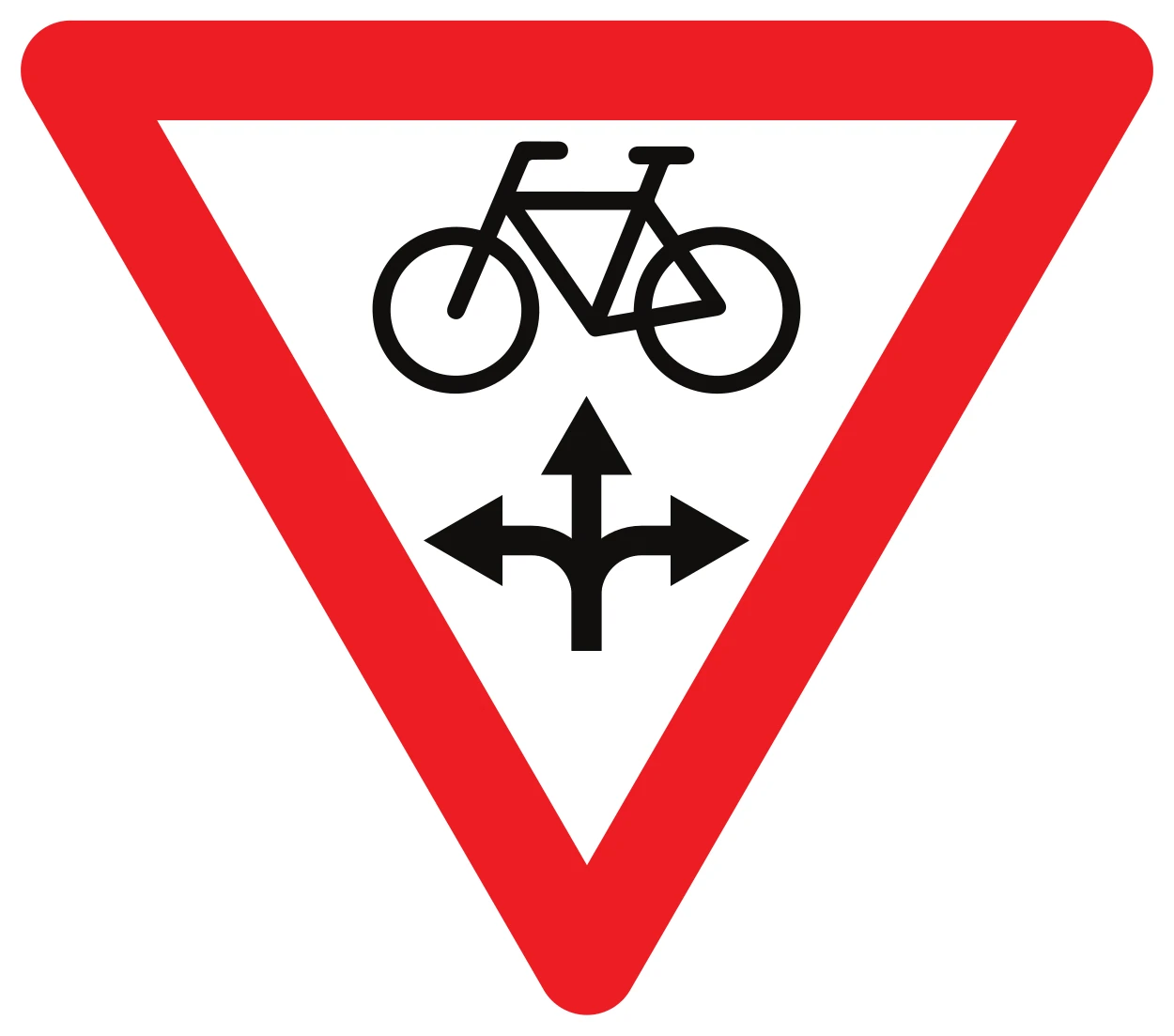
Belgian B22 Sign: Bikes Can Turn Right After Yielding, Even on Red
Deepen your understanding by exploring how specific road signs dictate right-of-way, speed limits, and safety obligations across Belgian roads. Review these related theory modules to ensure you can confidently identify and apply each sign correctly.
Towing a trailer in Belgium comes with specific rules tied to weight limits that often confuse drivers. This article breaks down exactly when your standard Category B licence is sufficient and when you must obtain a Category BE licence, explaining the critical Masses Authorisées (MAM) for both the trailer and the combined vehicle. Understanding these distinctions is vital for legal compliance and safe driving on Belgian roads.
Be prepared for unexpected breakdowns on Belgian roads.
Master Belgian Horn Rules: Stay Safe and Legal After Dark in the City.
This article provides a clear, text-only overview of the Belgian motorcycle licence system, detailing the progression from A1 to A2 and finally to the unrestricted A licence. You will learn about the minimum age requirements for each category, the concept of progressive access requiring a two-year experience period, and the exceptions for direct access. Understanding these licensing steps is vital for your motorcycle theory exam preparation in Belgium.
Belgian road sign B3, titled "Yield in 150 metres", belongs to the belgian priority signs group. It is used to communicate yield in 150 metres in a form that drivers can recognise quickly during Belgian theory study and real traffic. The practical task is to identify who must go first, who must wait, and whether the priority changes after the junction or narrow passage, because the legal effect of a road sign starts from its placement and can be refined by panels, lane markings, traffic lights, or zone signs. For learners, the safest approach is to identify the sign early, say what road users or manoeuvres it affects, and then choose speed, position, and priority behaviour that match the displayed instruction.
Belgian road sign B22, titled "Bike may pass a yellow or red light to turn right, after yield", belongs to the belgian priority signs group. It is used to communicate bike may pass a yellow or red light to turn right, after yield in a form that drivers can recognise quickly during Belgian theory study and real traffic. The practical task is to identify who must go first, who must wait, and whether the priority changes after the junction or narrow passage, because the legal effect of a road sign starts from its placement and can be refined by panels, lane markings, traffic lights, or zone signs. For learners, the safest approach is to identify the sign early, say what road users or manoeuvres it affects, and then choose speed, position, and priority behaviour that match the displayed instruction.
After reviewing all Belgian road signs, deepen your understanding by exploring specific categories such as warning, regulatory, or prohibitory signs. Practice recognition with targeted quizzes to reinforce learning for a successful theory test.
All Belgian Road Signs List