
This lesson teaches you how to manage the altered dynamics of your motorcycle when carrying passengers or luggage. As part of our comprehensive Austrian motorcycle theory course, it prepares you for the specific handling requirements and safety challenges you will face when your bike is fully loaded.

Lesson content overview
Motorcycle riding offers unparalleled freedom, but adding passengers or luggage significantly alters your machine's dynamics and handling characteristics. For riders undergoing Austrian Motorcycle Theory for A, A1, and A2 Licences, understanding these changes is paramount for safe operation, especially given Austria's varied topography, from bustling urban centers to challenging alpine passes. This lesson provides a comprehensive guide to managing additional weight, ensuring stability, control, and adherence to legal requirements.
When you add a passenger or luggage to your motorcycle, you introduce extra mass, which fundamentally changes how the bike responds. Ignoring these changes can compromise safety and control.
The theoretical point where the entire weight of the motorcycle, rider, passenger, and luggage is considered to act vertically downwards.
A motorcycle's center of gravity (CoG) is crucial for its stability and handling. When riding solo, the CoG is relatively low and central, contributing to easy maneuverability. Adding weight, especially if placed high or far from the bike's longitudinal axis, raises and shifts the CoG. A higher CoG increases the motorcycle's tendency to lean further in turns and makes it feel less stable, requiring more effort from the rider to maintain balance. Keeping the CoG as low and central as possible is key to preserving predictable handling.
The property of an object to resist any change in its state of motion, whether at rest or moving. The more mass an object has, the greater its inertia.
Additional weight directly increases the motorcycle's overall inertia. This means the bike will be more resistant to changes in speed. Accelerating will require more throttle, and more importantly, decelerating (braking) will take longer. You'll need a greater distance and more force to bring the motorcycle to a complete stop when carrying extra load. This increased inertia also affects cornering, as the bike will resist changing direction more strongly.
It's important to distinguish between two types of load:
Effective load distribution is the cornerstone of safe riding with additional weight. Proper placement minimizes adverse effects on handling and maximizes stability.
The general rule for distributing weight is to keep it as low and as central as possible.
Before every ride with luggage, perform a quick check: gently rock the bike side-to-side and front-to-back. Does anything feel loose or excessively heavy in one area? A slight wobble when stationary can become a major instability at speed.
Carrying a passenger, often referred to as a "pillion passenger," introduces a significant dynamic load. Effective communication and coordination are essential for a smooth and safe journey.
Before setting off, especially with an inexperienced passenger, a thorough briefing is critical.
Mounting and Dismounting: Instruct the passenger to wait until you give the signal (e.g., "Ready to mount"). They should mount from the left, stepping onto the left footpeg, and swinging their leg over. Dismounting is the reverse. Always ensure you have a firm grip on the handlebars and both feet flat on the ground.
Holding On: Explain where and how to hold on. The most secure places are the passenger grab handles (if present), the rider's waist, or lightly on the rider's hips. A common mistake is holding onto the rider's shoulders, which can interfere with steering.
Body Position and Leaning: Crucially, the passenger must lean with the rider in corners, not against them. Instruct them to look over the rider's shoulder in the direction of the turn. During braking, they should brace themselves by lightly pressing their hands on the fuel tank (if reachable) or the rider’s waist to prevent sliding forward.
Remaining Still: Emphasize the importance of remaining still and avoiding sudden, unexpected movements, especially at speed or during maneuvers. If they need to adjust, they should inform the rider first.
Foot Placement: Feet should remain on the footpegs at all times, even when stopped, unless specifically instructed otherwise.
Communication Signals: Establish simple hand signals or verbal cues for common needs, such as needing to stop, a break, or experiencing discomfort.
An inexperienced passenger who is nervous or does not follow instructions is a significant hazard. Their unpredictable movements can lead to loss of control, especially in an emergency. Ensure your passenger is comfortable and understands their role before starting.
Properly securing your luggage is not just about keeping your belongings safe; it's a critical safety measure to prevent load shift, which can be catastrophic.
After the first 15-20 minutes of riding with luggage, pull over safely and re-check all straps and attachments. Road vibrations and initial settling can loosen things up.
Riding a loaded motorcycle requires a significant adjustment to your riding style. Smoother, more deliberate inputs, and increased anticipation are key.
Adhering to legal regulations concerning motorcycle load and passenger carriage is mandatory in Austria. Failure to comply can result in fines, invalidate your insurance, and compromise safety.
Every motorcycle has a manufacturer's specified maximum permissible load (Gesamtgewicht). This includes the weight of the motorcycle itself, the rider, any passenger(s), and all luggage. This limit is stated in your vehicle's registration documents (Kfz-Zulassungsbescheinigung) and user manual.
Under §31 of the Austrian Road Traffic Act, all luggage and cargo transported on a vehicle must be secured against falling off, sliding, rolling, or causing any danger to other road users or the environment.
Certain driving licence categories in Austria may have restrictions on carrying passengers.
Even experienced riders can make mistakes when carrying extra weight. Being aware of these common pitfalls can help prevent accidents.
The impact of additional weight is magnified under certain conditions. Adapting your riding style to these variations is crucial.
Successfully riding with passengers and luggage comes down to preparation, understanding, and adaptation.
By embracing these principles, you can safely enjoy the experience of riding with company or carrying essential gear, confident in your ability to manage your motorcycle under any load.
Riding with passengers or luggage fundamentally alters motorcycle dynamics by raising the center of gravity and increasing inertia, requiring longer braking distances and reduced cornering speeds. Effective load management means keeping weight low and centrally positioned, distributing evenly side-to-side, and securing all luggage tightly to prevent unexpected CoG shifts. A passenger must be thoroughly briefed on proper mounting, holding positions, leaning with the bike in corners, and bracing during braking to maintain coordinated stability. Austrian law mandates that total load never exceeds manufacturer specifications and that all cargo is secured under §31 StVO, with potential fines and insurance implications for non-compliance.
A short set of high-value points that capture the most important learning from this lesson.
Additional weight increases inertia, shifting the center of gravity higher and further back, which directly affects lean angle, grip, and steering response.
Load must be kept as low and central as possible to maintain stability and predictable handling characteristics.
A thorough passenger briefing covering mounting, holding positions, body lean, and communication signals is essential before every ride.
All luggage must be secured against movement; even small items can cause catastrophic CoG shifts at speed.
With added mass, you must increase following distances, reduce cornering speeds, and apply all controls progressively.
Explore all units and lessons included in this driving theory course.
The motorcycle's maximum permissible load (specified in registration documents) includes the bike, rider, passenger, and all luggage combined.
Under Austrian law §31 StVO, all cargo must be secured to prevent falling, sliding, or creating hazards for other road users.
Front brake bias increases with additional weight; the front brake provides most of the braking force when loaded.
After 15-20 minutes of riding with luggage, always stop and re-check all straps and attachments for tightness.
Tyre pressure and suspension preload should be adjusted according to manufacturer specifications for two-up riding or heavy loads.
Exceeding the manufacturer's maximum permissible load, which severely compromises braking effectiveness and handling.
Placing heavy luggage high on a rear rack or all weight far back, which raises the CoG and lightens the front wheel.
Failing to brief a passenger on proper leaning technique, allowing them to lean against the turn and destabilize the bike.
Using only the rear brake or applying brakes harshly, which risks rear wheel lock-up and skidding with a heavier load.
Neglecting to adjust tyre pressure for additional weight, leading to poor handling and increased stopping distances.
Lesson content overview
A short set of high-value points that capture the most important learning from this lesson.
Additional weight increases inertia, shifting the center of gravity higher and further back, which directly affects lean angle, grip, and steering response.
Load must be kept as low and central as possible to maintain stability and predictable handling characteristics.
A thorough passenger briefing covering mounting, holding positions, body lean, and communication signals is essential before every ride.
All luggage must be secured against movement; even small items can cause catastrophic CoG shifts at speed.
With added mass, you must increase following distances, reduce cornering speeds, and apply all controls progressively.
Explore all units and lessons included in this driving theory course.
The motorcycle's maximum permissible load (specified in registration documents) includes the bike, rider, passenger, and all luggage combined.
Under Austrian law §31 StVO, all cargo must be secured to prevent falling, sliding, or creating hazards for other road users.
Front brake bias increases with additional weight; the front brake provides most of the braking force when loaded.
After 15-20 minutes of riding with luggage, always stop and re-check all straps and attachments for tightness.
Tyre pressure and suspension preload should be adjusted according to manufacturer specifications for two-up riding or heavy loads.
Exceeding the manufacturer's maximum permissible load, which severely compromises braking effectiveness and handling.
Placing heavy luggage high on a rear rack or all weight far back, which raises the CoG and lightens the front wheel.
Failing to brief a passenger on proper leaning technique, allowing them to lean against the turn and destabilize the bike.
Using only the rear brake or applying brakes harshly, which risks rear wheel lock-up and skidding with a heavier load.
Neglecting to adjust tyre pressure for additional weight, leading to poor handling and increased stopping distances.
Explore search topics learners often look for when studying Riding with Passengers and Luggage. These topics reflect common questions about road rules, driving situations, safety guidance, and lesson level theory preparation for learners in Austria.
Browse additional driving theory lessons that cover connected traffic rules, road signs, and common driving situations related to this topic. Improve your understanding of how different rules interact across everyday traffic scenarios.
Learn how passenger and luggage weight impacts motorcycle dynamics. This lesson covers adjusting suspension, tyre pressure, and rider technique for safe handling with extra load, based on Austrian driving theory.

This lesson explains the significant impact of extra weight from a passenger or luggage on a motorcycle's dynamics. It covers how to properly secure loads to maintain a low center of gravity and the importance of instructing a passenger on how to lean with the bike. Riders will learn to adjust their braking, acceleration, and cornering techniques to compensate for the altered handling characteristics.
This lesson focuses specifically on motorcycle tyre maintenance, a critical safety component. It explains how to accurately measure tyre pressure, inspect for adequate tread depth, and identify uneven wear patterns that may indicate other issues. Understanding how tyre condition affects grip, handling, and braking performance is essential for every rider to maintain control.
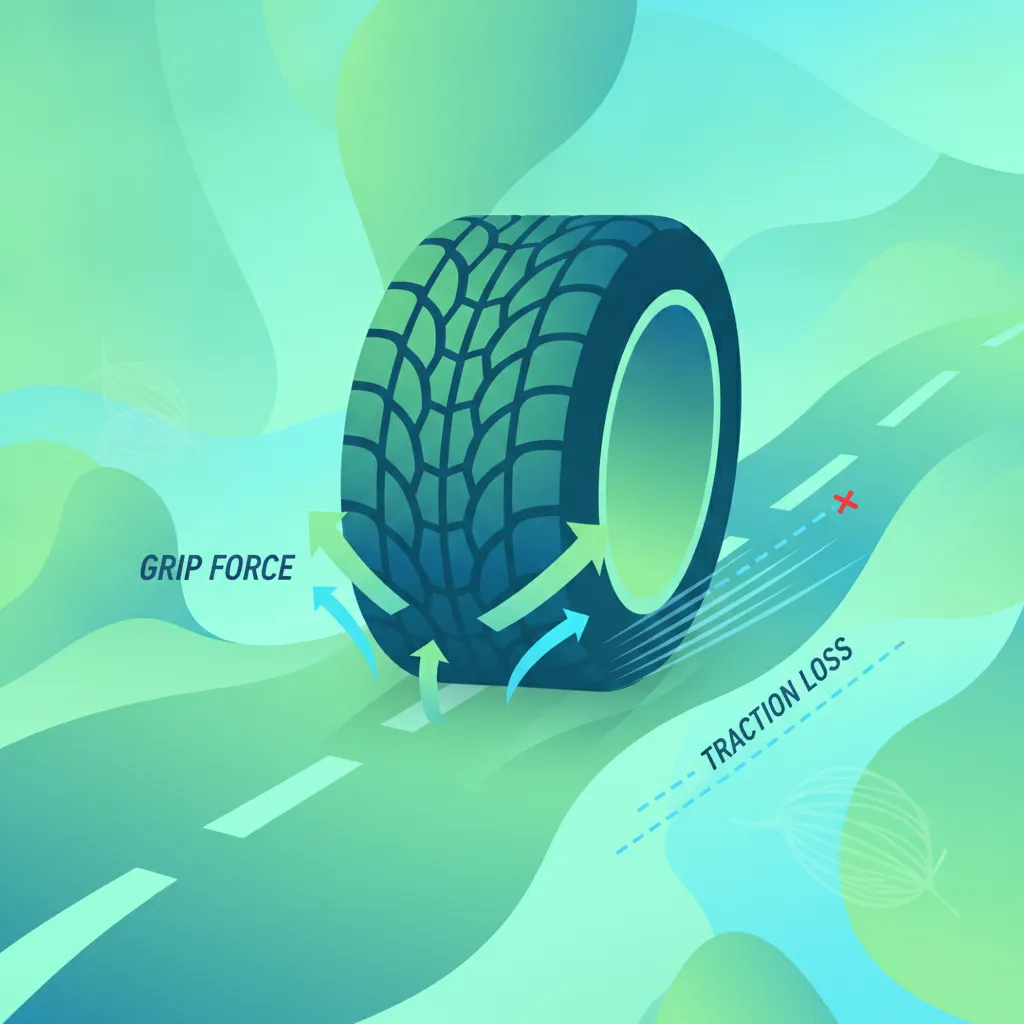
This lesson delves into the science of tyre traction, explaining how the small contact patch is critical for control. It examines how factors like tyre pressure, temperature, and road surface conditions (wet, dry, gravel) affect the available grip. Understanding the limits of traction is essential for knowing how hard a rider can safely brake or corner in any given situation.

This lesson explains the physics behind motorcycle braking, detailing why the front brake is responsible for the majority of stopping force due to forward weight transfer. It introduces the concept of progressive brake application to manage this weight shift and maximize tyre grip without locking a wheel. Understanding these core principles is the foundation for developing smooth and effective braking skills.

This lesson brings together many concepts by focusing on the mindset of an adaptive rider. It teaches how to constantly scan the environment and adjust speed, position, and control inputs in response to changing conditions like road surface, weather, or traffic density. The goal is to develop a proactive, flexible riding style that prioritizes safety and control in any situation.
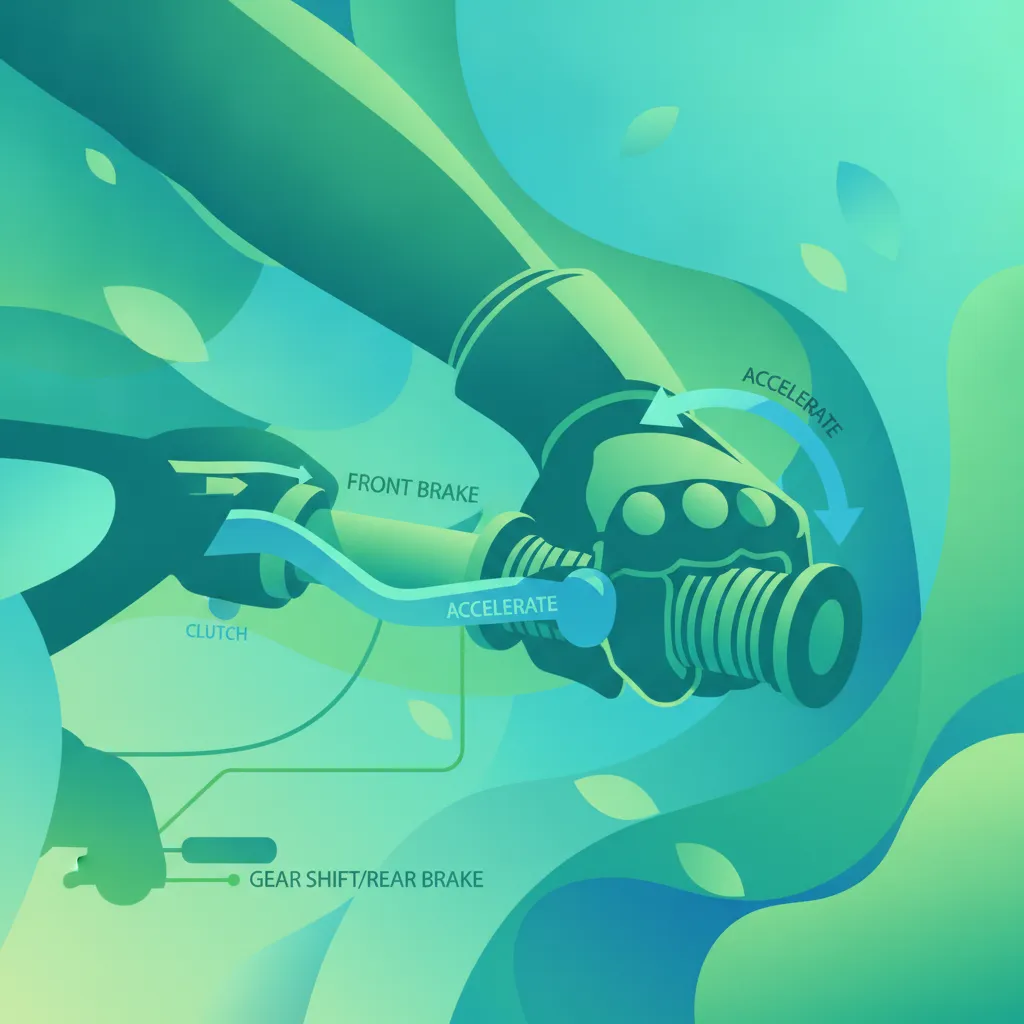
This lesson provides a functional overview of a motorcycle's essential controls, explaining the operation of the throttle, clutch, and gear selector. It differentiates between the front and rear braking systems and their roles in effective stopping. Learners will also identify handlebar switches for lights, indicators, and the horn, ensuring complete familiarity with the vehicle's interface for safe operation.

This lesson examines how adverse weather directly affects motorcycle safety. It explains how water on the road reduces tyre grip, increasing braking distances and the risk of aquaplaning. Strategies for riding in fog, dealing with reduced visibility from road spray, and identifying potential ice patches are covered to help riders manage weather-related risks.
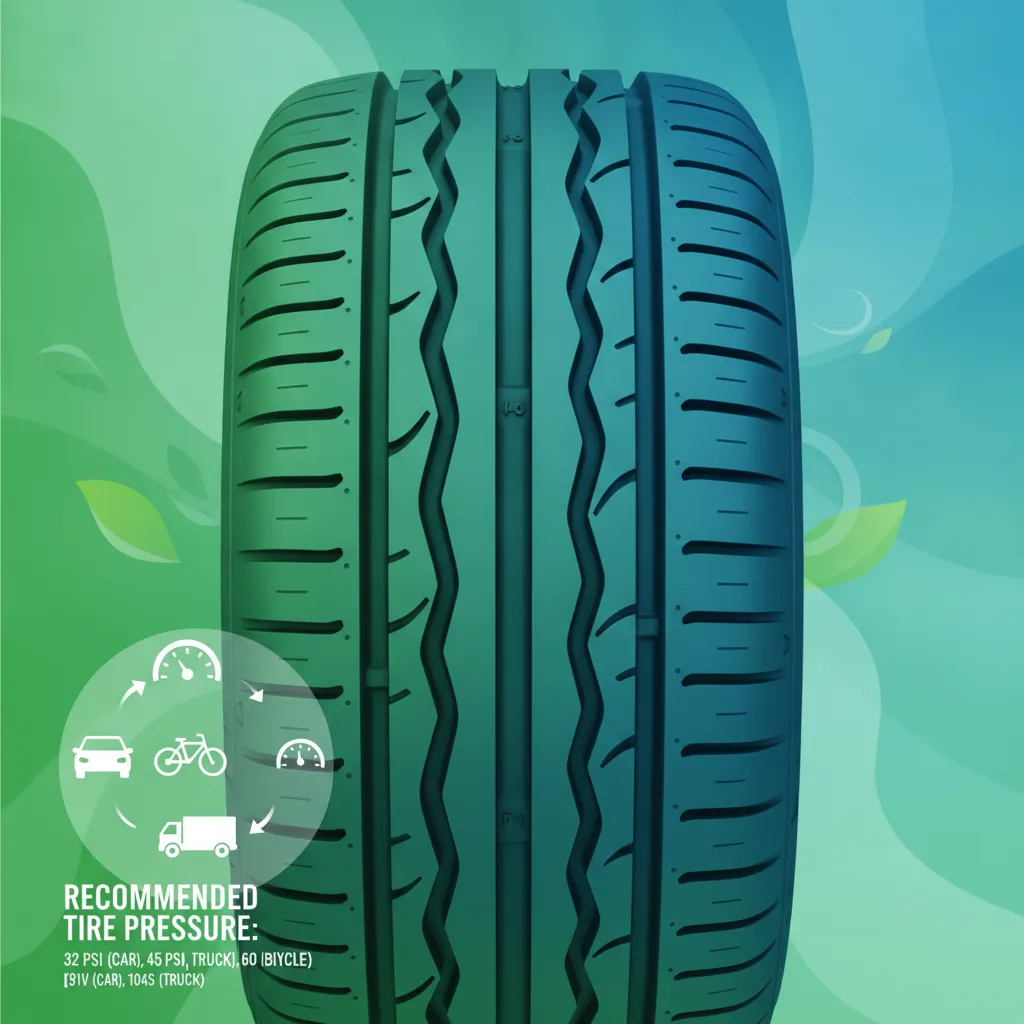
This lesson provides detailed information on heavy vehicle tyres, covering topics such as correct inflation pressures, legal tread depth requirements, and understanding the load index. It explains how to identify signs of abnormal wear or damage that could compromise safety. Proper tyre maintenance is crucial for optimal handling, braking, and overall vehicle safety.
Master essential theory for safely carrying passengers and luggage on your motorcycle in Austria. Covers pre-ride briefings, communication, load securing, and handling adjustments for a stable ride.
This lesson explains the significant impact of extra weight from a passenger or luggage on a motorcycle's dynamics. It covers how to properly secure loads to maintain a low center of gravity and the importance of instructing a passenger on how to lean with the bike. Riders will learn to adjust their braking, acceleration, and cornering techniques to compensate for the altered handling characteristics.

This lesson breaks down the overtaking maneuver into a safe, repeatable process: assess, signal, check, move, and return. It emphasizes the importance of ensuring a sufficient gap in oncoming traffic, checking mirrors and blind spots thoroughly, and maintaining a proper speed differential. Adherence to Austrian laws regarding where overtaking is prohibited is also covered in detail.

This lesson covers the essential personal protective equipment (PPE) required for motorcycling in Austria. It details the safety standards for helmets, including fit and certification, and explains the benefits of armored jackets, gloves, and sturdy boots. The importance of high-visibility and weather-appropriate gear is also discussed to enhance rider protection in all conditions.
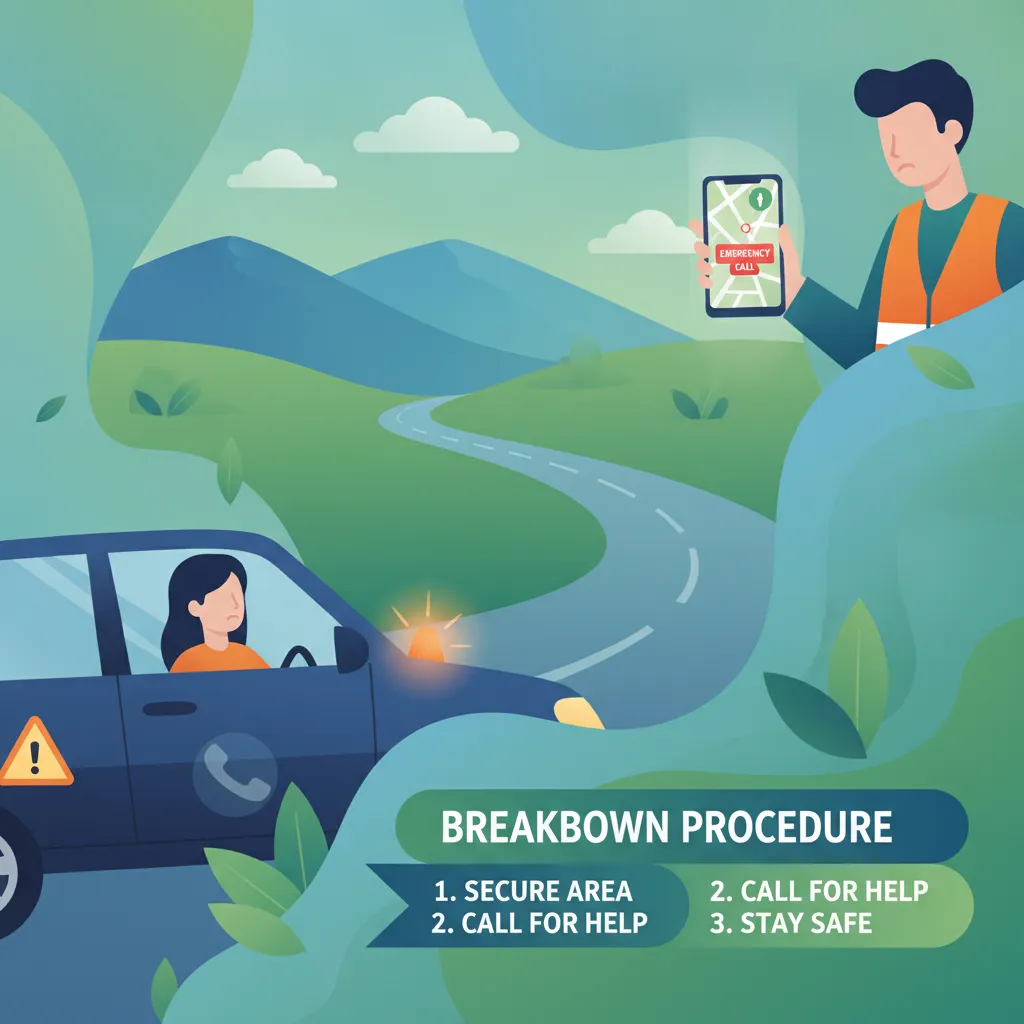
This lesson outlines the step-by-step safety protocol for a vehicle breakdown. It instructs the rider to move the motorcycle to the safest possible location, activate hazard lights, and put on a high-visibility vest. The proper placement of a warning triangle and the procedure for making an emergency call to 112 or a roadside assistance service are also detailed.

This lesson addresses the heightened vulnerability of motorcyclists and outlines essential strategies for personal safety and risk mitigation. It covers the importance of wearing certified protective gear, maintaining situational awareness, and adopting a defensive riding posture. By understanding and anticipating potential hazards in the Austrian traffic environment, riders can actively reduce their risk of accidents.
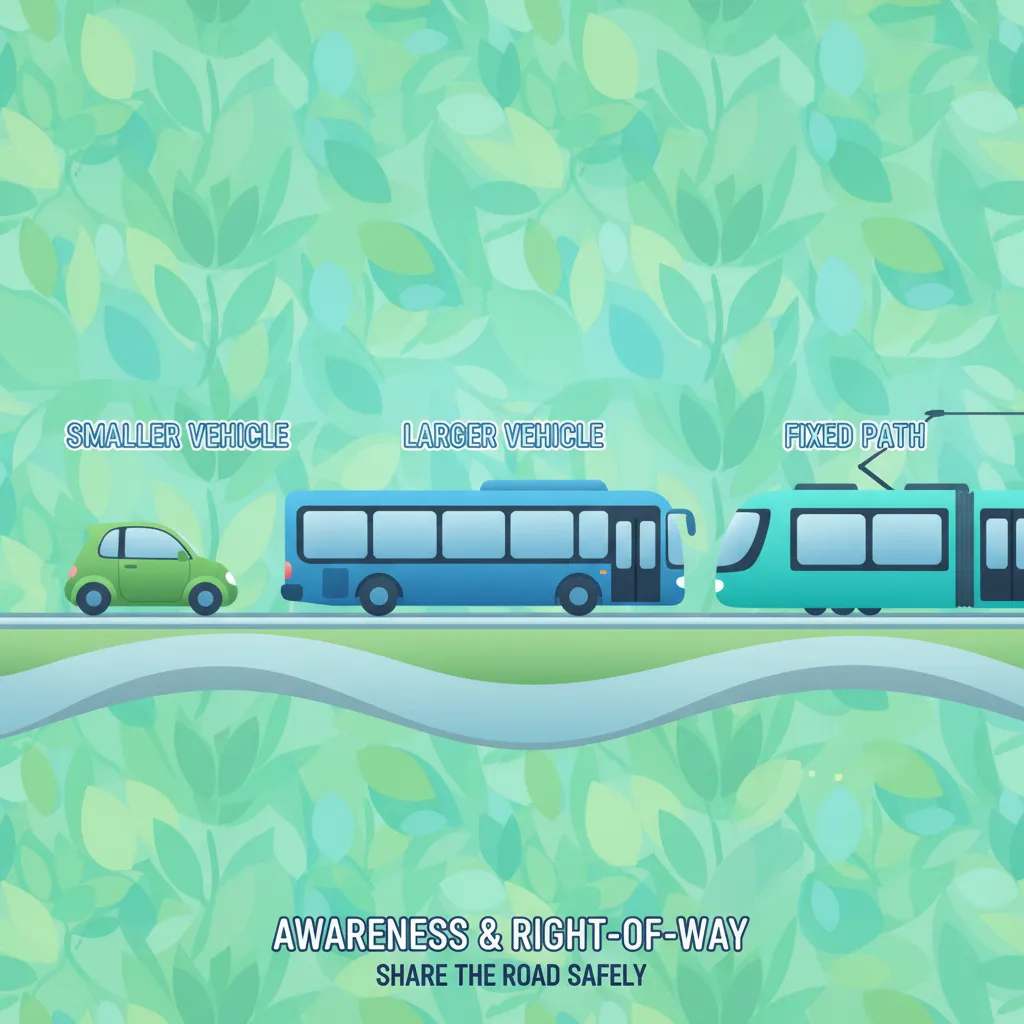
This lesson provides specific guidance for sharing the road with different types of vehicles in Austria. It covers the dangers of large vehicle blind spots, the rules for navigating near buses and dedicated tram tracks, and common conflict points at intersections. Understanding the behavior and limitations of other vehicles is key to safely navigating complex urban environments.

This lesson provides advice for navigating popular scenic routes, which often feature heavy traffic, cyclists, and distracted drivers. It emphasizes maintaining focus on the road despite beautiful scenery and anticipating unpredictable actions from other tourists who may stop suddenly. Adopting a patient and defensive mindset is key to safely enjoying these remarkable roads.

This lesson prepares riders for safely transiting through construction zones ('Baustellen'). It covers the interpretation of temporary signage, adherence to reduced speed limits, and awareness of hazards suchas altered lane markings, abrupt surface changes, and loose gravel. Respecting the safety of road workers and anticipating unpredictable traffic patterns are key themes.

This lesson provides essential knowledge for using Austria's high-speed road network. It covers the correct procedure for entering via acceleration lanes, maintaining strict lane discipline (keeping right, passing left), and understanding the digital or physical Vignette (toll sticker) requirement. The formation of the 'Rettungsgasse' (emergency corridor) during traffic jams is also a key topic.

This lesson focuses on the driver's legal and ethical responsibility for the safety of all passengers. It details the mandatory use of seatbelts for all occupants and provides a thorough explanation of Austrian regulations concerning child restraints. Learners will understand how to choose and correctly install the appropriate child seat based on a child's age, weight, and height, ensuring maximum protection in the event of a collision.
Find clear answers to common questions learners have about Riding with Passengers and Luggage. Learn how the lesson is structured, which driving theory objectives it supports, and how it fits into the overall learning path of units and curriculum progression in Austria. These explanations help you understand key concepts, lesson flow, and exam focused study goals.
Keeping luggage weight low maintains the motorcycle's centre of gravity, ensuring better stability during cornering and emergency maneuvers. Higher-mounted weight increases the risk of the bike feeling top-heavy and unpredictable.
Always instruct your passenger to keep their feet on the pegs at all times, to look over your shoulder in the direction of a turn, and to remain as still as possible to avoid disrupting the bike's balance.
Yes, significantly. The increased total weight requires more energy to stop, which means your braking distance will be longer. You must increase your following distance and begin braking earlier and more gently than when riding solo.
Yes, all luggage must be secured so that it does not shift, obstruct lights, or create hazards for other road users. Loads must not excessively exceed the motorcycle's dimensions or permitted weight limits.
Refine your study plan by searching for specific Austrian driving theory practice sets. Pinpoint questions related to particular road rules, signs, or challenge levels, and begin practicing immediately to reinforce your knowledge and excel in your official exam with confidence. Get started with focused revision today.