
Navigate Belgium's high-speed roads with confidence. This section covers crucial rules for autoroutes and the Brussels Ring (R0), focusing on speed limits, emergency lane formation (noodrijstrook), and lane discipline. Perfect your understanding for the Belgian theory exam and ensure safe driving on major routes.
Prepare for your Belgian theory test with focused practice questions on motorway driving rules. Master essential concepts like the 120 km/h speed limit, emergency lane procedures, and lane discipline specific to Belgian autoroutes. Targeted revision ensures you understand critical exam topics and avoid common learner mistakes.

Don't be too slow! Master motorway minimum speeds and slow vehicle obligations for Belgian roads.
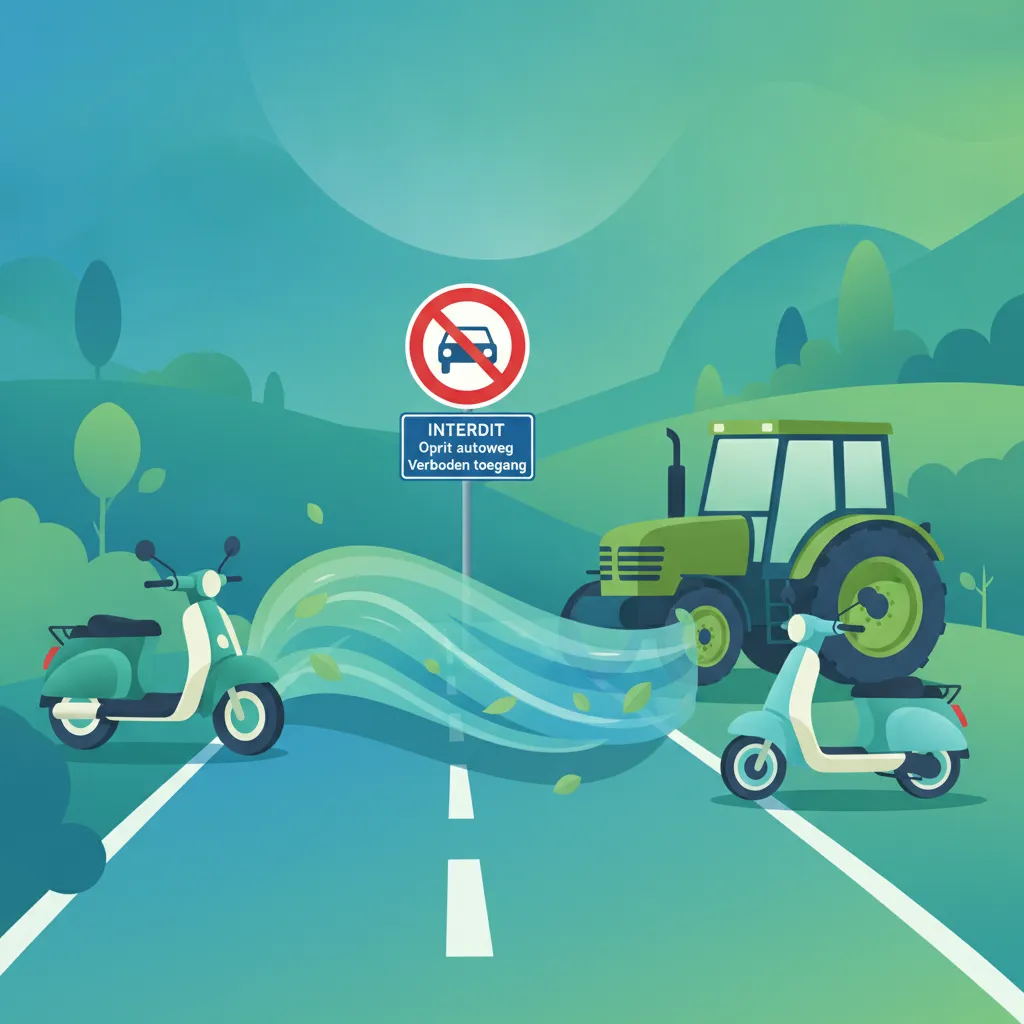
Master Belgian Motorway Entry Rules and Avoid Prohibited Vehicle Mistakes!

Master Safe Merging for Your Belgian Driving Exam

Stay in Your Lane: Master Belgian Motorway Overtaking Rules
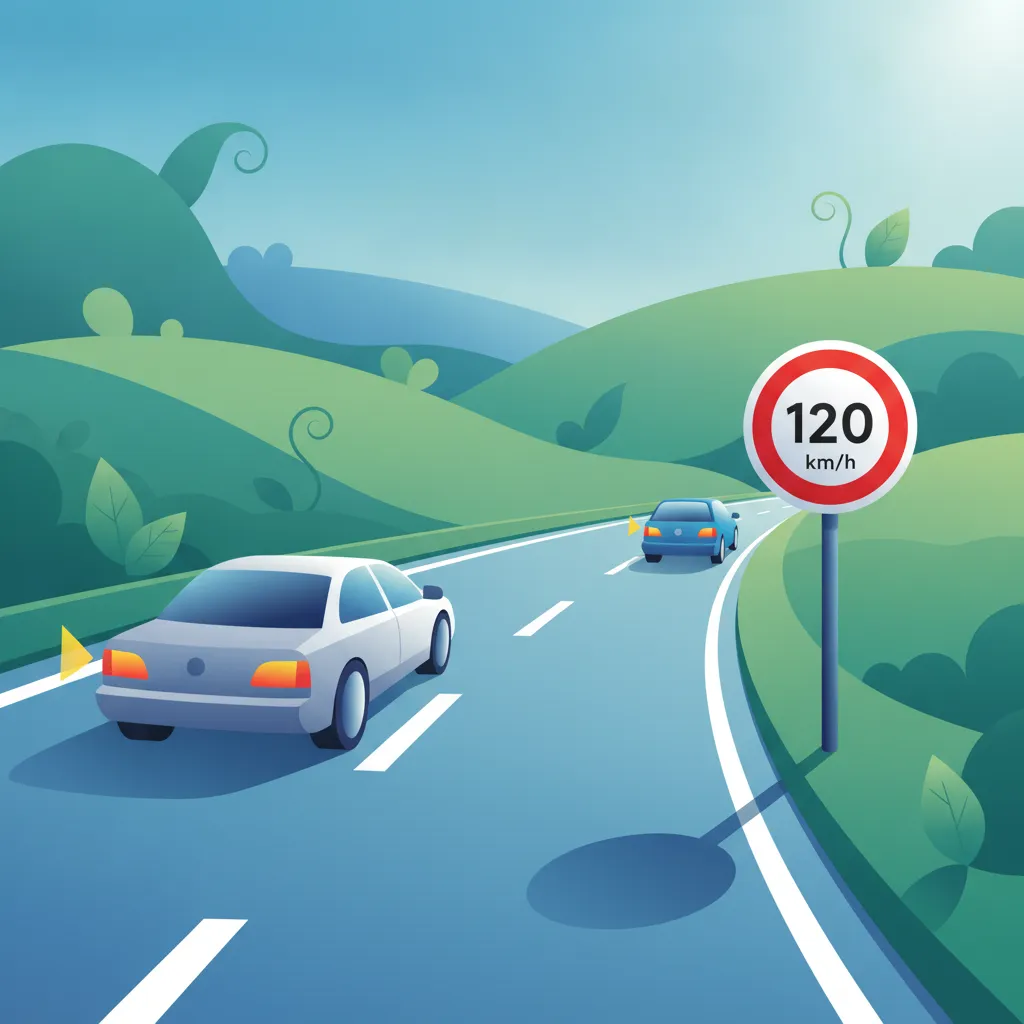
Navigate Belgian Motorways with Confidence and Pass Your Theory Exam.
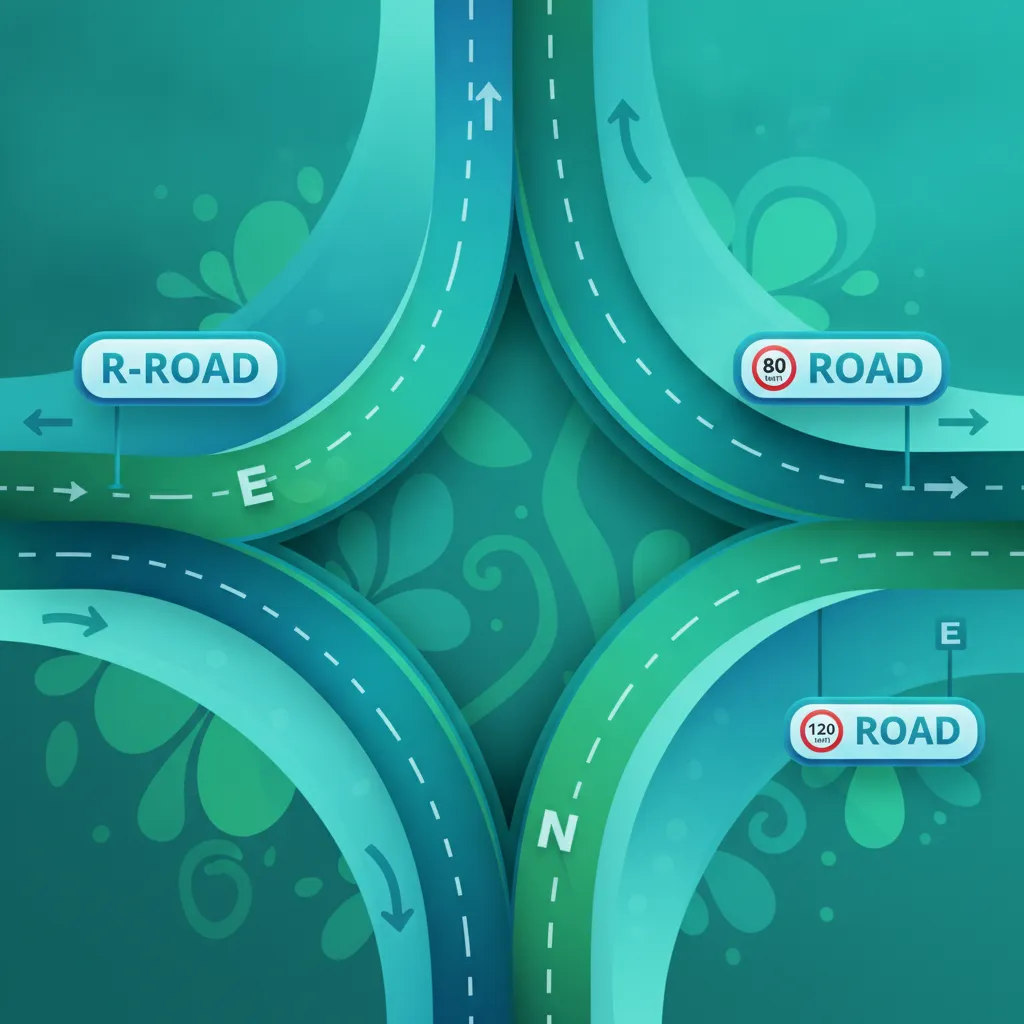
Master Belgian Road Classifications and Drive with Confidence

Navigate Belgian Motorway Traffic Jams Safely and Legally

Master Belgian Hard Shoulder Rules for a Safer Drive and Exam Pass.
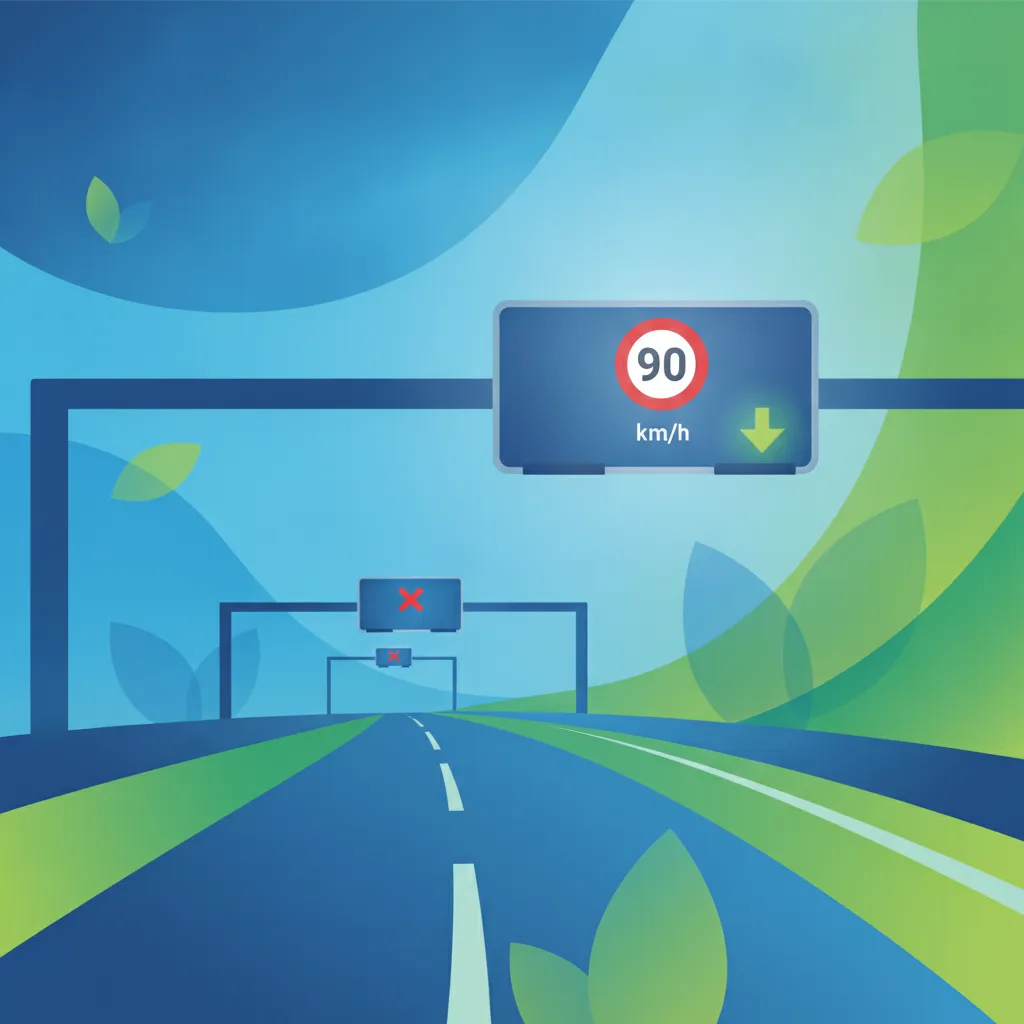
Master Belgian Motorway Gantry Signs to Drive Safely and Avoid Fines.
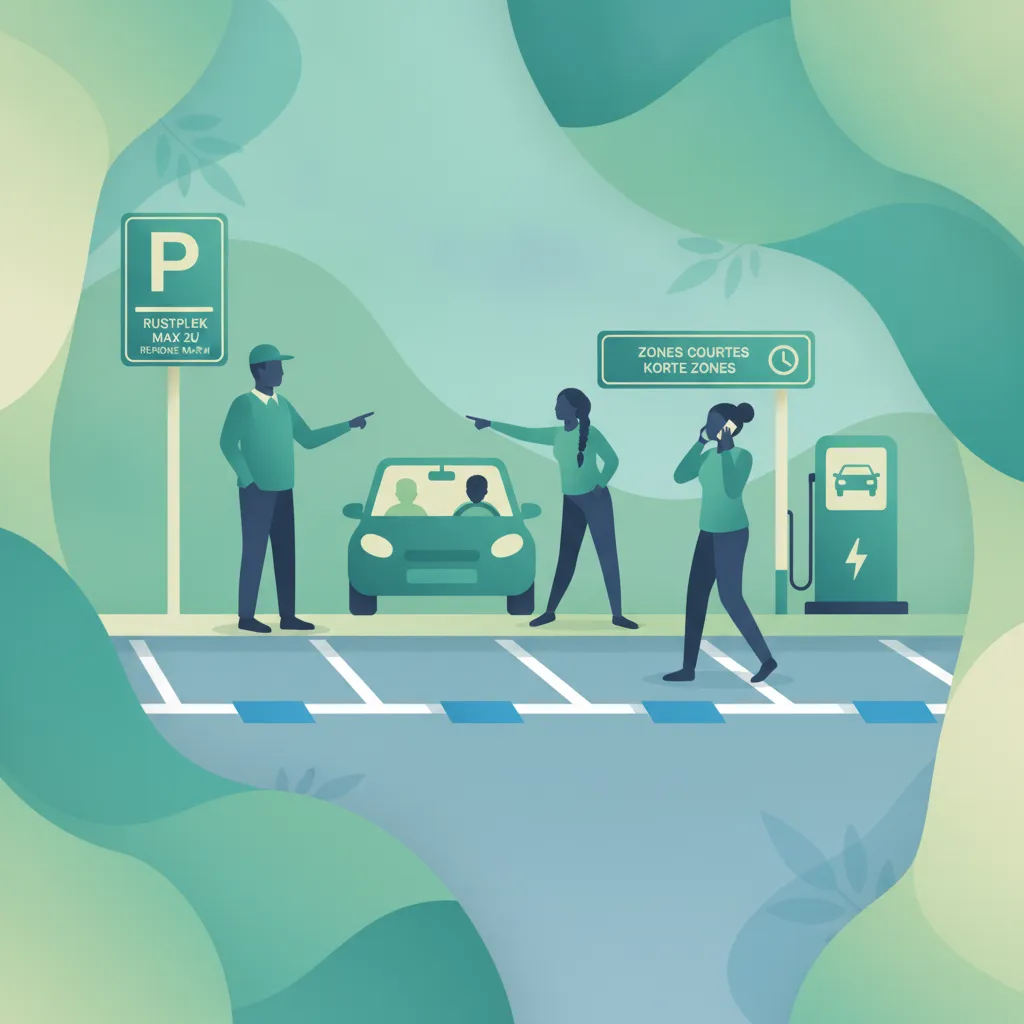
Master the essential rules for safe and compliant stops on Belgian motorways.
Mastering Belgian motorway rules is crucial for passing the theory exam and ensuring safety on high-speed roads like the E40 or Brussels Ring. Targeted practice helps you understand critical concepts like emergency lanes and speed limits, leading to fewer errors and a higher chance of success.
Learners in Belgium choose Belgian Motorway Driving Rules practice to prepare for realistic exam questions and difficult scenarios that often appear in the official theory test. This category is popular because it helps strengthen rule knowledge, reduce common mistakes, and build confidence before taking the Belgian driving theory exam.
All practice sets available
Practice sets in Belgian Motorway Driving Rules
Practising Belgian Motorway Driving Rules helps you understand key rules and situations tested in the Belgian driving theory exam in Belgium.
Get answers to common questions learners have about practising Belgian Motorway Driving Rules. This section highlights what is tested, how practice helps, and how to improve your results for the Belgian driving theory exam in Belgium.
Key differences include the general 120 km/h speed limit on most motorways (not 130 km/h), the mandatory formation of an emergency lane (noodrijstrook/couloir de secours) in traffic jams, and specific lane usage rules, especially on the congested Brussels Ring (R0).
This category directly addresses questions frequently appearing on the Belgian driving theory exam related to motorway safety, speed limits, lane changes, and emergency procedures. Mastering these topics increases your chances of passing.
The 'noodrijstrook' is crucial for allowing emergency vehicles rapid access to accident sites. Failing to form this lane correctly is a serious traffic violation and a common topic in the Belgian theory test, assessing your understanding of emergency response.
Yes, the Brussels Ring (R0) is one of Europe's busiest motorways and has specific rules regarding lane usage, especially in dense traffic and during peak hours, to manage congestion and ensure safety. These are vital for the theory exam.
Belgian law mandates using the rightmost lane whenever you are not actively overtaking another vehicle. This rule is essential for traffic flow and safety on all motorways and is a common point tested in the driving theory exam.
Explore other practice categories connected to Belgian Motorway Driving Rules. These sections help you practise additional topics, strengthen your understanding of driving theory in Belgium, and prepare more completely for the theory exam.
Strengthen your Belgian driving theory knowledge by diving into targeted practice. Select any category from this overview to begin exercises immediately. Focus on areas where you need improvement, such as specific road signs, priority rules, or hazard perception, to build confidence for your official Belgian driving licence exam.