
Obtaining a motorcycle licence in Denmark involves a mandatory curriculum of both theory and practical lessons designed to ensure rider safety. By understanding the required training modules and the necessary administrative preparation, such as medical documentation, you can better manage the duration of your licensing journey. This guide helps you navigate the system effectively from initial application to your final practical test.
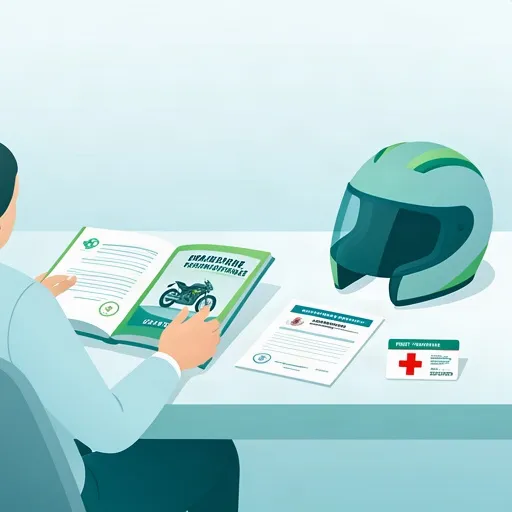
Article content overview
Obtaining a motorcycle licence in Denmark is a structured process that requires dedication, administrative preparation, and a commitment to mastering both theoretical knowledge and practical riding skills. For many learners, the journey from their first theory lesson to holding a valid licence takes between four and eight weeks. This timeline is heavily influenced by how quickly you can complete your mandatory documentation, your availability for lessons, and the waiting times at the local municipal office and the driving test centers.
The Danish road law requires all applicants to undergo a comprehensive training program. This curriculum is designed to ensure that you are fully prepared for the varied challenges of riding on public roads, ranging from urban traffic in busy cities to high-speed motorway driving.
The training is divided into five specific modules. Each module combines theoretical insights with practical application to ensure a deep understanding of traffic rules. For instance, you will spend a significant amount of time learning about priority, road markings, and hazard perception. This process involves at least 29 theoretical lessons and a minimum of 22 practical lessons, ensuring you have enough experience before you step into the practical driving test.
One of the most frequent causes of delay in the licensing process is incomplete or late administrative documentation. Before you can even book your theory test, you must have your medical certificate and first-aid certificate ready. It is essential to ensure that your medical certificate is less than six months old at the time you hand in your application to the municipality.
If you are not a citizen of a Nordic country or an EU/EEA member, you must also provide valid documentation of your residence permit. Ensuring these documents are in order early in your training will save you weeks of potential waiting time and administrative back-and-forth, allowing you to focus entirely on your studies.
Denmark classifies motorcycle licences into three specific categories based on engine power and your age at the time of the test. Understanding these categories is vital for planning your training schedule.
| Category | Definition | Minimum Age |
|---|---|---|
| A1 | Small motorcycle | 18 years |
| A2 | Medium motorcycle | 20 years |
| A | Large motorcycle | 24 years |
To complete your training within the shorter end of the 4–8 week window, consistent study and proactive scheduling are essential. Use your theory lessons to actively engage with the material rather than simply attending; understanding the logic behind Danish traffic conventions makes the theory exam significantly easier.
Additionally, stay in close communication with your driving instructor regarding the booking of the technical driving facility and the final practical test. Test centers can experience high demand, so booking your exam date as soon as you are permitted to do so is a strategic move that helps you avoid unnecessary gaps in your learning progress.
Obtaining a motorcycle licence in Denmark follows a structured 5-module curriculum requiring at least 29 theory lessons and 22 practical lessons, typically completed in 4-8 weeks. Key prerequisites include a current medical certificate (Lægeattest), a traffic-specific first-aid course (Færdselsrelateret førstehjælp), and submission of form KK 001 to Borgerservice. The process is overseen by Færdselsstyrelsen, which administers both the Teoriprøve and Køreprøve for A1, A2, and A licence categories, each with distinct age and engine power requirements. Proactive documentation and early test booking are essential to avoid delays in this sequential licensing process.
A short set of high-value points that capture the most important ideas from this article.
The Danish motorcycle licence process requires completing 5 mandatory training modules combining theory and practical riding skills
You must pass both the theory test (Teoriprøve) and practical test (Køreprøve) administered by Færdselsstyrelsen before receiving your licence
The entire licensing process typically takes 4 to 8 weeks depending on documentation readiness and test availability
You can begin training before reaching minimum age but cannot take the practical test until you meet the age requirement for your category
The licensing process includes at minimum 29 theoretical lessons and 22 practical lessons covering priority, road markings, and hazard perception
Your medical certificate must be less than six months old when you submit your application to Borgerservice
Denmark has three motorcycle categories: A1 (18+, small bikes), A2 (20+, medium bikes), and A (24+, large bikes)
Non-EU/EEA applicants must provide valid residence permit documentation alongside other requirements
The mandatory first-aid course is specifically tailored to traffic-related accident scenarios (Færdselsrelateret førstehjælp)
Booking your test date as soon as you are eligible helps avoid delays caused by high demand at test centres
Underestimating administrative preparation time - documents are required before you can even book the theory test
Assuming you can take the practical test on your birthday without confirming you meet all eligibility criteria
Not scheduling the test date early enough, leading to unnecessary gaps in learning momentum
Forgetting that the medical certificate has a six-month validity window, causing re-examination delays
Skipping engagement with theory material and relying solely on attendance rather than understanding the logic behind Danish traffic conventions
Article content overview
A short set of high-value points that capture the most important ideas from this article.
The Danish motorcycle licence process requires completing 5 mandatory training modules combining theory and practical riding skills
You must pass both the theory test (Teoriprøve) and practical test (Køreprøve) administered by Færdselsstyrelsen before receiving your licence
The entire licensing process typically takes 4 to 8 weeks depending on documentation readiness and test availability
You can begin training before reaching minimum age but cannot take the practical test until you meet the age requirement for your category
The licensing process includes at minimum 29 theoretical lessons and 22 practical lessons covering priority, road markings, and hazard perception
Your medical certificate must be less than six months old when you submit your application to Borgerservice
Denmark has three motorcycle categories: A1 (18+, small bikes), A2 (20+, medium bikes), and A (24+, large bikes)
Non-EU/EEA applicants must provide valid residence permit documentation alongside other requirements
The mandatory first-aid course is specifically tailored to traffic-related accident scenarios (Færdselsrelateret førstehjælp)
Booking your test date as soon as you are eligible helps avoid delays caused by high demand at test centres
Underestimating administrative preparation time - documents are required before you can even book the theory test
Assuming you can take the practical test on your birthday without confirming you meet all eligibility criteria
Not scheduling the test date early enough, leading to unnecessary gaps in learning momentum
Forgetting that the medical certificate has a six-month validity window, causing re-examination delays
Skipping engagement with theory material and relying solely on attendance rather than understanding the logic behind Danish traffic conventions
Explore related topics, search based questions, and concepts that learners often look up when studying Danish Motorcycle Licence Timeline. These themes reflect real search intent and help you understand how this topic connects to wider driving theory knowledge in Denmark.
Find clear and practical answers to common questions learners often have about Danish Motorcycle Licence Timeline. This section helps explain difficult points, remove confusion, and reinforce the key driving theory concepts that matter for learners in Denmark.
While the intensive training period can take about 4 weeks, the total duration often ranges from 4 to 8 weeks depending on individual progress and the availability of practical test slots at local centers.
You must submit an application to Borgerservice along with proof of identity, a passport-sized photo, a valid medical certificate from your GP (less than 6 months old), and a certificate of completed traffic-related first aid.
The age requirements are 18 years for category A1 (small), 20 years for A2 (medium), and 24 years for category A (large motorcycles).
The mandatory training includes at least 30 theoretical lessons and 22 practical lessons, distributed across 5 specific modules covering both track and road experience.
Continue your learning journey by searching for additional articles or browsing our comprehensive topic categories. Deepen your knowledge of Danish road law, vehicle mechanics, and hazard perception to ensure complete preparation for your official theory exam.