
This unit is crucial for any heavy vehicle driver operating in Denmark. We'll explore the vital principles of correctly distributing and securing cargo, focusing on how load placement directly affects vehicle stability and the risk of accidents. Mastering these concepts is key to passing your C license theory test and driving safely.
Browse all lessons that make up Load Distribution, Load Securing and Stability. Each lesson focuses on specific topics, learning objectives, and core concepts, helping you build essential knowledge and follow a clear, structured progression toward your study goals in Denmark.
This lesson explains the fundamental physics of load distribution and its direct impact on a heavy vehicle's centre of gravity. It details how the positioning of cargo—whether high, low, forward, or back—alters handling characteristics and overall stability. The content emphasizes the importance of achieving a balanced load to minimize rollover risk and comply with Danish regulations for safe weight distribution.
This lesson provides practical instruction on various methods for securing cargo effectively. It covers the correct application of equipment such as straps, chains, and nets, as well as techniques like blocking and bracing to prevent load movement. The content is aligned with Danish and European standards for load securing, ensuring learners understand how to inspect and verify that their cargo is safe for transport.
This lesson examines the primary factors that contribute to heavy vehicle instability and the risk of rollover. It explains how high-speed cornering, sudden maneuvers, and improperly secured loads can create dangerous lateral forces that compromise vehicle stability. Learners will understand how to identify high-risk situations and apply preventive driving techniques to maintain control and adhere to Danish safety guidelines.
Explore high-intent keywords and long-tail search topics learners use when researching Load Distribution, Load Securing and Stability. These terms reflect how people search for reliable study materials, structured explanations, and unit-level theory preparation support in Denmark.
Find clear answers to the most common questions learners ask about Load Distribution, Load Securing and Stability. Understand how the unit is organized, what learning goals it supports, and how it contributes to your study progression with structured explanations and practical guidance tailored for learners in Denmark.
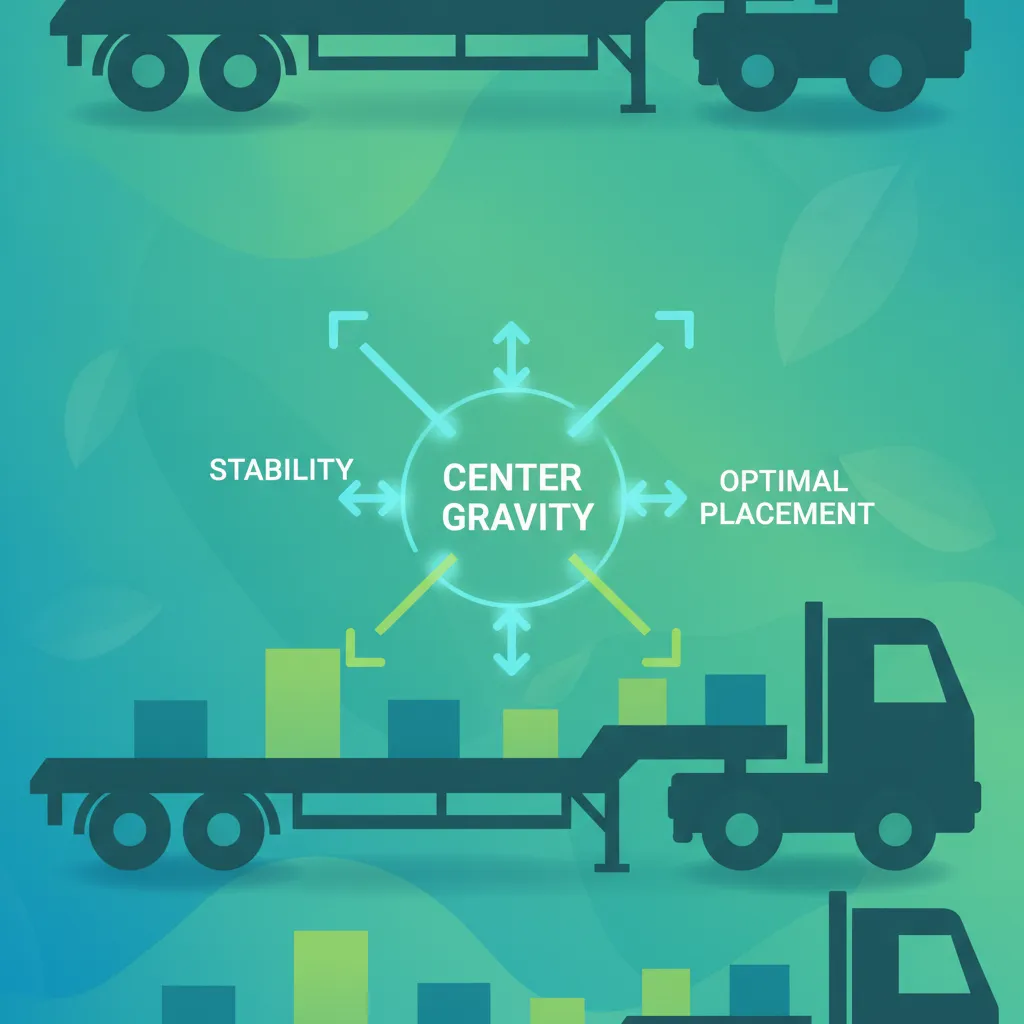
The most critical factor for stability is the placement of the load. Ensuring the load is centred as much as possible and kept as low as feasible will help maintain a stable centre of gravity. Improperly placed or unbalanced loads can significantly increase the risk of rollover, especially during turns or sudden manoeuvres.
Danish law requires that cargo must be secured in such a way that it cannot shift, fall, or obstruct traffic under normal driving conditions. This means using appropriate securing devices like straps, chains, or bracing, and ensuring they are correctly tensioned and positioned to prevent movement in all directions.
A lower centre of gravity generally increases stability, making the vehicle less prone to tipping. When a load is placed high or unevenly, the centre of gravity shifts upwards and outwards, making the vehicle more susceptible to rollover, especially on curves or uneven road surfaces. Proper load distribution aims to keep the centre of gravity as low and central as possible.
Common methods include lashing with straps or chains, blocking and bracing to prevent movement, and using tarpaulins to cover and secure lighter, loose items. The method chosen depends on the type of cargo, its shape, weight, and the vehicle's structure. It’s crucial that securing points are strong and correctly utilized.
Load shifting is a major safety hazard. If cargo moves during transit, it can dramatically alter the vehicle's balance, making it difficult or impossible to control. This can lead to swerving, jack-knifing, or a complete loss of control, potentially causing severe accidents and rollovers.
Detailed information can be found on the Færdselsstyrelsen (Danish Road Safety Agency) website and in official Danish driving theory materials. This unit provides a solid foundation, but consulting the official sources ensures you have the most up-to-date and complete regulatory details.
All included lessons
Lessons in Load Distribution, Load Securing and Stability
See who benefits most from studying Load Distribution, Load Securing and Stability. This overview explains how the unit supports different learning needs, what level of knowledge is helpful before starting, and how it fits into the overall study path in Denmark.
This unit is specifically designed for drivers pursuing their Danish Category C, C1, C, or CE license. It is essential for anyone who will be responsible for transporting goods in heavy vehicles, helping them understand the practical and legal implications of cargo management.

Begin your official Danish driving licence preparation today by exploring our comprehensive curriculum. Choose a structured course that suits your learning style and progress confidently through all traffic rules, road signs, and practical scenarios required for your exam.
Browse Driving Theory CoursesExplore all units and lessons included in this driving theory course.
Begin your official Danish driving licence preparation today by exploring our comprehensive curriculum. Choose a structured course that suits your learning style and progress confidently through all traffic rules, road signs, and practical scenarios required for your exam.
Browse Driving Theory Courses