
This unit delves into the critical aspects of braking systems and speed control for heavy vehicles (Category C licence). You will understand the mechanics of service and parking brakes, explore auxiliary systems like retarders, and learn how air pressure management impacts safety. Mastering these concepts is vital for safe operation and passing your Danish theory exam.
Browse all lessons that make up Brakes, Air Systems, Speed Control and Stopping Distance. Each lesson focuses on specific topics, learning objectives, and core concepts, helping you build essential knowledge and follow a clear, structured progression toward your study goals in Denmark.
This lesson introduces the primary components of heavy vehicle braking systems, distinguishing between service, parking, and auxiliary brakes like retarders. It explains the mechanical and pneumatic principles behind how these systems operate to safely slow and stop a large vehicle. Understanding the function of each component is essential for proper use, maintenance, and compliance with Danish braking regulations.
This lesson focuses on the critical task of managing the air pressure within a pneumatic brake system. It details the function of key components such as the air compressor, air tanks, and regulators, explaining how to interpret air pressure gauges correctly. Learners will understand the purpose of safety devices that provide warnings in case of pressure loss, which is vital for preventing brake failure.
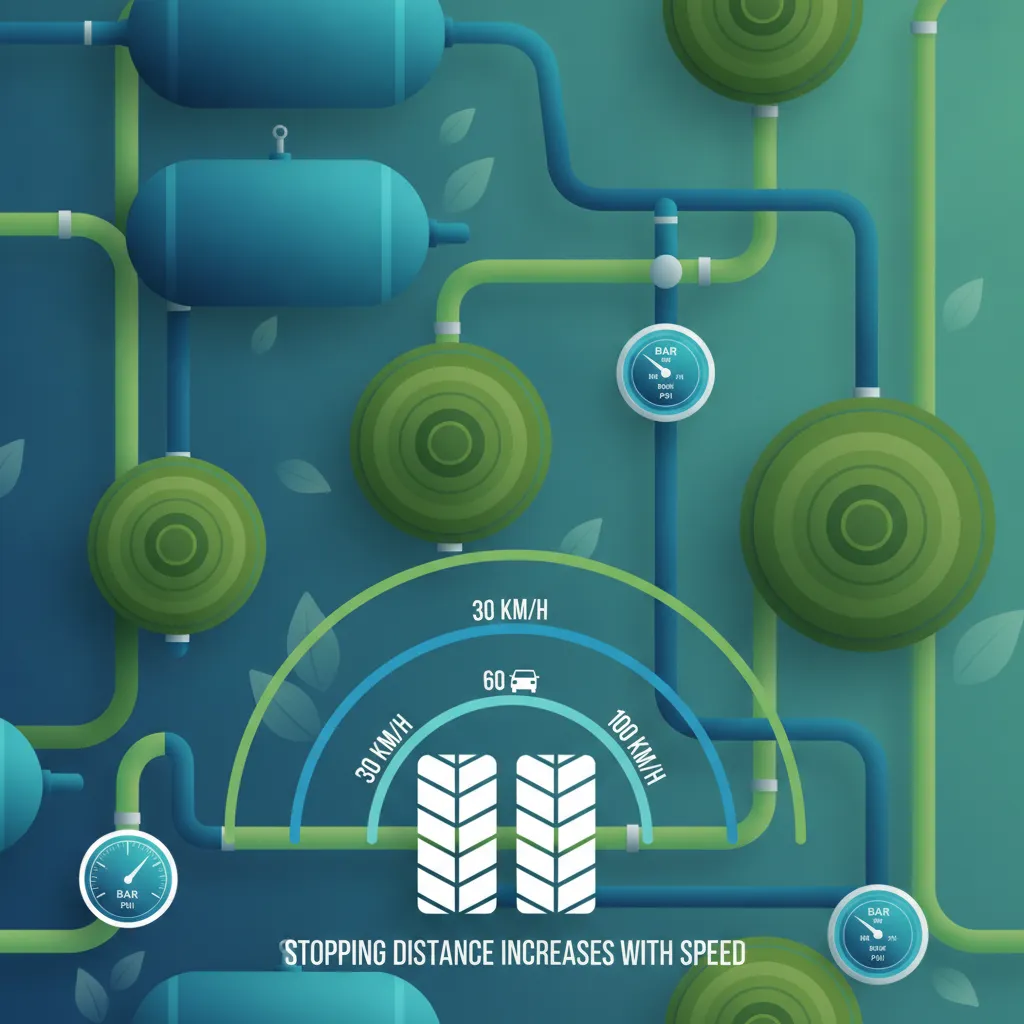
This lesson explores the direct relationship between a vehicle's mass, its speed, and the distance required to stop. It explains how increased load significantly lengthens the braking distance and details how road conditions like gradient and surface friction further affect this calculation. Learners will understand the importance of anticipating stops and maintaining a greater following distance to ensure safety.
This lesson teaches the proper application of auxiliary speed control devices, such as retarders and engine brakes. It focuses on their use for maintaining a safe, controlled speed on long downhill gradients, which helps prevent service brake overheating and fade. The content also covers Danish regulations related to these systems and their benefits for reducing brake wear and improving overall safety.
Explore high-intent keywords and long-tail search topics learners use when researching Brakes, Air Systems, Speed Control and Stopping Distance. These terms reflect how people search for reliable study materials, structured explanations, and unit-level theory preparation support in Denmark.
Find clear answers to the most common questions learners ask about Brakes, Air Systems, Speed Control and Stopping Distance. Understand how the unit is organized, what learning goals it supports, and how it contributes to your study progression with structured explanations and practical guidance tailored for learners in Denmark.
The service brake is the primary braking system used during normal driving, typically activated by the brake pedal. The parking brake, also known as the emergency or spring brake, is designed to hold the vehicle stationary when parked and can also function as an emergency brake if the service brake fails. Proper understanding of both is crucial for the theory exam.
Heavy vehicles rely on compressed air to operate their brakes. Maintaining sufficient air pressure is critical for the system to function correctly. Low air pressure can lead to weak braking performance or complete brake failure, which is a common topic in theory tests related to safety devices and air system management.
Brake fade is a dangerous condition where the braking system's effectiveness decreases significantly, usually due to overheating from prolonged or heavy use. This can happen on long descents. Recognizing the signs and knowing how to prevent it by using engine brakes or retarders is a key exam topic.
A heavier load significantly increases a vehicle's stopping distance. The increased mass requires more force and time to slow down. Understanding this relationship is vital for safe driving and is frequently tested in the C licence theory exam, often involving calculations or scenario-based questions.
Retarders and engine brakes are auxiliary systems that help slow the vehicle without using the main service brakes, thus reducing wear and preventing overheating. They are particularly useful on long downhill gradients or when anticipating a need to slow down gradually. Knowing when and how to use them effectively is important for the exam.
Yes, Danish traffic law specifies requirements for the maintenance and functionality of braking systems on heavy vehicles to ensure road safety. Your theory exam will cover these regulations, focusing on compliance with Danish standards for service, parking, and auxiliary braking systems.
All included lessons
Lessons in Brakes, Air Systems, Speed Control and Stopping Distance
See who benefits most from studying Brakes, Air Systems, Speed Control and Stopping Distance. This overview explains how the unit supports different learning needs, what level of knowledge is helpful before starting, and how it fits into the overall study path in Denmark.
This unit is essential for all drivers preparing for the Danish Category C heavy vehicle driving licence theory exam. It is particularly beneficial for those who need a thorough understanding of complex braking systems, air pressure management, and the physics of stopping distance, ensuring they can handle large vehicles safely and pass their exam.

Begin your official Danish driving licence preparation today by exploring our comprehensive curriculum. Choose a structured course that suits your learning style and progress confidently through all traffic rules, road signs, and practical scenarios required for your exam.
Browse Driving Theory CoursesExplore all units and lessons included in this driving theory course.
Begin your official Danish driving licence preparation today by exploring our comprehensive curriculum. Choose a structured course that suits your learning style and progress confidently through all traffic rules, road signs, and practical scenarios required for your exam.
Browse Driving Theory Courses