
Proper tyre maintenance is a cornerstone of vehicle safety and a frequent topic in the French ETG theory exam. You will learn the legal minimums for tread depth, how to use built-in wear indicators effectively, and why these standards are vital for maintaining grip during wet weather conditions on French roads.
Article content overview
For any driver preparing for the French ETG (Épreuve Théorique Générale), understanding the legal and safety requirements surrounding your vehicle's tyres is non-negotiable. Tyres are the only point of contact between your vehicle and the road surface, making them a primary component of road safety. In the French driving theory exam, you will frequently encounter questions regarding tyre maintenance, tread depth, and how to identify when a tyre is no longer fit for service.
The Code de la route is very specific regarding the condition of tyres to ensure maximum grip and control. The absolute minimum legal tread depth for a passenger vehicle (Category B) in France is 1.6 millimetres across the entire width of the tread. If the tread depth falls below this limit, the tyre is considered dangerous, and the vehicle can be impounded or subject to significant fines.
Maintaining the correct depth is particularly critical when driving in adverse weather conditions. As tread depth decreases, the tyre’s ability to evacuate water from beneath the contact patch is significantly reduced, which directly increases the risk of aquaplaning. Even if your tyres appear to be in good condition, they must be checked regularly to avoid the severe loss of traction that leads to road accidents.
Driving with tyres that have a tread depth of less than 1.6mm is an offence punishable by a fine and the potential immobilization of your vehicle. Regularly checking your tyres is a mandatory part of being a responsible driver in France.
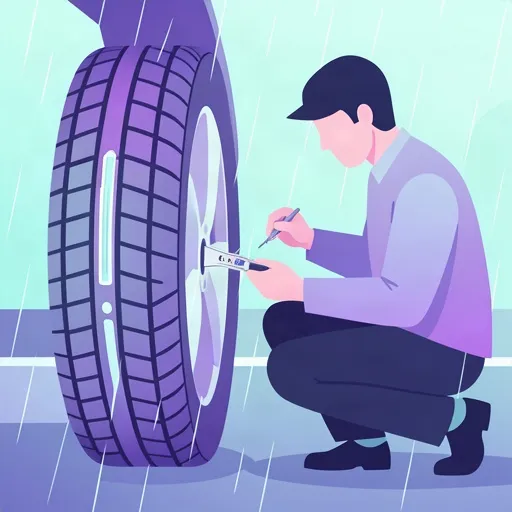
You do not need specialized tools to determine if your tyres are reaching their legal limit. All modern tyres are manufactured with "tread wear indicators," which are small, raised rubber bridges found within the main grooves of the tyre. These indicators are typically located at the base of the tread pattern.
When the surface of the tyre tread wears down to the level of these indicators, the tyre has reached the minimum legal limit of 1.6 millimetres. In the exam, you may be presented with images or scenarios showing these indicators; knowing exactly what they are and how to interpret their visibility is a fundamental skill for passing your theory test. If you see the indicators are flush with the tread, you must replace the tyre immediately.
Beyond the legal requirement, proper maintenance involves monitoring for irregular wear, cuts, or bulges on the sidewalls. Irregular wear can often indicate an issue with your vehicle's alignment or suspension system, which should be corrected to prolong the life of your tyres. Additionally, checking tyre pressure is just as vital as checking tread depth; incorrect pressure can cause the tyre to heat up excessively, deform, or wear out unevenly.
Following the manufacturer’s recommendations for pressure—often found on a sticker inside the driver’s side door jamb or in the vehicle manual—ensures that your car handles predictably in emergencies. Remember that you should generally check your tyre pressure when the tyres are "cold," meaning the vehicle has not been driven for at least two hours or has been driven for less than three kilometres at low speed.
The French theory exam tests your knowledge of how vehicle condition interacts with environmental factors. You will be expected to know that worn tyres lead to longer braking distances and less stability in corners. If you are asked about safety during heavy rain, always prioritize the check of tyre condition as a defensive driving measure.
This article covers the mandatory 1.6mm minimum tread depth requirement for passenger vehicles in France as specified by the Code de la route, explaining why this standard is critical for maintaining grip and preventing aquaplaning. It teaches learners how to identify tyre wear indicators—the small raised bridges within tread grooves that signal when tyres have reached their legal limit—and emphasises that worn tyres result in longer braking distances and reduced cornering stability. The content provides a systematic five-step monthly inspection procedure covering tread depth, wear indicators, sidewall condition, pressure, and valve caps. Understanding these requirements is essential for passing the ETG theory exam and demonstrates responsible vehicle maintenance under French road law.
A short set of high-value points that capture the most important ideas from this article.
The legal minimum tread depth in France is 1.6mm across the entire width of the tyre for Category B vehicles
Tyres below this limit are illegal and can result in fines and vehicle immobilisation under the Code de la route
Tread wear indicators are built-in markers that show when tyres have reached the 1.6mm minimum depth
Reduced tread depth significantly increases aquaplaning risk because the tyre cannot evacuate water effectively
Tyre inspection must include tread depth, sidewall condition, and pressure—not just visual appearance
Tyre pressure must be checked when tyres are 'cold' (vehicle not driven for 2+ hours or less than 3km at low speed)
Wear indicators become visible when tread wears down to 1.6mm—flush indicators mean immediate tyre replacement required
Sidewall damage (bulges, cuts, cracks) is often unrepairable and constitutes a safety hazard
Manufacturer pressure values are found on the driver-side door jamb or in the vehicle manual
Irregular tread wear may indicate vehicle alignment or suspension problems that need correction
Assuming tyres are safe based on visual appearance without checking tread depth or wear indicators
Checking tyre pressure after driving when tyres are warm, giving inaccurate readings
Only checking tread depth at one point instead of across the entire tyre width
Overlooking sidewall damage, believing it only affects tyre aesthetics not safety
Delaying tyre replacement until tread is obviously worn rather than monitoring wear indicators regularly
Article content overview
A short set of high-value points that capture the most important ideas from this article.
The legal minimum tread depth in France is 1.6mm across the entire width of the tyre for Category B vehicles
Tyres below this limit are illegal and can result in fines and vehicle immobilisation under the Code de la route
Tread wear indicators are built-in markers that show when tyres have reached the 1.6mm minimum depth
Reduced tread depth significantly increases aquaplaning risk because the tyre cannot evacuate water effectively
Tyre inspection must include tread depth, sidewall condition, and pressure—not just visual appearance
Tyre pressure must be checked when tyres are 'cold' (vehicle not driven for 2+ hours or less than 3km at low speed)
Wear indicators become visible when tread wears down to 1.6mm—flush indicators mean immediate tyre replacement required
Sidewall damage (bulges, cuts, cracks) is often unrepairable and constitutes a safety hazard
Manufacturer pressure values are found on the driver-side door jamb or in the vehicle manual
Irregular tread wear may indicate vehicle alignment or suspension problems that need correction
Assuming tyres are safe based on visual appearance without checking tread depth or wear indicators
Checking tyre pressure after driving when tyres are warm, giving inaccurate readings
Only checking tread depth at one point instead of across the entire tyre width
Overlooking sidewall damage, believing it only affects tyre aesthetics not safety
Delaying tyre replacement until tread is obviously worn rather than monitoring wear indicators regularly
Explore related topics, search based questions, and concepts that learners often look up when studying French Tyre Tread Requirements. These themes reflect real search intent and help you understand how this topic connects to wider driving theory knowledge in France.
Find clear and practical answers to common questions learners often have about French Tyre Tread Requirements. This section helps explain difficult points, remove confusion, and reinforce the key driving theory concepts that matter for learners in France.
The legal minimum tread depth for light vehicle tyres in France is 1.6 millimetres across the entire tread surface.
Tyres are equipped with tread wear indicators, which are small raised bars located within the main grooves. When the tread rubber is level with these indicators, the tyre has reached its wear limit.
This depth is the legal threshold to ensure that a tyre can effectively evacuate water from the road surface, which is critical for preventing hydroplaning and maintaining traction on wet roads.
While the 1.6mm legal limit remains the same for all tyres, winter tyres are specifically designed to perform better in cold conditions, and some mountain zones in France require specific winter equipment during winter months.
Continue your preparation for the French permis de conduire exam. Dive deeper into specific Code de la route sections, practice scenarios, or review official procedures. Use our comprehensive article collection to master every aspect of driving theory.