Learning how to react during a vehicle breakdown is a fundamental part of the French driving theory exam. This article explains your legal obligations, from wearing high-visibility gear to correctly signalling a hazard, and provides the step-by-step logic required to keep yourself and other road users safe.
Article content overview
Handling a vehicle breakdown is a critical competency required for the Code de la route theory exam. Knowing how to react not only keeps you and your passengers safe but also helps prevent secondary accidents that often result from stationary vehicles on busy roadways. In the context of the ETG (Épreuve Théorique Générale), you must demonstrate a perfect understanding of the "Protéger, Alerter, Secourir" sequence, which is the cornerstone of road safety in France.
The first and most important step during any breakdown is "Protéger" (Protect). Before you even think about the mechanical state of your vehicle, you must ensure that your presence on the road does not cause further danger to yourself, your passengers, or other road users. As soon as you realize your car is failing, activate your hazard warning lights (feux de détresse) to alert drivers behind you that you are slowing down or coming to a stop.
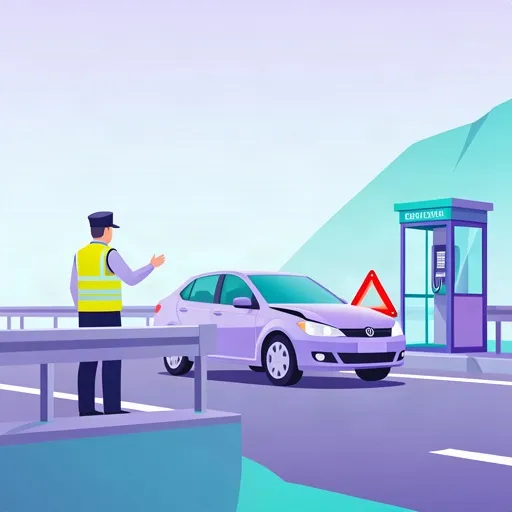
If possible, steer your vehicle onto the shoulder or a dedicated emergency area. If your car is immobilized in a lane, it is imperative to exit the vehicle safely. In France, this means ensuring your passengers exit from the side furthest from traffic—typically the right-hand side—and move to a secure location, such as behind a safety barrier if one is available. Never attempt to repair the vehicle yourself while on a busy road; your life is far more valuable than the car.
The Code de la route is strict regarding the equipment you must carry to handle emergencies. Failure to use these items correctly can lead to fines and, more importantly, endangers lives. Every vehicle registered in France must have at least one high-visibility jacket (gilet de haute visibilité) accessible from the driver's seat. You are legally required to wear this jacket before exiting your vehicle in the event of an emergency stop, as it significantly improves your visibility to other drivers, especially at night or in poor weather conditions.
Additionally, the warning triangle (triangle de présignalisation) is a mandatory safety device used to warn approaching traffic of a hazard. However, its use is governed by specific safety rules. You should only place the triangle if it is safe to do so. On high-speed roads such as motorways (autoroutes), you are generally advised not to attempt to place the triangle, as the risk of being struck by moving traffic far outweighs the benefit of the signal.
The protocol for breakdown safety changes depending on where you are. On an autoroute, the risks are significantly higher due to the speed of traffic. If you break down on a motorway, you should never attempt to walk along the lanes. Instead, use the nearest emergency call box or your mobile phone to contact professional assistance.
On standard roads, you have more flexibility, but the focus remains on visibility and distance. If you must place a warning triangle, it should be positioned at least 30 meters away from the vehicle to give oncoming traffic sufficient time to react. If you are in a location with limited visibility, such as a sharp bend or a crest, place the triangle further back to ensure it is clearly seen before the hazard.
Never attempt to place a warning triangle on a motorway or a road where traffic is traveling at high speeds. Your safety behind a crash barrier is the absolute priority.
In the official driving theory exam, questions often test your ability to prioritize safety over convenience. A common trap is suggesting that a driver should stay in the car to wait for help or attempt to push a vehicle off the road. The correct answer will almost always prioritize exiting the vehicle to a safe location behind a barrier. Always look for the option that emphasizes wearing your high-visibility jacket and moving passengers away from the danger zone.
This article teaches the mandatory emergency procedures for vehicle breakdowns in France as required by the Code de la route and tested in the ETG theory exam. The core protocol is the three-step 'Protéger, Alerter, Secourir' sequence, which prioritizes securing the scene and protecting occupants before calling for help. Learners must know the specific legal equipment requirements—high-visibility jacket and warning triangle—and understand that motorway breakdowns require different handling than standard road breakdowns. Exam questions typically test whether candidates prioritize safety over convenience, emphasizing jacket use, safe exit procedures, and avoiding dangerous actions like placing triangles on high-speed roads.
A short set of high-value points that capture the most important ideas from this article.
The 'Protéger, Alerter, Secourir' sequence is the mandatory emergency response protocol tested in the ETG exam.
Always activate hazard warning lights immediately when your vehicle breaks down to alert other road users.
Exit the vehicle on the side opposite to moving traffic and move passengers behind a safety barrier.
High-visibility jackets must be worn BEFORE exiting the vehicle, not after.
On motorways, never attempt to place a warning triangle or walk along the lanes—use emergency call boxes instead.
The warning triangle must be placed at least 30 meters behind the vehicle on standard roads, and further on bends or crests.
On motorways, the triangle is generally not recommended due to the high risk of being struck by traffic.
Every French-registered vehicle must carry at least one high-visibility jacket accessible from the driver's seat.
Passengers should exit the vehicle from the right-hand side (away from traffic) and proceed to a secure location.
Contact emergency services or breakdown assistance with your precise location as part of the 'Alerter' phase.
Staying inside the vehicle to wait for help instead of moving to a safe location behind a barrier.
Attempting to place the warning triangle on a motorway where the risk of being hit outweighs the benefit.
Wearing the high-visibility jacket after exiting the vehicle instead of before stepping out.
Trying to push the disabled vehicle off the road rather than securing the scene first.
Leaving passengers exposed near the vehicle instead of moving them to a protected area.
Article content overview
A short set of high-value points that capture the most important ideas from this article.
The 'Protéger, Alerter, Secourir' sequence is the mandatory emergency response protocol tested in the ETG exam.
Always activate hazard warning lights immediately when your vehicle breaks down to alert other road users.
Exit the vehicle on the side opposite to moving traffic and move passengers behind a safety barrier.
High-visibility jackets must be worn BEFORE exiting the vehicle, not after.
On motorways, never attempt to place a warning triangle or walk along the lanes—use emergency call boxes instead.
The warning triangle must be placed at least 30 meters behind the vehicle on standard roads, and further on bends or crests.
On motorways, the triangle is generally not recommended due to the high risk of being struck by traffic.
Every French-registered vehicle must carry at least one high-visibility jacket accessible from the driver's seat.
Passengers should exit the vehicle from the right-hand side (away from traffic) and proceed to a secure location.
Contact emergency services or breakdown assistance with your precise location as part of the 'Alerter' phase.
Staying inside the vehicle to wait for help instead of moving to a safe location behind a barrier.
Attempting to place the warning triangle on a motorway where the risk of being hit outweighs the benefit.
Wearing the high-visibility jacket after exiting the vehicle instead of before stepping out.
Trying to push the disabled vehicle off the road rather than securing the scene first.
Leaving passengers exposed near the vehicle instead of moving them to a protected area.
Explore related topics, search based questions, and concepts that learners often look up when studying Breakdown Safety Rules in France. These themes reflect real search intent and help you understand how this topic connects to wider driving theory knowledge in France.
Find clear and practical answers to common questions learners often have about Breakdown Safety Rules in France. This section helps explain difficult points, remove confusion, and reinforce the key driving theory concepts that matter for learners in France.
It is the standard emergency procedure: first, 'Protéger' (protect the area to prevent secondary accidents), then 'Alerter' (call emergency services), and finally 'Secourir' (provide first aid if trained to do so safely).
Yes, you must have a high-visibility vest (gilet de haute visibilité) in your vehicle, and you are legally required to put it on before exiting the vehicle in an emergency situation.
The warning triangle should be placed at a sufficient distance—typically around 30 meters—to give approaching drivers enough time to see the hazard and slow down, provided that placing it does not put your own life at risk.
On a busy road or highway, the priority is to move to a safe area. Occupants should generally exit the vehicle using the doors furthest from traffic and wait behind the safety barrier (glissière de sécurité) to avoid the risk of collision.
Continue your preparation for the French permis de conduire exam. Dive deeper into specific Code de la route sections, practice scenarios, or review official procedures. Use our comprehensive article collection to master every aspect of driving theory.