
Proper tyre maintenance is a fundamental component of the French driving theory curriculum, directly impacting road safety and vehicle compliance. This guide outlines how to identify manufacturer-recommended pressure levels and why regular inspections are necessary for optimal vehicle handling and performance. By mastering these concepts, you will be prepared for exam questions regarding vehicle technical checks and environmental responsibility.
Article content overview
Understanding vehicle maintenance is not just a practical necessity for car owners in France; it is a foundational pillar of the Code de la route. For your theory exam (ETG), you must demonstrate a clear understanding of why tyre pressure, tread depth, and overall roadworthiness are critical for safety, fuel economy, and environmental compliance. Poorly maintained tyres are a leading cause of loss of control and increased braking distances, making this a frequent topic in official exam questions.
The contact patch of your tyres is the only point of connection between your vehicle and the road. If your tyre pressure is incorrect, this connection is compromised, significantly altering your vehicle's handling characteristics. Under-inflated tyres increase the risk of a blowout due to internal overheating, while they also create excessive rolling resistance. This resistance forces your engine to work harder, which directly leads to higher fuel consumption and increased carbon dioxide emissions, contradicting the principles of éco-conduite (eco-driving) encouraged in France.
An under-inflated tyre by as little as 0.5 bar can increase fuel consumption by up to 5% and reduce the lifespan of the tyre significantly. Always check your pressure when the tyres are "cold," meaning the vehicle has not been driven for at least two hours or has travelled less than three kilometres at low speed.
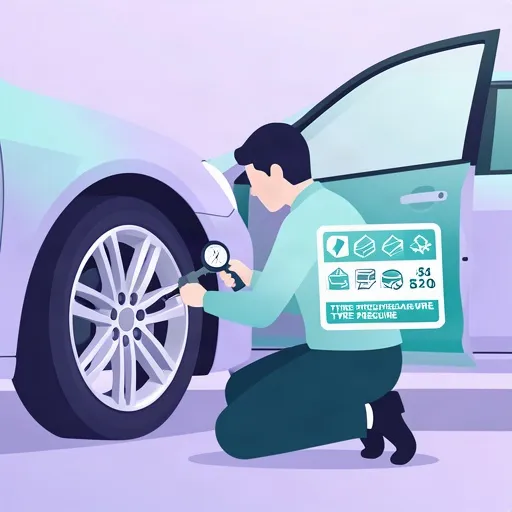
A common exam trap involves knowing where to find the correct inflation values. You should never rely on the maximum pressure marked on the sidewall of the tyre itself. Instead, refer to the manufacturer’s documentation for your specific vehicle model. This information is typically located in the vehicle’s user manual, on a sticker inside the driver’s side door frame, or occasionally on the inside of the fuel filler flap.
Beyond air pressure, the Code de la route mandates strict standards for tyre condition. The legal minimum tread depth for passenger vehicles in France is 1.6 millimetres. Driving with tyres that have reached this limit or show signs of abnormal wear—such as cupping or uneven shoulder wear—is an offence that can lead to fines and a failed contrôle technique.
Tread depth is essential for water displacement. When driving on wet roads, the tread patterns channel water away from the contact patch to prevent aquaplaning. If the tread is too shallow, the tyre loses contact with the pavement, turning your vehicle into a skidding object.
Regular vehicle maintenance is a legal obligation. The contrôle technique is a mandatory inspection process that ensures your vehicle remains roadworthy. Inspectors pay specific attention to the tyres, checking for deep cuts, bulges, or visible cords. If your tyres do not meet the minimum safety standards, you will be required to replace them and undergo a re-inspection, which adds unnecessary administrative and financial burdens to your vehicle ownership experience.
As France implements more Zones à Faibles Émissions (ZFE), maintaining your vehicle is increasingly tied to environmental compliance. Properly inflated tyres reduce drag, which lowers your vehicle's carbon footprint. By keeping your vehicle well-maintained, you are not only adhering to the law but also contributing to better air quality and safer road conditions for all users, including vulnerable road users like cyclists and pedestrians.
Tyre pressure and condition are examinable components of the French Code de la route, with under-inflation compromising vehicle handling, increasing braking distances, and raising fuel consumption by measurable amounts. The legal minimum tread depth of 1.6mm exists to maintain water displacement and prevent aquaplaning, while the mandatory contrôle technique inspection specifically examines tyres for structural damage. Eco-driving principles reinforce proper tyre maintenance as both a safety and environmental obligation under French road law.
A short set of high-value points that capture the most important ideas from this article.
Tyre pressure directly affects the contact patch, which is your vehicle's only connection to the road surface and determines handling and braking performance
Under-inflated tyres create excessive rolling resistance, forcing the engine to work harder and increasing fuel consumption and CO2 emissions
Always locate the manufacturer's recommended pressure values in the vehicle's manual, on the driver-side door frame, or inside the fuel filler flap—not on the tyre sidewall
Tread depth must be at least 1.6mm for passenger vehicles in France; worn tread loses the ability to channel water away, increasing aquaplaning risk on wet roads
The contrôle technique mandatory inspection specifically checks tyres for deep cuts, bulges, or visible cords that would require replacement before passing
The legal minimum tread depth in France is 1.6 millimetres, indicated by wear indicators (témoin d'usure) moulded into the tyre grooves
Check tyre pressure when tyres are cold: the vehicle must not have been driven for at least two hours or travelled less than three kilometres at low speed
Even a 0.5 bar difference from recommended pressure can increase fuel consumption by up to 5% and significantly reduce tyre lifespan
Tyre sidewall markings show the maximum pressure, not the recommended pressure—always use manufacturer specifications for your specific vehicle model
Properly inflated tyres support eco-driving (éco-conduite) principles by reducing rolling resistance and lowering carbon emissions
Relying on the maximum pressure printed on the tyre sidewall instead of the manufacturer's recommended values from vehicle documentation
Checking tyre pressure after driving when tyres are still warm, which gives artificially higher readings than the actual cold pressure
Ignoring uneven tread wear patterns such as cupping or shoulder wear, which indicate suspension or alignment problems even if tread depth is above the legal minimum
Forgetting to replace the valve cap after checking or inflating, which can lead to slow pressure leaks over time
Assuming a tyre is safe because it meets the 1.6mm minimum tread depth when it may have cuts, bulges, or exposed cords that would fail the contrôle technique
Article content overview
A short set of high-value points that capture the most important ideas from this article.
Tyre pressure directly affects the contact patch, which is your vehicle's only connection to the road surface and determines handling and braking performance
Under-inflated tyres create excessive rolling resistance, forcing the engine to work harder and increasing fuel consumption and CO2 emissions
Always locate the manufacturer's recommended pressure values in the vehicle's manual, on the driver-side door frame, or inside the fuel filler flap—not on the tyre sidewall
Tread depth must be at least 1.6mm for passenger vehicles in France; worn tread loses the ability to channel water away, increasing aquaplaning risk on wet roads
The contrôle technique mandatory inspection specifically checks tyres for deep cuts, bulges, or visible cords that would require replacement before passing
The legal minimum tread depth in France is 1.6 millimetres, indicated by wear indicators (témoin d'usure) moulded into the tyre grooves
Check tyre pressure when tyres are cold: the vehicle must not have been driven for at least two hours or travelled less than three kilometres at low speed
Even a 0.5 bar difference from recommended pressure can increase fuel consumption by up to 5% and significantly reduce tyre lifespan
Tyre sidewall markings show the maximum pressure, not the recommended pressure—always use manufacturer specifications for your specific vehicle model
Properly inflated tyres support eco-driving (éco-conduite) principles by reducing rolling resistance and lowering carbon emissions
Relying on the maximum pressure printed on the tyre sidewall instead of the manufacturer's recommended values from vehicle documentation
Checking tyre pressure after driving when tyres are still warm, which gives artificially higher readings than the actual cold pressure
Ignoring uneven tread wear patterns such as cupping or shoulder wear, which indicate suspension or alignment problems even if tread depth is above the legal minimum
Forgetting to replace the valve cap after checking or inflating, which can lead to slow pressure leaks over time
Assuming a tyre is safe because it meets the 1.6mm minimum tread depth when it may have cuts, bulges, or exposed cords that would fail the contrôle technique
Explore related topics, search based questions, and concepts that learners often look up when studying Tyre Pressure and Maintenance. These themes reflect real search intent and help you understand how this topic connects to wider driving theory knowledge in France.
Find clear and practical answers to common questions learners often have about Tyre Pressure and Maintenance. This section helps explain difficult points, remove confusion, and reinforce the key driving theory concepts that matter for learners in France.
Correct pressure is vital for road safety as it ensures optimal braking distance, vehicle handling, and stability, which are key themes in the Code de la route.
The manufacturer-recommended pressure levels are typically found on a sticker inside the driver's door frame, the fuel filler flap, or in the vehicle's user manual.
Under-inflated tyres increase rolling resistance, which forces the engine to work harder, thereby increasing fuel consumption and CO2 emissions.
Improper pressure can lead to uneven tyre wear, reduced grip on wet roads, longer braking distances, and an increased risk of tyre blowout.
Continue your preparation for the French permis de conduire exam. Dive deeper into specific Code de la route sections, practice scenarios, or review official procedures. Use our comprehensive article collection to master every aspect of driving theory.