
This lesson delves into the critical adjustments professional Category D bus drivers must make when encountering adverse weather conditions in Poland. You'll learn how rain, snow, ice, and low visibility impact vehicle dynamics and driver perception. Understanding these principles is crucial for safely transporting passengers and excelling in your Polish driving theory exam, setting the foundation for advanced hazard perception skills.
Lesson content overview
Operating a bus safely requires a deep understanding of how various weather conditions impact vehicle performance and driver perception. For professional bus drivers in Poland, mastering driving techniques in rain, snow, ice, and low visibility is not only a matter of skill but also a legal obligation. This lesson delves into the specific adjustments and regulations necessary to ensure passenger safety and compliance with the Polish Road Traffic Act.
Weather-related incidents constitute a significant portion of road accidents. As a Category D driver, you are responsible for a large vehicle carrying many passengers, making your understanding of reduced traction, proper use of safety systems, and adherence to Polish traffic regulations paramount. This chapter builds upon your knowledge of vehicle characteristics, basic traffic laws, and safe maneuvering principles, integrating them into a holistic approach for challenging conditions.
Adverse weather conditions fundamentally alter the interaction between your bus's tires and the road surface. This change, primarily a reduction in the friction coefficient, directly impacts your ability to steer, brake, and accelerate effectively. Recognizing these physical changes is the first step towards safe driving.
The friction coefficient is a numerical value representing the grip between your tires and the road. A higher coefficient means more grip, while a lower one indicates less. This value changes dramatically with different road surface conditions:
These variations mean that a bus traveling at 80 km/h on a wet road could require nearly double the stopping distance compared to dry pavement. Your ability to anticipate these changes and adapt your driving speed is crucial for preventing loss of control and ensuring passenger safety.
Hydroplaning (also known as aquaplaning) occurs when a layer of water builds up between your bus's tires and the road surface, causing the tires to lose contact with the road. The vehicle then effectively glides on water, leading to a complete loss of steering, braking, and acceleration control. This phenomenon is particularly dangerous for heavy vehicles like buses due to their larger tire contact patch and potential for higher speeds.
Hydroplaning can range from minor spray and momentary loss of grip to full, uncontrolled sliding. It typically happens when vehicle speed exceeds a certain threshold, which is dependent on factors such as tire tread depth, the amount of water on the road, and tire pressure.
If you feel your steering becoming "light" or the vehicle sliding during heavy rain, you may be hydroplaning. Do not brake or steer sharply. Ease off the accelerator gently and maintain a straight course until grip returns.
To prevent hydroplaning:
Driving a bus on snow-covered or icy roads presents unique challenges due to the drastically reduced traction. Even with appropriate winter tires, the grip is significantly less than on dry or even wet surfaces.
Certain vehicle features and specific equipment are vital for safe bus operation during winter months and in adverse weather. Compliance with Polish regulations regarding tires and understanding your vehicle's safety systems are critical.
In Poland, professional bus drivers have a legal obligation to equip their vehicles with appropriate tires during specific periods and conditions. The Polish Road Traffic Act (art. 39 § 1) mandates the use of winter tires (or all-season tires with adequate tread) typically between November 1st and March 31st when road conditions demand it. This usually applies when temperatures are consistently at or below +7 °C, or when snow, slush, or ice are present on the road.
Winter tires, identified by the M+S (Mud and Snow) marking, have a softer rubber compound that remains flexible in low temperatures and a specialized tread pattern with numerous sipes (small slits) to provide better grip on snow and ice.
Always check your bus's tire pressure regularly, especially as temperatures drop. Cold weather can cause tire pressure to decrease, affecting grip and increasing wear.
Modern buses are equipped with advanced safety systems designed to assist drivers in maintaining control, especially on slippery surfaces.
While these systems greatly enhance safety, professional drivers must understand their limitations. They are aids, not substitutes, for safe driving practices. You must still reduce your speed, increase following distances, and drive cautiously in adverse conditions. Relying solely on these systems without adapting your driving behavior can lead to dangerous situations.
Reduced visibility is another major hazard in adverse weather. Whether due to fog, heavy rain, or snowfall, the inability to clearly see the road ahead, other vehicles, and potential hazards significantly increases accident risk. Bus drivers must take proactive measures to enhance their own visibility and make their large vehicle more conspicuous to others.
When atmospheric conditions like fog, heavy rain, or snow scatter light, the distance you can clearly see ahead (your visibility range) drastically shrinks. This directly impacts your ability to detect hazards and react in time.
In these conditions, your reaction time, which for professional drivers is typically around 1 second, becomes a critical factor. If your total stopping distance (perception-reaction distance + braking distance) exceeds your visibility range, you are effectively "overdriving your headlights" and cannot stop in time for an unseen obstacle. Therefore, your speed must be adapted to match your actual visibility range.
Proper lighting is essential in low visibility, both to help you see and to make your bus visible to other road users. Polish traffic law has specific requirements for lighting in adverse conditions.
Beyond using your lights correctly, maintaining a clear view through your windshield is paramount.
Check all lights (headlights, fog lights, indicators) for cleanliness and operation.
Verify windshield wiper condition and ensure washer fluid is topped up with an appropriate winter mix.
Clear all snow and ice from windows, mirrors, and lights.
Test demisting and defrosting systems.
The core principle of driving in adverse weather is adaptation. You must adjust your driving behavior to match the reduced performance envelope of your bus and the challenging external conditions. This involves carefully managing your speed, increasing following distances, and performing all maneuvers smoothly.
While speed limits are posted for ideal conditions, the Polish Road Traffic Act (art. 46) requires drivers to adjust their speed to the prevailing weather, road, traffic, and visibility conditions. This is known as the "reasonable speed" principle. It means that you must often drive significantly below the posted speed limit if conditions demand it, even if there are no specific temporary speed restrictions.
For example, on a motorway with a posted limit of 120 km/h, heavy rain might necessitate reducing your speed to 80 km/h or even lower to maintain safety. The police can enforce this principle, and failure to comply can lead to fines and increased accident risk.
The speed a driver must maintain based on real-time assessment of road surface condition, traffic flow, and visibility, regardless of the posted speed limit.
Maintaining a safe following distance is always critical, but it becomes exponentially more important for buses in adverse weather due to their greater mass and longer braking distances. The Polish Road Traffic Act (art. 28) mandates drivers to keep a safe distance. For heavy vehicles like buses, a general rule is to maintain a minimum gap of 2-3 seconds under normal, dry conditions.
In adverse weather conditions such as rain, snow, or ice, this following distance must be significantly extended to 4-5 seconds or more. This increased gap provides you with the necessary perception-reaction time and additional braking distance to respond safely to sudden hazards or the vehicle ahead braking abruptly.
Understanding the difference between braking distance and stopping distance is fundamental for safe driving in any condition, especially in adverse weather.
In adverse weather, both components of stopping distance increase. Your perception might be delayed due to reduced visibility, and your braking distance will be much longer due to reduced traction. For instance, a fully loaded bus traveling 50 km/h on a wet road might need around 100 meters to stop, compared to approximately 55 meters on dry pavement. On ice, this distance could easily double again.
Avoid sudden or hard braking on slippery surfaces. This can lead to wheel lock (even with ABS) or skidding, potentially causing loss of control or a jackknife effect with articulated buses. Apply brakes gently and progressively.
The weight of passengers and cargo significantly impacts a bus's dynamics, and these effects are amplified in adverse weather.
As a professional driver, you must always consider the current load of your bus when calculating safe speeds, following distances, and anticipating braking performance. A fully seated 15-meter bus on an icy road must increase its following distance to at least 5 seconds, and possibly more, to account for its higher kinetic energy.
Compliance with the Polish Road Traffic Act is non-negotiable for professional drivers. Several key regulations specifically address driving in challenging weather conditions.
| Regulation | Statement | Applicability | Legal Status | Rationale |
|---|---|---|---|---|
| Winter Tire Obligation (Polish Road Traffic Act, art. 39 § 1) | Vehicles must be equipped with winter tires (or all-season tires with adequate tread) when road conditions demand it, typically between 1 Nov and 31 Mar. | Periodic; when temperature ≤ 7 °C or when snow/ice present. | Mandatory | Guarantees sufficient grip on low-temperature surfaces. |
| Speed Adaptation ("Reasonable Speed") (art. 46) | Driver must adjust speed to weather, road, traffic, and visibility conditions, even if lower than posted limit. | All driving situations with adverse weather. | Mandatory | Ensures safe stopping distance under reduced traction. |
| Headlight Usage (art. 145) | Low-beam headlights must be used when visibility is reduced (rain, fog, snow). High beams prohibited when visibility < 100 m. Front fog lights may be used when visibility < 100 m. Rear fog lights mandatory in fog < 50 m. | Nighttime, rain, fog, snowfall. | Mandatory | Prevents glare, improves visibility for both driver and others. |
| Following Distance Rule (art. 28) | Drivers must keep a safe distance; for heavy vehicles a minimum of 2-3 seconds under normal conditions, extended under adverse weather. | All road types, especially on highways and urban roads. | Mandatory | Allows sufficient reaction and braking time. |
| Fog Light Legal Limits (art. 145 paragraph 2) | Front fog lights may be used only when visibility is under 100 m; must be switched off when visibility improves. Rear fog lights may be used when visibility is under 50 m. | Fog, heavy rain, snowfall. | Mandatory | Reduces road glare for other drivers and prevents unnecessary illumination. |
Always remember that using high-beam headlights in conditions of reduced visibility (rain, fog, snow) is strictly prohibited as it creates dangerous glare.
Ignoring or misinterpreting these regulations can lead to serious consequences, including fines, points on your license, and, most importantly, a significantly increased risk of accidents.
Professional driving in adverse weather demands a blend of technical knowledge, practical skills, and a strong safety mindset. Understanding the underlying reasons for certain rules and behaviors empowers you to make better decisions.
| Condition | Correct Action | Expected Outcome | Violation Outcome |
|---|---|---|---|
| Wet road with standing water | Reduce speed below hydroplaning threshold, maintain proper tire pressure | Maintains tire-road contact; vehicle remains steerable | Hydroplaning → loss of control; possible lane departure |
| Ice-covered road | Install winter tires, reduce speed, use gentle braking, activate ESP | Controlled deceleration; reduced risk of spin | Hard braking → wheels lock, skid; potential rollover |
| Fog reducing visibility to 30 m | Activate fog lights, switch to low-beam, slow down to allow reaction within visibility range | Hazard detection within stopping distance | Continuing at high speed → unable to stop before unseen obstacle |
| Fully loaded bus on snowy road | Increase following distance to 5 seconds, use gentle throttle, avoid sudden steering | Allows sufficient time to react to sudden hazards | Short following distance → rear-end collision if lead vehicle brakes |
| High beam usage in heavy rain | Switch to low-beam, activate fog lights if needed | Prevents glare, improves visibility for both driver and others | Dazzling effect on oncoming drivers; increased accident risk |
A significant factor in weather-related accidents is driver overconfidence. Drivers may overestimate the capabilities of their vehicle's safety systems (like ABS and ESP) and underestimate the dramatic impact of weather on road conditions. This psychological bias can lead to taking unnecessary risks. Explicit training, combined with practical experience and a healthy respect for the elements, helps combat this overconfidence. Remember that technology assists but does not replace careful, responsible driving.
Before embarking on any journey in anticipated or actual adverse weather, complete the following comprehensive checklist:
By diligently following these principles and regulations, professional bus drivers can navigate challenging weather conditions safely, protecting their passengers and themselves, and contributing to overall road safety in Poland.
This lesson covers the critical adjustments Category D bus drivers must make when encountering rain, snow, ice, and low visibility on Polish roads. You will learn how dramatically reduced friction coefficients affect vehicle control, with stopping distances potentially doubling on wet roads and increasing fivefold on ice. The lesson details hydroplaning prevention and recovery techniques, explains how ABS, ESP, and traction control systems assist but do not overcome reduced grip, and clarifies Polish legal requirements including winter tire obligations (Art. 39), fog light usage thresholds (Art. 145), and the mandatory "reasonable speed" principle (Art. 46). A comprehensive pre-drive checklist ensures proper preparation for adverse conditions, emphasizing that professional drivers must account for vehicle load, visibility range, and road surface when adjusting speed and following distances.
A short set of high-value points that capture the most important learning from this lesson.
Tire grip drops dramatically in adverse conditions: friction coefficient ranges from 0.05 on ice to 0.9 on dry pavement, nearly doubling stopping distances in rain and increasing them fivefold on ice.
Hydroplaning causes complete loss of steering, braking, and acceleration control; if it occurs, ease off the accelerator gently and maintain a straight course until grip returns.
Safety systems like ABS and ESP assist but do not overcome reduced traction; they optimize available grip but cannot shorten braking distances on slippery surfaces.
The "reasonable speed" principle (Art. 46) legally requires you to drive below posted limits when conditions demand it, enforced by police.
A fully loaded bus on icy roads needs at least 5 seconds of following distance due to its greater mass and higher kinetic energy.
Explore all units and lessons included in this driving theory course.
Winter tires with M+S marking are mandatory typically between 1 November and 31 March when conditions demand it (temperature ≤7°C or snow/ice present), per Art. 39 § 1.
Fog lights may only be used when visibility falls below 100 metres and must be switched off immediately when conditions improve; high beams are prohibited in rain, fog, or snow.
Stopping distance = perception-reaction distance + braking distance; both components increase significantly in adverse weather due to reduced visibility and lower friction coefficients.
Black ice forms first on bridges, overpasses, and shaded areas; it is nearly invisible and requires minimum speeds and exceptionally gentle steering, braking, and acceleration.
ABS prevents wheel lockup allowing steering control, but it does not reduce stopping distance on slippery surfaces.
Driving at the posted speed limit during heavy rain or snow, violating the "reasonable speed" principle and making safe stopping impossible within available visibility range.
Using high-beam headlights in fog or heavy rain, which creates dangerous glare for both yourself and oncoming drivers by reflecting off moisture particles.
Failing to extend following distances adequately; maintaining normal 2-3 second gaps on wet or icy roads leaves insufficient reaction and braking room for a heavy bus.
Relying solely on ABS/ESP without adjusting driving behavior, incorrectly assuming these systems can compensate for excessive speed or short following distances.
Using fog lights when visibility is above 100 metres, which is illegal and distracting to other drivers.
Lesson content overview
A short set of high-value points that capture the most important learning from this lesson.
Tire grip drops dramatically in adverse conditions: friction coefficient ranges from 0.05 on ice to 0.9 on dry pavement, nearly doubling stopping distances in rain and increasing them fivefold on ice.
Hydroplaning causes complete loss of steering, braking, and acceleration control; if it occurs, ease off the accelerator gently and maintain a straight course until grip returns.
Safety systems like ABS and ESP assist but do not overcome reduced traction; they optimize available grip but cannot shorten braking distances on slippery surfaces.
The "reasonable speed" principle (Art. 46) legally requires you to drive below posted limits when conditions demand it, enforced by police.
A fully loaded bus on icy roads needs at least 5 seconds of following distance due to its greater mass and higher kinetic energy.
Explore all units and lessons included in this driving theory course.
Winter tires with M+S marking are mandatory typically between 1 November and 31 March when conditions demand it (temperature ≤7°C or snow/ice present), per Art. 39 § 1.
Fog lights may only be used when visibility falls below 100 metres and must be switched off immediately when conditions improve; high beams are prohibited in rain, fog, or snow.
Stopping distance = perception-reaction distance + braking distance; both components increase significantly in adverse weather due to reduced visibility and lower friction coefficients.
Black ice forms first on bridges, overpasses, and shaded areas; it is nearly invisible and requires minimum speeds and exceptionally gentle steering, braking, and acceleration.
ABS prevents wheel lockup allowing steering control, but it does not reduce stopping distance on slippery surfaces.
Driving at the posted speed limit during heavy rain or snow, violating the "reasonable speed" principle and making safe stopping impossible within available visibility range.
Using high-beam headlights in fog or heavy rain, which creates dangerous glare for both yourself and oncoming drivers by reflecting off moisture particles.
Failing to extend following distances adequately; maintaining normal 2-3 second gaps on wet or icy roads leaves insufficient reaction and braking room for a heavy bus.
Relying solely on ABS/ESP without adjusting driving behavior, incorrectly assuming these systems can compensate for excessive speed or short following distances.
Using fog lights when visibility is above 100 metres, which is illegal and distracting to other drivers.
Explore search topics learners often look for when studying Weather Impacts: Rain, Snow, Ice, and Low Visibility. These topics reflect common questions about road rules, driving situations, safety guidance, and lesson level theory preparation for learners in Poland.
Browse additional driving theory lessons that cover connected traffic rules, road signs, and common driving situations related to this topic. Improve your understanding of how different rules interact across everyday traffic scenarios.
Learn essential techniques for safe bus operation in adverse weather conditions like rain, snow, and ice. This lesson focuses on adapting speed, distance, and vehicle control to maintain safety and comply with Polish traffic laws for Category D drivers.
This lesson focuses on the specific challenges of driving in rainy conditions. It explains the phenomenon of hydroplaning, where tires lose contact with the road surface, and how to prevent it by reducing speed. The importance of good tire condition, effective windscreen wipers, and extending following distances is also covered in detail.
This lesson provides essential guidance for driving in fog, one of the most dangerous conditions. It instructs on the correct use of low-beam headlights and fog lights to maximize visibility without causing glare. The core advice is to significantly reduce speed and use the edge of the road or markings as a guide.
This lesson teaches drivers how to adapt their speed, following distance, and control inputs to safely navigate adverse conditions. It covers the challenges posed by rain, snow, and ice, explaining the loss of traction and the increased risk of skidding or aquaplaning. The content provides specific strategies for driving in fog, which reduces visibility, and strong crosswinds, which can affect the stability of a high-sided vehicle, promoting a proactive and defensive driving mindset.
This lesson focuses on the specific hazards introduced by seasonal weather, such as mud, snow, ice, fog, and heavy rain. It explains how these conditions affect traction, braking, and driver visibility, and provides guidance on adjusting speed and using appropriate tires. The lesson also covers the proper use of lights and reflectors to improve visibility in low-light conditions.
This lesson focuses on the skills needed for safe winter driving. It explains how to use gentle acceleration, steering, and braking to avoid losing traction on snow and ice. The lesson also discusses how to recognize and handle a skid, and the critical role that appropriate winter tires play in maintaining vehicle control.
This lesson teaches the crucial concept that drivers must always adapt their speed to the current conditions. It explains how factors like rain, fog, ice, heavy traffic, and poor visibility reduce safety margins and require a lower speed than the posted limit. This principle of defensive driving is essential for preventing accidents in challenging situations.
This lesson focuses on the specific challenges of riding in rain, detailing how wet road surfaces reduce tyre grip and increase braking distances. Learners will learn about hydroplaning risk, the importance of deep tyre tread, and the need for smooth throttle and brake modulation to maintain stability. The content also covers visibility concerns, such as proper headlamp use and the selection of waterproof clothing, so riders can safely navigate wet conditions.
Understand Polish traffic law regarding headlights, fog lights, and maintaining visibility in fog, heavy rain, and snow. Essential knowledge for Category D drivers to ensure they can see and be seen safely during challenging conditions.
This lesson provides essential guidance for driving in fog, one of the most dangerous conditions. It instructs on the correct use of low-beam headlights and fog lights to maximize visibility without causing glare. The core advice is to significantly reduce speed and use the edge of the road or markings as a guide.

This lesson addresses the challenges of driving after dark. It covers the correct use of high and low beam headlights to see and be seen, and techniques to avoid being dazzled by oncoming traffic. The content also touches on the increased risk of fatigue and reduced ability to judge speed and distance at night.
This lesson details the speed limits applicable to buses in Poland across urban, rural, and motorway settings. It emphasizes how vehicle size and passenger load influence safe operating speeds and required stopping distances. The content also covers speed-control device usage and practical techniques for maintaining consistent speed while ensuring passenger comfort.
This lesson focuses on the key provisions of the Polish road traffic act relevant to public transport. It explains the legal classification of buses, mandatory safety equipment, and the hierarchy of road users. Learners will understand the specific obligations of bus drivers, potential penalties for non-compliance, and the required operational documentation.
This lesson addresses environmental factors that impact rider visibility, such as low light, night conditions, fog, and glare from headlights. Learners will explore strategies for riding safely in reduced visibility, including the use of reflective gear, proper headlamp settings, and appropriate eye protection. The content also covers hazard detection techniques in adverse weather and how to adjust speed to maintain safety, enhancing rider safety across all conditions.
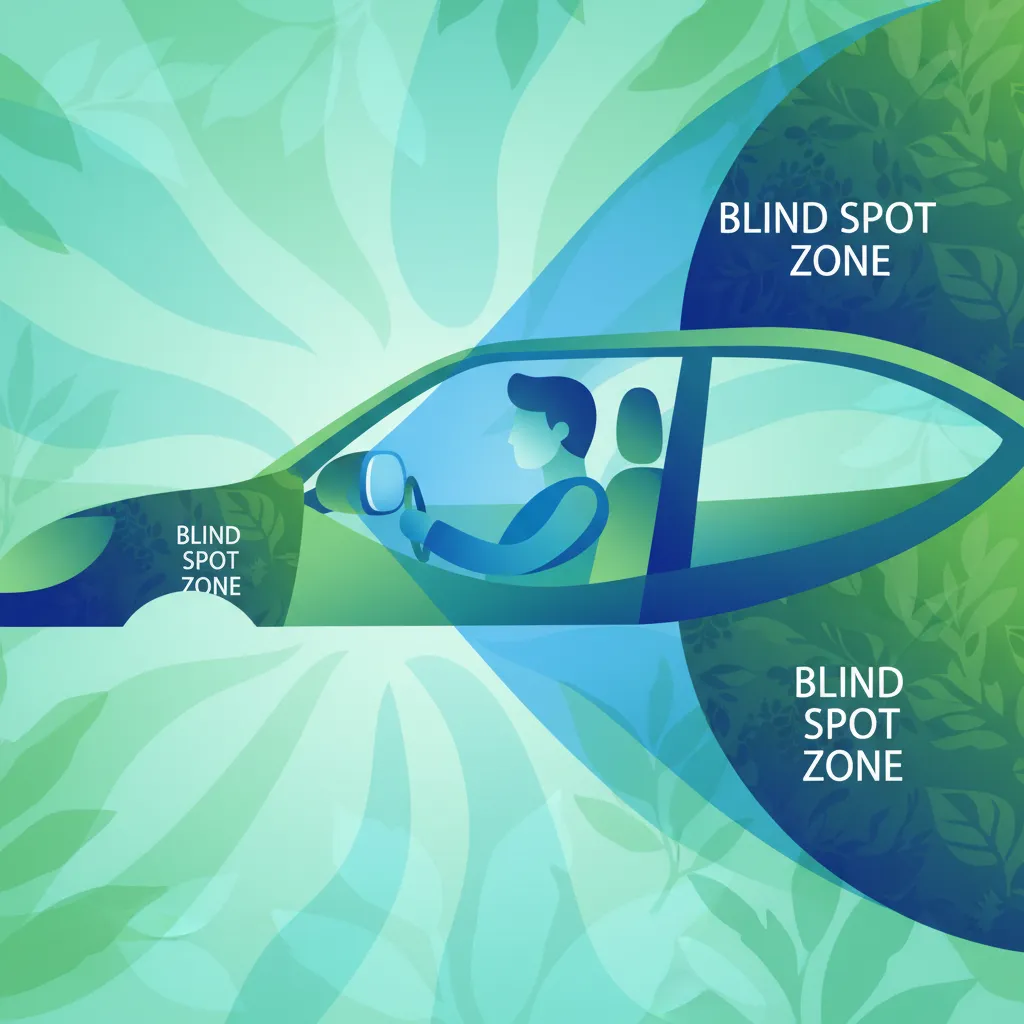
This lesson details the precise adjustment of interior and exterior mirrors to compensate for a bus's large blind spots. Learners will understand how to achieve maximum coverage of rear and side zones through proper mirror setup. It also addresses how passenger load and lighting conditions affect visibility and provides guidelines for maintaining clear sightlines.
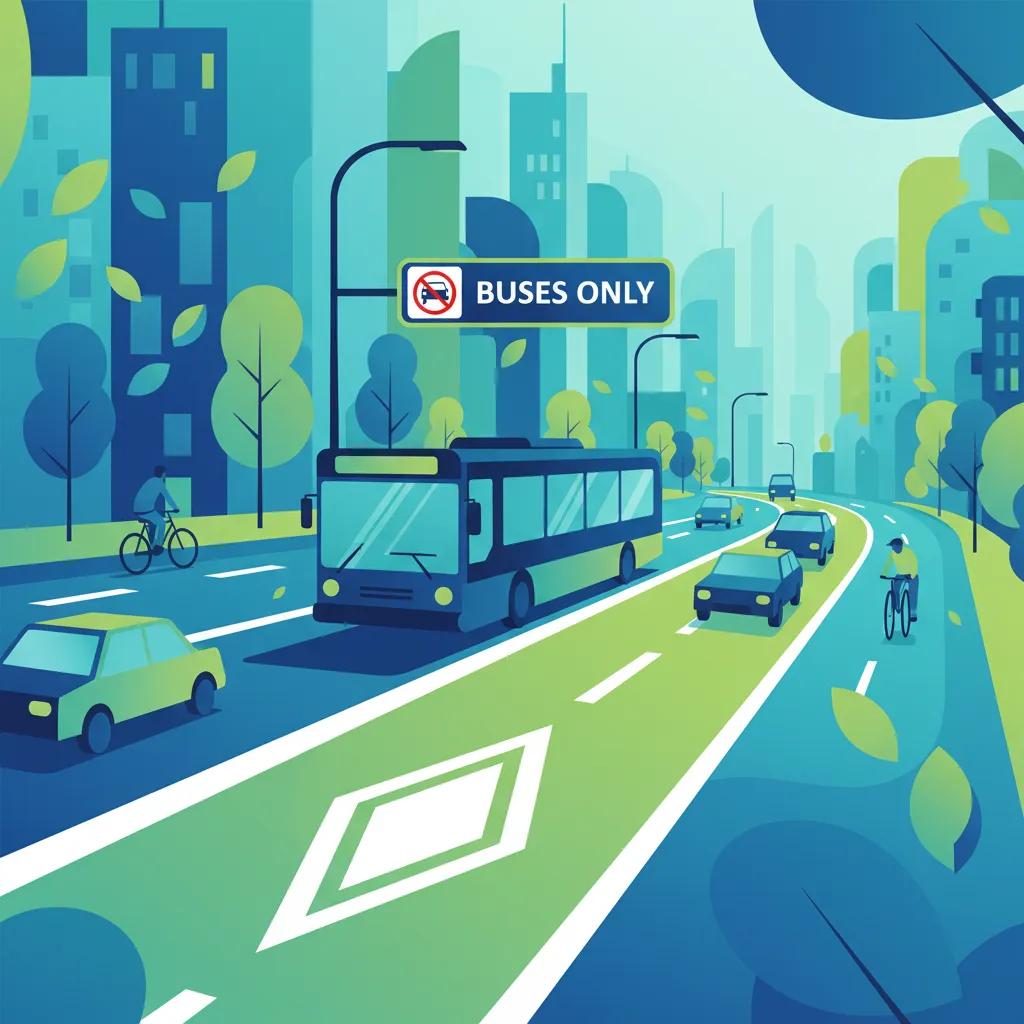
This lesson teaches learners to identify and understand road signs that govern bus movement, including dedicated bus lane (buspas) signs. It explains the visual characteristics, legal standing, and consequences of non-compliance. The content also covers how to adapt to temporary restrictions in construction zones while maintaining schedule and safety.
Find clear answers to common questions learners have about Weather Impacts: Rain, Snow, Ice, and Low Visibility. Learn how the lesson is structured, which driving theory objectives it supports, and how it fits into the overall learning path of units and curriculum progression in Poland. These explanations help you understand key concepts, lesson flow, and exam focused study goals.
Hydroplaning occurs when a layer of water builds up between your bus's tires and the road surface, causing a loss of traction. To prevent it, reduce your speed significantly in heavy rain, ensure your tires are properly inflated with good tread depth, and avoid sudden steering or braking. Always anticipate standing water on the road, especially in bus lanes.
In Poland, front fog lights may be used during reduced visibility due to fog, heavy rain, or snow. Rear fog lights should only be used when visibility is reduced to less than 50 meters. It's crucial to switch them off once visibility improves to avoid dazzling other drivers. Misusing fog lights can lead to fines and is a common theory exam question.
Snow and ice drastically reduce tire grip, leading to significantly extended braking distances for a heavy Category D bus. On icy roads, braking distances can be up to ten times longer than on dry surfaces. It's vital to maintain much larger following distances, brake very gently, and utilize engine braking or retarders to slow down gradually, reducing reliance on the service brakes.
While not universally mandatory for all vehicles, it is highly recommended and often legally required for commercial vehicles like Category D buses to use winter tires during specific periods or in certain conditions in Poland, especially on mountain roads. Winter tires offer superior grip in low temperatures, snow, and ice, significantly enhancing safety. Always check current regulations and consider the specific route and weather forecast.
Build custom practice sessions tailored precisely to your needs. Focus on areas requiring improvement, review specific Polish road signs, or master complex traffic rules to ensure full preparation for your official driving license exam.