
Effective mirror adjustment is crucial for bus drivers to compensate for large blind spots. This lesson delves into the precise techniques for setting interior and exterior mirrors, ensuring you achieve maximum coverage and maintain clear sightlines in various conditions, preparing you for safe urban and long-distance driving.
Lesson content overview
Operating a bus safely demands an exceptional level of situational awareness, primarily achieved through effective use of mirrors and comprehensive visibility management. Due to their substantial size, buses present unique challenges regarding blind spots and the driver's field of vision. This lesson, designed for the Polish Category D Driving Licence Theory Course, delves into the precise adjustment of interior and exterior mirrors, identification of critical blind spot zones, and strategies for maintaining optimal sightlines under various conditions. Mastery of these principles is fundamental to reducing collision risks, ensuring passenger safety, and complying with Polish traffic regulations.
Visibility management for bus drivers goes beyond merely looking in mirrors; it is a systemic approach that integrates vehicle technology, human perception, and legal obligations. Buses inherently possess large blind zones that cannot be directly observed from the driver's seat. Strategic mirror placement and diligent use are crucial to compensate for these areas, aligning with the safety principle of "see-and-avoid" and the legal mandate that a driver must confirm clear passage before executing any maneuver such as changing lanes or overtaking. This lesson builds upon foundational knowledge from "Vehicle Characteristics & Systems" by focusing on mirror mounting hardware and reinforces principles from "Driver Position, Visibility & Mirrors," preparing you for advanced topics in "Safe Maneuvering & Urban Operations."
Several guiding principles underpin effective visibility management for bus drivers:
Maximum Field of Vision The primary goal of mirror adjustment is to achieve the widest possible unobstructed view of the rearward and side traffic. This strategy minimizes reliance on direct blind spot checks and significantly compensates for the bus's considerable length. Consistent mirror checks and adjustments, especially after changes in passenger load, must become a habitual part of the pre-drive routine.
Symmetry and Overlap in Mirror Views Exterior mirrors should be positioned to provide overlapping fields of view that collectively cover the side and rear quadrants of the bus with minimal gaps. This overlap is crucial because it ensures that any object or vehicle entering a potential blind spot will be visible in at least one mirror, momentarily. In Poland, which observes right-hand traffic, adjustments must specifically account for visibility needs on both the left (driver's side) and right (passenger's side).
Dynamic Compensation for Passenger Load The distribution of passenger weight or cargo significantly alters a bus's center of gravity, which in turn shifts the driver's effective line of sight. Therefore, mirror angles must be dynamically readjusted whenever the passenger load changes substantially. A quick mirror check after boarding or alighting large groups of passengers is essential to maintain optimal coverage and safety.
Lighting-Aware Visibility Maintaining clear mirror visibility extends to managing various lighting conditions. Mirrors must be kept meticulously clean and correctly angled to prevent debilitating glare from headlights, streetlights, or the sun. Utilizing anti-glare mirror technology, where available, and understanding how to adjust mirrors to mitigate glare are mandatory safety practices, especially during night driving or adverse weather.
Legal Compliance with Mirror Regulations All mirrors on a bus must conform to specific dimensions, numbers, and placement requirements stipulated by Polish law. Non-compliance can lead to legal penalties, fines, and can even invalidate the vehicle’s roadworthiness certificate. Regular inspection and maintenance are vital not only for safety but also for adherence to legal mandates.
Buses utilize a combination of interior and exterior mirrors, each serving a distinct purpose in providing the driver with a comprehensive view of their surroundings.
The interior mirror is typically mounted inside the cabin and primarily offers a forward-looking view of the bus interior, allowing the driver to monitor passengers and potential issues within the cabin. It also provides a limited, central rearward view through the rear window, supplementing the exterior mirrors.
Exterior mirrors are crucial for safe bus operation, providing the primary views of traffic to the sides and rear of the vehicle. Due to the bus's width and length, these mirrors are indispensable for lane changes, turns, and monitoring pedestrians and cyclists, especially at bus stops.
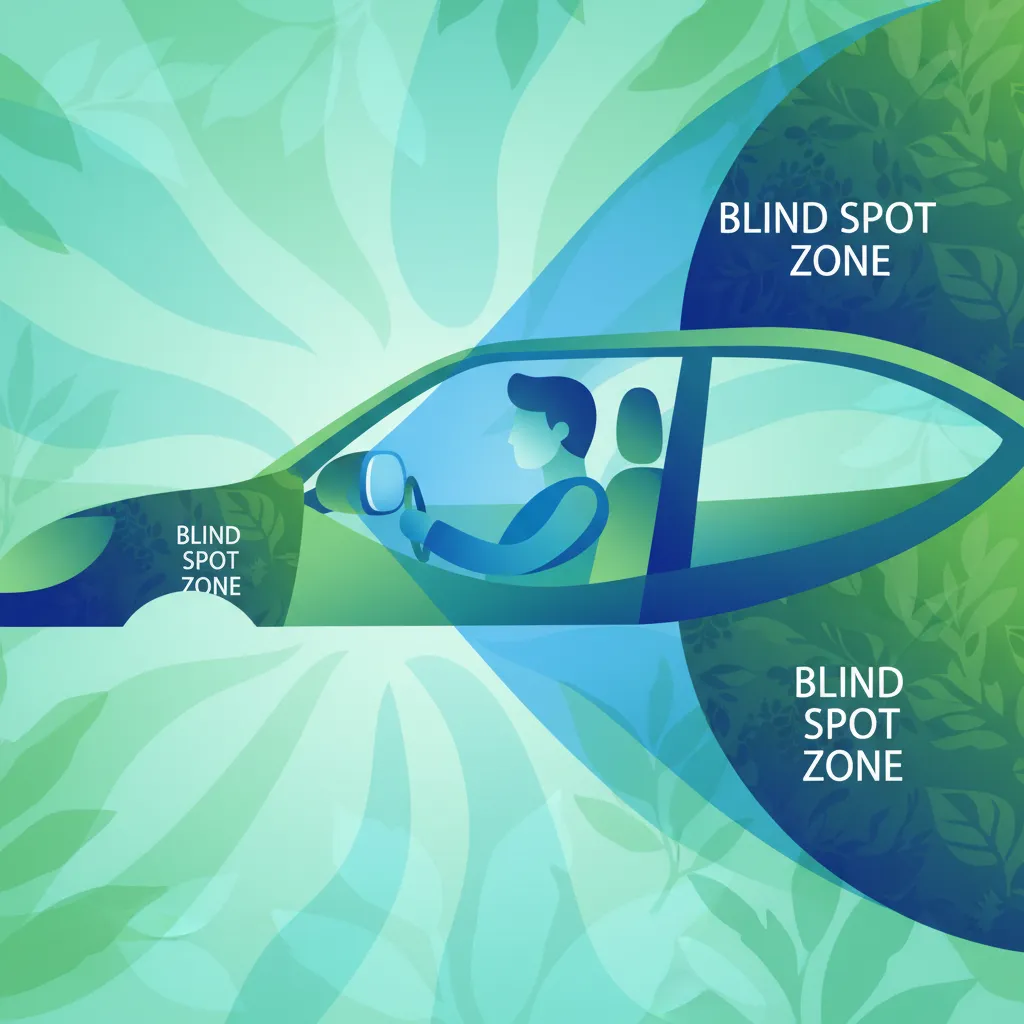
Blind spot zones are inherent to driving any vehicle, but they are significantly larger and more critical in buses due to their dimensions. These are areas around the bus that cannot be seen directly from the driver's seated position, even with properly adjusted mirrors.
Always perform a shoulder check before changing lanes, making turns, or pulling away from the curb. Mirrors provide excellent coverage, but only direct sight can confirm a clear blind spot.
Proper mirror adjustment is a fundamental skill and a mandatory part of a bus driver's pre-drive routine. This systematic procedure ensures maximum visibility and significantly reduces accident risk.
Adjust Seat Position First: Before touching any mirrors, ensure your driver's seat is adjusted to your optimal ergonomic position. Your eye height should be approximately 1.2 meters (3.9 feet) above the ground for a clear, unobstructed view of the road and access to all controls.
Interior Rear-View Mirror Adjustment: Tilt the interior mirror to view directly behind the rear windshield, covering the central rear region of the road. You should be able to see the full width of the rear window and the road directly behind the bus without straining your neck.
Driver-Side Exterior Mirror Adjustment: Angle this mirror outward until you can see the far left lane (for right-hand traffic in Poland) and a small sliver of the bus's side body. The goal is to maximize the view of adjacent traffic while minimizing the view of your own vehicle.
Passenger-Side Exterior Mirror Adjustment: Similarly, angle this mirror outward to cover the far right lane and a minimal portion of the bus's side. This mirror is crucial for monitoring the curb, bus stops, and traffic approaching from the right.
Convex Mirrors (if equipped) Adjustment: If your bus has supplementary convex (wide-angle) mirrors, align them to specifically cover the blind-spot quadrants not visible in your planar mirrors. These are designed to provide a peripheral, wide-angle view.
Final Verification: Perform a quick series of head turns and glances between all mirrors (interior, left exterior, right exterior, convex if present) to confirm that the entire rearward 180° field is visible with minimal or no discernible blind zones. Imagine a vehicle slowly moving from your interior mirror's view to your side mirror's view. There should be a smooth transition.
Rationale for the Procedure: This systematic approach ensures consistent and comprehensive visibility, regardless of passenger load variations or driving conditions. Skipping any step, especially the final verification, can leave critical gaps in your field of vision.
Common Mistakes: Forgetting to verify adjustments after significant passenger loading changes; neglecting to reset mirrors after vehicle maintenance or if another driver has used the bus.
The weight and distribution of passengers or cargo significantly affect a bus's physical orientation and, consequently, the driver's visual line of sight through the mirrors. As a bus fills with passengers, especially in the rear, the vehicle's rear end tends to sag slightly due to the added weight, while the front may tilt upward.
Develop a habit of a quick "mirror sweep" every time you pull away from a major bus stop or terminal, just to ensure your views haven't been compromised by changes in load.
Visibility through mirrors can be severely affected by environmental factors. A skilled bus driver must adapt their mirror usage and maintenance to these varying conditions.
Adherence to legal specifications for bus mirrors is paramount for safety and legal compliance under the Polish Road Traffic Act (Ustawa o ruchu drogowym) and related regulations.
| Rule | Applicability | Legal Status | Rationale | Correct Example | Incorrect Example |
|---|---|---|---|---|---|
| Minimum of two exterior mirrors (driver-side and passenger-side) | All Category D buses, regardless of size | Mandatory (Polish Regulation § 59) | Ensures lateral visibility for lane changes, overtaking, and monitoring side traffic. | Driver ensures both exterior mirrors are present and functional before each shift. | Driver proceeds with a broken passenger-side mirror, relying only on the driver's side. |
| Interior mirror positioned for direct rear view | Every bus, regardless of load | Mandatory (Polish Regulation § 62) | Provides a central rear field of view without requiring the driver to turn their head excessively. | Driver adjusts the interior mirror to clearly see the road directly behind the bus through the rear window. | Driver sets the interior mirror too low, and the view is obstructed by passenger seats or heads. |
| Mirror adjustment after passenger loading | When passenger load changes > 10% of capacity | Mandatory (Safety guidelines, best practice) | Load shifts the vehicle's line of sight, requiring mirrors to be re-checked to maintain optimal coverage. | Driver performs a quick mirror re-adjustment after boarding 30 passengers at a terminal. | Driver leaves mirrors unchanged after a full bus load, resulting in a compromised rear view. |
| Mirror surface must be clean and free of damage | All operating conditions | Mandatory (Vehicle inspection regulation) | Dirty, cracked, or broken mirrors significantly reduce visibility and distort images. | Driver cleans all mirrors at the start of the route and wipes them as needed during adverse weather. | Driver ignores water spots and dirt, causing glare and poor visibility at night or in rain. |
| Convex mirrors optional but recommended for blind-spot reduction | Optional equipment for Category D | Recommended (Best practice for enhanced safety) | Provides a wide-angle view, significantly reducing the size of blind zones, especially on the far side. | Driver's bus is equipped with convex mirrors; they are properly adjusted to cover additional blind spots. | Driver relies only on planar mirrors, potentially missing cyclists or pedestrians in the far-side blind spot. |
Understanding common mistakes and their correct counterparts is vital for safe bus operation.
Effective visibility management integrates an understanding of human perception, vehicle dynamics, and the physics of light to create a comprehensive safety strategy.
Applying theoretical knowledge to real-world situations is key for bus drivers. Here are examples of how proper mirror use and visibility management play out:
Effective mirror placement, blind spot awareness, and continuous visibility management are cornerstones of safe bus operation. To summarize:
Mastering these concepts prepares you not only for the theoretical examination but, more importantly, equips you with the practical knowledge to safely execute lane changes, overtaking maneuvers, and urban operations, forming a critical foundation for advanced defensive driving and passenger safety.
Effective mirror placement on a bus involves precise adjustment of interior, driver-side, and passenger-side mirrors to achieve maximum 180-degree rear coverage while minimizing blind spot gaps. The three primary blind spots (near-side, far-side, rear-quarter) persist even with optimal mirror positioning, making legally mandated shoulder checks essential before every maneuver. Dynamic compensation for passenger load changes is critical since weight distribution shifts the driver's line of sight and requires mirror re-adjustment. Polish regulations (§§ 59-62) specify minimum mirror requirements, field of view standards, and placement rules that must be followed for both safety and legal compliance. These visibility management principles directly prepare Category D candidates for exam questions and real-world bus operation.
A short set of high-value points that capture the most important learning from this lesson.
Buses have three primary blind spot zones: near-side (driver's door area), far-side (passenger side, largest), and rear-quarter (behind corners)
Interior rear-view mirrors provide cabin monitoring and limited central rear view through the rear window, not complete rear coverage
A systematic 7-step mirror adjustment procedure must be followed as part of the pre-drive routine, starting with seat position
Significant passenger load changes (>10% capacity) shift the bus's angle and require immediate mirror re-adjustment to maintain visibility
Polish Regulation § 59 mandates minimum two exterior mirrors covering at least 9 meters behind the vehicle
Explore all units and lessons included in this driving theory course.
Mirrors extend your field of vision but cannot eliminate all blind spots—physical shoulder checks are legally required before any lane change or maneuver
Convex (wide-angle) mirrors disperse headlamp glare at night and are recommended for reducing far-side blind spots
For right-hand traffic in Poland, driver-side (left) and passenger-side (right) exterior mirrors require different adjustment priorities
Interior mirrors set too low become obstructed by passenger heads and seats; exterior mirrors angled too close to the vehicle create dead zones near the windows
At 50 km/h urban speeds, you need at least 2.5 seconds of reaction time—early detection through proper mirrors provides this window
Skipping mirror re-adjustment after major passenger loading changes, resulting in compromised rear views as the bus angle shifts
Over-reliance on mirrors alone for lane changes without performing the mandatory physical shoulder check to verify blind spots directly
Driving at night with only planar mirrors when convex mirrors would disperse headlamp glare and maintain visibility
Setting exterior mirrors too far inward, causing image distortion and insufficient view of adjacent lanes while showing too much of the bus's own body
Failing to clean mirrors before departure—dirt and water spots cause severe visibility loss in rain, fog, or night conditions
Lesson content overview
A short set of high-value points that capture the most important learning from this lesson.
Buses have three primary blind spot zones: near-side (driver's door area), far-side (passenger side, largest), and rear-quarter (behind corners)
Interior rear-view mirrors provide cabin monitoring and limited central rear view through the rear window, not complete rear coverage
A systematic 7-step mirror adjustment procedure must be followed as part of the pre-drive routine, starting with seat position
Significant passenger load changes (>10% capacity) shift the bus's angle and require immediate mirror re-adjustment to maintain visibility
Polish Regulation § 59 mandates minimum two exterior mirrors covering at least 9 meters behind the vehicle
Explore all units and lessons included in this driving theory course.
Mirrors extend your field of vision but cannot eliminate all blind spots—physical shoulder checks are legally required before any lane change or maneuver
Convex (wide-angle) mirrors disperse headlamp glare at night and are recommended for reducing far-side blind spots
For right-hand traffic in Poland, driver-side (left) and passenger-side (right) exterior mirrors require different adjustment priorities
Interior mirrors set too low become obstructed by passenger heads and seats; exterior mirrors angled too close to the vehicle create dead zones near the windows
At 50 km/h urban speeds, you need at least 2.5 seconds of reaction time—early detection through proper mirrors provides this window
Skipping mirror re-adjustment after major passenger loading changes, resulting in compromised rear views as the bus angle shifts
Over-reliance on mirrors alone for lane changes without performing the mandatory physical shoulder check to verify blind spots directly
Driving at night with only planar mirrors when convex mirrors would disperse headlamp glare and maintain visibility
Setting exterior mirrors too far inward, causing image distortion and insufficient view of adjacent lanes while showing too much of the bus's own body
Failing to clean mirrors before departure—dirt and water spots cause severe visibility loss in rain, fog, or night conditions
Explore search topics learners often look for when studying Mirror Placement, Blind Spot Zones, and Visibility Management. These topics reflect common questions about road rules, driving situations, safety guidance, and lesson level theory preparation for learners in Poland.
Browse additional driving theory lessons that cover connected traffic rules, road signs, and common driving situations related to this topic. Improve your understanding of how different rules interact across everyday traffic scenarios.
Explore advanced techniques for managing bus blind spots and optimizing mirror usage in complex Polish traffic scenarios. Learn strategies for maximizing visibility and ensuring safety in all conditions, vital for Category D theory.

This lesson teaches the fundamentals of safely reversing a bus using mirrors, cameras, and alarms. It covers low-speed control essential for depot navigation, where precise steering is required to avoid collisions. Specific techniques for handling articulated buses and coordinating with ground staff are also discussed to ensure safe maneuvers.

This lesson introduces defensive driving strategies tailored for bus operation, emphasizing hazard perception and risk management. Learners will study techniques for continuous situational awareness and maintaining safe following distances for adequate reaction time. The content covers emergency maneuvers and interaction with vulnerable road users to reduce accident likelihood.

In this lesson, learners focus on the identification and management of blind spots that affect motorcyclists, particularly when sharing the road with larger vehicles such as trucks and buses. The content covers the use of side mirrors, head-turn techniques, and optimal rider positioning to minimize blind-spot exposure. Learners will also study the characteristics of blind spots at intersections and during overtaking maneuvers to reduce collision risk.
This lesson details the specific driving adjustments needed for adverse weather. It focuses on how rain, snow, and ice affect vehicle dynamics and driver perception. Learners will study techniques to prevent hydroplaning, use winter tires effectively, and increase following distances on slippery surfaces while using safety systems like fog lights.
This lesson emphasizes the importance of systematic observation for safe driving. It teaches how to correctly adjust and use rearview and side mirrors to monitor traffic, and explains why shoulder checks are essential for detecting hazards in blind spots. These techniques are fundamental for safe lane changes, turns, and overall situational awareness.
This lesson details the speed limits applicable to buses in Poland across urban, rural, and motorway settings. It emphasizes how vehicle size and passenger load influence safe operating speeds and required stopping distances. The content also covers speed-control device usage and practical techniques for maintaining consistent speed while ensuring passenger comfort.

This lesson outlines the precise steps for approaching a bus stop, ensuring correct positioning and safe deceleration. Learners will study the procedural aspects of door operation and managing passenger movement to prevent accidents. It also addresses coordination with traffic signals and pedestrians to maintain safety and schedule reliability.
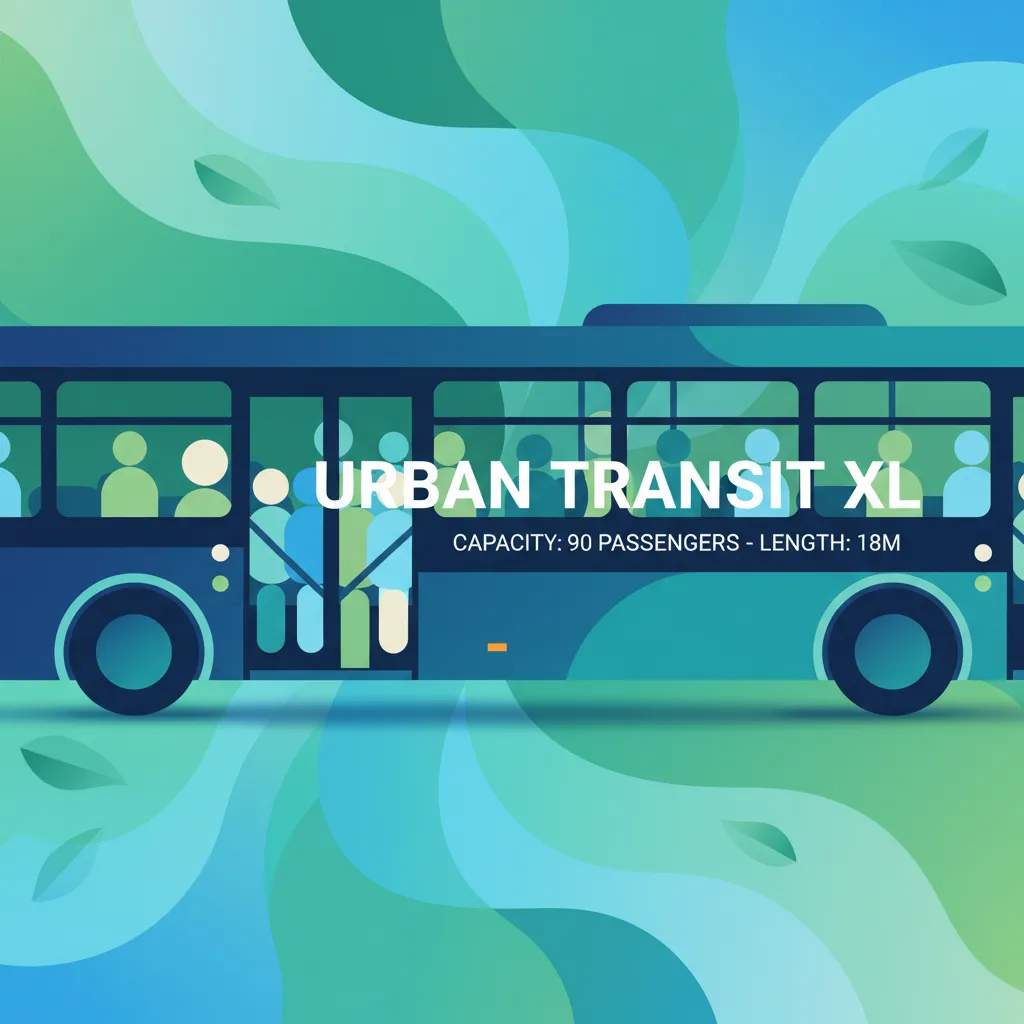
This lesson introduces the various classes of passenger vehicles under Category D, detailing differences between standard, articulated, and minibuses. It covers key dimensional parameters like length, wheelbase, and turning circle that affect urban navigation. Learners will also understand passenger capacity calculations and weight distribution for safe, compliant operation.
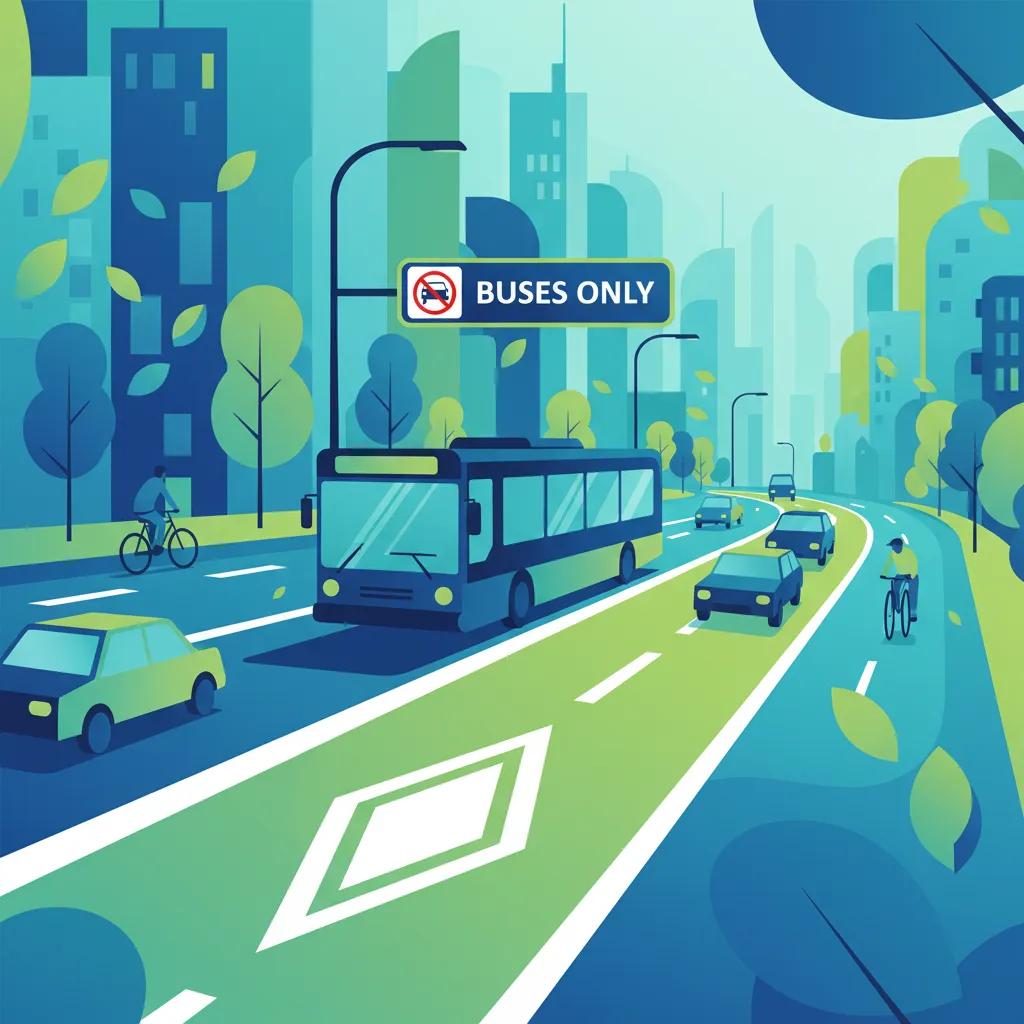
This lesson teaches learners to identify and understand road signs that govern bus movement, including dedicated bus lane (buspas) signs. It explains the visual characteristics, legal standing, and consequences of non-compliance. The content also covers how to adapt to temporary restrictions in construction zones while maintaining schedule and safety.
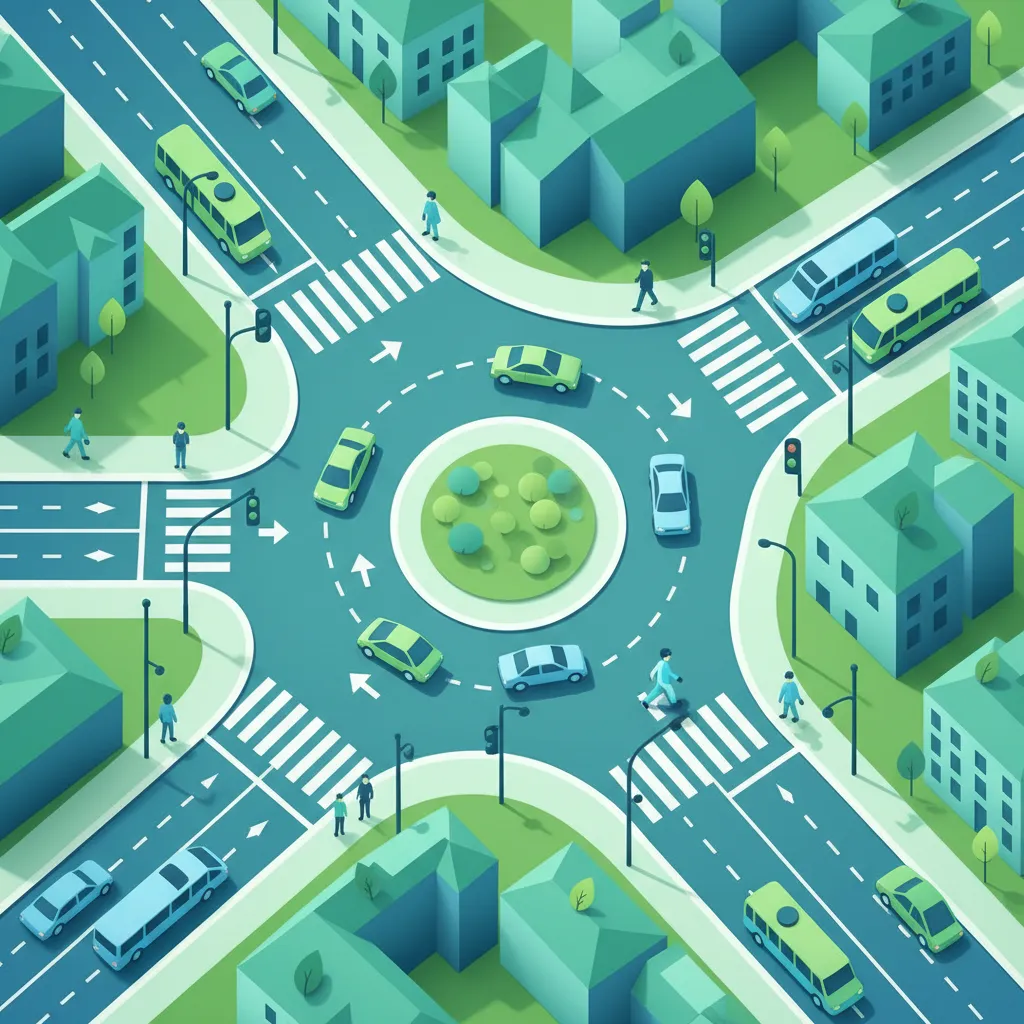
This lesson explores the priority hierarchy for buses at different intersections, roundabouts, and pedestrian crossings. Learners will understand how traffic signals and signs affect their approach and how to safely navigate roundabouts with correct lane discipline. Special attention is given to yielding to pedestrians, especially near bus stops.
Understand the specific Polish legal regulations and requirements for bus mirror placement, adjustment, and maintenance. Ensure compliance with traffic law for safe operation and passing the Category D theory exam.
This lesson emphasizes the importance of systematic observation for safe driving. It teaches how to correctly adjust and use rearview and side mirrors to monitor traffic, and explains why shoulder checks are essential for detecting hazards in blind spots. These techniques are fundamental for safe lane changes, turns, and overall situational awareness.
This lesson teaches learners to identify and understand road signs that govern bus movement, including dedicated bus lane (buspas) signs. It explains the visual characteristics, legal standing, and consequences of non-compliance. The content also covers how to adapt to temporary restrictions in construction zones while maintaining schedule and safety.
This lesson details the speed limits applicable to buses in Poland across urban, rural, and motorway settings. It emphasizes how vehicle size and passenger load influence safe operating speeds and required stopping distances. The content also covers speed-control device usage and practical techniques for maintaining consistent speed while ensuring passenger comfort.
This lesson focuses on the key provisions of the Polish road traffic act relevant to public transport. It explains the legal classification of buses, mandatory safety equipment, and the hierarchy of road users. Learners will understand the specific obligations of bus drivers, potential penalties for non-compliance, and the required operational documentation.
This lesson explores the priority hierarchy for buses at different intersections, roundabouts, and pedestrian crossings. Learners will understand how traffic signals and signs affect their approach and how to safely navigate roundabouts with correct lane discipline. Special attention is given to yielding to pedestrians, especially near bus stops.
This lesson teaches the fundamentals of safely reversing a bus using mirrors, cameras, and alarms. It covers low-speed control essential for depot navigation, where precise steering is required to avoid collisions. Specific techniques for handling articulated buses and coordinating with ground staff are also discussed to ensure safe maneuvers.

This lesson details the exact requirements to qualify for a Category D driving licence. It covers the minimum age, the mandatory medical examinations for health fitness, and the hierarchy of prerequisite licences like Category B and C. You will also learn about the accredited training process and the necessary documentation for certification.
This lesson details the specific driving adjustments needed for adverse weather. It focuses on how rain, snow, and ice affect vehicle dynamics and driver perception. Learners will study techniques to prevent hydroplaning, use winter tires effectively, and increase following distances on slippery surfaces while using safety systems like fog lights.
This lesson introduces the various classes of passenger vehicles under Category D, detailing differences between standard, articulated, and minibuses. It covers key dimensional parameters like length, wheelbase, and turning circle that affect urban navigation. Learners will also understand passenger capacity calculations and weight distribution for safe, compliant operation.
Find clear answers to common questions learners have about Mirror Placement, Blind Spot Zones, and Visibility Management. Learn how the lesson is structured, which driving theory objectives it supports, and how it fits into the overall learning path of units and curriculum progression in Poland. These explanations help you understand key concepts, lesson flow, and exam focused study goals.
Buses have significant blind spots directly to the front, rear, and sides, especially around the wheel arches and the length of the vehicle. The high seating position and long body mean interior and exterior mirrors are essential to cover these areas, which are much larger than those on a car.
Exterior mirrors should be adjusted to show as much of the adjacent lanes and rear as possible without showing excessive parts of your own vehicle. The side mirrors typically need to be angled to cover the rear wheels and the lane next to you, while wing mirrors extend your view further back. Aim for overlapping fields of vision where possible.
Yes, a full bus can slightly alter the vehicle's stance and potentially the angle of some mirrors. It's important to re-check mirror positions after loading passengers, especially if the load is uneven. Additionally, passengers can obstruct direct sightlines or create reflections in interior mirrors.
Poor lighting, such as at dawn, dusk, or night, reduces the effectiveness of mirrors. Glare from headlights or the sun can also temporarily blind you. Consider using anti-glare settings on mirrors and being extra cautious, relying more on checking different angles and potential hazards before making decisions.
A very common mistake is not adjusting mirrors adequately for the bus's specific dimensions, leading to reliance on assumptions from car driving. Another is neglecting to check mirrors frequently or failing to account for the extended time it takes for a bus to manoeuvre, meaning hazards might be in blind spots longer.
Build custom practice sessions tailored precisely to your needs. Focus on areas requiring improvement, review specific Polish road signs, or master complex traffic rules to ensure full preparation for your official driving license exam.