
Welcome to the crucial lesson on Defensive Driving, Hazard Perception, and Risk Management, part of the 'Driving in Adverse Conditions & Human Factors' unit for your Polish Category D licence. This lesson builds on foundational traffic rules by focusing on proactive safety strategies vital for professional bus operators, preparing you for complex real-world scenarios and specific exam questions.

Lesson content overview
Operating a bus, especially for a Polish Category D driving licence, requires more than just knowing how to control the vehicle and follow traffic laws. It demands a proactive mindset known as defensive driving. This comprehensive lesson will equip aspiring professional drivers with the essential strategies for continuous situational awareness, effective hazard perception, and robust risk management. By anticipating potential dangers and understanding the dynamics of a large vehicle, bus drivers can significantly reduce accident probability and ensure the highest level of safety for their passengers and all road users.
Defensive driving is a disciplined approach to driving that aims to prevent collisions and incidents despite the actions of others or the presence of adverse conditions. For bus drivers, this is not merely a recommendation but a professional obligation, deeply intertwined with passenger safety and the public trust placed in them. It involves constant vigilance, foresight, and a preparedness to act swiftly and correctly in unexpected situations. This section lays the groundwork for understanding the core principles that elevate everyday driving to a professional standard of safety.
This approach builds upon foundational knowledge of basic traffic rules and vehicle systems. It also requires an understanding of driver positioning and visibility, integrating these elements into a holistic view of the road environment. By adopting a defensive driving mindset, bus operators can navigate complex traffic scenarios with greater confidence and control, thereby fulfilling their duty of care.
Defensive driving for a Category D bus operator is built upon several interconnected principles. These principles form a mental framework that guides decision-making and actions on the road, transforming perception into actionable safety measures. They are designed to compensate for the inherent challenges of operating a large vehicle carrying numerous passengers.
The continuous perception of the traffic environment, comprehension of its meaning, and the ability to project its future status. It allows for the early detection of hazards before they become immediate threats.
Situational awareness is the bedrock of defensive driving. It means knowing what is happening around your bus at all times, understanding what those events signify, and predicting how they might unfold. This principle requires constant scanning of the environment, not just focusing on the vehicle directly ahead. A bus driver must scan 360 degrees, anticipate the actions of other road users, and maintain a mental model of traffic flow, including potential blind spots. This proactive observation enables timely decision-making and reduces surprise.
Defined buffers of distance and time between the bus and surrounding road users, allowing for safe reaction and braking. This margin compensates for increased vehicle length, passenger load, and reduced braking efficiency characteristic of buses.
A safety margin is crucial for heavy vehicles like buses. It provides the necessary time and space to react to sudden changes or hazards. Due to their size and weight, buses require significantly longer stopping distances compared to passenger cars. Therefore, bus drivers must consciously maintain larger gaps, both ahead and to the sides, to ensure adequate room for braking, steering, or other evasive actions. This buffer is dynamic and must be adjusted based on speed, road conditions, and the presence of other road users.
An ongoing process of identifying potential hazards, evaluating the severity and probability of risk, deciding on appropriate mitigation actions, and continuously re-evaluating the situation after execution.
Risk assessment is a continuous, systematic process that turns perceived information into actionable decisions. It involves identifying potential dangers, estimating the likelihood and impact of those dangers, choosing the best course of action to avoid or reduce the risk, and then monitoring the outcome. For a bus driver, this might involve deciding to reduce speed, change lanes, or brake based on a calculated risk, always with the primary goal of safeguarding passengers and other road users. This loop ensures that every decision made is a considered one, aimed at minimizing potential harm.
Pre-emptive selection of escape routes and careful vehicle positioning to enable controlled evasive actions (e.g., controlled braking, lane change, emergency stop) in response to sudden hazards.
Even with the best defensive driving, emergencies can arise. Emergency maneuver planning means thinking ahead about how to react if a sudden obstruction or hazard appears. This includes identifying clear escape paths, understanding the bus's turning radius and blind spots, and practicing controlled braking techniques. The goal is to reduce panic response time, preserve vehicle stability, and protect passengers by executing a smooth, controlled evasive action rather than an abrupt, uncontrolled reaction. Knowledge of the bus's specific dynamics is critical here.
Vulnerable road users (VRUs) such as pedestrians, cyclists, motorcyclists, and children face a disproportionately high risk of severe injury in collisions. For bus drivers, there is a legal and ethical obligation to provide these groups with extra protection. This principle mandates adjusting speed, increasing following distances, and anticipating unpredictable movements, especially in urban environments, school zones, and near pedestrian crossings. Recognizing their vulnerability is key to preventing serious incidents.
The performance of a bus, particularly its braking capabilities, changes significantly with the number of passengers and any cargo carried. A fully loaded bus has a greater mass and therefore requires a longer stopping distance and different braking force distribution. Load-adjusted braking involves recognizing these changes and modifying driving behavior accordingly. This ensures that speed and following distances are always appropriate for the real-world performance of the bus, preventing overshooting stop lines or being unable to stop in time.
To translate the core principles into practical application, bus drivers must understand and master several key concepts. These concepts provide the specific tools and techniques needed to implement defensive driving strategies effectively in various real-world scenarios.
Situational awareness is more than just looking; it is about processing information. For a bus driver, this means mastering several subcategories:
A common misunderstanding is believing that a single glance is sufficient, or neglecting rear-view checks during crucial maneuvers like lane changes. For example, when approaching a busy urban intersection, a driver must simultaneously use forward scanning to detect a cyclist waiting to turn left, check the left mirror for a merging vehicle, and anticipate a pedestrian stepping onto the crossing. This continuous, active process is critical for safety. This concept builds on understanding of visual fields and vehicle dimensions.
Hazard perception is the recognition of potential sources of danger – both static and dynamic – that could compromise safe operation. It requires an ability to distinguish between what is merely present and what poses a threat.
A common mistake is focusing too narrowly on the vehicle directly ahead, thereby ignoring peripheral hazards. For instance, a bus driver must recognise that a bus stop platform near a roundabout can become a significant hazard if passengers are boarding or alighting while the bus needs to circulate. This requires anticipating the movement of people in the vicinity, not just other vehicles. According to Article 59 of the Polish Road Traffic Act (Prawo o ruchu drogowym), drivers must always adjust their speed to prevailing road conditions and maintain safe distances, which directly relates to hazard perception.
Risk management is the systematic process of identifying, analysing, evaluating, and mitigating risks associated with bus operation. It's a structured approach to making driving decisions safer.
Risk Identification: Spotting potential hazards in the driving environment. This is the "What could go wrong?" stage.
Risk Evaluation: Estimating the probability of a hazard occurring and the potential severity of its impact. This involves asking, "How likely is it, and how bad would it be?"
Risk Treatment: Deciding on a course of action to address the identified risk. This could involve avoidance (e.g., changing route), reduction (e.g., slowing down), transfer (e.g., ensuring proper insurance), or acceptance (if the risk is minimal and unavoidable).
Monitoring: Continuously re-assessing the situation and the effectiveness of the chosen risk treatment. The road environment is dynamic, so vigilance is constant.
A practical application involves deciding to reduce speed significantly when carrying a heavy passenger load on wet pavement, as both factors increase stopping distance. This proactive adjustment mitigates the risk of a collision. A common mistake is over-reliance on vehicle safety systems like ABS (Anti-lock Braking System) or ESP (Electronic Stability Program) without adjusting one's driving style. While these systems are invaluable, they do not negate the laws of physics. Article 84 of the Polish Road Traffic Act (Prawo o ruchu drogowym) reinforces this by requiring drivers to operate vehicles without endangering other road users.
The minimum space between the bus and the vehicle ahead that allows the bus driver to stop safely under normal conditions, adjusted for vehicle load and road surface.
Maintaining an adequate safe following distance is one of the most fundamental defensive driving techniques, especially for a Category D bus. It directly addresses the increased stopping distances required by heavy vehicles. The formula for stopping distance includes both reaction time and braking distance.
A widely recommended guideline for buses is the 2-second rule, which should be extended to 3 seconds or more on wet, icy, or otherwise slippery roads. This rule is measured by picking a fixed point on the road (e.g., a sign or tree) and noting when the vehicle ahead passes it. You should then count "one-thousand-one, one-thousand-two." If your bus reaches that point before you finish counting, you are following too closely.
For example, at 50 km/h on a dry road, a bus should maintain at least 30 meters (approximately 2 seconds) behind the preceding vehicle. On a wet road, this should increase to at least 45 meters (approximately 3 seconds). A common mistake is tail-gating, especially after bus stops where the driver forgets to re-establish the safety margin. Article 65 of the Polish Road Traffic Act (Prawo o ruchu drogowym) explicitly mandates maintaining a safe distance from the vehicle ahead at all times.
Emergency maneuver planning goes hand-in-hand with executing the maneuver effectively when needed. This involves several critical elements:
Escape Path Identification: Continuously scan for and identify clear areas where the bus can move without endangering other road users or striking fixed objects. This might be a clear lane, a shoulder, or an open space.
Maneuver Execution: If an evasive action is required, aim for gradual steering input combined with balanced, progressive braking. Avoid abrupt, jerky movements that could lead to a loss of control, especially for a high-center-of-gravity vehicle like a bus. Smooth steering and braking help to preserve vehicle stability and prevent skidding or jack-knifing.
Passenger Safety: Before any abrupt deceleration or maneuver, if time permits, make a quick announcement or take action to brace standing passengers. Sudden stops can cause severe injuries to unseated passengers.
Signaling: Always signal your intentions, even in an emergency, if it can be done safely and without delaying the critical maneuver. This warns other drivers of your actions.
For example, if a delivery truck suddenly stops directly in your lane, the bus driver should immediately reduce speed, check mirrors for adjacent traffic, signal their intention, and gently steer towards the adjacent clear lane, ensuring sufficient clearance. A common mistake is abrupt steering at high speed, which can lead to a rollover, or failing to signal before a lane change during an emergency. Article 93 of the Polish Road Traffic Act (Prawo o ruchu drogowym) requires drivers to perform emergency stops in a manner that does not endanger other road users. This links to understanding bus vehicle dynamics.
Specific considerations are paramount when sharing the road with vulnerable road users (VRUs). These groups include pedestrians, cyclists, motorcyclists, and children, who are more susceptible to serious injury in a collision due to their lack of physical protection.
A common mistake is assuming that a large bus is always highly visible to everyone, or neglecting to yield at crosswalks when a pedestrian clearly intends to cross. For instance, a bus driver approaching a school crossing zone must slow down considerably, watch for children from all directions (including in the rear-view mirror for those coming from behind the bus), and stop completely when a child steps onto the road.
Professional bus drivers in Poland must operate within a strict legal framework designed to ensure safety and prevent fatigue. Key articles from the Polish Road Traffic Act (Prawo o ruchu drogowym) and relevant EU regulations form the backbone of these requirements.
Article 48 of the Polish Road Traffic Act mandates that drivers must yield to pedestrians at designated crossings. This is a fundamental rule for urban and residential driving.
Legal Obligation: Drivers must slow down and stop if a pedestrian is on the crossing or clearly intending to cross. Failure to do so is a serious violation.
Article 65 explicitly requires drivers to maintain a safe distance from the vehicle ahead. This general duty applies continuously, but is especially critical on high-speed roads and immediately after bus stops.
Article 84 establishes a general duty of care, stating that drivers must operate their vehicle without endangering other road users. This is an overarching principle that applies to all maneuvers and driving conditions.
Article 93 specifies that emergency stops must be performed in a manner that does not endanger other road users. This means considering the impact of a sudden stop on following vehicles.
A directive (EU Regulation 165/2014 and associated rules) limiting the daily and weekly driving time for professional drivers to prevent fatigue.
EU Regulation 165/2014, along with other related directives, sets strict limits on driving times and mandates regular breaks and rest periods for professional drivers, including bus operators. Typically, a maximum driving time of 9 hours per day is allowed, extendable to 10 hours twice a week. These regulations are mandatory and are crucial for preventing driver fatigue, which significantly impairs reaction time, concentration, and risk perception.
Defensive driving is not a static set of rules; it's a dynamic approach that requires constant adaptation to changing conditions. A professional bus driver must always consider how environmental factors, road types, and the vehicle's state influence their driving strategy.
Ignoring defensive driving principles can lead to specific, common violations and dangerous situations for bus operators. Understanding these pitfalls is the first step in avoiding them.
Understanding the underlying scientific and psychological principles reinforces the need for defensive driving. It highlights why human limitations and vehicle physics necessitate proactive safety strategies.
The average human reaction time is approximately 1.5 seconds under ideal conditions. For bus drivers, who process more information and operate a more complex vehicle, this can be longer. Defensive driving strategies explicitly account for these physiological limits by mandating extended safety margins, ensuring there is always sufficient time to perceive, process, decide, and act. Fatigue, distraction, and stress further degrade reaction time, making larger margins even more critical.
Stopping distance is the sum of reaction distance (distance traveled during reaction time) and braking distance (distance traveled while braking). Braking distance for a bus:
Insight: Studies show that increasing following distance by just 1 second can reduce the risk of rear-end collisions for buses by up to 30%.
Defensive driving embraces these physical realities by instructing drivers to maintain larger gaps and adjust speeds based on conditions and load, rather than relying solely on the vehicle's maximum braking capacity.
Drivers often overestimate their own driving abilities and underestimate risks, especially on familiar routes (known as optimism bias). They might think, "It won't happen to me," or "I know this road like the back of my hand." Defensive driving strategies counteract this psychological tendency by enforcing systematic scanning, continuous risk assessment, and adherence to objective safety margins, irrespective of familiarity or perceived skill. It replaces subjective optimism with objective vigilance.
Fatigue significantly impairs cognitive performance, reaction time, concentration, and decision-making abilities. Studies indicate that cognitive performance can deteriorate significantly after just 2 hours of continuous driving. The EU working-time regulations are specifically designed to mitigate this risk by mandating breaks and rest periods, ensuring that professional bus drivers operate when they are mentally and physically capable. Ignoring these regulations not only carries legal penalties but also drastically increases the probability of accidents due to impaired judgment.
Defensive driving, hazard perception, and risk management are not merely theoretical concepts but essential, practical skills for every professional bus driver. They form a comprehensive strategy for anticipating dangers, minimizing risks, and ensuring the safety of passengers and other road users. By consistently applying principles of situational awareness, maintaining generous safety margins, and diligently following legal regulations, bus drivers embody the highest standards of road safety. Integrating these practices into every journey is paramount for a successful and safe career in public transport.
This lesson covers defensive driving principles specifically for Polish Category D bus operators, including systematic hazard perception techniques, the continuous risk assessment loop, and legal obligations under the Polish Road Traffic Act. It emphasizes that large vehicles require significantly larger safety margins and longer stopping distances, which must be adjusted based on load, weather, and road conditions. Key topics include emergency maneuver execution, interaction with vulnerable road users, and the importance of EU working-time regulations in preventing fatigue-related errors. The content prepares learners for both real-world driving scenarios and theory exam questions on proactive safety measures.
A short set of high-value points that capture the most important learning from this lesson.
Situational awareness requires continuous 360-degree scanning, not just focusing on the vehicle directly ahead
Buses need significantly larger safety margins (2+ seconds dry, 3+ seconds wet) due to their longer stopping distances compared to cars
The risk assessment loop is continuous: identify hazards, evaluate probability and severity, decide on action, then monitor and re-evaluate
Load-adjusted braking means accounting for passenger count—full buses require longer stopping distances
Vulnerable road users (pedestrians, cyclists, children) require extra protection through speed reduction and increased lateral distance
Explore all units and lessons included in this driving theory course.
Use the 2-second rule on dry roads and extend to 3+ seconds on wet or icy surfaces for safe following distance
Re-establish safety margins immediately after every bus stop—boarding and alighting passengers often cause drivers to forget
Key Polish Road Traffic Act articles: Art. 48 (pedestrian priority), Art. 65 (safe following distance), Art. 84 (duty of care), Art. 93 (safe emergency stops)
EU Working Time Regulations limit driving to 9 hours per day (extendable to 10 hours twice weekly) and mandate breaks to prevent fatigue
Electronic safety systems like ABS and ESP assist but do not replace safe driving practices—physics still applies regardless of technology
Tail-gating after bus stops when passengers board or alight, failing to re-establish the safety margin
Focusing too narrowly on the vehicle ahead and missing peripheral hazards like cyclists merging or pedestrians stepping out
Assuming ABS or ESP will compensate for unsafe speeds, over-reliance on safety systems in wet conditions
Neglecting load impact on braking—driving with the same following distance whether the bus is empty or full of passengers
Insufficient speed reduction in school zones, not anticipating unpredictable child movements near crossings
Lesson content overview
A short set of high-value points that capture the most important learning from this lesson.
Situational awareness requires continuous 360-degree scanning, not just focusing on the vehicle directly ahead
Buses need significantly larger safety margins (2+ seconds dry, 3+ seconds wet) due to their longer stopping distances compared to cars
The risk assessment loop is continuous: identify hazards, evaluate probability and severity, decide on action, then monitor and re-evaluate
Load-adjusted braking means accounting for passenger count—full buses require longer stopping distances
Vulnerable road users (pedestrians, cyclists, children) require extra protection through speed reduction and increased lateral distance
Explore all units and lessons included in this driving theory course.
Use the 2-second rule on dry roads and extend to 3+ seconds on wet or icy surfaces for safe following distance
Re-establish safety margins immediately after every bus stop—boarding and alighting passengers often cause drivers to forget
Key Polish Road Traffic Act articles: Art. 48 (pedestrian priority), Art. 65 (safe following distance), Art. 84 (duty of care), Art. 93 (safe emergency stops)
EU Working Time Regulations limit driving to 9 hours per day (extendable to 10 hours twice weekly) and mandate breaks to prevent fatigue
Electronic safety systems like ABS and ESP assist but do not replace safe driving practices—physics still applies regardless of technology
Tail-gating after bus stops when passengers board or alight, failing to re-establish the safety margin
Focusing too narrowly on the vehicle ahead and missing peripheral hazards like cyclists merging or pedestrians stepping out
Assuming ABS or ESP will compensate for unsafe speeds, over-reliance on safety systems in wet conditions
Neglecting load impact on braking—driving with the same following distance whether the bus is empty or full of passengers
Insufficient speed reduction in school zones, not anticipating unpredictable child movements near crossings
Explore search topics learners often look for when studying Defensive Driving, Hazard Perception, and Risk Management. These topics reflect common questions about road rules, driving situations, safety guidance, and lesson level theory preparation for learners in Poland.
Browse additional driving theory lessons that cover connected traffic rules, road signs, and common driving situations related to this topic. Improve your understanding of how different rules interact across everyday traffic scenarios.
Learn how to adjust your bus driving strategy for diverse conditions including rain, snow, fog, night driving, and urban versus motorway environments. Understand the impact of load on vehicle dynamics for safer operation.
This lesson details the specific driving adjustments needed for adverse weather. It focuses on how rain, snow, and ice affect vehicle dynamics and driver perception. Learners will study techniques to prevent hydroplaning, use winter tires effectively, and increase following distances on slippery surfaces while using safety systems like fog lights.

This lesson teaches the crucial concept that drivers must always adapt their speed to the current conditions. It explains how factors like rain, fog, ice, heavy traffic, and poor visibility reduce safety margins and require a lower speed than the posted limit. This principle of defensive driving is essential for preventing accidents in challenging situations.
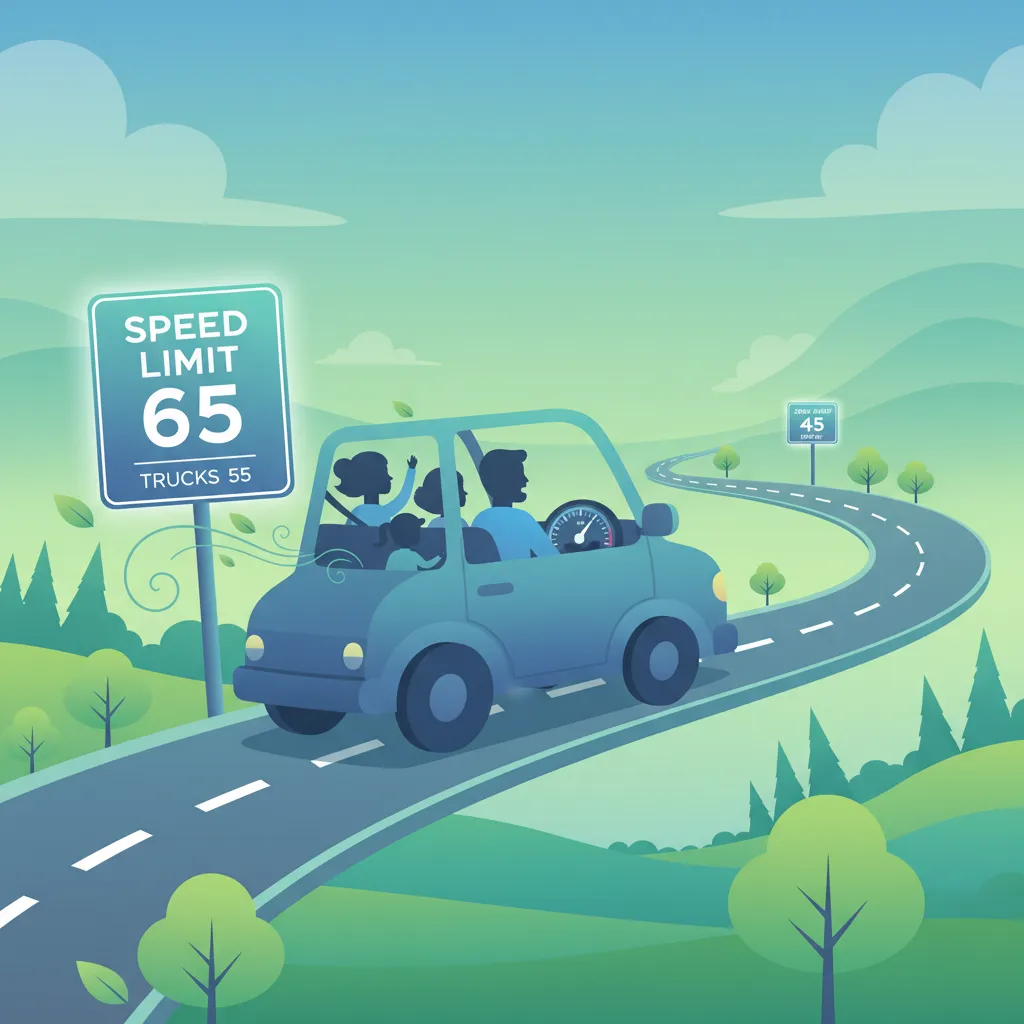
This lesson details the speed limits applicable to buses in Poland across urban, rural, and motorway settings. It emphasizes how vehicle size and passenger load influence safe operating speeds and required stopping distances. The content also covers speed-control device usage and practical techniques for maintaining consistent speed while ensuring passenger comfort.

This lesson teaches drivers how to adapt their speed, following distance, and control inputs to safely navigate adverse conditions. It covers the challenges posed by rain, snow, and ice, explaining the loss of traction and the increased risk of skidding or aquaplaning. The content provides specific strategies for driving in fog, which reduces visibility, and strong crosswinds, which can affect the stability of a high-sided vehicle, promoting a proactive and defensive driving mindset.

This lesson teaches the fundamentals of safely reversing a bus using mirrors, cameras, and alarms. It covers low-speed control essential for depot navigation, where precise steering is required to avoid collisions. Specific techniques for handling articulated buses and coordinating with ground staff are also discussed to ensure safe maneuvers.

This lesson focuses on the specific challenges of driving in rainy conditions. It explains the phenomenon of hydroplaning, where tires lose contact with the road surface, and how to prevent it by reducing speed. The importance of good tire condition, effective windscreen wipers, and extending following distances is also covered in detail.
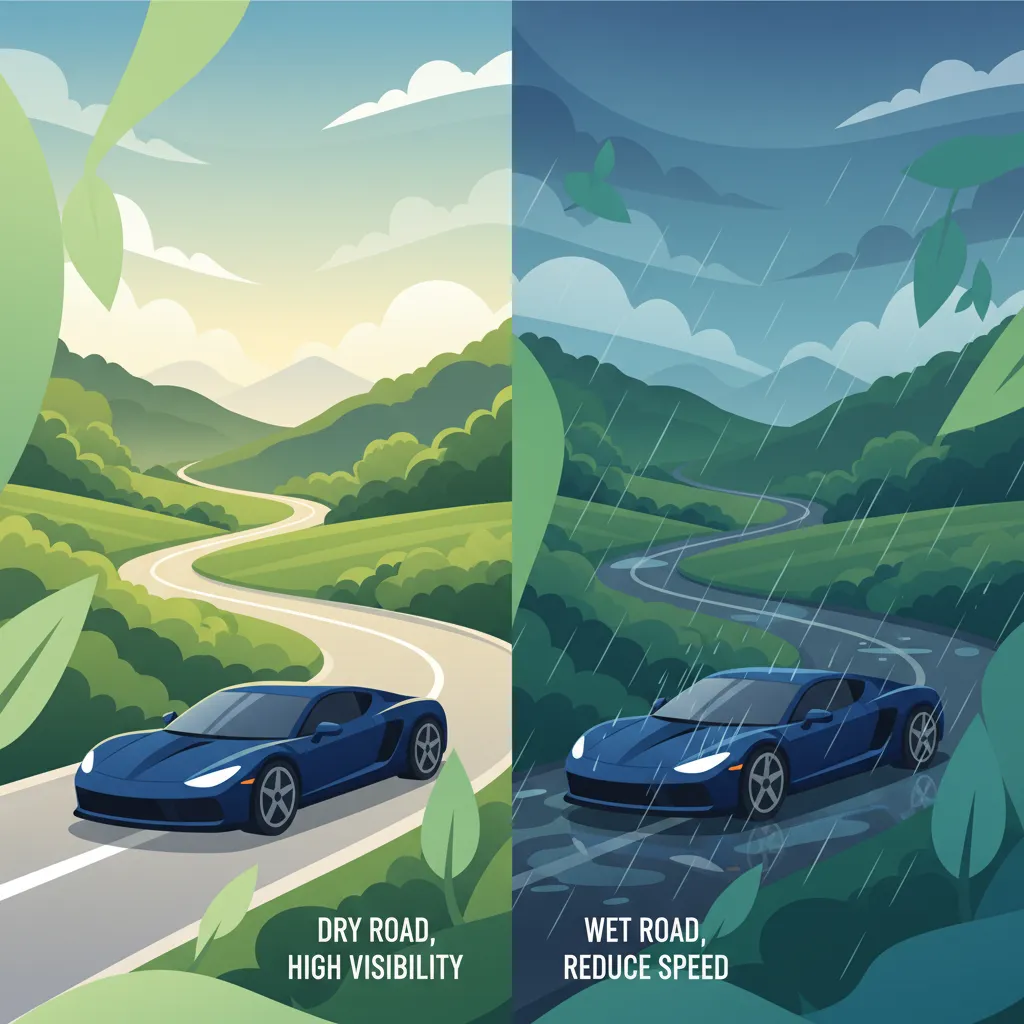
In this lesson, learners examine how environmental conditions such as rain, wind, ice, and reduced visibility necessitate adjustments in riding speed. The content provides guidelines for assessing road surfaces, judging appropriate cornering speeds, and reducing speed proactively in adverse weather. Learners will understand the impact of temperature on tyre performance and the need to increase safety margins, mastering adaptive speed management to maintain control.
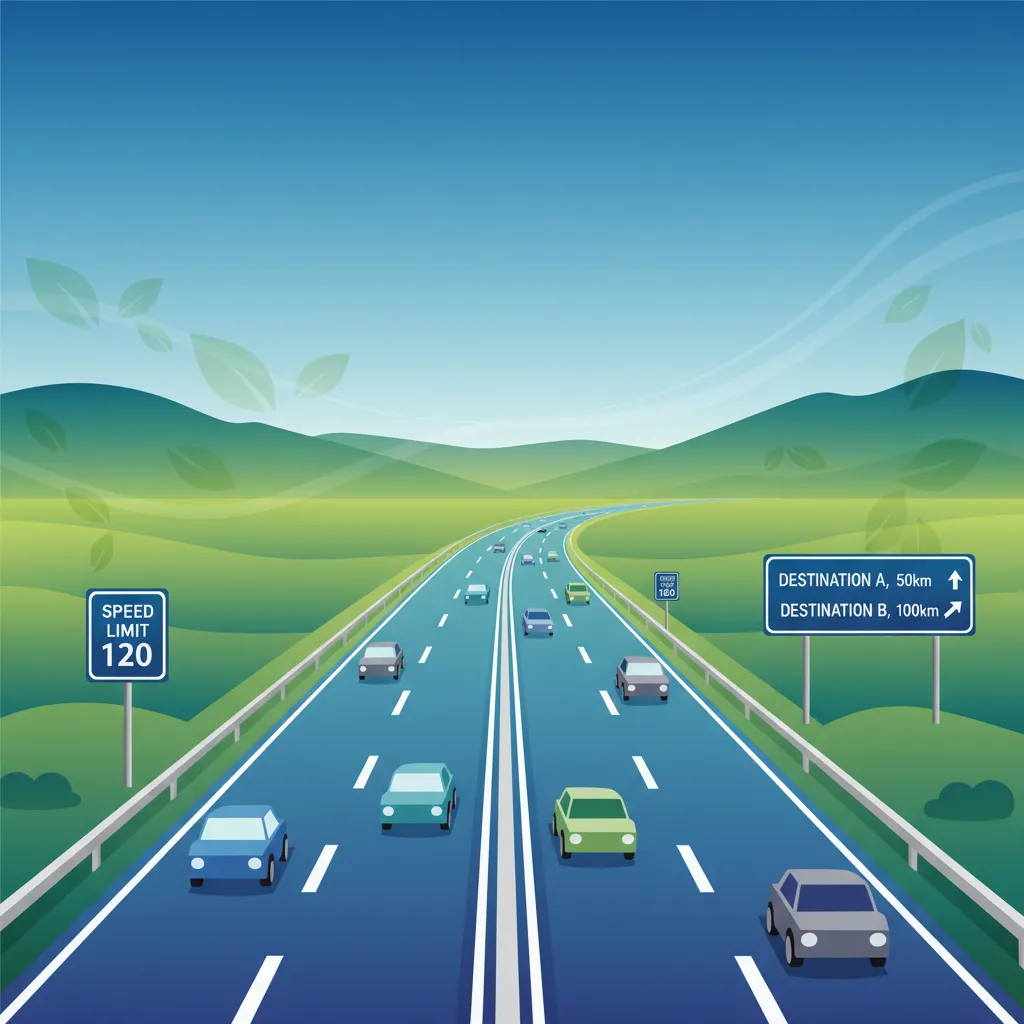
This lesson details the rules and best practices for driving on Poland's fastest roads. It covers the higher speed limits, the strict lane discipline of keeping right except to overtake, and prohibitions on stopping. The aim is to ensure drivers can handle the demands of sustained high-speed travel safely and efficiently.
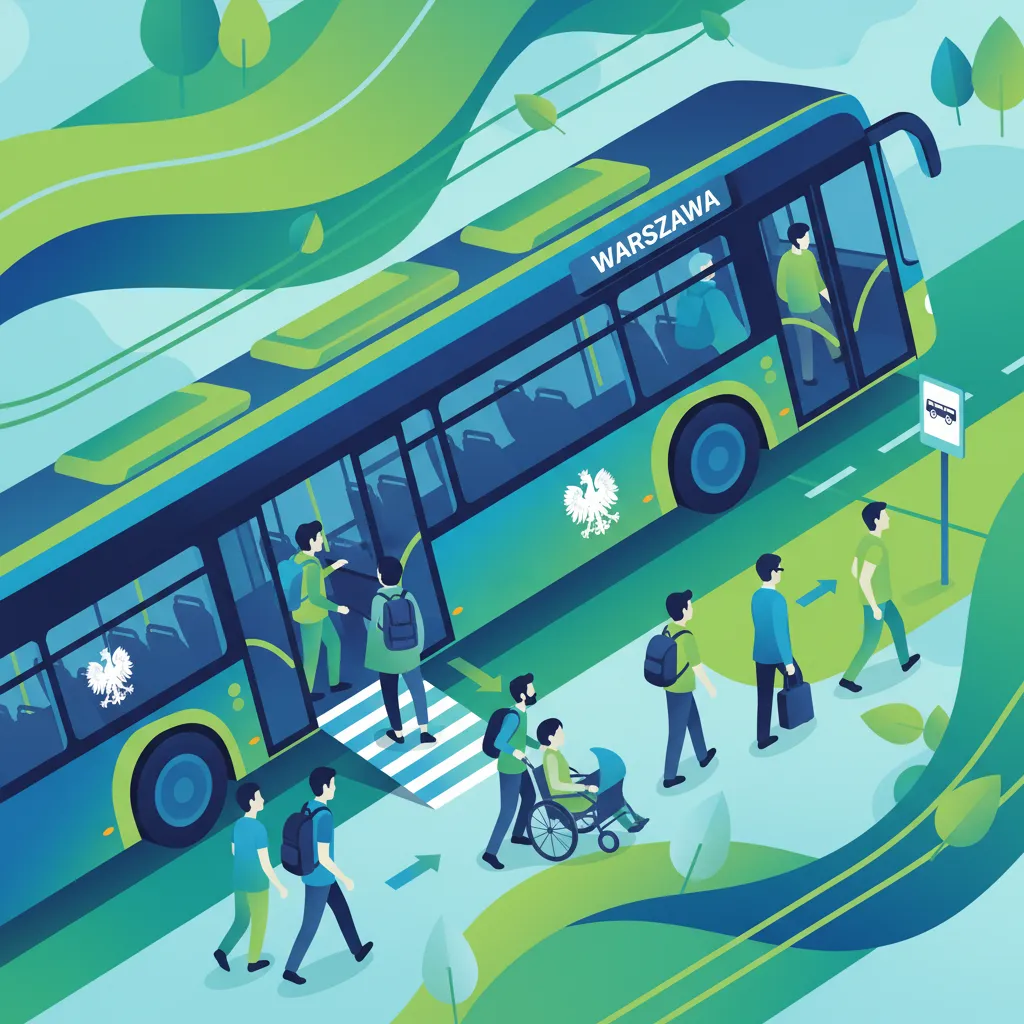
This lesson focuses on the key provisions of the Polish road traffic act relevant to public transport. It explains the legal classification of buses, mandatory safety equipment, and the hierarchy of road users. Learners will understand the specific obligations of bus drivers, potential penalties for non-compliance, and the required operational documentation.

This lesson focuses on how different passenger loads alter a vehicle's dynamics. It explains the shift in the center of gravity and its effect on suspension, acceleration, and braking. Learners will study techniques to anticipate and compensate for these handling changes, ensuring speed and cornering are adjusted for passenger comfort and safety.
Identify and understand frequent errors in defensive driving, hazard perception, and risk management for bus operators. Learn to avoid specific violations and dangerous situations to enhance passenger and road user safety.
This lesson teaches the fundamentals of safely reversing a bus using mirrors, cameras, and alarms. It covers low-speed control essential for depot navigation, where precise steering is required to avoid collisions. Specific techniques for handling articulated buses and coordinating with ground staff are also discussed to ensure safe maneuvers.
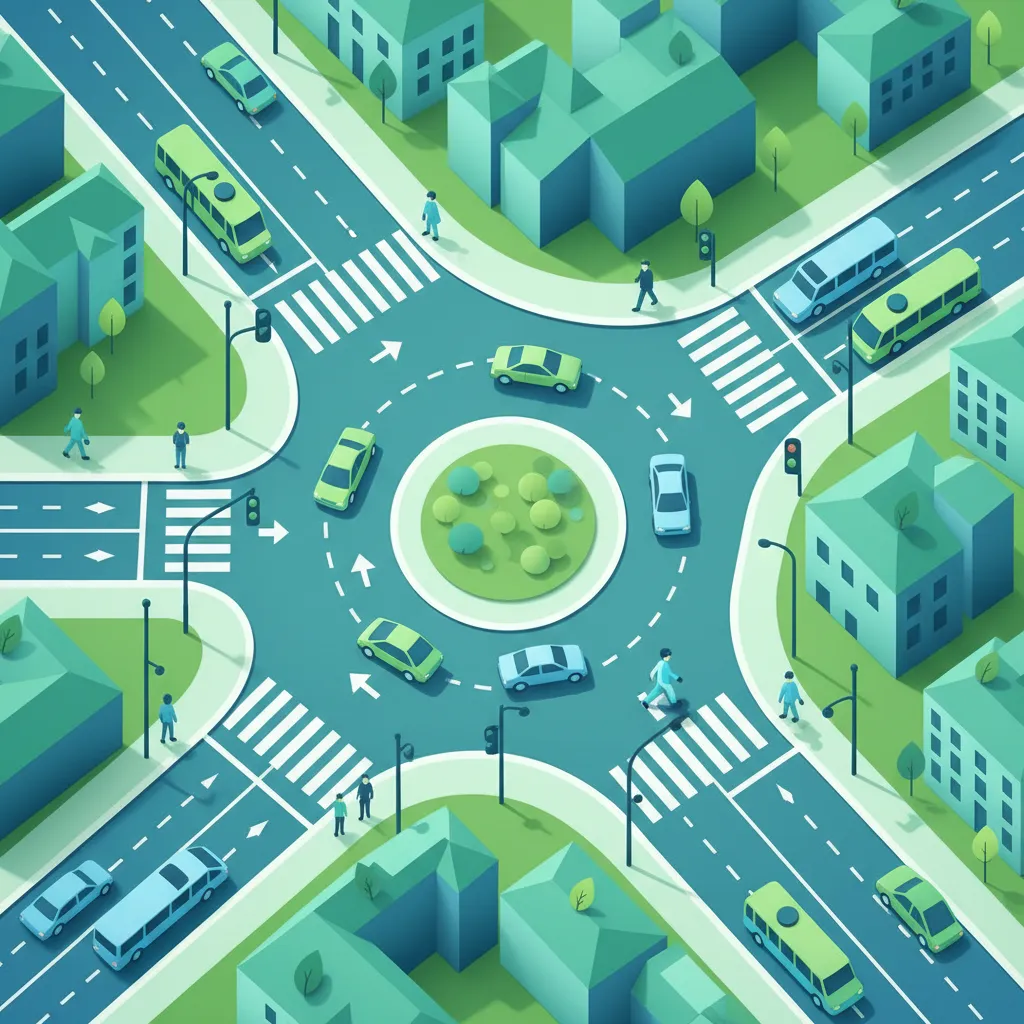
This lesson explores the priority hierarchy for buses at different intersections, roundabouts, and pedestrian crossings. Learners will understand how traffic signals and signs affect their approach and how to safely navigate roundabouts with correct lane discipline. Special attention is given to yielding to pedestrians, especially near bus stops.
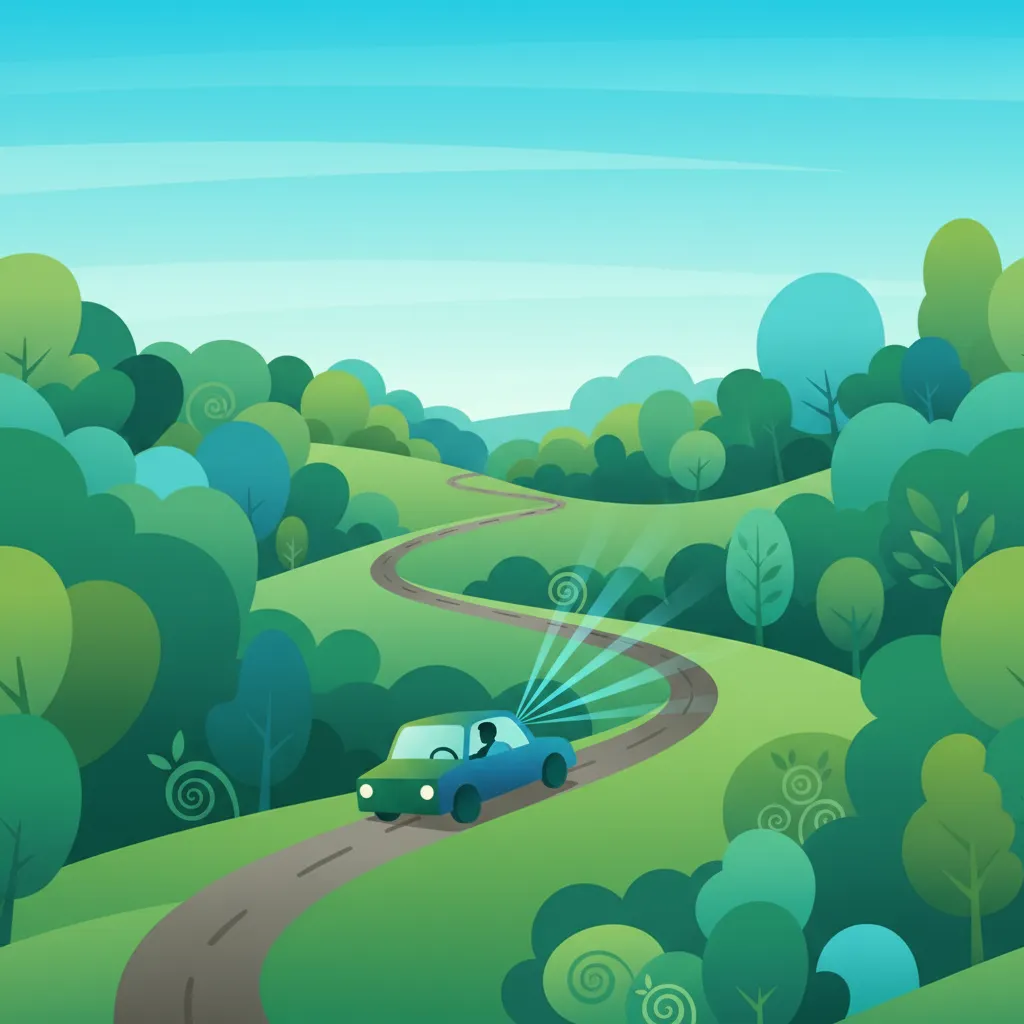
This lesson introduces defensive driving principles for rural settings, teaching learners how to continually scan the environment and anticipate potential hazards. It discusses the unique challenges posed by slow-moving agricultural traffic, field entrances, and unpredictable farm equipment maneuvers. The lesson emphasizes proactive decision-making and early brake application to avoid collisions in mixed traffic.
This lesson details the speed limits applicable to buses in Poland across urban, rural, and motorway settings. It emphasizes how vehicle size and passenger load influence safe operating speeds and required stopping distances. The content also covers speed-control device usage and practical techniques for maintaining consistent speed while ensuring passenger comfort.
This lesson focuses on the key provisions of the Polish road traffic act relevant to public transport. It explains the legal classification of buses, mandatory safety equipment, and the hierarchy of road users. Learners will understand the specific obligations of bus drivers, potential penalties for non-compliance, and the required operational documentation.
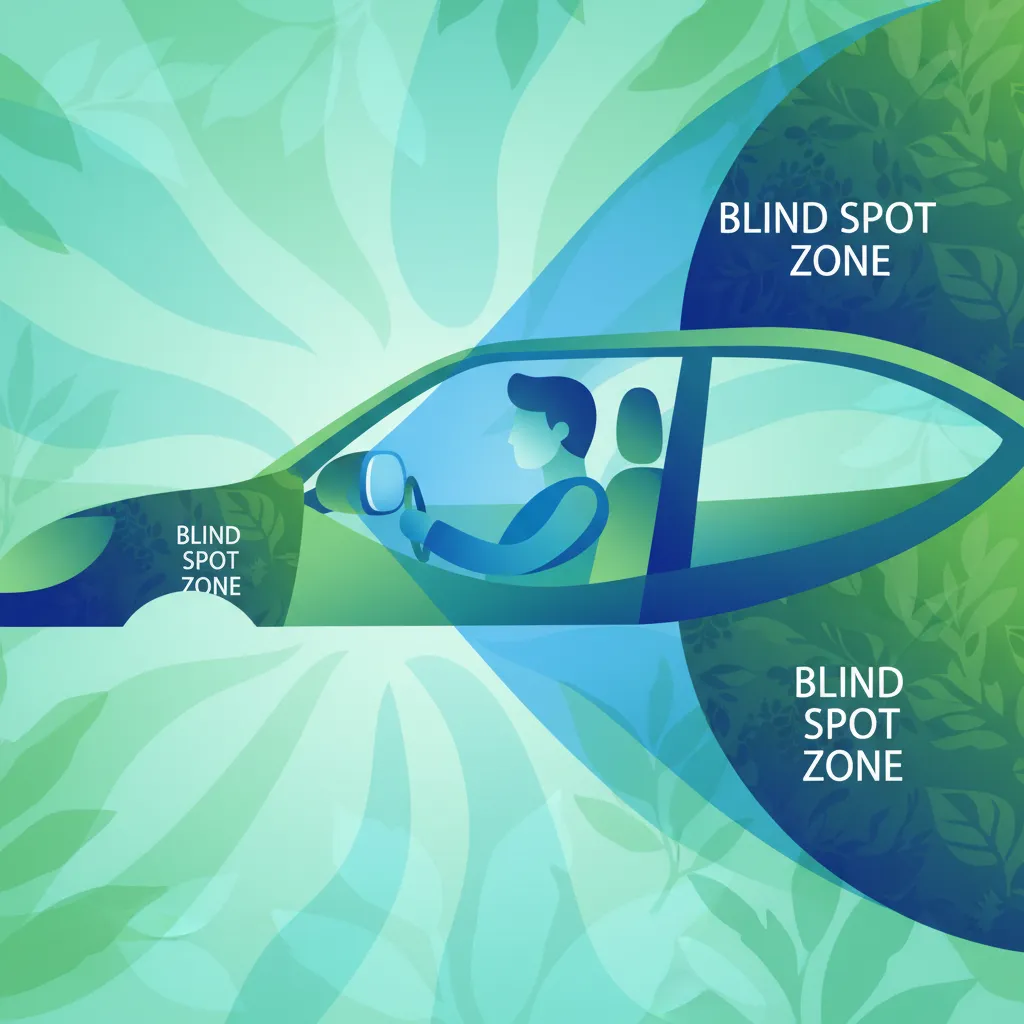
This lesson details the precise adjustment of interior and exterior mirrors to compensate for a bus's large blind spots. Learners will understand how to achieve maximum coverage of rear and side zones through proper mirror setup. It also addresses how passenger load and lighting conditions affect visibility and provides guidelines for maintaining clear sightlines.

This lesson outlines the precise steps for approaching a bus stop, ensuring correct positioning and safe deceleration. Learners will study the procedural aspects of door operation and managing passenger movement to prevent accidents. It also addresses coordination with traffic signals and pedestrians to maintain safety and schedule reliability.

This lesson covers the braking mechanisms specific to large passenger vehicles, focusing on air brake systems and retarders. Learners will understand the components and operation of service and parking brakes, as well as the function of ABS and ESC. It also addresses strategies for emergency braking and the importance of regular maintenance for optimal performance.
This lesson details the specific driving adjustments needed for adverse weather. It focuses on how rain, snow, and ice affect vehicle dynamics and driver perception. Learners will study techniques to prevent hydroplaning, use winter tires effectively, and increase following distances on slippery surfaces while using safety systems like fog lights.
This lesson provides practical methods for maintaining a safe buffer zone behind the vehicle in front. It explains the 'two-second rule' as a minimum following distance in good conditions and how to increase it to three or more seconds in adverse weather. This skill is critical for allowing enough time to react and brake safely to avoid rear-end collisions.
Find clear answers to common questions learners have about Defensive Driving, Hazard Perception, and Risk Management. Learn how the lesson is structured, which driving theory objectives it supports, and how it fits into the overall learning path of units and curriculum progression in Poland. These explanations help you understand key concepts, lesson flow, and exam focused study goals.
Bus driving requires a greater emphasis on anticipating the actions of others due to the vehicle's size, weight, and passenger load. Larger blind spots, longer stopping distances, and the responsibility for many passengers mean drivers must be even more vigilant and proactive in identifying and mitigating potential hazards before they become critical situations.
In Poland, hazard perception for bus drivers involves constantly evaluating the traffic environment for risks specific to large vehicles. This includes anticipating pedestrian movements near bus stops, cyclists sharing lanes, or cars misjudging your turning radius. The theory exam includes questions that test your ability to identify developing hazards and choose the safest course of action.
Risk management involves a continuous cycle of identifying potential dangers (like adverse weather, road conditions, or driver fatigue), assessing their likelihood and severity, and implementing strategies to control or reduce them. For bus drivers, this means adhering to speed limits, maintaining safe distances, planning routes to avoid known hazards, and reporting vehicle defects.
Situational awareness is paramount. It means being fully aware of your surroundings at all times – traffic flow, road conditions, pedestrian activity, and the status of your vehicle and passengers. A constant mental update of the situation allows you to anticipate problems and react appropriately, which is a core component of defensive driving tested in the Category D exam.
The theory test may include scenarios requiring you to understand how to react to sudden braking by a vehicle ahead, unexpected pedestrian actions, or loss of control. While practical execution is tested later, the theory exam focuses on recognizing the situation and knowing the principles of safe emergency responses, such as controlled braking or evasive steering, without endangering passengers.
Build custom practice sessions tailored precisely to your needs. Focus on areas requiring improvement, review specific Polish road signs, or master complex traffic rules to ensure full preparation for your official driving license exam.