
Dive into the essential body of knowledge required for your Polish driving licence theory exam. This hub provides in-depth explanations of all critical road rules, traffic signs, priority regulations, and driving procedures unique to Poland. Understand core concepts, legal requirements, and best practices to confidently navigate Polish roads and pass your theory test.
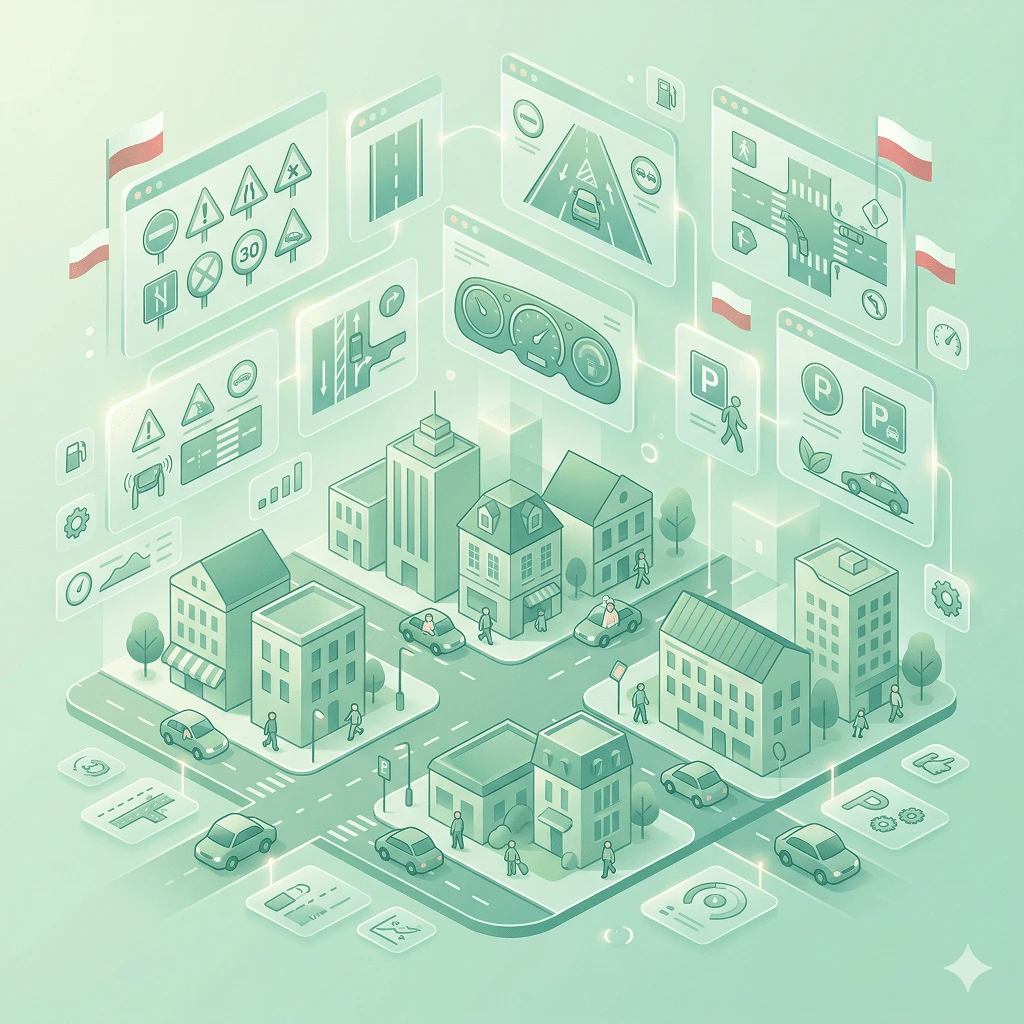
Navigate through our structured categories to master vital Polish traffic rules, interpret complex road signs, and understand priority procedures. Focused practice across these domains ensures you are fully prepared for the official theory test requirements.
10 topics
8 topics
6 topics
4 topics
4 topics
2 topics
1 topic
1 topic
1 topic
1 topic
1 topic
1 topic
Explore comprehensive Polish driving theory topics covering road signs, traffic rules, and specific legal requirements for all licence categories. Use search or browse to deepen your understanding, prepare thoroughly for your official theory test, and clarify any complex exam study questions.
Filter by category
10 theory topics found

In Poland, pedestrian crossings are designated areas crucial for the safety of walkers. As a driver, you have specific legal responsibilities to ensure the right of way and prevent accidents. This guide outlines how to correctly approach, react, and navigate various types of pedestrian crossings according to Polish traffic law, prioritizing the most vulnerable road users.
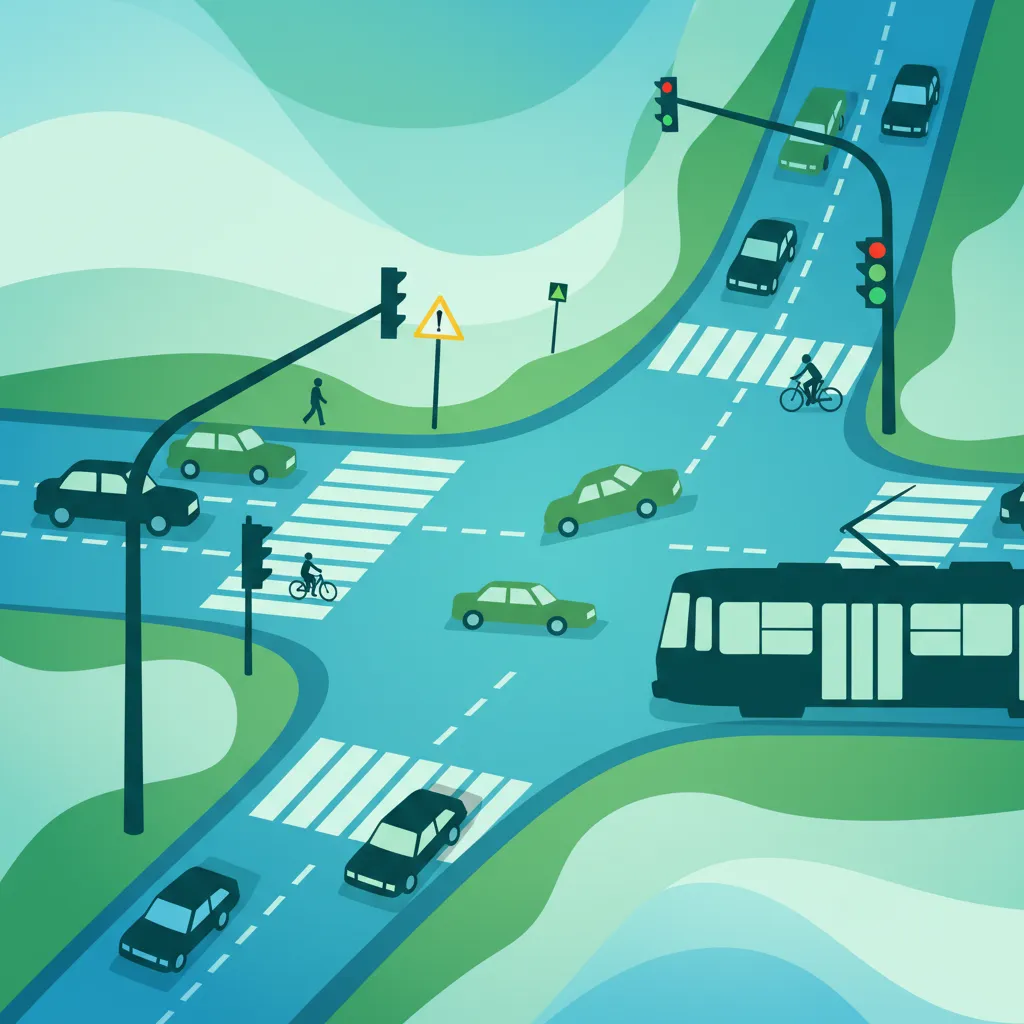
In Poland, understanding right of way, or "pierwszeństwo przejazdu," is essential for all drivers to prevent collisions and ensure smooth traffic flow. These rules dictate which vehicle or road user has the right to proceed first in situations where paths cross. This page clarifies how priority is established by traffic signs, signals, and general regulations, focusing on scenarios commonly encountered in Polish driving conditions.
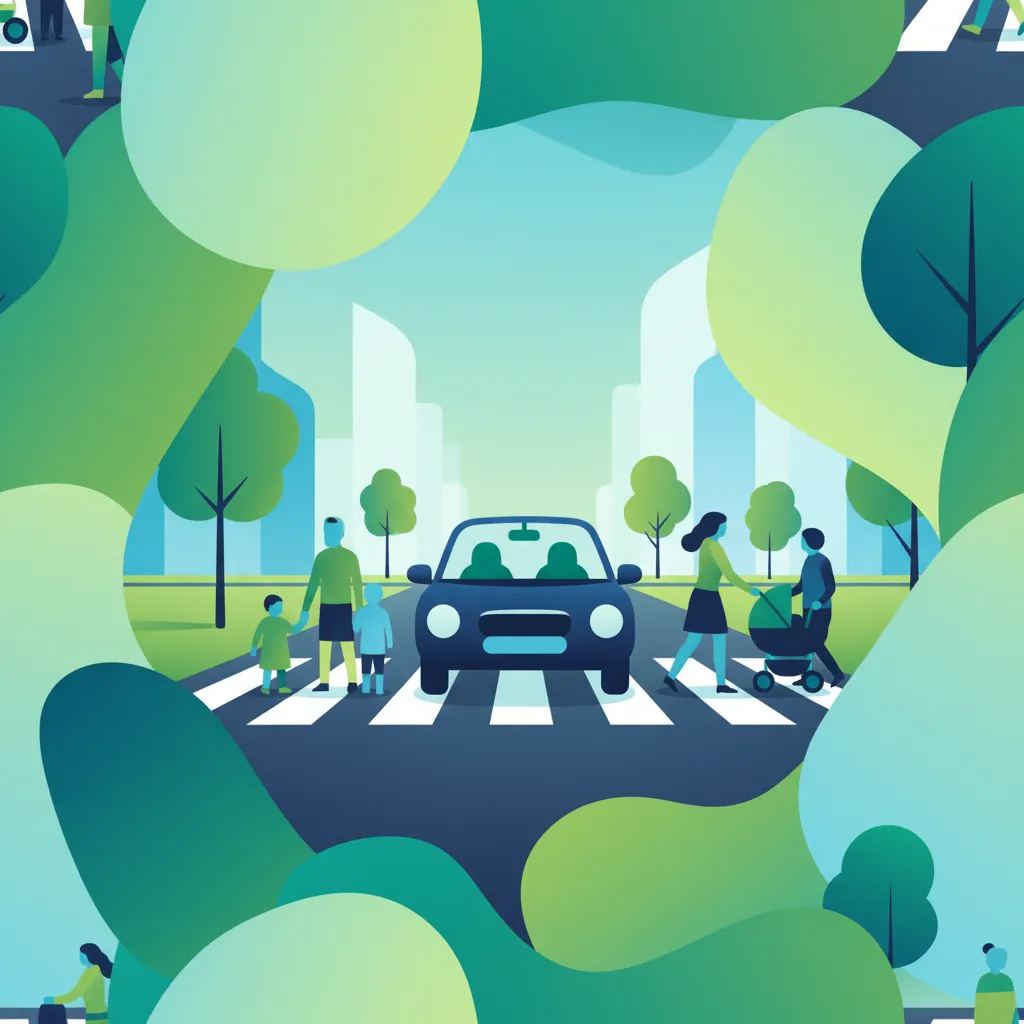
Pedestrian priority is a critical aspect of Polish traffic law designed to protect vulnerable road users. As a driver, you must clearly understand your obligations at designated pedestrian crossings, intersections, and in situations involving individuals with limited mobility. This page clarifies when pedestrians have the right-of-way and what actions are required from drivers.
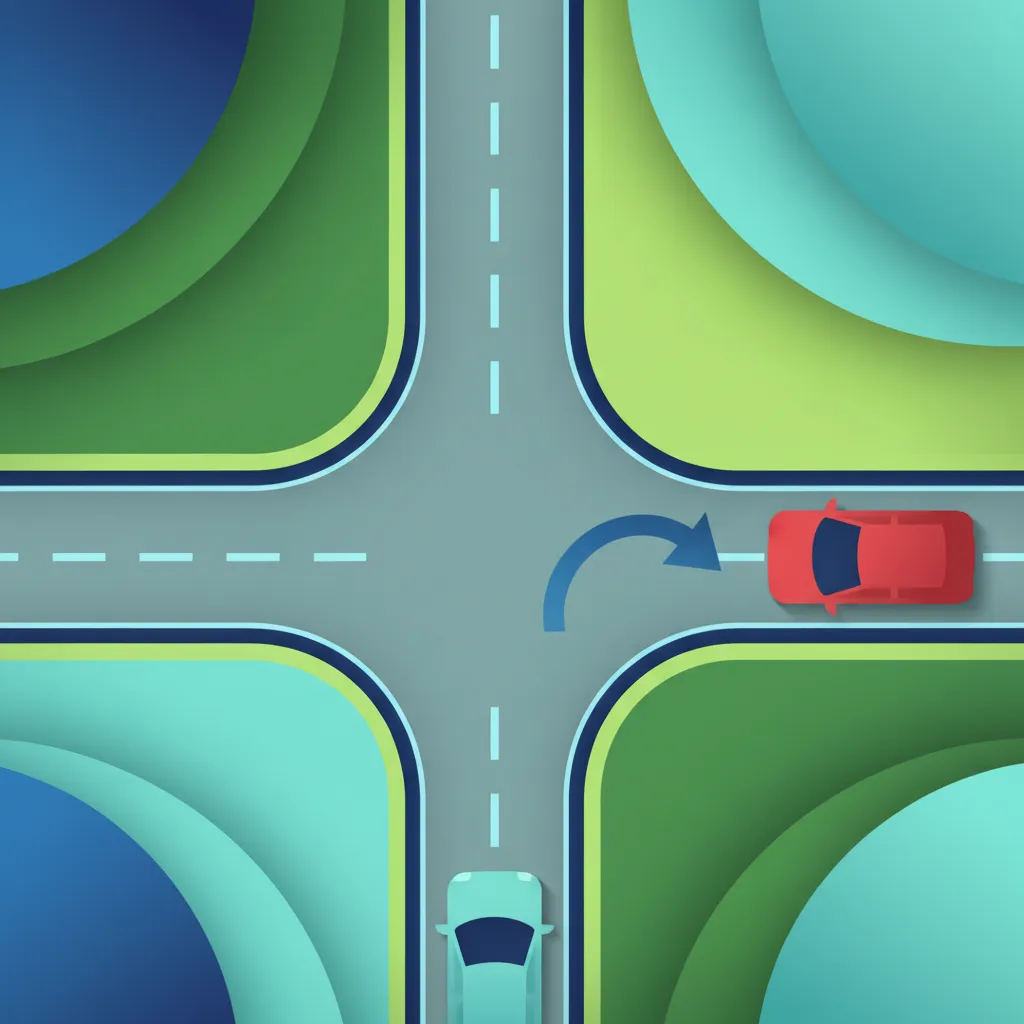
Uncontrolled intersections (often called "skrzyżowania równorzędne" in Poland) are junctions without traffic lights, signs, or road markings to direct traffic. In Poland, navigating these intersections safely requires applying general right-of-way principles and vigilant observation. This page explains the key rules, focusing on the "priority to the right" rule and other critical considerations for making safe decisions in real traffic.
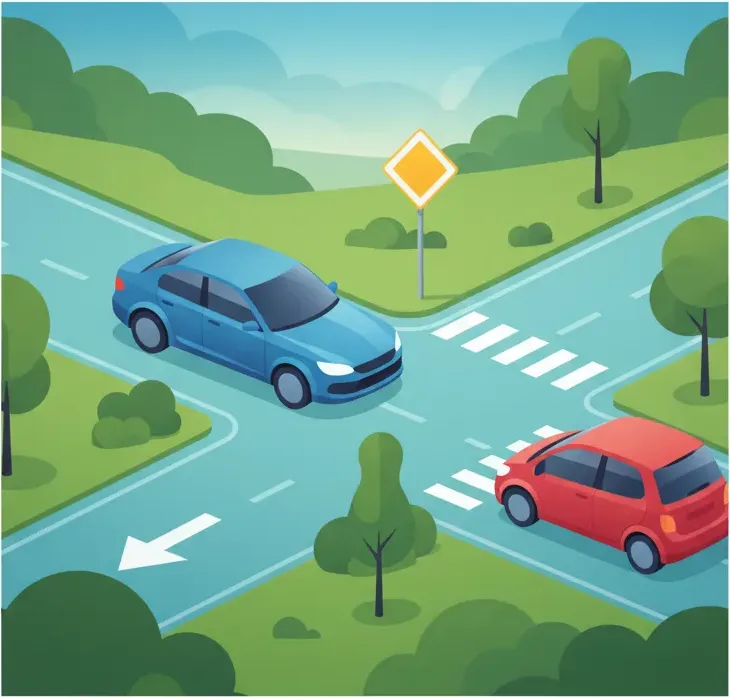
In Poland, a priority road (droga z pierwszeństwem) is a designated route where traffic has precedence over vehicles entering from side roads. This system is crucial for organizing traffic flow, especially at intersections. Drivers must correctly identify these roads and understand their obligations to ensure safety and comply with Polish traffic regulations.
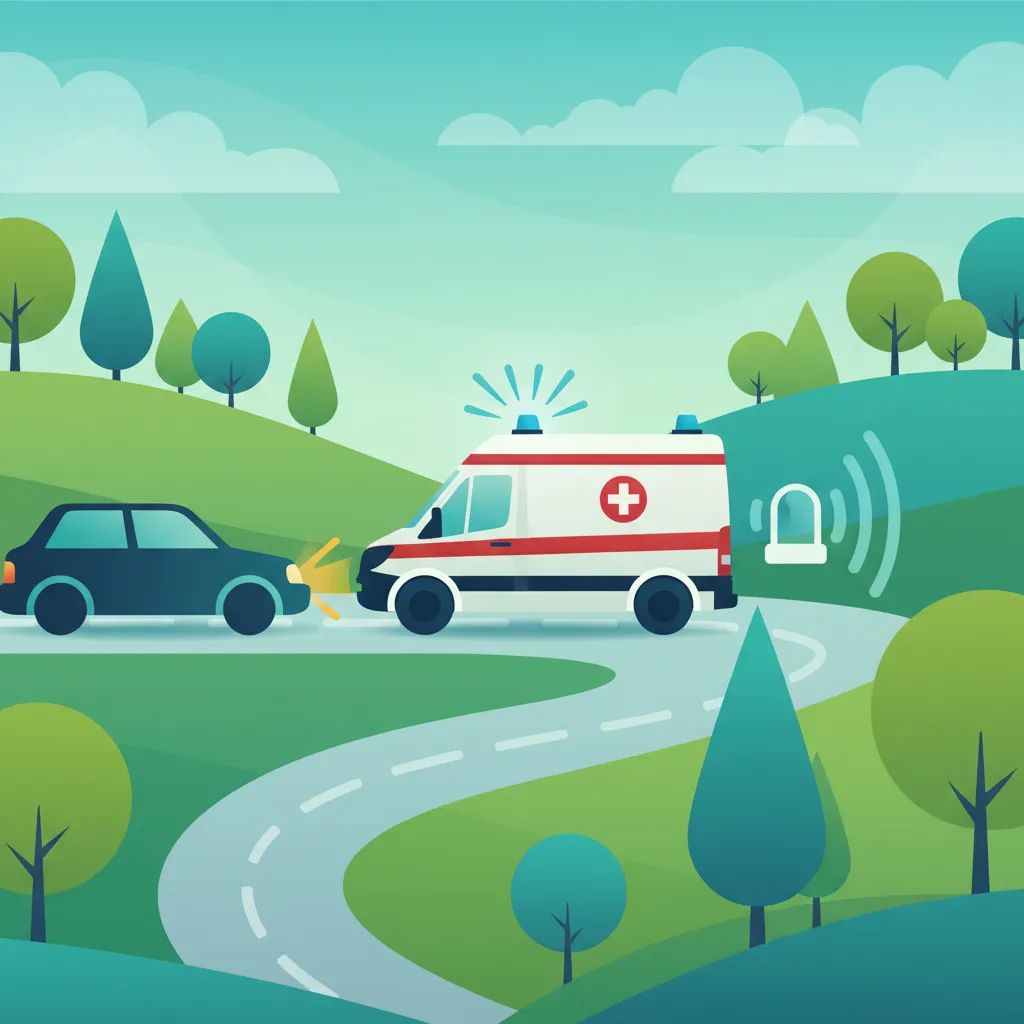
When an ambulance, police vehicle, or fire truck approaches with blue flashing lights and a siren, it signals an urgent response to an emergency. As a driver in Poland, it is your legal and moral responsibility to immediately give way, ensuring these vehicles can pass without obstruction. This involves understanding their signals and knowing how to safely maneuver your vehicle to create a clear path.
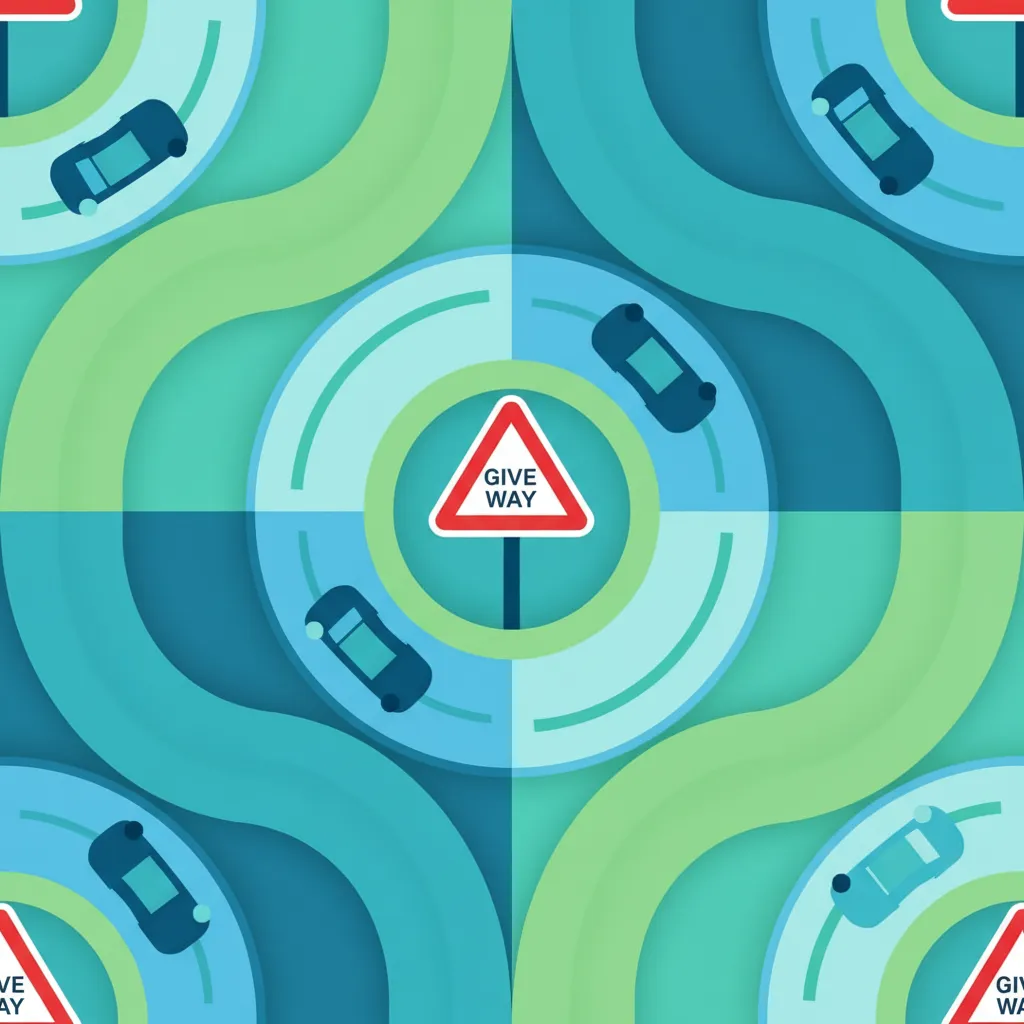
Roundabouts, or 'rondo' in Polish, are designed to improve traffic flow and safety, but they operate under specific priority rules. In Poland, these rules are typically indicated by road signs and markings, most commonly requiring drivers to yield to traffic already within the roundabout. Knowing these rules ensures you can safely enter, navigate, and exit these circular intersections.
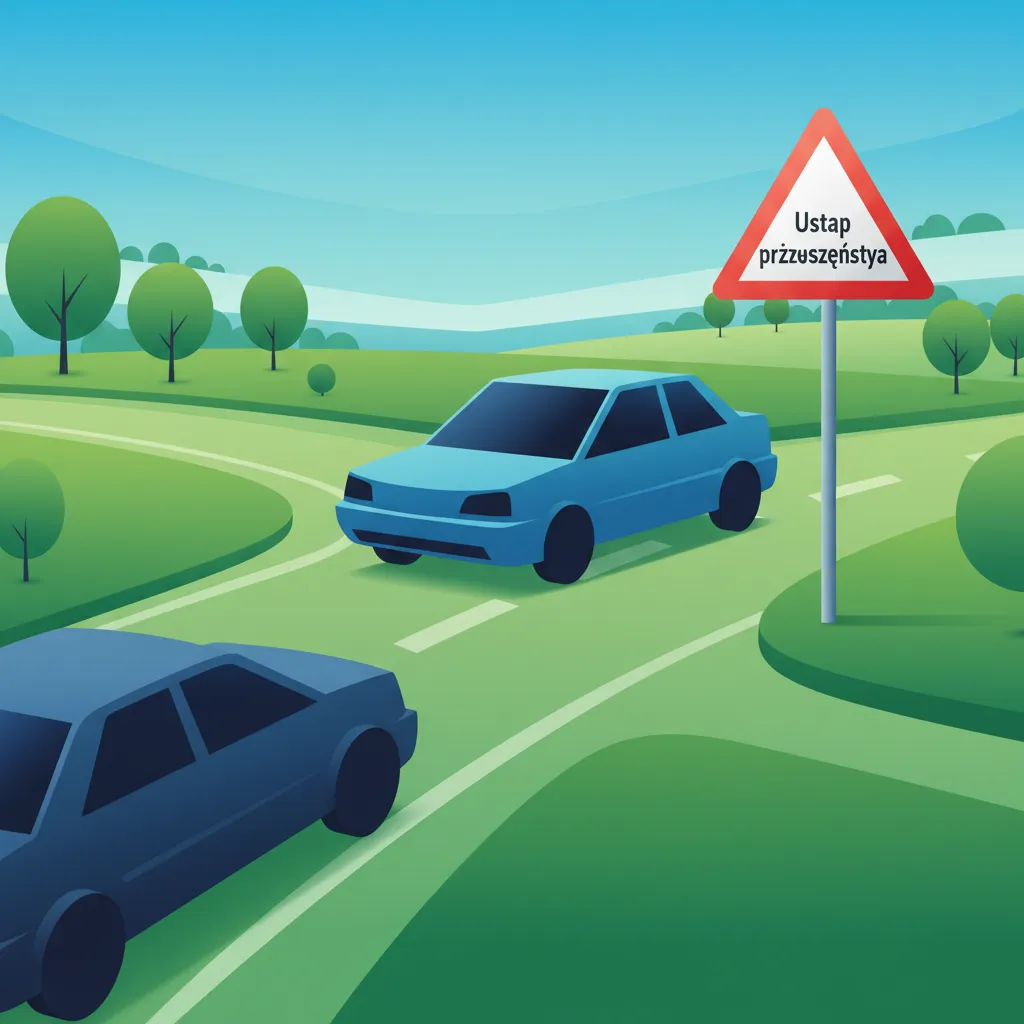
Giving way means allowing another road user to proceed first to prevent conflict and ensure smooth traffic flow. In Poland, these rules are governed by specific signs, road markings, and general traffic principles. Correctly identifying situations that require you to yield is a core skill for every driver, vital for both road safety and passing your driving test.
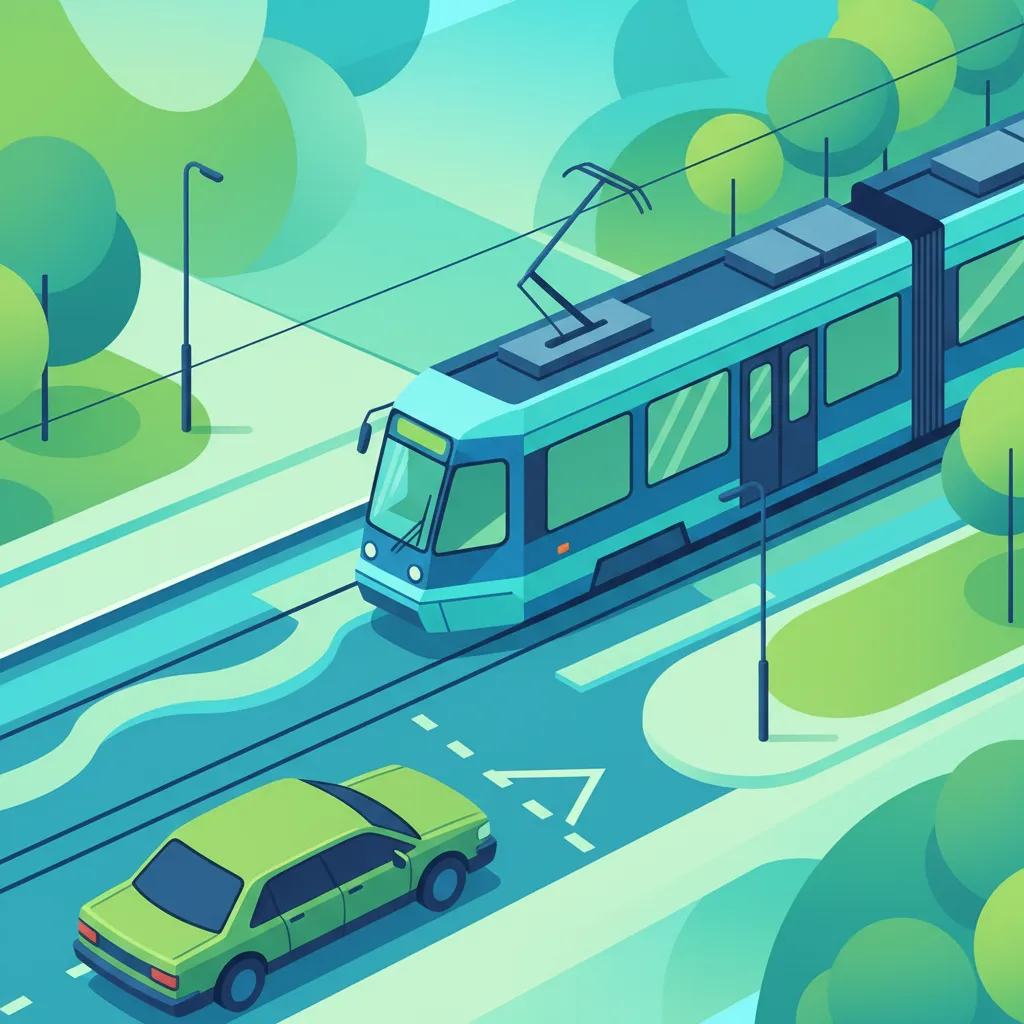
Trams and certain public transport vehicles operate under special priority rules in Poland due to their limited maneuverability and fixed routes. This page outlines when drivers must yield to these vehicles, especially at intersections and near stops, to ensure smooth traffic flow and prevent collisions. Pay close attention to situations where a tram's right of way overrides standard priority rules.
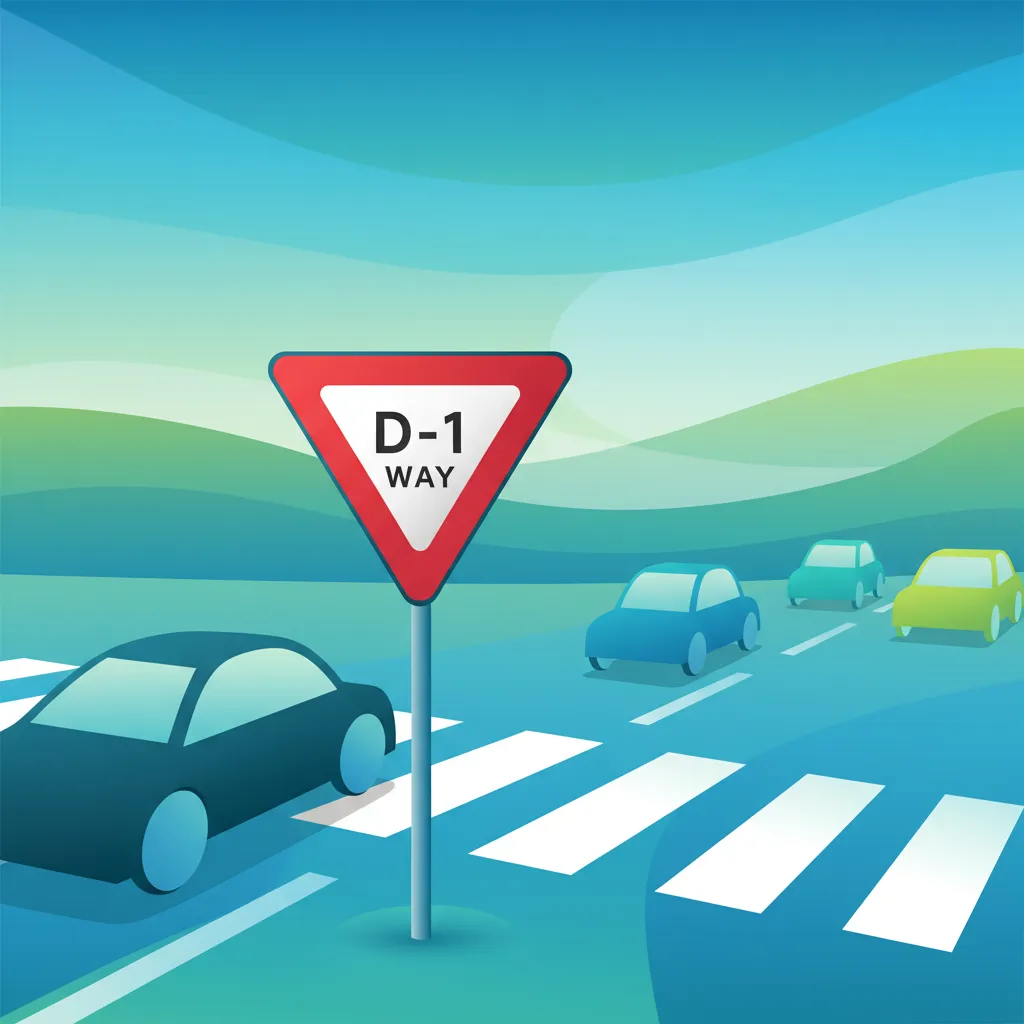
The Give Way sign, known as D-1 in Poland, is a fundamental regulatory sign that instructs drivers to yield priority to other traffic. This means you must be prepared to slow down or stop, allowing vehicles already on the priority road or those approaching from specific directions to proceed first. Correctly interpreting and acting upon the D-1 sign is crucial for safe driving and passing your Polish driving theory exam.
Continue your preparation for the Polish driving licence exam by exploring our full range of detailed articles and guides. Understand complex road rules, interpret various road signs, and learn best practices for safe driving in Poland. Expand your expertise and ensure you are fully confident for your theory test.
All Polish Driving Theory Articles