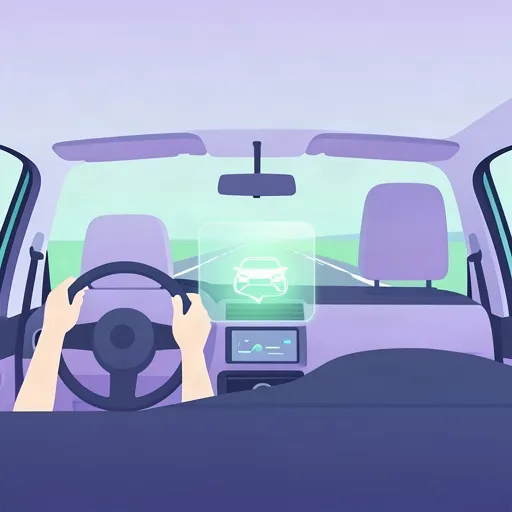
As vehicle technology advances with features like adaptive cruise control and lane-keeping assistance, it is essential to recognize that these systems are meant to aid rather than replace the driver. This article clarifies your legal obligations under Swedish law and why constant attention is required even when using advanced driving aids. You will learn how to safely interact with these technologies while avoiding the common exam traps related to over-reliance on automation.
Article content overview
Modern driver support systems such as adaptive cruise control, lane-keeping assist, and automatic emergency braking enhance safety but do not transfer legal responsibility from the driver to the vehicle. Under Swedish law and Transportstyrelsen regulations, the driver must remain attentive, keep hands ready to take control, and continuously monitor the traffic environment even when these systems are active. Current EU and Swedish type-approvals for automated features require supervised driving only, meaning full autonomy has not been reached. Understanding these boundaries is essential for passing the theory exam and ensuring safety on Swedish roads.
A short set of high-value points that capture the most important ideas from this article.
Driver support systems (ADAS) are supplements to human vigilance, not replacements for it under Swedish law
The driver remains legally responsible for vehicle operation at all times, regardless of active assistance features
Current type-approvals for automated features in Sweden do not constitute full autonomy
Transportstyrelsen regulations require drivers to remain prepared to intervene immediately when support systems are engaged
Even with advanced lane-keeping or adaptive cruise control active, the legal duty to stay focused on the road is absolute
Adaptive Cruise Control maintains distance but requires the driver to monitor traffic and adjust settings
Lane-Keeping Assist provides steering input but the driver must keep hands on or near the wheel
Emergency Braking can apply brakes automatically but the driver must stay alert to manually override
Technology can misinterpret conditions in poor weather, obscured road markings, or unexpected traffic behavior
The Swedish Transport Agency (Transportstyrelsen) sets regulations that keep driver responsibility paramount
Assuming that activating a driver support system permits engaging in other activities like reading or using a mobile device
Believing that type-approval for automated features means the vehicle can operate without driver oversight
Over-relying on lane-keeping assistance in poor weather when camera systems struggle to detect markings
Thinking automation can fully replace human vigilance in complex traffic situations
Neglecting to keep hands in a position to take control when using steering assistance features
Article content overview
A short set of high-value points that capture the most important ideas from this article.
Driver support systems (ADAS) are supplements to human vigilance, not replacements for it under Swedish law
The driver remains legally responsible for vehicle operation at all times, regardless of active assistance features
Current type-approvals for automated features in Sweden do not constitute full autonomy
Transportstyrelsen regulations require drivers to remain prepared to intervene immediately when support systems are engaged
Even with advanced lane-keeping or adaptive cruise control active, the legal duty to stay focused on the road is absolute
Adaptive Cruise Control maintains distance but requires the driver to monitor traffic and adjust settings
Lane-Keeping Assist provides steering input but the driver must keep hands on or near the wheel
Emergency Braking can apply brakes automatically but the driver must stay alert to manually override
Technology can misinterpret conditions in poor weather, obscured road markings, or unexpected traffic behavior
The Swedish Transport Agency (Transportstyrelsen) sets regulations that keep driver responsibility paramount
Assuming that activating a driver support system permits engaging in other activities like reading or using a mobile device
Believing that type-approval for automated features means the vehicle can operate without driver oversight
Over-relying on lane-keeping assistance in poor weather when camera systems struggle to detect markings
Thinking automation can fully replace human vigilance in complex traffic situations
Neglecting to keep hands in a position to take control when using steering assistance features
Explore related topics, search based questions, and concepts that learners often look up when studying Driver Support and Responsibility. These themes reflect real search intent and help you understand how this topic connects to wider driving theory knowledge in Sweden.
Find clear and practical answers to common questions learners often have about Driver Support and Responsibility. This section helps explain difficult points, remove confusion, and reinforce the key driving theory concepts that matter for learners in Sweden.
No. Regardless of the technology level in your vehicle, the driver is always legally responsible for operating the vehicle safely and must remain ready to intervene at all times.
Even if a system is capable of steering, you must follow the vehicle's specific user manual and Swedish law, which requires you to be prepared to take over control. Never assume the system is infallible.
The exam focuses on your understanding of the driver's primary responsibility. You may be asked questions about reacting to hazards or emergency situations where you must override or assist the vehicle's automated systems.
Continue your learning journey by exploring more detailed articles and guides. Clarify specific traffic rules, understand complex road signs, or review safe driving practices. Our extensive content library supports your Swedish driving license theory preparation.