As Swedish roads become increasingly digitized, drivers encounter advanced systems designed to prevent accidents and improve traffic flow. This guide clarifies the role of Trafikverket's data-driven initiatives and how they interact with your daily driving routine. You will learn how to interpret automated traffic information while maintaining your core responsibility as the primary decision-maker behind the wheel.
Article content overview
As Swedish roads become increasingly digitized, the way we interact with our environment is evolving. Trafikverket, the Swedish Transport Administration, is continuously integrating advanced technology and open data to enhance road safety and optimize traffic flow. For a new driver, understanding how these digital solutions work alongside traditional traffic rules is vital for passing your theory test and developing safe, proactive driving habits.
Trafikverket’s commitment to safety involves more than just physical infrastructure like road signs and markings. By leveraging open data, the agency can provide real-time information that helps motorists make informed decisions. This data powers everything from navigation apps that warn about road hazards to smart systems that monitor traffic density and adjust flow accordingly.
One prime example of this technology in action is the integration of digital mapping solutions for railway crossings. These systems provide drivers with additional alerts, complementing physical warning signs and barrier systems. While technology serves as a powerful tool to prevent accidents, it is essential to remember that it acts as a support system. You, as the driver, remain the primary decision-maker and must always prioritize visual information and road signs over digital notifications.
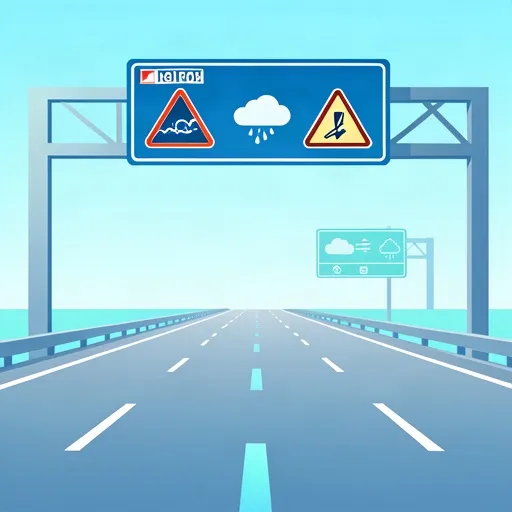
In Sweden, you will often encounter variable road signs that change based on current traffic conditions, weather, or road work. These signs allow authorities to adjust speed limits dynamically to maintain safety. For instance, on a highway during heavy snowfall, the speed limit might be automatically lowered to reflect the increased stopping distance required.
It is a common error in the theory exam to underestimate the importance of these signs. If you see a variable sign, it is just as legally binding as a static metal sign. Disregarding a changed speed limit or a warning indicator on an electronic sign can lead to traffic fines and significantly increase your risk of an accident in challenging conditions.
Modern vehicles are increasingly equipped with advanced driver assistance systems (ADAS). These systems can track speed, lane position, and even monitor the driver's attention level. While these features make driving more comfortable and safer, they have also sparked important discussions regarding driver responsibility.
In Sweden, the legislation is clear: regardless of how advanced your car's automation level is, the human behind the wheel is always the one responsible for the vehicle's actions. Even if your car is capable of steering or maintaining distance automatically, you must stay alert and be ready to take manual control at any moment. Over-reliance on technology—often called "automation bias"—is a significant safety risk that can lead to distracted driving.
Technology such as lane-keeping assist or adaptive cruise control does not exempt you from observing traffic rules. Always keep your eyes on the road and be prepared to take over if the system behaves unexpectedly or if the road conditions change.
When driving in urban environments or on motorways, you are part of a massive, interconnected traffic ecosystem. Digital infrastructure assists you by providing information, but your situational awareness is what ultimately keeps you and others safe. Whether you are navigating an intersection or approaching a railway crossing, the rules of the road remain the priority.
The theory test often includes questions about driver responsibility when using modern systems. Examiners want to know if you understand that electronic alerts are secondary to your own judgment. You may encounter scenarios asking what you should do if a navigation system suggests a route that contradicts a permanent road sign. The correct answer will always be to follow the physical sign, as it is the official, legal directive for that location.
This article explains how Trafikverket uses open data and smart infrastructure to enhance Swedish road safety, including variable road signs and digital monitoring systems. Variable electronic signs are fully legally binding and must be obeyed like any static sign. While modern vehicles increasingly feature ADAS that assist with speed, lane position, and spacing, the driver remains the primary decision-maker and bears full responsibility for vehicle control. The key principle is that technology supports but never replaces the driver's judgment and obligation to observe physical road signs, markings, and traffic conditions. Automation bias—over-relying on vehicle systems—is specifically identified as a safety risk that exam candidates must understand.
A short set of high-value points that capture the most important ideas from this article.
Variable road signs in Sweden are electronically controlled but are just as legally binding as static metal signs and must be obeyed immediately
Physical road signs and markings always take priority over in-car navigation prompts or digital alerts in Sweden
Despite advanced driver assistance systems (ADAS), the human driver remains legally and practically responsible for vehicle control at all times
Automation bias—over-relying on vehicle automation—is a documented safety risk that reduces driver alertness and reaction readiness
Trafikverket's open data systems provide supplementary information but never replace the driver's need for visual observation and judgment
Variable speed limits change dynamically based on weather and traffic conditions and are enforceable from the moment they display
If a digital system contradicts a physical road sign, follow the physical sign—it is the official legal directive for that location
ADAS features like lane-keeping assist and adaptive cruise control require driver supervision and may not detect all hazards
Digital mapping for railway crossings supplements physical barriers and warning signs but should not replace visual checks
Swedish law holds drivers accountable for their vehicle's actions regardless of automation capability level
Assuming variable or electronic road signs are suggestions rather than mandatory instructions
Relying too heavily on navigation apps and ignoring physical signs, especially at intersections and railway crossings
Believing that advanced safety systems like ADAS eliminate the need to stay focused and ready to take control
Failing to adjust speed when variable signs indicate reduced limits during adverse weather conditions
Interpreting digital alerts as having authority equal to or greater than posted physical road signs
Article content overview
A short set of high-value points that capture the most important ideas from this article.
Variable road signs in Sweden are electronically controlled but are just as legally binding as static metal signs and must be obeyed immediately
Physical road signs and markings always take priority over in-car navigation prompts or digital alerts in Sweden
Despite advanced driver assistance systems (ADAS), the human driver remains legally and practically responsible for vehicle control at all times
Automation bias—over-relying on vehicle automation—is a documented safety risk that reduces driver alertness and reaction readiness
Trafikverket's open data systems provide supplementary information but never replace the driver's need for visual observation and judgment
Variable speed limits change dynamically based on weather and traffic conditions and are enforceable from the moment they display
If a digital system contradicts a physical road sign, follow the physical sign—it is the official legal directive for that location
ADAS features like lane-keeping assist and adaptive cruise control require driver supervision and may not detect all hazards
Digital mapping for railway crossings supplements physical barriers and warning signs but should not replace visual checks
Swedish law holds drivers accountable for their vehicle's actions regardless of automation capability level
Assuming variable or electronic road signs are suggestions rather than mandatory instructions
Relying too heavily on navigation apps and ignoring physical signs, especially at intersections and railway crossings
Believing that advanced safety systems like ADAS eliminate the need to stay focused and ready to take control
Failing to adjust speed when variable signs indicate reduced limits during adverse weather conditions
Interpreting digital alerts as having authority equal to or greater than posted physical road signs
Explore related topics, search based questions, and concepts that learners often look up when studying Smart Infrastructure and Traffic Systems. These themes reflect real search intent and help you understand how this topic connects to wider driving theory knowledge in Sweden.
Find clear and practical answers to common questions learners often have about Smart Infrastructure and Traffic Systems. This section helps explain difficult points, remove confusion, and reinforce the key driving theory concepts that matter for learners in Sweden.
No, technology acts as a support tool. Regardless of what digital systems indicate, you as the driver remain fully responsible for monitoring traffic, reacting to hazards, and following the rules of the road.
Trafikverket provides open data to allow for better digital mapping and real-time safety alerts. This data helps services provide drivers with more accurate information about road conditions, such as warnings at railway crossings.
Variable signs are official traffic regulations. Even if they are digital or adaptive, you must obey the current speed limit or instruction displayed on the sign at that moment.
Yes, over-reliance on technology can lead to a false sense of security or reduced attention. Always remain alert and prepared to take full manual control of the vehicle at any time.
Continue your learning journey by exploring more detailed articles and guides. Clarify specific traffic rules, understand complex road signs, or review safe driving practices. Our extensive content library supports your Swedish driving license theory preparation.