Driving Theory
Swedish Driving Theory Articles

Navigating Roadworks in Sweden: Understanding Orange Signage and Lane Restrictions

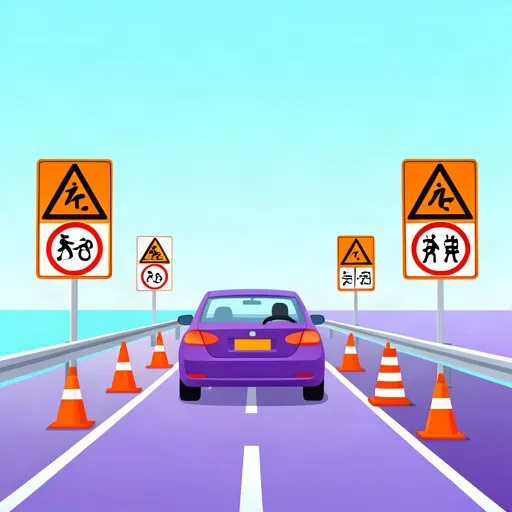
When traveling on major highways like the E4, temporary roadworks managed by the Swedish Transport Administration can significantly alter traffic flow and safety requirements. This guide explains how to interpret orange temporary signage, comply with mandatory lane shifts, and adhere to strict overtaking prohibitions. Mastering these rules is a critical component of safe driving and a common focus in the Swedish driving theory exam.

road signsSwedish theory examtraffic ruleshazard perceptionhighway drivingroad safety
Navigating Roadworks in Sweden: Understanding Orange Signage and Lane Restrictions

Article content overview

Navigating Roadworks in Sweden: Understanding Orange Signage and Lane Restrictions

When driving on Swedish roads, particularly on major highways like the E4, you will occasionally encounter temporary traffic management schemes designed to facilitate road maintenance and safety improvements. These roadwork zones are identified by the presence of orange temporary signs, which are specifically designed to stand out against the landscape and draw your immediate attention. Understanding how to interpret these signs and knowing the legal hierarchy of traffic regulations is essential for passing your Swedish theory exam and, more importantly, for maintaining safety in real-world traffic conditions.

The Authority of Orange Signage

In Sweden, the Swedish Transport Administration (Trafikverket) establishes traffic regulations to manage road safety during construction and maintenance. A fundamental principle of Swedish traffic law is that temporary regulatory signs, which are characterized by their distinct orange color, override permanent road signs. If you encounter a situation where a permanent speed limit sign indicates 110 km/h, but an orange temporary sign dictates a lower speed, you are legally obligated to follow the instructions provided by the orange sign.

The rationale behind this hierarchy is simple: roadwork zones often involve narrow lanes, uneven surfaces, or the presence of personnel working in close proximity to moving traffic. By prioritizing temporary signage, the authorities ensure that drivers adapt their behavior to the immediate, shifting hazards of the construction site. Failing to observe these orange signs is not only a major safety risk but is also a frequent subject of theory exam questions aimed at testing your hazard perception and ability to adapt to changing regulatory environments.

Overtaking Restrictions and Lane Safety

One of the most significant challenges in a roadwork zone is the reduction in available space, which often necessitates the implementation of strict no-overtaking rules. When traffic is redirected to a single lane, or when lanes are narrowed significantly, the ability to overtake safely is effectively eliminated. You must stay within your designated lane, follow the flow of traffic, and exercise patience. Attempting to overtake in these zones—even if traffic is moving slower than the posted limit—is a serious violation of traffic rules and creates a high risk of collisions.

Adapting Your Driving Behavior

When you enter a roadwork zone, your primary focus must shift toward proactive hazard management. This involves more than just reading the signs; it requires you to adjust your speed well in advance, increase your following distance, and maintain full concentration on the vehicles surrounding you. The Swedish theory exam often tests your understanding of these scenarios by presenting images of roadwork zones and asking you to identify the correct course of action, such as when to begin merging or how to respond to reduced speed limits.

Warning

Always assume that orange signage represents an active hazard. Even if you do not see workers present at a specific moment, road conditions such as narrow lanes or loose gravel can persist, and your failure to comply with temporary regulations can lead to significant penalties.

Key Steps for Navigating Roadworks

  1. Scan for orange signage well in advance to anticipate changes in lane structure.
  2. Reduce your speed gradually to comply with temporary limits before entering the zone.
  3. Obey all temporary road markings and instructions from traffic controllers or pilot cars.
  4. Maintain a consistent distance from the vehicle ahead and refrain from overtaking, regardless of the traffic speed.

The Role of Traffic Information

While you are expected to follow signs in real-time, it is also beneficial to stay informed about major roadworks before you begin your journey. The Swedish Transport Administration provides comprehensive traffic information that highlights where and when construction is occurring. For a learner driver, understanding the long-term context of these works helps in developing a broader awareness of how road networks are managed and why temporary restrictions are necessary for the long-term maintenance of the state road network.

Check out these practice sets

Learn more with these articles

Related topics and popular questions

Explore related topics, search based questions, and concepts that learners often look up when studying Navigating Swedish Roadworks. These themes reflect real search intent and help you understand how this topic connects to wider driving theory knowledge in Sweden.

what do orange road signs mean in SwedenSwedish driving theory roadworks rulescan I overtake in a roadwork zone in SwedenTrafikverket rules for temporary lane shiftshow to handle roadworks on the E4theory exam questions about temporary signs

Frequently asked questions about Navigating Swedish Roadworks

Find clear and practical answers to common questions learners often have about Navigating Swedish Roadworks. This section helps explain difficult points, remove confusion, and reinforce the key driving theory concepts that matter for learners in Sweden.

Do orange signs carry more weight than permanent white and red signs?

Yes. In Sweden, temporary signs with an orange background indicate roadwork and typically override existing permanent traffic regulations to ensure safety for both drivers and road workers.

What should I do if a roadwork zone has a no-overtaking sign?

You must strictly follow the prohibition. Overtaking is often restricted in work zones due to narrowed lanes, temporary shifts, or the presence of personnel near the road.

Are speed limits in roadwork zones mandatory?

Yes. Speed limits posted within temporary roadwork areas are mandatory and set to protect road workers and ensure traffic safety in constrained environments.

How should I handle a lane shift directed by temporary signs?

Reduce your speed, observe the orange lane markers or arrows, and adjust your positioning well in advance to follow the redirected path, ensuring you maintain a safe distance from other vehicles.

Ready to Dive Deeper into Swedish Driving Theory Articles?

Continue your learning journey by exploring more detailed articles and guides. Clarify specific traffic rules, understand complex road signs, or review safe driving practices. Our extensive content library supports your Swedish driving license theory preparation.

Search Theory Articles & Guides

Find more on Swedish driving theory

Swedish Moped Theory AM courseSwedish Driving Theory B courseSwedish Motorcycle Theory A courseSwedish Theory Exam Prep article categoryShared Road Safety Sweden article categorySafety & Risk Management SE article categorySwedish Traffic Rules & Laws article categorySpeed, Distance & Control SE article categorySwedish Winter & Ice Driving article categorySwedish Driving News & Updates article categorySwedish Priority & Interactions article categorySwedish Penalties & Enforcement article categorySwedish Traffic Signs & Markings article categorySwedish Parking and Stopping Rules article categorySwedish Driving Behaviour & Attitude article categoryFirst Aid & Emergency Response Sweden article categoryVehicle Knowledge & Maintenance Sweden article categoryVehicle Technology & Innovation Sweden article categorySwedish Driving Conditions & Environments article categoryUnderstanding Transport Economics and Policy in Sweden articleNew Swedish Rules for Safely Overtaking Cyclists and Mopedists articleElectric Scooter Rules for Children in Sweden: A Parents Guide articleC1E License in Sweden: Theory, Weight Restrictions and Handling articleWinter Driving in Sweden: Safety Rules and Driver Responsibilities articleWhy Thorough Preparation Is Key for Your Swedish Driving License Test articleDriving Safely on Black Ice in Sweden: Rules and Essential Precautions articleDriving Safely in Swedish Winter: How to Handle Black Ice and Slippery Roads articleNavigating Roadworks in Sweden: Understanding Orange Signage and Lane Restrictions articleRoad Surface Quality and Traffic Safety: How Technology Shapes Swedish Road Maintenance article