
Master the essential Swiss driving theory for Category M mopeds and small vehicles. This course covers all topics required for the official theoretical examination.
Every Swiss driving theory course is designed to help learners in Switzerland understand the rules clearly and prepare efficiently for their exam. The curriculum breaks down complex topics into simple units that cover real traffic situations, important laws, driving behaviour, and all essential exam themes. Learners follow a guided path that builds knowledge step by step, making the theory exam easier and less overwhelming.
Upon completing this curriculum, you will possess a thorough understanding of the Swiss traffic regulations, road signs, and priority rules specifically applicable to mopeds and e-bikes (Category M). You will be equipped to navigate intersections, roundabouts, and mixed traffic with confidence, understanding how to position yourself, communicate effectively, and manage speed and braking appropriately. The course emphasizes practical safety skills, including hazard perception, visibility enhancement, and adapting to various weather and road conditions. This comprehensive preparation ensures you are well-ready to pass the official Swiss Category M theory examination and to ride your moped or e-bike safely and responsibly in real-world Swiss traffic environments.

This curriculum is designed for all individuals in Switzerland preparing to obtain their Category M (moped and e-bike) driving license. It is ideal for absolute beginners and those needing a structured review of the specific rules and safety practices required for small powered vehicles.
Browse unitsTake a quick look at the main units in the Swiss Driving Theory M curriculum. Each unit groups lessons into a focused learning track that helps you understand the material faster, practise core concepts, and prepare for the driving theory exam in Switzerland with confidence.

Understand the Swiss Category M license basics, including the Lernfahrausweis and your first-rider responsibilities. Essential for all new moped and e-bike riders in Switzerland.
4 lessons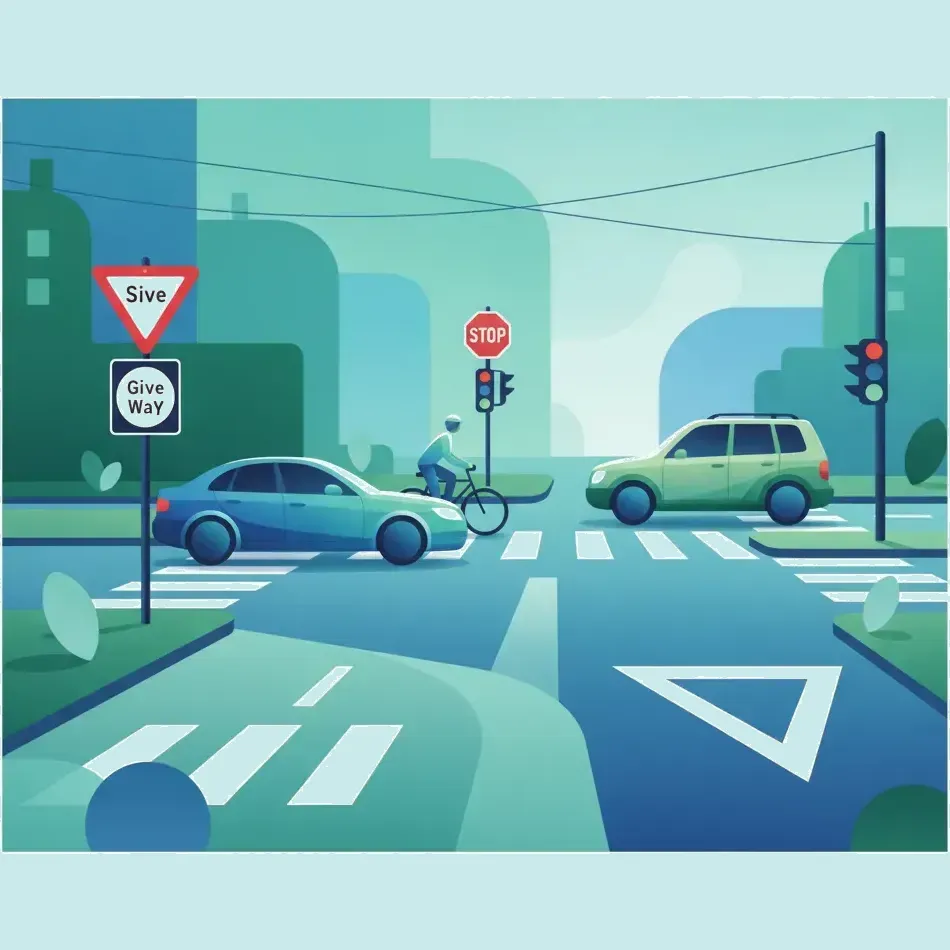
Master Swiss road signs, traffic signals, and priority rules, including Rechtsvortritt and roundabout navigation. Essential for Category M theory exam success and safe riding.
5 lessons
Learn to observe effectively, be visible, position yourself safely, and communicate clearly on Swiss roads. Essential skills for moped and e-bike riders preparing for their theory exam.
4 lessons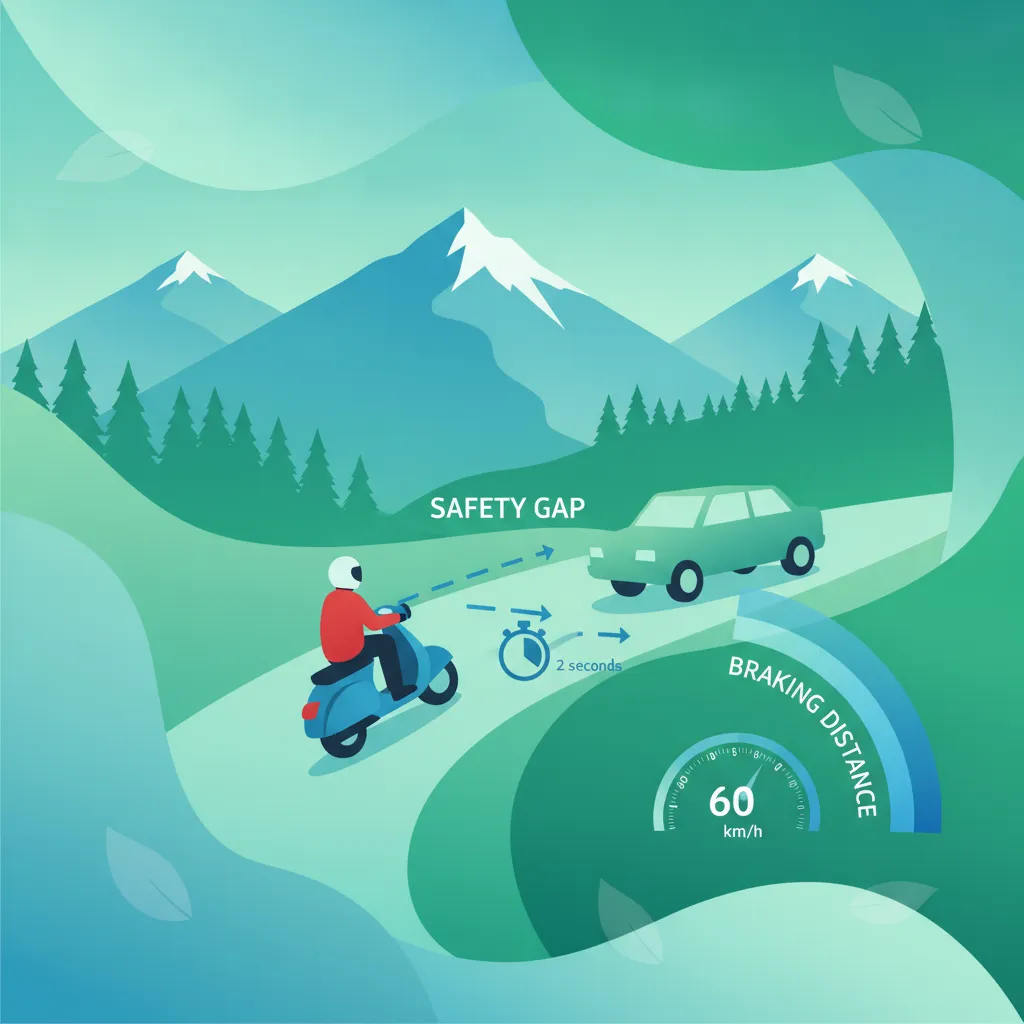
Master essential moped riding skills: learn Swiss speed limits, safe braking techniques, and how to maintain a safe following distance to pass your theory test and ride safely.
4 lessons
Learn to safely navigate Swiss intersections, roundabouts, tram tracks, and mixed traffic, including interactions with buses and trucks. Essential for your Category M theory test success.
4 lessons
Learn to ride your Swiss moped safely by understanding weather impacts, road surfaces, essential protective gear, and conducting vital vehicle safety checks before every ride. Crucial for exam success and daily safety.
5 lessons
Learn about risky driving behaviours, legal penalties in Switzerland, how to handle breakdowns, and essential first aid for emergencies. Crucial for your Category M theory exam success.
4 lessonsHere you can find simple answers to common questions about the Swiss Driving Theory M curriculum. Learn how the lessons are organised, how the study flow works, and how this curriculum supports your preparation for the exam in Switzerland.

Our Swiss driving theory courses combine clear explanations with practical guidance that matches the exam standards in Switzerland. Lessons are written to be easy to follow, supported by examples, step by step logic, and accurate information. You get a complete learning experience that helps you study with purpose and understand every topic you need for the theory exam.
Start practicing for your Swiss driving theory exam today. Explore hundreds of exam-style questions covering road signs, traffic rules, and hazard perception. Identify areas for improvement and build robust confidence for a successful official test.