
This road marking, officially coded 6.26-1, indicates an extended bicycle lane with a dedicated waiting area. As a driver, you'll see this painted directly on the carriageway, featuring an additional yellow stop line before the main white one, along with a bicycle icon. It's crucial to interpret this marking from your lane position and combine it with any traffic lights or supplementary signs to understand your allowed movements and any specific restrictions.
This specific road marking indicates a waiting area for cyclists, often placed before a stop line, requiring drivers to understand its implications for traffic flow and priority. Mastering these detailed interpretations is crucial for your theory test revision and ensures safe navigation through complex Swiss urban traffic.
This road marking is applied directly to the carriageway, so the driver reads it from the vehicle's position rather than from a roadside post. Swiss markings can control lane choice, crossing, stopping, parking, bus or bicycle priority, pedestrian protection, waiting areas, and restricted surfaces. A professional explanation should state what movement the marking permits, limits, or forbids, then connect it to any nearby upright signs or traffic lights. Official catalogue code: 6.26-1.
The "Extended bicycle lane (waiting area placed in front of stop line with an additional yellow stop line and a bicycle icon in front of the white stop line) (variant 1)" marking is used for extended bicycle lane on the carriageway. Drivers must read it from their lane position and combine it with nearby signs, signals, and traffic movement. Catalogue code 6.26-1.
Get clear, practical answers to the most common questions about the 6.26-1 - Extended bicycle lane (waiting area placed in front of stop line with an additional yellow stop line and a bicycle icon in front of the white stop line) (variant 1) road sign. Learn how the sign works, what rules it represents, and how it affects real driving situations. This FAQ strengthens your understanding and supports accurate decision making for the Swiss driving theory exam in Switzerland.
The 6.26-1 marking signifies an extended bicycle lane, specifically highlighting a waiting area for cyclists. It consists of a yellow stop line, a bicycle icon, and a white stop line, all painted on the road surface. This helps delineate space for cyclists and informs drivers about their proximity to a cycle path.
You must read this marking from your driving lane. It indicates a designated area for cyclists to wait. You need to combine its meaning with your lane position, nearby traffic lights, and any upright signs. Generally, you should avoid crossing, stopping, or parking on this marking unless specifically indicated otherwise by other traffic controls.
Yes, you are generally prohibited from crossing, stopping on, parking on, or straddling this marking, especially if Swiss rules or nearby signals indicate you should not. It's crucial not to ignore these road-surface instructions, even if there isn't a repeating upright sign.
You are permitted to follow the marking based on your lane position and intended direction. You can proceed if your movement is allowed by traffic lights or other signs. The key is to integrate this marking with all other traffic controls before making any manoeuvre like crossing, stopping, or turning.
The yellow stop line, placed in front of the white stop line and bicycle icon, serves to further demarcate the cyclist's waiting area. It's an additional visual cue to drivers that this area is specifically reserved for cyclists, reinforcing the need to yield or be aware of their presence.
Absolutely. The meaning and required action for the 6.26-1 marking must always be interpreted in conjunction with its placement, the specific lane context, other road markings present, traffic lights, and any supplementary panels. The road layout and surrounding traffic signals dictate how this marking affects your driving.
A clear reference image of the 6.26-1 - Extended bicycle lane (waiting area placed in front of stop line with an additional yellow stop line and a bicycle icon in front of the white stop line) (variant 1) road sign used in Switzerland.

The 6.26-1 - Extended bicycle lane (waiting area placed in front of stop line with an additional yellow stop line and a bicycle icon in front of the white stop line) (variant 1) road sign may also be known by these alternative names or terms.
The 6.26-1 - Extended bicycle lane (waiting area placed in front of stop line with an additional yellow stop line and a bicycle icon in front of the white stop line) (variant 1) road sign is part of the Swiss Road Markings category, which groups together signs with similar rules and functions.
Comparing signs like the Extended bicycle lane waiting area with others helps cement your understanding of Swiss traffic rules and improve recall for your theory test. This side-by-side review aids in distinguishing nuances between similar road signs, enhancing your overall sign recognition skills.

Understand the White Solid Security Strip Road Marking (6.01)
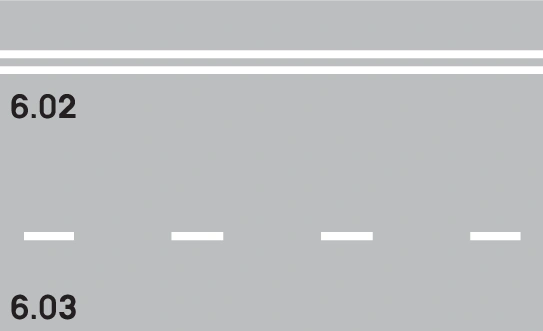
Understand the Double Security Strip (6.02-6.03) Road Marking
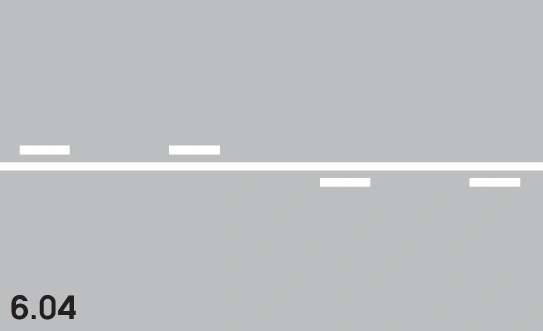
Understand the Double Strip Road Marking (6.04) and Your Lane Position

Advance Warning Strip (6.05) – Prepare for Changes Ahead on the Road
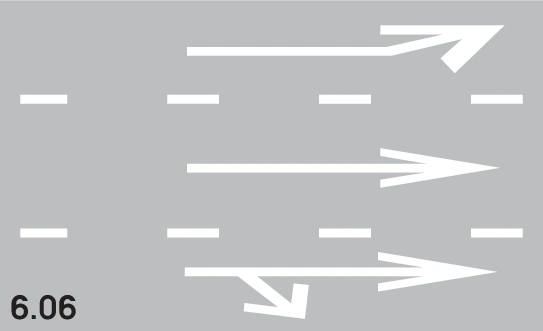
Follow the White Pre-selecting Arrows on the Roadway
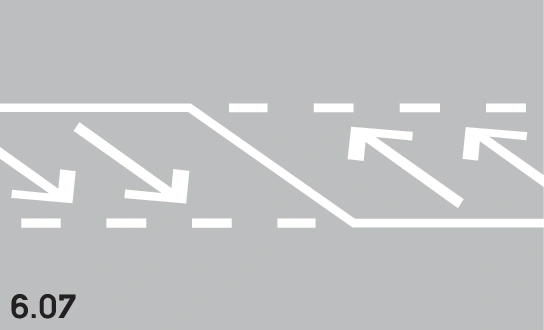
Understand the Oblique Pull Arrows Road Marking (6.07)

Master the Yellow Bus Lane Marking (6.08) in Switzerland
Follow the Carriageway Guidance of Swiss Road Marking 6.09
Mastering the meaning of specific road signs is essential for navigating Switzerland's complex infrastructure safely. These resources link visual markers to the official traffic rules and priority procedures required for your driving theory test.
Navigating the Swiss motorway system requires knowing where to stop and how these rest areas function. You will learn the difference between a full-service Raststätte and a simple Rastplatz, and why planning your breaks is a critical component of safe driving and hazard prevention during your theory exam preparation.
Foreign visitors planning to drive rental cars in Switzerland will find essential information here to ensure compliance with local regulations. The article clarifies the minimum age for renters, the requirement for an International Driving Permit (IDP) if your license isn't in Latin script or from an EU/EFTA country, and the critical importance of the motorway vignette, including who is responsible for it. This knowledge is key to a stress-free driving experience and passing any on-road checks.
Master urban public transport zones for a safer drive and exam success.
Master the responsibilities of accompanying a learner driver for a safe and compliant journey.
This road marking is applied directly to the carriageway, so the driver reads it from the vehicle's position rather than from a roadside post. Swiss markings can control lane choice, crossing, stopping, parking, bus or bicycle priority, pedestrian protection, waiting areas, and restricted surfaces. A professional explanation should state what movement the marking permits, limits, or forbids, then connect it to any nearby upright signs or traffic lights. Official catalogue code: 6.26.
This road marking is applied directly to the carriageway, so the driver reads it from the vehicle's position rather than from a roadside post. Swiss markings can control lane choice, crossing, stopping, parking, bus or bicycle priority, pedestrian protection, waiting areas, and restricted surfaces. A professional explanation should state what movement the marking permits, limits, or forbids, then connect it to any nearby upright signs or traffic lights. Official catalogue code: 6.19.
After reviewing the full list of Swiss road signs, delve deeper into specific categories, practice recognition with quizzes, or explore detailed explanations for each sign. Continue your comprehensive preparation for the official theory driving test.
View All Swiss Road Signs