
Learners will discover the technology behind Turkey's latest autonomous mobile speed detection systems and why they represent a permanent shift in road surveillance. By understanding how these systems integrate with the PolNet network to identify speeding violations in real-time, students can better prepare for the practical demands of the road and the theoretical expectations of the Turkish driving examination.
Article content overview
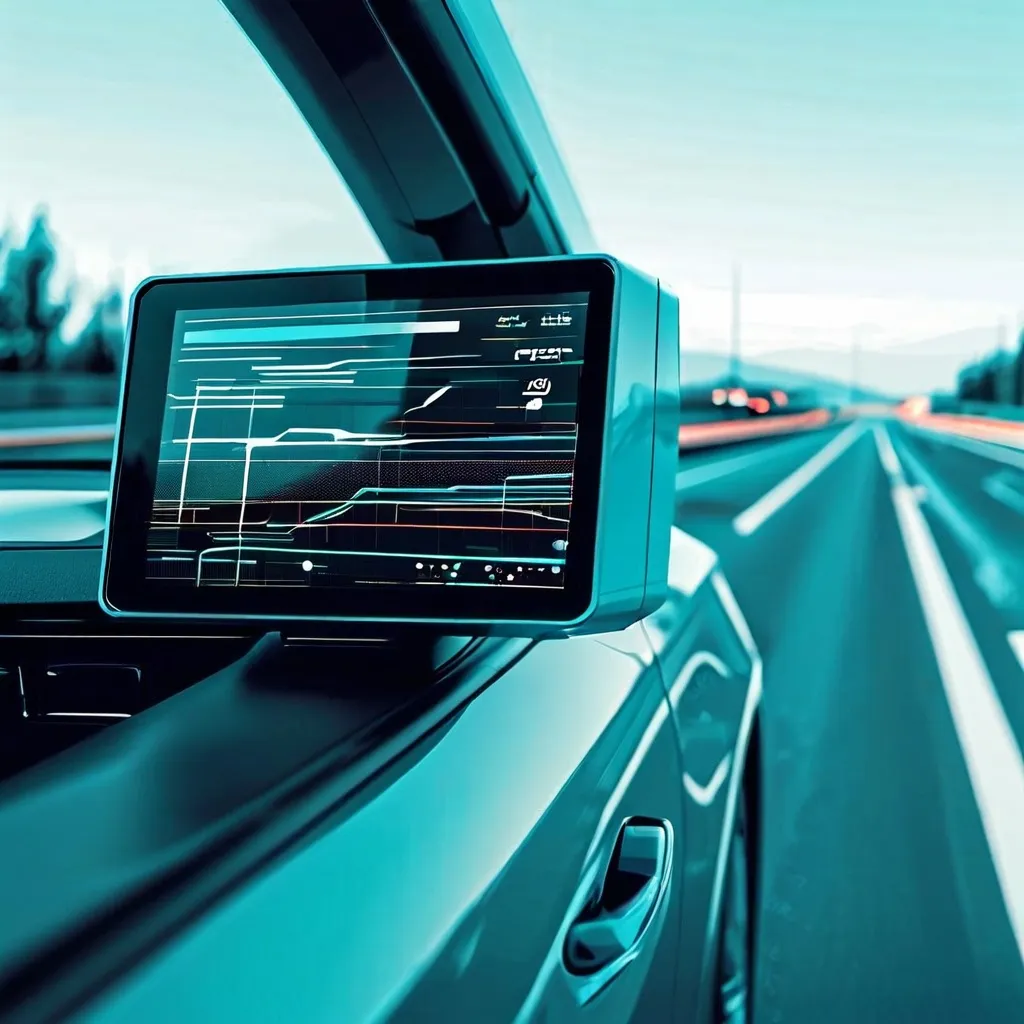
In recent years, the landscape of traffic law enforcement in Türkiye has undergone a significant transformation. With the goal of enhancing road safety and reducing the reliance on manual oversight, the General Directorate of Security (Emniyet Genel Müdürlüğü), in coordination with the Presidency of Defence Industries, has introduced autonomous, artificial intelligence-powered mobile speed detection systems. These systems are designed to operate without a constant human presence, marking a shift toward more consistent and automated traffic monitoring across the country.
For learner drivers preparing for the MTSK e-sınav, understanding these modern enforcement methods is essential. It is no longer sufficient to watch for patrol vehicles; instead, drivers must maintain speed limit compliance as a fundamental habit, knowing that technology is monitoring road behavior 24/7.
The core of this new technology lies in its ability to autonomously collect, process, and transmit data. Unlike traditional radar guns that require a traffic officer to point and record, these new units function as intelligent, stand-alone sensors. They are equipped to capture high-precision data regarding a vehicle's license plate, speed, and vehicle type, regardless of the time of day or the prevailing weather conditions.
Once a vehicle exceeds the permitted speed limit, the AI processes the visual data in real-time. It then securely transmits this information to the PolNet network, which is the centralized information infrastructure used by the Turkish police. This enables traffic teams to receive instant notifications of violations. Because the system eliminates the need for an operator on-site, it ensures that traffic enforcement is continuous, covering high-risk areas or holiday routes with greater efficiency.
When you sit for your MTSK e-sınav, you will likely encounter questions that test your understanding of speed limits and traffic etiquette. These questions are designed not just to check if you know the numbers, but to confirm you understand the consequences of disregarding them. Automated systems like the AI speed detectors serve as a reminder that speed limits are strictly enforced under Turkish traffic legislation.
Speed limits in Turkey are not merely suggestions. Exceeding them, even by a small margin, can result in administrative fines and penalty points on your driving record. During your practical exam, failing to observe a speed limit sign or failing to adjust your speed according to road conditions is often an immediate failure point.
Drivers are expected to be aware of the azami hız (maximum speed) limits for their specific vehicle category. Whether you are driving a car (B class), a motorcycle (A class), or a heavy vehicle (C or D class), the enforcement systems are calibrated to detect the legal threshold specific to your license type.
The transition to automated enforcement is part of a broader strategy to decrease accident rates on Turkish roads. By integrating artificial intelligence, authorities can better manage traffic flow during high-volume periods, such as public holidays. For instance, the pilot program for these AI units, which occurred during the Kurban Bayramı period, demonstrated the effectiveness of this technology in detecting thousands of violations that might have otherwise gone unnoticed.
The centralized information network used by the Turkish National Police to track vehicle registrations, traffic fines, and real-time enforcement data.
Understanding the mechanics of these systems helps develop a "defensive driving" mindset. Defensive driving is a major component of the trafik adabı (traffic etiquette) section of your theory education. It is not just about avoiding a ticket from an AI camera; it is about anticipating road conditions, respecting other road users, and maintaining safe distances, even when you feel that no one is watching.
As you continue your studies, remember that the theory exam tests your knowledge of both the rules and the reality of modern enforcement. Pay close attention to sections covering traffic signs, as automated systems depend heavily on these visual cues to maintain legal standards.
Turkey's General Directorate of Security has deployed AI-powered mobile speed detection systems that operate autonomously to monitor vehicle speed, license plates, and vehicle types in real-time, transmitting violation data directly to the PolNet network. For MTSK e-sınav preparation, learners must understand that these systems enforce azami hız (maximum speed) limits specific to each vehicle class, and that compliance is essential not only for avoiding penalties but also for passing the practical driving exam. The technology eliminates reliance on visible patrol presence, making consistent speed adherence a fundamental safe driving habit. This shift toward automated enforcement supports Turkey's broader strategy to reduce road accidents through continuous, technology-assisted surveillance.
A short set of high-value points that capture the most important ideas from this article.
Turkey's AI-powered mobile speed detection systems operate autonomously without human operators, providing 24/7 enforcement coverage
Once a violation is detected, the AI transmits data instantly to the PolNet network for real-time processing
Speed limit compliance is mandatory for all drivers regardless of whether they see patrol vehicles or fixed cameras
Different vehicle classes (A, B, C, D) have specific azami hız limits that the enforcement systems are calibrated to detect
Understanding these systems reinforces the defensive driving mindset required under Turkish traffic etiquette
Speed limits in Turkey are legally enforced limits, not suggestions, and even minor exceedances trigger administrative penalties
Enforcement systems monitor both stationary and moving traffic across high-risk routes and holiday periods
Speed compliance during the practical exam is an immediate failure point if limits are not observed
PolNet is the centralized police database that processes vehicle data and traffic violations nationwide
Defensive driving requires anticipating road conditions and respecting speed limits even when you believe no enforcement is present
Assuming small speed exceedments are tolerated by enforcement systems; AI detection captures violations at any margin
Relying only on spotting patrol vehicles to adjust speed, ignoring that autonomous cameras are permanently monitoring
Failing to recognize that enforcement covers both urban and interurban roads during all hours including holidays
Confusing different speed limits for various vehicle classes; a B-class car driver must know their specific azami hız
Neglecting to monitor speedometer continuously when road conditions change or entering new speed zones
Article content overview
A short set of high-value points that capture the most important ideas from this article.
Turkey's AI-powered mobile speed detection systems operate autonomously without human operators, providing 24/7 enforcement coverage
Once a violation is detected, the AI transmits data instantly to the PolNet network for real-time processing
Speed limit compliance is mandatory for all drivers regardless of whether they see patrol vehicles or fixed cameras
Different vehicle classes (A, B, C, D) have specific azami hız limits that the enforcement systems are calibrated to detect
Understanding these systems reinforces the defensive driving mindset required under Turkish traffic etiquette
Speed limits in Turkey are legally enforced limits, not suggestions, and even minor exceedances trigger administrative penalties
Enforcement systems monitor both stationary and moving traffic across high-risk routes and holiday periods
Speed compliance during the practical exam is an immediate failure point if limits are not observed
PolNet is the centralized police database that processes vehicle data and traffic violations nationwide
Defensive driving requires anticipating road conditions and respecting speed limits even when you believe no enforcement is present
Assuming small speed exceedments are tolerated by enforcement systems; AI detection captures violations at any margin
Relying only on spotting patrol vehicles to adjust speed, ignoring that autonomous cameras are permanently monitoring
Failing to recognize that enforcement covers both urban and interurban roads during all hours including holidays
Confusing different speed limits for various vehicle classes; a B-class car driver must know their specific azami hız
Neglecting to monitor speedometer continuously when road conditions change or entering new speed zones
Explore related topics, search based questions, and concepts that learners often look up when studying AI Speed Detection in Turkey. These themes reflect real search intent and help you understand how this topic connects to wider driving theory knowledge in Turkey.
Find clear and practical answers to common questions learners often have about AI Speed Detection in Turkey. This section helps explain difficult points, remove confusion, and reinforce the key driving theory concepts that matter for learners in Turkey.
No, the new AI-powered mobile speed detection systems are fully autonomous and do not require an operator to be present to detect speeding vehicles.
The system automatically captures the license plate, vehicle type, and speed in real-time, then transmits the data directly to traffic teams through the General Directorate of Security's PolNet network.
Understanding that enforcement is constant and automated reinforces the need for strict speed limit compliance at all times, which is a key behavioral expectation in the Turkish theory exam and for safe driving.
Yes, these systems are designed to monitor traffic and accurately detect violations under all weather conditions, both day and night.
After finding the specific Turkish driving theory articles you need, dive deeper into related topics or challenge your knowledge with practice questions. Enhance your understanding of trafik işaretleri, road rules, and vehicle safety to ensure you are fully prepared for the official ehliyet sınavı.