
This lesson details the critical safety gear required for operating mopeds and light motorized bicycles under Turkish traffic law. You will explore how proper protective clothing and approved helmets significantly reduce injury risks and prepare you for safety-related questions on your MTSK e-sınav.
Lesson content overview
Operating a moped or a light motorized bicycle (Category AM) on public roads offers freedom and efficiency, but it also exposes you to significant physical vulnerability. Unlike passenger cars, mopeds lack a protective metal cabin, crumple zones, or airbags. In any collision or loss of control, your body absorbs the direct force of the impact and the subsequent friction with the road surface.
This lesson covers the selection, science, and correct usage of specialized protective clothing. Wearing the right gear not only reduces the risk of life-altering injuries in a fall but also keeps you physically comfortable and mentally alert across Turkey's diverse seasonal conditions.
To understand why casual clothing is insufficient for moped riding, it is necessary to examine what happens to the human body during a fall. Two primary physical forces act on a rider during an accident: kinetic impact and friction.
When you fall, your body collides with hard objects like the ground, curbstones, or other vehicles. The joints—specifically the shoulders, elbows, hips, and knees—are usually the first points of impact.
Protective gear uses specialized, energy-absorbing materials (such as visco-elastic polymers or high-density foams) known as armor or protectors. When an impact occurs, these materials deform dynamically, absorbing a massive portion of the kinetic energy and dispersing the remaining force over a larger surface area. This reduces the peak impact force transmitted to your bones and internal organs, preventing fractures and deep tissue bruising.
If you slide across asphalt after falling at 45 km/h, friction generates intense heat and rapidly wears away non-specialized fabrics.
The ability of a material to withstand surface wear and friction caused by scraping or sliding against rough surfaces like asphalt, concrete, or gravel without tearing or disintegrating.
Normal casual wear, such as cotton denim jeans or synthetic fashion jackets, disintegrates in less than half a second of sliding on asphalt at typical moped speeds. This results in severe friction burns, commonly referred to as "road rash," which can cause deep muscle damage and require skin grafts.
Specialized riding gear utilizes high-tensile fabrics like Cordura (a durable nylon blend) or Kevlar (an aramid fiber with extreme heat and tear resistance) to create a barrier that slides smoothly along the road surface without tearing, protecting your skin from direct contact with the ground.
A fully protected rider wears a complete ensemble of gear designed to protect every vulnerable zone of the body. Leaving even one area unprotected creates a weak link in your physical defense.
Check the Armor: Ensure the elbow, shoulder, and knee protectors are properly inserted and sit directly over your joints.
Secure All Fasteners: Zip up your jacket fully, secure the collar tab, and tighten wrist straps to prevent sleeves from sliding up during a fall.
Inspect for Damage: Look for frayed stitching, torn fabric, or damaged zippers that could fail under the stress of a slide.
Verify Visibility: Confirm that reflective panels are clean and unobstructed by backpacks or passenger accessories.
A specialized riding jacket protects your upper torso, spine, shoulders, and arms. It is highly dangerous to substitute a specialized riding jacket with a casual leather or windbreaker jacket, as fashion garments lack the stitching strength and armor inserts required to survive an accident.
Always look for CE-certified (Conformité Européenne) markings on protective armor. Level 1 armor offers standard protection suitable for urban riding, while Level 2 armor absorbs higher levels of kinetic energy, providing superior impact safety.
Many moped riders mistakenly wear everyday pants, believing their legs are at lower risk. Statistically, the lower limbs are highly vulnerable to impact and road contact during lateral falls.
When falling, human survival instinct causes you to extend your hands to break the fall. Without gloves, this instinctual reaction leads to severe, debilitating hand injuries, even at very low speeds.
Proper foot control is essential for operating a moped’s rear brake pedal and maintaining stability when stopping. Lightweight footwear like sandals, slip-ons, canvas sneakers, or high heels can easily slip off, offer zero protection in a crash, and provide poor grip on damp surfaces.
Protective clothing does more than shield you from physical trauma; it regulates your body temperature. Maintaining a stable body temperature is a critical aspect of defensive riding. If you are shivering from extreme cold or suffering from heat exhaustion, your reaction time slows, your peripheral vision narrows, and your decision-making becomes impaired.
| Weather Condition | Core Risks | Essential Apparel Features | Recommended Practice |
|---|---|---|---|
| Extreme Heat | Dehydration, heat exhaustion, loss of concentration, sunburn. | Ventilated mesh jackets, breathable full-finger gloves, moisture-wicking base layers. | Never ride in short sleeves. Use airflow-optimized gear to stay cool while remaining fully protected. |
| Extreme Cold | Hypothermia, stiff joints, shivering, reduced grip and braking response. | Multi-layer thermal liners, windproof outer shells, thermal neck warmers, insulated waterproof gloves. | Use thin, insulating layers to retain body heat without restricting your physical range of motion. |
| Wet/Rainy Weather | Reduced grip, shivering, poor visibility, water penetration. | Waterproof membranes (e.g., Gore-Tex), boot covers, anti-fog helmet visors, bright/reflective rain gear. | Keep water out to prevent wind chill from rapidly lowering your core temperature. |
While protective gear protects your body during an accident, high-visibility features can prevent the accident from happening in the first place. Due to their narrow profile, mopeds are frequently overlooked by larger vehicles, especially at junctions and in low-light conditions.
When choosing a riding jacket, look for built-in reflective piping along the shoulders, upper back, and sleeves to ensure you are visible to other drivers from all 360 degrees.
In Turkey, the Ministry of National Education (Milli Eğitim Bakanlığı - MEB) enforces strict safety regulations regarding personal protective equipment (PPE). These regulations apply to daily moped operations and are strictly monitored during the practical riding exam (direksiyon uygulama sınavı) for Category AM licenses.
During the official practical riding exam, you must wear specific protective gear. If you fail to bring or wear these items, examiners will mark it as a Red Fault (Kırmızı Hata), resulting in immediate disqualification before you even start the engine:
While a reflective vest is mandatory during the practical exam, Turkish traffic safety guidelines strongly recommend wearing retroreflective gear or high-visibility apparel during night rides on all public roads. Furthermore, all protective gear must be kept in good condition:
Many riders make critical mistakes when choosing or wearing protective clothing, often due to convenience, styling preferences, or misconceptions about moped safety.
To see how these principles apply in practice, let's look at three common riding scenarios on Turkish roads:
To deepen your understanding of safe riding apparel, visibility strategies, and defensive riding techniques, explore the following resources:
This lesson covers the essential protective clothing and gear requirements for Category AM moped riders in Turkey, explaining how specialized equipment protects against kinetic impact and abrasion through CE-certified armor and high-tensile fabrics like Cordura and Kevlar. Learners gain practical knowledge of jacket types (full-coverage, ventilated mesh), protective pants with aramid liners, full-finger gloves with knuckle and palm protection, and boots with ankle support and non-slip soles. The content addresses weather-appropriate gear strategies for extreme heat, cold, and wet conditions, emphasizing that thermal regulation directly affects cognitive performance and defensive riding ability. Critical visibility features including retroreflective strips and fluorescent colors are explained as collision prevention measures, while Turkish road law requirements detail mandatory MTSK practical exam equipment and daily road compliance guidelines.
A short set of high-value points that capture the most important learning from this lesson.
Protective gear uses energy-absorbing materials like visco-elastic polymers that deform dynamically to absorb kinetic impact and disperse force over a larger surface area.
Abrasion-resistant fabrics such as Cordura (nylon blend) and Kevlar (aramid fiber) create a sliding barrier on asphalt that prevents road rash and deep tissue damage.
CE-certified armor comes in two protection levels: Level 1 for standard urban riding and Level 2 for superior kinetic energy absorption.
Body temperature regulation directly affects cognitive performance—extreme cold or heat impairs reaction time, peripheral vision, and decision-making.
High-visibility retroreflective materials and fluorescent colors prevent collisions by making riders detectable to other road users from greater distances.
Explore all units and lessons included in this driving theory course.
During the MTSK practical exam, lacking any of the five mandatory items (helmet, jacket, reflective vest, gloves, closed boots) results in a Red Fault (Kırmızı Hata) and immediate disqualification.
Full-finger gloves are essential because human instinct causes you to extend hands to break a fall, leading to severe hand injuries even at low speeds.
Riding boots must provide ankle support to prevent joint twisting or fractures if your foot becomes trapped under the falling moped.
Gear that is too loose allows armor to shift away from joints during a slide, leaving you completely unprotected at the moment of impact.
A significant percentage of moped accidents occur within a few kilometers of home on familiar roads, making protective gear necessary for all trips.
Believing protective gear is unnecessary for short trips—most accidents occur near home on familiar urban roads where traffic conflicts are high.
Choosing fashion-forward casual leather or denim jackets that lack safety seams and impact armor, which tear open instantly in a crash.
Wearing gear that is too loose, causing elbow or knee armor to rotate away from joints during a fall and exposing vulnerable body parts.
Wearing open-toed shoes, sandals, or soft sneakers that offer no protection against foot fractures or lacerations if dragged along the ground.
Using harsh detergents or fabric softeners when cleaning textile gear, which can strip waterproof coatings and weaken high-strength fibers.
Lesson content overview
A short set of high-value points that capture the most important learning from this lesson.
Protective gear uses energy-absorbing materials like visco-elastic polymers that deform dynamically to absorb kinetic impact and disperse force over a larger surface area.
Abrasion-resistant fabrics such as Cordura (nylon blend) and Kevlar (aramid fiber) create a sliding barrier on asphalt that prevents road rash and deep tissue damage.
CE-certified armor comes in two protection levels: Level 1 for standard urban riding and Level 2 for superior kinetic energy absorption.
Body temperature regulation directly affects cognitive performance—extreme cold or heat impairs reaction time, peripheral vision, and decision-making.
High-visibility retroreflective materials and fluorescent colors prevent collisions by making riders detectable to other road users from greater distances.
Explore all units and lessons included in this driving theory course.
During the MTSK practical exam, lacking any of the five mandatory items (helmet, jacket, reflective vest, gloves, closed boots) results in a Red Fault (Kırmızı Hata) and immediate disqualification.
Full-finger gloves are essential because human instinct causes you to extend hands to break a fall, leading to severe hand injuries even at low speeds.
Riding boots must provide ankle support to prevent joint twisting or fractures if your foot becomes trapped under the falling moped.
Gear that is too loose allows armor to shift away from joints during a slide, leaving you completely unprotected at the moment of impact.
A significant percentage of moped accidents occur within a few kilometers of home on familiar roads, making protective gear necessary for all trips.
Believing protective gear is unnecessary for short trips—most accidents occur near home on familiar urban roads where traffic conflicts are high.
Choosing fashion-forward casual leather or denim jackets that lack safety seams and impact armor, which tear open instantly in a crash.
Wearing gear that is too loose, causing elbow or knee armor to rotate away from joints during a fall and exposing vulnerable body parts.
Wearing open-toed shoes, sandals, or soft sneakers that offer no protection against foot fractures or lacerations if dragged along the ground.
Using harsh detergents or fabric softeners when cleaning textile gear, which can strip waterproof coatings and weaken high-strength fibers.
Explore search topics learners often look for when studying Protective Clothing and Gear Essentials. These topics reflect common questions about road rules, driving situations, safety guidance, and lesson level theory preparation for learners in Turkey.
Browse additional driving theory lessons that cover connected traffic rules, road signs, and common driving situations related to this topic. Improve your understanding of how different rules interact across everyday traffic scenarios.
Learn how to anticipate hazards, maintain safe road positioning, and execute defensive maneuvers to avoid collisions in urban traffic. This guide explains how to apply defensive riding theory to protect yourself on Turkish roads and handle risks effectively beyond just wearing protective gear.

Defensive riding is the practice of anticipating potential road conflicts and acting early to prevent accidents before they occur. This lesson teaches you how to systematically scan the road ahead for changing conditions, keep an adequate safety cushion around your moped, and pre-plan exit routes in tight spots. You will learn to assume you are invisible to other drivers and adapt your speed and road position proactively to protect yourself against sudden maneuvers.

Proper road positioning is your primary shield against being squeezed, sideswiped, or overlooked by larger motor vehicles in daily traffic. This lesson explains how to ride in the center or slightly off-center of your lane to prevent unsafe overtaking within the same lane. You will study how to identify the massive blind spots of buses and trucks, maintain appropriate following distances, and execute overtaking maneuvers with maximum safety margin and clear signal warning.
In this lesson, learners will discover the principles of defensive riding, focusing on hazard anticipation, maintaining safe distances, and practicing proactive avoidance techniques. It emphasizes developing a vigilant riding posture, constantly scanning the environment, and preparing to react to potential dangers from other road users, road conditions, or unexpected traffic events.

Riding an exposed lightweight vehicle in busy Turkish cities requires exceptional personal conduct, patience, and absolute control over your emotional reactions. This lesson discusses the psychological aspects of riding, teaching you how to avoid aggressive behaviors and stay calm under stressful traffic situations. It covers proper non-verbal communication, polite road sharing practices, and maintaining safe buffers from other motorists to establish a safe, predictable presence on any public street.
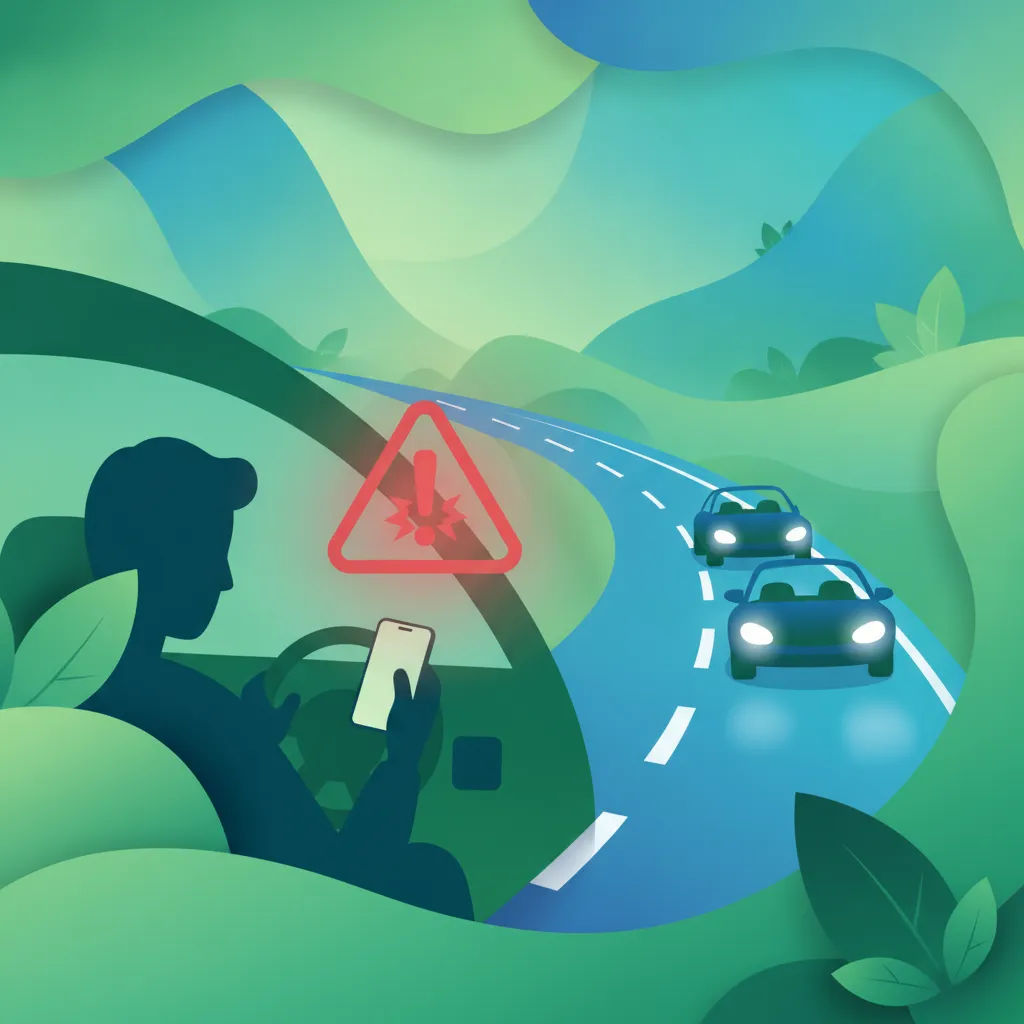
Human error and deliberate risk-taking represent the leading causes of traffic collisions among novice moped riders. This lesson analyzes the high dangers of using mobile phones while riding, weaving unsafely between lanes, and tailgating other motorists. It also covers the severe legal limits on alcohol and drug consumption under Turkish law, explaining how even minor impairments can drastically slower your hazard response times and lead to catastrophic accidents.

Low-speed riding maneuvers require precise coordination of throttle control, body balance, and subtle steering inputs to maintain vehicle stability. This lesson guides you through techniques for performing tight U-turns, navigating dense traffic queues, and parking your moped safely in designated urban areas. Additionally, you will learn to scan for immediate hazards, allowing you to execute steering corrections smoothly without risking tip-overs or collisions with low obstacles.
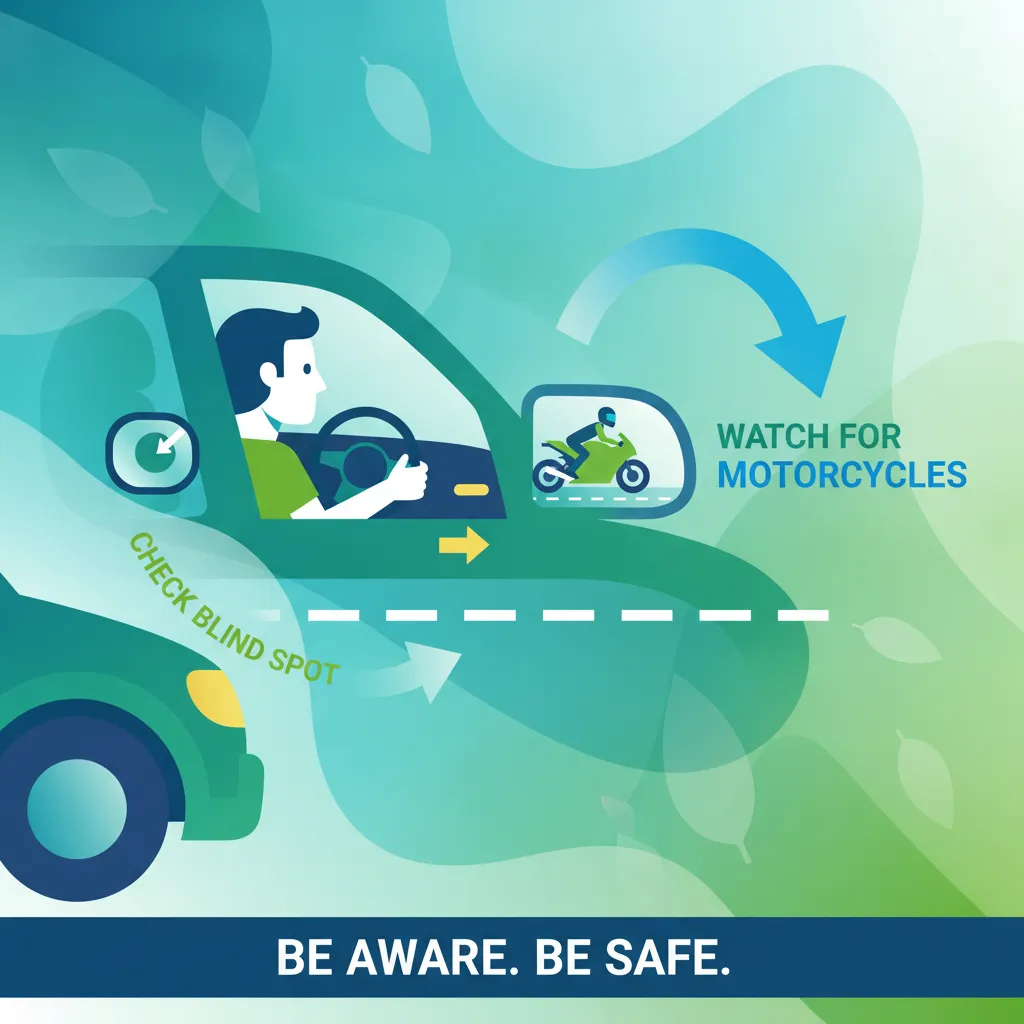
Learners will gain insight into the unique challenges posed by motorcycles and scooters sharing the road with passenger vehicles. The lesson highlights the importance of checking blind spots, maintaining safe following distances, and being aware of the faster acceleration and maneuverability of two-wheeled vehicles. Strategies for anticipating their movements and preventing collisions are discussed.
Warning signs alert road users to impending physical conditions, dangers, or layout alterations that require immediate driver attention and speed adjustment. This lesson focuses on indicators of sharp bends, narrowing paths, slippery road surfaces, upcoming pedestrian crosswalks, and school warning zones. You will study how to interpret these yellow-and-red triangular signs to safely modify your approach speed and gear your attention toward potential hazards unique to lightweight mopeds.
A moped's connection to the road is limited to two small tire contact patches, making tyre traction highly sensitive to surface changes. This lesson prepares you to recognize and negotiate hazardous road surfaces such as loose gravel, wet leaves, metal expansion joints, and painted lines. You will learn how to adjust your speed, maintain a vertical riding posture, and avoid sudden steering or braking inputs to prevent low-side falls when traction is severely reduced.

Riding in adverse weather presents significant challenges for open-vehicle operators, including reduced tire grip, obscured vision, and physical fatigue from wind or cold. This lesson covers safety techniques for navigating rainy conditions, avoiding the danger of hydroplaning, and managing strong crosswinds that can destabilize a lightweight moped. You will learn to adjust your speed, increase your following distance, and use high-visibility gear to ensure a safe journey under bad weather.
Understand the critical importance of visibility for small vehicle riders on public roads. This theory overview covers how to use reflective materials, high-visibility apparel, and lighting strategies to ensure you are seen by other drivers, effectively reducing the risk of accidents at intersections and during low-light conditions.
Many moped collisions occur simply because drivers of larger vehicles fail to notice lightweight riders in their path or blind spots. This lesson outlines passive and active techniques to boost your road presence, including the use of retroreflective vests and neon-colored apparel. It also explains the legal requirements for daytime running lights, proper alignment of headlights, and effective lane positioning to ensure you remain clearly visible in heavy traffic and during night rides.
This lesson emphasizes the importance of rider visibility, illustrating how high-visibility clothing and reflective accessories can significantly reduce the risk of collisions. Learners will discover effective strategies for being noticed by other road users, such as using bright colors, reflective strips, and appropriate lighting, especially during adverse weather or nighttime riding. The content also outlines best practices for maintenance.
Proper road positioning is your primary shield against being squeezed, sideswiped, or overlooked by larger motor vehicles in daily traffic. This lesson explains how to ride in the center or slightly off-center of your lane to prevent unsafe overtaking within the same lane. You will study how to identify the massive blind spots of buses and trucks, maintain appropriate following distances, and execute overtaking maneuvers with maximum safety margin and clear signal warning.
Find clear answers to common questions learners have about Protective Clothing and Gear Essentials. Learn how the lesson is structured, which driving theory objectives it supports, and how it fits into the overall learning path of units and curriculum progression in Turkey. These explanations help you understand key concepts, lesson flow, and exam focused study goals.
Because moped riders are exposed and lack an enclosed cabin, specialized clothing prevents severe abrasions and joint injuries during potential accidents. It is a vital passive safety measure for all two-wheeled vehicle users.
Yes, the exam often tests your knowledge of how protective gear acts as a line of defense. You should understand that gear must be reinforced, provide ankle support, and include high-visibility features.
Absolutely. Choosing gear that is appropriate for the weather—such as ventilated clothing for summer or thermal layers for winter—prevents physical distraction and fatigue, allowing you to focus better on the traffic.
Gloves should provide grip and knuckle protection, while boots must be reinforced to support the ankles. These features are critical for maintaining control of the moped and minimizing injury in case of a fall.
Use our comprehensive practice search to find exactly the Turkish driving theory questions you need to master. Whether reviewing specific road signs, traffic rules, or first aid scenarios, select your perfect practice set and boost your confidence for the official ehliyet sınavı.