This lesson explores the critical risks of driving under the influence of alcohol, drugs, or medications as part of the Category B driving theory. You will learn how these substances impair your reaction time and risk perception, which are vital concepts for the MTSK e-sınav and your future on Turkish roads.
Lesson content overview
Operating a motor vehicle is a complex task that requires absolute concentration, rapid physical coordination, precise sensory perception, and sound cognitive judgment. When a driver introduces psychoactive substances—whether alcohol, illegal narcotics, or even legal prescription medications—into their system, these vital faculties are instantly compromised.
In the context of obtaining your Turkish Category B license and passing the official MTSK e-sınav, understanding the physiological and legal consequences of driving under the influence is a critical milestone. This lesson details how various substances impair driving performance, the legal limits enforced on Turkish roads, and the scientific realities of chemical impairment.
The human brain processes thousands of sensory inputs every minute while driving. It calculates following distances, monitors vehicle speed, reads road signs, and anticipates the actions of other road users. Psychoactive substances directly interfere with this processing cycle by altering Central Nervous System (CNS) function.
When substances enter the bloodstream, they cross the blood-brain barrier and disrupt neurotransmitters—the chemical messengers of the brain. This disruption manifests in several dangerous ways:
Alcohol (specifically ethanol) is a powerful central nervous system depressant. Despite its temporary reputation as a social stimulant, its chemical action on the body is entirely inhibitory.
As alcohol concentrations rise in the blood, the degradation of driving performance follows a predictable and dangerous curve:
A physiological state where chemical agents slow down brain activity, resulting in decreased heart rate, slower breathing, diminished reflexes, and impaired cognitive processing.
A dangerous and widespread misconception among motorists is that physical interventions can accelerate the rate at which the body processes alcohol.
The Metabolism Reality: Only time can make a driver sober. Popular "quick fixes" like drinking strong black coffee, taking cold showers, exercising, or breathing fresh air have absolutely zero impact on your Blood Alcohol Concentration (BAC). While caffeine might make an impaired driver feel slightly more awake, they remain just as chemically impaired and unsafe to drive.
Alcohol is absorbed rapidly through the stomach and small intestine into the bloodstream. Once absorbed, it must be metabolized by the liver. On average, the human liver can only eliminate approximately 0.015% BAC per hour (or roughly one standard drink's worth of alcohol per hour). This rate is constant and cannot be altered by physical activity or hydration.
Blood Alcohol Concentration (BAC) is the metric used by law enforcement and medical professionals to quantify the amount of alcohol present in a driver's bloodstream. It is typically expressed as a percentage of alcohol in the blood (e.g., grams of alcohol per deciliter of blood) or in promile (parts per thousand) in Turkish traffic enforcement.
Two individuals who consume the exact same amount of alcohol can display vastly different BAC levels. This variation is driven by several biological and situational factors:
Turkish traffic police utilize two primary methods to measure impairment:
Breathalyzer Test: The driver blows into a calibrated electronic device that measures the concentration of alcohol vapors in the exhaled deep-lung air, providing an instant estimate of BAC.
Blood Test: If a driver disputes the breathalyzer results, is physically unable to perform the breath test, or is involved in a serious traffic accident, they are transported to a medical facility for a direct, legally binding blood draw.
To maintain maximum safety on public roads and protect all road users, Turkey enforces strict regulations regarding alcohol consumption and driving.
For candidate drivers taking the MTSK e-sınav, the official guidelines teach a Zero Tolerance approach for commercial, public transit, and specific heavy vehicle categories (such as A, C, D), meaning any detectable blood-alcohol content (.0 BAC) is strictly illegal. For private Category B passenger car drivers, the legal limit is traditionally set at 0.50 promil, beyond which severe penalties, license seizure, and fines apply immediately. However, driving with any amount of alcohol is strongly discouraged, as impairment begins far below the legal threshold.
While alcohol is a regulated legal substance, illegal narcotics and controlled drugs are subject to absolute zero tolerance under Turkish traffic law. Driving with any detectable amount of an illegal substance in your system is a serious criminal offense.
Illegal drugs are generally grouped into three main categories, each affecting the driving task in uniquely dangerous ways:
| Drug Category | Common Examples | Specific Physiological Effects on Driving |
|---|---|---|
| Stimulants | Cocaine, Amphetamines, MDMA (Ecstasy) | Causes extreme overconfidence, aggressive or erratic steering, severe speeding, and visual hallucinations. When the drug wears off, the driver experiences an acute "crash" marked by sudden, uncontrollable fatigue. |
| Depressants | Heroin, Non-prescribed Sedatives | Drastically slows reflexes, induces profound drowsiness, impairs spatial coordination, and can cause the driver to fall asleep at the wheel. |
| Hallucinogens | Cannabis, LSD, Psilocybin | Distorts time and distance perception. Drivers struggle to maintain lane position, fail to track moving targets, experience altered auditory/visual sensory inputs, and exhibit severely delayed reactions. |
Traffic law enforcement officers are trained to detect signs of drug impairment, such as pupillary changes, slurred speech, tremors, and erratic driving behavior. Saliva swab tests, urine tests, and blood samples are legally utilized to screen for illegal substances. Because many of these compounds or their metabolites remain in the human body for days or even weeks, a positive test result long after consumption still carries full legal penalties.
A common pitfall for many drivers is assuming that because a medication was prescribed by a physician or purchased legally over-the-counter (OTC) at a pharmacy (eczane), it is safe to use while driving. This is a highly dangerous misconception.
Many common therapeutic medications have side effects that closely mimic the impairing effects of alcohol:
As a responsible Category B license holder, you are legally and morally obligated to assess your fitness to drive before turning the ignition key.
Read the Packaging: Always inspect the medication box and information leaflet for warnings. Look for warning symbols, such as an icon of a car inside a red warning triangle.
Consult Your Doctor or Pharmacist: Explicitly ask your healthcare provider: "Will this medication affect my ability to operate a passenger vehicle safely?"
Monitor Your Body's Response: When starting a new medication, do not drive until you know exactly how the substance affects your reflexes, vision, and cognitive alertness.
Perhaps the most insidious effect of substance use is the distortion of risk perception. Safe driving relies on defensive driving principles, where a motorist constantly searches for hazards and acts proactively to prevent collisions.
Under the influence of alcohol or drugs, a driver’s internal risk-evaluation mechanism breaks down. They may drive at excessive speeds, perform high-risk overtaking maneuvers, tailgated closely, or fail to yield the right-of-way, fully believing they are in complete control of the vehicle.
The dangers of driving under the influence are multiplied exponentially when combined with challenging driving conditions:
Understanding the edge cases and myths surrounding driving under the influence helps prevent tragic errors of judgment:
To reinforce your understanding of safe driving practices and the legal ramifications of impaired driving, explore the following resources:
This lesson explains how alcohol, illegal drugs, and prescription medications impair driving by disrupting central nervous system function, slowing reaction times, degrading vision, and distorting risk perception. Turkey's legal limit for Category B drivers is 0.50 promil, with zero tolerance for commercial drivers and all illegal substances. Critically, only time processes alcohol from the bloodstream; no intervention accelerates sobriety. Drivers must also recognize that many common medications cause impairment comparable to alcohol, making label checks and medical consultation essential before driving.
A short set of high-value points that capture the most important learning from this lesson.
Alcohol and drugs impair driving by disrupting CNS function, slowing neural transmission, narrowing peripheral vision, and suppressing the brain's risk-assessment centers
Only time processes alcohol from your bloodstream; coffee, cold showers, exercise, and fresh air have zero effect on Blood Alcohol Concentration
Turkey enforces a 0.50 promil legal limit for Category B private drivers and zero tolerance for commercial operators and illegal substances
Prescription and over-the-counter medications can impair driving as severely as alcohol; always check labels and consult your doctor or pharmacist
Impairment begins well below legal limits, affecting reaction time, coordination, and judgment even after just one drink
Explore all units and lessons included in this driving theory course.
The liver metabolizes alcohol at a constant rate of approximately 0.015% BAC per hour, regardless of physical interventions
Food delays alcohol absorption but does not prevent it; the alcohol will eventually enter the bloodstream and cause impairment
Illegal drugs fall under absolute zero tolerance in Turkey; any detectable amount constitutes a criminal offense
Stimulants cause overconfidence and aggressive driving followed by dangerous crashes; depressants cause drowsiness and loss of motor control
Environmental conditions (night driving, rain, fog, high-speed motorways) multiply the dangers of substance impairment exponentially
Assuming one beer with a heavy meal means you are safe to drive; food delays but does not prevent impairment
Ignoring drowsiness warnings on over-the-counter allergy or cold medications, treating them as safe for driving
Driving the morning after heavy drinking, believing sleep has eliminated alcohol from the system
Attempting to counteract the effects of alcohol or sedatives by taking stimulants, creating an unstable and unpredictable cognitive state
Relying on caffeine or fresh air to sober up before driving, when these interventions have no effect on BAC
Lesson content overview
A short set of high-value points that capture the most important learning from this lesson.
Alcohol and drugs impair driving by disrupting CNS function, slowing neural transmission, narrowing peripheral vision, and suppressing the brain's risk-assessment centers
Only time processes alcohol from your bloodstream; coffee, cold showers, exercise, and fresh air have zero effect on Blood Alcohol Concentration
Turkey enforces a 0.50 promil legal limit for Category B private drivers and zero tolerance for commercial operators and illegal substances
Prescription and over-the-counter medications can impair driving as severely as alcohol; always check labels and consult your doctor or pharmacist
Impairment begins well below legal limits, affecting reaction time, coordination, and judgment even after just one drink
Explore all units and lessons included in this driving theory course.
The liver metabolizes alcohol at a constant rate of approximately 0.015% BAC per hour, regardless of physical interventions
Food delays alcohol absorption but does not prevent it; the alcohol will eventually enter the bloodstream and cause impairment
Illegal drugs fall under absolute zero tolerance in Turkey; any detectable amount constitutes a criminal offense
Stimulants cause overconfidence and aggressive driving followed by dangerous crashes; depressants cause drowsiness and loss of motor control
Environmental conditions (night driving, rain, fog, high-speed motorways) multiply the dangers of substance impairment exponentially
Assuming one beer with a heavy meal means you are safe to drive; food delays but does not prevent impairment
Ignoring drowsiness warnings on over-the-counter allergy or cold medications, treating them as safe for driving
Driving the morning after heavy drinking, believing sleep has eliminated alcohol from the system
Attempting to counteract the effects of alcohol or sedatives by taking stimulants, creating an unstable and unpredictable cognitive state
Relying on caffeine or fresh air to sober up before driving, when these interventions have no effect on BAC
Explore search topics learners often look for when studying Effects of Alcohol and Drugs. These topics reflect common questions about road rules, driving situations, safety guidance, and lesson level theory preparation for learners in Turkey.
Browse additional driving theory lessons that cover connected traffic rules, road signs, and common driving situations related to this topic. Improve your understanding of how different rules interact across everyday traffic scenarios.
Understand the system of traffic violation points and legal penalties for rule-breaking on Turkish roads. Learn about license suspension criteria, administrative fines, and the regulatory framework that governs driver accountability to maintain safe traffic conditions and road compliance.
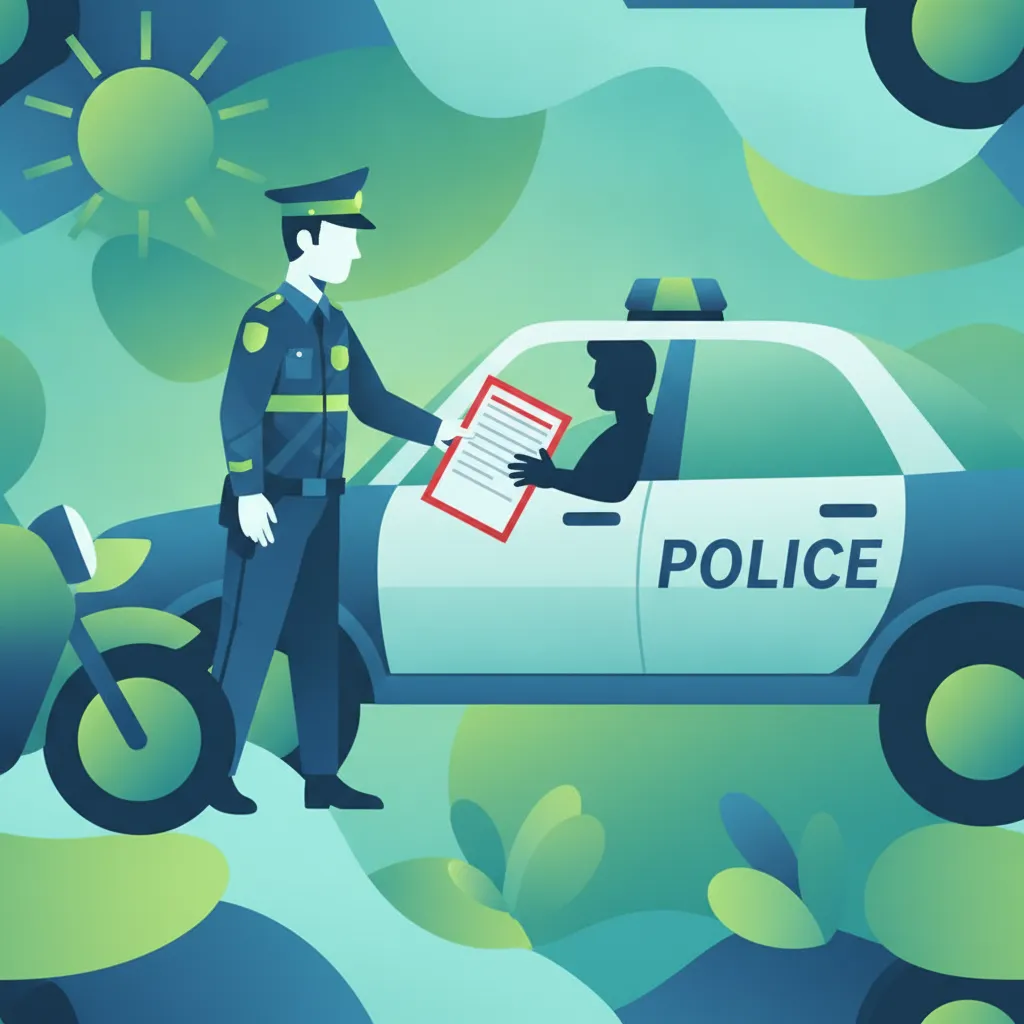
This lesson covers the severe administrative, financial, and criminal penalties associated with serious traffic violations in Turkey. It outlines the legal processes for driving licence suspension, vehicle impoundment, and mandatory driver retraining programs. Motorists will understand the long-term impact of a criminal driving record.
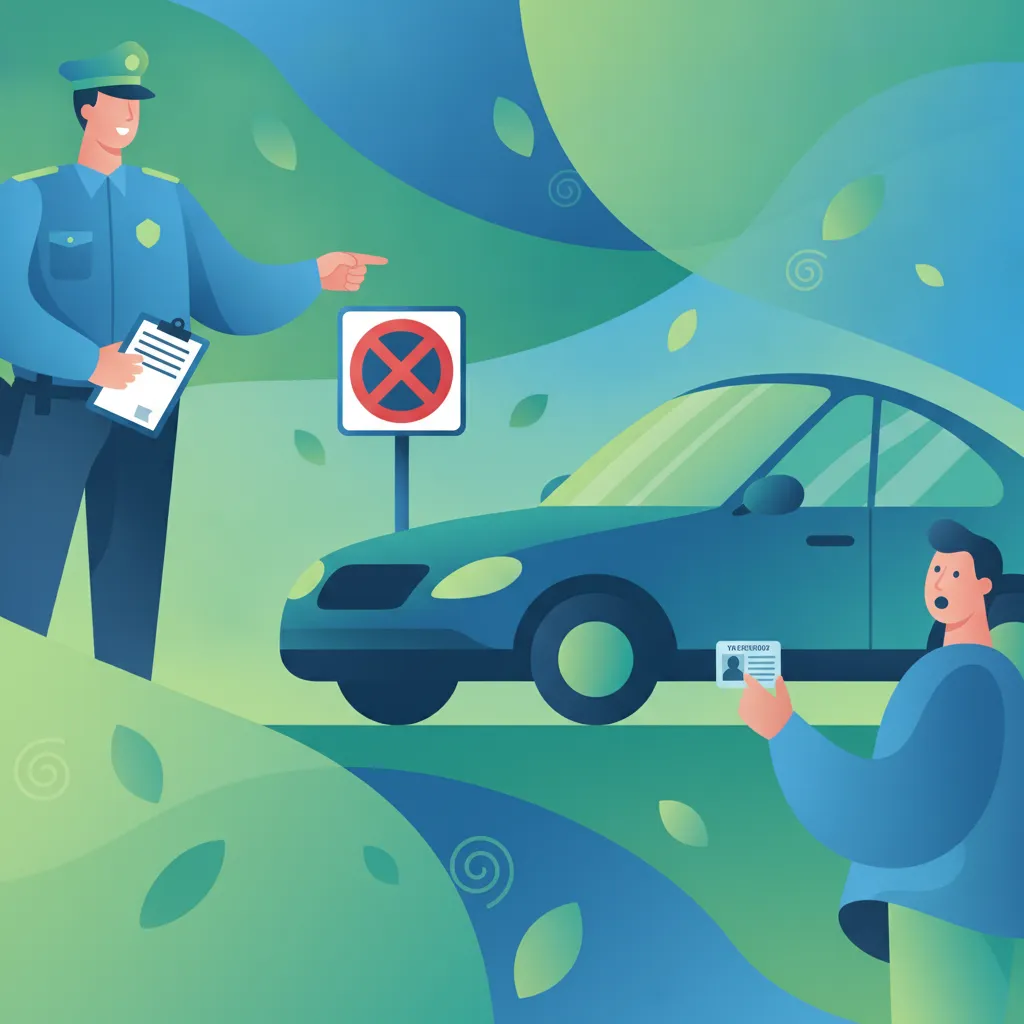
In this lesson, learners will be introduced to the legal framework governing traffic penalties in Turkey, including the various fines, licence suspensions, and criminal charges that may result from traffic violations. It will cover the points system, the severity of penalties for specific offences such as speeding and reckless driving, and the legal processes involved in enforcement.
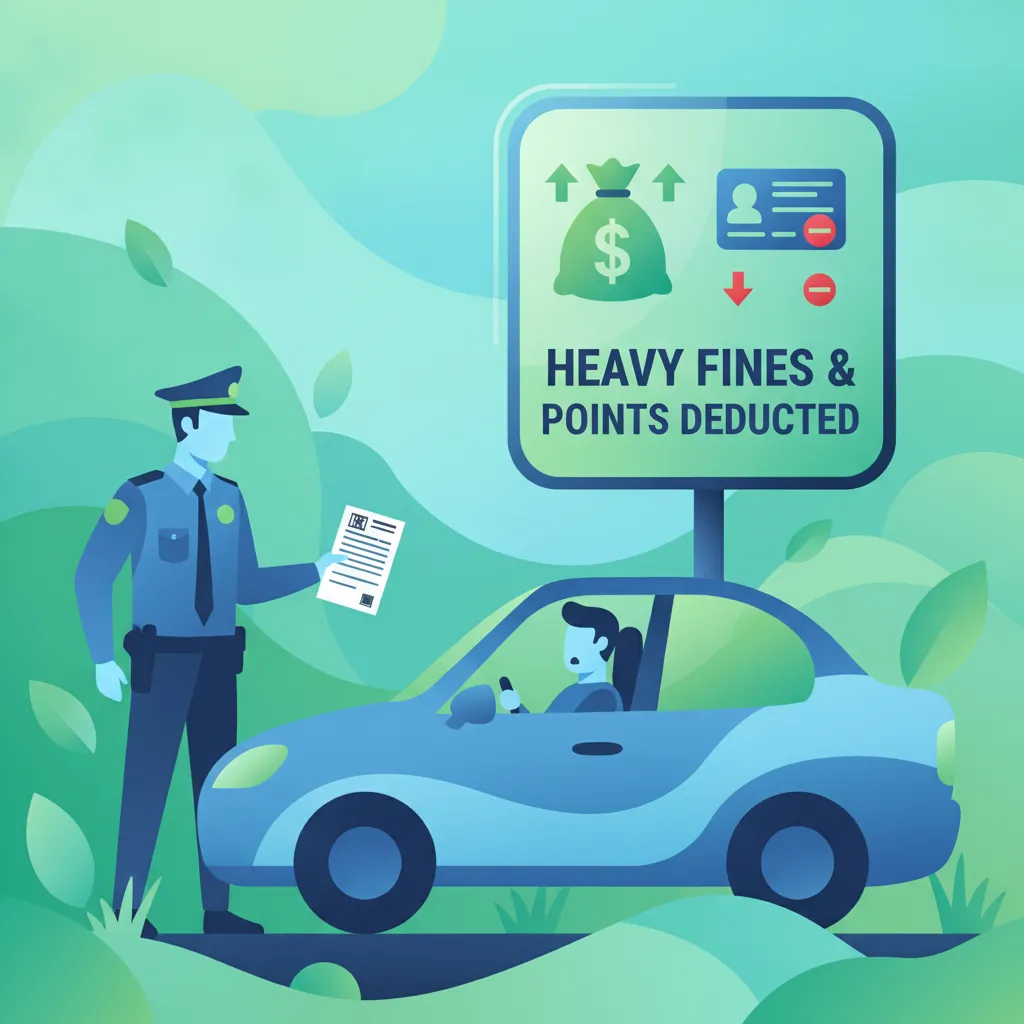
Violating Turkish traffic regulations results in serious legal and financial consequences designed to hold drivers accountable and ensure public safety. This lesson outlines the specific penalty points assigned to common infractions, the fine structure for speeding and illegal parking, and the conditions under which your moped or driving licence can be seized. Understanding these administrative penalties reinforces the importance of maintaining strict, daily compliance with national traffic laws.
This lesson explains the mechanics of the Turkish traffic demerit points system and the corresponding fine structures for legal violations. It details how specific offenses accumulate points and the exact thresholds that trigger licence suspension or permanent revocation. Drivers will learn the administrative processes involved in appealing penalties.
This lesson outlines the spectrum of penalties and legal consequences that goods vehicle drivers may face for violating traffic regulations. It details the types of infractions, ranging from minor violations to serious offenses, and explains the corresponding fines, points, and license suspensions. Learners will gain an understanding of the enforcement mechanisms and how repeat offenses can exacerbate penalties.
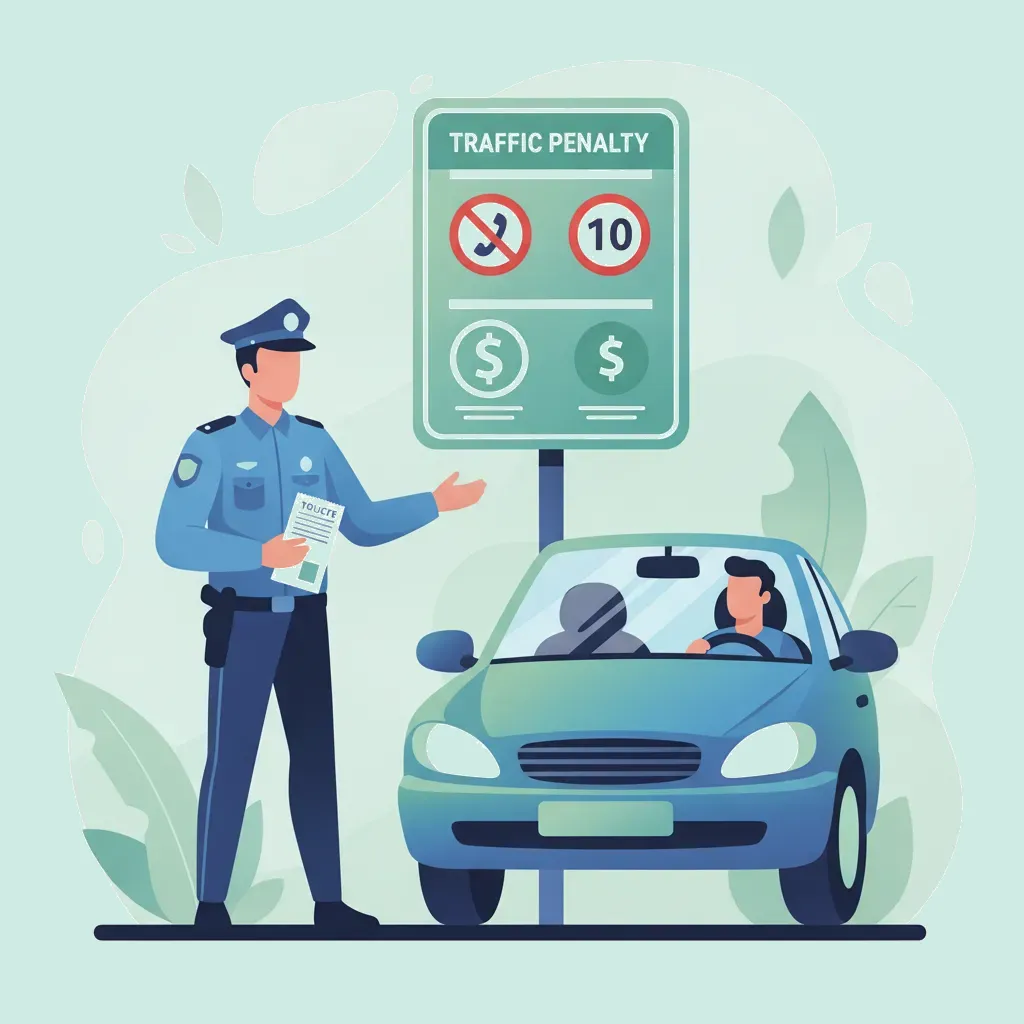
This lesson provides an overview of the penalties and legal consequences associated with traffic violations and non-compliance in goods vehicle operation. Learners will learn about the fines, demerit points, and potential license suspensions that can result from various infractions. The lesson emphasizes the importance of adhering to regulations and the impact of repeated offenses on drivers.
This lesson outlines the spectrum of legal repercussions that motorcyclists may face when violating traffic regulations, ranging from monetary fines to licence suspension or revocation. Learners will gain insight into the administrative processes involved, the role of law enforcement and judicial bodies, and how repeated offenses can lead to escalating penalties. Understanding these consequences reinforces the importance of strict adherence to traffic laws.
This lesson outlines the legal framework governing passenger vehicle operation, highlighting the penalties for various offences, such as speeding, failure to adhere to stop procedures, or neglecting passenger safety protocols. Learners will understand the importance of compliance to avoid fines, licence suspension, or other legal actions, and the role of regulatory bodies in enforcement.
In this lesson, participants will learn about the specific offences and penalties that apply to passenger vehicle drivers, focusing on violations that directly jeopardize passenger safety and public security. The content outlines the legal repercussions of non-compliance, including fines, licence suspensions, and other enforcement actions. Understanding these penalties reinforces the critical nature of adhering to traffic laws and safety protocols in professional passenger transport.
Learn the essential protocols for handling road emergencies and accidents as a licensed driver. This guide covers immediate safety actions, professional emergency communication, and fundamental first aid principles relevant to the Turkish driving curriculum for ensuring safety on highways and urban roads.
This lesson explains the critical steps to take during a road accident, focusing on scene safety, emergency calling, and basic first aid. It details how to secure the crash scene using reflectors to prevent secondary collisions and how to assess injured victims safely. Drivers will learn essential life-saving techniques required by Turkish law.
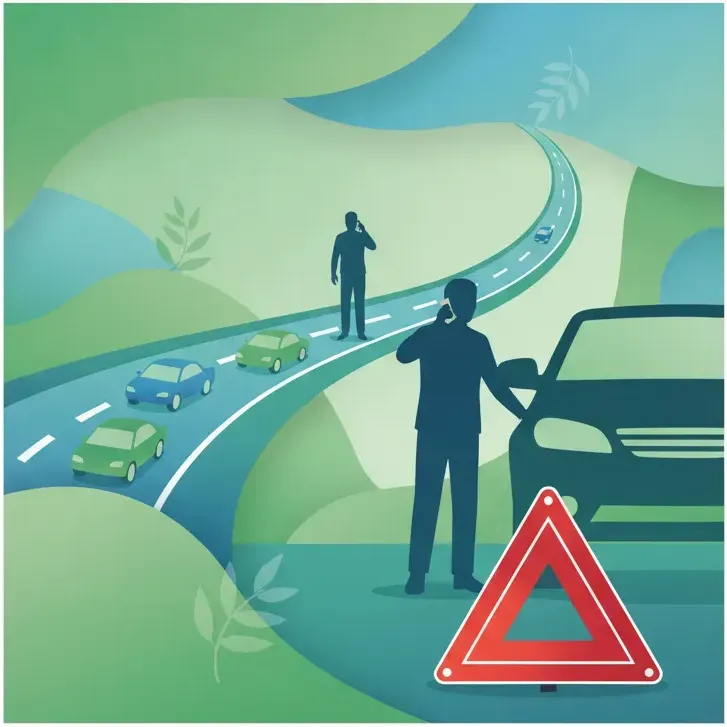
This lesson provides guidance on appropriate actions to take in the event of an accident or emergency while operating a goods vehicle. Learners will understand how to secure the scene, call Turkish emergency services (112), provide basic first aid, and complete necessary documentation. Emphasis is placed on ensuring personal safety, preventing further incidents, and facilitating rescue teams.
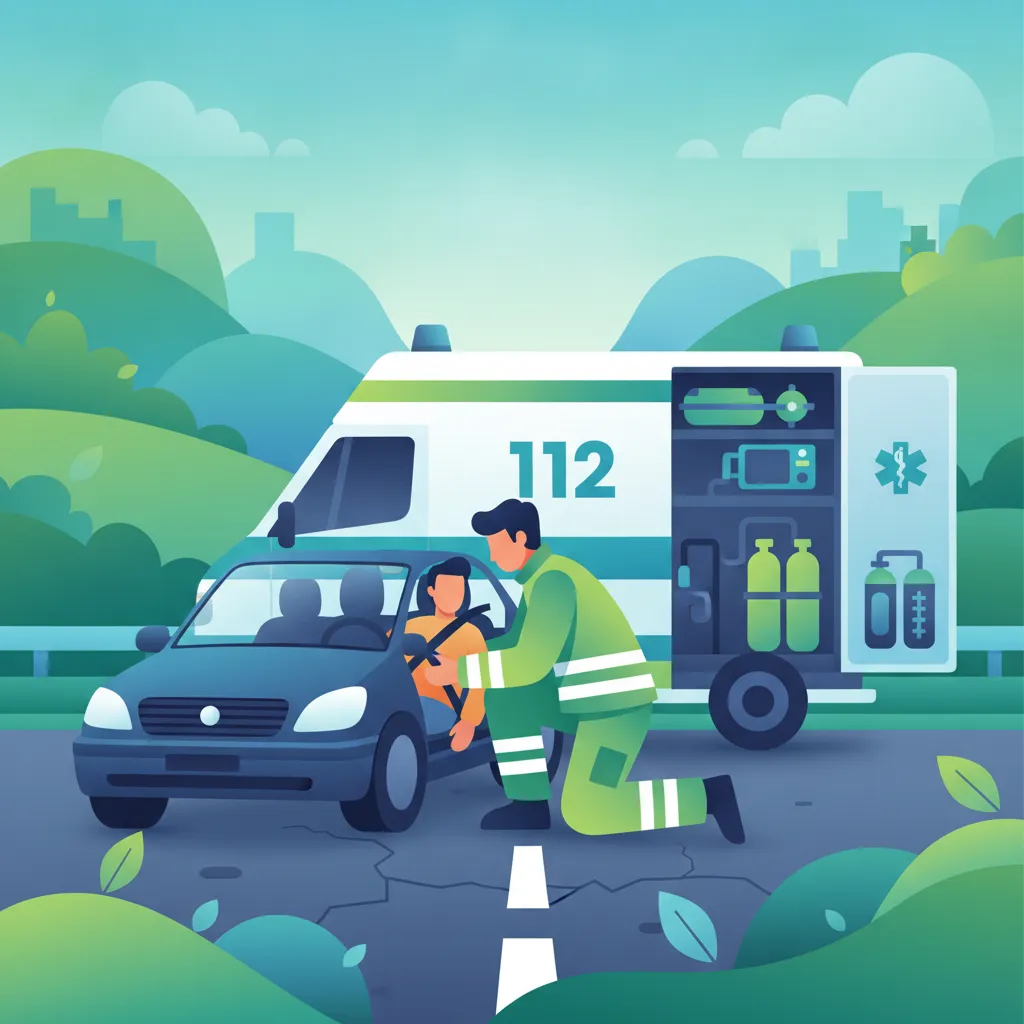
This lesson educates learners on the critical role of the 112 emergency service in Turkey, covering how to effectively report accidents and seek assistance. It emphasizes the importance of clear communication with dispatchers, providing accurate information such as location and nature of the incident. Additionally, the lesson introduces basic first aid principles that riders can apply while awaiting professional help, underscoring collective responsibility.
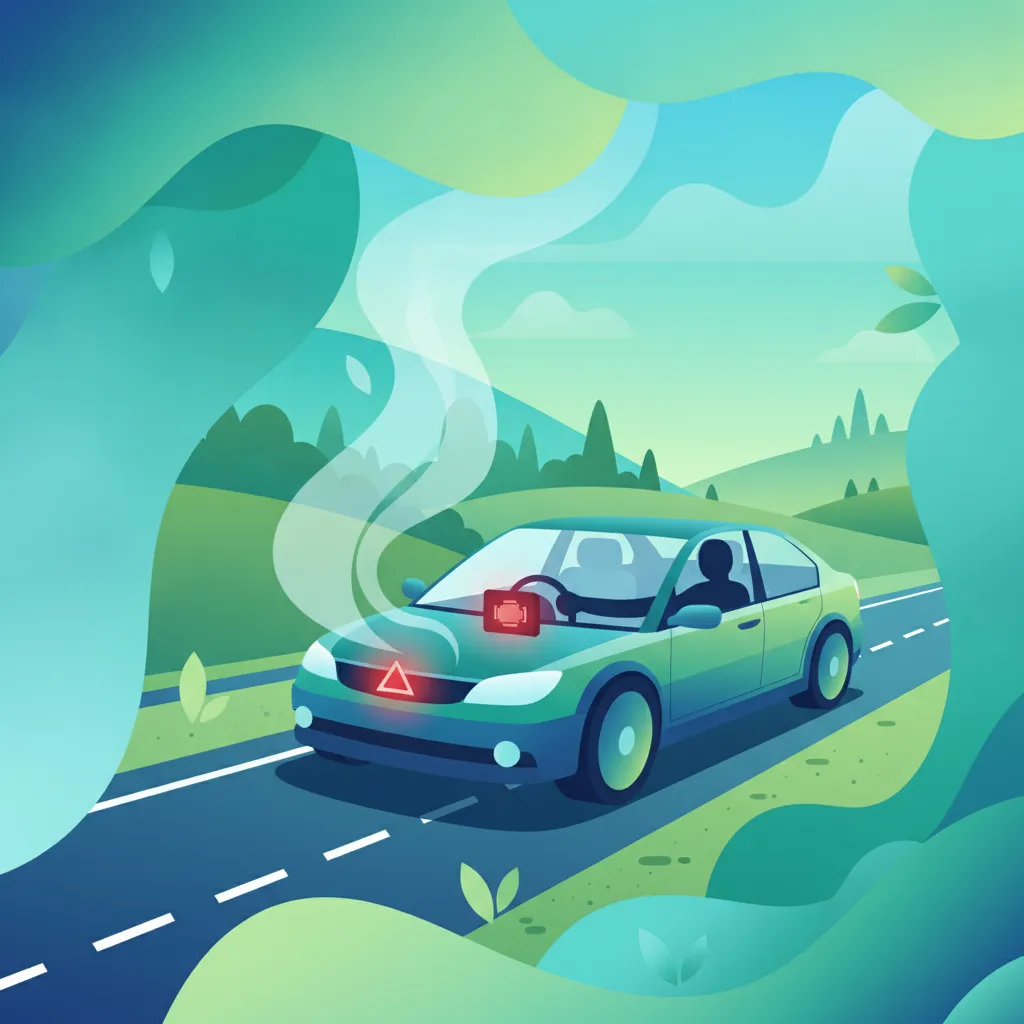
Learners will examine common vehicle emergencies that may occur while transporting passengers, such as fires, tire blowouts, or brake failures. The lesson emphasizes quick recognition of warning signs and outlines step-by-step emergency protocols to ensure the safety of passengers and other road users. Strategies for effective incident response and communication are also covered.
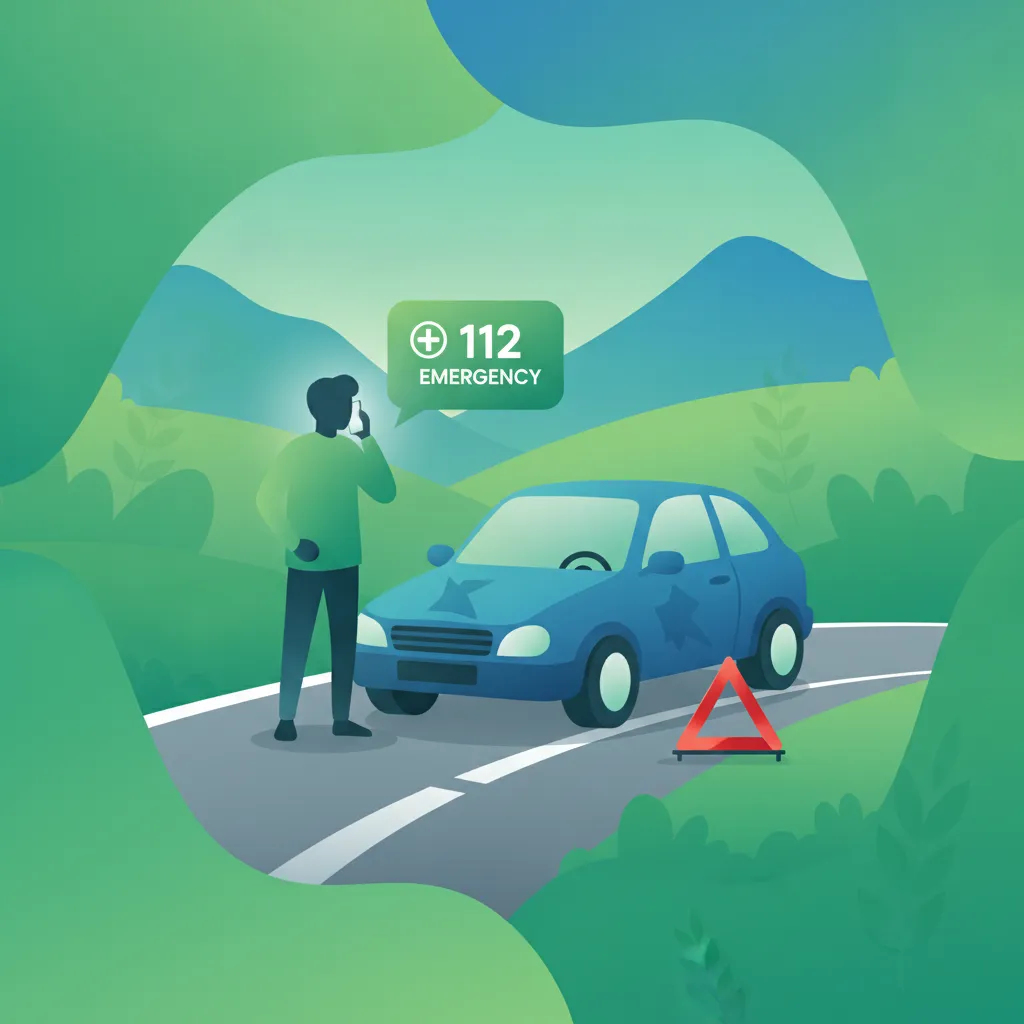
Knowing how to act immediately following a traffic accident or mechanical breakdown is crucial for saving lives and preventing secondary collisions. This lesson provides clear instructions on securing the scene using warning markers, assessing injuries, and immediately dialing the national 112 emergency number. You will learn what critical information to report, how to administer basic life-saving first aid within your capacity, and how to position a disabled moped safely out of active traffic lanes.
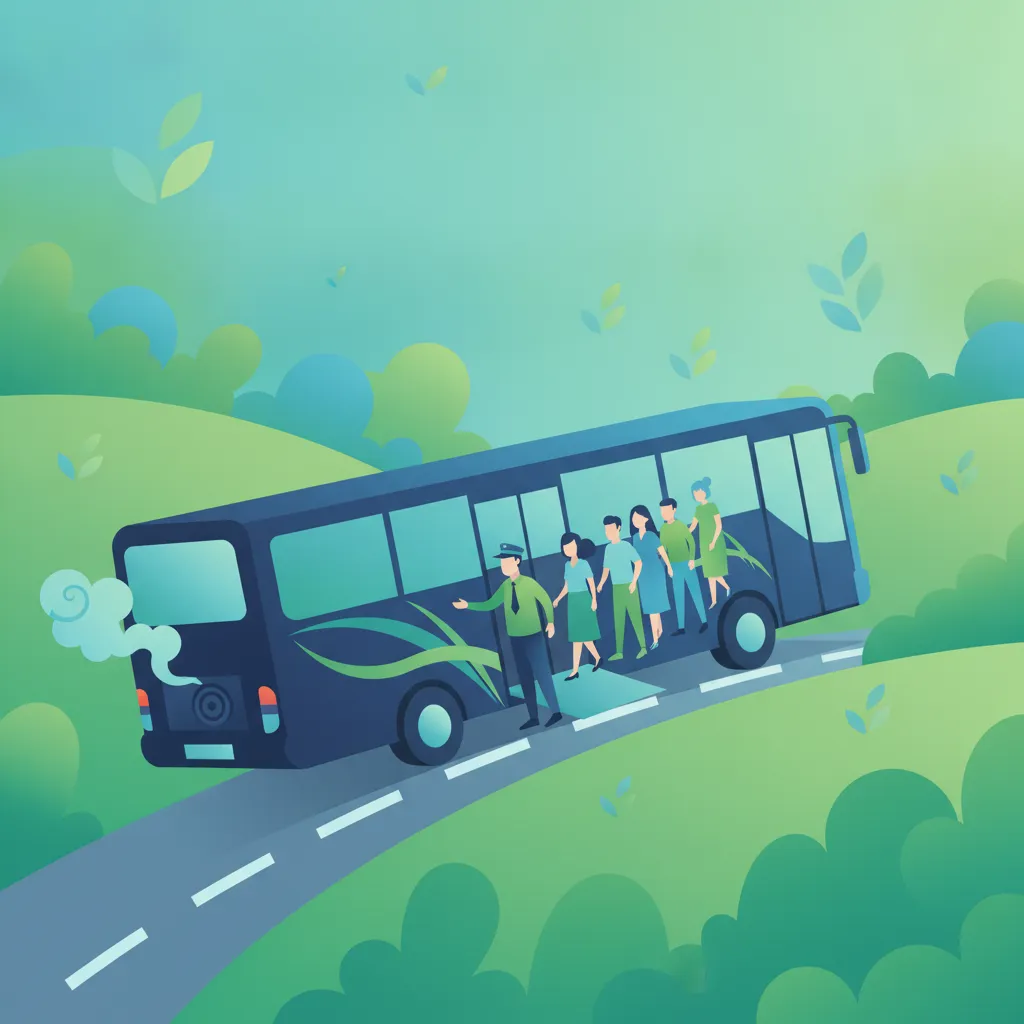
This lesson details the procedures for safely evacuating passengers from a bus in the event of a fire or other critical emergency. Topics include the location and use of emergency exits, fire extinguishers, and lighting, as well as the importance of clear communication and orderly movement of passengers. Practical steps for assisting vulnerable passengers during evacuation are emphasized.
Find clear answers to common questions learners have about Effects of Alcohol and Drugs. Learn how the lesson is structured, which driving theory objectives it supports, and how it fits into the overall learning path of units and curriculum progression in Turkey. These explanations help you understand key concepts, lesson flow, and exam focused study goals.
For standard Category B license holders, the legal blood-alcohol limit is 0.50 promille. Driving with a higher blood-alcohol concentration is prohibited and subject to strict legal penalties.
Yes. If a medication causes drowsiness or impairs your reflexes, it can significantly affect your driving. You must check with your doctor or pharmacist about the side effects before operating a vehicle.
Alcohol slows down your central nervous system, meaning it takes your brain longer to process hazards and respond to them. In exam scenarios, always assume any amount of alcohol will increase your stopping distance and reduce your awareness.
Yes. Refusing a breathalyzer test or a substance control test when requested by authorized traffic officials leads to severe legal consequences and often results in the immediate suspension of your driving privileges.
Use our comprehensive practice search to find exactly the Turkish driving theory questions you need to master. Whether reviewing specific road signs, traffic rules, or first aid scenarios, select your perfect practice set and boost your confidence for the official ehliyet sınavı.