This lesson covers the essential rules for navigating pedestrian crossings safely and legally on French roads. By understanding the rights of pedestrians and your obligations as a driver, you will build the situational awareness necessary to pass your Category B theory exam and prevent accidents.

Lesson content overview
Ensuring the safety of vulnerable road users is one of the most critical responsibilities of any driver. In France, the Code de la route places a massive emphasis on pedestrian priority. Pedestrians have absolute priority when stepping onto, or even indicating a clear intention to use, a designated crossing (passage piéton).
As a candidate preparing for the French Category B driving theory exam (the Examen de l'Éthique Générale or ETG), understanding the different types of pedestrian crossings, the associated visual markings, and the precise legal requirements is essential for passing your test and driving safely on French roads. This lesson details everything you need to know about standard zebra crossings, refuge islands, synchronized traffic light systems, and the strict rules governing driver behavior around them.
Under French traffic law, a pedestrian is considered the most vulnerable user on the public highway. Because they lack any structural protection, the law shields them with strict right-of-way rules.
The fundamental rule is simple: Drivers must yield to any pedestrian who has already stepped onto a crossing, or who clearly demonstrates the intention to do so.
This means you do not wait for the pedestrian to be in your lane before braking. The moment a pedestrian approaches the edge of the curb and looks toward the crossing, pauses, or steps down, you must prepare to bring your vehicle to a safe, controlled stop. Failing to do so is a severe traffic violation that carries heavy legal and financial consequences.
In France, failing to yield to a pedestrian who has stepped onto a crossing or indicated their intent to cross can result in a loss of up to 6 points on your driving licence, a substantial class 4 fine, and a potential licence suspension.
To navigate French urban and rural environments safely, you must be able to instantly recognize the visual layouts of different crossings and understand how they alter traffic flow.
The standard zebra crossing is the most common pedestrian crossing in France. It is easily identifiable by its large, high-contrast white stripes painted parallel to the flow of traffic across the entire width of the road.
A refuge island is a raised median or physical concrete divider positioned in the center of a two-way street, effectively splitting a long pedestrian crossing into two shorter, manageable sections.
At major intersections or high-speed urban avenues, pedestrian crossings are regulated by synchronized traffic lights. These systems use a combination of vehicle signals (green, amber, red) and pedestrian signals (a green walking man and a red standing man).
Scan the intersection ahead to observe the state of both the vehicle traffic light and the pedestrian light.
Check your rearview mirror early to assess the distance of vehicles behind you in case you need to stop for a changing light.
If your light is green but a pedestrian is still finishing their crossing, remain stationary and wait for them to reach the safety of the sidewalk.
Never honk your horn or rev your engine to pressure a pedestrian to move faster.
Some modern signalized crossings in France are equipped with numerical countdown timers (compteurs à rebours) placed next to the pedestrian light.
These displays show a ticking numeric countdown in seconds.
To pass the ETG theory exam and maintain a perfect driving record on French roads, you must master the defensive behaviors associated with crossing zones.
A common mistake made by novice drivers is only stopping when a pedestrian has physically placed their foot onto the road surface. French law is explicit: you must stop if the pedestrian clearly intends to cross.
How do you read a pedestrian's intent?
If you observe any of these cues, decelerate early. This acts as a visual signal to both the pedestrian and the drivers behind you that you are preparing to yield.
Overtaking any vehicle (including a bicycle) that is approaching or stopped at a pedestrian crossing is strictly forbidden under the Code de la route.
This rule exists because a stopped vehicle in the adjacent lane creates a massive visual blind spot. If a car has stopped at a crossing, it is almost certainly doing so to let a pedestrian pass. If you overtake that vehicle, you run a catastrophic risk of striking a pedestrian who emerges from behind the stationary car.
When you must make an unexpected or sudden stop at a pedestrian crossing—especially on faster roads, in heavy rain, or when a large vehicle is tailgating you—it is highly recommended (and in some high-risk scenarios, legally expected) to activate your hazard warning lights (feux de détresse). This alerts the drivers behind you to your sudden deceleration, preventing a rear-end collision.
Your driving behavior must adapt dynamically to changes in weather, lighting, and the specific physical characteristics of the pedestrians you encounter.
Explore all units and lessons included in this driving theory course.
Lesson content overview
Explore all units and lessons included in this driving theory course.
Explore search topics learners often look for when studying Types of Pedestrian Crossings and Their Use. These topics reflect common questions about road rules, driving situations, safety guidance, and lesson level theory preparation for learners in France.
Browse additional driving theory lessons that cover connected traffic rules, road signs, and common driving situations related to this topic. Improve your understanding of how different rules interact across everyday traffic scenarios.
Learn how to determine right-of-way at various intersection types beyond simple pedestrian crossings. This guide covers priority principles for controlled intersections, uncontrolled crossroads, and complex traffic situations required for the Category B driving theory exam and safe navigation of French road networks.

In France, the default rule at any intersection without clear priority signage is priority-to-the-right (priorite a droite). This lesson explains how to identify unsignaled junctions in urban and rural environments and when you must yield to incoming vehicles. You will learn to spot the standard yellow diamond priority signs and triangular warning signs that indicate whether you hold the priority.

Negotiating crossroads that lack active traffic light signals requires a clear reading of signs and painted stop or yield lines. This lesson details the obligations of stopping completely at stop signs and slowing down to yield at 'cedez le passage' markings. You will learn to assess cross-traffic speeds, determine priorities when multiple vehicles arrive, and execute turns safely.

Controlled intersections use traffic lights and accompanying signs to manage busy crossings systematically. This lesson covers how to safely proceed on a green light, negotiate left turns when yielding to oncoming traffic, and obey flashing amber lights. You will also learn the hierarchy of traffic control, where police officer gestures overrule both traffic lights and priority signs.
Learners will study the fundamental priority rules that dictate right-of-way at intersections, focusing on the 'priorité à droite' principle prevalent in French road design. The lesson explains how to identify priority roads, interpret yield signs, and apply these rules safely when operating an AM vehicle. Understanding priority ensures orderly movement and reduces conflict points in mixed traffic scenarios.
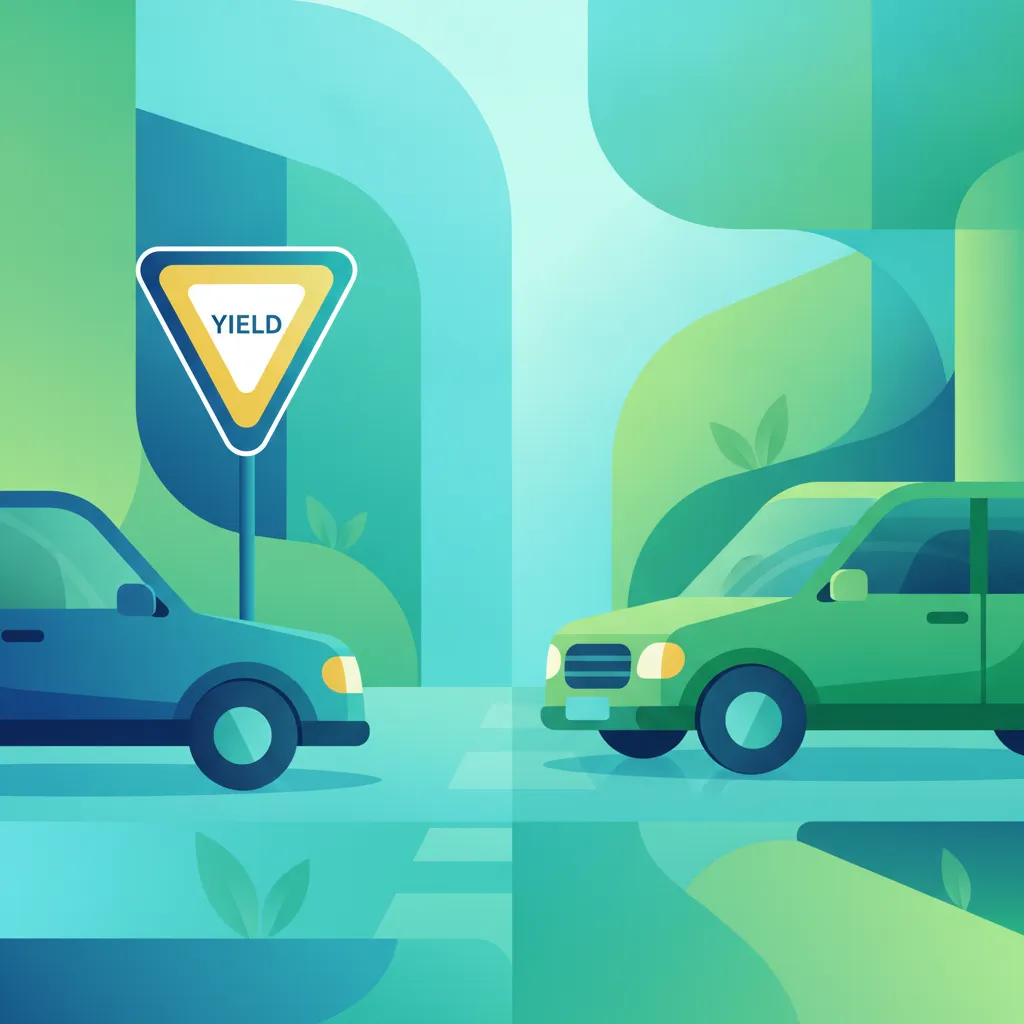
This lesson provides a comprehensive breakdown of priority rules under French law, with special focus on the default rule of priorité à droite. You will learn to recognize when this rule applies, even in the absence of explicit signage, and how to verify that entering vehicles see you. It also explains how to read priority road indicators, stop signs, and yield signs, helping you manage right-of-way safely and confidently.

Some crossroads feature complex layouts or specific signs that modify standard priority rules, such as schematic diagrams (panonceaux schematiques). This lesson teaches you how to read these auxiliary signs, which depict the thick line of the priority road and thin lines of secondary roads. You will learn how to maintain priority when the main road curves and how to navigate non-standard intersection layouts.

Learners will explore the rules related to pedestrian crossings, focusing on the obligation to yield to pedestrians at zebra crossings and flashing pedestrian signals. The lesson highlights the importance of stopping before the stop line, reducing speed, and maintaining vigilance for pedestrian movement. Mastery of these practices ensures the safety of both pedestrians and AM riders at crossing points.

Traffic signals control flow and priority at busy intersections using precise color sequences. This lesson explains standard red, amber, and green cycles, as well as complex signals like flashing amber lights that indicate caution or a priority-to-the-right situation. You will learn the legal rules for turning on arrow signals and how to coordinate with dedicated pedestrian and cyclist light displays.

France features a vast network of roundabouts (carrefours a sens giratoire) governed by specific entry and lane-use regulations. This lesson explains that vehicles entering a roundabout must yield to traffic already circulating inside. You will learn how to select the correct lane depending on your exit, use direction indicators properly, and yield to pedestrians and cyclists near roundabout exits.

Public transit vehicles like city buses and streetcars (trams) have clear legal priorities and dedicated infrastructure in urban areas. This lesson teaches you to recognize reserved transit lanes and your legal obligation to yield to buses exiting their designated stops. You will also learn safe driving strategies near tram tracks, ensuring you never block public transit lines or risk passenger boarding areas.
Understand how to proactively scan for hazards and adjust driving behavior in response to vulnerable road users and limited visibility. This lesson provides an overview of defensive driving strategies, reaction times, and environment-specific adaptations essential for maintaining safety and passing the French Category B driving theory exam.

Proactive drivers scan the road constantly, detecting potential dangers before they turn into real-world emergency situations. This lesson teaches scanning techniques, the use of rear-view mirrors, and the interpretation of visual cues from other road users. You will learn to anticipate hazards like child play near roads, merging vehicles, and sudden lane changes, helping you drive defensively.
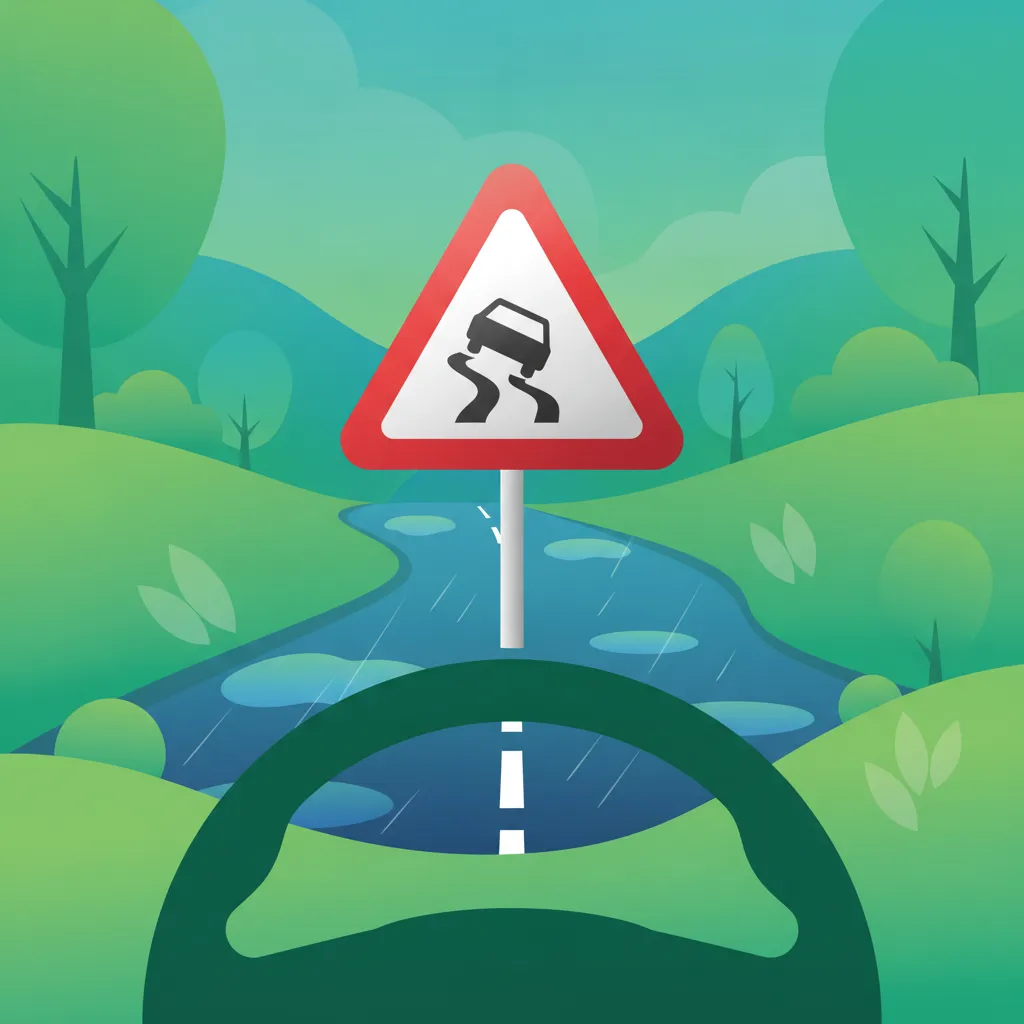
Warning signs on French roads are triangular with a red border, designed to alert drivers to upcoming dangers. This lesson teaches you how to interpret warnings for sharp curves, slippery surfaces, narrowing lanes, and wildlife or animal crossing hazards. You will understand the safety adjustments needed when approaching school zones, active roadworks, or crossings where vulnerable pedestrians are present.

Learners will develop the ability to anticipate potential hazards on the road, enhancing reaction times and defensive riding strategies. The lesson emphasizes constant scanning, early identification of threats such as sudden stops, pedestrian crossings, or unexpected lane changes, and appropriate response measures. By cultivating proactive risk assessment, AM riders can significantly reduce accident likelihood.

Adverse weather reduces tyre traction and limits visibility, dramatically raising the risk of multi-car accidents on highways. This lesson details speed reductions required during rainfall, techniques for avoiding aquaplaning, and demisting windshields for visibility. You will learn how to maintain extra stopping distance on snow-covered roads and the correct headlight adjustments to make during fog.
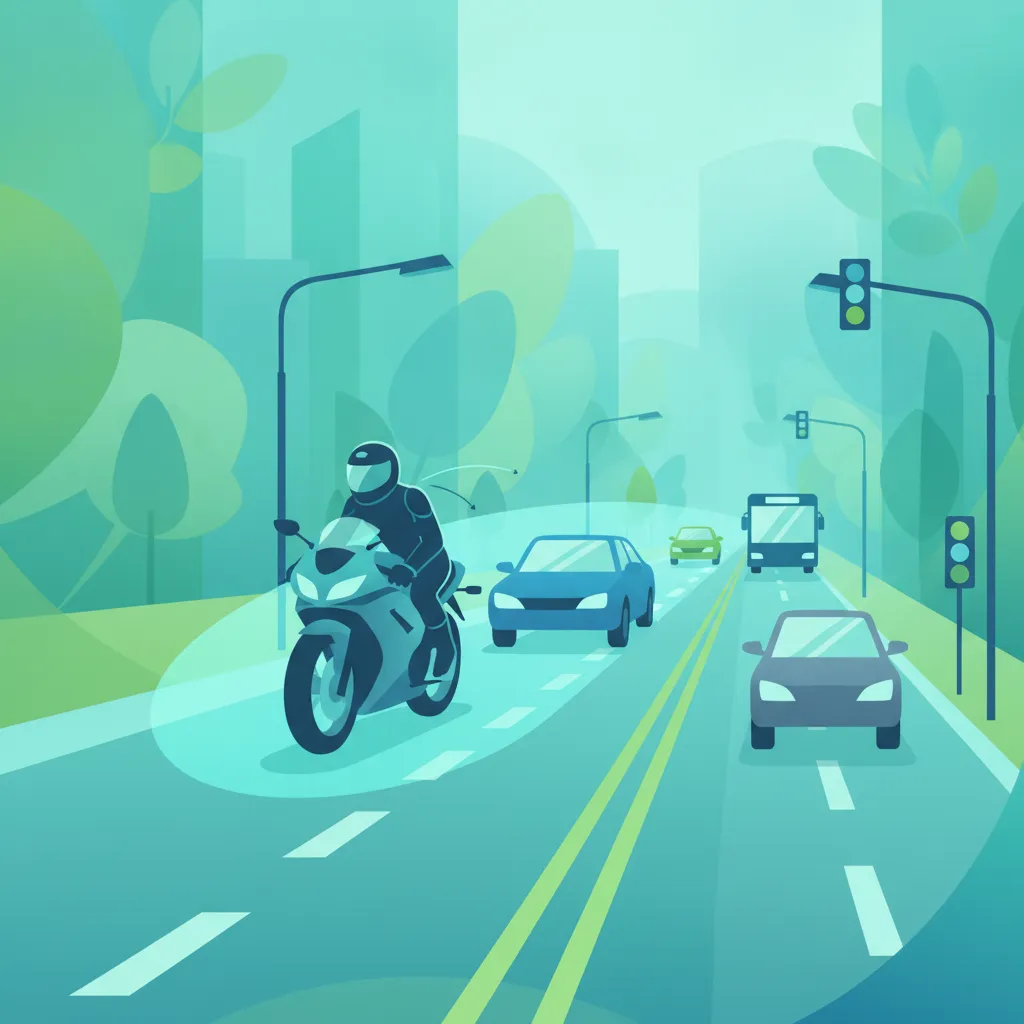
This final lesson integrates all course concepts into a single, cohesive approach to defensive riding and continuous risk assessment. You will study how to maintain a high-mileage visual lead, continuously scanning the road ahead for warning signs of conflict. By learning to assume that other motorists may not see you, you will build the proactive slowing habits and situational awareness needed to remain safe throughout your riding life.

This lesson provides global defensive driving strategies to minimize collision risks for all non-motorized and vulnerable road users. Drivers will learn to systematically lower vehicle speed in dense pedestrian zones, even when no active hazards are visible. By cultivating an anticipatory mindset and maintaining generous safety margins, professional drivers establish a protective safety envelope around their vehicle.

In this lesson, drivers will learn strategies to avoid conflicts with smaller vehicles, such as cars and vans, which may not be as visible in large vehicle blind spots. The content emphasizes maintaining adequate spacing, using proper lane discipline, and being aware of small vehicles' behavior during lane changes and turns. Learners will also be introduced to communication techniques, such as signalling and eye contact.
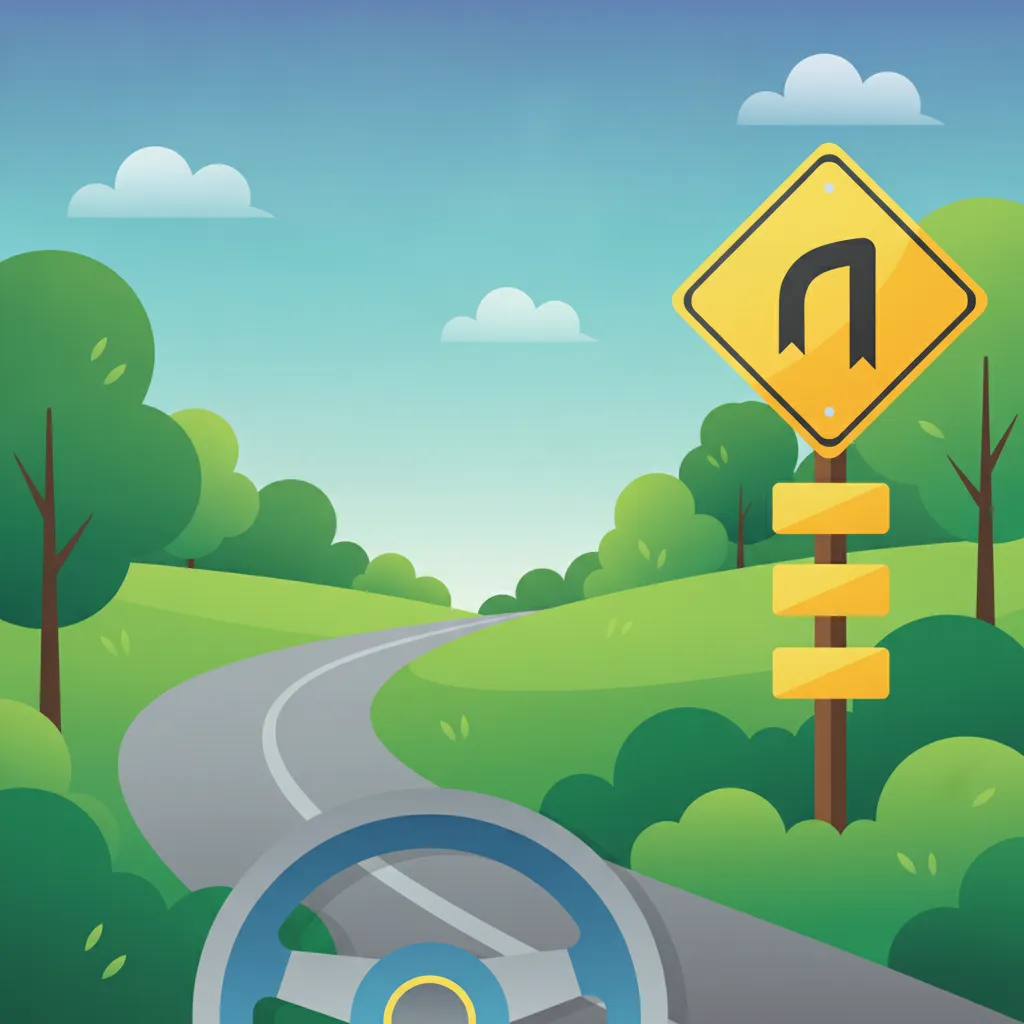
This lesson focuses on French warning signs that alert drivers to potential hazards ahead, such as curves, animal crossings, or slippery surfaces, with particular attention to signs relevant to AM riders. Learners will examine how to interpret these signs, understand the associated risks, and adapt riding behavior accordingly. By mastering warning sign recognition, riders can proactively manage safety risks in diverse road conditions.
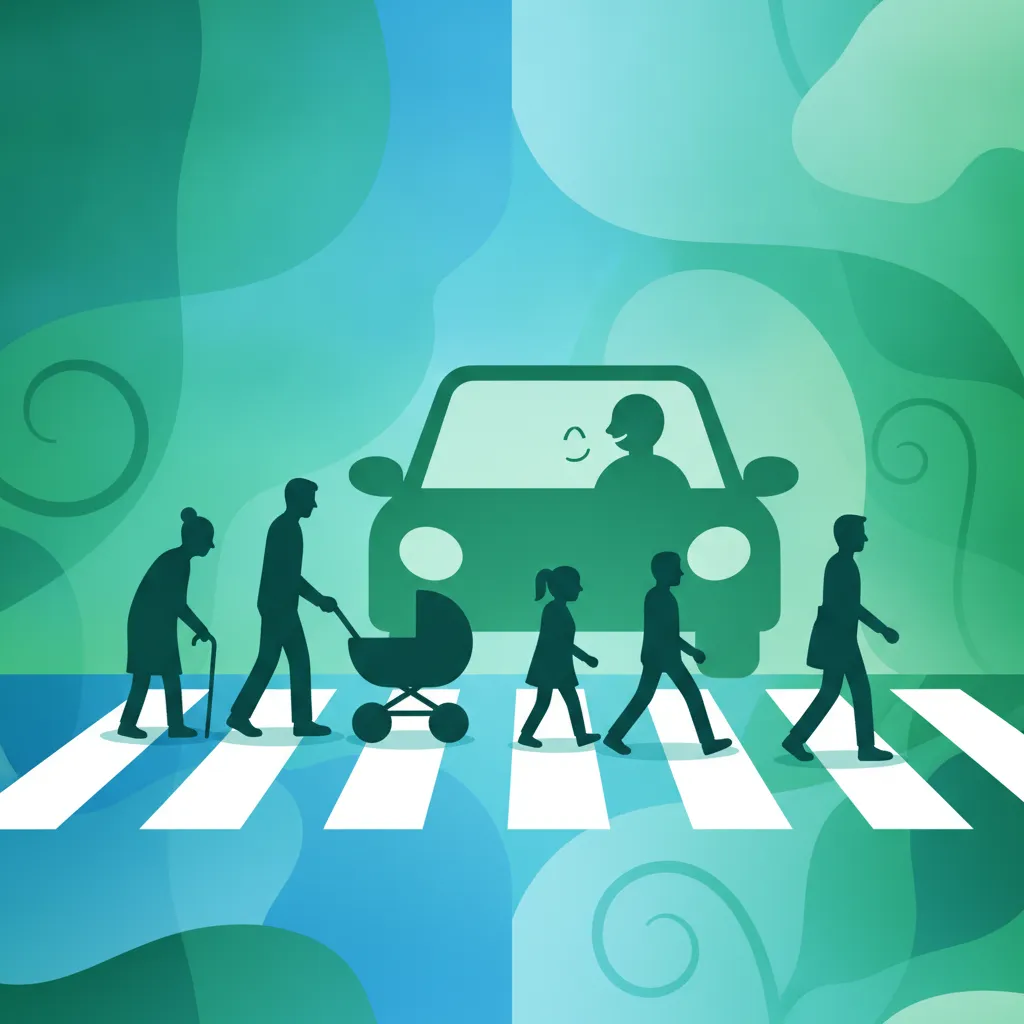
Driving safely involves a mutual social contract based on courtesy, safety awareness, and active risk mitigation. This lesson discusses the principles of defensive driving, prioritizing vulnerable road users like cyclists and pedestrians, and managing driver stress. It also highlights eco-driving strategies that help reduce fuel consumption and environmental emissions, fostering safer and cleaner shared roads.
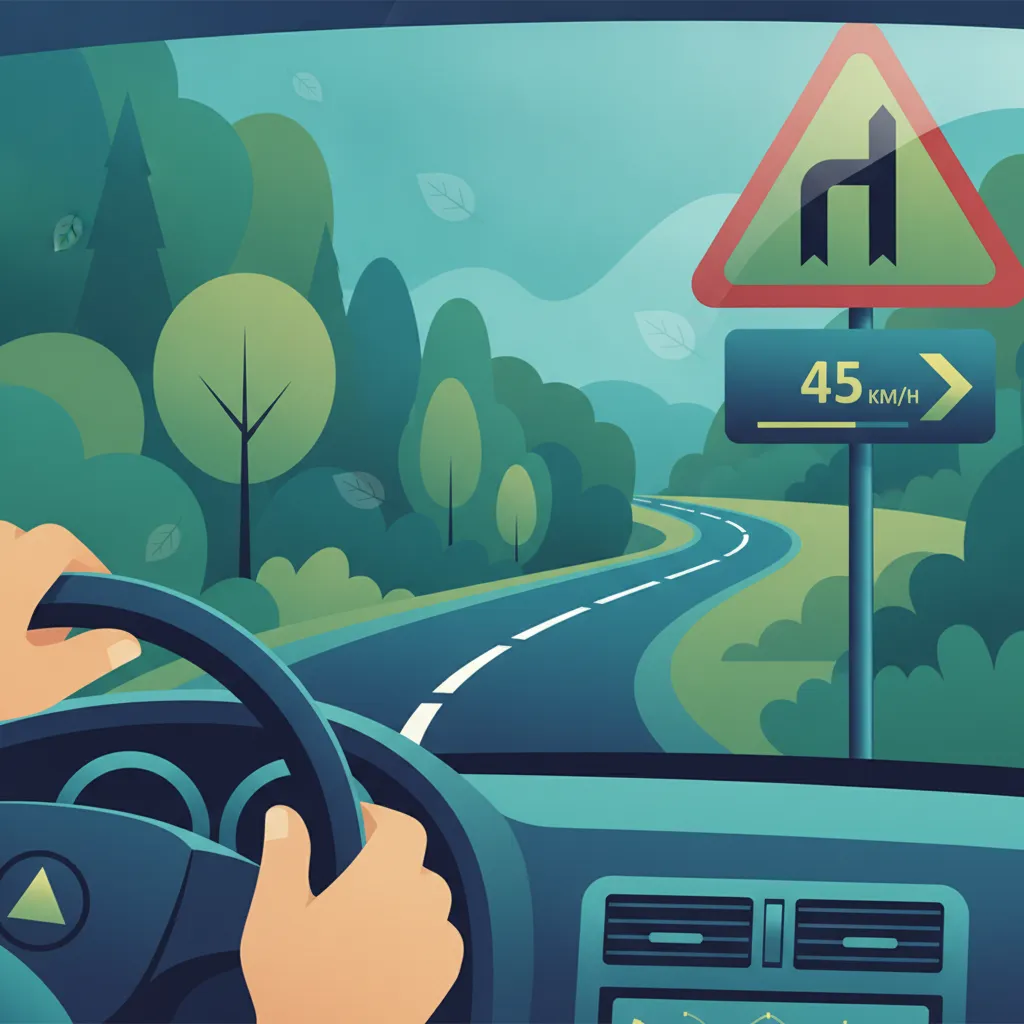
The legal speed limit is a maximum threshold, not a target speed that is always safe to maintain. This lesson teaches you how to select an appropriate, safe speed based on visibility, traffic congestion, and road topography. You will learn how to negotiate blind turns, approach summits with caution, and reduce speeds in heavy traffic to ensure you always maintain complete control of your vehicle.
Find clear answers to common questions learners have about Types of Pedestrian Crossings and Their Use. Learn how the lesson is structured, which driving theory objectives it supports, and how it fits into the overall learning path of units and curriculum progression in France. These explanations help you understand key concepts, lesson flow, and exam focused study goals.
In France, you must stop if a pedestrian is engaged in crossing or clearly signals their intention to cross. If they are merely standing on the sidewalk without showing intent, you are not strictly required to stop, but you must remain vigilant.
The exam often uses photo or video scenarios showing a pedestrian near a crossing. You must demonstrate that you are observing the pedestrian's movement and are prepared to slow down or stop to grant them priority according to the Code de la route.
Failure to yield to a pedestrian at a marked crossing is considered a serious traffic offense in France. It can result in a significant fine, loss of points on your license, and in some cases, a temporary suspension of driving privileges.
Cyclists should ideally use designated cycle lanes. If a cyclist is riding across a pedestrian crossing, they do not have the same legal priority as a pedestrian unless they dismount and walk their bike across.
Ready to focus your study? Use the practice search to find exactly the French driving theory questions you need for the Code de la route and permis de conduire ETG. Refine your knowledge on specific topics or challenging rules to boost your confidence and exam readiness.