This lesson guides you through the strict overtaking requirements established by the French Code de la route. You will learn the correct procedures for passing safely and identifying road markings that prohibit this maneuver, which are vital for your Category B exam success.

Lesson content overview
Overtaking (le dépassement) is one of the most demanding manoeuvres a driver can perform on public roads. It requires active risk assessment, precise vehicle control, a clear understanding of road geometry, and strict compliance with the French Code de la route. Because overtaking involves temporarily occupying a lane dedicated to oncoming traffic or changing lateral positions at high speeds, errors can lead to catastrophic head-on collisions.
To pass your French Category B driving theory exam (known as the Examen Théorique Général or ETG) and drive safely on French roads, you must master the legal restrictions, signs, road markings, and physical calculations that govern safe overtaking.
In French traffic law, overtaking is defined as passing a slower-moving vehicle or a temporary obstacle in the road. The foundational principle of safe overtaking is simple: you must never force another road user to alter their speed or direction.
This means that before, during, and after the manoeuvre, the flow of traffic should remain completely predictable. If an oncoming vehicle has to brake, if the vehicle you are passing has to slow down, or if you must cut back in sharply, the overtaking manoeuvre is illegal and dangerous.
The act of passing a slower-moving vehicle or obstacle by temporarily moving out of your normal lane of travel and then returning to it once safe clearance is achieved.
Overtaking requires a high level of hazard perception and cognitive processing. You must calculate:
Under French traffic regulations, the default and mandatory rule is that overtaking must be performed on the left side of the slower vehicle. Because traffic in France drives on the right side of the road, passing on the left preserves predictable traffic flow and ensures maximum visibility for all parties involved.
Before you signal or move your steering wheel, you must perform a comprehensive safety check. This can be conceptualized as the Information-Decision-Action sequence:
Overtaking on the right is generally strictly prohibited on French roads. If you pass a vehicle on the right on a motorway or multi-lane road under normal circumstances, you risk a severe fine and point deductions. However, the Code de la route provides a few highly specific legal exceptions where passing on the right is permitted and necessary to maintain traffic flow.
If the vehicle ahead of you has clearly indicated its intention to turn left by activating its left indicator, and it has positioned itself toward the center of the road (or in a dedicated left-turn lane), you are permitted to pass it on the right.
You may only pass a left-turning vehicle on the right if there is enough space on the asphalt of the outbound lane. You are strictly forbidden from driving onto the hard shoulder, a sidewalk, or a cycle lane to complete this pass.
In French cities with tram networks, you may overtake a moving tram on the right if there is sufficient space between the tram and the curb.
When traffic is heavy and vehicles are traveling in continuous parallel lines across multiple lanes, the speed of one lane may naturally be faster than another. If the lane to your left slows down or comes to a halt, and your lane continues to move forward, this is not legally considered "overtaking." You are permitted to pass the vehicles on your left as long as you remain in your lane and do not weave between cars.
Regulatory road signs are used to mark zones where overtaking is banned due to elevated risks, such as high-speed intersections, hidden dips, or tight curves.
This sign (often referred to as Sign B3 in France) strictly forbids you from passing any car, truck, or tractor. However, you are legally permitted to pass a two-wheeled motorcycle or moped without a sidecar, provided you can do so safely and within the speed limit.
While Sign B3a primarily targets heavy goods vehicles (HGVs) and large transport trucks, drivers of passenger cars (Category B) must be aware of its presence. It indicates that large, slow-moving vehicles will remain in the right-hand lane, which helps you anticipate traffic behavior on steep climbs or heavy freight routes.
Pavement markings provide continuous visual guidance on whether overtaking is safe or prohibited. Crossing certain markings is a serious traffic violation.
A solid white line down the center of the road acts as a physical barrier. You are strictly prohibited from crossing or straddling this line to overtake.
An exception to the solid white line rule was introduced to allow drivers to safely bypass exceptionally slow-moving vehicles, such as agricultural tractors, animal-drawn vehicles, or cyclists on narrow roads, provided visibility is clear and the pass can be made without danger. However, this exception does not apply to standard slow cars.
A mixed line consists of a solid line painted immediately adjacent to a broken (dashed) line.
When driving on a road with a broken line, you may encounter curved arrows pointing back toward your lane. These are announcement arrows.
To execute a pass safely on a two-way road, you must minimize the time you spend in the opposing lane. This requires understanding the physics of speed and distance.
As a rule of thumb, you should have a speed advantage of at least 20 km/h over the vehicle you are overtaking.
Consider this scenario: You are driving at 80 km/h, intending to pass a truck traveling at 60 km/h.
Vulnerable road users, such as cyclists, pedestrians, and motorcyclists, require special consideration due to their lack of physical protection and potential instability.
When passing a cyclist, your vehicle generates a draft of air that can destabilize them. The Code de la route mandates strict minimum lateral clearance distances:
Inside Urban Areas (In Town): You must maintain a minimum lateral safety gap of at least 1.0 metre between your vehicle and the cyclist.
Outside Urban Areas (Rural Roads): You must maintain a minimum lateral safety gap of at least 1.5 metres.
While motorcyclists travel at higher speeds than cyclists, they are also highly susceptible to wind shear and road surface hazards (such as wet leaves or gravel). Always allow them ample lateral space when passing, and do not cut back into their lane too quickly.
Even if there are no signs or road markings prohibiting overtaking, environmental conditions or road geometry can make the manoeuvre highly dangerous.
To execute a flawless pass on a multi-lane highway or permissible rural road, follow this safety sequence:
Prepare: Maintain a safe following distance from the vehicle ahead. If you drive too close (tailgating), your forward vision is blocked, and you cannot see oncoming traffic.
Observe: Check your rearview mirror, your left side mirror, and perform a quick head-check of your left blind spot. Ensure the road ahead is completely clear.
Signal: Activate your left indicator to communicate your intention to drivers behind and ahead of you.
Move Out: Smoothly steer into the left lane. Accelerate promptly to establish your speed margin.
Pass: Maintain a stable lateral path. Do not linger alongside the vehicle; pass efficiently.
Check for Safe Return: Do not merge back immediately. Look in your interior rearview mirror. You have sufficient clearance to return to the right lane once you can see the entire front of the overtaken vehicle (including its headlights) in your glass.
Return and Signal: Activate your right indicator, smoothly steer back into the right lane, and deactivate your indicator once settled. Maintain your speed so the vehicle behind does not have to brake.
Safety during an overtaking manoeuvre is a shared responsibility. If another driver begins to pass your vehicle, the Code de la route outlines strict duties that you must follow:
Failing to respect overtaking regulations is classified as a serious traffic offense in France.
When encountering a group of cyclists on a narrow rural road, you must not lose patience. You cannot pass them unless you can clear the entire pack safely while maintaining the 1.5-metre lateral gap. If oncoming traffic prevents a complete pass, you must remain behind them at a safe following distance until a suitable gap appears.
To fully master the manoeuvres and safety protocols required for the Category B licence, explore these highly related study areas:
To test your understanding of overtaking safety, priority rules, and road signs under official exam conditions, practice with our dedicated preparation materials:
Explore all units and lessons included in this driving theory course.
Lesson content overview
Explore all units and lessons included in this driving theory course.
Explore search topics learners often look for when studying Overtaking Rules and Safe Execution. These topics reflect common questions about road rules, driving situations, safety guidance, and lesson level theory preparation for learners in France.
Browse additional driving theory lessons that cover connected traffic rules, road signs, and common driving situations related to this topic. Improve your understanding of how different rules interact across everyday traffic scenarios.
Learn the specific steps for safe overtaking on different road types, including motorway merging and lane change protocols. This guide covers the physical requirements, hazard perception, and the correct mirror and signal sequences mandated by the French Code de la route to ensure safe passing without endangering other road users.
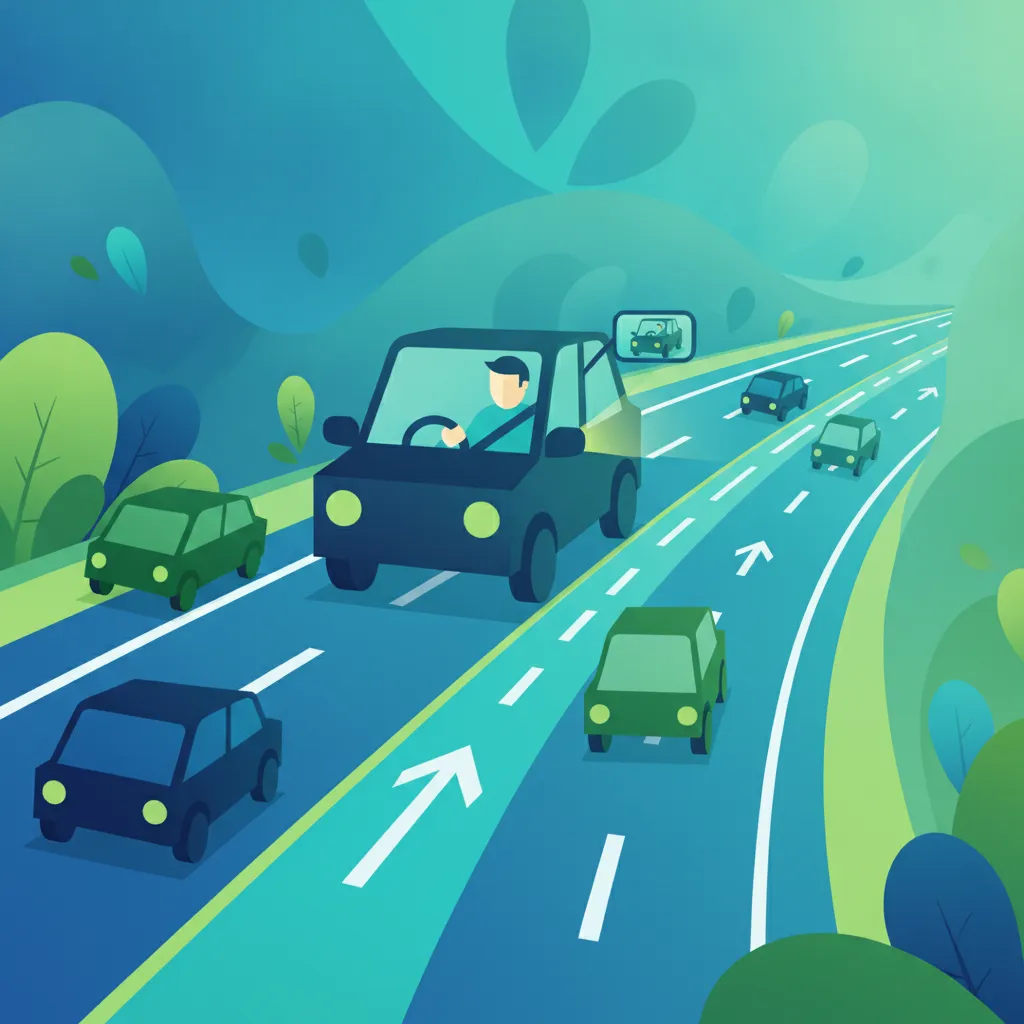
Changing lanes or executing turns requires a structured visual and physical procedure to prevent interrupting surrounding traffic. This lesson explains the key steps: checking the center mirror, exterior mirrors, turning on direction indicators, and performing blind-spot checks. You will learn correct vehicle positioning for both left and right turns, and how to execute safe turning circles without cutting corners.

This lesson covers the strict legal conditions under which you may overtake other vehicles on French roads, including necessary visibility criteria. You will master the step-by-step process of checking rearview mirrors, performing head checks, signaling, and maintaining a safe speed differential during the pass. It also details when overtaking is strictly forbidden, such as before intersections, near pedestrian crossings, or across solid lines.
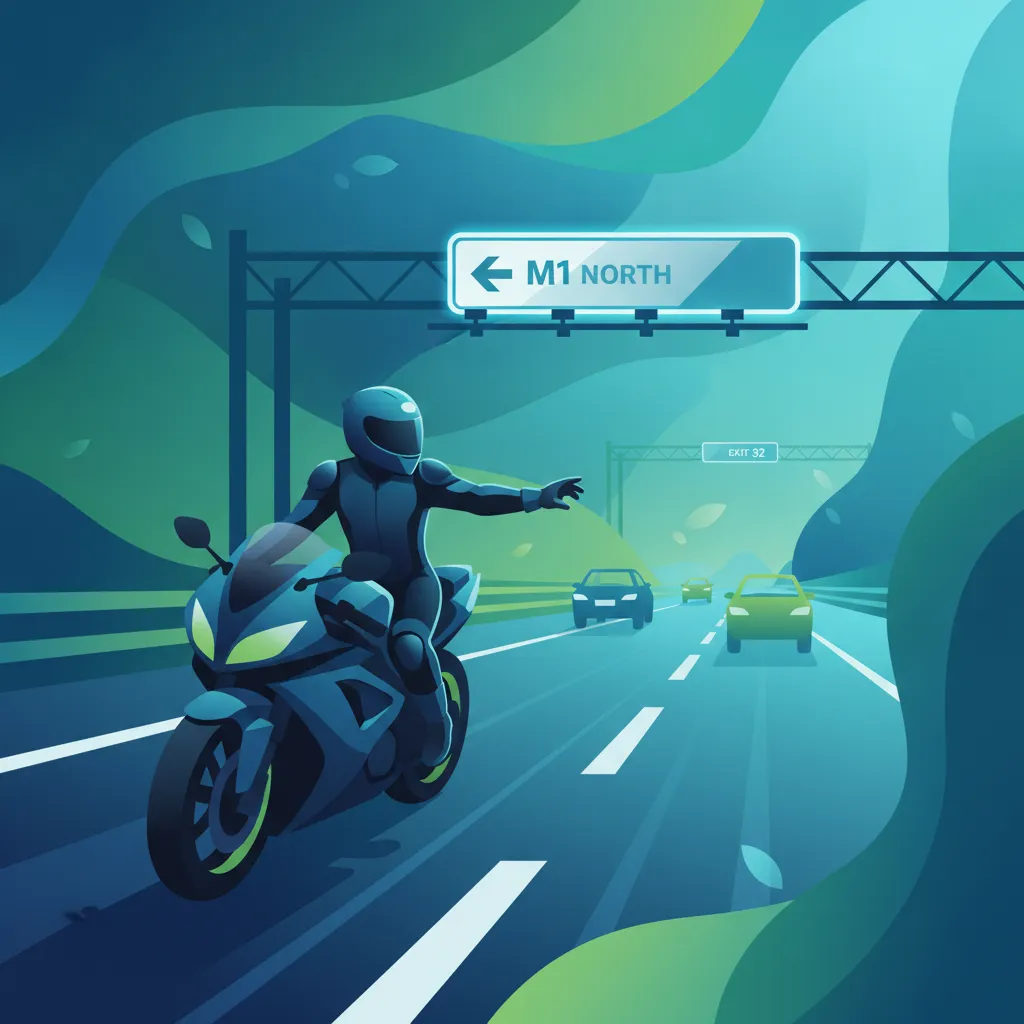
This lesson details how to safely enter, cruise on, and exit French motorways, known as autoroutes, which feature high-speed traffic flows. You will master the process of matching highway speeds in the acceleration lane and performing blind spot checks before merging. The lesson also explains correct lane positioning to avoid aerodynamic turbulences from large semi-trucks, and how to safely prepare for decelerating at exit ramps.

Reversing (marche arriere) is a slow-speed maneuver that presents significant visibility challenges due to rear vehicle blind spots. This lesson covers proper driver posture, direct over-the-shoulder viewing, and the effective use of mirrors while backing up. You will learn how to reverse safely out of driveways or parking bays and how to yield to pedestrians who might cross your path.
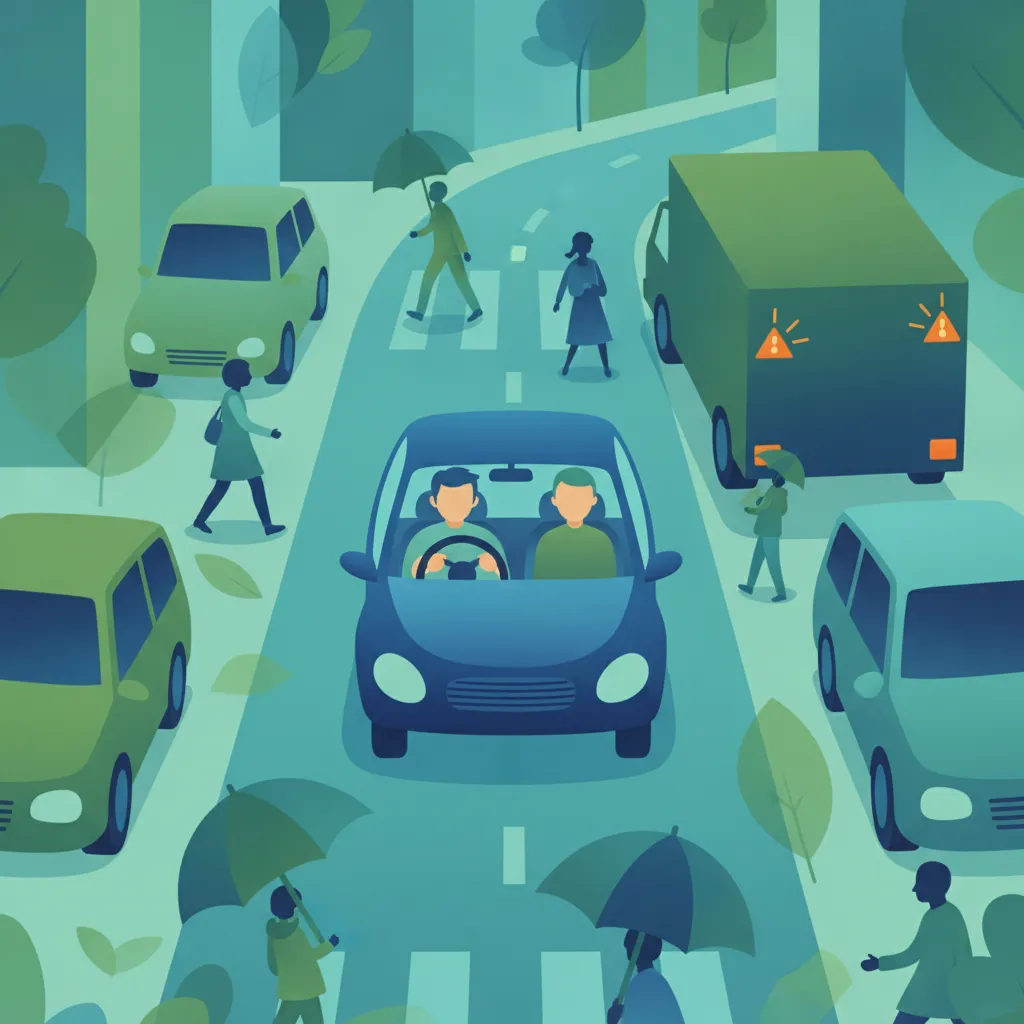
This lesson focuses on maneuvering in extremely crowded areas, passenger terminals, or narrow streets blocked by parked vehicles and obstacles. Drivers will learn to assess clearance distances precisely before committing to narrow pathways. The content teaches steering techniques that maintain stability, optimize space usage, and prioritize public safety during slow-speed, high-difficulty maneuvers.
This lesson focuses on the specific considerations for operating goods vehicles on French motorways, including lane selection, speed management, and proper merging techniques. Learners will understand the importance of maintaining lane discipline, using appropriate overtaking practices, and respecting motorway-specific speed limits for heavy vehicles. The content also covers the use of emergency lanes and the handling of traffic flow.
This lesson analyzes the complex driving conditions found on French secondary and rural road networks (routes départementales). Drivers will learn steering and braking techniques to descend steep gradients safely using engine retarding systems without overheating the service brakes. Anticipating agricultural machinery, domestic livestock, unlit intersections, and narrow bridges is also taught in depth.

This lesson analyzes the technical path a long wheelbase vehicle must take when turning at intersections and navigating roundabouts. Drivers will learn to calculate tail swing and rear-wheel tracking, intentionally swinging wide to clear roadside curbs and poles safely. The lesson emphasizes yielding protocols for pedestrians and cyclists who may be crossing the target street during the turn.

French motorways (autoroutes) are fast, controlled-access roads with unique laws regulating lane discipline and emergencies. This lesson teaches standard lane-use: cruising in the right lane and reserving the middle or left lanes exclusively for passing. You will study emergency procedures, the use of orange emergency call boxes, safety barrier rules, and navigating toll booths (peages) safely.
Merging onto a motorway or dual carriageway requires precise coordination of speed, lane observation, and indicator signalling. This lesson explains how to utilize the acceleration lane (voie d'insertion) to match the speed of highway traffic before merging. You will learn how to assess traffic gaps in your side mirrors, signal your intentions, and execute the merge without disrupting the traffic flow.
Explore the meaning of various road markings, including solid and broken lines, mixed markings, and announcement arrows. Understand how these legal indicators dictate lane discipline, define where overtaking is strictly prohibited, and help you navigate complex traffic situations safely according to official French driving theory and traffic regulations.
Longitudinal road markings are painted along the length of the road to divide lanes and regulate overtaking maneuvers. This lesson teaches the strict legal prohibition of crossing solid white lines and the specific spacing of broken lines that permit lane changes. You will also learn how to interpret dual lines, warning arrows, and how to maintain proper lane discipline in heavy traffic.
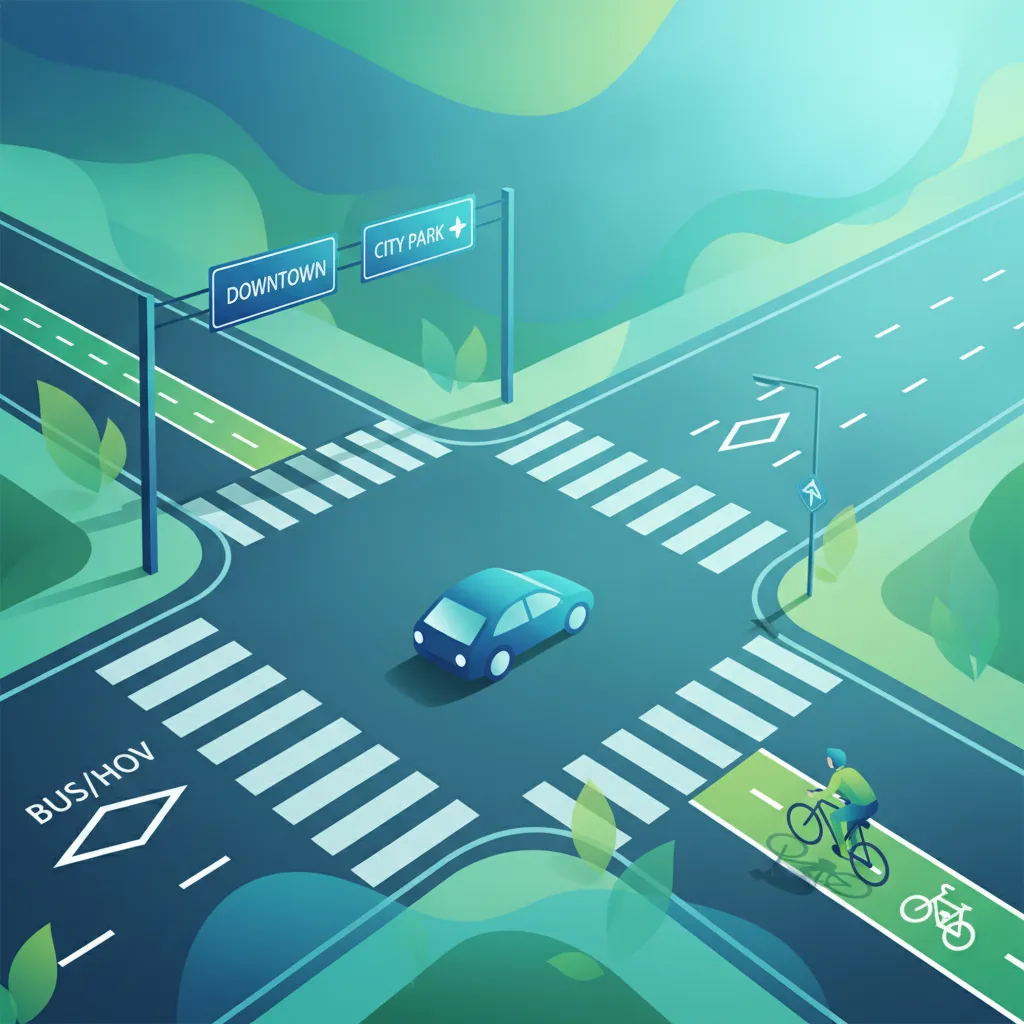
Learners will explore the variety of road surface markings that indicate lane boundaries, reserved spaces for different users, and pedestrian crossings in France. The lesson emphasizes how AM riders should interpret solid and broken lines, bike lane markings, and zebra crossings, ensuring appropriate lane usage and adherence to traffic flow. Understanding these markings is essential for maintaining order and safety on shared roadways.

This lesson details the legal and physical implications of horizontal markings, including solid white lines, broken warning lines, and cycle lane dividers. You will learn about the strict prohibition against crossing solid lines and how directional arrows dictate correct lane choices at complex junctions. Importantly, the lesson teaches you to recognize the physical hazard of wet road paint, which drastically reduces tire grip during braking.
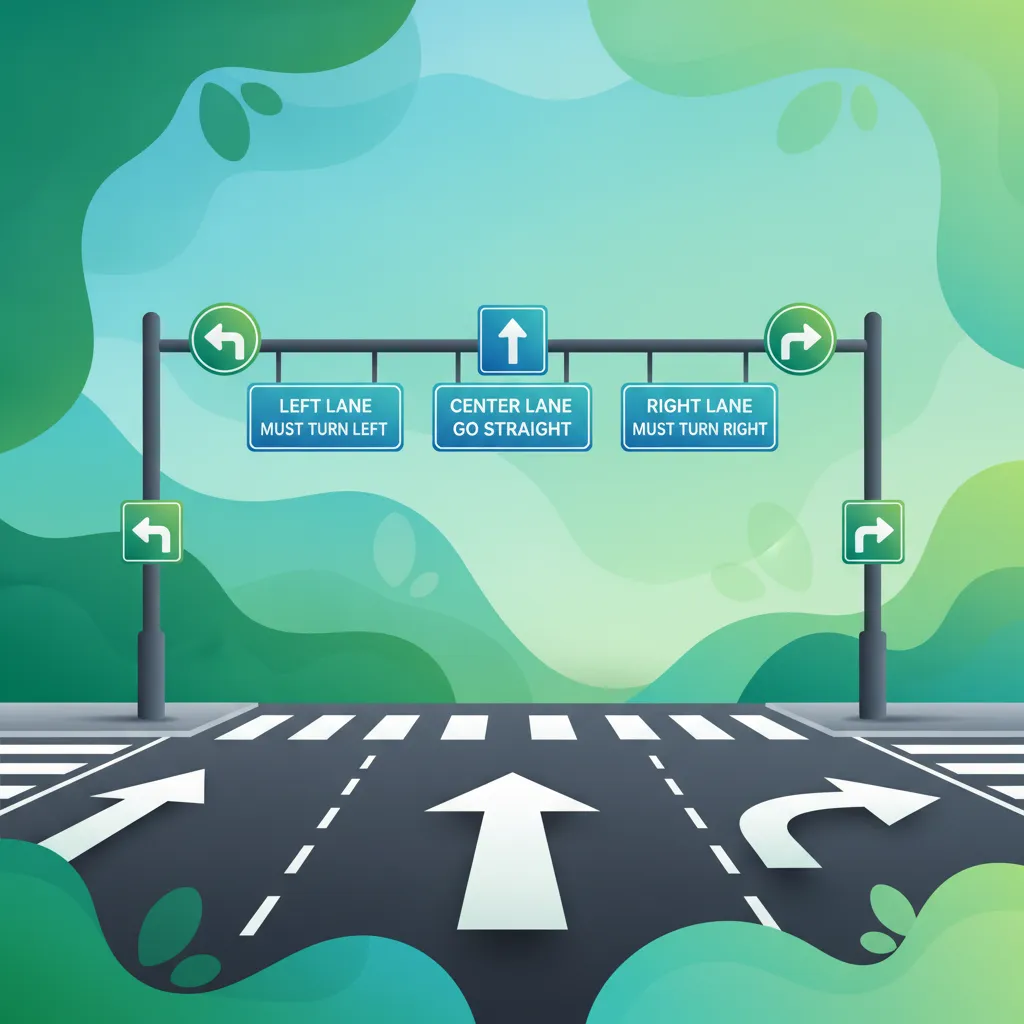
Preselection and direction arrows painted on the road surface instruct drivers on lane-specific movements at upcoming intersections or merges. This lesson teaches you how to interpret these arrows so you can position your vehicle correctly well in advance of a turn. You will learn the rules for lane merging, following curved guidance lines, and avoiding sudden, dangerous lane adjustments.

Lateral road markings run across or along the sides of roadways, signaling limits such as stop lines, yield lines, and pedestrian zones. This lesson explains how painted curbs restrict parking, including continuous or broken yellow lines which signal stopping or parking prohibitions. You will learn how to identify pedestrian zone boundaries and ensure you never obstruct pedestrian or cyclist paths.
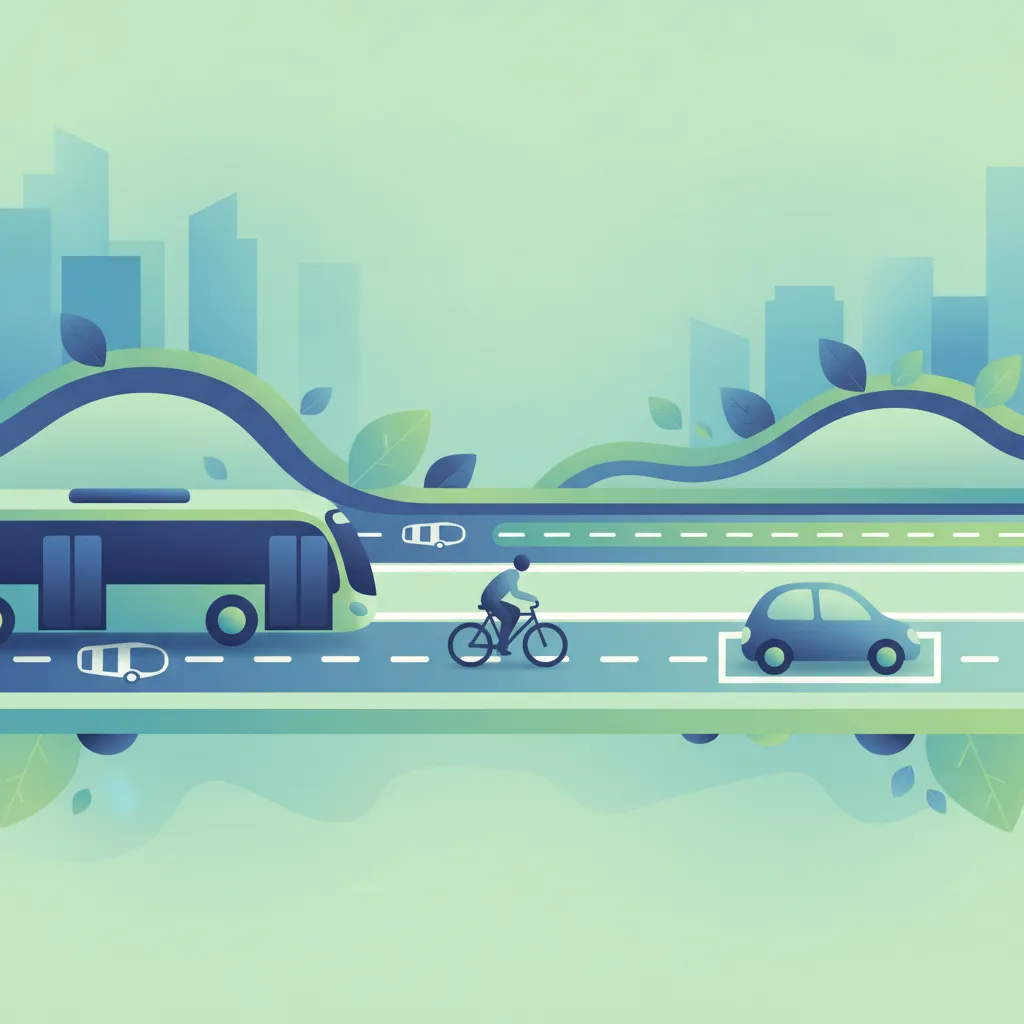
Urban roads in France feature specialized lanes reserved for public transit, micro-mobility, and distinct parking options. This lesson covers how to recognize bus lanes, cycling lanes, and the specific rules that prohibit general traffic from blocking them. You will also learn to interpret parking bay outlines, loading zones, and spots reserved for electric charging or drivers with disabilities.
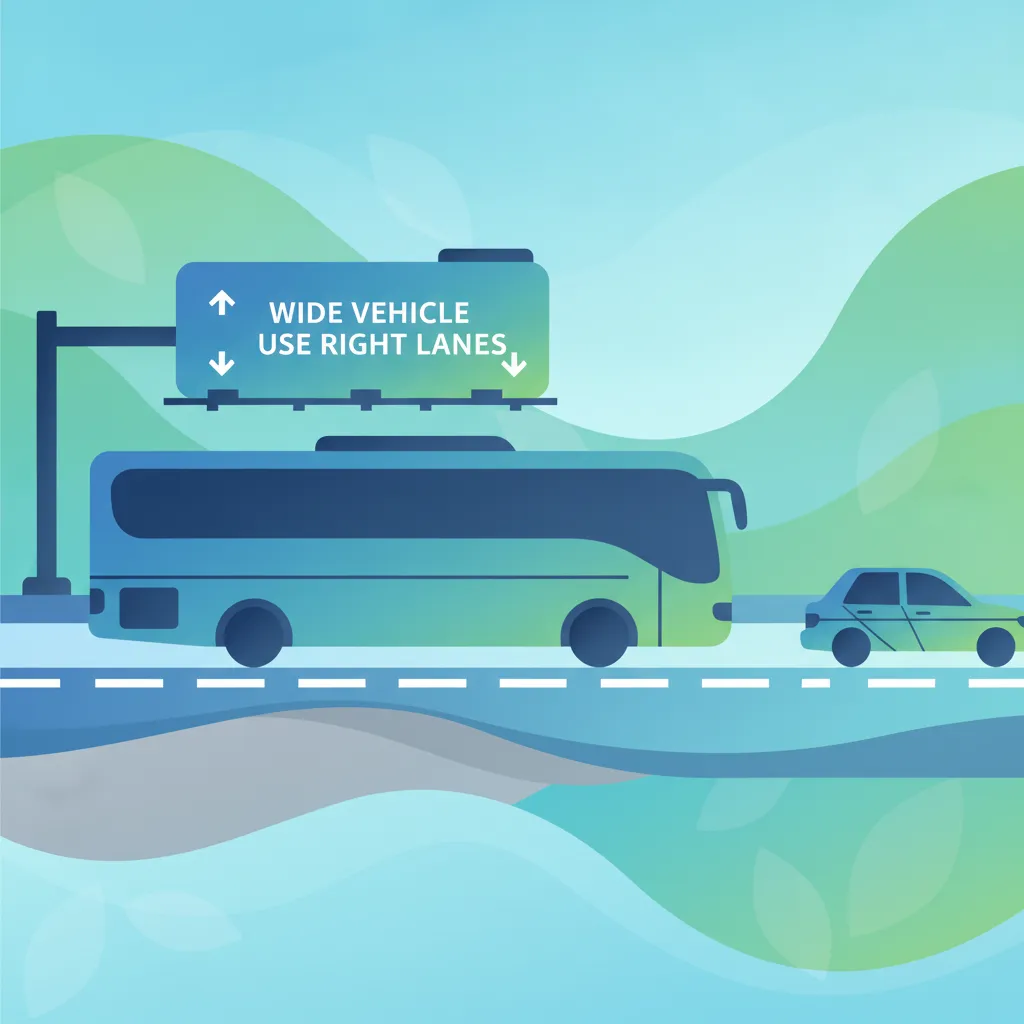
This lesson details the rules of lane discipline for operating wider and longer passenger transport vehicles on highway and city networks. Learners will explore proper lane positioning to prevent encroachment on adjacent lanes or sidewalks. It also covers the step-by-step visual and signaling sequence required to perform safe lane changes, avoiding sudden movements that could startle other drivers.
French motorways (autoroutes) are fast, controlled-access roads with unique laws regulating lane discipline and emergencies. This lesson teaches standard lane-use: cruising in the right lane and reserving the middle or left lanes exclusively for passing. You will study emergency procedures, the use of orange emergency call boxes, safety barrier rules, and navigating toll booths (peages) safely.
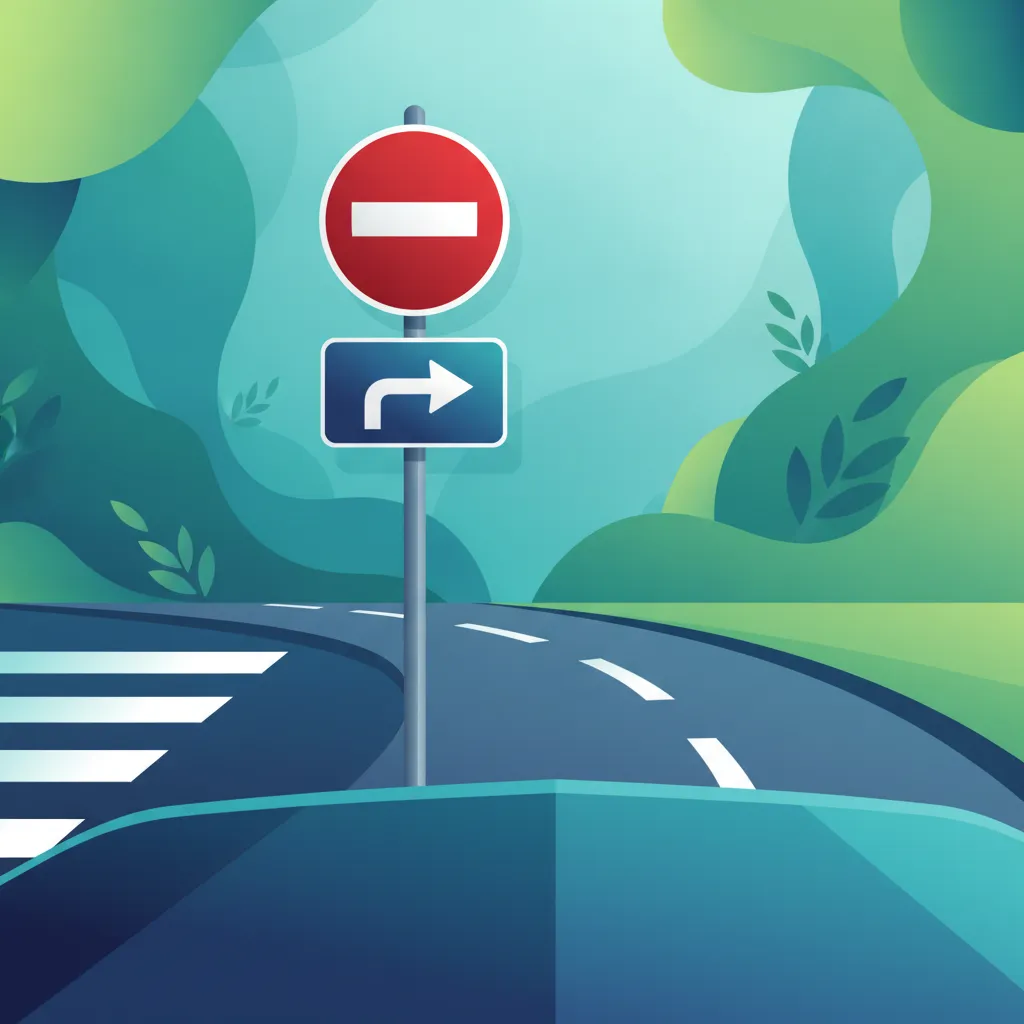
Regulatory signs are circular with red borders for prohibitions and blue backgrounds for mandatory instructions. This lesson details critical signs, such as speed limits, no-entry indicators, overtaking bans, and mandatory turning lanes. You will also learn about environmental zones restrictions, height limits for large vehicles, and the legal priority instructions conveyed by stop and yield signs.
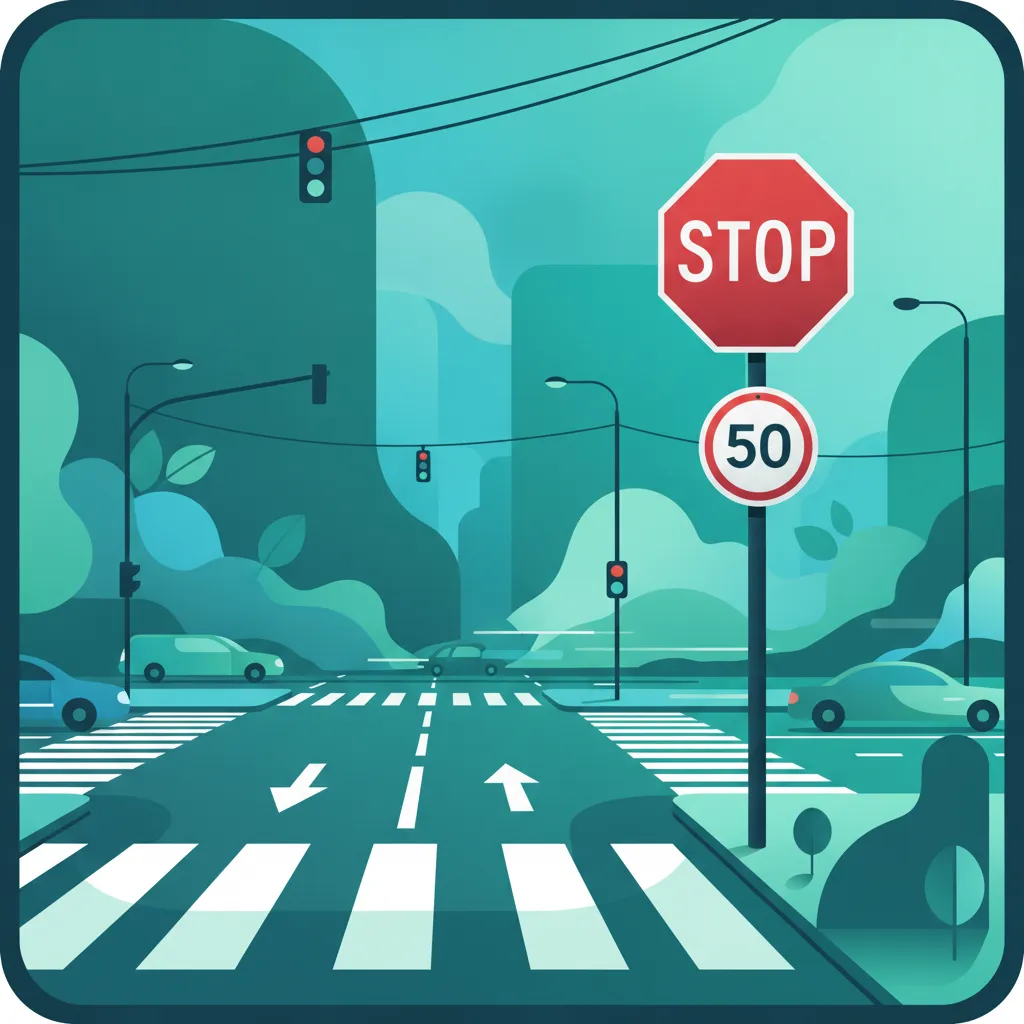
Learners will be introduced to the core set of French regulatory signs that dictate mandatory actions or prohibitions for all road users, including AM riders. The lesson explains the significance of signs such as stop, yield (cédez le passage), speed limit, and no entry, highlighting their specific implications for small vehicles. Understanding these signs is crucial for legal compliance and safe navigation through varied traffic environments.
Find clear answers to common questions learners have about Overtaking Rules and Safe Execution. Learn how the lesson is structured, which driving theory objectives it supports, and how it fits into the overall learning path of units and curriculum progression in France. These explanations help you understand key concepts, lesson flow, and exam focused study goals.
Yes, but it is rare. You may only pass on the right if the vehicle ahead is clearly signaling their intention to turn left, or in heavy traffic where lanes are clearly marked by continuous or broken lines on a multi-lane road.
A continuous solid white line indicates that overtaking any vehicle other than a two-wheeled vehicle (like a bicycle) is strictly prohibited. Crossing or touching this line to pass is a major traffic violation.
The exam often uses photo or video scenarios where you must decide if it is safe and legal to overtake based on signs, road markings, and oncoming traffic. You must be able to justify your decision based on the specific rules of the Code de la route.
Visibility and space. You must ensure you have a clear view of the road ahead, that there are no oncoming vehicles, and that you have enough time and space to return to your lane without forcing the overtaken driver to slow down.
Ready to focus your study? Use the practice search to find exactly the French driving theory questions you need for the Code de la route and permis de conduire ETG. Refine your knowledge on specific topics or challenging rules to boost your confidence and exam readiness.