This lesson explores how high-visibility gear and reflective materials increase your presence to other road users, a key skill for motorcycle safety. You will learn the importance of certified safety standards and correct equipment placement for day and night riding as part of your Class A, A1, or A2 theory preparation.
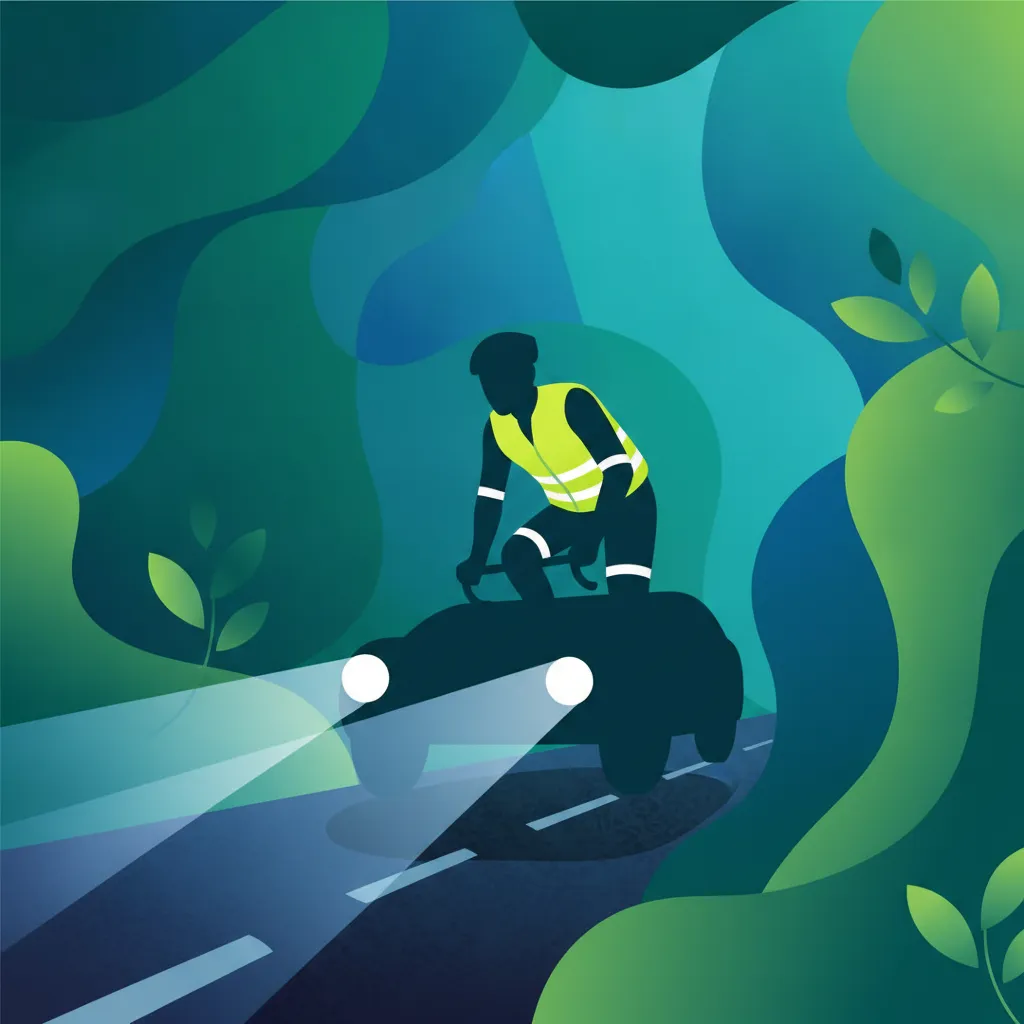
Lesson content overview
Motorcycling offers an unparalleled sense of freedom and exhilaration. However, as a motorcyclist preparing for your German Motorcycle Licence Theory Course (Classes A, A1, A2), understanding and prioritizing your visibility to other road users is paramount. This lesson delves into the crucial strategies and equipment designed to make you, the rider, as conspicuous as possible, significantly reducing the risk of collisions. Being seen is a fundamental aspect of defensive riding and a cornerstone of motorcycle safety.
Visibility is not merely an optional add-on; it is arguably the most effective safety measure a motorcyclist can employ. Studies consistently show that a significant percentage of motorcycle accidents involve other road users failing to detect the motorcycle in time. This lack of detection can be due to various factors, including blind spots, visual clutter, driver distraction, or simply the motorcycle's smaller profile compared to other vehicles.
By actively enhancing your visibility, you provide other drivers with more time to perceive your presence, accurately judge your speed and distance, and react appropriately. This proactive approach to safety directly reduces the likelihood of being involved in an accident and is a central theme in learning to ride safely on German roads. This lesson builds upon your foundational knowledge of protective clothing, focusing specifically on how different materials and lighting elements contribute to being seen.
During daylight hours, the human eye processes a broad spectrum of colors. Certain wavelengths, particularly those associated with neon or fluorescent hues, naturally stand out against typical backgrounds like asphalt, greenery, or gray skies. This phenomenon is why high-visibility colors are so effective for daytime riding.
High-visibility colors are bright, saturated shades that appear almost to glow. They are designed to exploit the human eye's sensitivity to specific wavelengths, making them highly conspicuous even from a distance. These colors create a strong contrast with the environment, drawing the attention of other drivers more readily than muted or dark tones.
Common high-visibility colors include neon yellow, neon orange, and neon green. While not legally mandatory in Germany for daytime riding, wearing outer clothing layers in these shades is strongly recommended. A jacket, vest, or even parts of your helmet in a neon color can significantly increase your detection distance during the day. For instance, a rider in a neon yellow jacket is much easier to spot on a cloudy day or against a busy urban backdrop than a rider in a black leather jacket.
Always consider wearing a high-visibility outer layer during the day, especially in conditions that reduce visibility like rain, fog, or low sun angles.
It is crucial to understand that while neon colors are highly effective in daylight, their impact diminishes significantly in low-light conditions or at night. They do not actively produce light, nor do they retroreflect it efficiently. Therefore, relying solely on neon colors for night riding is a common and dangerous mistake. For night and low-light conditions, a different technology is required: retroreflective materials.
When the sun sets or visibility drops due to adverse weather, high-visibility colors lose much of their effectiveness. This is where retroreflective materials become indispensable. Unlike standard reflective surfaces that scatter light in various directions, retroreflective materials are engineered to reflect light directly back to its source, such as a vehicle's headlights.
Retroreflective materials contain millions of tiny glass beads or microprisms that act like miniature lenses. When light (e.g., from a car's headlamp) hits these structures, it is bent and bounced internally, then redirected precisely back towards the source. This creates a powerful, bright glow that is highly visible to the driver operating the light source, even from a considerable distance. This optical property ensures that you appear to "light up" in other drivers' headlights.
Retroreflective materials are integrated into various forms of motorcycle gear and accessories:
The practical meaning of this technology is profound: a rider wearing a jacket with reflective strips will become prominently visible as soon as they enter the beam of an oncoming vehicle's headlights, making them stand out against the dark background.
Beyond personal gear, German road traffic regulations (StVZO – Straßenverkehrs-Zulassungs-Ordnung) mandate specific reflective elements directly on the motorcycle itself. These components are essential for ensuring the vehicle is visible even if its active lighting system fails or is not yet activated.
Every motorcycle, scooter, and moped in Germany must be fitted with a mandatory reflective plate at the rear. This plate is typically red and designed to retroreflect light from vehicles approaching from behind. Its presence ensures that your motorcycle remains visible from the rear, even when your tail light is off or inoperative, under illumination by another vehicle's headlights.
While not always immediately obvious, motorcycles are generally required to have side reflectors, often integrated into the turn signals or other components. These reflectors are crucial for making the motorcycle visible from the side, which is particularly important at junctions or when traversing traffic lanes. The blueprint also mentions shoulder reflectors on both sides, which would refer to the motorcycle's structure rather than rider clothing.
The blueprint mentions front reflectors are required on the front wheel and to indicate the brakelight and turn signaling system. For the front wheel, these are typically amber or white reflectors. The indication for the brakelight and turn signaling system implies that the housing or lens of these lights might incorporate reflective properties, not just active illumination. These enhance frontal visibility, especially from approaching vehicles.
Regularly inspect all mandatory reflectors on your motorcycle. Damage, dirt, or removal of these components can lead to reduced visibility and potential legal penalties during controls by police.
Beyond the motorcycle itself, the rider's personal gear plays a critical role in overall visibility, especially in Germany where specific requirements exist. Your protective clothing and helmet are not just for impact protection; they are also key components of your visibility strategy.
For riders in Germany, it is mandatory to have a reflective strip on the front of the helmet. This ensures that your head, which is often the highest point of your profile and can be seen over cars, is visible to oncoming traffic when illuminated. Helmets often come with these strips pre-installed or have designated areas for their application. The strip should be clearly visible and not obstructed by accessories or dirt.
Your riding jacket and trousers are also critical surfaces for enhancing visibility. It is mandatory to have reflective strips on the jacket, particularly on the sleeves and the back. These strips make your torso and limbs visible from various angles, creating a recognizable human shape under illumination. Many modern riding jackets and trousers incorporate these strips into their design, often in areas that are naturally exposed to headlights, such as the shoulders, back, and sides of the arms and legs.
The effectiveness of reflective elements heavily depends on their placement. They must be positioned strategically to be illuminated by the headlights of approaching vehicles from various angles. Always ensure that any added reflective materials meet legal standards for size and reflective performance. Using unapproved or low-quality reflective tape might not provide adequate conspicuity and could be non-compliant.
The quality of being easily seen or noticed. For motorcyclists, it refers to how well they stand out to other road users.
While reflective materials are passive aids, relying on external light sources, your motorcycle's active lighting systems are fundamental for both seeing and being seen. Proper functionality and correct usage of all lights are not just safety measures but also legal obligations under German traffic law.
The headlamp (low beam) is mandatory for night riding and during adverse weather conditions such as fog, heavy rain, or snow, even during the day. It illuminates the road ahead, allowing you to see obstacles and hazards, and crucially, makes you visible to oncoming traffic. It must be properly adjusted to avoid blinding other road users.
The tail lamp is a red light positioned at the rear of your motorcycle, indicating your presence to vehicles behind you. It must be functional whenever the headlamp is on, especially at night or in low-visibility conditions.
The brake light is a brighter red light, also at the rear, that illuminates when you apply the brakes. Its primary purpose is to signal your deceleration to following traffic, giving them crucial time to react and prevent a rear-end collision.
Turn signals are amber lights located at the front and rear of your motorcycle, used to convey your intention to change direction or lanes. Activating them well in advance allows other road users to anticipate your movements, preventing confusion and potential accidents.
Daytime Running Lights (DRL) are optional on many motorcycles, but they significantly enhance visibility during daylight hours. Unlike a full headlamp, DRLs are specifically designed to make you more conspicuous without consuming excessive power or dazzling other drivers. While they improve daytime visibility, they are generally not bright enough for night riding and should not be used as a substitute for the headlamp after dark.
Always check that all your motorcycle's lights are functional before every ride. A non-functional light can severely compromise your safety and lead to legal issues.
Adhering to visibility regulations and adopting best practices is essential for every motorcyclist in Germany. Understanding what is legally required versus what is strongly recommended can make a significant difference in your safety.
The optimal visibility strategy can change based on various conditions:
Understanding common errors can help you proactively avoid them and maintain maximum safety and legal compliance.
Maximizing your visibility is an ongoing commitment, not a one-time setup. It involves a combination of smart gear choices, diligent maintenance, and awareness of riding conditions. By integrating high-visibility gear, legally mandated reflective elements, and properly functioning lighting, you significantly enhance your safety on German roads.
Think of visibility as a multi-layered defense system. High-visibility colors work during the day, retroreflective materials take over at night, and your active lighting system provides constant illumination and communication. Each layer complements the others, ensuring that you are seen by other road users, regardless of the conditions. This proactive approach not only protects you but also contributes to a safer road environment for everyone.
The principles discussed in this lesson are foundational and directly impact your ability to apply advanced observation techniques (Lesson 3.4) and effectively communicate your intentions (Lesson 3.5), as being seen is a prerequisite for both.
This lesson explains how motorcycle visibility works as a dual-system strategy: neon fluorescent colors enhance daytime conspicuity by contrasting with natural backgrounds, while retroreflective materials become effective at night by reflecting light back to vehicle headlights. German road law (StVZO) mandates specific reflective equipment including a rear plate on the motorcycle and strips on helmets and riding gear. Proper visibility combines passive materials with active lighting systems (headlamp, tail lamp, brake light, turn signals), and riders must use headlights whenever visibility is reduced by weather conditions. Common errors include relying solely on neon colors after dark, failing to maintain mandatory reflectors, and incorrectly positioning strips where they get covered.
A short set of high-value points that capture the most important learning from this lesson.
Neon fluorescent colors work by standing out against natural backgrounds during daylight but are ineffective at night
Retroreflective materials use microprisms or glass beads to bounce light back to its source, making riders visible in headlights
Germany's StVZO mandates a red rear reflective plate on all motorcycles and reflective strips on helmets and clothing
Visibility operates as a layered system combining passive materials (neon colors and reflectors) with active lighting (headlamps, brake lights)
Strategic placement of reflective elements on sleeves, shoulders, and helmet front maximizes detection from multiple angles
Explore all units and lessons included in this driving theory course.
Neon colors work during the day; retroreflective strips work at night when illuminated by headlights
Headlamp use is mandatory at night AND in adverse weather conditions (fog, rain, snow) even during daytime
The rear reflective plate must be undamaged and properly mounted to remain legal and effective
Reflective strips on riding clothing must be positioned on sleeves, back, and areas not covered by backpacks or luggage
Daytime Running Lights (DRL) improve daytime visibility but are not sufficient for night riding
Relying on neon clothing alone at night, forgetting that fluorescent materials need daylight to be effective
Removing or obscuring mandatory reflective strips on helmets or clothing for aesthetic reasons
Failing to switch on the headlamp in foggy, rainy, or snowy conditions regardless of time of day
Placing reflective strips under a backpack or luggage where they cannot be illuminated by approaching headlights
Using unapproved or low-quality reflective tape that does not meet StVZO performance standards
Lesson content overview
A short set of high-value points that capture the most important learning from this lesson.
Neon fluorescent colors work by standing out against natural backgrounds during daylight but are ineffective at night
Retroreflective materials use microprisms or glass beads to bounce light back to its source, making riders visible in headlights
Germany's StVZO mandates a red rear reflective plate on all motorcycles and reflective strips on helmets and clothing
Visibility operates as a layered system combining passive materials (neon colors and reflectors) with active lighting (headlamps, brake lights)
Strategic placement of reflective elements on sleeves, shoulders, and helmet front maximizes detection from multiple angles
Explore all units and lessons included in this driving theory course.
Neon colors work during the day; retroreflective strips work at night when illuminated by headlights
Headlamp use is mandatory at night AND in adverse weather conditions (fog, rain, snow) even during daytime
The rear reflective plate must be undamaged and properly mounted to remain legal and effective
Reflective strips on riding clothing must be positioned on sleeves, back, and areas not covered by backpacks or luggage
Daytime Running Lights (DRL) improve daytime visibility but are not sufficient for night riding
Relying on neon clothing alone at night, forgetting that fluorescent materials need daylight to be effective
Removing or obscuring mandatory reflective strips on helmets or clothing for aesthetic reasons
Failing to switch on the headlamp in foggy, rainy, or snowy conditions regardless of time of day
Placing reflective strips under a backpack or luggage where they cannot be illuminated by approaching headlights
Using unapproved or low-quality reflective tape that does not meet StVZO performance standards
Explore search topics learners often look for when studying High-Visibility Gear and Reflective Materials for Day and Night Riding. These topics reflect common questions about road rules, driving situations, safety guidance, and lesson level theory preparation for learners in Germany.
Browse additional driving theory lessons that cover connected traffic rules, road signs, and common driving situations related to this topic. Improve your understanding of how different rules interact across everyday traffic scenarios.
Explore the essential requirements for high-visibility clothing and reflective materials for motorcycle riders in Germany. Understand how to meet safety standards for visibility in all traffic conditions, as detailed in the A licence curriculum.
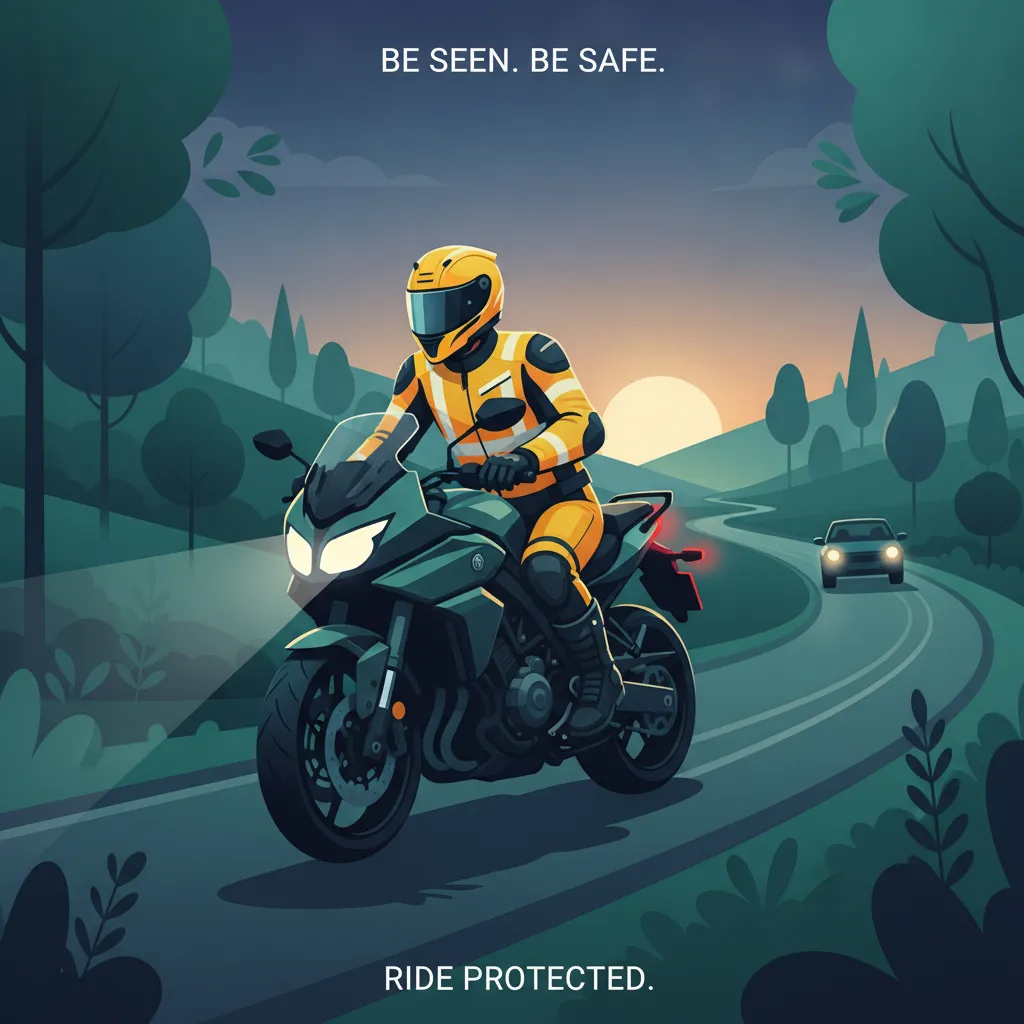
This lesson details the importance of personal protective equipment for rider safety. It covers the legal standards for helmets in Germany, the benefits of wearing abrasion-resistant jackets and gloves, and the value of high-visibility clothing. It also explains the proper use of vehicle lighting systems to ensure visibility to others.

This lesson explores the range of protective clothing materials available, comparing textile and leather options and highlighting the benefits of integrated armor. It explains how a layering system provides thermal comfort and adaptability for various weather conditions without compromising abrasion resistance. Learners will understand how to select appropriate gear for year-round protection and comfort during their rides.

This lesson focuses on how motorcyclists can clearly communicate their intentions to other road users to prevent misunderstandings and collisions. It covers the correct use of indicators, brake lights, and standardized hand signals for turning and stopping. The importance of making eye contact with other drivers to confirm they have seen you is also a key topic for enhancing safety.

This lesson examines the various types of motorcycle helmets and emphasizes selecting a model that meets ECE safety standards. Learners are guided on how to achieve a proper, secure fit, which is critical for the helmet's protective function. The content also covers essential maintenance, such as cleaning the visor and inspecting the retention system to ensure continued safety and comfort.

This lesson examines how different weather conditions, such as rain, strong winds, and fog, directly impact motorcycle safety. It explains how wet surfaces reduce tyre grip and increase braking distances, requiring smoother rider inputs. The content also provides strategies for managing reduced visibility and the physical effects of crosswinds on the motorcycle's stability.

This lesson teaches the essential observation techniques required for safe riding, focusing on the systematic use of mirrors and shoulder checks to manage blind spots. It emphasizes developing active scanning habits to maintain constant situational awareness of the surrounding traffic environment. Learners will understand how effective head movement and use of peripheral vision are critical for detecting potential hazards early.
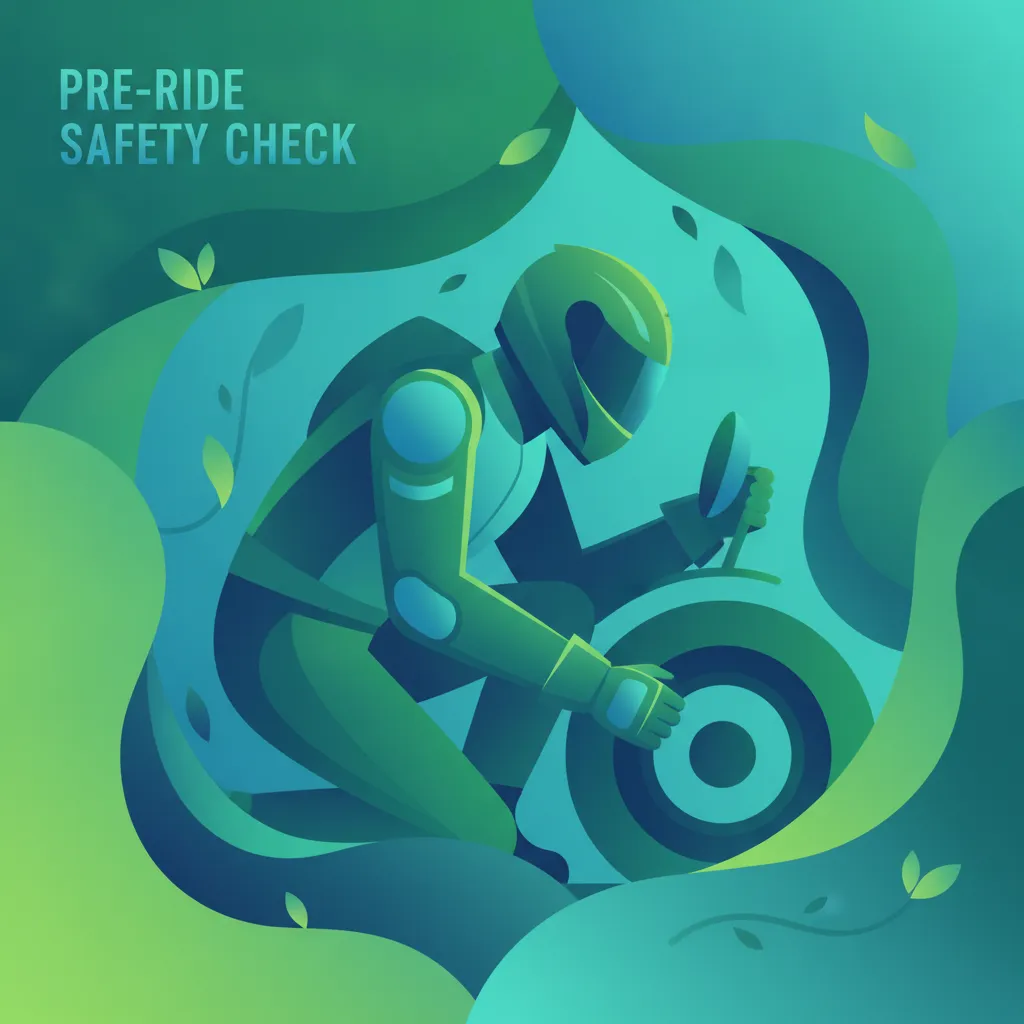
This lesson highlights the specific risks associated with motorcyclists, who are less visible and more vulnerable than car drivers. It teaches you to actively look for motorcycles, especially at intersections and during lane changes, as their smaller profile can be easily missed. You will learn about their potential for rapid acceleration and instability, emphasizing the need for extra following distance.

This lesson covers the lighting and reflector requirements for heavy vehicles, including headlamps, side markers, and brake lights. It explains the function of these systems and the necessity of underrun protection to safeguard other road users. The content also discusses regulations governing lighting systems and their importance for safety in all conditions.
Learn advanced observation techniques, including effective use of mirrors and scanning, combined with strategies for increasing rider visibility and communicating with other road users. This lesson enhances situational awareness for safe riding in Germany.
This lesson teaches the essential observation techniques required for safe riding, focusing on the systematic use of mirrors and shoulder checks to manage blind spots. It emphasizes developing active scanning habits to maintain constant situational awareness of the surrounding traffic environment. Learners will understand how effective head movement and use of peripheral vision are critical for detecting potential hazards early.
This lesson focuses on how motorcyclists can clearly communicate their intentions to other road users to prevent misunderstandings and collisions. It covers the correct use of indicators, brake lights, and standardized hand signals for turning and stopping. The importance of making eye contact with other drivers to confirm they have seen you is also a key topic for enhancing safety.
This lesson highlights the specific risks associated with motorcyclists, who are less visible and more vulnerable than car drivers. It teaches you to actively look for motorcycles, especially at intersections and during lane changes, as their smaller profile can be easily missed. You will learn about their potential for rapid acceleration and instability, emphasizing the need for extra following distance.
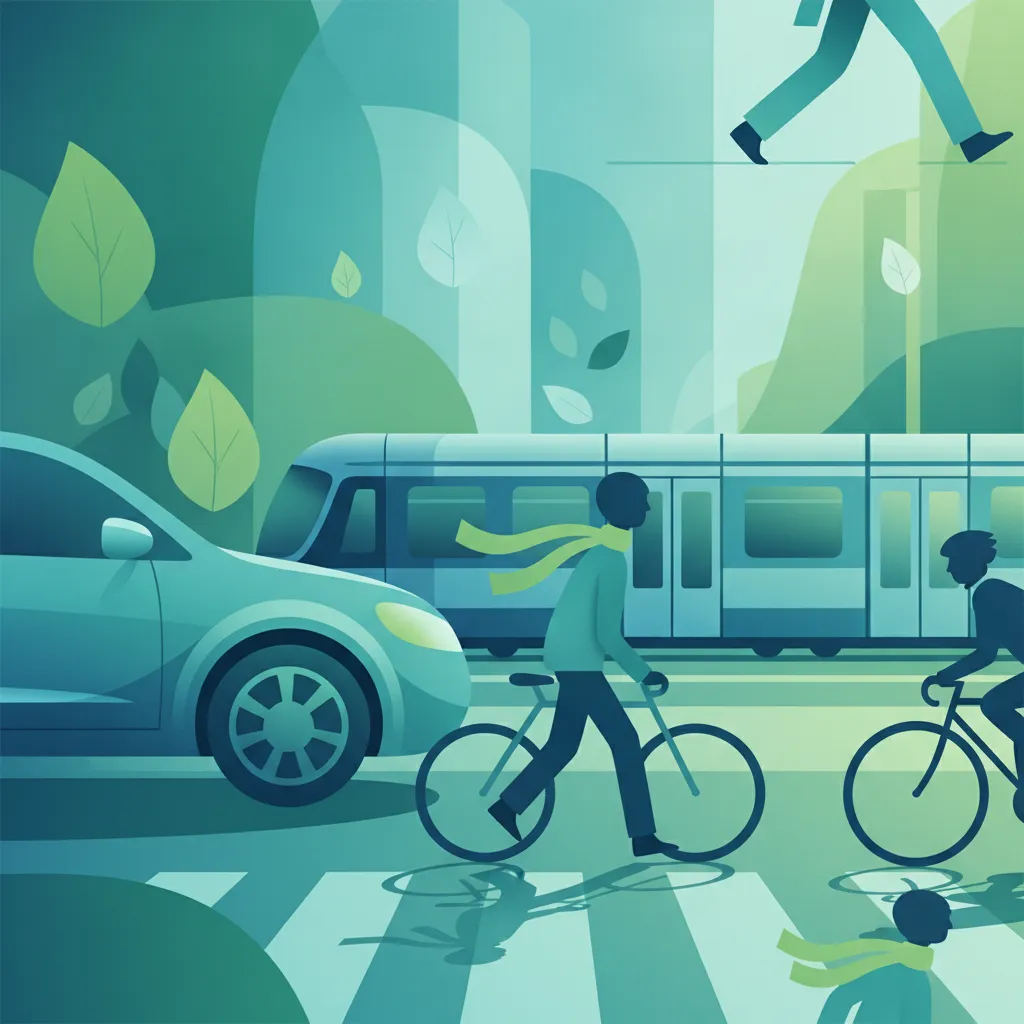
This lesson teaches riders how to interact safely and predictably with pedestrians, cyclists, and public transport vehicles. It highlights the importance of yielding at designated crossings, maintaining a safe passing distance, and anticipating the movements of buses and trams. The content emphasizes using eye contact and clear signaling to foster safe and respectful interactions with all road users.

This lesson covers the regulations and safe techniques for overtaking other vehicles in urban environments. It emphasizes the importance of thorough observation, including mirror and blind spot checks, before committing to the maneuver. Learners will understand how to choose a safe gap, manage their speed differential, and maintain strict lane discipline throughout the overtaking process.
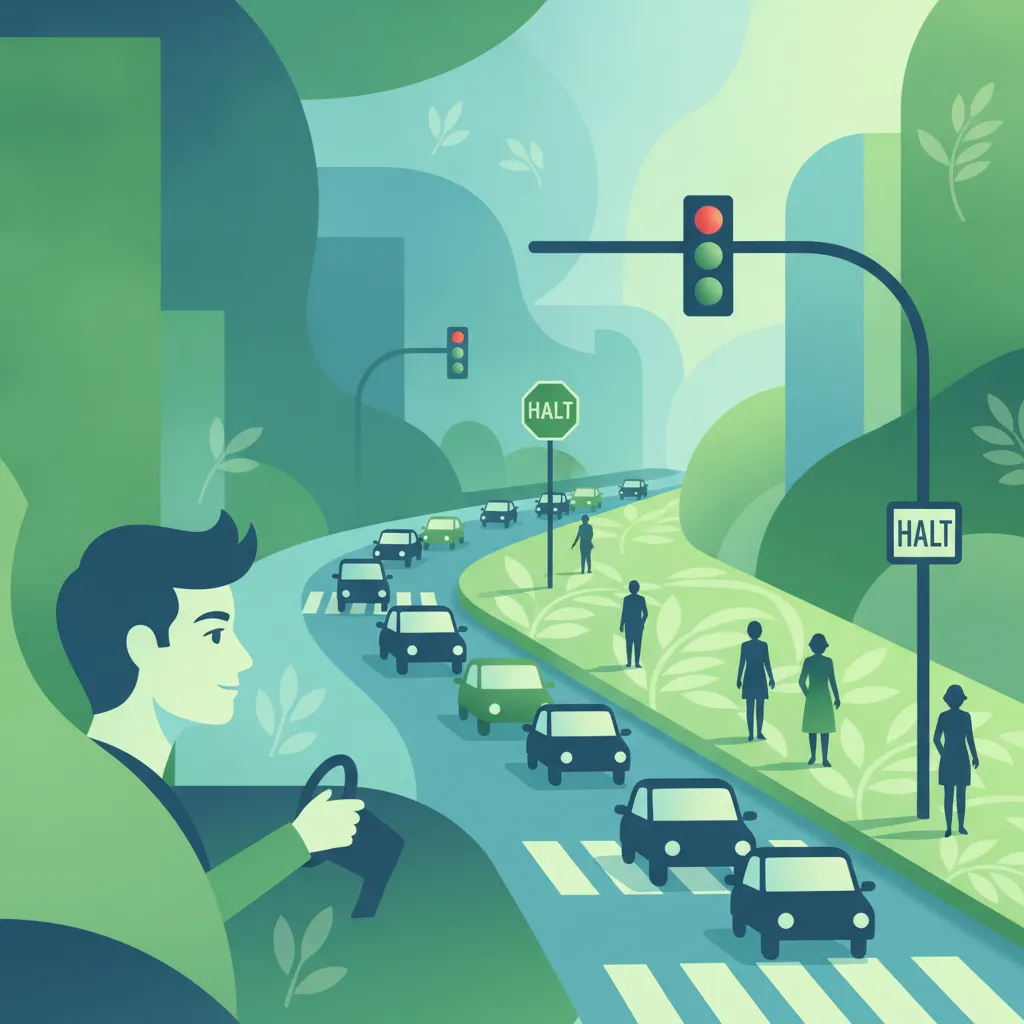
This lesson details the safe approach and navigation of various intersection types, including those controlled by traffic lights, stop signs, and give-way signs. Emphasis is placed on comprehensive observation of traffic flow, establishing eye contact with other road users, and ensuring clear visibility before proceeding. The lesson also covers correct lane positioning for turning and the importance of anticipating pedestrian movements.
This lesson examines how different weather conditions, such as rain, strong winds, and fog, directly impact motorcycle safety. It explains how wet surfaces reduce tyre grip and increase braking distances, requiring smoother rider inputs. The content also provides strategies for managing reduced visibility and the physical effects of crosswinds on the motorcycle's stability.
This lesson focuses on the importance of strategic road positioning for enhancing safety and visibility. Learners explore different lane positions and understand when to use them to see, be seen, and create a safety buffer. The content emphasizes maintaining a long visual focus down the road to anticipate hazards and avoid target fixation, particularly when cornering.
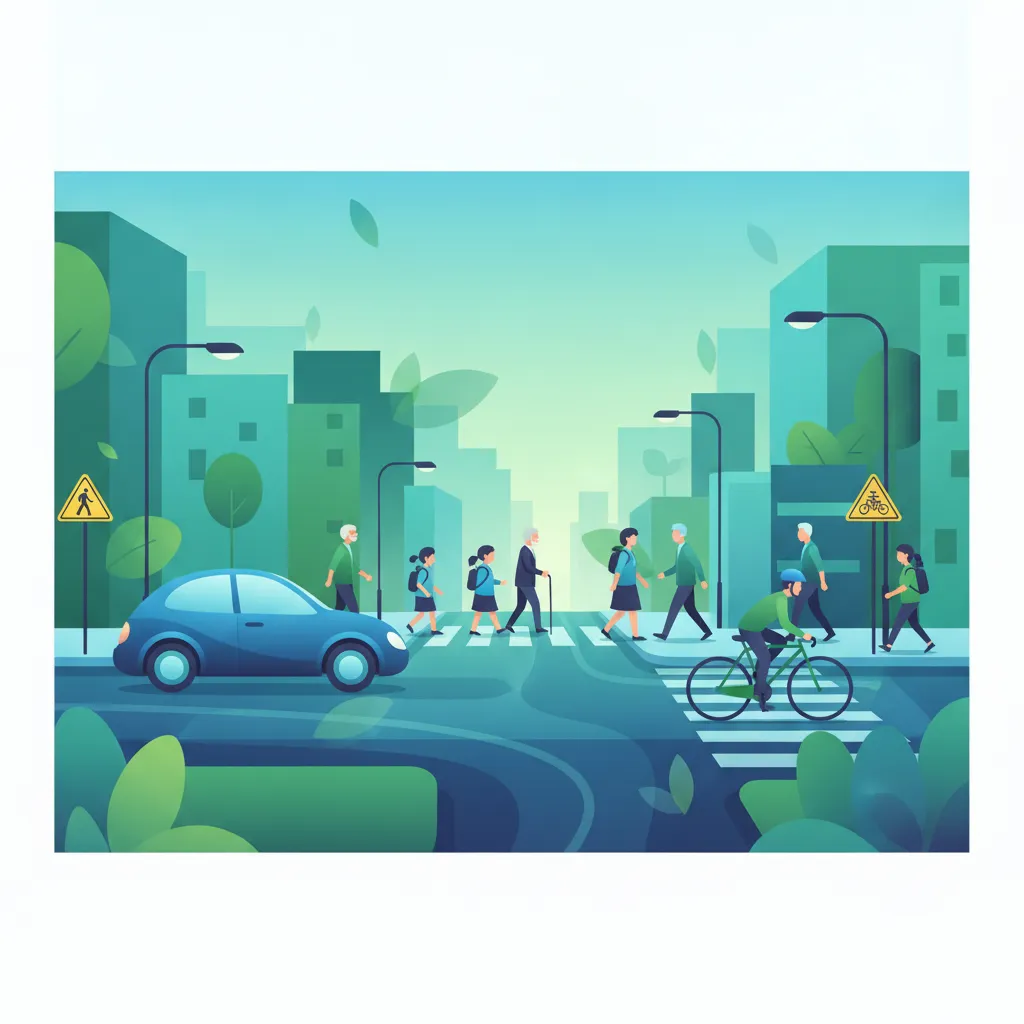
This lesson teaches crucial risk awareness and accident prevention strategies for motorcyclists. It examines common accident scenarios and teaches riders how to identify potential hazards in advance. Key concepts include defensive riding, maintaining situational awareness, and understanding how a proactive mindset contributes to a safer riding experience on the road.
This lesson introduces the established protocols and etiquette for riding in a group. It covers standard formations, such as the staggered layout, to provide a safety buffer for each rider. The content details the system of hand signals used for communication within the group and emphasizes the importance of a pre-ride briefing to ensure everyone understands the route and procedures.
Find clear answers to common questions learners have about High-Visibility Gear and Reflective Materials for Day and Night Riding. Learn how the lesson is structured, which driving theory objectives it supports, and how it fits into the overall learning path of units and curriculum progression in Germany. These explanations help you understand key concepts, lesson flow, and exam focused study goals.
Fluorescent materials absorb UV rays and re-emit them as visible light, making you highly conspicuous in daylight. Reflective materials, however, require an external light source to shine back, making them primarily effective at night or in low-light tunnel conditions.
Yes, understanding that retroreflective materials are designed to return light to the source is a common exam concept. You should be able to identify that these materials are critical for being seen by drivers approaching with their headlights on.
While specific garment types might vary, learners should recognize the importance of CE-certified protective equipment. Using high-visibility gear that complies with recognized safety standards is highly encouraged for all motorcycle categories (A, A1, A2).
Reflective material should be placed at the highest and widest points possible, or on extremities like wheels and fairings, to help other drivers judge your size, distance, and speed more accurately in the dark.
Begin your targeted revision now. Use our practice search to quickly find specific German driving theory questions. Filter by StVO rules, road signs, or hazard perception to create your focused study plan. Master challenging areas and prepare confidently for your theoretical driving test.