
This lesson teaches you how to navigate safely around pedestrians, cyclists, and public transport vehicles on German roads. By mastering these interactions, you will increase your situational awareness and ensure you follow the StVO regulations crucial for your motorcycle licence exam.
Lesson content overview
As a motorcyclist, understanding how to interact safely and predictably with vulnerable road users and public transport vehicles is paramount for accident prevention and maintaining a smooth flow of traffic. This comprehensive lesson, part of your German Motorcycle Licence Theory Course, delves into the specific rules, best practices, and underlying principles that govern these interactions on German roads. The safety of pedestrians, cyclists, and passengers on public transport relies heavily on your awareness, anticipation, and adherence to traffic regulations.
The core of safe road interaction, especially with pedestrians and cyclists, is the Vulnerability Principle. This principle dictates that road users with less protection, such as those on foot or on bicycles, are at a higher risk of severe injury in the event of a collision. Consequently, motor vehicle operators bear a greater moral and legal responsibility to protect them. This means adapting your riding style, maintaining adequate distances, and always being prepared to yield or stop.
Another crucial aspect is the Predictable Behavior Principle. All road users, especially motorcyclists, must act predictably. This involves using clear signals, making eye contact when possible, and avoiding sudden maneuvers. Predictability minimizes surprises and allows other road users to anticipate your intentions, fostering a safer environment for everyone. Coupled with this is the Minimum Safe Distance Principle, which requires leaving sufficient space when passing or overtaking to account for potential sudden movements or changes in speed.
At designated crossings and junctions, the Yielding Principle comes into play. You must reduce speed, stop, and allow vulnerable users to cross safely where they have priority. These core principles underpin all specific rules and recommendations discussed in this lesson.
Pedestrians are individuals traveling on foot, and they are among the most vulnerable road users. Their movements can sometimes be unpredictable, especially children or older adults, requiring heightened attention from motorcyclists.
Zebra crossings (marked pedestrian crossings with white stripes) are specifically designed to give pedestrians priority. In Germany, the law is clear: you must stop for pedestrians who intend to cross or are already on a zebra crossing. This rule applies even if there is no traffic light, or if the traffic light is green for you but a pedestrian is legitimately crossing.
When approaching a zebra crossing, always reduce your speed significantly. Look for pedestrians on the pavement, especially those showing an intention to cross. This might be indicated by them looking at the crossing, slowing down, or making eye contact. Your goal is to stop safely before the white line, allowing them to cross without hesitation. Never try to rush past a pedestrian who is already crossing or clearly intending to cross.
While pedestrians have clear priority at zebra crossings, their rights at unmarked crossings or general intersections are different but still demand your attention. If a pedestrian has already stepped onto the road at an unmarked crossing or is in the process of crossing at an intersection without specific signals, you must yield to them. This rule recognizes that once a pedestrian has committed to crossing, forcing them to stop or retreat would put them at risk.
Always be prepared for the unexpected. Pedestrians might step into the road without looking, especially near parked cars, bus stops, or in busy urban areas. Maintain a relaxed grip on your brakes and cover them with your fingers, ready to react.
Common Misunderstandings: A frequent misconception is that pedestrians always have the right-of-way. This is not true for all situations; they do not have automatic priority on all roads. However, the vulnerability principle means you should still exercise extreme caution and give them space. Never assume a pedestrian sees you or understands your intentions.
Cyclists are a significant part of urban traffic in Germany and are highly vulnerable road users due to their lack of protective enclosure. Collisions with bicycles often result in serious injuries for the cyclist. Therefore, interacting with them requires specific attention to distance, visibility, and anticipation.
One of the most critical rules when interacting with cyclists is maintaining a minimum safe overtaking distance. In Germany, when overtaking a cyclist, you must maintain a lateral distance of at least 1.5 meters within urban areas and 2 meters outside urban areas. This distance provides a buffer against sudden swerving by the cyclist due to potholes, wind gusts, or unexpected maneuvers.
Before initiating an overtaking maneuver, ensure you have a clear view of the road ahead, typically exceeding 200 meters, and that there is no oncoming traffic. Never overtake a cyclist if you cannot maintain the required distance or if it means cutting in front of them too sharply after passing.
Cyclists may use designated bike lanes (Radwege) or ride on the main road, depending on the local infrastructure. When a bike lane is present and usable, cyclists are generally expected to use it. However, if no bike lane is available, or if it is obstructed, they have the right to use the roadway.
A common point of conflict arises when a motorcyclist wants to turn right, and a cyclist is traveling straight alongside them. In this scenario, the cyclist often has the right-of-way. You must yield to cyclists who are continuing straight when you are turning right.
Correct Behavior: Before initiating your right turn, check your right-hand mirror and blind spot for any approaching cyclists. If a cyclist is present and continuing straight, wait until they have passed the junction safely before completing your turn. Never assume they will stop or yield to you.
Buses and trams are large, heavy vehicles designed to carry many passengers. Their size, weight, and fixed routes mean they have specific operational characteristics and, in some cases, special rights-of-way. As a motorcyclist, understanding these rules is crucial for safe navigation, particularly in urban environments.
One of the most important rules regarding buses involves their interaction at designated bus stops.
Buses merging back into traffic: If a bus is signaling to pull away from a designated bus stop and merge back into traffic, you must yield to it. This allows the bus to rejoin the flow of traffic smoothly and prevents unnecessary delays. Anticipate this maneuver and be prepared to slow down or stop to give way.
Overtaking a stopped bus: You are prohibited from overtaking a bus that has stopped to load or unload passengers at a designated bus stop, especially if it has its hazard warning lights activated. This rule is in place to protect passengers who might be stepping off the bus and crossing the road, or those rushing to board. You must wait behind the bus until it proceeds.
Never try to squeeze past a stopped bus, especially on the right, as passengers may be disembarking and could step directly into your path.
Trams operate on fixed tracks, making their path predictable but also inflexible. This creates unique interaction points for motorcyclists.
Right-of-way: Trams generally have priority at intersections unless otherwise specified by traffic signs or signals. Always assume a tram has the right-of-way and be prepared to yield.
Overtaking Trams: You may overtake a tram on the right. Overtaking on the left is only permitted if the tracks are too close to the right side of the road or if it's a one-way street. Always maintain a safe distance.
Tram Stops: Be very cautious when a tram stops. Passengers may alight and cross the road directly. Reduce your speed significantly and be prepared to stop. Never pass a tram on the side where passengers are boarding or alighting if there's no protective barrier.
Tram Tracks: Riding over tram tracks, especially when turning, requires extreme caution. Tracks can be slippery when wet and can cause a motorcycle tire to lose grip or get caught, leading to a fall. Cross tracks at as wide an angle as possible to minimize the risk.
Adhering to traffic laws regarding vulnerable road users and public transport is not just a matter of safety; it's a legal obligation with clear consequences for non-compliance under German traffic law (StVO).
Safe interaction with vulnerable users is not static; it changes based on various external factors.
Mastering safe interaction with pedestrians, cyclists, and public transport is a cornerstone of responsible motorcycling in Germany. Always prioritize the safety of the most vulnerable.
By consistently applying these principles, you contribute not only to your own safety but also to a safer and more harmonious traffic environment for everyone on German roads.
This lesson covers the essential rules for motorcyclists sharing German roads with vulnerable users, including pedestrians at crossings, cyclists with mandated overtaking distances of 1.5m (urban) and 2m (rural), and public transport vehicles with special rights at stops and intersections. Key legal references under StVO establish clear obligations, with specific penalties for violations such as failing to stop at zebra crossings, cutting too close to cyclists, or overtaking stopped buses. Defensive riding techniques—anticipating movements, using eye contact, checking blind spots, and maintaining safe distances—form the practical foundation for both exam success and accident prevention.
A short set of high-value points that capture the most important learning from this lesson.
Pedestrians have priority at zebra crossings (§ 26 StVO) and must be allowed to cross completely before proceeding.
When overtaking cyclists, maintain at least 1.5 meters in urban areas and 2 meters outside urban areas (§ 5 StVO).
Always yield to cyclists traveling straight when turning right, as they have priority over turning motorcyclists.
Never overtake a bus that has stopped to load or unload passengers with hazard lights activated.
Trams generally have priority at intersections; cross tram tracks at wide angles to avoid losing traction.
Explore all units and lessons included in this driving theory course.
Zebra crossing rule: pedestrians with priority must never be obstructed, even if your traffic light is green.
The vulnerability principle places greater responsibility on motorcyclists toward pedestrians and cyclists.
Check blind spots for cyclists before any turning maneuver, especially right turns alongside bike lanes.
Wet tram tracks are particularly slippery and can catch motorcycle tires if crossed at sharp angles.
Buses merging from stops have the right to rejoin traffic; you must yield to them.
Assuming pedestrians only have priority at signal-controlled crossings; they also have rights at unmarked crossings once committed to crossing.
Attempting to squeeze past a stopped bus, not realizing passengers may be disembarking directly into your path.
Turning right without checking for cyclists continuing straight in an adjacent bike lane.
Crowding cyclists too closely when passing, especially near parked cars where doors may open suddenly.
Assuming large vehicle drivers have seen you; buses and trams have significant blind spots.
Lesson content overview
A short set of high-value points that capture the most important learning from this lesson.
Pedestrians have priority at zebra crossings (§ 26 StVO) and must be allowed to cross completely before proceeding.
When overtaking cyclists, maintain at least 1.5 meters in urban areas and 2 meters outside urban areas (§ 5 StVO).
Always yield to cyclists traveling straight when turning right, as they have priority over turning motorcyclists.
Never overtake a bus that has stopped to load or unload passengers with hazard lights activated.
Trams generally have priority at intersections; cross tram tracks at wide angles to avoid losing traction.
Explore all units and lessons included in this driving theory course.
Zebra crossing rule: pedestrians with priority must never be obstructed, even if your traffic light is green.
The vulnerability principle places greater responsibility on motorcyclists toward pedestrians and cyclists.
Check blind spots for cyclists before any turning maneuver, especially right turns alongside bike lanes.
Wet tram tracks are particularly slippery and can catch motorcycle tires if crossed at sharp angles.
Buses merging from stops have the right to rejoin traffic; you must yield to them.
Assuming pedestrians only have priority at signal-controlled crossings; they also have rights at unmarked crossings once committed to crossing.
Attempting to squeeze past a stopped bus, not realizing passengers may be disembarking directly into your path.
Turning right without checking for cyclists continuing straight in an adjacent bike lane.
Crowding cyclists too closely when passing, especially near parked cars where doors may open suddenly.
Assuming large vehicle drivers have seen you; buses and trams have significant blind spots.
Explore search topics learners often look for when studying Interaction with Pedestrians, Cyclists, and Public Transport. These topics reflect common questions about road rules, driving situations, safety guidance, and lesson level theory preparation for learners in Germany.
Browse additional driving theory lessons that cover connected traffic rules, road signs, and common driving situations related to this topic. Improve your understanding of how different rules interact across everyday traffic scenarios.
Explore advanced German road traffic regulations (StVO) for safely interacting with pedestrians, cyclists, and public transport. Understand priority, safe distances, and communication essential for motorcycle riders in urban environments.
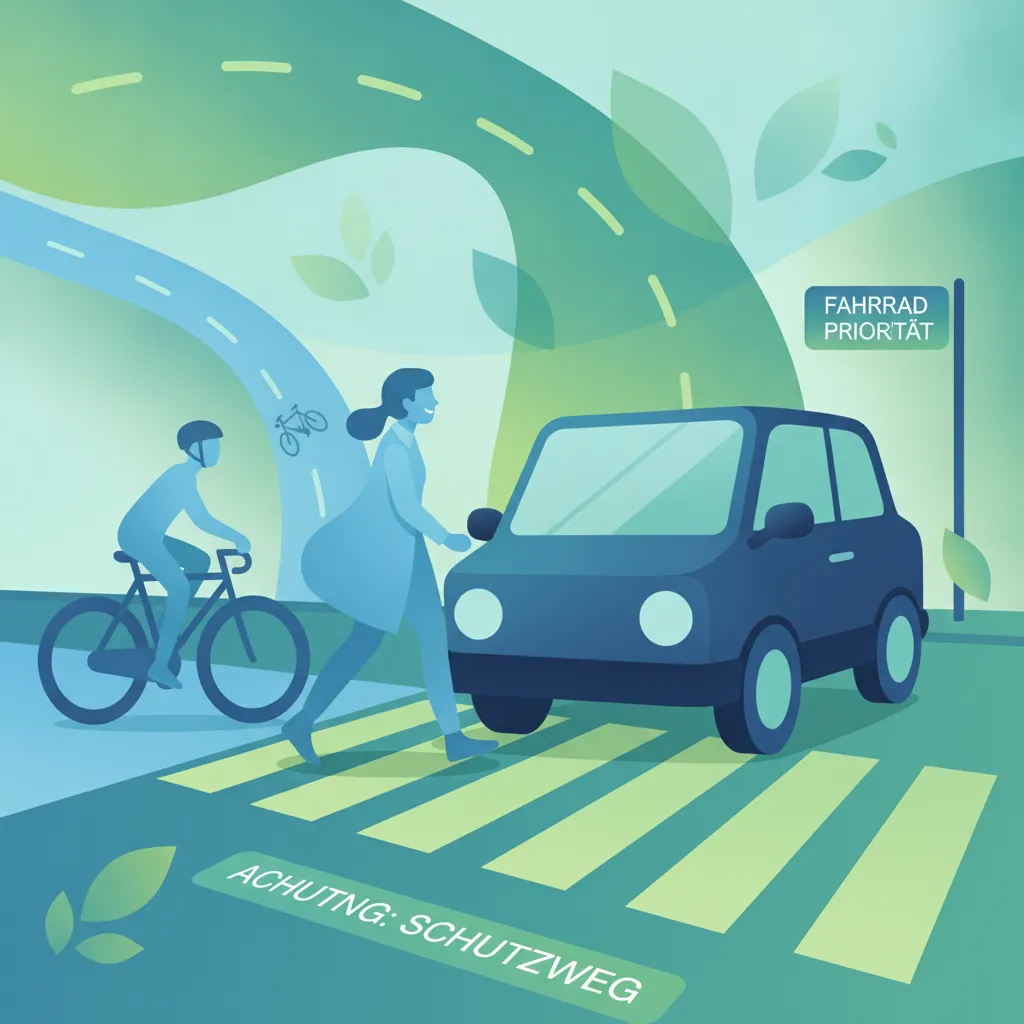
This lesson provides specific guidance on how to safely share the road with pedestrians and cyclists, who are among the most vulnerable road users. It covers the rules of conduct at zebra crossings, traffic lights for pedestrians, and designated cycle lanes. The content emphasizes the importance of vigilance, yielding right-of-way, and maintaining a safe distance to prevent accidents in urban and rural environments.
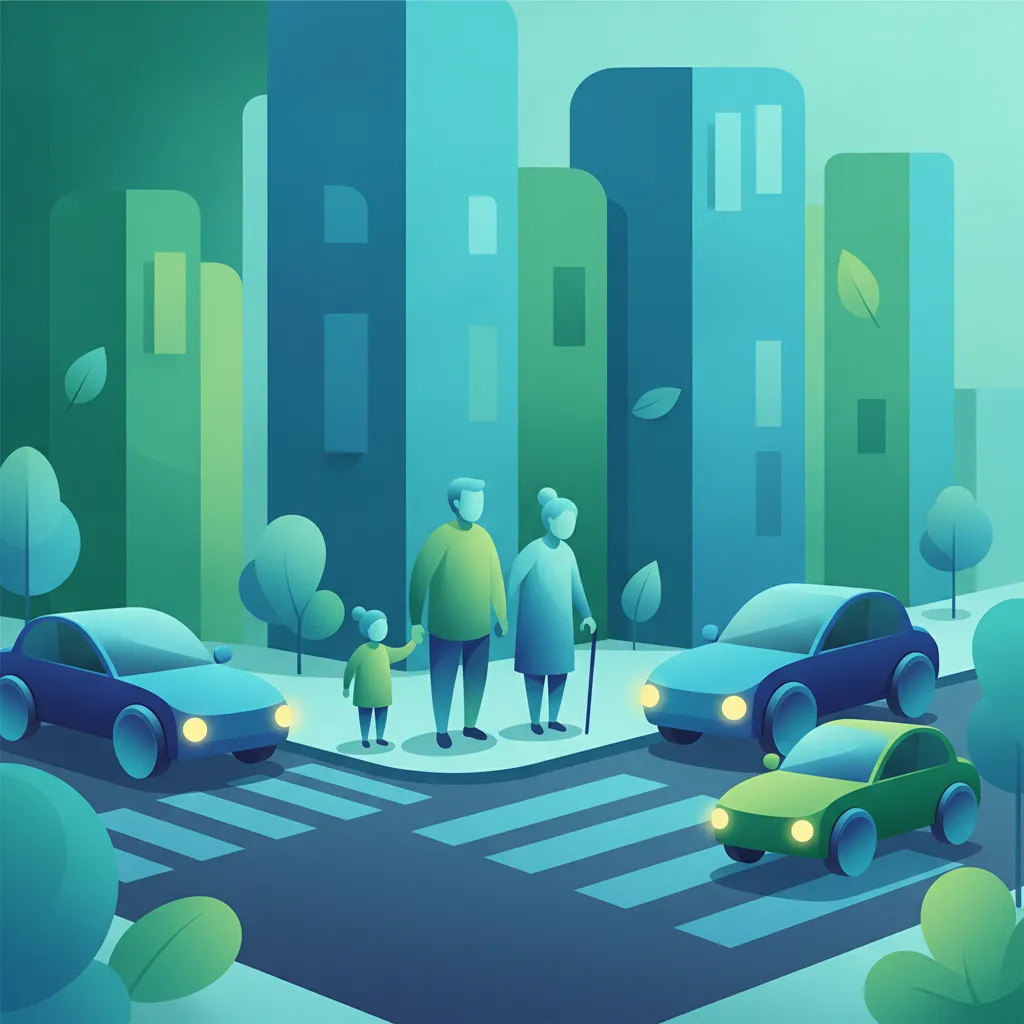
This lesson focuses on the particular care required when driving near pedestrians, with a special emphasis on children and the elderly, whose behavior can be unpredictable. It covers the rules for yielding at zebra crossings and the importance of reducing speed near schools, playgrounds, and residential areas. The goal is to instill a habit of constant vigilance and readiness to stop.
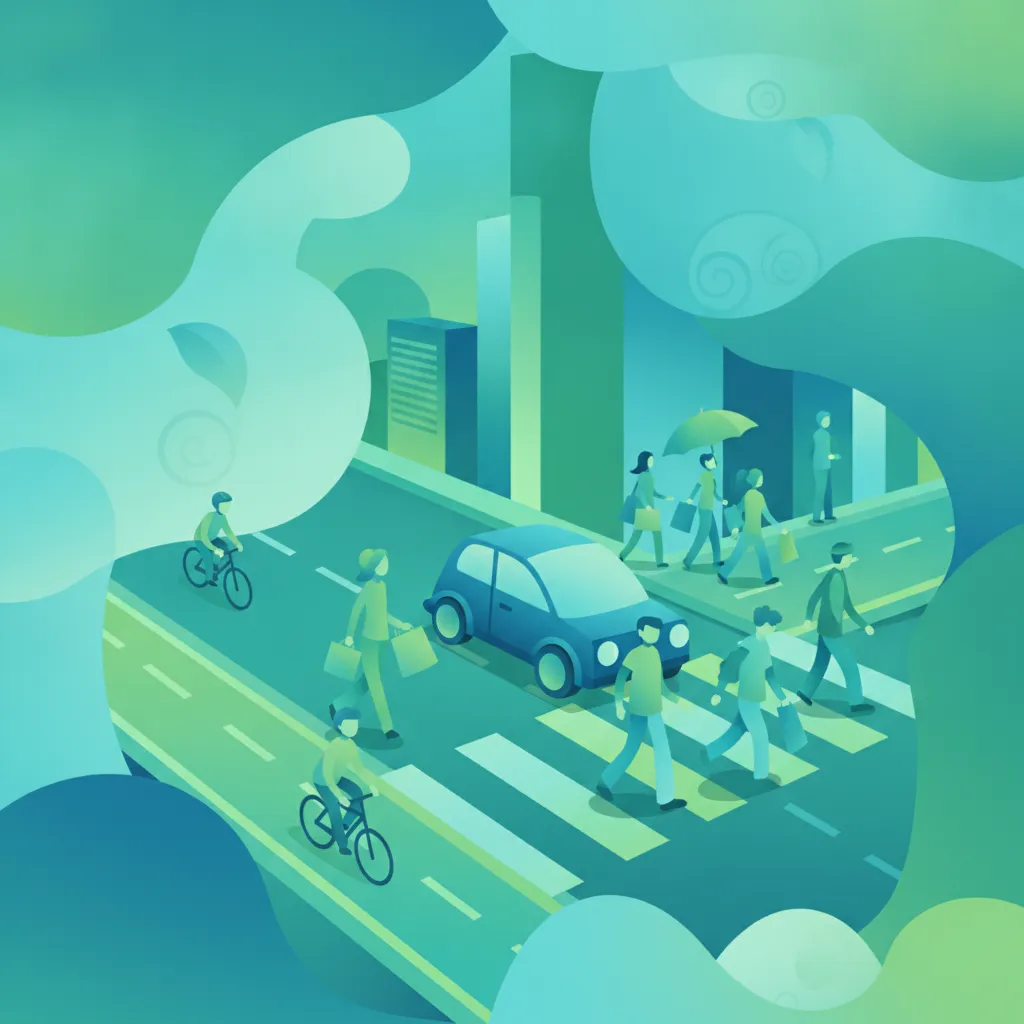
This lesson addresses the critical skill of safely interacting with other road users, particularly vulnerable ones like pedestrians and cyclists. It covers rules for yielding at crosswalks, maintaining a safe passing distance, and being aware of the limited visibility of a moped to car drivers. The focus is on fostering a defensive and cooperative mindset in mixed traffic.
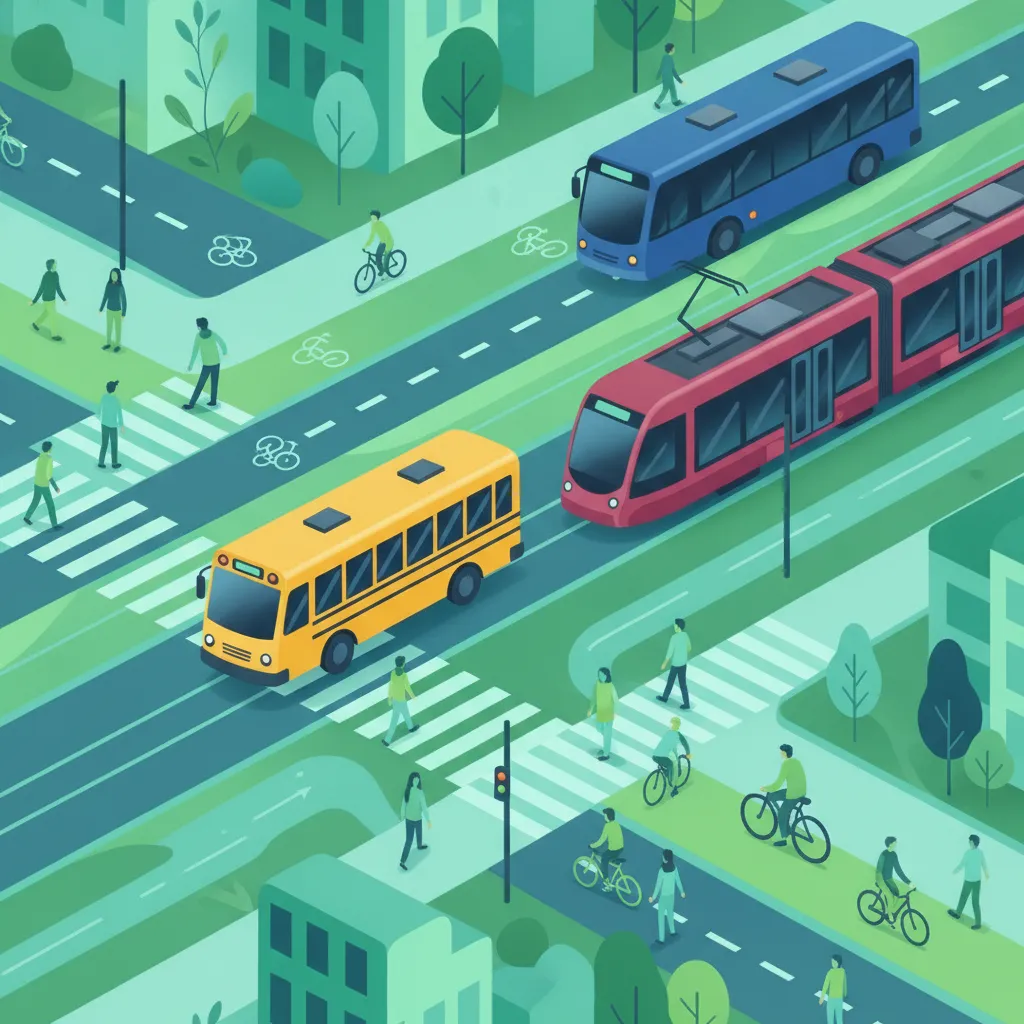
This lesson explains the specific regulations when encountering public transport. It covers the legal requirement to yield to public buses signaling to leave a bus stop and the strict rules for passing school buses with flashing hazard lights. You will also learn about the absolute priority of trams ('Straßenbahn') and how to safely drive on or across their tracks.
This lesson covers the essential behavioral rules mandated by the German Road Traffic Act (StVO) that form the foundation of safe driving. Key principles discussed include the mandatory rule to drive on the right side of the road, maintaining a safe following distance, and adapting speed to conditions. It also explains the regulations for overtaking, merging, and parking to ensure smooth and safe traffic flow.
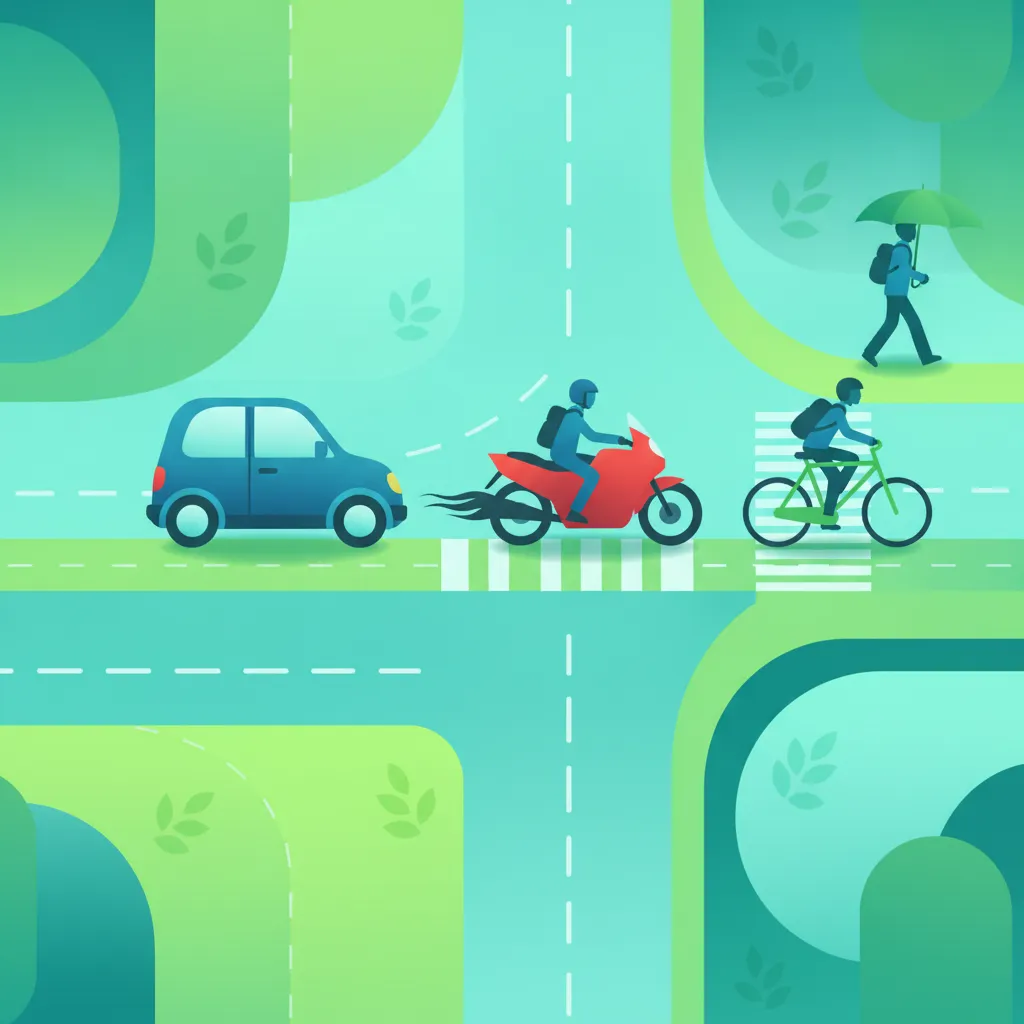
This lesson provides a detailed breakdown of the various categories of participants in road traffic, from pedestrians and cyclists to cars, trucks, and public transport. It explains the concept of vulnerable road users and outlines the specific rules and expectations for interacting with each group. The objective is to foster mutual respect and understanding to ensure safe coexistence on the road for everyone.
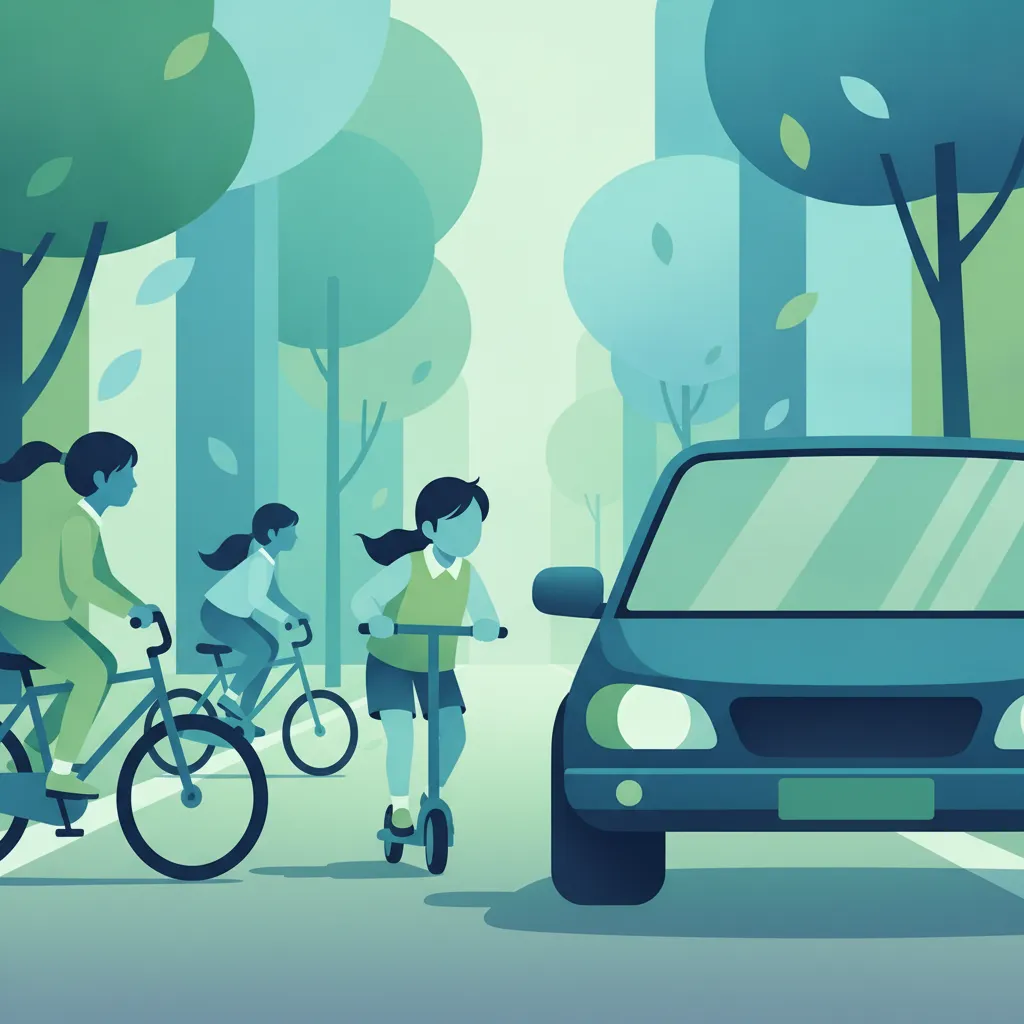
This lesson focuses on identifying road users who require special attention and caution, such as children, the elderly, and individuals with disabilities. It details the appropriate behavior when encountering school buses and public transport, which often involve unpredictable pedestrian movement. A critical topic covered is the legal requirement to form an emergency corridor ('Rettungsgasse') for responding emergency vehicles.
This lesson focuses on the unique challenges and safety protocols required when operating alongside trams and light rail systems. It clarifies the strict right-of-way rules that typically favor trams and explains how to safely navigate shared roadways and cross tracks. Learners will be taught to recognize specific signals and markings related to tramways to prevent conflicts and ensure the safety of all road users.
This lesson focuses on complex traffic environments where different types of road users share the same space. It provides guidance on situations like driving on streets with integrated tram tracks or where bus and bicycle lanes are part of the roadway. The content emphasizes understanding the specific priority rules and being extra vigilant to anticipate potential conflicts in these busy, shared zones.
This lesson covers the correct and safe way to interact with cyclists. It explains the different types of bicycle infrastructure, such as dedicated cycle paths and advisory bike lanes on the road. Key topics include maintaining the legally required minimum passing distance, checking for cyclists before turning right, and being aware of the risk of 'dooring' when parked.
Enhance hazard perception skills for motorcycle riders in Germany. This lesson focuses on anticipating actions of pedestrians, cyclists, and public transport to prevent accidents and ensure safe urban navigation.
This lesson highlights the specific risks associated with motorcyclists, who are less visible and more vulnerable than car drivers. It teaches you to actively look for motorcycles, especially at intersections and during lane changes, as their smaller profile can be easily missed. You will learn about their potential for rapid acceleration and instability, emphasizing the need for extra following distance.
This lesson focuses on identifying road users who require special attention and caution, such as children, the elderly, and individuals with disabilities. It details the appropriate behavior when encountering school buses and public transport, which often involve unpredictable pedestrian movement. A critical topic covered is the legal requirement to form an emergency corridor ('Rettungsgasse') for responding emergency vehicles.
This lesson trains drivers to proactively identify vulnerable road users and anticipate their often unpredictable behavior. It highlights the specific risks posed by children, elderly pedestrians, cyclists, and e-scooter users, particularly near bus stops and crossings. The goal is to develop a heightened sense of risk perception and apply defensive driving techniques to protect those who are most at risk on the road.

This lesson teaches crucial risk awareness and accident prevention strategies for motorcyclists. It examines common accident scenarios and teaches riders how to identify potential hazards in advance. Key concepts include defensive riding, maintaining situational awareness, and understanding how a proactive mindset contributes to a safer riding experience on the road.
This lesson provides specific guidance on how to safely share the road with pedestrians and cyclists, who are among the most vulnerable road users. It covers the rules of conduct at zebra crossings, traffic lights for pedestrians, and designated cycle lanes. The content emphasizes the importance of vigilance, yielding right-of-way, and maintaining a safe distance to prevent accidents in urban and rural environments.
This lesson focuses on complex traffic environments where different types of road users share the same space. It provides guidance on situations like driving on streets with integrated tram tracks or where bus and bicycle lanes are part of the roadway. The content emphasizes understanding the specific priority rules and being extra vigilant to anticipate potential conflicts in these busy, shared zones.
This lesson addresses the challenges of operating a small AM vehicle in dense, mixed traffic. It provides strategies for increasing visibility to other drivers, positioning oneself defensively, and safely sharing lanes with cyclists. The content emphasizes awareness of larger vehicles' blind spots and maintaining a safe space cushion.

This lesson builds on defensive driving by focusing specifically on hazard perception ('Gefahrenerkennung'). It teaches you how to actively scan the driving environment for potential risks, not just immediate dangers. You will learn to anticipate the likely actions of other road users and identify clues that signal a developing hazardous situation, allowing you to react early and safely.
This lesson addresses the critical skill of safely interacting with other road users, particularly vulnerable ones like pedestrians and cyclists. It covers rules for yielding at crosswalks, maintaining a safe passing distance, and being aware of the limited visibility of a moped to car drivers. The focus is on fostering a defensive and cooperative mindset in mixed traffic.
This lesson covers the regulations and safe techniques for overtaking other vehicles in urban environments. It emphasizes the importance of thorough observation, including mirror and blind spot checks, before committing to the maneuver. Learners will understand how to choose a safe gap, manage their speed differential, and maintain strict lane discipline throughout the overtaking process.
Find clear answers to common questions learners have about Interaction with Pedestrians, Cyclists, and Public Transport. Learn how the lesson is structured, which driving theory objectives it supports, and how it fits into the overall learning path of units and curriculum progression in Germany. These explanations help you understand key concepts, lesson flow, and exam focused study goals.
In urban areas, you should maintain at least 1.5 meters of distance when overtaking cyclists. On rural roads, this distance should be at least 2 meters to account for the higher speeds and wind turbulence.
Only if the bus has its hazard lights on and is moving at walking pace. If it is stopped with passengers boarding or alighting, you must proceed with extreme caution or stop behind it to ensure passenger safety.
Yes, if a pedestrian clearly intends to use a marked zebra crossing, you must stop well in advance and allow them to cross safely. Failure to do so is a common cause for failure in the German theory exam.
Trams have fixed tracks and cannot deviate. Always be aware that they can accelerate quickly and that their braking distance is much longer than yours. Avoid riding on the tracks, especially in wet weather, as they are extremely slippery.
Begin your targeted revision now. Use our practice search to quickly find specific German driving theory questions. Filter by StVO rules, road signs, or hazard perception to create your focused study plan. Master challenging areas and prepare confidently for your theoretical driving test.