
This lesson details the professional standards for stopping, parking, and performing loading activities with heavy goods vehicles. It provides essential guidance for navigating delivery constraints and adhering to safety requirements within the Italian Codice della Strada.

Lesson content overview
Operating a heavy goods vehicle (HGV) within public areas, especially for deliveries, requires adherence to specific protocols for parking, loading, and unloading. These procedures are critical not only for fulfilling commercial duties but, more importantly, for ensuring the safety of all road users and maintaining efficient traffic flow. This lesson, part of the Italian Goods Vehicle License Theory Course (C, C1, C1E, CE), delves into the legal requirements and best practices for temporarily stopping your vehicle for these essential operations, as mandated by the Italian Codice della Strada.
Proper conduct in these situations is paramount. Failing to observe established rules can lead to significant traffic obstructions, increase the risk of accidents involving pedestrians and other vehicles, and result in substantial legal penalties. Therefore, professional drivers must possess a thorough understanding of designated loading zones, appropriate signaling with hazard lights, secure vehicle immobilization, and efficient cargo handling.
Temporarily stopping a commercial vehicle in a public area for loading or unloading goods demands careful consideration of several core principles. These principles are designed to safeguard public safety, prevent traffic congestion, and ensure compliance with Italian traffic laws.
A specifically marked area on a road, pavement, or parking zone intended for the temporary stopping of vehicles solely for the purpose of loading or unloading goods. These bays are typically identified by specific road markings and signage.
The primary rule for commercial vehicle stops is to utilize designated loading bays whenever available. These bays are expressly provided to allow goods vehicles to conduct their operations without impeding the normal flow of traffic. Drivers must be vigilant in identifying these areas, which are often marked by specific road signs or painted lines on the road surface, sometimes accompanied by text indicating a "Loading Zone" (Zona di Carico/Scarico).
The rationale behind using these bays is simple: they are positioned to minimize disruption. Stopping in a general traffic lane or a non-designated parking spot for loading/unloading forces other vehicles to maneuver around an unexpected obstruction, potentially creating hazardous situations. Therefore, professional drivers must make every effort to locate and correctly use these facilities.
Lights on a vehicle that flash simultaneously to alert other road users to a stationary vehicle or a potential hazard, signaling that the vehicle is stopped and may be obstructing traffic or requires caution from others.
When a heavy goods vehicle stops on a public road for loading or unloading, it inherently creates a potential obstruction or a situation requiring increased caution from other road users. To mitigate this risk, the immediate activation of the vehicle's hazard warning lights, also known as emergency flashers, is mandatory.
These lights serve as a crucial visual signal, alerting drivers, motorcyclists, cyclists, and pedestrians that the vehicle is temporarily stationary and may not be moving with the flow of traffic. This early warning allows others to adjust their speed and position proactively, significantly reducing the likelihood of rear-end collisions or other incidents. Hazard lights should be activated as soon as the vehicle comes to a stop and remain on for the entire duration of the loading or unloading process.
Before a driver steps out of the cab or commences any loading or unloading activity, the vehicle must be securely immobilized. This is achieved by fully engaging the parking brake. This mechanical system is designed to lock the wheels, preventing any unintended movement of the vehicle, whether on a flat surface or, critically, on an incline.
The risk of a heavy goods vehicle rolling away due to gravity or an accidental knock is a severe safety concern. Such an incident could endanger bystanders, other vehicles, or the driver themselves. Therefore, engaging the parking brake is not merely a recommendation but a mandatory safety protocol that ensures the vehicle remains static throughout the operation, safeguarding against sudden and dangerous rollaways.
Commercial operations inherently demand speed, but efficiency in loading and unloading must never compromise safety or adherence to regulations. Drivers are expected to complete their cargo transfer operations as swiftly and safely as possible, minimizing the time the vehicle occupies public space.
Prolonged stops contribute to traffic congestion and increase the exposure to risk for the vehicle, its occupants, and other road users. Drivers should plan deliveries meticulously, ensuring all necessary equipment (e.g., ramps, pallet jacks, lifting aids) and documentation are readily accessible. This preparedness facilitates a quick turnaround, reducing the overall impact on traffic flow and compliance with any time limits imposed on loading bays.
The overarching principle guiding all commercial vehicle stops for loading or unloading is to avoid causing undue obstruction. This means positioning the vehicle in such a way that it does not block regular traffic lanes, bicycle paths, sidewalks, or other designated public thoroughfares.
Even when utilizing a designated loading bay, drivers must ensure the vehicle fits entirely within its boundaries, preventing any part of the vehicle from protruding into active traffic lanes or pedestrian areas. Any obstruction forces other road users to deviate from their normal path, creating unpredictable movements and heightening the risk of collisions or endangering pedestrians. Maintaining clear passageways is a fundamental responsibility of a professional driver.
To effectively manage parking, loading, and unloading operations, professional drivers must understand specific concepts and their practical implications, as defined by Italian traffic law.
A designated loading zone (Zona di Carico/Scarico) is a specific area on public land that permits commercial vehicles to stop temporarily for the purpose of transferring goods. These zones are crucial for managing urban logistics while minimizing traffic disruption.
Types and Markings: Loading zones can vary:
Practical Application: As a heavy goods vehicle driver, your primary responsibility is to locate and stop exclusively within these designated areas. This prevents you from blocking active traffic lanes or otherwise suitable parking spaces for other vehicles. Ensure your vehicle fits entirely within the marked boundaries, respecting its dimensions.
Common Misunderstandings: A frequent error is assuming any roadside space is suitable for a quick stop, or using regular parking spots for extended loading, which can lead to fines and congestion. Drivers must never stop in prohibited areas such as bus stops, taxi stands, pedestrian crossings, or intersections, even if only for a short period.
Hazard warning lights are an indispensable safety feature, particularly for heavy goods vehicles that need to stop in potentially obstructive positions.
Definition and Function: These lights activate all turn signals simultaneously, creating a flashing visual pattern on both sides of the vehicle, front and rear. Their purpose is to signal an abnormal situation to other road users, prompting them to exercise caution.
Usage Protocols: According to the Codice della Strada (§ 27), hazard lights must be activated immediately upon stopping for loading or unloading on a public road, especially when the vehicle's position could pose a hazard or obstruction to normal traffic. This is distinct from their use during a breakdown or accident.
Critical Note: Hazard lights are solely for indicating a stationary hazard. They must never be used while the vehicle is in motion, as this can confuse other drivers about your intentions, potentially leading them to believe you are stopped or experiencing an emergency when you are not. Before moving the vehicle, ensure the hazard lights are deactivated.
The parking brake (freno di stazionamento) is a critical safety control that prevents a vehicle from moving when parked or stationary. For heavy goods vehicles, its correct application is even more vital due to their mass and potential for severe damage or injury in a rollaway incident.
Mechanism: Heavy goods vehicles typically use air-operated parking brakes, often controlled by a lever or push-pull button in the cab. When engaged, it mechanically locks the wheels, usually the rear ones, to hold the vehicle in place.
Mandatory Use: The parking brake must be fully applied whenever the vehicle is stationary on a public road, irrespective of whether the engine is running or if the driver briefly leaves the cab. This is particularly crucial on gradients (slopes) or slippery surfaces. Never rely solely on leaving the transmission in a gear (e.g., "Park" for automatics or a low gear for manuals) to hold a heavy vehicle; the parking brake is the primary safety mechanism.
Additional Safety: On steep inclines, or during extended unattended stops, professional drivers should also consider using wheel chocks (cunei bloccaruota) as an additional security measure, especially if the vehicle is fully loaded.
Efficiency in cargo handling is key to minimizing disruption and adhering to regulations. This involves strategic planning and execution.
Preparation: Before arriving at the delivery point, ensure all necessary paperwork, keys for cargo compartments, and auxiliary equipment (such as tail lifts, ramps, or pallet jacks) are ready. Anticipate the type and volume of goods to be moved to select the most appropriate method.
Execution:
Position Carefully: Stop the vehicle precisely within the loading bay, ensuring full containment and no obstruction.
Activate Safety: Engage the parking brake fully and switch on hazard warning lights immediately.
Rapid Transfer: Use appropriate equipment to transfer goods swiftly. Minimize the time cargo spends on the pavement or outside the vehicle.
Secure Load: Before preparing to depart, ensure all remaining cargo inside the vehicle is stable and secured. Close and lock all cargo doors.
Prepare for Departure: Deactivate hazard lights, perform a quick check around the vehicle, and proceed only when safe.
Time Management: Be acutely aware of any time limits posted for loading bays. Exceeding these limits can result in fines and disrupt other commercial vehicles needing access to the bay. Planning urban delivery routes to account for these time constraints is crucial.
A professional driver's duty extends beyond simply moving goods; it includes minimizing negative impact on public spaces. Avoiding traffic obstruction is a core element of this responsibility.
Vehicle Positioning: Always aim to position your HGV entirely off the main flow of traffic. This means:
Load Management: While loading or unloading, goods should be kept within the vehicle or on designated loading platforms. Never leave boxes, pallets, or equipment unattended on the street or sidewalk, as this creates tripping hazards and potential obstacles for others.
The Italian Codice della Strada (Highway Code) provides the fundamental legal framework governing vehicle parking, stopping, and cargo operations. Professional drivers must be fully conversant with these regulations.
| Regulation | Rule Statement | Applicability | Legal Status | Rationale | Correct Application Example | Incorrect Application Example |
|---|---|---|---|---|---|---|
| Art. 158 Codice della Strada (Stop and Parking) | Vehicles must stop or park only in designated areas and in such a way as not to obstruct traffic, road signs, or pedestrian pathways. | All vehicles on public roads. | Mandatory | Ensures free movement of traffic and safety for all road users. | Driver stops entirely in a marked loading bay. | Driver stops the HGV in a bus lane to unload, causing delays to public transport. |
| Art. 159 Codice della Strada (Removal and Sanctions) | Specifies fines and potential vehicle removal for violations of stopping and parking regulations. | Violations of Art. 158. | Mandatory | Deterrent against illegal parking; swift removal of obstructions. | (Implied: Driver avoids infractions to prevent penalties). | Driver receives a fine and vehicle is towed for persistent illegal parking during delivery. |
| Art. 157 Codice della Strada (Use of hazard warning lights) | Hazard warning lights must be activated when a vehicle is stopped on a public road and creates a potential obstruction or hazard. | Any stationary vehicle posing a risk, including during loading/unloading. | Mandatory | Alerts other road users to the stationary vehicle's presence. | Driver turns on hazard lights immediately upon stopping to unload goods. | Driver unloads a heavy goods vehicle on a busy street without activating hazard lights. |
| Art. 157 Codice della Strada (Parking brake) | The parking brake must be applied when the vehicle is stationary on a public road, especially on slopes or when unattended. | Any situation where the vehicle is stopped on a public way. | Mandatory | Prevents unintended vehicle movement, safeguarding against rollaways. | Driver fully engages the parking brake before leaving the vehicle to check cargo. | Driver relies on leaving the truck in gear on a slight incline, and it begins to roll. |
| Local Municipal Bylaws (Regolamenti Comunali) | Local authorities may impose additional restrictions on loading/unloading zones, including specific hours, duration limits, or permit requirements (e.g., ZTL). | Within specific municipal boundaries, particularly in urban centres or historical areas. | Mandatory | Tailors traffic management to specific local conditions and urban planning needs. | Driver obtains a necessary ZTL permit for delivery in a restricted city centre. | Driver makes a delivery in a ZTL during prohibited hours without a permit, incurring a fine. |
These regulations are enforced to maintain order and safety on Italy's roads. Ignorance of the law is not an excuse, and professional drivers are expected to be fully aware of both national legislation and any local ordinances applicable to their delivery routes.
Despite clear regulations, certain violations frequently occur during commercial loading and unloading operations. Understanding these pitfalls is crucial for compliance and safety.
Blocking Traffic Lanes:
Failure to Use Hazard Warning Lights:
Exceeding Time Limits in Loading Bays:
Neglecting the Parking Brake on Gradients:
Unauthorized Access to Restricted Zones (ZTL):
Obstructing Pedestrian or Cycle Paths:
The specific protocols for parking, loading, and unloading can be influenced by various external conditions. Professional drivers must adapt their approach to ensure safety and compliance in all circumstances.
| Condition | Impact on Protocol | Reasoning |
|---|---|---|
| Adverse Weather (rain, fog, snow) | Increased Vigilance: Driver must exercise extreme caution. Ensure hazard lights are fully functional and clean. Consider using additional reflective gear if outside the vehicle. Additional Safety Distance: Allow more space for passing traffic and pedestrians, as reduced visibility and slippery surfaces mean longer reaction and stopping times for others. | Reduced visibility and slippery road surfaces significantly impair other road users' ability to see the stationary vehicle and react safely. |
| Nighttime Operations | Maximized Visibility: Hazard lights are even more crucial. Ensure all vehicle lights (including working lights if equipped for cargo area illumination) are functioning. Reflective Markings: If the loading bay is poorly lit, ensure the HGV's reflective markings are clean and highly visible. Use high-visibility clothing. | Low-light conditions severely reduce natural visibility, making the presence of a stationary HGV a greater hazard if not adequately signaled. |
| Loading Bay on a Curve or Bend | Precise Positioning: The driver must position the vehicle entirely within the bay, ensuring no part protrudes into the curved section of the road. This is critical to maintain clear sightlines for other drivers approaching the curve. Increased Awareness: Be extra vigilant for fast-approaching vehicles that may not anticipate a stationary HGV after exiting a bend. | Curves inherently limit visibility. An HGV protruding from a loading bay on a curve can create a sudden, unexpected obstruction for drivers with reduced reaction time. |
| Loading Bay on an Incline (Slope) | Mandatory Parking Brake + Wheel Chocks: Always apply the parking brake firmly. On steep inclines, or for extended stops, using wheel chocks is highly recommended as an additional safeguard against rollaway. Check for Secure Engagement: Double-check the parking brake's engagement before leaving the cab. | Gravity exerts significant force on heavy vehicles on slopes, increasing the risk of unintended movement if the braking system is not fully secure. |
| Time-Restricted Loading Zones | Strict Adherence: Meticulously observe and adhere to posted time limits. Proactive Planning: Integrate time limits into delivery route planning to avoid overstaying. | Ensures fair access to limited loading resources for all commercial operators and prevents prolonged traffic obstruction. |
| Pedestrian Zone / ZTL (Limited Traffic Zone) | Permit Check: Verify if commercial vehicle access is permitted, and if so, during what hours and with what specific permits. Alternative Strategy: If access is prohibited, plan for alternative unloading points just outside the zone and use smaller vehicles or manual transport if necessary. | These zones prioritize pedestrian safety and environmental quality, restricting vehicle movement to specific times or authorized vehicles only. |
| Presence of Vulnerable Road Users | Safe Clearance: Position the vehicle to leave a generous safety clearance zone (e.g., at least 1.5 meters) between the stopping HGV and adjacent bicycle lanes or pedestrian walkways. Mirror Checks: Constantly check mirrors for approaching cyclists or pedestrians, especially before opening doors or lowering tail lifts. Eye Contact: Where possible, make eye contact to confirm awareness. | Vulnerable road users are less visible and more susceptible to injury. Sufficient clearance and awareness prevent collisions with opening doors, moving cargo, or unexpected vehicle maneuvers. |
| Heavy or Oversized Loads | Additional Safety Measures: May require extra time for handling. Ensure the load, even during transfer, does not protrude excessively into traffic lanes or over sidewalks. Spotters: Consider using a spotter for complex unloading maneuvers to guide the operation and warn of hazards. | Large or heavy loads can create unique challenges, potentially increasing the vehicle's footprint or requiring specialized handling that could impact surrounding traffic or pedestrians. |
Effective operation of heavy goods vehicles requires understanding how various theoretical components interlink. The principles of parking, loading, and unloading are built upon knowledge acquired in earlier lessons and form the foundation for future practical applications.
Successfully managing parking, loading, and unloading operations for heavy goods vehicles in Italy requires a consistent application of knowledge and adherence to regulations. Professional drivers are expected to:
By consistently following these protocols, heavy goods vehicle drivers contribute significantly to road safety, traffic fluidity, and compliance with the stringent requirements of the Italian Codice della Strada.
This lesson covers the essential protocols for legally and safely parking, loading, and unloading heavy goods vehicles on Italian public roads, specifically designed for C-category licence candidates. Key procedures include using designated loading bays, activating hazard warning lights immediately upon stopping, fully engaging the parking brake before exiting the vehicle, and completing operations efficiently without obstructing traffic or pedestrians. The lesson details specific Codice della Strada articles governing these operations and explains common violations such as blocking traffic lanes, failing to use hazard lights, exceeding time limits in loading bays, neglecting the parking brake on slopes, and unauthorized ZTL access. Professional drivers must also adapt their approach based on conditions such as adverse weather, nighttime operations, slopes, and the presence of vulnerable road users.
A short set of high-value points that capture the most important learning from this lesson.
Always use designated loading bays (Zona di Carico/Scarico) when available, ensuring the vehicle fits entirely within marked boundaries
Activate hazard warning lights immediately upon stopping for loading or unloading to alert other road users of your stationary presence
Fully engage the parking brake before leaving the cab or commencing cargo operations, especially on inclines where wheel chocks are recommended
Complete loading and unloading as swiftly as safely possible to minimize obstruction and respect any posted time limits
Never obstruct traffic lanes, bicycle paths, pedestrian crossings, or access ZTL zones without proper permits
Explore all units and lessons included in this driving theory course.
Art. 158 Codice della Strada mandates stopping only in designated areas without obstructing traffic or pedestrian pathways
Hazard lights must be activated immediately upon stopping and deactivated before moving, never used while the vehicle is in motion
The parking brake is the primary safety mechanism for immobilization; never rely solely on transmission gear on slopes
Time-restricted loading bays require strict adherence to posted durations, with fines and towing for violations
Local municipal bylaws may impose additional ZTL restrictions or permit requirements beyond national law
Stopping in general traffic lanes or regular parking spots for loading/unloading instead of designated loading bays
Failing to activate hazard warning lights when stationary, reducing visibility to vulnerable road users like cyclists
Relying on transmission gear alone to hold the vehicle on an incline instead of applying the parking brake
Remaining in a time-restricted loading bay beyond the posted maximum duration
Entering ZTL restricted zones or pedestrian areas without required commercial vehicle permits
Lesson content overview
A short set of high-value points that capture the most important learning from this lesson.
Always use designated loading bays (Zona di Carico/Scarico) when available, ensuring the vehicle fits entirely within marked boundaries
Activate hazard warning lights immediately upon stopping for loading or unloading to alert other road users of your stationary presence
Fully engage the parking brake before leaving the cab or commencing cargo operations, especially on inclines where wheel chocks are recommended
Complete loading and unloading as swiftly as safely possible to minimize obstruction and respect any posted time limits
Never obstruct traffic lanes, bicycle paths, pedestrian crossings, or access ZTL zones without proper permits
Explore all units and lessons included in this driving theory course.
Art. 158 Codice della Strada mandates stopping only in designated areas without obstructing traffic or pedestrian pathways
Hazard lights must be activated immediately upon stopping and deactivated before moving, never used while the vehicle is in motion
The parking brake is the primary safety mechanism for immobilization; never rely solely on transmission gear on slopes
Time-restricted loading bays require strict adherence to posted durations, with fines and towing for violations
Local municipal bylaws may impose additional ZTL restrictions or permit requirements beyond national law
Stopping in general traffic lanes or regular parking spots for loading/unloading instead of designated loading bays
Failing to activate hazard warning lights when stationary, reducing visibility to vulnerable road users like cyclists
Relying on transmission gear alone to hold the vehicle on an incline instead of applying the parking brake
Remaining in a time-restricted loading bay beyond the posted maximum duration
Entering ZTL restricted zones or pedestrian areas without required commercial vehicle permits
Explore search topics learners often look for when studying Parking, Loading, and Unloading Protocols. These topics reflect common questions about road rules, driving situations, safety guidance, and lesson level theory preparation for learners in Italy.
Browse additional driving theory lessons that cover connected traffic rules, road signs, and common driving situations related to this topic. Improve your understanding of how different rules interact across everyday traffic scenarios.
Understand the specific regulations for parking, loading, and unloading commercial vehicles in Italy, including the correct use of loading zones and navigating restricted traffic zones (ZTL) for efficient and legal deliveries.
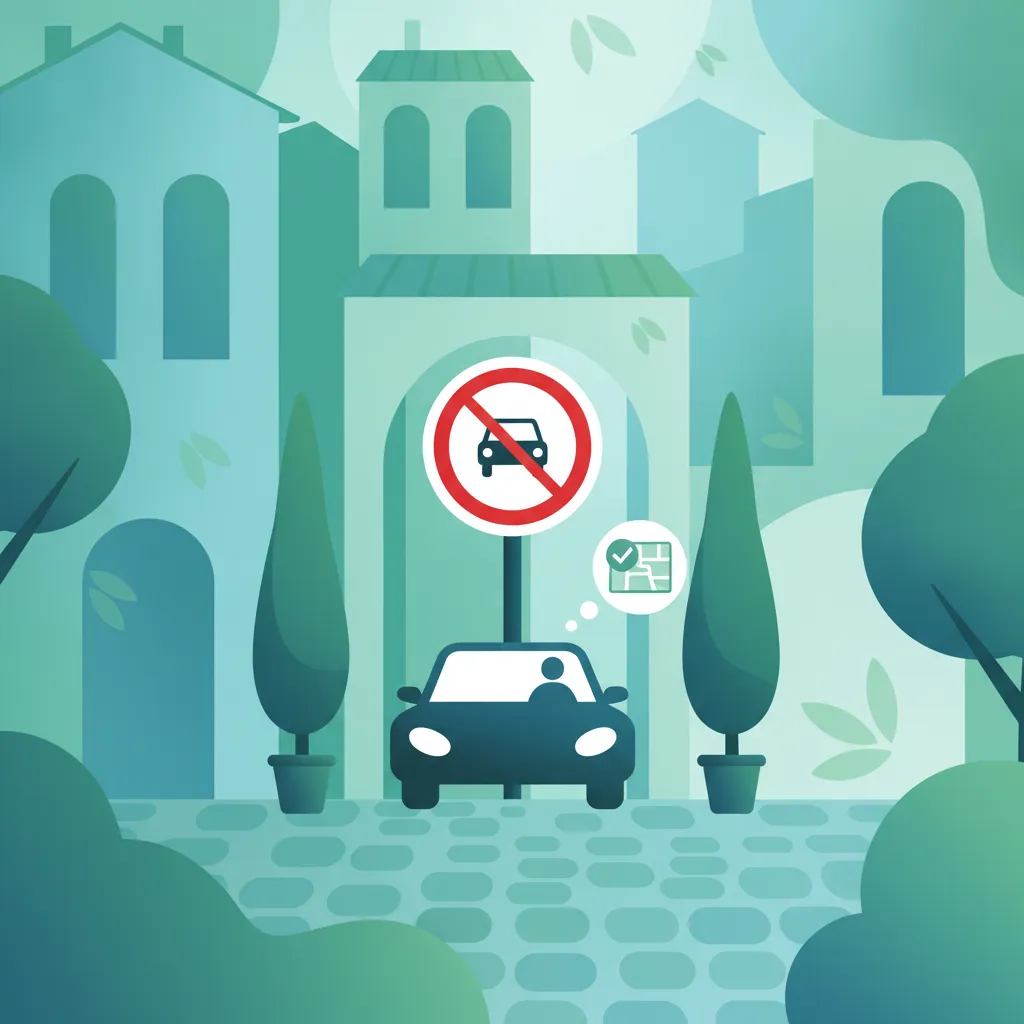
This lesson explains the concept of 'Zone a Traffico Limitato' (ZTL), common in Italian city centers, which restricts vehicle access at certain times. It covers how to identify ZTL boundaries, understand the operating hours, and the procedures for obtaining permits for commercial deliveries. The lesson also touches on environmental zones that may restrict access based on a vehicle's emission standards.

This lesson bridges the gap between general traffic laws and their specific application to heavy goods vehicles. It examines how rules regarding speed limits, lane discipline, overtaking, and priority are modified or have special considerations for trucks due to their size, weight, and reduced maneuverability. Drivers will learn to correctly interpret road signs and signals within the context of operating a large vehicle, ensuring safe and compliant integration with other traffic.
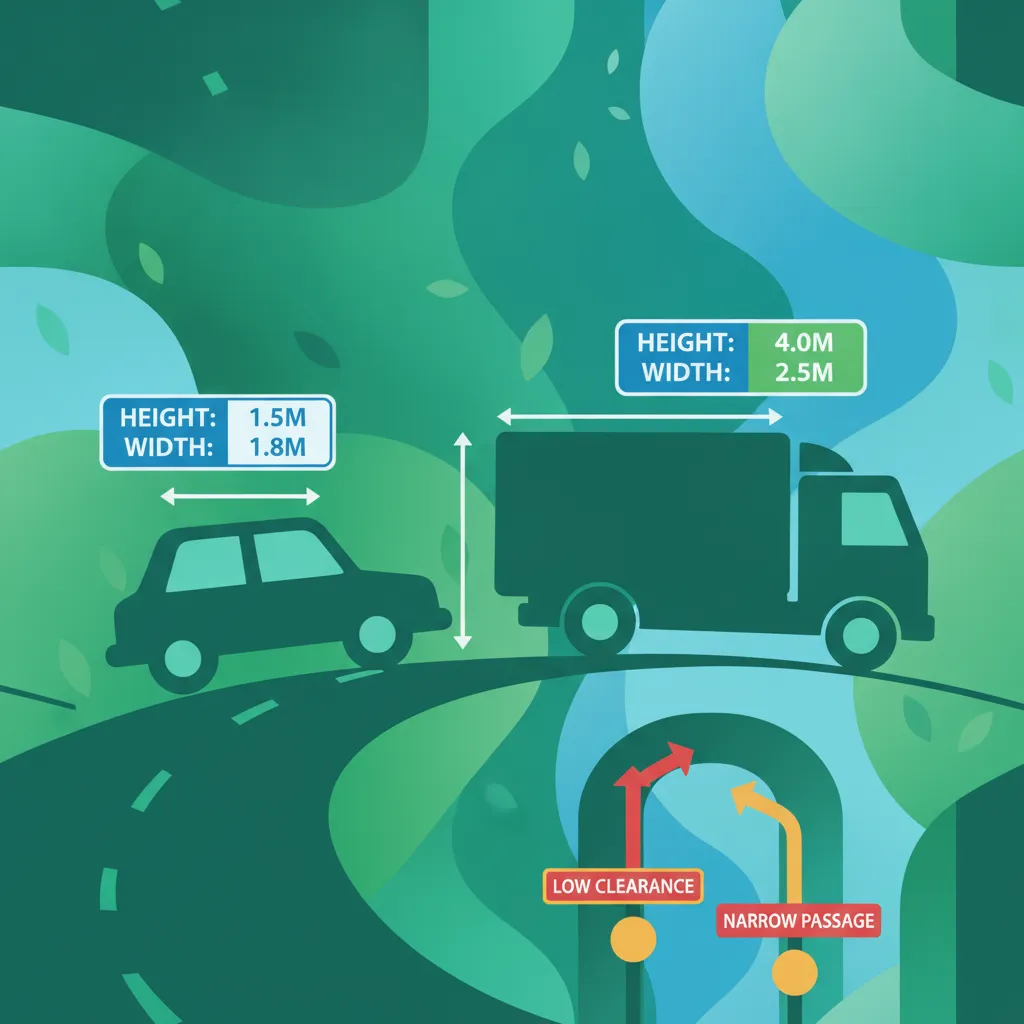
This lesson focuses on the specific dimensional limits that heavy goods vehicles must adhere to on Italian roads, as stipulated by the Codice della Strada. It covers the maximum permissible length, width, and height, explaining how these restrictions impact navigation through tunnels, under bridges, and within urban environments. Learners will also understand the conditions under which special permits for exceptional or oversized transport are required.

This lesson focuses on the importance of meticulous pre-journey planning for urban deliveries. It teaches drivers how to use maps and digital tools to plan routes that avoid physical restrictions (low bridges, narrow streets), legal restrictions (ZTLs, weight limits), and temporary disruptions. Effective route planning saves time, reduces stress, and ensures that all deliveries can be made legally and safely.

This lesson focuses on the specific regulations and techniques for operating a heavy vehicle on high-speed motorways. It covers mandatory lane discipline for trucks, the rules governing overtaking other heavy vehicles, and the specific speed limits that apply. Best practices for merging onto and exiting the motorway, maintaining safe following distances, and using the hard shoulder only in genuine emergencies are also detailed.
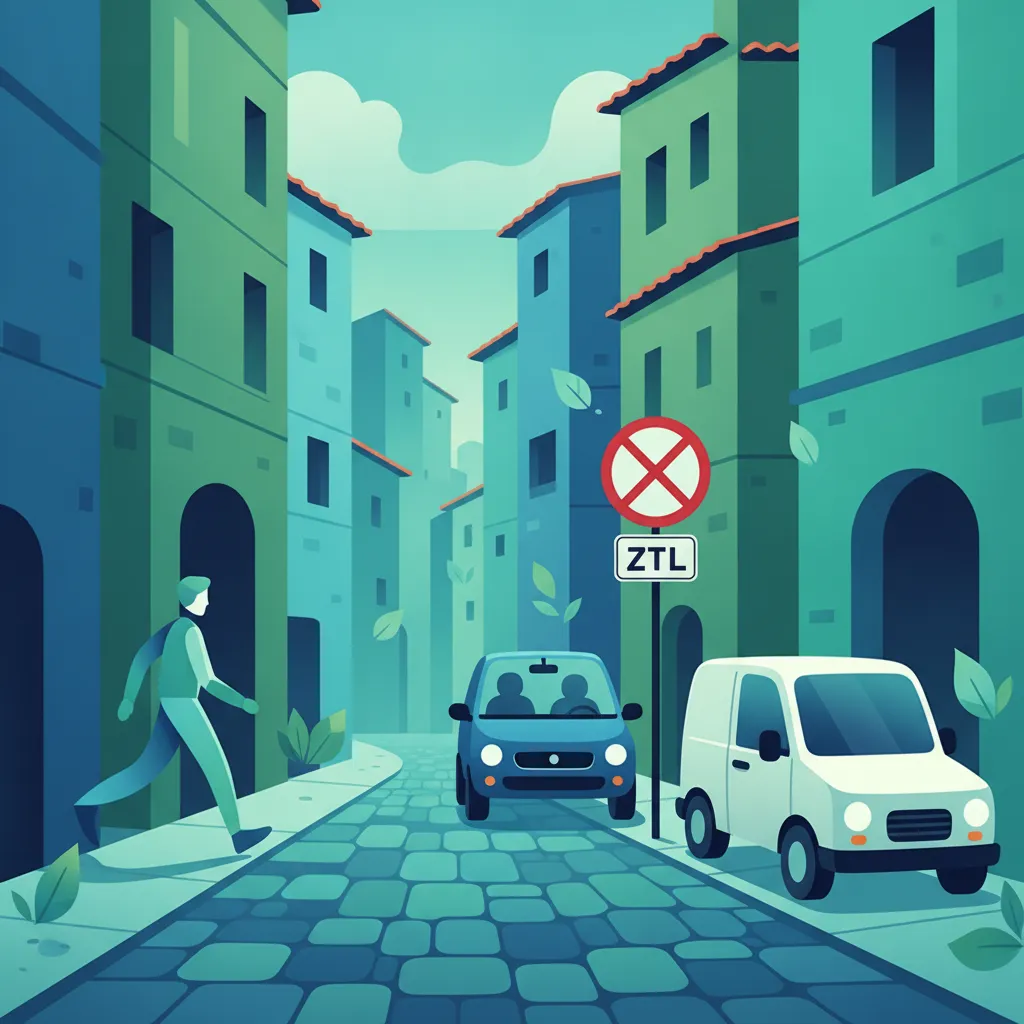
This lesson explains the rules for special urban traffic situations common in Italy. It provides a detailed explanation of Limited Traffic Zones (ZTL), including how to recognize the signage and understand the access restrictions to avoid fines. The content also offers guidance on navigating the narrow and complex streets of historic centers and safely maneuvering around frequently stopping delivery vehicles.

This lesson delves into the specific articles of the Italian Codice della Strada that apply to heavy goods vehicles. It outlines the core legal and professional obligations of a driver, including the heightened duty of care owed to other road users and the responsibility for the vehicle's roadworthiness and load. Learners will understand the legal consequences of non-compliance, such as fines and sanctions, reinforcing the importance of adhering to all traffic regulations.
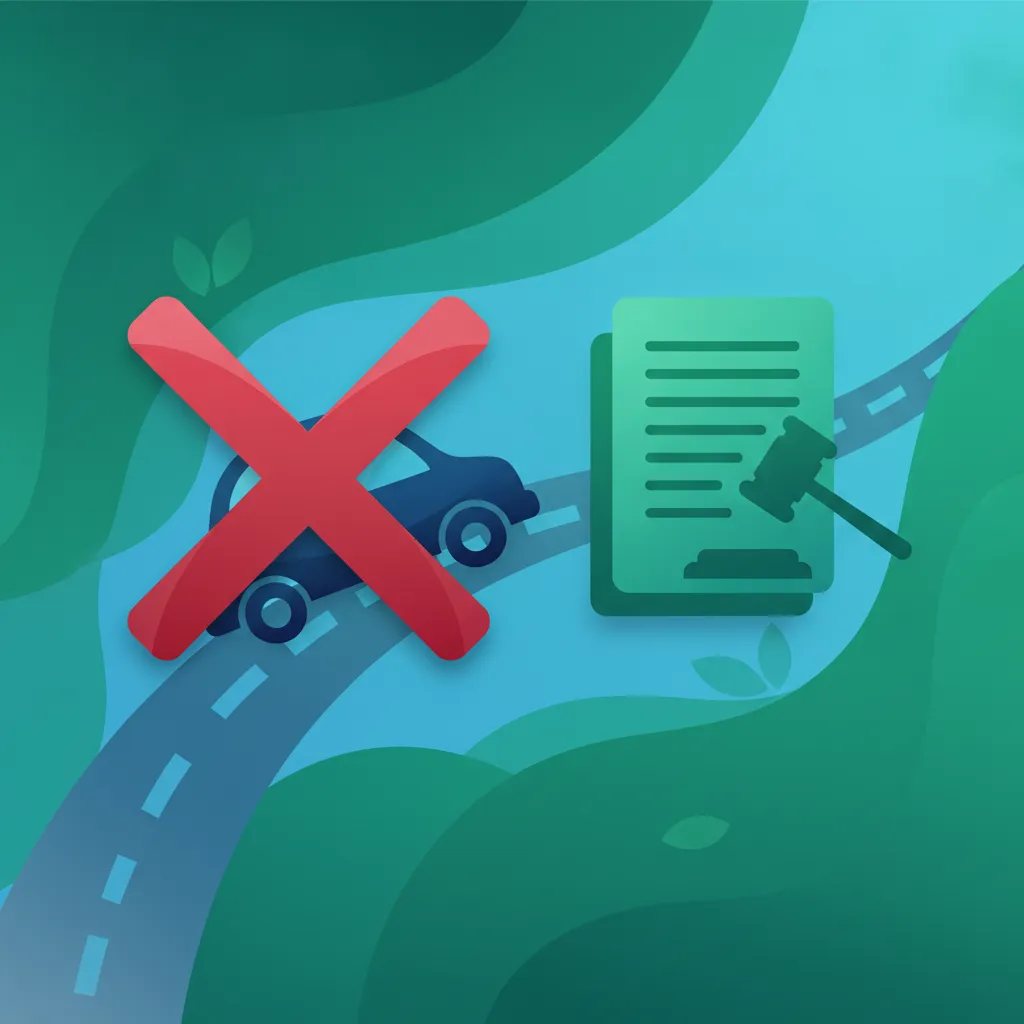
This lesson provides a clear overview of the legal consequences for failing to comply with road transport regulations in Italy. It covers the system of fines for common offenses like speeding, overloading, and violations of driving hours. The lesson also explains the penalty point system that can lead to license suspension and touches upon the responsibilities and potential liability of the transport company.
Learn essential protocols for heavy goods vehicle drivers to minimize traffic obstruction during parking, loading, and unloading operations, focusing on hazard warning lights, secure braking, and maintaining clear pathways for other road users.
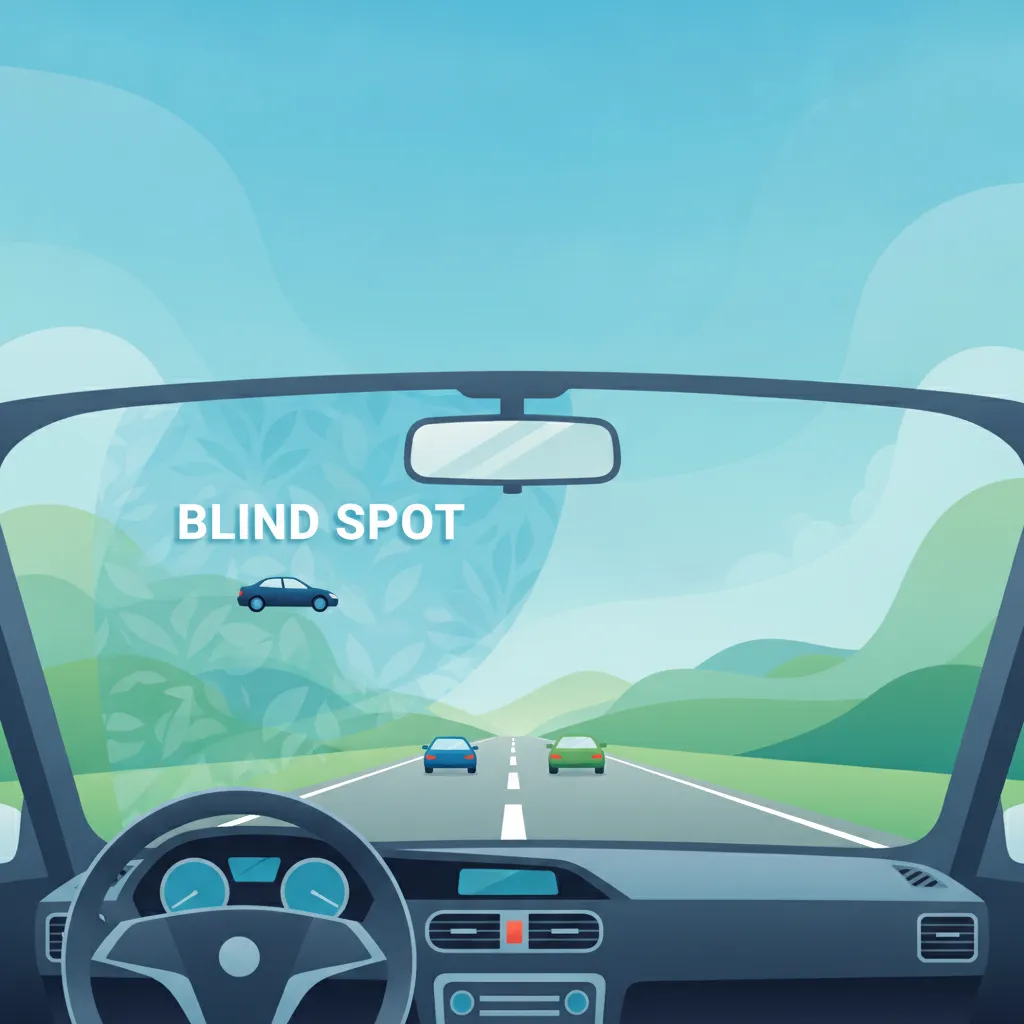
This lesson highlights the large blind spots—or 'no-zones'—that exist to the front, back, and sides of a heavy vehicle, where smaller vehicles, cyclists, and pedestrians can disappear from view. It teaches proactive scanning techniques, the importance of anticipating hazards, and how to use mirrors and direct vision effectively to manage these high-risk areas. Awareness and mitigation of blind spots are crucial for preventing collisions, especially in urban traffic.
Find clear answers to common questions learners have about Parking, Loading, and Unloading Protocols. Learn how the lesson is structured, which driving theory objectives it supports, and how it fits into the overall learning path of units and curriculum progression in Italy. These explanations help you understand key concepts, lesson flow, and exam focused study goals.
No, you must only use designated areas specifically intended for the size and type of your vehicle, ensuring you do not block access for smaller vehicles or emergency services.
Hazard lights are essential for signaling your presence to other road users, especially in dense urban environments where your vehicle might obstruct visibility or traffic flow.
Larger vehicles have wider turning radii and require specific clearances; you must account for these dimensions to avoid violating local ordinances or creating hazards for pedestrians.
Access to ZTL areas requires specific authorization; even with authorization, you must follow strict loading/unloading time windows and parking protocols mandated by local authorities.
Start searching now to pinpoint exactly which Italian driving theory topics, road signs, or traffic rules you need to master. Use our advanced filters to build a custom practice session and ensure you're fully prepared for every aspect of your official driving licence exam.