
This lesson explores the complexities of navigating Zone a Traffico Limitato (ZTL) and environmental restricted areas in Italy for heavy goods vehicle drivers. By mastering these rules, you will be better prepared to plan urban delivery routes efficiently while remaining compliant with local regulations and environmental standards.
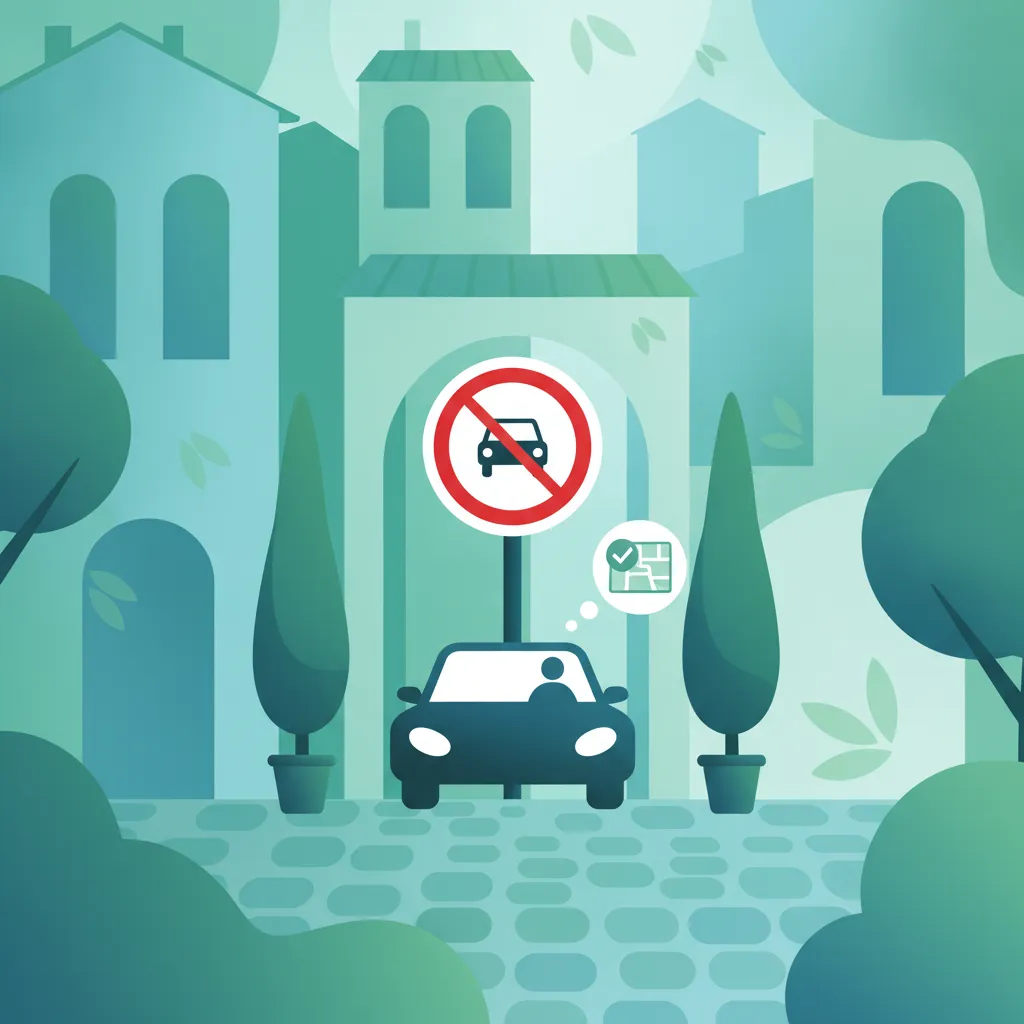
Lesson content overview
Navigating Italy's urban landscapes as a professional goods vehicle driver requires a deep understanding of its unique traffic regulations, particularly the Zona a Traffico Limitato (ZTL), or Limited Traffic Zones. These zones are crucial for managing urban congestion, preserving historic centers, and improving air quality. For drivers holding an Italian Goods Vehicle License (C, C1, C1E, CE), complying with ZTL rules, access limits, and environmental restrictions is not just a legal requirement but also a fundamental aspect of efficient and responsible delivery operations.
This lesson will provide an in-depth guide to ZTLs, explaining their various forms, the permit systems in place, and the critical role of vehicle emission standards. Mastery of these concepts is essential to avoid penalties, ensure timely deliveries, and contribute to safer, cleaner Italian cities.
The Zona a Traffico Limitato (ZTL) is a specifically designated urban area where vehicle access and circulation are restricted or entirely prohibited at certain times, for specific vehicle types, or based on environmental criteria. ZTLs are a common feature across Italian cities, particularly in historic centers and densely populated urban areas, aiming to reduce traffic volume, lower pollutant emissions, and protect cultural heritage sites.
The primary objectives of establishing ZTLs include:
Understanding the specific rules of each ZTL is paramount for professional drivers, as regulations can vary significantly from one municipality to another, and even within different zones of the same city.
ZTLs are not all identical; they operate under different levels of restriction:
Professional drivers operating heavy goods vehicles (Category C, C1, C1E, CE) must be particularly aware of the multifaceted access limits imposed within ZTLs. These restrictions are designed to balance urban logistics needs with the environmental and safety objectives of the zones.
One of the most common forms of ZTL regulation involves time-based restrictions. This means that entry to a ZTL is permitted only during specific hours and on certain days of the week. For goods vehicles, these windows are typically outside of peak traffic times to minimize disruption and congestion.
Drivers must meticulously check the operating schedules posted on ZTL signs. These schedules can differ between weekdays, weekends, and public holidays. Ignoring these schedules, even for a few minutes, can result in automated fines.
For example, a commercial delivery truck might be allowed to enter a ZTL only between 06:00 and 10:00 in the morning, and again from 20:00 to 22:00 in the evening on weekdays, with different hours or full prohibition on weekends. Planning routes and delivery schedules around these specific windows is crucial for compliance.
ZTLs often differentiate between various vehicle categories. While passenger cars might face complete bans, goods vehicles may have specific allowances, especially for local deliveries. However, these allowances are usually tied to the vehicle's classification (e.g., C1 for light goods vehicles, C for heavier ones).
Professional drivers must:
The goal is to prioritize essential services and commercial activities while minimizing the impact of larger, potentially more disruptive vehicles in sensitive urban areas.
A growing number of ZTLs, particularly in larger cities and areas with air quality issues, enforce environmental restrictions based on a vehicle's Euro emission standard. The Euro standards (Euro 0 to Euro 6) classify vehicles by their permissible emission levels, with higher Euro numbers indicating cleaner vehicles.
A European classification system (Euro 0-6) that defines the maximum permissible emission levels for vehicles. Higher Euro numbers (e.g., Euro 6) denote lower emissions.
Drivers must know their vehicle’s precise Euro emission class and verify it against the environmental ZTL's current requirements. This information is usually found in the vehicle's registration documents.
Recognizing ZTL boundaries and understanding their operating conditions is critical for professional drivers. Italy employs a combination of physical signage and advanced technological enforcement to manage these zones.
ZTLs are clearly marked with distinctive road signs at all entry points. Drivers must always be vigilant for these signs and interpret them correctly before entering a restricted area.
Always read the entire ZTL sign carefully, including any supplementary panels. Misinterpreting or missing a sign can lead to automatic fines. In conditions of poor visibility (fog, heavy rain), reduce speed and be extra vigilant.
The vast majority of ZTLs are enforced through sophisticated Automatic Number-Plate Recognition (ANPR) camera systems. These cameras are strategically placed at all ZTL entry points and automatically record the license plates of every vehicle entering the zone.
A technology that automatically captures vehicle license plates using cameras. It is widely used in ZTLs to identify and fine unauthorized vehicles.
For professional drivers and logistics companies, ZTL permits are often essential for maintaining delivery schedules and serving businesses located within restricted areas. The permit system ensures that vital commercial activities can continue while general traffic restrictions are upheld.
Permits grant authorized vehicles the right to enter a ZTL under specific conditions, which vary depending on the permit type and the ZTL's regulations.
The process for obtaining a ZTL permit typically involves applying to the local municipal police (Polizia Locale) or the relevant city transport authority.
Identify the ZTL: Determine which specific ZTL you need to access, as rules and application procedures vary by municipality.
Gather Documentation: Collect necessary vehicle documents (registration, emission class certificate), company details, and driver identification.
Complete Application Form: Fill out the specific application form provided by the local authority, online or in person. Specify the type of permit (temporary/permanent) and the required access times.
Pay Fees: Permit applications usually incur administrative fees, which vary depending on the duration and type of access.
Receive and Display Permit: Once approved, the permit (physical or digital confirmation) must be visibly displayed on the vehicle's windshield. For digital permits, ensure your vehicle is registered correctly with the ANPR system.
Adhere to Conditions: Always comply with the permit's validity period, designated zones, and any other specified conditions.
Even with a valid permit, failure to display it correctly on the windshield can result in a fine. Ensure the permit is clearly visible to enforcement officers and ANPR cameras. Using a permit for a different vehicle or outside its valid zone/time is also a serious violation.
Professional drivers, due to the nature of their work, are at a higher risk of ZTL violations if not adequately prepared. Understanding common pitfalls can help prevent costly mistakes.
Operating heavy goods vehicles in ZTLs introduces additional complexities beyond just access.
Within ZTLs, specific loading and unloading zones are often designated to manage commercial operations. These zones may have their own restricted hours, distinct from the general ZTL access hours.
ZTLs are often designed to increase safety for vulnerable road users (VRU) such as pedestrians, cyclists, and motorcyclists. Due to reduced traffic and slower speeds, these zones see higher concentrations of VRUs.
ZTLs are more than just a bureaucratic hurdle; they are a fundamental component of modern urban planning with clear safety and environmental benefits.
Mastering the intricacies of ZTL Zones, Access Limits, and Environmental Restrictions is a non-negotiable skill for professional goods vehicle drivers in Italy. Here’s a recap of the key takeaways:
By internalizing these principles, professional drivers can navigate Italian cities safely, efficiently, and in full compliance with the Codice della Strada, contributing to a more sustainable urban environment.
ZTL (Zona a Traffico Limitato) zones are restricted urban areas in Italy where goods vehicle drivers must carefully manage access based on time schedules, vehicle classification, and emission standards. Full ZTLs impose strict bans on most vehicles, while partial ZTLs allow commercial access during specific windows, and environmental ZTLs restrict older high-emission vehicles. ANPR cameras enforce these zones automatically by capturing license plates and cross-referencing permits, making any unauthorized entry—even momentary—result in a fine. Professional drivers must obtain the correct permit type (temporary, permanent, or special), display it properly, and verify their vehicle's Euro classification against zone requirements before planning urban delivery routes.
A short set of high-value points that capture the most important learning from this lesson.
ZTLs are restricted urban areas where access is controlled by time, vehicle type, and/or Euro emission standards to manage congestion and protect air quality.
Environmental ZTLs restrict access based on a vehicle's Euro classification, with Euro 5-6 vehicles generally granted more access than older Euro 0-2 vehicles.
ANPR cameras automatically record license plates at ZTL entry points, issuing fines to any unregistered or unauthorized vehicle regardless of duration inside the zone.
ZTL permits for commercial deliveries must be specific to the zone, vehicle, time window, and must be visibly displayed on the windshield.
Professional drivers must know their exact vehicle category (C, C1, C1E, CE) and Euro emission class before entering any restricted urban area.
Explore all units and lessons included in this driving theory course.
ZTL operating hours vary by weekday, weekend, and public holiday—always verify the current schedule on signage or electronic panels.
Full ZTLs allow only authorized vehicles at all times; partial ZTLs permit certain vehicles during specific windows; environmental ZTLs base access on Euro standards.
A valid permit displayed incorrectly or for the wrong vehicle/zone still results in a fine under ANPR enforcement.
Environmental ZTL restrictions are becoming more common in major Italian cities and are based on Euro 0 through Euro 6 classification.
Loading and unloading zones within ZTLs often have separate time restrictions independent of general ZTL access hours.
Entering a ZTL during prohibited hours after misreading the operating schedule on the sign or electronic panel.
Assuming a permit valid on weekdays automatically applies on weekends or public holidays without checking.
Entering an environmental ZTL with a vehicle that does not meet the required minimum Euro emission standard.
Failing to display a permit correctly on the windshield, even though the permit is valid and registered.
Relying solely on GPS navigation without verifying current ZTL rules on municipal authority websites, as restrictions can change.
Lesson content overview
A short set of high-value points that capture the most important learning from this lesson.
ZTLs are restricted urban areas where access is controlled by time, vehicle type, and/or Euro emission standards to manage congestion and protect air quality.
Environmental ZTLs restrict access based on a vehicle's Euro classification, with Euro 5-6 vehicles generally granted more access than older Euro 0-2 vehicles.
ANPR cameras automatically record license plates at ZTL entry points, issuing fines to any unregistered or unauthorized vehicle regardless of duration inside the zone.
ZTL permits for commercial deliveries must be specific to the zone, vehicle, time window, and must be visibly displayed on the windshield.
Professional drivers must know their exact vehicle category (C, C1, C1E, CE) and Euro emission class before entering any restricted urban area.
Explore all units and lessons included in this driving theory course.
ZTL operating hours vary by weekday, weekend, and public holiday—always verify the current schedule on signage or electronic panels.
Full ZTLs allow only authorized vehicles at all times; partial ZTLs permit certain vehicles during specific windows; environmental ZTLs base access on Euro standards.
A valid permit displayed incorrectly or for the wrong vehicle/zone still results in a fine under ANPR enforcement.
Environmental ZTL restrictions are becoming more common in major Italian cities and are based on Euro 0 through Euro 6 classification.
Loading and unloading zones within ZTLs often have separate time restrictions independent of general ZTL access hours.
Entering a ZTL during prohibited hours after misreading the operating schedule on the sign or electronic panel.
Assuming a permit valid on weekdays automatically applies on weekends or public holidays without checking.
Entering an environmental ZTL with a vehicle that does not meet the required minimum Euro emission standard.
Failing to display a permit correctly on the windshield, even though the permit is valid and registered.
Relying solely on GPS navigation without verifying current ZTL rules on municipal authority websites, as restrictions can change.
Explore search topics learners often look for when studying ZTL Zones, Access Limits, and Environmental Restrictions. These topics reflect common questions about road rules, driving situations, safety guidance, and lesson level theory preparation for learners in Italy.
Browse additional driving theory lessons that cover connected traffic rules, road signs, and common driving situations related to this topic. Improve your understanding of how different rules interact across everyday traffic scenarios.
Understand Italy's Zona a Traffico Limitato (ZTL) rules, including access times, permits, and environmental restrictions based on Euro emission standards. Essential knowledge for professional drivers navigating Italian cities.
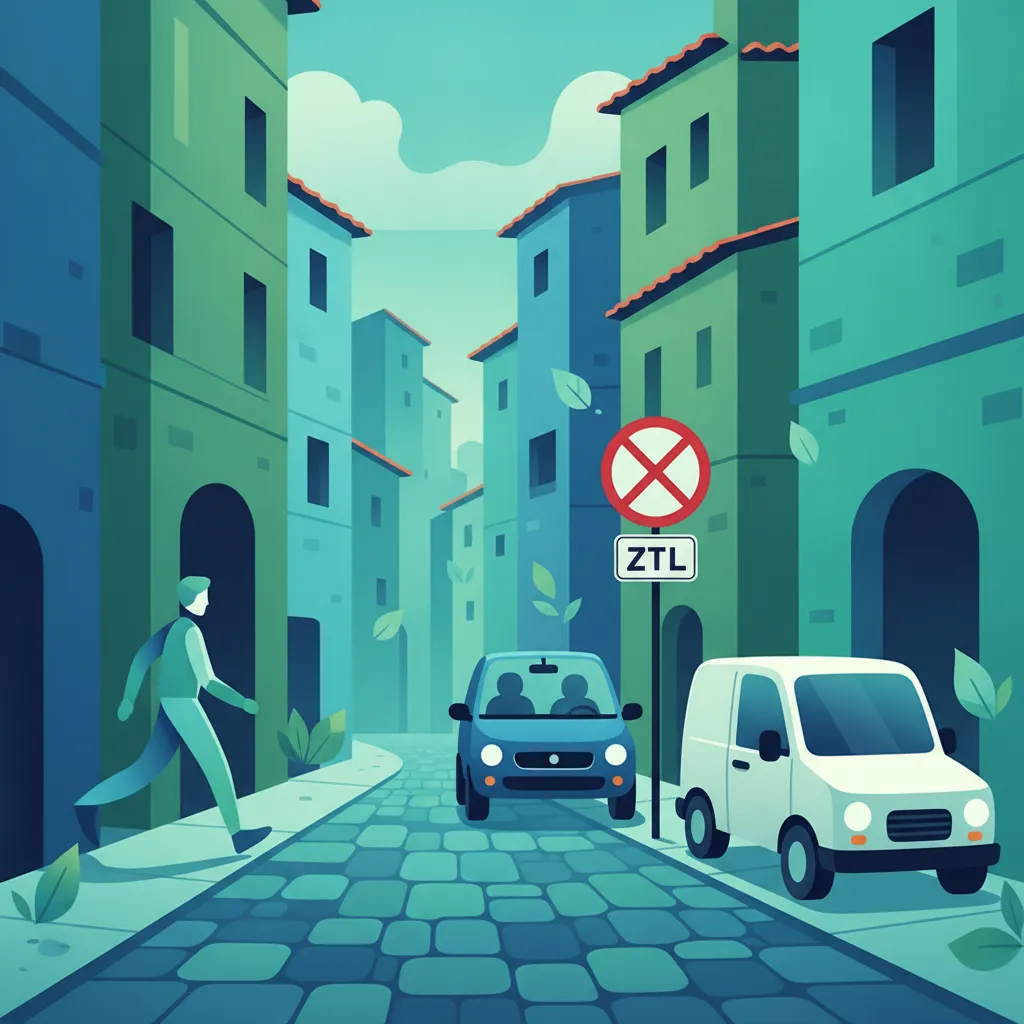
This lesson explains the rules for special urban traffic situations common in Italy. It provides a detailed explanation of Limited Traffic Zones (ZTL), including how to recognize the signage and understand the access restrictions to avoid fines. The content also offers guidance on navigating the narrow and complex streets of historic centers and safely maneuvering around frequently stopping delivery vehicles.
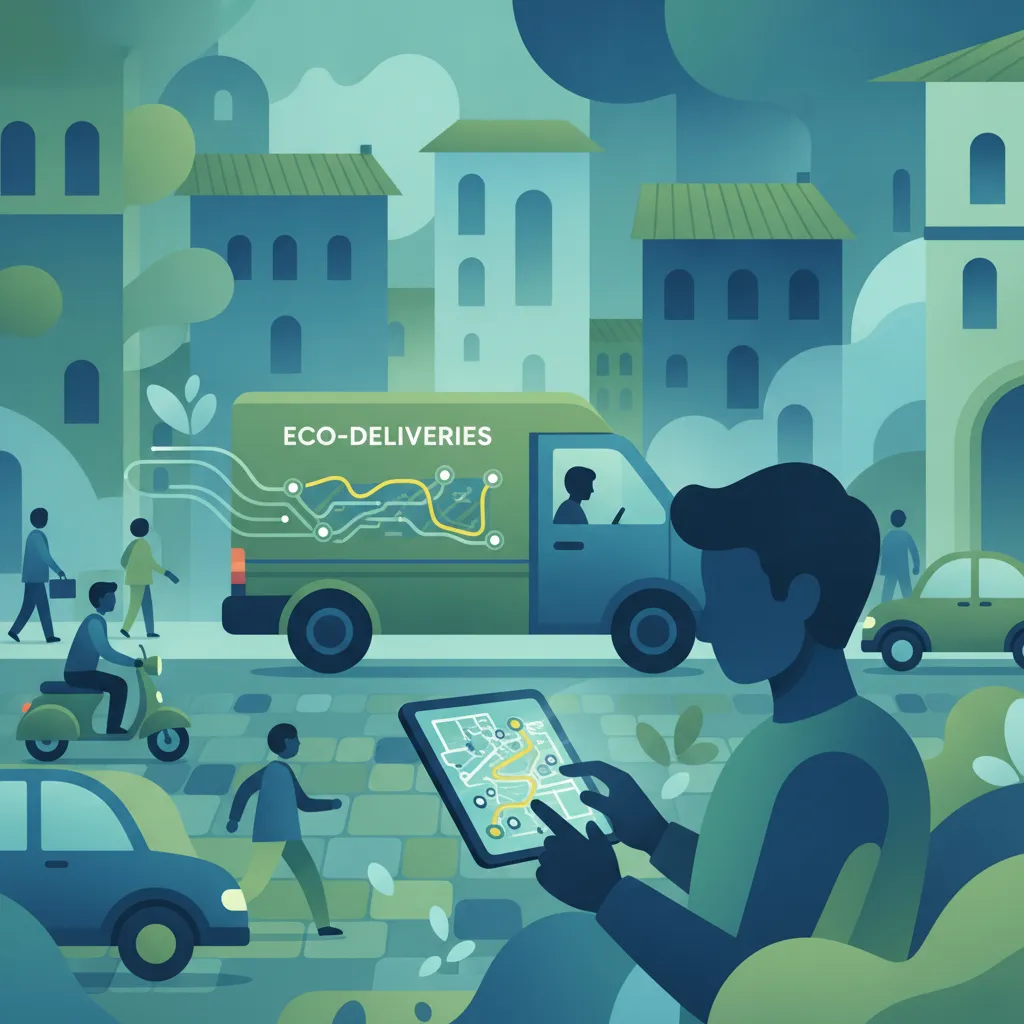
This lesson focuses on the importance of meticulous pre-journey planning for urban deliveries. It teaches drivers how to use maps and digital tools to plan routes that avoid physical restrictions (low bridges, narrow streets), legal restrictions (ZTLs, weight limits), and temporary disruptions. Effective route planning saves time, reduces stress, and ensures that all deliveries can be made legally and safely.
This lesson focuses on the principle of 'appropriate speed' in urban environments, which often means driving slower than the legal maximum. It explains how to assess the environment for potential hazards—such as schools, parked cars, and busy intersections—and adjust speed accordingly to allow for adequate reaction time. Maintaining a safe, consistent speed reduces the need for harsh braking and contributes to a safer environment for everyone.
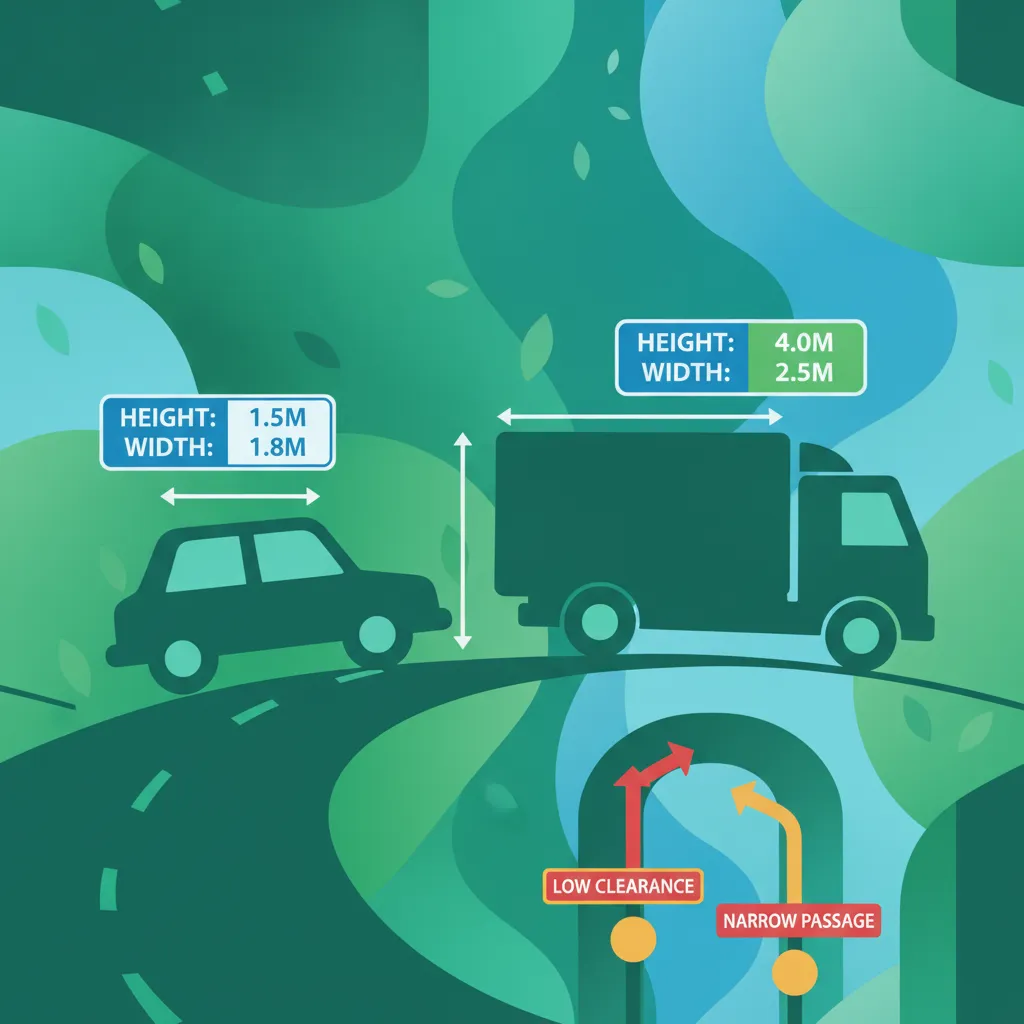
This lesson focuses on the specific dimensional limits that heavy goods vehicles must adhere to on Italian roads, as stipulated by the Codice della Strada. It covers the maximum permissible length, width, and height, explaining how these restrictions impact navigation through tunnels, under bridges, and within urban environments. Learners will also understand the conditions under which special permits for exceptional or oversized transport are required.
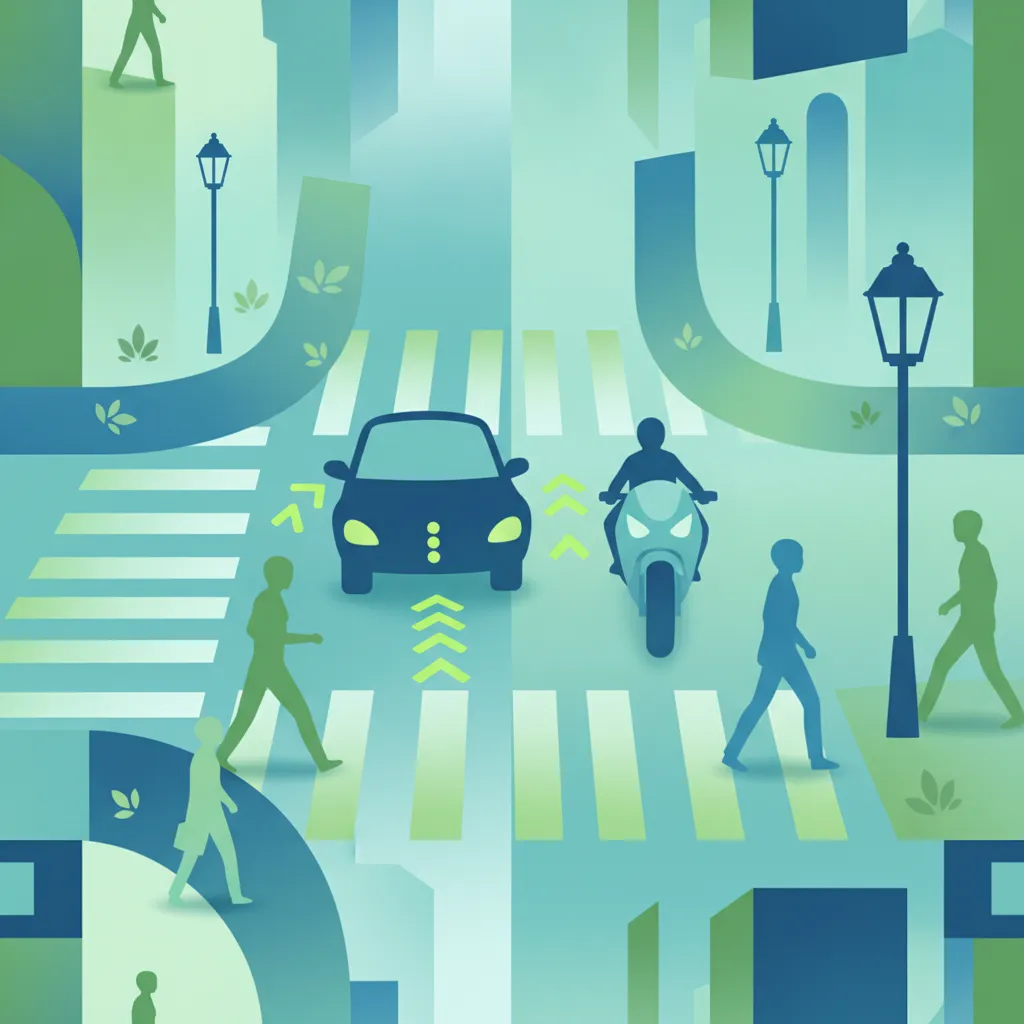
This lesson bridges the gap between general traffic laws and their specific application to heavy goods vehicles. It examines how rules regarding speed limits, lane discipline, overtaking, and priority are modified or have special considerations for trucks due to their size, weight, and reduced maneuverability. Drivers will learn to correctly interpret road signs and signals within the context of operating a large vehicle, ensuring safe and compliant integration with other traffic.

This lesson focuses on the specific regulations and techniques for operating a heavy vehicle on high-speed motorways. It covers mandatory lane discipline for trucks, the rules governing overtaking other heavy vehicles, and the specific speed limits that apply. Best practices for merging onto and exiting the motorway, maintaining safe following distances, and using the hard shoulder only in genuine emergencies are also detailed.

This lesson covers the specific environment of logistics hubs and distribution centers. It explains common site layouts, traffic flow systems, and the safety protocols drivers must follow when on private property. Key skills addressed include safely maneuvering in busy yards, reversing accurately into loading bays, and communicating effectively with warehouse staff to ensure a safe and efficient loading or unloading process.
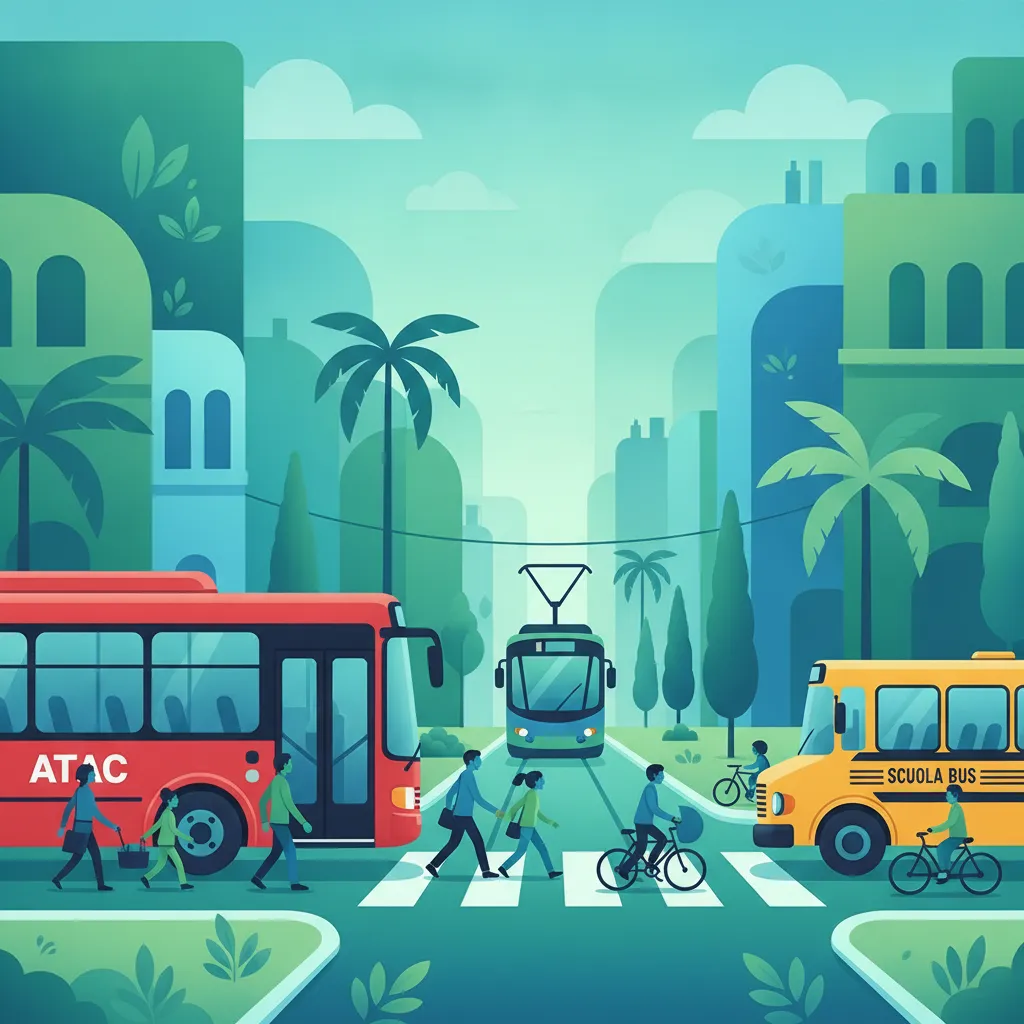
This lesson details the correct procedures for interacting with public transport and school buses. It explains the rules for dedicated bus lanes, the absolute priority of trams, and the legal requirement to yield to buses pulling out from a stop. The content also covers the specific laws requiring drivers to stop when a school bus is loading or unloading passengers, to ensure child safety.
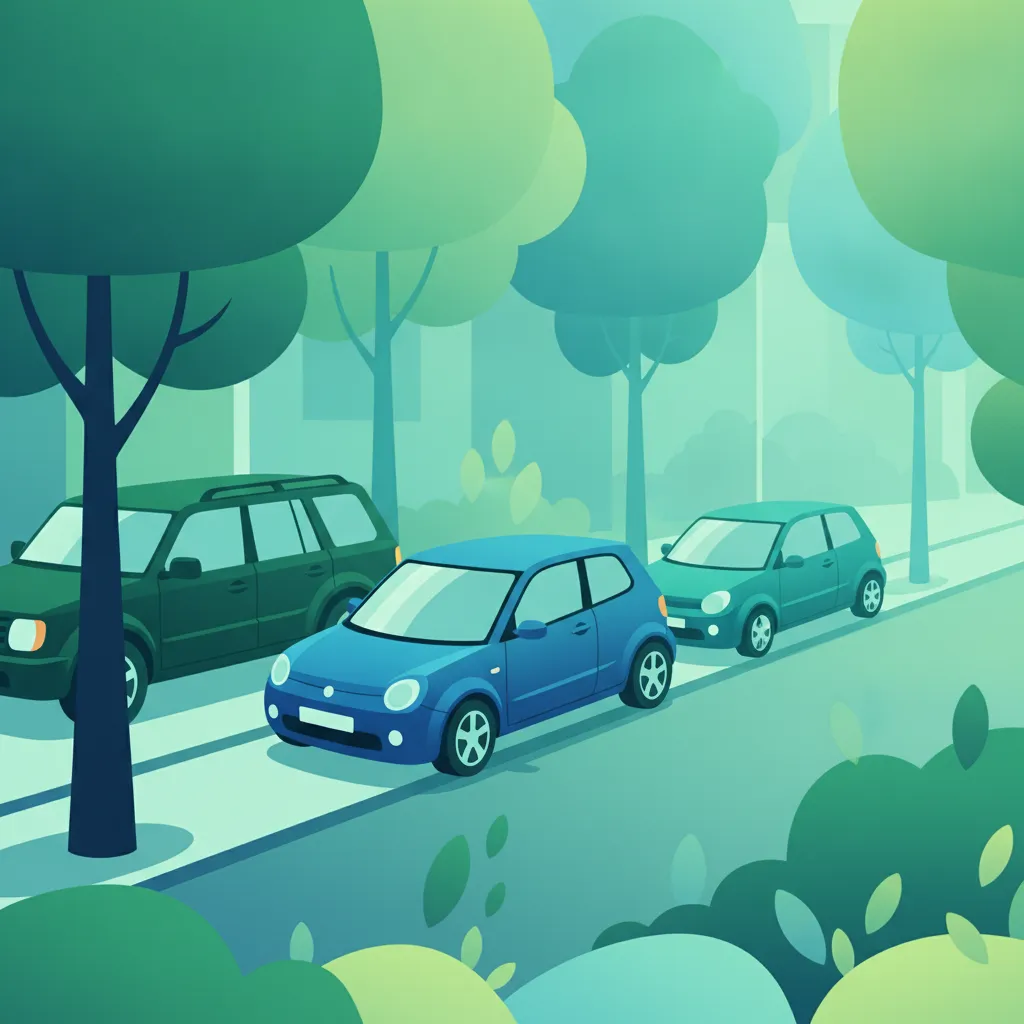
This lesson provides a practical guide to parking regulations in Italian urban areas. It explains the meaning of different colored parking lines (blue for paid, white for free, yellow for reserved), the use of the parking disc (disco orario) for time-limited zones, and how to operate pay-and-display machines. The content also covers how to identify no-parking zones to avoid fines and towing.
This lesson explains the principles of maintaining proper lane discipline and strategic positioning in an urban context. It covers how to adapt your position within the lane to enhance visibility, avoid road surface hazards, and prepare for turns or lane changes. The content also provides awareness of specific urban features like restricted traffic zones (ZTL) and how to navigate them legally and safely.
Learn about managing urban deliveries within restricted zones like ZTLs, focusing on safe interactions with pedestrians, cyclists, and motorcyclists. Essential theory for professional drivers in Italian cities.
This lesson explains the rules for special urban traffic situations common in Italy. It provides a detailed explanation of Limited Traffic Zones (ZTL), including how to recognize the signage and understand the access restrictions to avoid fines. The content also offers guidance on navigating the narrow and complex streets of historic centers and safely maneuvering around frequently stopping delivery vehicles.
This lesson focuses on the importance of meticulous pre-journey planning for urban deliveries. It teaches drivers how to use maps and digital tools to plan routes that avoid physical restrictions (low bridges, narrow streets), legal restrictions (ZTLs, weight limits), and temporary disruptions. Effective route planning saves time, reduces stress, and ensures that all deliveries can be made legally and safely.
This lesson addresses the critical responsibility of protecting vulnerable road users, such as pedestrians, cyclists, and motorcyclists, who are most at risk in a collision with a heavy vehicle. It teaches drivers to be hyper-aware in urban settings, to anticipate the unpredictable movements of VRUs, and to provide ample space, especially when turning at junctions. A key focus is on scanning for VRUs in blind spots before moving off or making any maneuver.

This lesson provides an in-depth focus on sharing the road with the most vulnerable users. It teaches drivers to be acutely aware of pedestrians at crossings, cyclists filtering through traffic, and motorcyclists who may be in blind spots. The lesson emphasizes the importance of leaving extra space, signaling intentions clearly, and exercising extreme caution at junctions, where the majority of serious incidents occur.
This lesson focuses on the principle of 'appropriate speed' in urban environments, which often means driving slower than the legal maximum. It explains how to assess the environment for potential hazards—such as schools, parked cars, and busy intersections—and adjust speed accordingly to allow for adequate reaction time. Maintaining a safe, consistent speed reduces the need for harsh braking and contributes to a safer environment for everyone.
This lesson covers the specific environment of logistics hubs and distribution centers. It explains common site layouts, traffic flow systems, and the safety protocols drivers must follow when on private property. Key skills addressed include safely maneuvering in busy yards, reversing accurately into loading bays, and communicating effectively with warehouse staff to ensure a safe and efficient loading or unloading process.
This lesson provides critical guidance on how to safely share the road with vulnerable users, including pedestrians, cyclists, motorcyclists, and children. It highlights the importance of increased awareness in specific areas like school zones and crosswalks. The content teaches techniques for maintaining a safe lateral distance when overtaking, checking blind spots thoroughly, and anticipating the often unpredictable movements of these users.
This lesson is dedicated to fostering awareness and safe interaction with vulnerable road users commonly found in cities. It details the legal priority of pedestrians at crossings and the importance of giving ample space to cyclists. Additionally, it covers the specific hazards associated with tram tracks and the need to be vigilant around public transport vehicles like buses and taxis.
This lesson addresses the increased complexity of overtaking in urban environments with dense traffic and frequent intersections. It stresses the importance of thorough observation, including mirror and blind spot checks, to ensure a safe gap is available. The content covers judging speed differentials and the necessity of clear signalling to execute the maneuver without causing conflict with other road users.
This lesson outlines the correct protocols for stopping to make a delivery in a public area. It covers the legal use of designated loading bays, the importance of making the vehicle highly visible with hazard lights, and ensuring that the parking brake is securely applied. The lesson stresses the need to conduct loading and unloading activities efficiently and safely, without causing undue obstruction or danger to other road users and pedestrians.
Find clear answers to common questions learners have about ZTL Zones, Access Limits, and Environmental Restrictions. Learn how the lesson is structured, which driving theory objectives it supports, and how it fits into the overall learning path of units and curriculum progression in Italy. These explanations help you understand key concepts, lesson flow, and exam focused study goals.
No. ZTL zones often have specific operating hours indicated on the sign. Even if you hold a professional license, you must verify if your vehicle meets the specific entry criteria or if you require a commercial permit for delivery activities during the restricted hours.
Many Italian cities implement low-emission zones based on the Euro standard of the vehicle. If your goods vehicle does not meet the minimum required Euro class, you may be prohibited from entering certain urban areas regardless of the time of day.
Entering a ZTL without valid authorization or a permit results in significant administrative fines. For professional drivers, multiple violations can lead to legal penalties and, in some cases, impacts on your professional standing.
While the circular white sign with a red border is universal, the specific supplemental panels indicating time windows, authorized vehicle types, and exemptions can vary significantly by municipality. Always check the specific text underneath the main sign.
Start searching now to pinpoint exactly which Italian driving theory topics, road signs, or traffic rules you need to master. Use our advanced filters to build a custom practice session and ensure you're fully prepared for every aspect of your official driving licence exam.