
This lesson provides a vital overview of the legal framework and professional obligations governing heavy goods vehicle drivers in Italy. You will explore key articles of the Codice della Strada that dictate your responsibilities as a professional, ensuring you are prepared for both the theoretical examination and your future career. Understanding these regulations is essential for maintaining road safety and compliance in the logistics sector.

Lesson content overview
Embarking on a career as a professional heavy goods vehicle (HGV) driver in Italy requires a deep understanding of the specific legal framework and professional obligations that govern this demanding profession. Unlike private drivers, operators of vehicles in categories C, C1, C1E, and CE bear a significantly heightened responsibility due to the size, weight, and potential impact of their vehicles on public roads. This lesson, designed for the Italian Goods Vehicle License Theory Course, delves into the core legal principles derived from the Italian Codice della Strada, equipping you with the knowledge necessary for safe, compliant, and professional operation.
The Italian Codice della Strada (Highway Code) serves as the foundational legal document outlining all rules pertaining to road use, vehicle standards, and driver responsibilities. For professional heavy goods vehicle drivers, the Codice della Strada places a strong emphasis on greater accountability. This is not arbitrary; the sheer kinetic energy associated with heavy vehicles means that even minor incidents can lead to severe consequences. Longer stopping distances, wider turning radii, and the potential for greater damage in collisions necessitate a more rigorous standard of care, diligent vehicle maintenance, and strict adherence to load management protocols.
This lesson builds upon foundational knowledge from earlier stages of your training, such as general traffic rules and basic vehicle mechanics. It specifically integrates with crucial aspects of vehicle operation, including vehicle construction and roadworthiness, load securing and vehicle stability, and braking systems, ensuring a holistic understanding of safe and legal HGV operation.
Professional driving extends beyond simply operating a vehicle; it involves a commitment to several fundamental principles that safeguard both the driver and all other road users.
The Duty of Care, known in Italy as Obbligo di Cura, is a legal and ethical requirement for all drivers to act with diligence, prudence, and attention to prevent harm. For professional drivers of heavy goods vehicles, this duty is significantly heightened. Given the immense potential for damage in the event of a collision, HGV drivers are expected to exercise a higher standard of foresight and caution than ordinary motorists.
This heightened responsibility translates into practical actions such as predictive care, where drivers must constantly anticipate potential hazards, and preventive care, involving thorough pre-trip checks and regular maintenance. You must adapt your speed, maintain generous safe following distances, and adjust your driving behaviour based on the vehicle's load, the specific road conditions, and environmental factors. Articles 82, 88, and 97 of the Codice della Strada are particularly relevant here, underscoring the legal expectation for appropriate prudence and operational readiness. A common misunderstanding is that professional experience somehow grants exemption from certain traffic rules; in reality, it demands even stricter adherence.
For example, a driver operating a C-category vehicle carrying a heavy load must meticulously adjust speed and gear selection when approaching a steep downhill section, far more cautiously than a private car driver might. This proactive approach is a cornerstone of professional driving.
Vehicle Roadworthiness, or Condizione di Idoneità alla Circolazione, refers to the state where a vehicle fully complies with all technical and safety requirements stipulated by law for safe operation on public roads. This is paramount for preventing mechanical failures that could endanger other road users.
Roadworthiness is ensured through two primary channels:
Braking System: Verify air pressure, check for leaks, test foot and parking brakes.
Tires: Inspect tread depth, proper inflation, and check for any damage.
Lighting System: Ensure all headlamps, brake lights, indicators, and marker lights are functional and clean.
Steering System: Check for excessive play and ensure smooth operation.
Mirrors: Confirm they are clean, correctly adjusted, and undamaged.
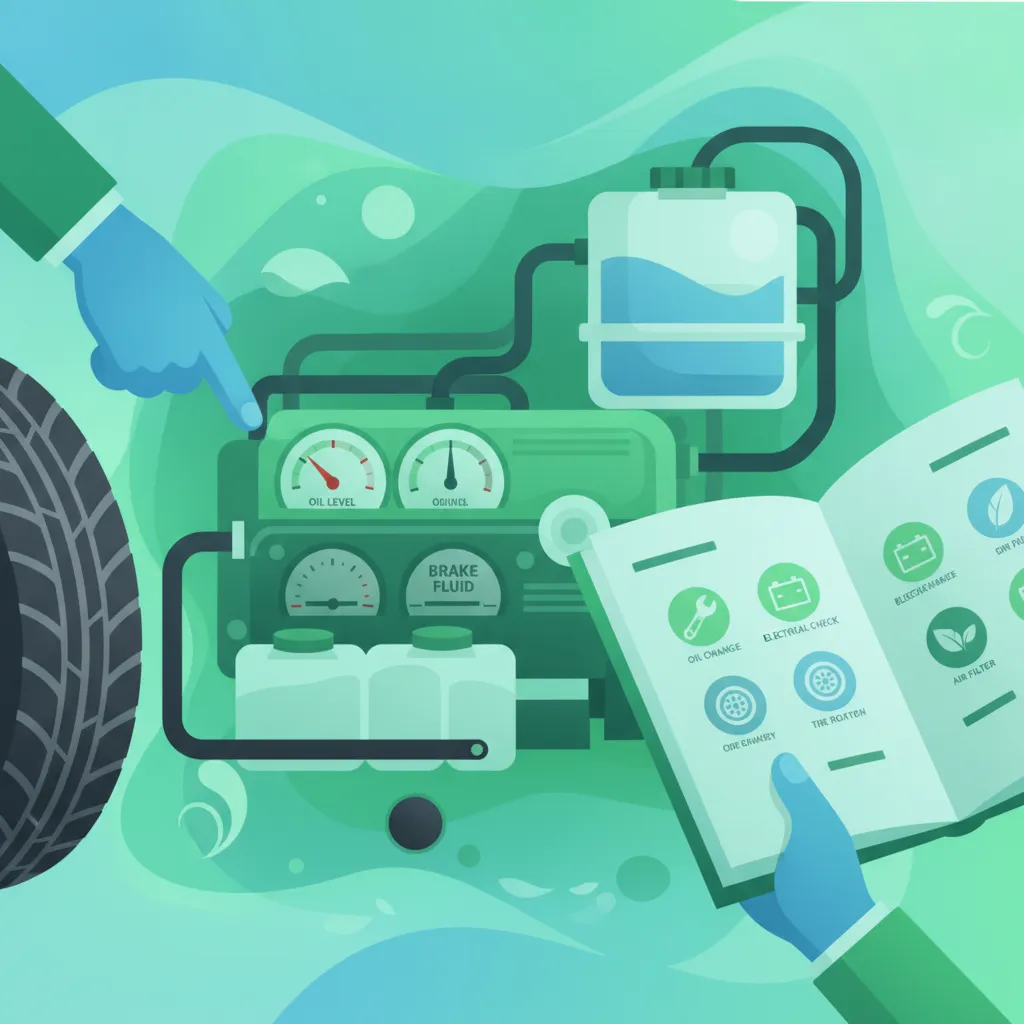
Fluid Levels: Check oil, coolant, brake fluid, and windscreen washer fluid.
Load Securing: Verify that all cargo is correctly secured and distributed.
Trailer Coupling (if applicable): Inspect coupling mechanism for secure attachment and integrity.
Articles 93, 116, and 142 of the Codice della Strada directly address these obligations. It is a critical misconception to assume that a vehicle remains roadworthy indefinitely after passing a technical inspection. Continuous vigilance through pre-trip checks is essential. For instance, a C1E driver must always visually inspect the trailer coupling and electrical connections before departing, irrespective of the last formal inspection date.
The proper management of cargo is a non-negotiable aspect of professional driving. Load Securing Obligations encompass the legal duties to ensure that cargo is correctly loaded, evenly distributed, and securely restrained within the vehicle's permissible limits. This prevents load shifts, which can critically destabilize the vehicle, potentially leading to rollovers or other severe accidents. It also prevents items from falling off the vehicle, endangering others.
Key aspects of load management include:
A common, yet dangerous, misunderstanding is that legal weight limits are flexible for commercial expediency. Overloading or improperly securing a vehicle poses significant risks and carries severe legal penalties. A CE driver, for example, must verify the total mass, ensure it does not exceed the vehicle's MC, and confirm that the load is centered over the axle groups, using appropriate securing methods for every item.
Professional drivers are legally required to carry and present specific documents related to vehicle registration, technical inspection, and transport permits. These Documentation Requirements enable authorities to verify compliance with regulations.
The core documents include:
Always ensure these documents are current and readily accessible. Driving with expired certificates or incomplete documentation can lead to significant fines and even vehicle impoundment.
Articles 116, 124, and 148 of the Codice della Strada mandate the carriage and presentation of these documents upon request by authorities. An example of correct behaviour is a C1E driver presenting a valid Certificato di Revisione and Carta di Circolazione immediately when requested by road patrol during a spot check.
Beyond legal compliance, professional driving demands adherence to a high standard of Professional Conduct and Ethics. This encompasses expected behaviour, including strict observance of all traffic laws, respect for other road users (especially vulnerable ones), and a commitment to continuous professional development.
This principle is underpinned by:
Articles 172 and 173 specifically address the ethical standards and continuous training obligations for professional drivers. It is incorrect to assume that professional drivers, due to their experience, can afford to ignore traffic signs or regulations under pressure. A truly professional driver prioritizes safety, such as slowing down before a pedestrian crossing regardless of traffic flow, demonstrating respect and responsibility.
The Italian Codice della Strada explicitly outlines the obligations for professional drivers. Understanding these articles is fundamental to compliant operation.
Failure to comply with the legal framework can lead to serious consequences, ranging from fines and license points to vehicle impoundment and even criminal liability in the event of an accident.
| Violation | Why It's Wrong | Correct Behavior | Consequence |
|---|---|---|---|
| Overloading the vehicle | Exceeds legal mass limits, severely compromises braking and handling, and increases tire wear. | Always verify load weight against the vehicle's Massa complessiva a pieno carico (MC) before departure. | Fine, possible suspension of vehicle registration, potential impoundment. |
| Improper load securing | Cargo can shift during transit, leading to loss of vehicle control, rollovers, or items falling onto the road. | Utilize appropriate securing devices (e.g., straps, chains, nets) for the load type; ensure even distribution and verify tension regularly. | Fine, potential criminal liability if an accident occurs, vehicle immobilisation. |
| Driving with expired Revisione | Mechanical failures or safety defects may go undetected, increasing accident risk. | Ensure your vehicle's technical inspection certificate is always current and valid. Plan inspections in advance. | Fine, vehicle may be prohibited from circulating, requiring immediate inspection. |
| Neglecting pre-trip checks | Undetected defects (e.g., faulty brakes, deflated tires) can lead to mechanical failure and accidents. | Follow a systematic pre-trip inspection checklist before every journey. | Fine, potential liability in the event of an accident, increased insurance premiums. |
| Driving without required documents | Authorities cannot verify legal compliance, registration, or roadworthiness. | Always carry the Carta di Circolazione, Certificato di Revisione, and Registro di Carico (if applicable). | Fine, vehicle impoundment, administrative sanctions. |
| Ignoring heightened duty of care | Failure to adapt driving to vehicle characteristics (size, weight) and conditions, leading to risky maneuvers. | Adjust speed, following distance, and braking according to load, weather, and road conditions; anticipate hazards. | Fine, points on license, potential license suspension, increased insurance costs. |
| Operating with altered or damaged brakes | Severely compromised stopping ability, high risk of accident. | Any brake issues must be professionally inspected and repaired before the vehicle is used. | Fine, potential criminal liability if an accident occurs, vehicle impoundment. |
Professional drivers must constantly adjust their behaviour based on varying external conditions. This requires dynamic decision-making and a deep understanding of how different factors impact vehicle performance and safety.
Understanding the theory is vital, but applying it in real-world scenarios distinguishes a competent professional driver.
Scenario – Urban Delivery with a Fully Loaded Van (C1E)
Scenario – Highway Overtaking with a Trailer (C1E)
Scenario – Night Driving with a Faulty Headlight (C)
Scenario – Mountain Road with a Heavy Load (CE)
This lesson is a critical cornerstone of your professional driver training, directly linking to several other essential topics within the Italian Goods Vehicle License Theory Course.
Mastery of these legal and professional obligations is not just about passing an exam; it is about cultivating a deep-seated commitment to safety, compliance, and responsible conduct that will define your career as a professional driver.
This lesson covers the legal obligations of Italian HGV drivers under the Codice della Strada, emphasizing the heightened duty of care owed by professional drivers of C, C1, C1E, and CE category vehicles. Key responsibilities include maintaining vehicle roadworthiness through mandatory Revisione inspections and systematic pre-trip checks, ensuring loads never exceed MC limits and are properly distributed and secured, and carrying required documentation (Carta di Circolazione, Certificato di Revisione, Registro di Carico). The content outlines specific articles governing prudent driving, mass limits, load securing, technical inspections, and professional ethics, while detailing common violations such as overloading, improper securing, expired documentation, and neglecting pre-trip checks, along with their respective penalties. Understanding these obligations is essential for both passing the theory exam and cultivating the safety-first professional mindset required in the Italian transport industry.
A short set of high-value points that capture the most important learning from this lesson.
Professional HGV drivers (C, C1, C1E, CE categories) operate under a significantly heightened duty of care (Obbligo di Cura) compared to ordinary motorists due to vehicle size and kinetic energy.
Vehicle roadworthiness (Idoneità alla Circolazione) must be maintained through mandatory periodic Revisione inspections combined with daily pre-trip checks of brakes, tires, lights, steering, and load securing.
Load must never exceed the vehicle's Massa Complessiva a Pieno Carico (MC) and must be correctly distributed and secured using appropriate devices to prevent shifting during transit.
Drivers must carry and present upon request three essential documents: Carta di Circolazione, Certificato di Revisione, and Registro di Carico for commercial freight operations.
Professional conduct extends beyond legal compliance to include safety culture, respect for vulnerable road users, and mandatory periodic training under Articles 172 and 173.
Explore all units and lessons included in this driving theory course.
Article 82 mandates heightened prudence for all vehicle maneuvers; Articles 88, 106, and 107 govern mass limits, load plate adherence, and centre of gravity restrictions.
Pre-trip checks must verify braking system (air pressure and leaks), tire condition, lighting, steering play, mirror adjustment, fluid levels, and trailer coupling integrity.
Loaded HGVs require substantially longer stopping distances and different handling characteristics than empty vehicles; drivers must adjust speed, gear selection, and following distance accordingly.
Overloading or improper load securing can cause vehicle instability, rollovers, and items falling onto the road, carrying severe penalties and criminal liability.
Driving with expired documentation, faulty brakes, or after neglecting pre-trip checks are serious violations that can result in fines, vehicle impoundment, and liability if accidents occur.
Assuming a vehicle remains roadworthy indefinitely after passing Revisione, neglecting the critical need for daily pre-trip inspections.
Underestimating increased braking distances when loaded or in adverse weather conditions, leading to tailgating and unsafe following gaps.
Believing professional experience allows flexibility with traffic rules or weight limits for commercial expediency; limits are legally non-negotiable.
Failing to verify trailer coupling security and electrical connections before departure with articulated vehicles, risking trailer detachment.
Not adjusting driving behaviour for different road types (mountain descents, urban environments) and vehicle states (fully loaded vs empty).
Lesson content overview
A short set of high-value points that capture the most important learning from this lesson.
Professional HGV drivers (C, C1, C1E, CE categories) operate under a significantly heightened duty of care (Obbligo di Cura) compared to ordinary motorists due to vehicle size and kinetic energy.
Vehicle roadworthiness (Idoneità alla Circolazione) must be maintained through mandatory periodic Revisione inspections combined with daily pre-trip checks of brakes, tires, lights, steering, and load securing.
Load must never exceed the vehicle's Massa Complessiva a Pieno Carico (MC) and must be correctly distributed and secured using appropriate devices to prevent shifting during transit.
Drivers must carry and present upon request three essential documents: Carta di Circolazione, Certificato di Revisione, and Registro di Carico for commercial freight operations.
Professional conduct extends beyond legal compliance to include safety culture, respect for vulnerable road users, and mandatory periodic training under Articles 172 and 173.
Explore all units and lessons included in this driving theory course.
Article 82 mandates heightened prudence for all vehicle maneuvers; Articles 88, 106, and 107 govern mass limits, load plate adherence, and centre of gravity restrictions.
Pre-trip checks must verify braking system (air pressure and leaks), tire condition, lighting, steering play, mirror adjustment, fluid levels, and trailer coupling integrity.
Loaded HGVs require substantially longer stopping distances and different handling characteristics than empty vehicles; drivers must adjust speed, gear selection, and following distance accordingly.
Overloading or improper load securing can cause vehicle instability, rollovers, and items falling onto the road, carrying severe penalties and criminal liability.
Driving with expired documentation, faulty brakes, or after neglecting pre-trip checks are serious violations that can result in fines, vehicle impoundment, and liability if accidents occur.
Assuming a vehicle remains roadworthy indefinitely after passing Revisione, neglecting the critical need for daily pre-trip inspections.
Underestimating increased braking distances when loaded or in adverse weather conditions, leading to tailgating and unsafe following gaps.
Believing professional experience allows flexibility with traffic rules or weight limits for commercial expediency; limits are legally non-negotiable.
Failing to verify trailer coupling security and electrical connections before departure with articulated vehicles, risking trailer detachment.
Not adjusting driving behaviour for different road types (mountain descents, urban environments) and vehicle states (fully loaded vs empty).
Explore search topics learners often look for when studying Legal Framework and Professional Obligations. These topics reflect common questions about road rules, driving situations, safety guidance, and lesson level theory preparation for learners in Italy.
Browse additional driving theory lessons that cover connected traffic rules, road signs, and common driving situations related to this topic. Improve your understanding of how different rules interact across everyday traffic scenarios.
Understand the specific articles of the Italian Codice della Strada related to professional drivers. Covers duty of care, roadworthiness, load securing, documentation, and legal consequences of non-compliance for C, C1, C1E, and CE licenses.
This lesson provides a clear overview of the legal consequences for failing to comply with road transport regulations in Italy. It covers the system of fines for common offenses like speeding, overloading, and violations of driving hours. The lesson also explains the penalty point system that can lead to license suspension and touches upon the responsibilities and potential liability of the transport company.

This lesson provides a detailed overview of the legal framework for load securing in Italy, focusing on the relevant articles of the Codice della Strada. It outlines the driver's legal responsibility for ensuring the load is secure and covers the standards that securing equipment must meet. Learners will be made aware of the significant fines and other penalties that can be imposed for violations, reinforcing the importance of diligent compliance.

This lesson bridges the gap between general traffic laws and their specific application to heavy goods vehicles. It examines how rules regarding speed limits, lane discipline, overtaking, and priority are modified or have special considerations for trucks due to their size, weight, and reduced maneuverability. Drivers will learn to correctly interpret road signs and signals within the context of operating a large vehicle, ensuring safe and compliant integration with other traffic.
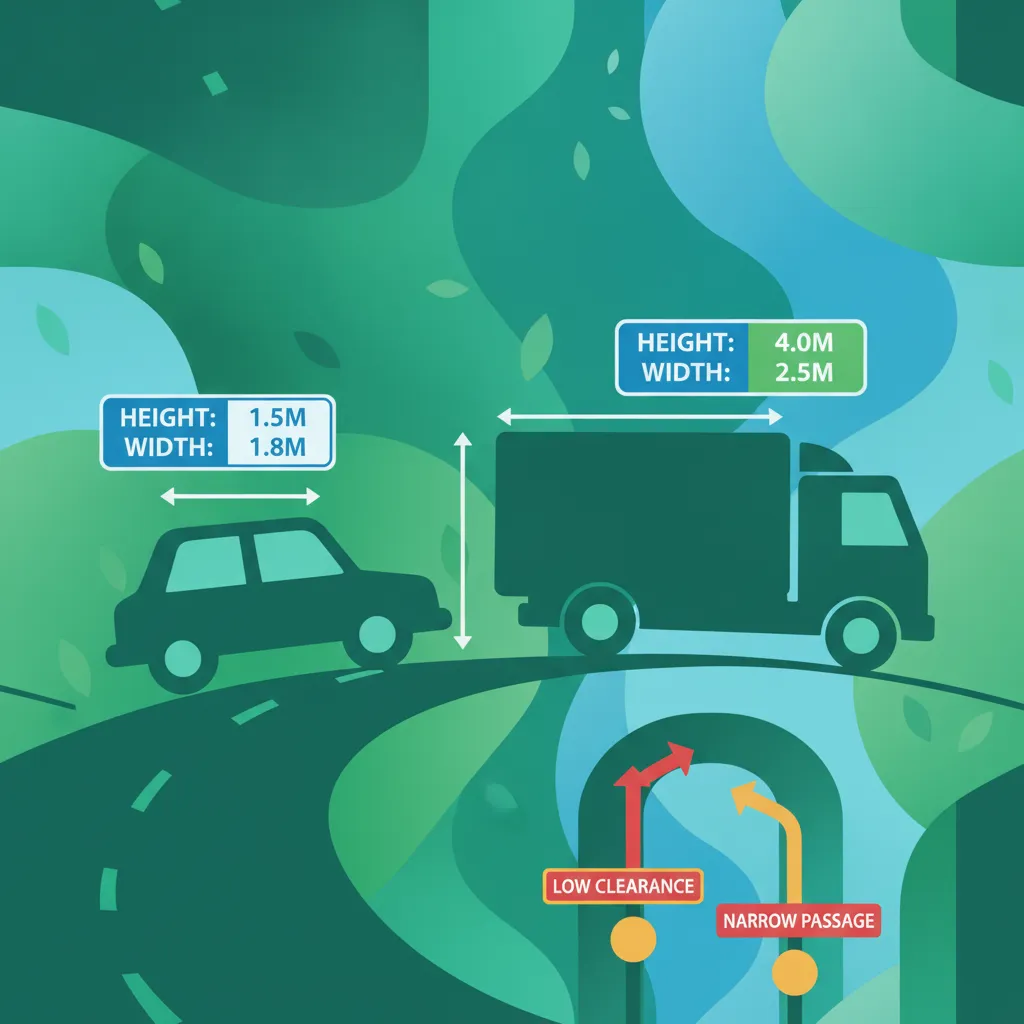
This lesson focuses on the specific dimensional limits that heavy goods vehicles must adhere to on Italian roads, as stipulated by the Codice della Strada. It covers the maximum permissible length, width, and height, explaining how these restrictions impact navigation through tunnels, under bridges, and within urban environments. Learners will also understand the conditions under which special permits for exceptional or oversized transport are required.

This lesson focuses on the specific regulations and techniques for operating a heavy vehicle on high-speed motorways. It covers mandatory lane discipline for trucks, the rules governing overtaking other heavy vehicles, and the specific speed limits that apply. Best practices for merging onto and exiting the motorway, maintaining safe following distances, and using the hard shoulder only in genuine emergencies are also detailed.

This lesson provides a comprehensive overview of the essential documentation required for both the driver and the vehicle. It covers the driver's license (patente), CQC card, vehicle registration (carta di circolazione), insurance certificate, and transport-specific documents like the cargo manifest. Learners will understand the importance of ensuring all documents are valid and readily available for inspection by authorities to avoid legal penalties and operational delays.

This lesson covers the complete set of lighting, reflective equipment, and protective guards mandated for heavy vehicles. It explains the function of each light, from headlights to side markers, and the importance of keeping them clean and operational to ensure the vehicle is visible to others. The lesson also details the legal requirements and safety purpose of side guards and rear underrun protection, which are designed to protect vulnerable road users in a collision.
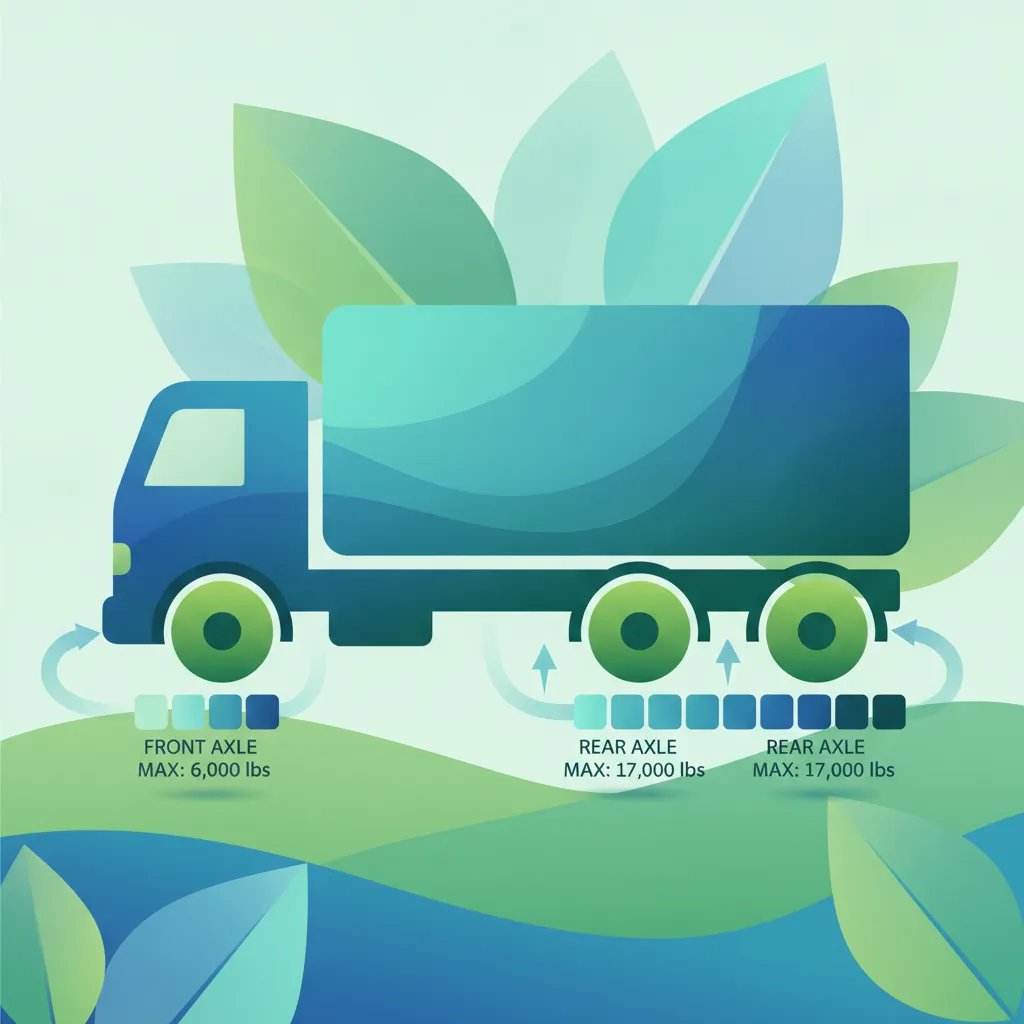
This lesson details the legal restrictions on the weight that can be supported by a single axle or a group of axles. It explains the importance of distributing the load correctly across the vehicle's length to prevent exceeding these limits, which can cause significant road damage and compromise vehicle safety. Learners will understand the relationship between load placement, axle pressure, and overall stability, particularly during braking and cornering.

This lesson focuses on the non-technical aspects of being a professional driver, emphasizing the importance of ethical conduct, integrity, and a proactive safety mindset. It discusses how a driver's behavior contributes to the overall road safety culture and the public perception of the logistics industry. Learners will understand their responsibility to act as ambassadors for their profession by prioritizing safety and adhering to the highest standards of conduct on the road.
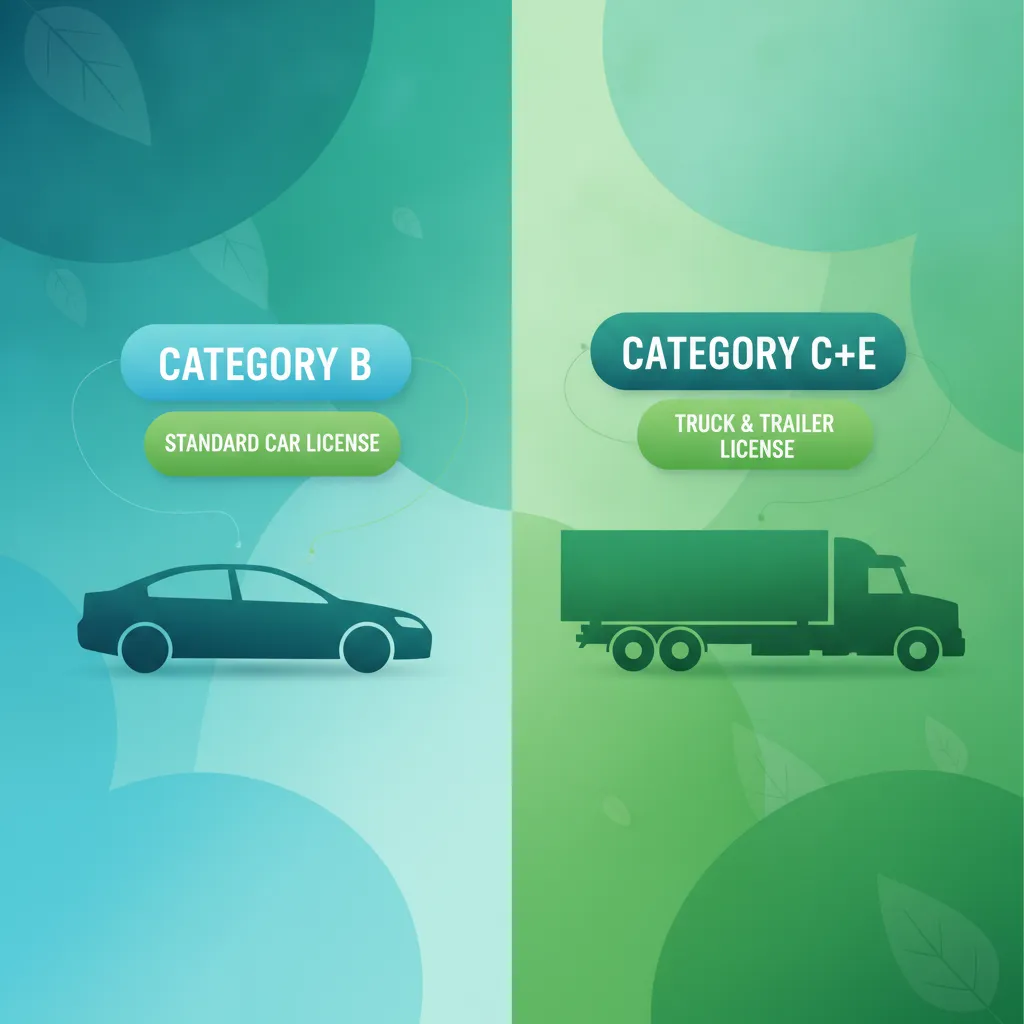
This lesson clearly contrasts the Category B license with the C1, C1E, C, and CE categories, focusing on the significant increases in vehicle mass, dimensions, and operational complexity. It explains the differences in braking systems, vehicle controls, and handling characteristics that necessitate specialized knowledge and skills. Understanding this progression helps learners appreciate the advanced responsibilities and technical competencies required for professional goods vehicle driving.
Explore how legal obligations and professional duties translate into real-world driving situations for HGV operators. Covers scenarios involving load securing, vehicle roadworthiness checks, and adapting to various road and weather conditions.
This lesson focuses on the specific regulations and techniques for operating a heavy vehicle on high-speed motorways. It covers mandatory lane discipline for trucks, the rules governing overtaking other heavy vehicles, and the specific speed limits that apply. Best practices for merging onto and exiting the motorway, maintaining safe following distances, and using the hard shoulder only in genuine emergencies are also detailed.

This lesson prepares drivers for incidents beyond a simple breakdown, such as losing part of the load onto the roadway or dealing with a spillage. It outlines the immediate priorities: ensuring personal safety, warning other traffic of the hazard, and notifying the authorities. The lesson also covers the fundamental principles of managing an accident scene, including protecting the area, assessing for casualties, and providing essential information to emergency services.
This lesson bridges the gap between general traffic laws and their specific application to heavy goods vehicles. It examines how rules regarding speed limits, lane discipline, overtaking, and priority are modified or have special considerations for trucks due to their size, weight, and reduced maneuverability. Drivers will learn to correctly interpret road signs and signals within the context of operating a large vehicle, ensuring safe and compliant integration with other traffic.
This lesson provides a detailed overview of the legal framework for load securing in Italy, focusing on the relevant articles of the Codice della Strada. It outlines the driver's legal responsibility for ensuring the load is secure and covers the standards that securing equipment must meet. Learners will be made aware of the significant fines and other penalties that can be imposed for violations, reinforcing the importance of diligent compliance.
This lesson covers the complete set of lighting, reflective equipment, and protective guards mandated for heavy vehicles. It explains the function of each light, from headlights to side markers, and the importance of keeping them clean and operational to ensure the vehicle is visible to others. The lesson also details the legal requirements and safety purpose of side guards and rear underrun protection, which are designed to protect vulnerable road users in a collision.

This lesson provides essential guidance on how to adjust driving techniques for a range of hazardous weather conditions. It covers reducing speed and increasing following distances in rain to prevent aquaplaning, using lights correctly in fog, and understanding the vehicle's reduced traction on snow and ice. It also explains how to anticipate and counteract the effects of strong crosswinds on high-sided vehicles.
This lesson focuses on the specific dimensional limits that heavy goods vehicles must adhere to on Italian roads, as stipulated by the Codice della Strada. It covers the maximum permissible length, width, and height, explaining how these restrictions impact navigation through tunnels, under bridges, and within urban environments. Learners will also understand the conditions under which special permits for exceptional or oversized transport are required.
This lesson explains the difference between daily checks and long-term scheduled maintenance. It covers the legal requirement for periodic technical inspections ('revisione') to certify a vehicle's roadworthiness and the importance of adhering to manufacturer-recommended service intervals. Learners will understand their crucial role in reporting any mechanical defects promptly to ensure issues are rectified, maintaining the vehicle's safety and reliability over its service life.
This lesson provides a clear overview of the legal consequences for failing to comply with road transport regulations in Italy. It covers the system of fines for common offenses like speeding, overloading, and violations of driving hours. The lesson also explains the penalty point system that can lead to license suspension and touches upon the responsibilities and potential liability of the transport company.

This lesson provides an in-depth focus on sharing the road with the most vulnerable users. It teaches drivers to be acutely aware of pedestrians at crossings, cyclists filtering through traffic, and motorcyclists who may be in blind spots. The lesson emphasizes the importance of leaving extra space, signaling intentions clearly, and exercising extreme caution at junctions, where the majority of serious incidents occur.
Find clear answers to common questions learners have about Legal Framework and Professional Obligations. Learn how the lesson is structured, which driving theory objectives it supports, and how it fits into the overall learning path of units and curriculum progression in Italy. These explanations help you understand key concepts, lesson flow, and exam focused study goals.
Professional drivers operate vehicles that pose higher risks to other road users; therefore, the law imposes stricter duties on them. Knowing these articles is essential to pass the theory exam and to avoid severe legal sanctions, such as heavy fines or license suspension.
Under Italian law, the driver is held responsible for the vehicle's roadworthiness. Failure to ensure that lights, brakes, and tires are in order can lead to legal penalties, and in the event of an accident, it may result in serious legal consequences for the driver.
Yes, as a professional driver operating a heavy vehicle, you are expected to demonstrate higher levels of caution and awareness, particularly regarding vehicle dimensions, blind spots, and stopping distances, which are critical components of your professional duty of care.
The exam focuses on your practical understanding of how these laws apply to your daily driving. You must understand not just the text of the law, but how it dictates your behavior, decision-making, and interactions with other road users.
Start searching now to pinpoint exactly which Italian driving theory topics, road signs, or traffic rules you need to master. Use our advanced filters to build a custom practice session and ensure you're fully prepared for every aspect of your official driving licence exam.