
This lesson explores the essential transition from general Italian traffic regulations to the specialized operational requirements for heavy goods vehicles. You will learn how vehicle size and weight influence standard rules like speed limits, lane choice, and right-of-way, ensuring you are fully prepared for the professional requirements of your C or CE category licence.

Lesson content overview
Operating a Heavy Goods Vehicle (HGV) in Italy requires a nuanced understanding of traffic laws. While the fundamental principles of the Italian Codice della Strada (Highway Code) apply universally, the unique characteristics of large vehicles – their significant size, weight, and reduced maneuverability – necessitate specific adaptations and interpretations of these general rules. This lesson bridges the gap between universal road laws and their practical application for drivers seeking their C1, C1E, C, or CE licenses, ensuring compliance, safety, and efficient integration with all other road users.
Driving a heavy goods vehicle is distinct from driving a passenger car. The sheer mass and dimensions of an HGV mean that actions like braking, accelerating, turning, and overtaking are fundamentally different and carry greater risks if not executed correctly. Therefore, traffic regulations are specifically modified for these vehicles to account for their operational characteristics.
The underlying logic for these adjusted rules is multifaceted:
This integration of general traffic laws with HGV-specific considerations is vital for preventing accidents, ensuring smooth traffic flow, and protecting crucial road infrastructure like bridges and tunnels.
Speed limits are among the most critical general traffic rules, and they are significantly adapted for heavy goods vehicles to account for their longer stopping distances and reduced handling capabilities. HGV drivers must always adhere to the speed limits specific to their vehicle category and the type of road, even if general signs indicate higher limits for other vehicles.
The Italian Codice della Strada prescribes distinct speed limits for HGVs based on their category and the road environment:
Drivers must not confuse the general speed limits posted on roads with the specific limits that apply to their Heavy Goods Vehicle. For instance, on a motorway with a general limit of 130 km/h, a CE-registered tractor-trailer must still maintain a maximum speed of 80 km/h.
These limits apply irrespective of traffic flow. Overtaking maneuvers do not permit exceeding the HGV-specific speed limit. Strict adherence is crucial for safety, as exceeding these limits drastically increases stopping distances and the risk of loss of control.
Lane discipline refers to the rules governing which lane a vehicle should occupy, especially on roads with multiple lanes in the same direction. For heavy goods vehicles, these rules are particularly stringent to optimize traffic flow, minimize congestion, and reduce interaction with lighter, faster-moving vehicles.
On Italian motorways (autostrade) and multi-lane roads, HGVs are generally required to use the rightmost available lane. They may only move to a left-hand lane for the purpose of overtaking a slower vehicle.
Heavy goods vehicles are strictly prohibited from driving in the leftmost lane on motorways if there are other lanes available to their right, unless they are actively engaged in an overtaking maneuver. Once the overtake is complete, the driver must return to the right.
Proper lane discipline for HGVs is not just about compliance; it significantly enhances road safety by reducing the likelihood of side-swipe collisions, mitigating traffic congestion, and providing clearer passage for emergency vehicles.
Overtaking is a high-risk maneuver that requires careful judgment, especially when performed by a heavy goods vehicle. Due to their length, larger blind spots, and slower acceleration, HGVs face specific restrictions on when and how they may overtake other road users in Italy.
When an HGV driver decides to overtake, they must signal their intention well in advance, ensure there is ample visibility, and maintain a safe lateral distance from the vehicle being overtaken. Given the longer length of an HGV, the overtaking maneuver will take a considerable distance and time, requiring careful planning and execution.
Priority and right-of-way rules dictate which vehicle has the legal right to proceed first in specific situations, such as at intersections or roundabouts. For HGVs, respecting these rules is paramount due to their limited maneuverability and longer reaction times, which make sudden stops or changes of direction particularly challenging.
Never assume other drivers will yield to you simply because you are driving a larger vehicle. Always drive defensively and prioritize safety by strictly observing all priority rules and signs.
Failing to yield or incorrectly interpreting priority rules can lead to severe accidents, especially given the greater force an HGV can exert in a collision.
Road signs and signals provide critical information and instructions for drivers. For HGV operators, understanding signs that specifically address heavy vehicles is crucial for safety, compliance, and preventing damage to infrastructure. Ignorance of these signs is never an excuse for non-compliance.
HGV drivers must always be vigilant for these signs and adjust their route or driving behavior accordingly. Planning routes in advance, especially for oversized or overweight loads, is essential to avoid restricted areas.
The following mandatory rules are critical for all drivers operating Heavy Goods Vehicles in Italy and are codified in the Codice della Strada:
Failure to integrate general traffic rules with HGV-specific considerations can lead to severe consequences, ranging from fines and license penalties to serious accidents. Awareness of common violations helps drivers avoid them.
General traffic rules are baseline requirements. HGV drivers must dynamically adapt their driving behavior and rule application based on prevailing conditions, adhering to the principle of "safe speed" and "safe distance" at all times.
Understanding the fundamental physical principles and operational realities of driving an HGV reinforces the importance of integrated traffic rules.
Always aim to drive predictably and communicate your intentions clearly to other road users through signals and appropriate lane positioning. Assume other drivers may not be aware of your blind spots or the operational limitations of your HGV.
This lesson covers how the Italian Codice della Strada adapts general traffic rules for heavy goods vehicles, focusing on reduced speed limits by vehicle category (C1/C1E vs C/CE), mandatory right-lane discipline on motorways, left-side overtaking requirements, and specific priority rules at roundabouts and pedestrian crossings. HGV drivers must understand extensive blind spots, longer stopping distances, and load-dependent handling, while recognizing HGV-specific road signs including weight (C20), width (C21), height (C22), and truck prohibition (C16) signs. The content emphasizes that weather conditions, vehicle load state, and interaction with vulnerable road users require continuous adaptation beyond baseline legal requirements.
A short set of high-value points that capture the most important learning from this lesson.
HGV speed limits are significantly lower than passenger car limits: on motorways, C/CE vehicles max 80 km/h versus 130 km/h for cars.
Heavy vehicles must use the rightmost lane on motorways and dual carriageways, only moving left to overtake and returning as soon as safe.
Overtaking on the right is strictly prohibited for HGVs on motorways and dual carriageways due to blind spot dangers.
HGVs must yield to traffic already circulating in roundabouts, ensuring sufficient gap due to the vehicle's length and turning radius.
Weight, height, and width restriction signs (C20, C21, C22) are legally binding; violation can cause infrastructure damage and severe penalties.
Explore all units and lessons included in this driving theory course.
C1/C1E rural limit is 80 km/h; C/CE rural limit is 70 km/h. C1/C1E motorway limit is 90 km/h; C/CE motorway limit is 80 km/h.
Lane changes are prohibited within 100 metres of intersections or junctions on motorways.
HGVs must stop for pedestrians at all marked crossings regardless of traffic flow conditions.
When overtaking cyclists or motorcyclists, pass on the right where possible and maintain adequate lateral distance.
In adverse weather or with a loaded vehicle, stopping distances increase dramatically and require reduced speeds well below legal limits.
Confusing general speed limits with HGV-specific limits and driving too fast on motorways (e.g., 120 km/h in a CE vehicle).
Occupying the leftmost motorway lane without actively overtaking, which disrupts traffic flow and may result in fines.
Attempting to overtake on the right on dual carriageways, which is especially dangerous due to limited right-side visibility.
Entering roundabouts without waiting for adequate space, forcing circulating vehicles to brake abruptly.
Ignoring height or weight restriction signs, leading to collisions with infrastructure or bridge damage.
Lesson content overview
A short set of high-value points that capture the most important learning from this lesson.
HGV speed limits are significantly lower than passenger car limits: on motorways, C/CE vehicles max 80 km/h versus 130 km/h for cars.
Heavy vehicles must use the rightmost lane on motorways and dual carriageways, only moving left to overtake and returning as soon as safe.
Overtaking on the right is strictly prohibited for HGVs on motorways and dual carriageways due to blind spot dangers.
HGVs must yield to traffic already circulating in roundabouts, ensuring sufficient gap due to the vehicle's length and turning radius.
Weight, height, and width restriction signs (C20, C21, C22) are legally binding; violation can cause infrastructure damage and severe penalties.
Explore all units and lessons included in this driving theory course.
C1/C1E rural limit is 80 km/h; C/CE rural limit is 70 km/h. C1/C1E motorway limit is 90 km/h; C/CE motorway limit is 80 km/h.
Lane changes are prohibited within 100 metres of intersections or junctions on motorways.
HGVs must stop for pedestrians at all marked crossings regardless of traffic flow conditions.
When overtaking cyclists or motorcyclists, pass on the right where possible and maintain adequate lateral distance.
In adverse weather or with a loaded vehicle, stopping distances increase dramatically and require reduced speeds well below legal limits.
Confusing general speed limits with HGV-specific limits and driving too fast on motorways (e.g., 120 km/h in a CE vehicle).
Occupying the leftmost motorway lane without actively overtaking, which disrupts traffic flow and may result in fines.
Attempting to overtake on the right on dual carriageways, which is especially dangerous due to limited right-side visibility.
Entering roundabouts without waiting for adequate space, forcing circulating vehicles to brake abruptly.
Ignoring height or weight restriction signs, leading to collisions with infrastructure or bridge damage.
Explore search topics learners often look for when studying Integration with General Traffic Rules. These topics reflect common questions about road rules, driving situations, safety guidance, and lesson level theory preparation for learners in Italy.
Browse additional driving theory lessons that cover connected traffic rules, road signs, and common driving situations related to this topic. Improve your understanding of how different rules interact across everyday traffic scenarios.
Understand how fundamental Italian traffic laws are specifically adapted for heavy goods vehicles (HGVs). Covers crucial differences in speed limits, lane discipline, and priority rules for C and CE license drivers.

This lesson focuses on the specific regulations and techniques for operating a heavy vehicle on high-speed motorways. It covers mandatory lane discipline for trucks, the rules governing overtaking other heavy vehicles, and the specific speed limits that apply. Best practices for merging onto and exiting the motorway, maintaining safe following distances, and using the hard shoulder only in genuine emergencies are also detailed.
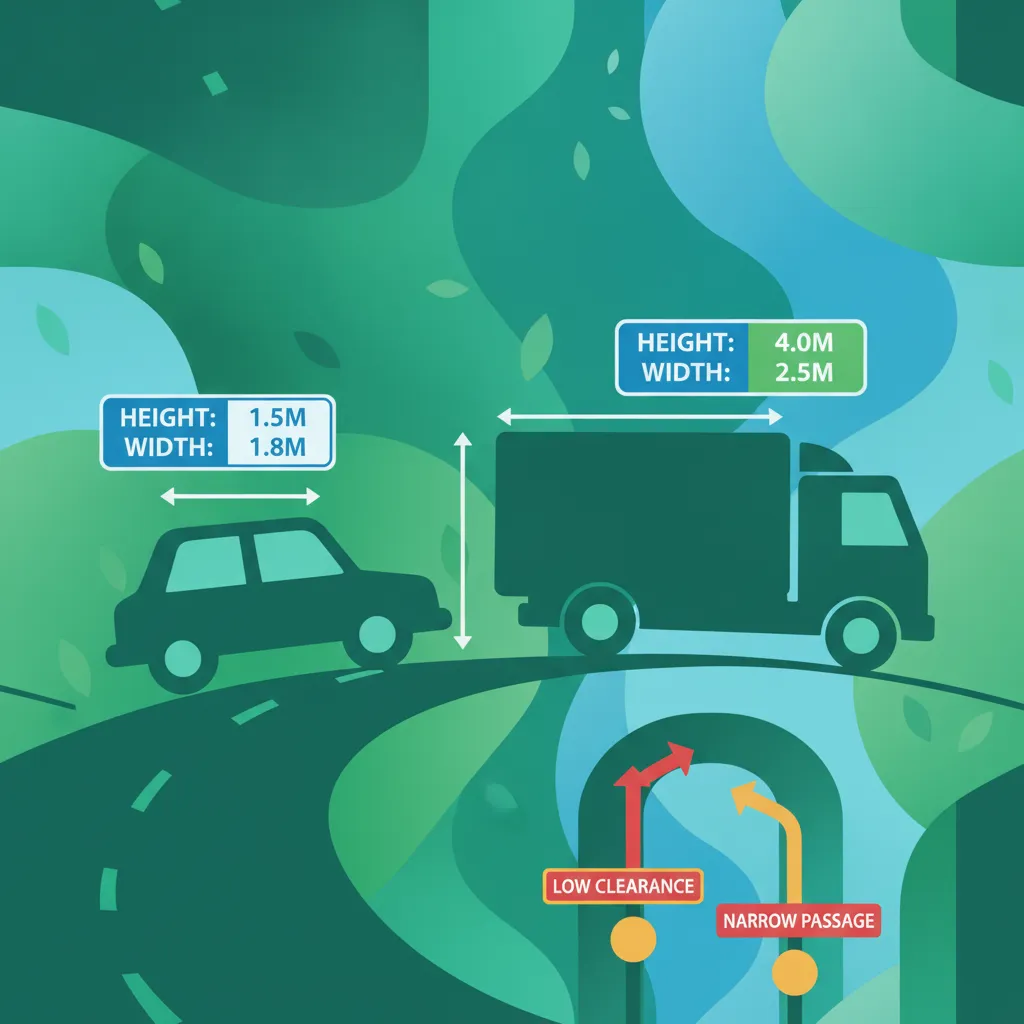
This lesson focuses on the specific dimensional limits that heavy goods vehicles must adhere to on Italian roads, as stipulated by the Codice della Strada. It covers the maximum permissible length, width, and height, explaining how these restrictions impact navigation through tunnels, under bridges, and within urban environments. Learners will also understand the conditions under which special permits for exceptional or oversized transport are required.

This lesson delves into the specific articles of the Italian Codice della Strada that apply to heavy goods vehicles. It outlines the core legal and professional obligations of a driver, including the heightened duty of care owed to other road users and the responsibility for the vehicle's roadworthiness and load. Learners will understand the legal consequences of non-compliance, such as fines and sanctions, reinforcing the importance of adhering to all traffic regulations.

This lesson provides a detailed overview of the legal framework for load securing in Italy, focusing on the relevant articles of the Codice della Strada. It outlines the driver's legal responsibility for ensuring the load is secure and covers the standards that securing equipment must meet. Learners will be made aware of the significant fines and other penalties that can be imposed for violations, reinforcing the importance of diligent compliance.
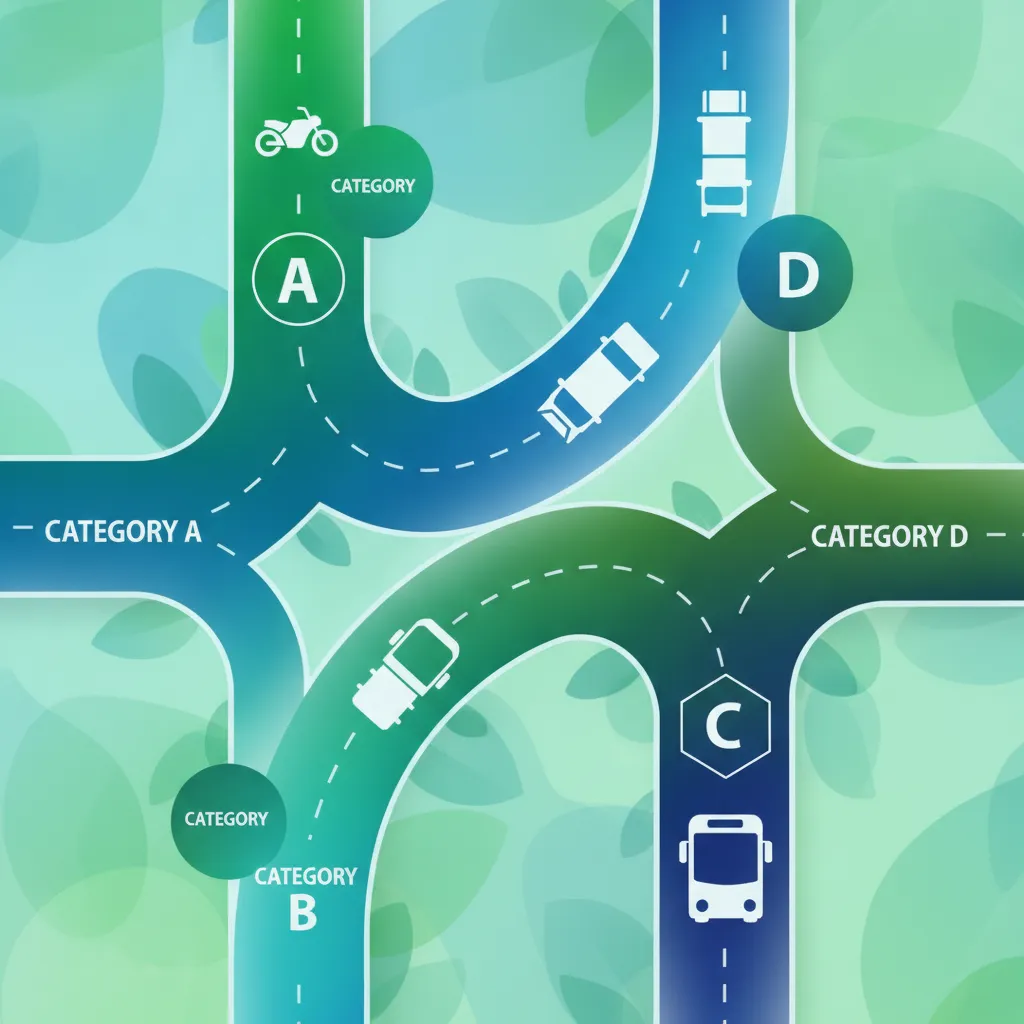
This lesson provides a detailed breakdown of the Italian goods vehicle licence categories, explaining the criteria that define each one. It covers the maximum authorized mass (MAM), vehicle configurations such as rigid trucks and articulated combinations, and the specific permissions granted by the C1, C1E, C, and CE licenses. Understanding these distinctions is fundamental to ensuring legal operation and choosing the correct qualification for specific transport tasks and vehicle types.

This lesson covers the complete set of lighting, reflective equipment, and protective guards mandated for heavy vehicles. It explains the function of each light, from headlights to side markers, and the importance of keeping them clean and operational to ensure the vehicle is visible to others. The lesson also details the legal requirements and safety purpose of side guards and rear underrun protection, which are designed to protect vulnerable road users in a collision.
This lesson explains the concept of 'Zone a Traffico Limitato' (ZTL), common in Italian city centers, which restricts vehicle access at certain times. It covers how to identify ZTL boundaries, understand the operating hours, and the procedures for obtaining permits for commercial deliveries. The lesson also touches on environmental zones that may restrict access based on a vehicle's emission standards.

This lesson details the specific rules and safety considerations for driving through the extensive tunnels and high viaducts common in Italy. It covers pre-entry checks, maintaining a safe following distance, and the correct procedures to follow in case of a breakdown or fire inside a tunnel. The lesson also addresses the hazard of strong crosswinds on exposed viaducts and how to maintain vehicle control.
This lesson provides a clear overview of the legal consequences for failing to comply with road transport regulations in Italy. It covers the system of fines for common offenses like speeding, overloading, and violations of driving hours. The lesson also explains the penalty point system that can lead to license suspension and touches upon the responsibilities and potential liability of the transport company.

This lesson outlines the correct protocols for stopping to make a delivery in a public area. It covers the legal use of designated loading bays, the importance of making the vehicle highly visible with hazard lights, and ensuring that the parking brake is securely applied. The lesson stresses the need to conduct loading and unloading activities efficiently and safely, without causing undue obstruction or danger to other road users and pedestrians.
Learn to identify and interpret road signs specifically relevant to heavy goods vehicles (HGVs) in Italy, including crucial weight, width, and height restrictions. Essential knowledge for safe operation and compliance with the Codice della Strada.
This lesson focuses on the specific dimensional limits that heavy goods vehicles must adhere to on Italian roads, as stipulated by the Codice della Strada. It covers the maximum permissible length, width, and height, explaining how these restrictions impact navigation through tunnels, under bridges, and within urban environments. Learners will also understand the conditions under which special permits for exceptional or oversized transport are required.
This lesson focuses on the specific regulations and techniques for operating a heavy vehicle on high-speed motorways. It covers mandatory lane discipline for trucks, the rules governing overtaking other heavy vehicles, and the specific speed limits that apply. Best practices for merging onto and exiting the motorway, maintaining safe following distances, and using the hard shoulder only in genuine emergencies are also detailed.
This lesson covers the complete set of lighting, reflective equipment, and protective guards mandated for heavy vehicles. It explains the function of each light, from headlights to side markers, and the importance of keeping them clean and operational to ensure the vehicle is visible to others. The lesson also details the legal requirements and safety purpose of side guards and rear underrun protection, which are designed to protect vulnerable road users in a collision.
This lesson delves into the specific articles of the Italian Codice della Strada that apply to heavy goods vehicles. It outlines the core legal and professional obligations of a driver, including the heightened duty of care owed to other road users and the responsibility for the vehicle's roadworthiness and load. Learners will understand the legal consequences of non-compliance, such as fines and sanctions, reinforcing the importance of adhering to all traffic regulations.
This lesson details the specific rules and safety considerations for driving through the extensive tunnels and high viaducts common in Italy. It covers pre-entry checks, maintaining a safe following distance, and the correct procedures to follow in case of a breakdown or fire inside a tunnel. The lesson also addresses the hazard of strong crosswinds on exposed viaducts and how to maintain vehicle control.
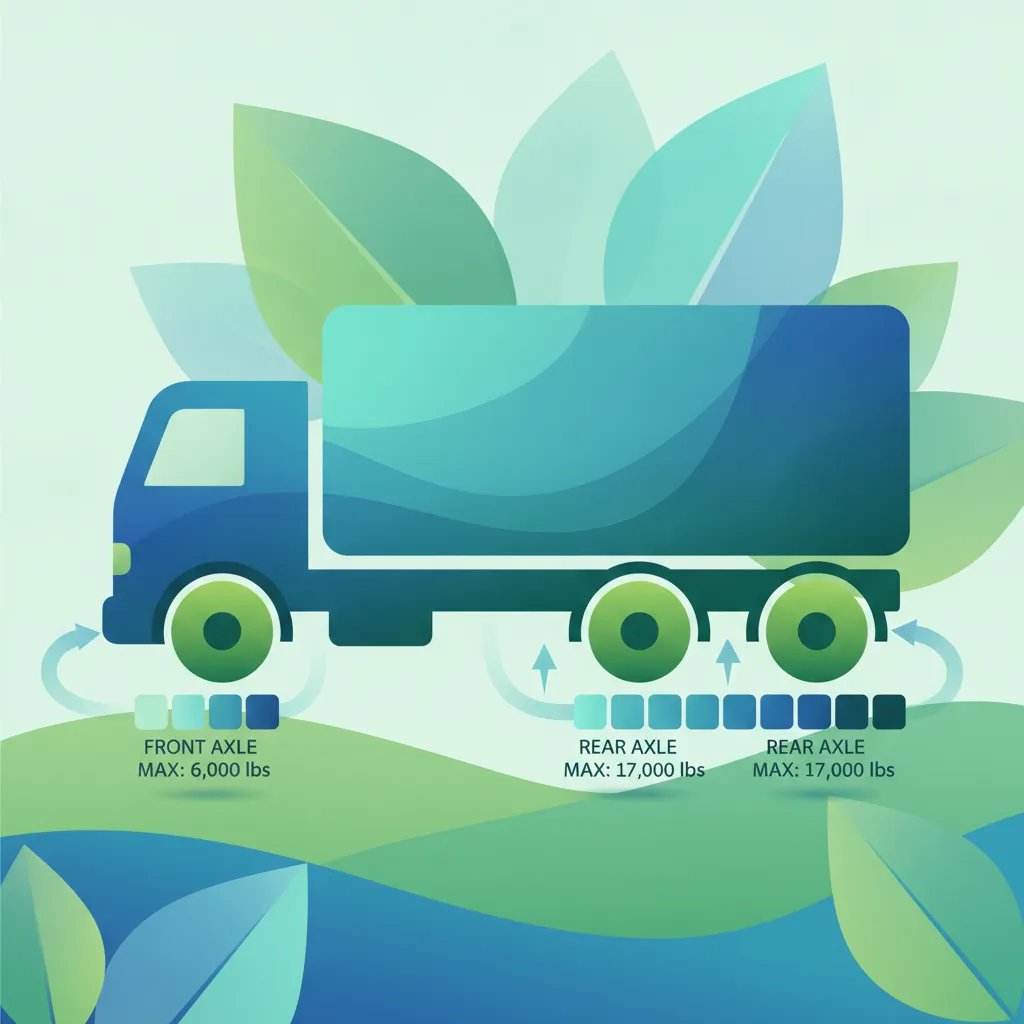
This lesson details the legal restrictions on the weight that can be supported by a single axle or a group of axles. It explains the importance of distributing the load correctly across the vehicle's length to prevent exceeding these limits, which can cause significant road damage and compromise vehicle safety. Learners will understand the relationship between load placement, axle pressure, and overall stability, particularly during braking and cornering.

This lesson provides a comprehensive overview of the essential documentation required for both the driver and the vehicle. It covers the driver's license (patente), CQC card, vehicle registration (carta di circolazione), insurance certificate, and transport-specific documents like the cargo manifest. Learners will understand the importance of ensuring all documents are valid and readily available for inspection by authorities to avoid legal penalties and operational delays.
This lesson outlines the correct protocols for stopping to make a delivery in a public area. It covers the legal use of designated loading bays, the importance of making the vehicle highly visible with hazard lights, and ensuring that the parking brake is securely applied. The lesson stresses the need to conduct loading and unloading activities efficiently and safely, without causing undue obstruction or danger to other road users and pedestrians.

This lesson focuses on the logistical aspects of long-haul driving. It teaches drivers how to plan journeys to comply with legal driving hours and mandatory rest periods, using a tachograph to record activity. The lesson also covers how to plan for fuel stops and select safe and secure overnight parking locations at motorway service areas or designated truck stops.

This lesson provides essential guidance on how to adjust driving techniques for a range of hazardous weather conditions. It covers reducing speed and increasing following distances in rain to prevent aquaplaning, using lights correctly in fog, and understanding the vehicle's reduced traction on snow and ice. It also explains how to anticipate and counteract the effects of strong crosswinds on high-sided vehicles.
Find clear answers to common questions learners have about Integration with General Traffic Rules. Learn how the lesson is structured, which driving theory objectives it supports, and how it fits into the overall learning path of units and curriculum progression in Italy. These explanations help you understand key concepts, lesson flow, and exam focused study goals.
No, heavy goods vehicles are subject to specific, lower speed limits than private cars on all road types. It is crucial to memorize these limits as they are a frequent topic in the C and CE theory examination.
Due to their size and lower acceleration, heavy vehicles can disrupt traffic flow if not positioned correctly. Following strict lane discipline is a legal requirement to ensure the safety of smaller vehicles and maintain road capacity.
While the legal priority signs do not change based on vehicle type, your physical capacity to stop or maneuver is drastically different. You must always anticipate potential conflicts earlier than you would in a smaller vehicle.
Yes, many road signs include specific supplementary panels or pictograms indicating that the restriction or instruction applies specifically to vehicles over a certain mass or category.
Start searching now to pinpoint exactly which Italian driving theory topics, road signs, or traffic rules you need to master. Use our advanced filters to build a custom practice session and ensure you're fully prepared for every aspect of your official driving licence exam.