
This lesson details the legal consequences of non-compliance with the Italian Codice della Strada for professional heavy goods vehicle drivers. You will explore how infringements like overloading, speeding, and driving hour violations impact your license and professional standing.
Lesson content overview
Operating heavy goods vehicles (HGV) in Italy, under licenses such as C, C1, C1E, and CE, comes with significant responsibilities. Professional drivers must strictly adhere to the regulations outlined in the Codice della Strada (Italian Highway Code) and other specific transport laws. Failing to comply with these rules not only jeopardizes road safety but also leads to severe legal penalties, including substantial fines, the accumulation of penalty points, and potentially the suspension or revocation of one's driving license.
This lesson provides a clear and detailed overview of the legal consequences for non-compliance with road transport regulations in Italy. Understanding these penalties is crucial for professional drivers to maintain legal compliance, avoid significant financial losses, and ensure continued professional eligibility within the demanding Italian transport sector.
The foundation of legal enforcement for road transport in Italy rests primarily on the Codice della Strada. This comprehensive legal framework aims to preserve road safety, maintain public order, and ensure fair competition among transport operators. Penalties are designed to deter violations, compensate for the societal costs associated with infractions, and promote uniform enforcement across the country.
Several core principles underpin this system:
These principles collectively ensure that both drivers and transport operators are incentivized to uphold the highest standards of safety and legal compliance.
The fine system in Italy involves monetary sanctions imposed for specific traffic violations. These fines are a direct financial consequence for non-compliance, impacting either the driver or the transport company, or sometimes both.
Each violation is associated with a specific fine amount, which is fixed by law, although it may have a minimum and maximum range. The fine amount is often accompanied by the allocation of penalty points to the driver's license and, in more severe cases, can also trigger a period of license suspension. It is a common misunderstanding to assume that fine amounts are negotiable; they are legally mandated and must be paid in full according to the prescribed timelines and procedures.
The Sistema della Patente a Punti is a points-based system designed to track a driver's compliance with road safety regulations over time. Each traffic violation, in addition to a monetary fine, adds a specific number of points to the driver's record. This system is crucial for professional drivers as point accumulation directly threatens their ability to operate heavy goods vehicles.
Points are categorized based on the severity of the offense:
The system begins with a full balance of 20 points for new drivers. Points are deducted for infractions, and specific thresholds trigger legal consequences. Accumulating a total of 20 points, usually through multiple violations, will trigger a driving license suspension for a period of 30 days. It is a common misconception that points are automatically removed after a set period if no further infractions occur; while mechanisms exist for points to be restored over time for drivers who maintain a clean record, this is not automatic and requires continuous compliance.
Driving license suspension refers to the temporary revocation of driving privileges. For professional drivers in the Italian Goods Vehicle License Theory Course (C, C1, C1E, CE), a license suspension means they cannot legally operate a heavy goods vehicle for the defined period, which can have severe implications for their employment and livelihood.
The process typically involves an official suspension order issued by the authorities once a driver reaches a specific points threshold or commits a particularly egregious single offense. The duration of the suspension period is directly related to the severity of the offense and increases significantly with repeated offenses. For instance, the first time a driver reaches 20 penalty points, a 30-day suspension is typically imposed. Subsequent violations leading to further suspensions will result in longer periods off the road.
It is crucial to understand that paying a fine does not negate the need for a license suspension if the violation also carries points that push the driver over the threshold. Reinstatement of the license usually requires the completion of the suspension period and, in some cases, may involve re-examination or specific educational courses.
The permanent withdrawal of a driving license, typically reserved for extremely serious or repeated offenses, meaning the driver can no longer legally operate a vehicle.
Employer liability is a critical aspect of Italian road transport law, holding transport companies legally responsible for offenses committed by their drivers under certain conditions. This principle ensures that the responsibility for safe and compliant operations extends beyond the individual driver to the entity that manages and directs the transport activities.
A transport company can be penalized if a driver's violation is directly linked to company policy, practices, or the condition of the vehicle provided by the company. For example, if a company systematically overloads vehicles, neglects essential maintenance, or pressures drivers to exceed driving hours, it can face significant consequences. These penalties can include substantial fines, points on the company's corporate driving license (if applicable), or other administrative sanctions.
This framework counters the misconception that only the driver is ever penalized. Companies must implement robust compliance monitoring systems, ensure proper vehicle maintenance, and adhere to legal driving hour regulations to avoid liability. This shared responsibility reinforces the importance of a comprehensive safety culture within transport operations.
Professional drivers must be intimately familiar with specific violations and their associated penalties to ensure compliance. The following sections detail some of the most common offenses relevant to Italian heavy goods vehicle operators.
Exceeding the speed limit is one of the most frequent violations and carries graduated fines and penalty points based on how much the limit is exceeded. Heavy goods vehicles often have stricter speed limits than passenger cars, making compliance even more critical.
Operating a vehicle that exceeds its maximum permissible mass (MTPL - Massa Totale a Pieno Carico) or axle loads is a serious offense with significant safety implications.
Strict regulations govern the driving and rest periods for professional drivers to combat fatigue and enhance road safety. Violations are closely monitored, typically via tachograph records.
The use of seat belts is mandatory for all occupants of a vehicle equipped with them, including professional drivers of heavy goods vehicles.
Distracted driving, particularly due to mobile phone use, is a major safety concern. Italian law strictly prohibits the use of handheld mobile phones while driving.
Professional drivers must always carry specific vehicle and driver documentation. Failure to present these documents upon request by authorities can lead to penalties.
Operating a heavy goods vehicle with known defects or without valid technical inspections poses a severe risk and is heavily penalized.
The severity of penalties can sometimes be influenced by contextual factors and aggravating circumstances. Italian law considers these variations to ensure penalties are applied proportionately and effectively.
These contextual variations highlight the importance of not just knowing the rules, but also adapting driving behavior to prevailing conditions and potential risks.
While fines and penalty points are the immediate legal consequences of non-compliance, professional drivers and transport companies face broader repercussions.
Understanding these far-reaching consequences underscores the critical importance of continuous adherence to all road transport regulations.
This lesson covers the legal penalty framework for professional heavy goods vehicle drivers in Italy under the Codice della Strada. Drivers start with 20 penalty points and face suspension upon accumulation; points are categorized by severity with corresponding consequences. Specific violations covered include speeding, overloading, driving hours breaches, seat belt non-compliance, mobile phone use, and documentation failures. Both drivers and employers can face liability, with penalties including fines, points, suspension, and vehicle detention. Understanding these consequences is essential for exam success and maintaining professional driving credentials in Italy.
A short set of high-value points that capture the most important learning from this lesson.
The Italian Codice della Strada applies four core principles to penalties: proportionality, accumulation, license suspension, and employer liability.
The penalty point system starts at 20 points and triggers a 30-day suspension upon accumulation, with points categorized as minor (1-3), serious (4-6), or very serious (7+).
Heavy goods vehicle drivers face stricter speed limits than passenger cars, with graduated penalties increasing significantly with the degree of excess.
Both drivers and transport companies can be held liable for violations, especially when linked to company policies like overloading or unrealistic scheduling.
Violations like overloading, driving hour breaches, and mobile phone use carry specific point penalties that directly threaten professional driving eligibility.
Explore all units and lessons included in this driving theory course.
Fine amounts are legally mandated and non-negotiable; they must be paid according to prescribed timelines and procedures.
Reaching 20 penalty points triggers suspension; paying a fine does not eliminate the points that caused the threshold to be crossed.
Drivers who maintain a clean record can have points restored over time, but this process is not automatic.
Employer liability applies when violations stem from company practices such as inadequate vehicle maintenance, overloading, or scheduling that forces driving hour breaches.
Contextual factors like adverse weather, urban areas with pedestrians, and carrying dangerous goods can increase penalty severity.
Assuming that points are automatically removed after a set period without maintaining a clean record, when in fact restoration requires continuous compliance.
Believing that only the individual driver can be penalized, when companies are also legally responsible for systemic compliance failures.
Confusing license suspension (temporary) with license revocation (permanent) when discussing consequences of point accumulation.
Assuming heavy goods vehicles follow the same speed limits as passenger cars, when in fact they have stricter, lower limits.
Thinking that a fine alone resolves the violation when penalty points are also applied, potentially pushing the driver closer to suspension thresholds.
Lesson content overview
A short set of high-value points that capture the most important learning from this lesson.
The Italian Codice della Strada applies four core principles to penalties: proportionality, accumulation, license suspension, and employer liability.
The penalty point system starts at 20 points and triggers a 30-day suspension upon accumulation, with points categorized as minor (1-3), serious (4-6), or very serious (7+).
Heavy goods vehicle drivers face stricter speed limits than passenger cars, with graduated penalties increasing significantly with the degree of excess.
Both drivers and transport companies can be held liable for violations, especially when linked to company policies like overloading or unrealistic scheduling.
Violations like overloading, driving hour breaches, and mobile phone use carry specific point penalties that directly threaten professional driving eligibility.
Explore all units and lessons included in this driving theory course.
Fine amounts are legally mandated and non-negotiable; they must be paid according to prescribed timelines and procedures.
Reaching 20 penalty points triggers suspension; paying a fine does not eliminate the points that caused the threshold to be crossed.
Drivers who maintain a clean record can have points restored over time, but this process is not automatic.
Employer liability applies when violations stem from company practices such as inadequate vehicle maintenance, overloading, or scheduling that forces driving hour breaches.
Contextual factors like adverse weather, urban areas with pedestrians, and carrying dangerous goods can increase penalty severity.
Assuming that points are automatically removed after a set period without maintaining a clean record, when in fact restoration requires continuous compliance.
Believing that only the individual driver can be penalized, when companies are also legally responsible for systemic compliance failures.
Confusing license suspension (temporary) with license revocation (permanent) when discussing consequences of point accumulation.
Assuming heavy goods vehicles follow the same speed limits as passenger cars, when in fact they have stricter, lower limits.
Thinking that a fine alone resolves the violation when penalty points are also applied, potentially pushing the driver closer to suspension thresholds.
Explore search topics learners often look for when studying Legal Penalties for Non-Compliance. These topics reflect common questions about road rules, driving situations, safety guidance, and lesson level theory preparation for learners in Italy.
Browse additional driving theory lessons that cover connected traffic rules, road signs, and common driving situations related to this topic. Improve your understanding of how different rules interact across everyday traffic scenarios.
Understand the full range of legal penalties for C, C1, CE license holders in Italy. Covers fines, the penalty point system, license suspension, and professional liability for drivers and companies.

This lesson delves into the specific articles of the Italian Codice della Strada that apply to heavy goods vehicles. It outlines the core legal and professional obligations of a driver, including the heightened duty of care owed to other road users and the responsibility for the vehicle's roadworthiness and load. Learners will understand the legal consequences of non-compliance, such as fines and sanctions, reinforcing the importance of adhering to all traffic regulations.

This lesson provides a clear overview of the legal penalties for traffic violations in Italy. It explains the structure of fines and the penalty point system that can lead to license suspension or revocation. The content also touches on more severe consequences, including criminal liability for incidents causing injury, to emphasize the importance of lawful riding.

This lesson provides a comprehensive review of the legal consequences for violating traffic laws in Italy. It reinforces the workings of the points system, explaining how different offenses lead to deductions and how a total loss of points results in license revocation. The content also covers the scale of monetary fines for various infractions and the conditions under which a driver's license may be temporarily suspended.

This lesson provides a detailed overview of the legal framework for load securing in Italy, focusing on the relevant articles of the Codice della Strada. It outlines the driver's legal responsibility for ensuring the load is secure and covers the standards that securing equipment must meet. Learners will be made aware of the significant fines and other penalties that can be imposed for violations, reinforcing the importance of diligent compliance.
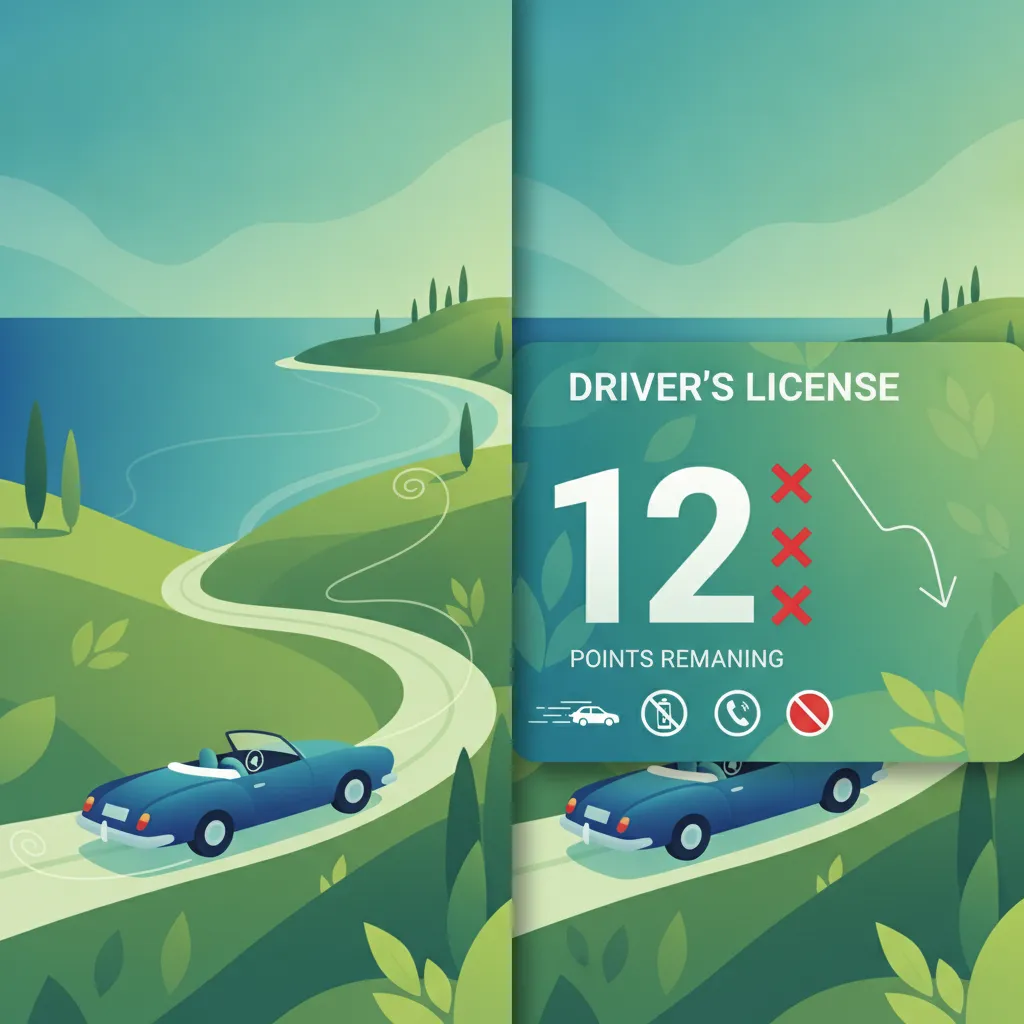
This lesson provides a detailed explanation of the Italian driver's license points system (decurtazione punti). It covers how various traffic infractions lead to specific point deductions and the cumulative effect on a driver's license status. Learners will understand the thresholds that trigger license suspension or revocation, the associated monetary fines, and the official procedures for recovering lost points.

This lesson prepares drivers for incidents beyond a simple breakdown, such as losing part of the load onto the roadway or dealing with a spillage. It outlines the immediate priorities: ensuring personal safety, warning other traffic of the hazard, and notifying the authorities. The lesson also covers the fundamental principles of managing an accident scene, including protecting the area, assessing for casualties, and providing essential information to emergency services.
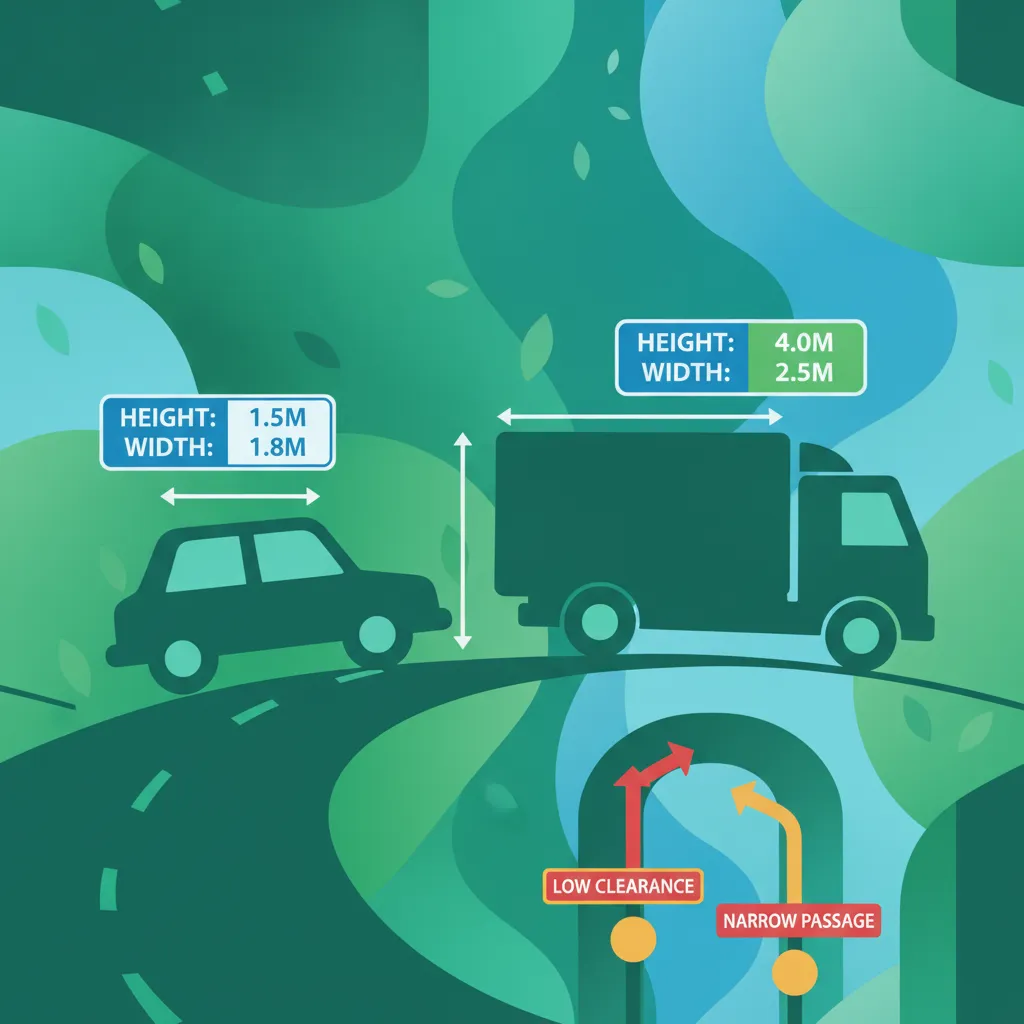
This lesson focuses on the specific dimensional limits that heavy goods vehicles must adhere to on Italian roads, as stipulated by the Codice della Strada. It covers the maximum permissible length, width, and height, explaining how these restrictions impact navigation through tunnels, under bridges, and within urban environments. Learners will also understand the conditions under which special permits for exceptional or oversized transport are required.
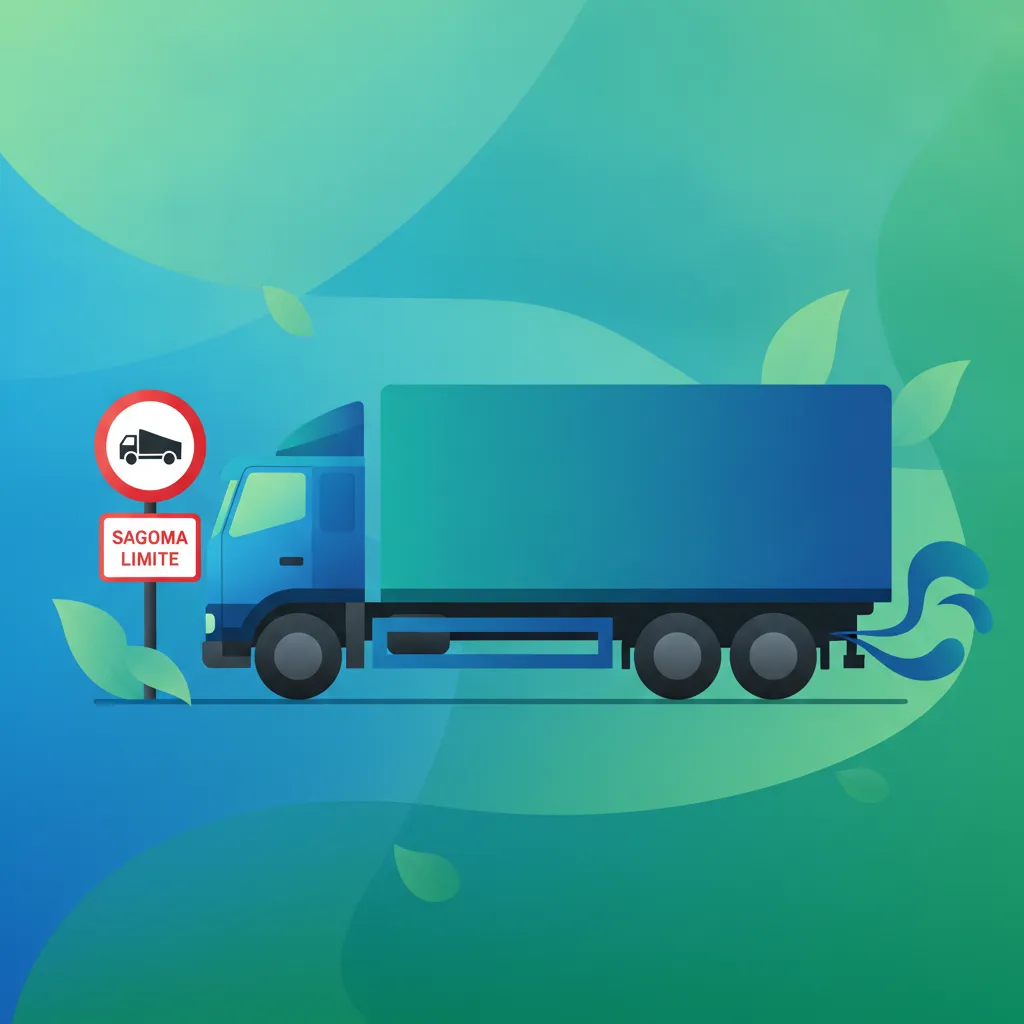
This lesson defines 'sagoma limite', which refers to the maximum outline or silhouette a vehicle and its load can occupy. It then explores the serious repercussions of overloading, which include substantial legal fines, increased stress on vehicle components like brakes and suspension, and dangerously compromised handling and stability. Learners will understand that overloading is not just a legal issue but a critical safety hazard for the driver and all other road users.
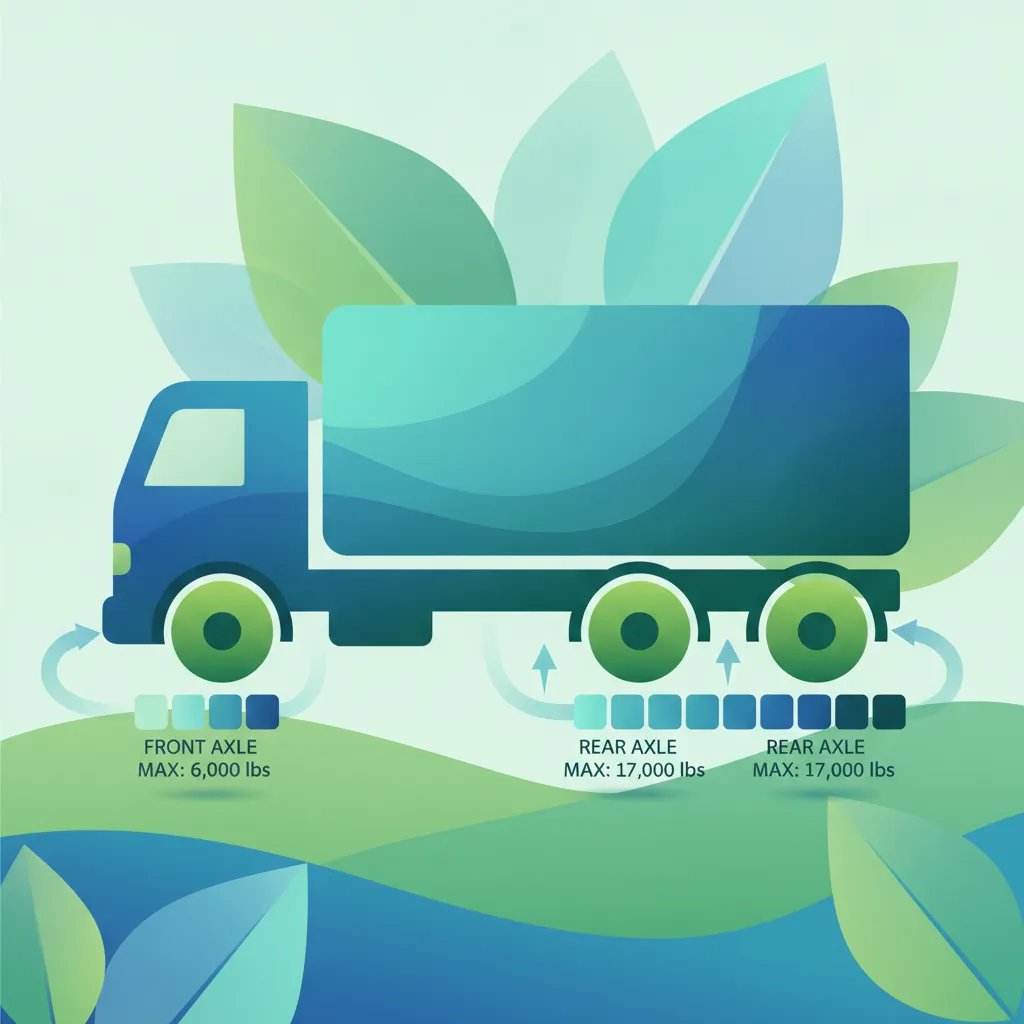
This lesson details the legal restrictions on the weight that can be supported by a single axle or a group of axles. It explains the importance of distributing the load correctly across the vehicle's length to prevent exceeding these limits, which can cause significant road damage and compromise vehicle safety. Learners will understand the relationship between load placement, axle pressure, and overall stability, particularly during braking and cornering.
Learn about typical violations for heavy goods vehicles in Italy, including speeding, overloading, and driving hours. Understand the specific fines and penalty points associated with each offense.
This lesson focuses on the specific dimensional limits that heavy goods vehicles must adhere to on Italian roads, as stipulated by the Codice della Strada. It covers the maximum permissible length, width, and height, explaining how these restrictions impact navigation through tunnels, under bridges, and within urban environments. Learners will also understand the conditions under which special permits for exceptional or oversized transport are required.

This lesson focuses on the specific regulations and techniques for operating a heavy vehicle on high-speed motorways. It covers mandatory lane discipline for trucks, the rules governing overtaking other heavy vehicles, and the specific speed limits that apply. Best practices for merging onto and exiting the motorway, maintaining safe following distances, and using the hard shoulder only in genuine emergencies are also detailed.

This lesson bridges the gap between general traffic laws and their specific application to heavy goods vehicles. It examines how rules regarding speed limits, lane discipline, overtaking, and priority are modified or have special considerations for trucks due to their size, weight, and reduced maneuverability. Drivers will learn to correctly interpret road signs and signals within the context of operating a large vehicle, ensuring safe and compliant integration with other traffic.
This lesson delves into the specific articles of the Italian Codice della Strada that apply to heavy goods vehicles. It outlines the core legal and professional obligations of a driver, including the heightened duty of care owed to other road users and the responsibility for the vehicle's roadworthiness and load. Learners will understand the legal consequences of non-compliance, such as fines and sanctions, reinforcing the importance of adhering to all traffic regulations.
This lesson defines 'sagoma limite', which refers to the maximum outline or silhouette a vehicle and its load can occupy. It then explores the serious repercussions of overloading, which include substantial legal fines, increased stress on vehicle components like brakes and suspension, and dangerously compromised handling and stability. Learners will understand that overloading is not just a legal issue but a critical safety hazard for the driver and all other road users.

This lesson provides a comprehensive overview of the essential documentation required for both the driver and the vehicle. It covers the driver's license (patente), CQC card, vehicle registration (carta di circolazione), insurance certificate, and transport-specific documents like the cargo manifest. Learners will understand the importance of ensuring all documents are valid and readily available for inspection by authorities to avoid legal penalties and operational delays.

This lesson outlines the correct protocols for stopping to make a delivery in a public area. It covers the legal use of designated loading bays, the importance of making the vehicle highly visible with hazard lights, and ensuring that the parking brake is securely applied. The lesson stresses the need to conduct loading and unloading activities efficiently and safely, without causing undue obstruction or danger to other road users and pedestrians.

This lesson focuses on the principle of 'appropriate speed' in urban environments, which often means driving slower than the legal maximum. It explains how to assess the environment for potential hazards—such as schools, parked cars, and busy intersections—and adjust speed accordingly to allow for adequate reaction time. Maintaining a safe, consistent speed reduces the need for harsh braking and contributes to a safer environment for everyone.

This lesson focuses on the logistical aspects of long-haul driving. It teaches drivers how to plan journeys to comply with legal driving hours and mandatory rest periods, using a tachograph to record activity. The lesson also covers how to plan for fuel stops and select safe and secure overnight parking locations at motorway service areas or designated truck stops.
This lesson provides a detailed overview of the legal framework for load securing in Italy, focusing on the relevant articles of the Codice della Strada. It outlines the driver's legal responsibility for ensuring the load is secure and covers the standards that securing equipment must meet. Learners will be made aware of the significant fines and other penalties that can be imposed for violations, reinforcing the importance of diligent compliance.
Find clear answers to common questions learners have about Legal Penalties for Non-Compliance. Learn how the lesson is structured, which driving theory objectives it supports, and how it fits into the overall learning path of units and curriculum progression in Italy. These explanations help you understand key concepts, lesson flow, and exam focused study goals.
Losing all your penalty points in the Italian system triggers a mandatory review of your driving eligibility, which may result in license suspension or the requirement to retake the full driving theory and practical exams.
Yes, legal responsibility is often shared; the driver may face immediate traffic fines and penalty points, while the transport company can face severe administrative penalties and operational restrictions for systematic overloading.
Absolutely. Violations of mandatory rest and driving periods are considered serious offenses in Italy and can lead to heavy fines, legal action, and significant points being deducted from your license.
You must consistently perform pre-drive inspections, ensure your cargo is secured according to legal standards, and maintain accurate records of your tachograph data to prove compliance during inspections.
Start searching now to pinpoint exactly which Italian driving theory topics, road signs, or traffic rules you need to master. Use our advanced filters to build a custom practice session and ensure you're fully prepared for every aspect of your official driving licence exam.