
This lesson explores the specialized requirements for operating heavy vehicles within industrial zones and logistics centers. It builds on your knowledge of heavy vehicle maneuvering to ensure you understand the unique safety, communication, and traffic flow protocols essential for professional C, C1, C1E, and CE license holders.

Lesson content overview
Operating heavy goods vehicles within industrial zones and logistics centres presents a distinct set of challenges compared to driving on public roads. These environments, such as large warehouses, distribution yards, and cargo terminals, are dynamic, often congested, and require highly specific driving skills and safety protocols. For drivers pursuing an Italian Goods Vehicle License (C, C1, C1E, CE), mastering these operations is not just about efficiency but primarily about ensuring safety for all personnel and property within these private, yet highly active, areas. This lesson provides a comprehensive guide to navigating these complex environments, focusing on the essential knowledge and skills needed for secure and compliant delivery operations.
Industrial zones and logistics centres are critical nodes in the supply chain, designed for the efficient movement, storage, and distribution of goods. However, their unique design and operational intensity create specific risks. Unlike public roads, these private properties often feature shared spaces for various vehicle types (trucks, vans, forklifts) and a high density of pedestrian workers. Understanding the fundamental characteristics of these environments is the first step towards safe and effective delivery operations.
The rules governing vehicle movement and conduct within industrial and logistics facilities often differ significantly from the Italian Codice della Strada (Road Code) applied to public highways. These site-specific protocols are developed to address the unique hazards of confined spaces, high traffic volumes, and interactions between heavy vehicles, light vehicles, and vulnerable site personnel (pedestrians, forklift operators). Adherence to these internal regulations is paramount for minimizing collision risks, preventing injuries, and ensuring smooth logistical flows. Ignoring these rules can lead to severe accidents, delays, and legal consequences, even on private property.
Effective navigation within any logistics centre begins with a thorough understanding of its physical layout and designated traffic flow systems. These facilities are meticulously designed to manage the movement of goods and vehicles, and drivers must quickly adapt to their specific configurations.
A typical logistics centre incorporates several key elements that guide vehicle movement:
Traffic flow management systems are designed to prevent conflicts and ensure predictable movement. Drivers must:
Always treat on-site signage as mandatory. These signs are there to ensure safety within a specific, controlled environment, overriding general public road rules where applicable.
The process of approaching, positioning, and leaving a loading bay is one of the most critical and potentially hazardous aspects of delivery operations in logistics centres. Precision, patience, and clear communication are essential.
Proper execution of loading/unloading protocols minimizes damage to vehicles, property, and, most importantly, protects personnel.
Approach with Caution: Reduce speed significantly (often 5-10 km/h) well before reaching the loading bay. Be aware of pedestrians, forklifts, and other vehicles in the area.
Stop at the Designated Line: Come to a complete stop at the marked stop line, typically several metres before the actual dock. This ensures clearance for other movements and allows staff to prepare.
Communicate with Staff: Signal your presence and readiness. Wait for a clear, affirmative signal from warehouse staff or a spotter to proceed. Never assume it's safe to move.
Precise Reversing: Under the guidance of a spotter (if provided) or using mirrors and cameras, slowly reverse the vehicle, aligning its rear squarely with the loading dock. Aim for the rear of the truck to be parallel to the dock face.
Secure the Vehicle: Once positioned correctly, engage the parking brake, switch off the engine (if required by site policy), and ensure the vehicle is stable. Chocks may be required on the wheels.
Prepare for Cargo Transfer: If applicable, activate your boom lift, ensure the dock leveller is correctly positioned by staff, or open rear doors as instructed.
Monitor Load Stability (Post-Loading): After loading, ensure all cargo is properly secured according to Italian regulations for load securing. Re-check restraints before moving.
Signal Departure: Before moving out of the bay, communicate your intention to site personnel. Use horn, lights, or radio as specified by site rules, and wait for clearance.
Exit Carefully: Drive forward slowly, ensuring no obstacles or personnel are in your path. Proceed to the designated exit route or parking area.
Clear and unambiguous communication is fundamental to safe operations in busy logistics environments. Misunderstandings can lead to serious accidents, especially during complex maneuvers like reversing into a loading bay.
Drivers must be proficient in various communication techniques used by logistics personnel:
Never assume clearance. Always wait for a clear, affirmative signal from site personnel before initiating any movement, especially when reversing, turning in tight spaces, or entering/exiting a loading bay. If a signal is unclear, stop, and request clarification. The safety of everyone on site depends on this discipline.
Maintaining appropriate speed and having precise control over the vehicle are paramount in industrial zones. The confined spaces, high pedestrian activity, and frequent intersections demand a much lower operating speed than on public roads.
Even at low speeds, the stopping distance of a fully loaded heavy goods vehicle is substantial. In the confined spaces of a logistics yard, this means drivers must constantly anticipate potential hazards and maintain ample following distance from other vehicles and equipment. Avoid sudden braking or acceleration, which can also affect load stability.
Two core principles underpin safety in logistics centres: prioritizing vulnerable users and actively managing vehicle blind spots.
One of the most critical differences from public road driving is the reversal of certain right-of-way rules. Within a private logistics yard:
Never assume public road right-of-way rules apply within private industrial yards. Always be prepared to yield to pedestrians, forklifts, and other site equipment to prevent accidents.
Heavy goods vehicles inherently have large blind spots. In the confined and busy environment of a logistics centre, proactive visibility management is crucial:
While load securing is typically associated with long-distance travel, ensuring load stability is equally critical during low-speed maneuvers within industrial yards.
Even slight movements, accelerations, or decelerations can cause unsecured or improperly secured cargo to shift. A shifting load can:
Drivers must:
Adhering to a set of core rules and best practices ensures not only compliance but also the highest level of safety and efficiency within logistics environments.
| Rule | Statement | Rationale |
|---|---|---|
| Yield to Vulnerable Users | Always give way to pedestrians and forklifts within the yard, regardless of public road right-of-way rules. | Protects the most vulnerable users and essential site equipment. |
| Observe Site Speed Limits | Strictly adhere to posted speed limits (e.g., 20 km/h general, 5-10 km/h near docks) and reduce speed further in adverse conditions. | Allows adequate reaction time in confined, busy spaces. |
| Use Designated Turnaround Points | Only perform turning or reversing maneuvers in clearly marked turnaround areas; avoid reversing in one-way aisles. | Prevents traffic obstruction and collisions. |
| Maintain Clear Lines of Sight | Actively use mirrors, cameras, and spotters for all reversing and tight turning maneuvers. Never rely solely on mirrors. | Minimizes blind spot accidents with vehicles, objects, or personnel. |
| Secure Load After Maneuvers | After any significant movement within the yard (e.g., backing out of a bay), re-verify that the load restraints are tight and secure. | Prevents load shift that can compromise vehicle stability and safety. |
| Follow All Signage and Markings | Obey all on-site traffic signs, lane markings, stop lines, and temporary directions from staff. | Directs safe and efficient traffic flow within the private facility. |
| Communicate Intentions Clearly | Use standard hand signals, radio, or horn (sparingly) to indicate your intentions before moving, especially when exiting a loading bay. | Alerts other site personnel and vehicles, preventing sudden movements. |
Environmental and operational variations require flexible adaptation of driving behaviour:
Even experienced drivers can encounter difficulties in logistics centres. Being aware of common pitfalls and knowing how to respond correctly can prevent incidents.
Consider a situation where you need to reverse a semi-trailer into a loading bay with limited space on either side and an active pedestrian pathway behind you.
Delivery operations in industrial zones and logistics centres are a critical part of a professional goods vehicle driver's responsibilities. They demand a high level of skill, patience, and strict adherence to safety protocols that often differ from public road regulations. By understanding site layouts, managing traffic flow, executing precise loading bay maneuvers, maintaining clear communication, controlling speed, prioritizing vulnerable users, and ensuring load stability, drivers contribute significantly to overall safety and efficiency. This mastery is not just about avoiding penalties but about protecting lives, goods, and property within these vital logistical hubs.
Explore all units and lessons included in this driving theory course.
Lesson content overview
Explore all units and lessons included in this driving theory course.
Explore search topics learners often look for when studying Delivery Operations in Industrial Zones and Logistics Centres. These topics reflect common questions about road rules, driving situations, safety guidance, and lesson level theory preparation for learners in Italy.
Browse additional driving theory lessons that cover connected traffic rules, road signs, and common driving situations related to this topic. Improve your understanding of how different rules interact across everyday traffic scenarios.
Learn essential safety protocols for navigating and operating heavy vehicles within Italian logistics centres. Understand site-specific rules, hazard communication, and personal safety for drivers in industrial environments, crucial for C and CE license theory.
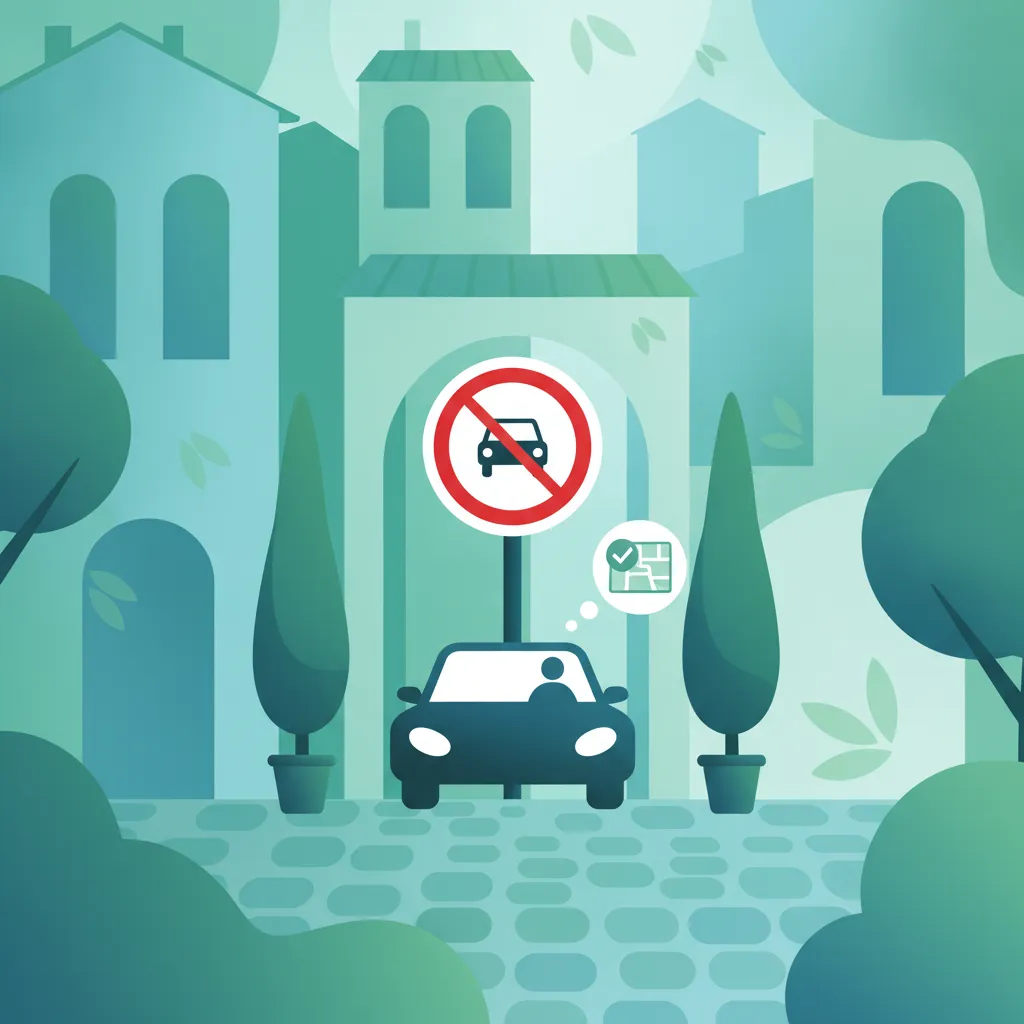
This lesson explains the concept of 'Zone a Traffico Limitato' (ZTL), common in Italian city centers, which restricts vehicle access at certain times. It covers how to identify ZTL boundaries, understand the operating hours, and the procedures for obtaining permits for commercial deliveries. The lesson also touches on environmental zones that may restrict access based on a vehicle's emission standards.

This lesson details the specific rules and safety considerations for driving through the extensive tunnels and high viaducts common in Italy. It covers pre-entry checks, maintaining a safe following distance, and the correct procedures to follow in case of a breakdown or fire inside a tunnel. The lesson also addresses the hazard of strong crosswinds on exposed viaducts and how to maintain vehicle control.

This lesson focuses on the principle of 'appropriate speed' in urban environments, which often means driving slower than the legal maximum. It explains how to assess the environment for potential hazards—such as schools, parked cars, and busy intersections—and adjust speed accordingly to allow for adequate reaction time. Maintaining a safe, consistent speed reduces the need for harsh braking and contributes to a safer environment for everyone.

This lesson outlines the correct protocols for stopping to make a delivery in a public area. It covers the legal use of designated loading bays, the importance of making the vehicle highly visible with hazard lights, and ensuring that the parking brake is securely applied. The lesson stresses the need to conduct loading and unloading activities efficiently and safely, without causing undue obstruction or danger to other road users and pedestrians.

This lesson focuses on the specific regulations and techniques for operating a heavy vehicle on high-speed motorways. It covers mandatory lane discipline for trucks, the rules governing overtaking other heavy vehicles, and the specific speed limits that apply. Best practices for merging onto and exiting the motorway, maintaining safe following distances, and using the hard shoulder only in genuine emergencies are also detailed.
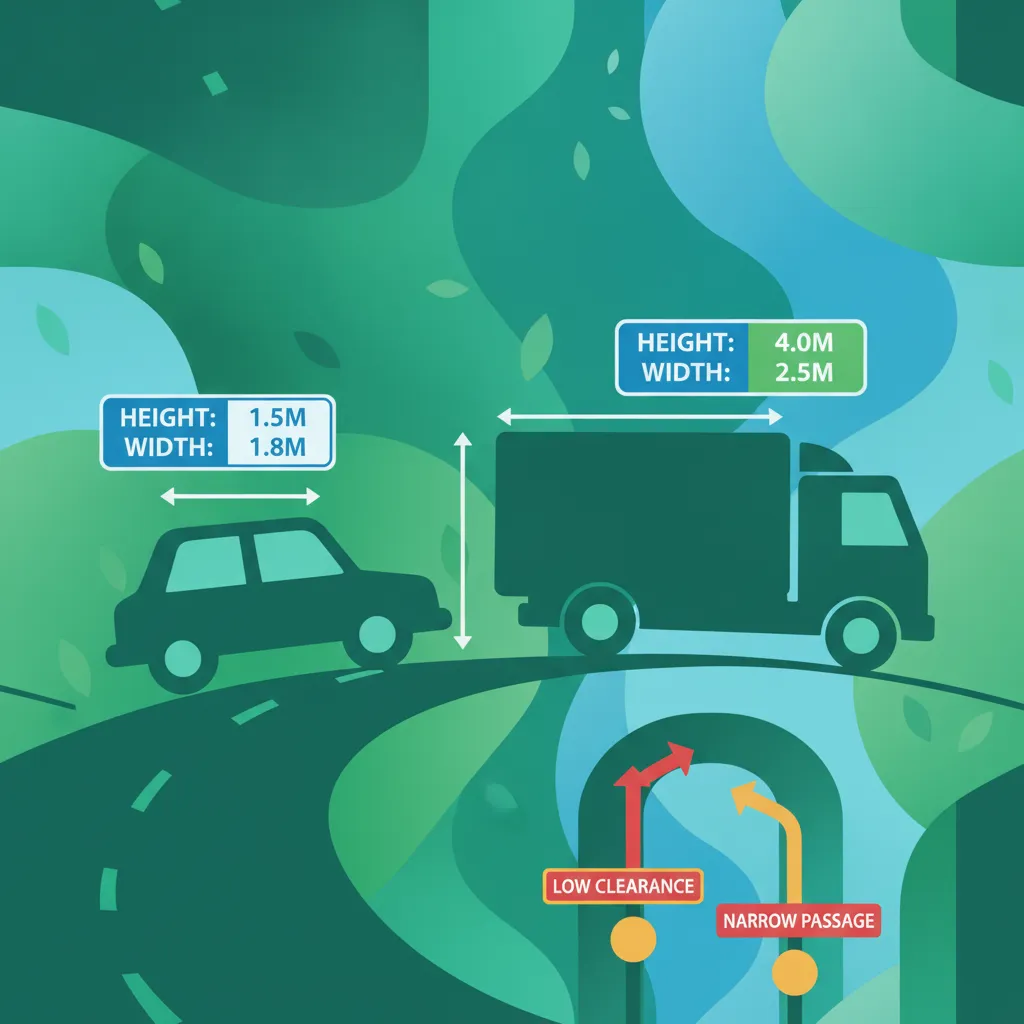
This lesson focuses on the specific dimensional limits that heavy goods vehicles must adhere to on Italian roads, as stipulated by the Codice della Strada. It covers the maximum permissible length, width, and height, explaining how these restrictions impact navigation through tunnels, under bridges, and within urban environments. Learners will also understand the conditions under which special permits for exceptional or oversized transport are required.
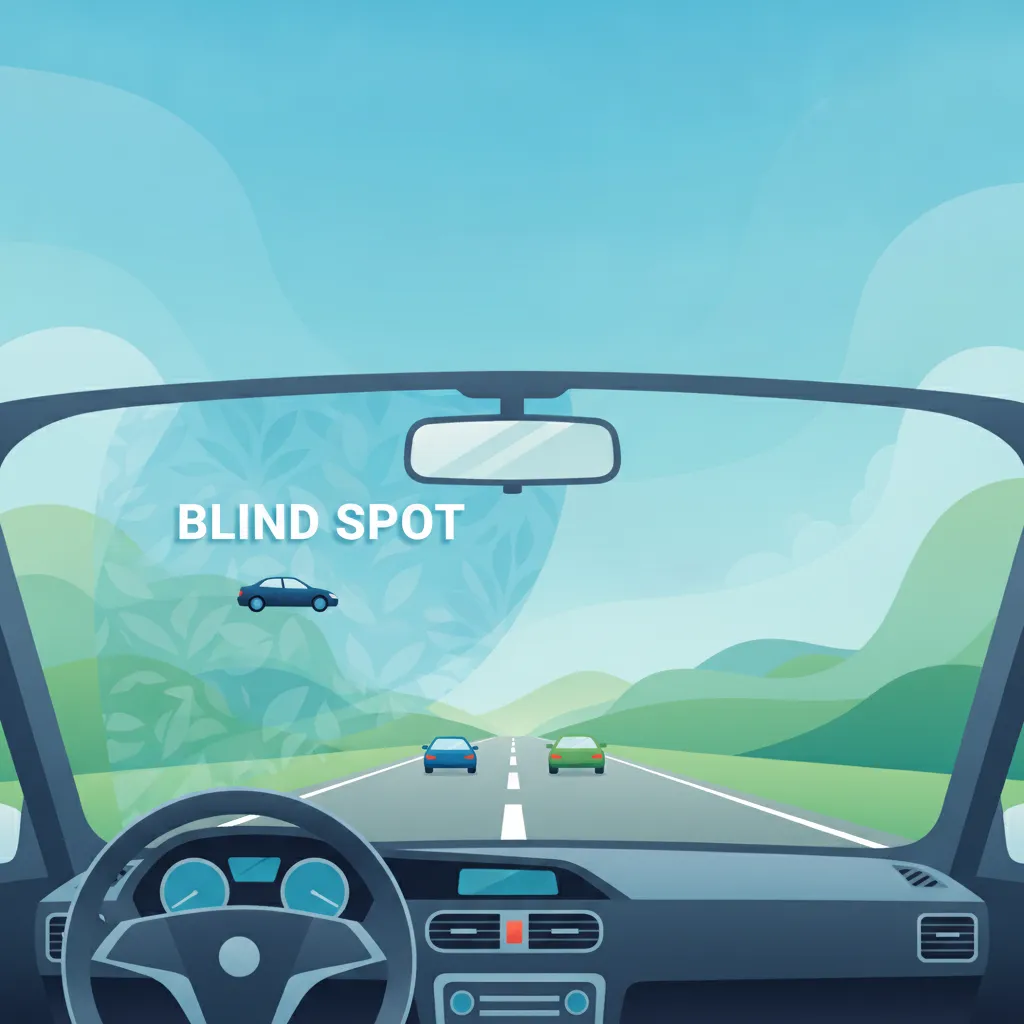
This lesson highlights the large blind spots—or 'no-zones'—that exist to the front, back, and sides of a heavy vehicle, where smaller vehicles, cyclists, and pedestrians can disappear from view. It teaches proactive scanning techniques, the importance of anticipating hazards, and how to use mirrors and direct vision effectively to manage these high-risk areas. Awareness and mitigation of blind spots are crucial for preventing collisions, especially in urban traffic.

This lesson bridges the gap between general traffic laws and their specific application to heavy goods vehicles. It examines how rules regarding speed limits, lane discipline, overtaking, and priority are modified or have special considerations for trucks due to their size, weight, and reduced maneuverability. Drivers will learn to correctly interpret road signs and signals within the context of operating a large vehicle, ensuring safe and compliant integration with other traffic.

This lesson provides a step-by-step guide for managing a vehicle breakdown safely. It reinforces the procedure for stopping on the hard shoulder, activating hazard lights, and placing a warning triangle at the correct distance. The lesson emphasizes the importance of wearing high-visibility clothing, exiting the vehicle from the side away from traffic, and waiting in a safe location before contacting a roadside assistance service.

This lesson explains the rules for special urban traffic situations common in Italy. It provides a detailed explanation of Limited Traffic Zones (ZTL), including how to recognize the signage and understand the access restrictions to avoid fines. The content also offers guidance on navigating the narrow and complex streets of historic centers and safely maneuvering around frequently stopping delivery vehicles.
Master precise reversing techniques and clear communication strategies for successful loading and unloading at logistics centre bays. This lesson focuses on safe bay alignment, interaction with staff, and site-specific procedures for C/CE license holders.
This lesson outlines the correct protocols for stopping to make a delivery in a public area. It covers the legal use of designated loading bays, the importance of making the vehicle highly visible with hazard lights, and ensuring that the parking brake is securely applied. The lesson stresses the need to conduct loading and unloading activities efficiently and safely, without causing undue obstruction or danger to other road users and pedestrians.
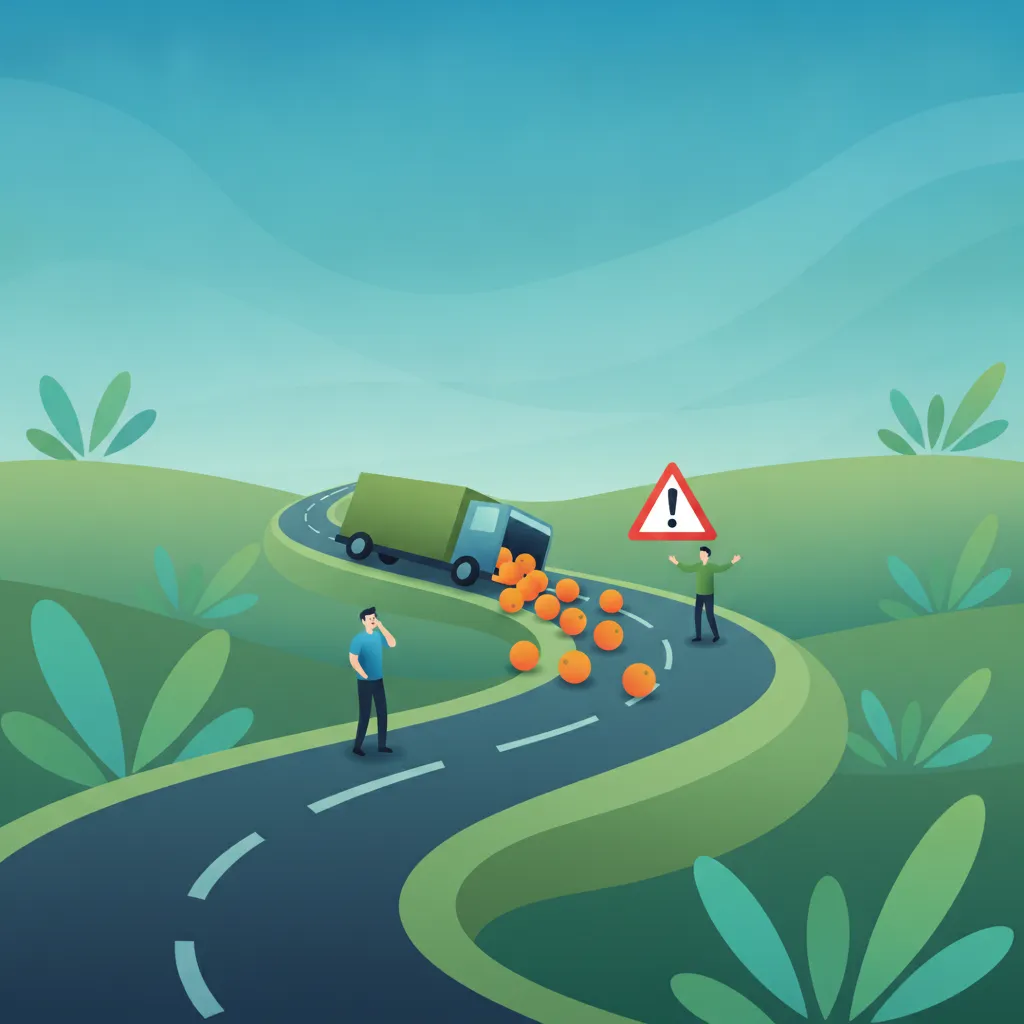
This lesson prepares drivers for incidents beyond a simple breakdown, such as losing part of the load onto the roadway or dealing with a spillage. It outlines the immediate priorities: ensuring personal safety, warning other traffic of the hazard, and notifying the authorities. The lesson also covers the fundamental principles of managing an accident scene, including protecting the area, assessing for casualties, and providing essential information to emergency services.

This lesson focuses on the practical skill of distributing the load's weight evenly across the vehicle's axles. It explains how improper placement can overload one axle while underloading another, leading to legal violations and poor vehicle handling, steering, and braking performance. Learners will understand how to create a balanced load plan that respects legal axle limits and ensures the vehicle remains stable and controllable.
This lesson focuses on the principle of 'appropriate speed' in urban environments, which often means driving slower than the legal maximum. It explains how to assess the environment for potential hazards—such as schools, parked cars, and busy intersections—and adjust speed accordingly to allow for adequate reaction time. Maintaining a safe, consistent speed reduces the need for harsh braking and contributes to a safer environment for everyone.

This lesson explains the principles of safe load management to maintain vehicle stability and comply with legal requirements. It covers how to properly distribute and secure cargo inside the vehicle, the rules for using roof racks, and the specific signaling required for loads that project beyond the vehicle's rear. The content also provides a basic introduction to the rules and safety considerations when towing a small trailer.
This lesson focuses on the specific regulations and techniques for operating a heavy vehicle on high-speed motorways. It covers mandatory lane discipline for trucks, the rules governing overtaking other heavy vehicles, and the specific speed limits that apply. Best practices for merging onto and exiting the motorway, maintaining safe following distances, and using the hard shoulder only in genuine emergencies are also detailed.
This lesson bridges the gap between general traffic laws and their specific application to heavy goods vehicles. It examines how rules regarding speed limits, lane discipline, overtaking, and priority are modified or have special considerations for trucks due to their size, weight, and reduced maneuverability. Drivers will learn to correctly interpret road signs and signals within the context of operating a large vehicle, ensuring safe and compliant integration with other traffic.

This lesson focuses on the logistical aspects of long-haul driving. It teaches drivers how to plan journeys to comply with legal driving hours and mandatory rest periods, using a tachograph to record activity. The lesson also covers how to plan for fuel stops and select safe and secure overnight parking locations at motorway service areas or designated truck stops.
This lesson provides a step-by-step guide for managing a vehicle breakdown safely. It reinforces the procedure for stopping on the hard shoulder, activating hazard lights, and placing a warning triangle at the correct distance. The lesson emphasizes the importance of wearing high-visibility clothing, exiting the vehicle from the side away from traffic, and waiting in a safe location before contacting a roadside assistance service.

This lesson focuses on the importance of meticulous pre-journey planning for urban deliveries. It teaches drivers how to use maps and digital tools to plan routes that avoid physical restrictions (low bridges, narrow streets), legal restrictions (ZTLs, weight limits), and temporary disruptions. Effective route planning saves time, reduces stress, and ensures that all deliveries can be made legally and safely.
Find clear answers to common questions learners have about Delivery Operations in Industrial Zones and Logistics Centres. Learn how the lesson is structured, which driving theory objectives it supports, and how it fits into the overall learning path of units and curriculum progression in Italy. These explanations help you understand key concepts, lesson flow, and exam focused study goals.
The driver must prioritize pedestrian safety, adhere strictly to site-specific speed limits, and follow designated signage and traffic flows, which may differ from standard road rules.
Always establish clear communication, use designated signals, and ensure you remain in visible areas. Never proceed with movement until you have explicit confirmation from site personnel.
Reversing into a bay involves narrow clearances and often high pedestrian activity. It requires constant mirror surveillance and, if available, the use of a banksman or site-provided guide.
While the Codice della Strada sets general principles, private sites often have their own specific traffic management systems and regulations that must be followed for insurance and safety.
Start searching now to pinpoint exactly which Italian driving theory topics, road signs, or traffic rules you need to master. Use our advanced filters to build a custom practice session and ensure you're fully prepared for every aspect of your official driving licence exam.