
This lesson teaches professional drivers how to apply the principle of appropriate speed when operating heavy goods vehicles in complex urban environments. By analyzing typical city hazards and legal constraints, you will learn to manage your vehicle's speed to ensure safety and regulatory compliance.
Lesson content overview
Navigating urban environments in Italy with a heavy goods vehicle (HGV) demands more than just adhering to posted speed limits. It requires a nuanced understanding of 'appropriate speed' – a critical principle that prioritizes safety for all road users. This lesson, designed for the Italian Goods Vehicle License Theory Course, delves into the essential strategies for managing your speed effectively in the dynamic and often unpredictable settings of Italian towns and cities.
Understanding how to assess potential hazards, adjust your speed, and maintain adequate reaction time is fundamental. By consistently driving at an appropriate speed, you reduce the necessity for abrupt braking, contribute to smoother traffic flow, and significantly enhance safety for pedestrians, cyclists, and other motorists, especially in densely populated areas.
The core concept of speed management in urban areas revolves around the appropriate speed principle. This dictates that drivers must select a speed that enables them to safely respond to any foreseeable hazards in their immediate environment, regardless of the maximum speed limit posted. For heavy goods vehicle drivers, this principle is particularly vital due to the longer stopping distances and larger blind spots associated with their vehicles.
This concept goes beyond simply obeying the law; it is about proactive risk mitigation. Urban settings are replete with unpredictable elements such as children playing, sudden pedestrian crossings, vehicles emerging from parked positions, and complex intersections. Adopting an appropriate speed provides the necessary safety buffer to react effectively to these situations, minimizing the risk of accidents and ensuring the safety of all road users.
While posted speed limits indicate the maximum speed permitted under ideal conditions, they do not necessarily represent a safe speed in all circumstances. For example, a street might have a 50 km/h speed limit, but if it's a narrow residential road with parked cars, limited visibility, and children present, an appropriate speed might be 30 km/h or even less.
The Italian Codice della Strada (Road Code) explicitly supports this principle. Article 141, paragraph 3, states that drivers must adjust their speed to road, traffic, visibility, and weather conditions, ensuring they can stop safely within the distance of their own sight. This legal provision underscores that drivers are ultimately responsible for choosing a safe speed, even if it means travelling well below the maximum allowed.
The speed at which a driver can maintain full control over the vehicle and react safely to all foreseeable hazards in the environment, which may be lower than the posted speed limit.
Effective speed management is intrinsically linked to continuous risk assessment. This involves an ongoing evaluation of potential hazards based on visual cues and anticipated events within the urban environment. For HGV drivers, this vigilance is heightened due to the vehicle's size and potential impact in a collision.
Drivers must be constantly scanning their surroundings for indicators that necessitate a speed adjustment. These indicators include:
Proactive adaptation of speed and driving behaviour based on this assessment ensures that you are always prepared for the unexpected. Failing to adjust speed according to identified risks can lead to insufficient reaction time, longer stopping distances, and an increased likelihood of accidents.
One of the most fundamental principles in road safety, particularly for heavy goods vehicles, is the relationship between speed and stopping distance. Stopping distance is the total distance a vehicle travels from the moment a driver perceives a hazard to the point where the vehicle comes to a complete stop. This distance is comprised of two main components:
The crucial point is that braking distance increases approximately with the square of the speed. This means that if you double your speed, your braking distance doesn't just double; it quadruples. For an HGV, which is heavier and thus requires more force and time to stop, this relationship is even more critical. Even a small increase above an appropriate speed can dramatically extend the distance required to bring the vehicle to a halt, making evasive action impossible in tight urban conditions.
For a heavy goods vehicle, a speed of just 50 km/h can result in a stopping distance of 40-50 metres or more on a dry road, and significantly longer in adverse conditions. This distance must always be kept clear in front of you.
Beyond speed, several other factors can significantly affect an HGV's stopping distance:
Understanding these dynamics reinforces the necessity for reduced speeds in urban areas where stopping distances are often limited by traffic density, road design, and the presence of other road users.
Urban environments present a diverse array of potential hazards that require specific attention and speed adjustments from HGV drivers. Recognizing these types of hazards and anticipating their implications is key to safe urban driving.
Areas with high foot traffic, such as market squares, near schools, or bus stops, are significant hazard zones. Pedestrians, especially children and the elderly, can be unpredictable, often stepping into the road without warning.
At zebra crossings (strisce pedonali) without traffic lights, pedestrians have absolute priority. Drivers must be prepared to stop well in advance if a pedestrian shows any intention of crossing. Even if no specific crossing is marked, in areas with high pedestrian density, drivers must proceed with extreme caution and at a reduced speed.
Streets lined with parked cars present multiple hazards. Vehicles may pull out unexpectedly, doors might open, or pedestrians (especially children) could emerge from between parked cars into the roadway, hidden from view.
HGV drivers must maintain a safe lateral distance from parked vehicles and reduce speed to allow time to react if one of these scenarios occurs. Always assume that a parked car might suddenly move or reveal a hidden hazard.
Cyclists and motorcyclists are vulnerable road users (VRUs), meaning they have little protection in the event of a collision. In urban areas, they often share lanes with vehicles or use dedicated cycle paths that can merge unexpectedly with vehicle traffic.
HGV drivers must always provide ample space for cyclists, both laterally and when following. Their movements can be less predictable than other vehicles, and they may be harder to see, especially in blind spots. Italian law mandates a minimum lateral distance when overtaking cyclists.
Urban intersections, particularly multi-way junctions and roundabouts, can be complex. They involve multiple traffic flows, signals, and potential conflicts with other vehicles, pedestrians, and cyclists. Reducing speed significantly before entering an intersection allows the driver more time to assess the situation, identify potential hazards, and react appropriately.
At roundabouts, HGVs require more space to manoeuvre, and drivers must be acutely aware of smaller vehicles or cyclists alongside, who may be in their blind spots.
Vulnerable Road Users (VRUs) are individuals who are at a disproportionately higher risk of injury in a collision due to their lack of protective barriers. This category predominantly includes pedestrians, cyclists, motorcyclists, children, and the elderly. Heavy goods vehicle drivers bear a significant responsibility for their safety in urban environments.
Drivers must anticipate the behaviour of VRUs. Children, for instance, may act impulsively; the elderly might move slower or have impaired hearing and vision; and cyclists can quickly change direction. Providing sufficient space and time is paramount. This means not only reducing speed but also increasing following distances and ensuring a wide berth when overtaking.
Always assume that a vulnerable road user may not have seen your vehicle or may not fully understand the risks posed by a large heavy goods vehicle. Drive defensively and be prepared for unexpected actions.
The Italian Codice della Strada includes specific provisions to protect VRUs:
Failing to adhere to these rules not only carries legal penalties but significantly increases the risk of severe injury or fatality for VRUs.
Urban speed limits in Italy are not always static; they can vary based on the time of day, specific local conditions, or designated zones. HGV drivers must be acutely aware of these temporal and spatial variations to ensure compliance and enhance safety.
Near schools, kindergartens, daycare centres, and playgrounds, speed limits are often temporarily reduced to protect children. Article 140-bis of the Codice della Strada allows for special signage that indicates reduced speed limits (typically 30 km/h) in the vicinity of schools, often during specific hours (e.g., school opening and closing times). These signs must be strictly obeyed.
Many Italian city centres and historic areas implement Limited Traffic Zones (ZTL) to reduce congestion, pollution, and enhance pedestrian safety. Access to ZTLs is restricted to authorized vehicles during specified hours, which are typically indicated by signage and enforced by electronic cameras. Heavy goods vehicles are often prohibited from entering ZTLs during daytime or peak hours due to their size and potential impact.
Drivers of goods vehicles must carefully check ZTL signage and local regulations, which can vary significantly from city to city. Planning urban delivery routes to avoid ZTLs during restricted times or obtaining necessary permits is crucial. Entering a ZTL without authorization can result in substantial fines.
Construction zones, road works, or special events can also lead to temporary speed restrictions. These are indicated by temporary signs, often with orange backgrounds, and must be obeyed. They are put in place to protect workers and manage traffic flow safely around potential hazards. Ignoring these temporary limits increases the risk of accidents and legal penalties.
Adherence to national regulations is non-negotiable for all drivers, especially those operating heavy goods vehicles. The Italian Codice della Strada (Road Code) provides a comprehensive framework for speed management.
Drivers must never exceed the speed limits indicated by road signs. These limits are set to ensure safe traffic flow and account for road design, potential hazards, and local conditions. Temporary limits, such as those for construction or special events, are equally binding.
As discussed, Article 141, paragraph 3 mandates that drivers adapt their speed to prevailing road, traffic, visibility, and weather conditions. The ability to stop safely within the distance of one's sight is the primary measure of appropriate speed. This rule is fundamental and overrides simply adhering to a maximum limit if conditions demand a lower speed.
Specific provisions, as detailed in Article 140-bis, allow for reduced speed limits (commonly 30 km/h) in the vicinity of schools, kindergartens, and playgrounds. These zones are clearly marked with special signage and are enforced to protect vulnerable child pedestrians.
Article 184 of the Codice della Strada clearly states that vehicles must stop for pedestrians who are crossing or intending to cross at designated zebra crossings. Pedestrians always have priority in these areas, and drivers must approach them with caution, ready to stop.
When overtaking cyclists, Article 159 requires drivers to maintain a lateral distance of at least 1.5 metres. This legal requirement is crucial for preventing side collisions and protecting cyclists, who are particularly vulnerable. Drivers must only overtake when it is safe to do so, considering oncoming traffic and road width.
Regulations governing ZTLs vary by municipality but are legally binding. Drivers must be aware of and adhere to the specific access restrictions and operational hours for heavy goods vehicles in any ZTL they encounter. Unauthorized entry leads to penalties.
Failing to manage speed appropriately in urban areas can lead to serious consequences, ranging from fines and license points to severe accidents. Understanding common violations helps reinforce safe driving practices.
Wrong Behavior: Driving at the general urban limit of 50 km/h in a clearly marked 30 km/h school zone, especially during school hours. Correct Behavior: Reducing speed to 30 km/h or less within the designated school zone, actively scanning for children, and being prepared to stop. Consequence: Significant fines, points on the driver's license, and critically, a heightened risk of collisions with children.
Wrong Behavior: Maintaining the posted 50 km/h limit in congested streets with frequent starts and stops, requiring constant harsh braking. Correct Behavior: Adjusting speed to smoothly flow with traffic, increasing following distance, and allowing for gradual stopping, thus reducing wear and tear and accident risk. Consequence: Increased risk of rear-end collisions, unnecessary fuel consumption, and contribution to traffic blockages.
Wrong Behavior: Continuing through a zebra crossing when a pedestrian, especially a child or elderly person, is attempting to cross. Correct Behavior: Coming to a complete stop before the stop line, allowing pedestrians to cross safely, and only proceeding when the crossing is clear. Consequence: Severe pedestrian injuries, legal liability, heavy fines, and points on the license.
Wrong Behavior: Overtaking a cyclist on a narrow urban road without ensuring the legal 1.5-metre lateral distance, or doing so at high speed. Correct Behavior: Slowing down, waiting for a safe opportunity (potentially moving into an adjacent lane if available and safe), and ensuring ample lateral distance before completing the manoeuvre. Consequence: Side collisions, which can result in severe or fatal injuries to the cyclist, and legal prosecution.
Wrong Behavior: Driving a heavy goods vehicle into a ZTL during restricted hours without a valid permit. Correct Behavior: Prior planning of delivery routes to avoid ZTLs during restricted times, or ensuring all necessary permits are acquired if entry is unavoidable and permissible. Consequence: Substantial fines, potential vehicle towing, and other administrative sanctions.
Wrong Behavior: Driving at the normal speed limit through a construction zone where a temporary 20 km/h limit is clearly posted. Correct Behavior: Strictly complying with the temporary reduced speed, being vigilant for workers and construction equipment, and anticipating changes in road layout. Consequence: Increased risk of accidents involving construction workers or equipment, and fines.
The principle of appropriate speed is highly dynamic, requiring drivers to constantly re-evaluate their speed based on prevailing conditions. For heavy goods vehicle operators, these conditional adjustments are even more critical due to the vehicle's characteristics.
Effective speed management is not an isolated skill; it builds upon and influences many other aspects of safe heavy goods vehicle operation.
Understanding key terms is vital for mastering speed management in urban areas.
Applying the principles of appropriate speed to real-world urban scenarios is crucial for HGV drivers.
Setting: A residential street with a posted speed limit of 50 km/h, but a temporary sign indicates a 30 km/h limit 100 metres before a school entrance, effective from 7:30 to 8:30. Children are clearly visible on the sidewalks. Correct Behavior: The HGV driver immediately reduces speed to 30 km/h or less upon seeing the temporary sign, scans both sides of the road for children, covers the brake pedal, and is prepared to stop instantly if a child steps onto the crossing. Incorrect Behavior: The driver maintains 50 km/h, believing the children are on the sidewalk and will not cross, risking insufficient stopping distance if a child darts out. Rationale: Children are unpredictable; reduced speed allows for maximum reaction time and provides a safety margin. The temporary speed limit must be strictly obeyed.
Setting: A one-way urban street with parked cars on the right, a cyclist riding in the lane ahead, and limited space to the left due to oncoming traffic (though a one-way street, still illustrates space constraint). The posted limit is 40 km/h. Correct Behavior: The HGV driver slows down, assesses if there is enough clear space ahead and to the left to maintain at least 1.5 metres lateral distance from the cyclist without endangering oncoming traffic or veering too close to parked cars. If insufficient space, the driver waits behind the cyclist until a safe overtaking opportunity arises, potentially signaling a turn into another lane or waiting for a wider road section. Incorrect Behavior: The driver attempts to squeeze past the cyclist, maintaining less than 1.5 metres lateral distance, potentially forcing the cyclist closer to parked cars or causing them to lose balance. Rationale: Cyclists are vulnerable and require ample space for safety. The 1.5-metre rule is a legal minimum for their protection.
Setting: A historic city centre with clear ZTL signs indicating restricted access for heavy goods vehicles between 7:00 and 19:00, enforced by cameras. The HGV has a scheduled delivery within the ZTL area. Correct Behavior: The driver, having pre-planned the route, either ensures they have the necessary permit for ZTL access (if applicable for their specific vehicle and cargo) or schedules the delivery outside the restricted hours. If no permit is obtained and the delivery must be within restricted hours, an alternative, ZTL-compliant route or parking outside the zone for a smaller delivery vehicle is used. Incorrect Behavior: The driver ignores the ZTL signage and proceeds into the zone during restricted hours, assuming a delivery makes them exempt. Consequence: Automatic fines from camera systems and potential delays or towing if stopped by authorities.
Setting: An urban street with a prominent zebra crossing (strisce pedonali) without traffic lights. A child steps onto the crossing, looking in the direction of the HGV. Correct Behavior: The HGV driver immediately and smoothly applies the brakes, coming to a complete stop before the white stop line, allowing the child to cross fully and safely. The driver maintains eye contact with the child if possible and only proceeds once the crossing is clear. Incorrect Behavior: The driver decelerates but attempts to pass in front of or behind the child, assuming they will speed up or stop. Consequence: High risk of collision with severe injury to the child, legal liability, and significant penalties.
Setting: An urban road with a posted limit of 50 km/h. It is raining heavily, causing reduced visibility and a visibly wet road surface. Correct Behavior: The HGV driver immediately reduces speed to 30-40 km/h, significantly increases the following distance to the vehicle ahead, activates dipped beam headlights, and remains highly vigilant for standing water (hydroplaning risk) and vulnerable road users. Incorrect Behavior: The driver maintains 50 km/h, believing the speed limit still applies, leading to longer braking distances, reduced control due to hydroplaning risk, and insufficient time to react to hazards. Rationale: Wet roads dramatically increase stopping distances and reduce visibility. An appropriate speed is significantly lower than the posted maximum in these conditions.
Effective speed management is rooted in fundamental principles of physics, human psychology, and an understanding of road user vulnerability.
By integrating these safety and reasoning insights into their driving habits, HGV operators can make informed decisions about their speed, ensuring safer journeys for themselves and all others sharing the urban road network.
This lesson emphasizes that safe urban driving for heavy goods vehicles requires continuously adjusting speed below posted limits based on risk assessment and conditions. The core principle from Article 141 of the Codice della Strada mandates that drivers must always be able to stop within their sight distance. For HGVs, this is particularly critical due to their longer stopping distances—a 50 km/h speed can require 40-50 metres to stop on dry roads. Drivers must also comply with specific protections for vulnerable road users, including yielding to pedestrians at zebra crossings (Article 184), maintaining 1.5 metres lateral distance when overtaking cyclists (Article 159), and observing reduced speed limits in school zones. Additionally, awareness of ZTL restrictions and temporary speed limits is essential for legal compliance and safe urban navigation.
A short set of high-value points that capture the most important learning from this lesson.
Appropriate speed is the speed that allows you to stop safely within your sight distance, which is often lower than the posted maximum limit
Heavy goods vehicles require dramatically longer stopping distances due to their mass; braking distance increases with the square of speed
Continuous risk assessment is essential—scan for school zones, pedestrians, cyclists, parked cars, and complex intersections to determine necessary speed adjustments
Vulnerable road users (pedestrians, cyclists, motorcyclists) lack protective barriers and require extra space and reduced speed from HGV drivers
Speed must be adapted to conditions including weather, road surface, visibility, time of day, and vehicle load status
Explore all units and lessons included in this driving theory course.
Article 141 of the Codice della Strada requires drivers to adjust speed to road, traffic, visibility, and weather conditions to stop safely within their sight distance
A minimum lateral distance of 1.5 metres must be maintained when overtaking cyclists under Article 159
School zones typically enforce reduced limits of 30 km/h during specific hours near schools, kindergartens, and playgrounds
Stopping distance consists of thinking distance (approximately 1 second reaction time) plus braking distance, both of which increase with vehicle mass and speed
ZTL (Limited Traffic Zones) restrict heavy goods vehicle access during specified hours and are enforced by electronic cameras with significant fines
Assuming that the posted speed limit is always safe to drive at, rather than adjusting speed based on actual conditions and hazards
Failing to reduce speed in school zones during restricted hours, believing children on sidewalks are not at risk
Attempting to overtake cyclists without ensuring the mandatory 1.5-metre lateral distance, especially on narrow urban roads
Entering ZTL zones without checking local restrictions or obtaining necessary permits for HGV access
Maintaining the same speed in adverse weather (rain, fog, ice) without accounting for increased stopping distances and reduced visibility
Lesson content overview
A short set of high-value points that capture the most important learning from this lesson.
Appropriate speed is the speed that allows you to stop safely within your sight distance, which is often lower than the posted maximum limit
Heavy goods vehicles require dramatically longer stopping distances due to their mass; braking distance increases with the square of speed
Continuous risk assessment is essential—scan for school zones, pedestrians, cyclists, parked cars, and complex intersections to determine necessary speed adjustments
Vulnerable road users (pedestrians, cyclists, motorcyclists) lack protective barriers and require extra space and reduced speed from HGV drivers
Speed must be adapted to conditions including weather, road surface, visibility, time of day, and vehicle load status
Explore all units and lessons included in this driving theory course.
Article 141 of the Codice della Strada requires drivers to adjust speed to road, traffic, visibility, and weather conditions to stop safely within their sight distance
A minimum lateral distance of 1.5 metres must be maintained when overtaking cyclists under Article 159
School zones typically enforce reduced limits of 30 km/h during specific hours near schools, kindergartens, and playgrounds
Stopping distance consists of thinking distance (approximately 1 second reaction time) plus braking distance, both of which increase with vehicle mass and speed
ZTL (Limited Traffic Zones) restrict heavy goods vehicle access during specified hours and are enforced by electronic cameras with significant fines
Assuming that the posted speed limit is always safe to drive at, rather than adjusting speed based on actual conditions and hazards
Failing to reduce speed in school zones during restricted hours, believing children on sidewalks are not at risk
Attempting to overtake cyclists without ensuring the mandatory 1.5-metre lateral distance, especially on narrow urban roads
Entering ZTL zones without checking local restrictions or obtaining necessary permits for HGV access
Maintaining the same speed in adverse weather (rain, fog, ice) without accounting for increased stopping distances and reduced visibility
Explore search topics learners often look for when studying Speed Management in Urban Areas. These topics reflect common questions about road rules, driving situations, safety guidance, and lesson level theory preparation for learners in Italy.
Browse additional driving theory lessons that cover connected traffic rules, road signs, and common driving situations related to this topic. Improve your understanding of how different rules interact across everyday traffic scenarios.
Learn how to safely manage speed for heavy vehicles in Italian cities. Covers hazard perception, protecting pedestrians and cyclists, and navigating restricted zones like ZTLs according to the Codice della Strada.
This lesson explains the concept of 'Zone a Traffico Limitato' (ZTL), common in Italian city centers, which restricts vehicle access at certain times. It covers how to identify ZTL boundaries, understand the operating hours, and the procedures for obtaining permits for commercial deliveries. The lesson also touches on environmental zones that may restrict access based on a vehicle's emission standards.
This lesson addresses the critical responsibility of protecting vulnerable road users, such as pedestrians, cyclists, and motorcyclists, who are most at risk in a collision with a heavy vehicle. It teaches drivers to be hyper-aware in urban settings, to anticipate the unpredictable movements of VRUs, and to provide ample space, especially when turning at junctions. A key focus is on scanning for VRUs in blind spots before moving off or making any maneuver.
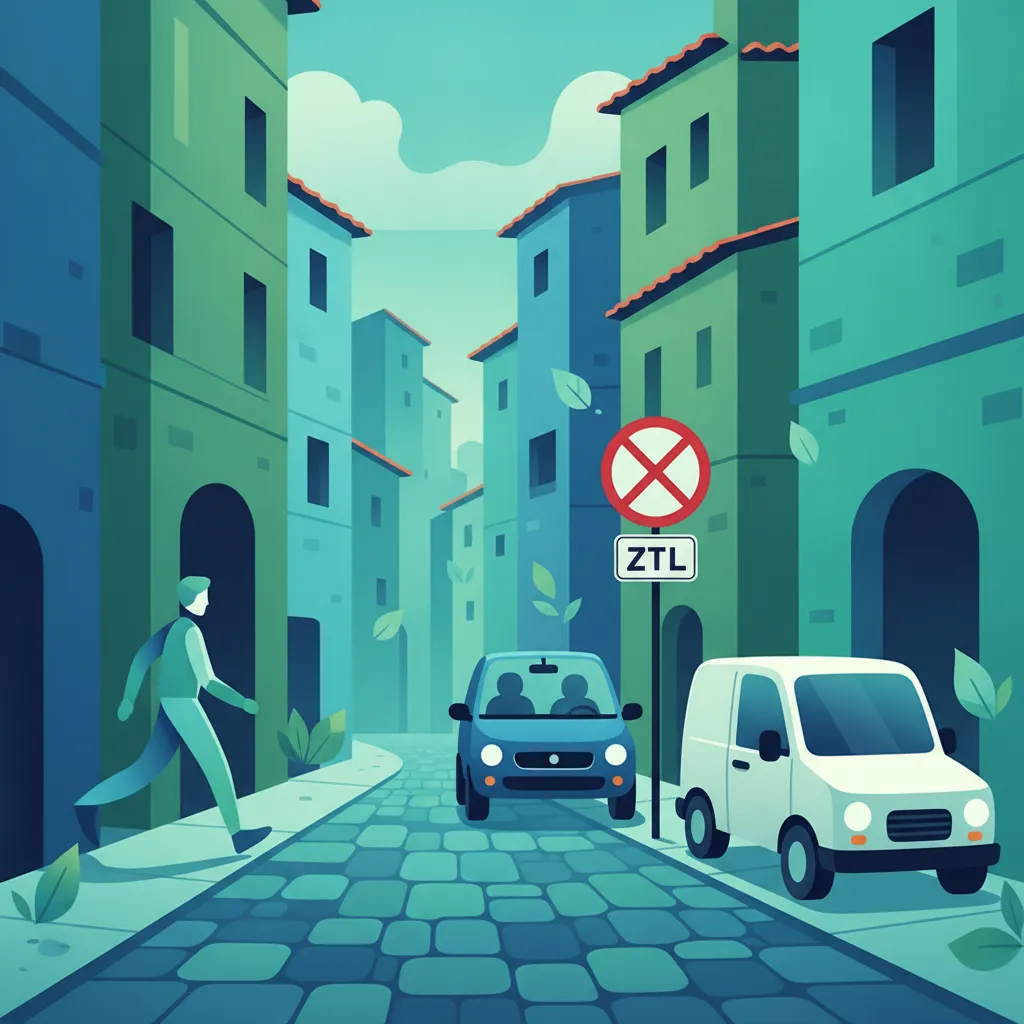
This lesson explains the rules for special urban traffic situations common in Italy. It provides a detailed explanation of Limited Traffic Zones (ZTL), including how to recognize the signage and understand the access restrictions to avoid fines. The content also offers guidance on navigating the narrow and complex streets of historic centers and safely maneuvering around frequently stopping delivery vehicles.
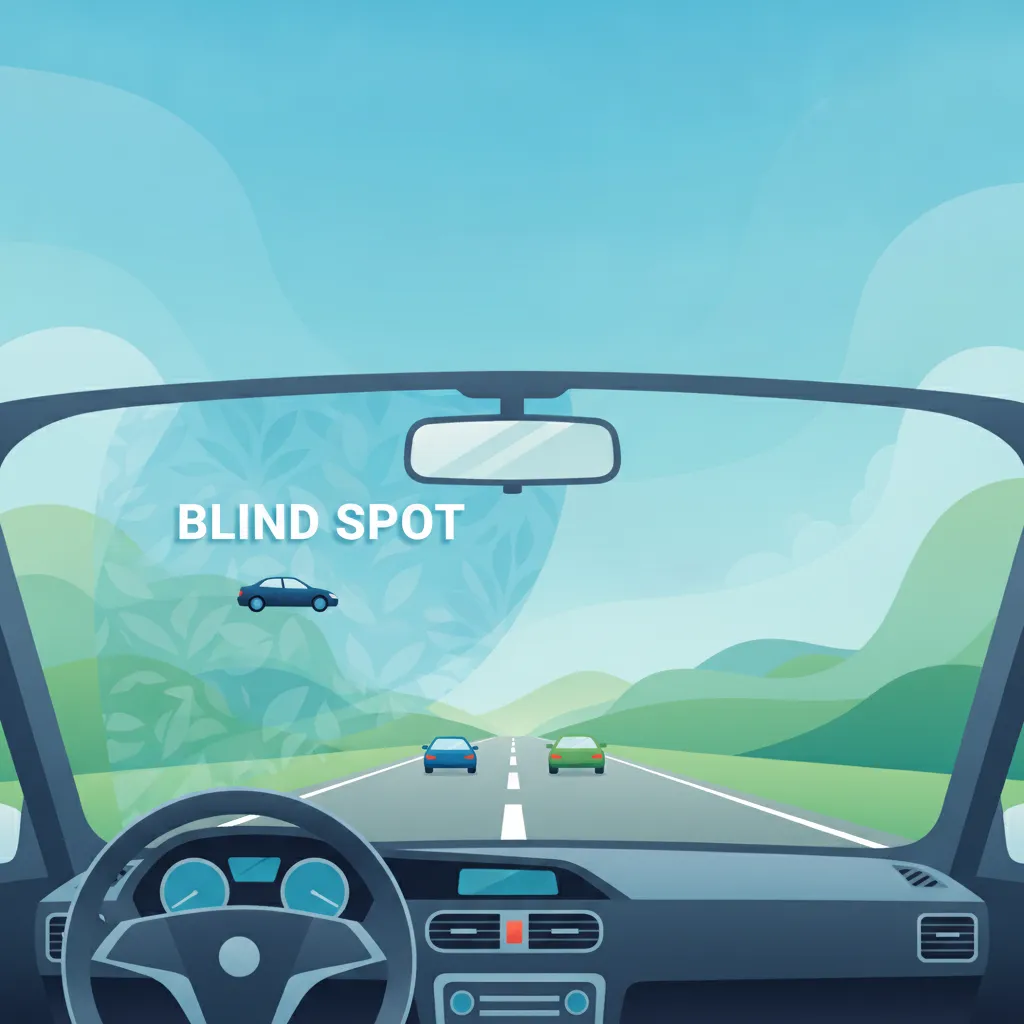
This lesson highlights the large blind spots—or 'no-zones'—that exist to the front, back, and sides of a heavy vehicle, where smaller vehicles, cyclists, and pedestrians can disappear from view. It teaches proactive scanning techniques, the importance of anticipating hazards, and how to use mirrors and direct vision effectively to manage these high-risk areas. Awareness and mitigation of blind spots are crucial for preventing collisions, especially in urban traffic.

This lesson focuses on the importance of meticulous pre-journey planning for urban deliveries. It teaches drivers how to use maps and digital tools to plan routes that avoid physical restrictions (low bridges, narrow streets), legal restrictions (ZTLs, weight limits), and temporary disruptions. Effective route planning saves time, reduces stress, and ensures that all deliveries can be made legally and safely.
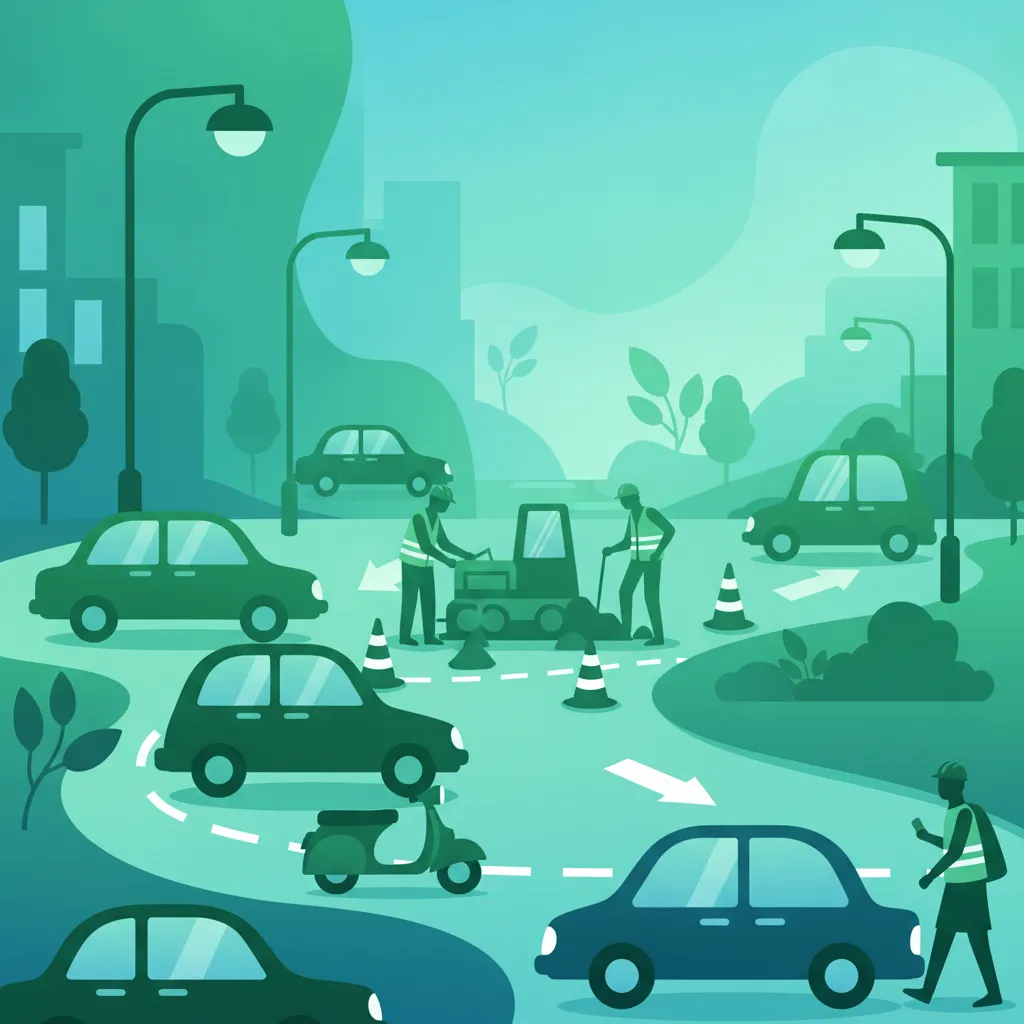
This lesson equips riders to safely manage the challenges posed by road construction zones. It explains how to interpret temporary signage, navigate lane closures or diversions, and maintain heightened awareness for surface hazards like gravel or steel plates. The content emphasizes the need to reduce speed and increase following distances to safely share the road with large construction vehicles and workers.
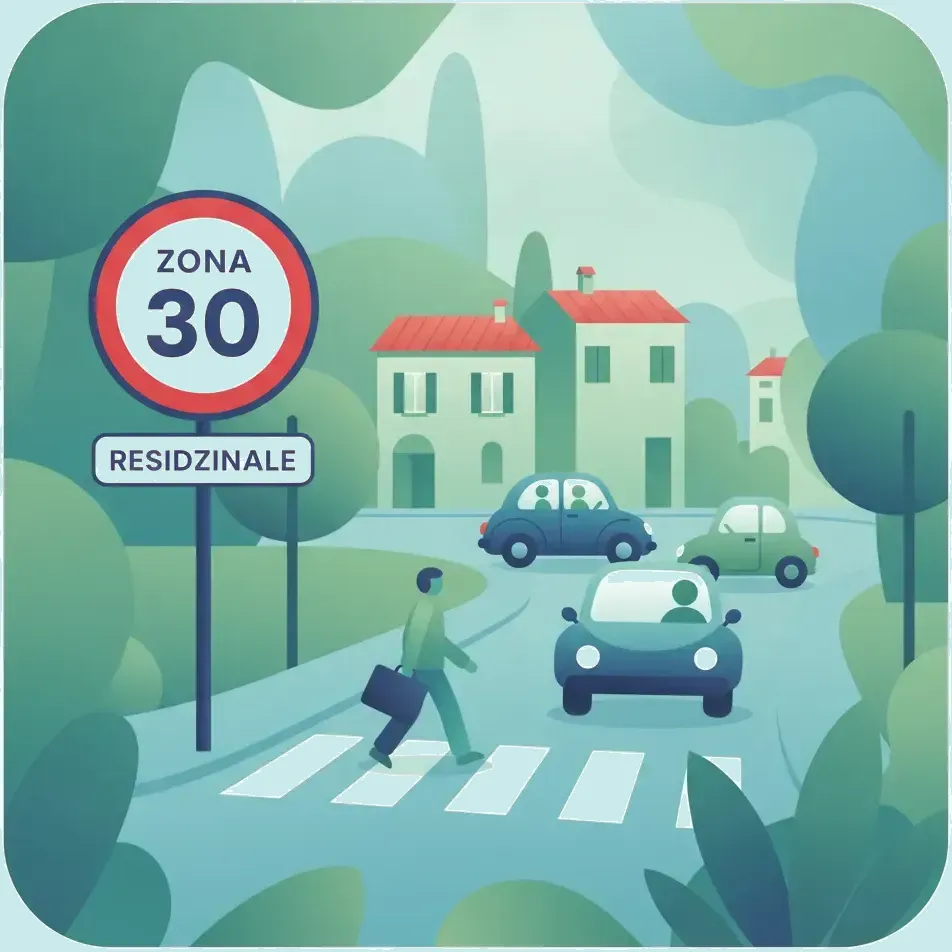
This lesson focuses on the specific signage and regulations for low-speed zones, such as "Zone 30" areas common in Italian towns. You will learn to recognize the signs that indicate reduced speed limits in residential areas, school zones, and other pedestrian-heavy environments. The content also explains various traffic calming measures and the priority rules that apply within these designated zones.
Understand the critical relationship between speed and stopping distance for HGVs in Italian urban environments. Explains how factors like load, road conditions, and vehicle weight affect safe speed selection.
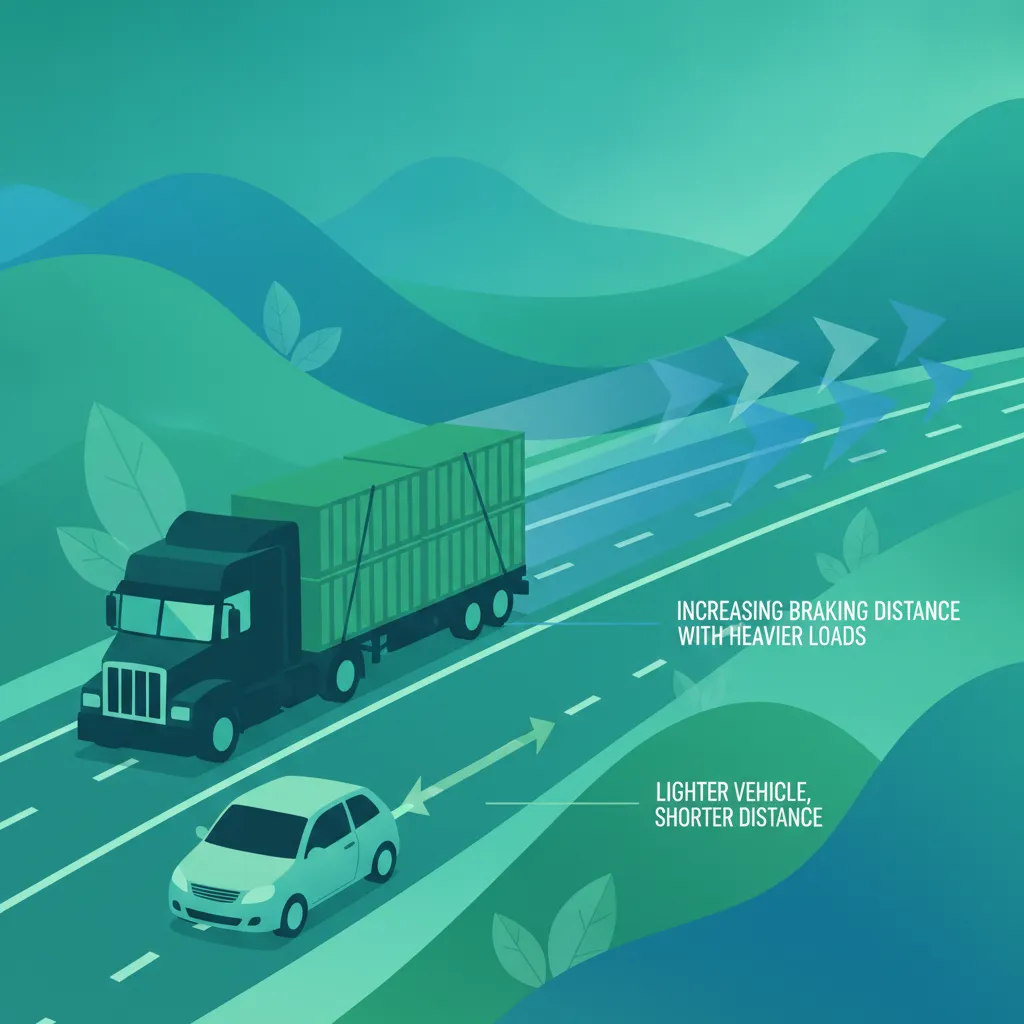
This lesson explores the critical physics behind stopping a heavy vehicle. It breaks down the components of total stopping distance—thinking distance and braking distance—and explains how this is significantly increased by vehicle mass and speed. Learners will understand the necessity of maintaining a much greater following distance than a car to allow enough space to stop safely in all conditions.
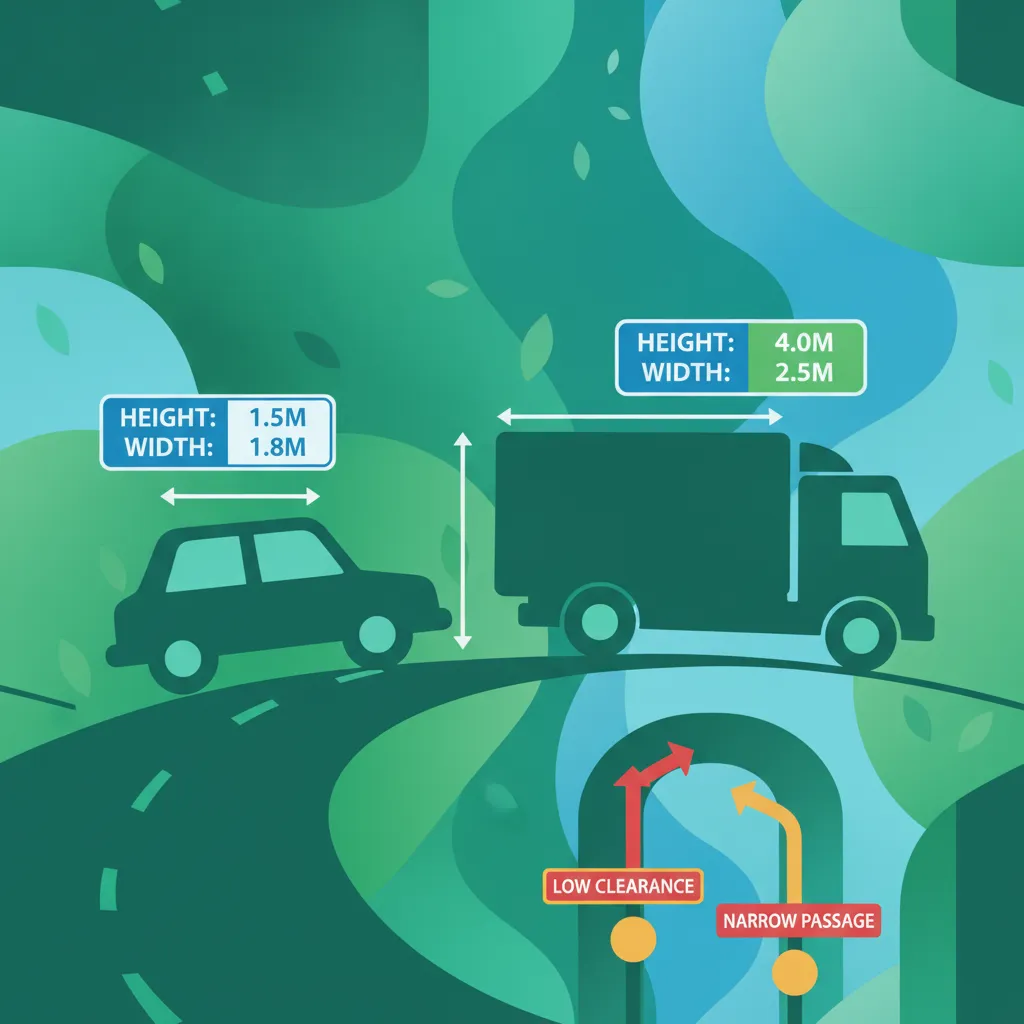
This lesson focuses on the specific dimensional limits that heavy goods vehicles must adhere to on Italian roads, as stipulated by the Codice della Strada. It covers the maximum permissible length, width, and height, explaining how these restrictions impact navigation through tunnels, under bridges, and within urban environments. Learners will also understand the conditions under which special permits for exceptional or oversized transport are required.
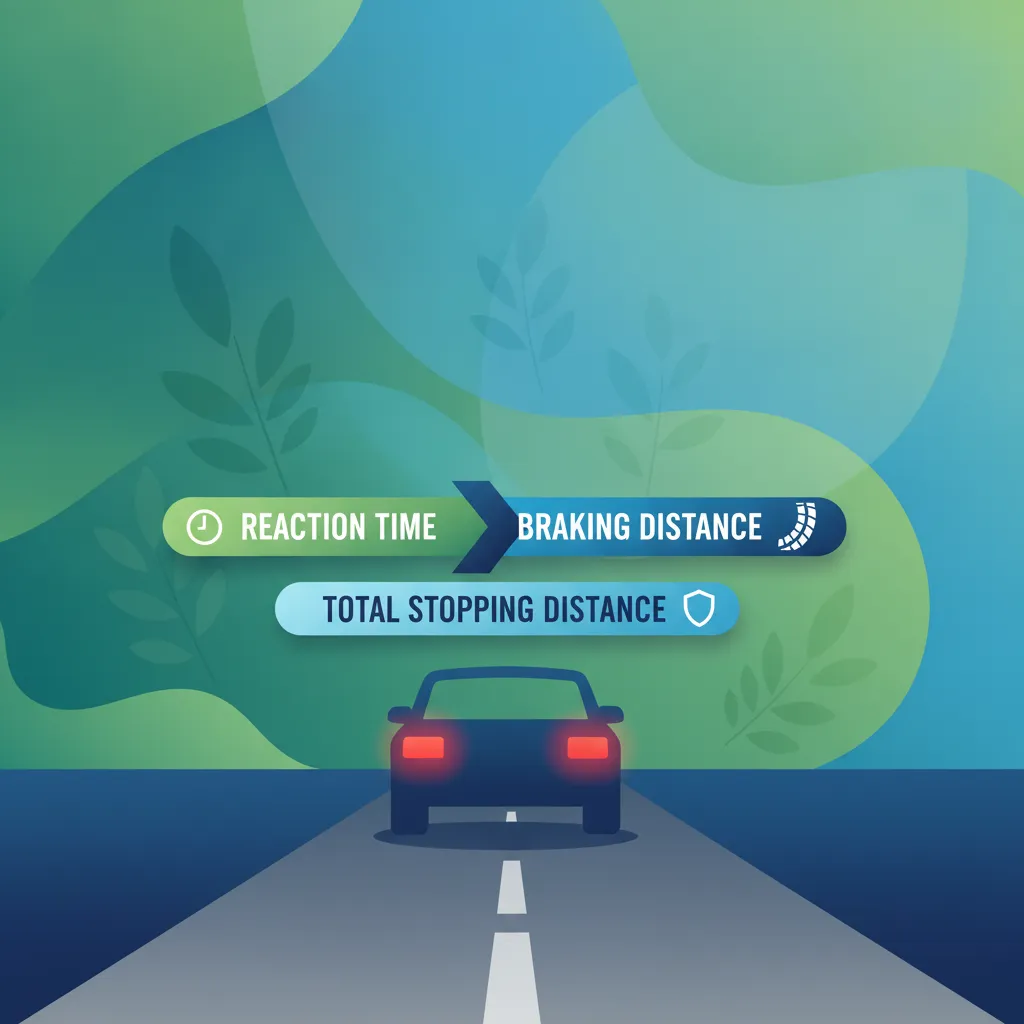
This lesson provides a technical breakdown of the total stopping distance, explaining its two key components: reaction distance and braking distance. It details how factors like driver alertness affect reaction time, while speed, vehicle weight, and road grip influence braking distance. Understanding this relationship is fundamental to managing speed and maintaining a safe distance from other road users.
This lesson focuses on the importance of meticulous pre-journey planning for urban deliveries. It teaches drivers how to use maps and digital tools to plan routes that avoid physical restrictions (low bridges, narrow streets), legal restrictions (ZTLs, weight limits), and temporary disruptions. Effective route planning saves time, reduces stress, and ensures that all deliveries can be made legally and safely.
This lesson bridges the gap between general traffic laws and their specific application to heavy goods vehicles. It examines how rules regarding speed limits, lane discipline, overtaking, and priority are modified or have special considerations for trucks due to their size, weight, and reduced maneuverability. Drivers will learn to correctly interpret road signs and signals within the context of operating a large vehicle, ensuring safe and compliant integration with other traffic.

This lesson focuses on the specific regulations and techniques for operating a heavy vehicle on high-speed motorways. It covers mandatory lane discipline for trucks, the rules governing overtaking other heavy vehicles, and the specific speed limits that apply. Best practices for merging onto and exiting the motorway, maintaining safe following distances, and using the hard shoulder only in genuine emergencies are also detailed.

This lesson outlines the correct protocols for stopping to make a delivery in a public area. It covers the legal use of designated loading bays, the importance of making the vehicle highly visible with hazard lights, and ensuring that the parking brake is securely applied. The lesson stresses the need to conduct loading and unloading activities efficiently and safely, without causing undue obstruction or danger to other road users and pedestrians.
This lesson focuses on the factors that determine a motorcycle's total stopping distance: perception time, reaction time, and braking distance. It provides a clear understanding of how speed exponentially increases the distance required to come to a complete stop. Learners will be able to apply principles like the two-second rule to maintain a safe and appropriate following distance in various traffic situations.
This lesson explains the concept of 'Zone a Traffico Limitato' (ZTL), common in Italian city centers, which restricts vehicle access at certain times. It covers how to identify ZTL boundaries, understand the operating hours, and the procedures for obtaining permits for commercial deliveries. The lesson also touches on environmental zones that may restrict access based on a vehicle's emission standards.
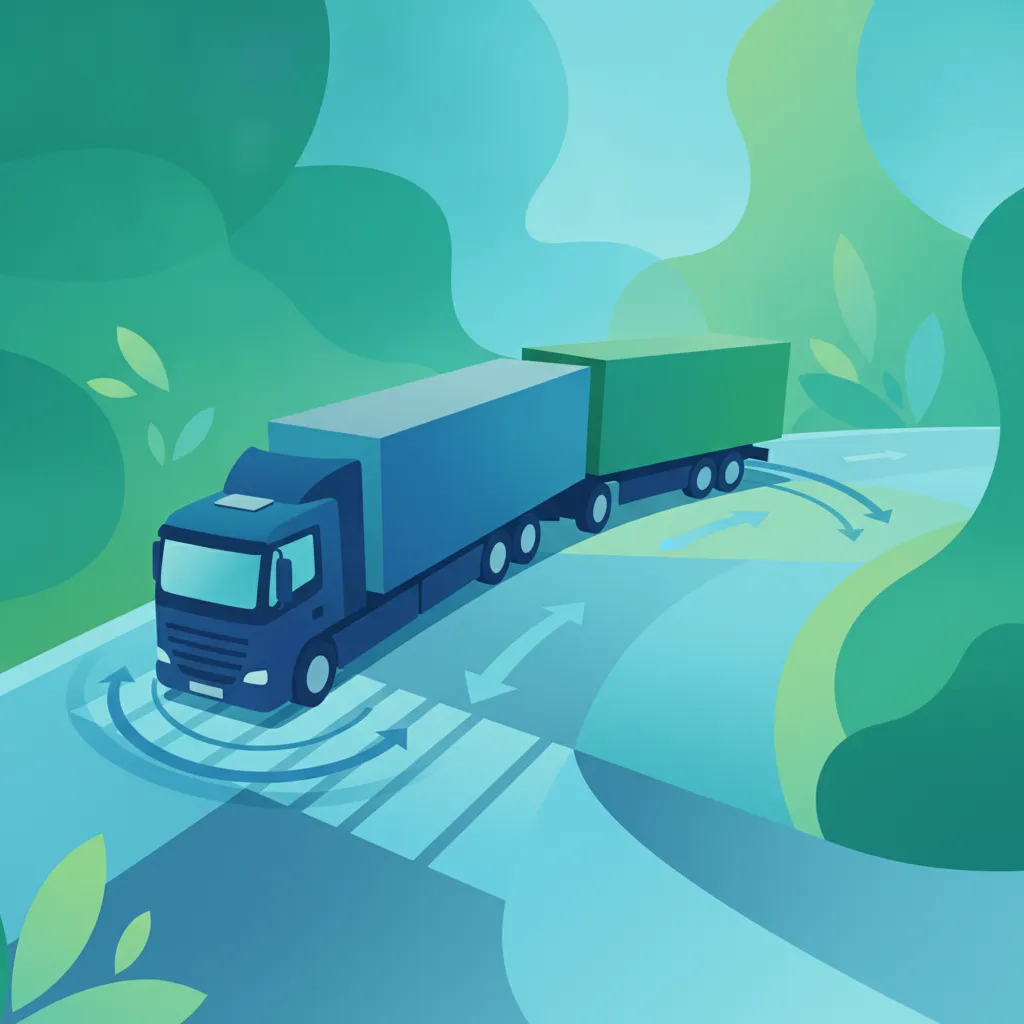
This lesson delves deeper into the dynamics of turning, introducing the concept of the 'swept path'—the total area a vehicle covers when making a turn. It builds on the idea of off-tracking, explaining how to position the vehicle before entering a turn to ensure the trailer safely clears corners, curbs, and other obstacles. Mastering this spatial judgment is essential for navigating junctions and roundabouts without incident.
Find clear answers to common questions learners have about Speed Management in Urban Areas. Learn how the lesson is structured, which driving theory objectives it supports, and how it fits into the overall learning path of units and curriculum progression in Italy. These explanations help you understand key concepts, lesson flow, and exam focused study goals.
Heavy goods vehicles have significantly longer stopping distances and lower maneuverability than passenger cars. Even if you are within the legal limit, your speed may be inappropriate if it prevents you from stopping safely for unexpected hazards common in urban environments.
Higher vehicle mass increases momentum and braking distances. As a professional driver, you must account for this by starting your deceleration earlier and maintaining a greater gap from the vehicle in front than you would in a lighter vehicle.
While the general rules of the Codice della Strada apply to all, the specific handling and stopping physics vary by vehicle class. All professional drivers must prioritize safety and defensive driving, which often means driving well below the posted limits in busy or residential areas.
Start searching now to pinpoint exactly which Italian driving theory topics, road signs, or traffic rules you need to master. Use our advanced filters to build a custom practice session and ensure you're fully prepared for every aspect of your official driving licence exam.