
This lesson guides you through the complex urban driving environment of Italy, specifically focusing on restricted traffic zones (ZTL) and the challenges of historic city centres. You will learn to identify key signage, understand access limitations, and safely share road space with delivery vehicles.
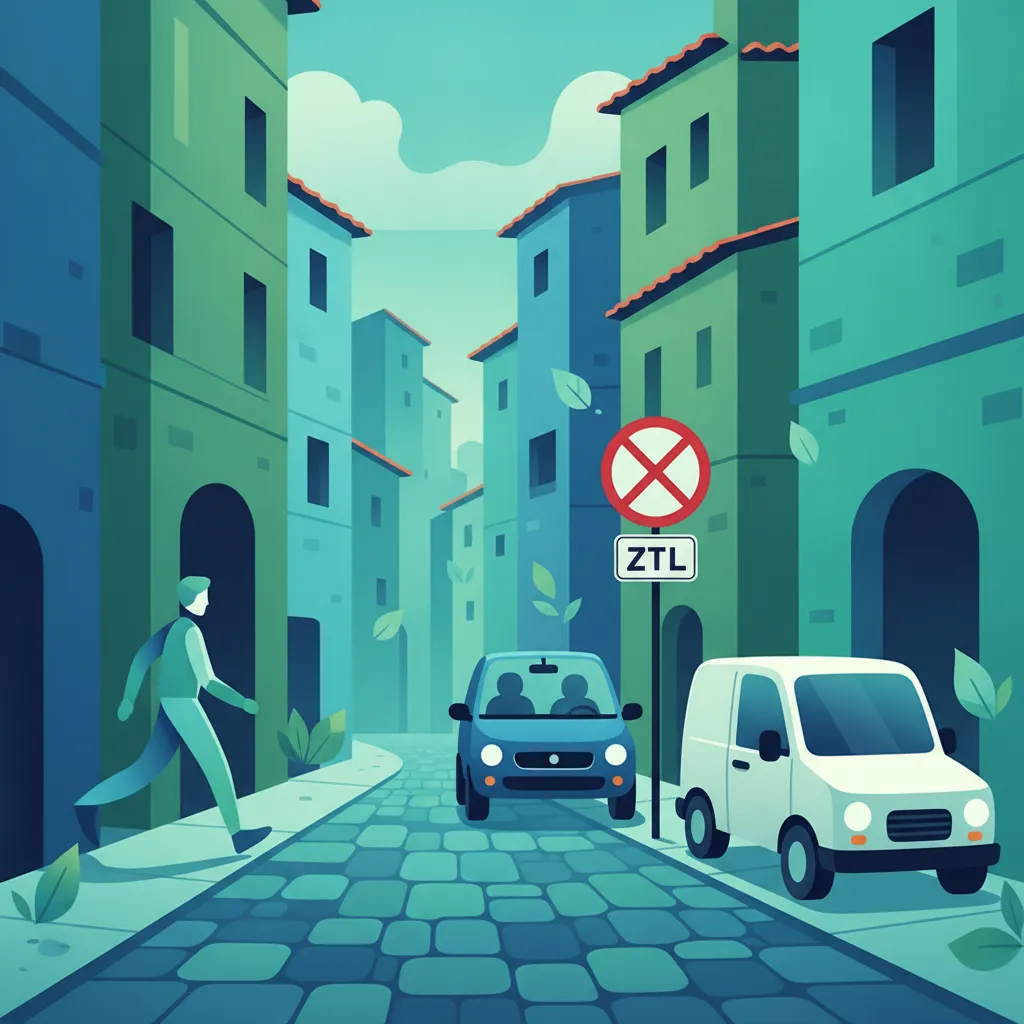
Lesson content overview
Navigating the bustling urban environments of Italy presents unique challenges and requires specific knowledge of local traffic regulations. This comprehensive guide, part of your Italian Patente B Theory preparation, delves into three critical scenarios you will frequently encounter: Limited Traffic Zones (ZTL), the intricate streets of historic city centres, and interacting safely with delivery vehicles. Understanding these special situations is crucial not only for avoiding hefty fines but also for ensuring road safety and demonstrating responsible driving behaviour.
Limited Traffic Zones, or Zona a Traffico Limitato (ZTL), are designated urban areas where vehicle access is restricted. These zones are a common feature in Italian cities, particularly in historic centres, and are designed to reduce congestion, protect cultural heritage, lower emissions, and enhance safety for pedestrians and cyclists. As a driver, recognizing ZTL signage and understanding the associated rules is paramount to avoid penalties.
A ZTL is an urban area where entry and circulation of vehicles are limited or prohibited during specific times, or for certain types of vehicles, unless a valid permit is held. The primary goals behind establishing ZTLs are multifaceted:
Identifying a ZTL is usually straightforward, as they are clearly indicated by specific road signs. The most common ZTL sign is a white circular sign with a red border, typically featuring a black car pictogram in the centre. Below this main sign, supplementary panels often provide crucial details regarding the restrictions.
These supplementary panels specify:
It is crucial to pay close attention to all parts of the ZTL signage. Ignoring a supplementary panel can lead to unintended violations.
ZTLs can operate under various schemes, making it essential for drivers to understand the specific rules of each zone they encounter:
Entering a ZTL without authorization is one of the most common traffic violations for visitors in Italy. Most ZTLs are monitored by automatic cameras that photograph the license plates of all entering vehicles. If your vehicle's plate is not registered as having a valid permit, a fine will be automatically issued and mailed to the vehicle's owner, even if you are an international driver.
To avoid ZTL fines:
Fines for unauthorized ZTL entry can range from approximately €80 to €200, depending on the municipality and the severity of the violation. These fines are significantly increased if not paid within a specific timeframe (usually 5 days for a reduced amount, then escalating). Additionally, an administrative fee is often added for processing the violation, especially for foreign-registered vehicles. While demerit points on a Patente B are primarily for Italian drivers, the financial penalties apply to everyone.
Italy's historic city centres, with their ancient architecture and charming, often narrow, streets, offer a unique driving experience. However, these areas demand a heightened level of awareness, caution, and adherence to specific traffic management rules.
Driving in historic centres is vastly different from navigating modern urban roads or motorways. Key characteristics include:
To mitigate the risks associated with narrow streets, limited visibility, and high pedestrian traffic, many historic centres are designated as "30 km/h Zones" or "Zone a 30." This means the maximum permissible speed is 30 kilometres per hour, unless otherwise indicated.
This reduced speed limit is not just a suggestion; it is a mandatory rule enforced to:
Always reduce your speed significantly upon entering these zones, even if you don't immediately see a speed limit sign. The general context of a historic centre implies a need for caution.
In historic centres, pedestrians are often king. Due to the high foot traffic and the layout of the streets, pedestrians may appear suddenly from side alleys, between parked cars, or even walk in the road itself where pavements are absent or very narrow.
Many historic centres utilize one-way street systems to manage traffic flow and reduce conflicts. These are indicated by blue circular signs with a white arrow. Always follow the indicated direction of travel. Attempting to drive against the flow on a one-way street is a serious violation and highly dangerous.
Furthermore, certain parts of historic centres might be designated as entirely pedestrian-only streets during specific hours or permanently. These are usually indicated by signs showing a pedestrian figure or a circular sign with a red border and a white bar, signifying "no entry."
Parking in historic centres is typically very limited and highly regulated. Spaces may be reserved exclusively for residents with permits, or designated as short-term loading bays for businesses. Unauthorized parking can lead to fines, and in some cases, vehicle towing. Always look for parking garages or designated parking lots outside the ZTL or historic core if you intend to stop for an extended period.
Delivery vehicles are an indispensable part of urban life, ensuring businesses receive goods and services. However, their frequent stopping, starting, and manoeuvring in often congested and narrow urban streets require other drivers to exercise extra caution and patience.
Commercial vans and trucks are constantly on the move, stopping frequently to load and unload goods. In historic centres and busy commercial areas, these vehicles often operate under time constraints and in challenging conditions. Their presence creates dynamic obstacles that require other drivers to adapt their behaviour.
Many urban areas have designated loading bays or zones where delivery vehicles are permitted to stop for loading and unloading goods. These areas are typically marked by specific signage: a blue square sign with a white arrow pointing to a vehicle being loaded/unloaded, often accompanied by a supplementary panel specifying hours or vehicle types.
Overtaking a delivery vehicle, especially one that is stopped for loading or unloading, requires careful consideration and adherence to specific rules to ensure safety for everyone involved, including the delivery personnel.
When you do overtake a delivery vehicle, or simply pass one that is temporarily stopped, maintaining adequate clearance is crucial.
A clear understanding of the mandatory rules and their rationale is fundamental for passing your Patente B theory test and for safe, legal driving in Italy.
Being aware of common pitfalls can help you navigate special urban situations more effectively and safely.
The dynamic nature of urban environments means that driving rules must be applied flexibly, considering various external factors.
Mastering urban driving in Italy requires a blend of regulatory knowledge, situational awareness, and defensive driving techniques.
By integrating these principles, you will be well-prepared to confidently and safely navigate the unique challenges of special urban traffic situations in Italy.
This lesson covers Italy's ZTL (Limited Traffic Zone) system, which restricts vehicle access based on permits, time periods, or vehicle type, with automatic camera enforcement and fines ranging from €80 to €200. Historic city centers require mandatory 30 km/h speed limits and constant pedestrian awareness, as pedestrians have priority even at unmarked crossings. Drivers must respect loading zones where overtaking is prohibited and maintain the required 5-metre lateral clearance when passing stopped delivery vehicles. Understanding ZTL signage—including main signs and supplementary panels—is essential for avoiding fines and passing the Patente B theory exam, while adopting a defensive, patient driving approach ensures safety in these complex urban environments.
A short set of high-value points that capture the most important learning from this lesson.
ZTLs are monitored by automatic cameras that photograph license plates and issue fines automatically to unregistered vehicles.
Historic city centers mandate a 30 km/h speed limit to account for narrow streets, limited visibility, and high pedestrian density.
Loading zones prohibit overtaking delivery vehicles unless a clear, separate passing lane is explicitly indicated and safe.
Supplementary panels on ZTL signs specify time restrictions, permitted vehicle types, and exemptions—ignoring them leads to violations.
When overtaking a stopped delivery vehicle where required, maintain a minimum lateral clearance of 5 metres.
Explore all units and lessons included in this driving theory course.
ZTL entry signs: white circle with red border, black car pictogram, with supplementary panels showing hours and exemptions.
Pedestrians have priority at both marked zebra crossings and unmarked crossings in historic centers.
ZTLs operate under permit-based, time-based, or vehicle-type restrictions—always check the specific conditions.
Temporary ZTLs may be activated during special events; always observe temporary signage.
The Codice della Strada governs all urban traffic rules including ZTL access, speed limits, and overtaking clearance distances.
Entering a ZTL without checking if a temporary permit is required, assuming the zone is inactive or open.
Exceeding 30 km/h in historic centers because no speed limit sign is immediately visible.
Attempting to overtake a delivery vehicle in a loading zone, endangering personnel and violating the prohibition.
Failing to yield to pedestrians at unmarked crossings in historic areas, where pedestrian priority is implicit.
Following another vehicle into a ZTL assuming their permit or the non-active hours apply to you.
Lesson content overview
A short set of high-value points that capture the most important learning from this lesson.
ZTLs are monitored by automatic cameras that photograph license plates and issue fines automatically to unregistered vehicles.
Historic city centers mandate a 30 km/h speed limit to account for narrow streets, limited visibility, and high pedestrian density.
Loading zones prohibit overtaking delivery vehicles unless a clear, separate passing lane is explicitly indicated and safe.
Supplementary panels on ZTL signs specify time restrictions, permitted vehicle types, and exemptions—ignoring them leads to violations.
When overtaking a stopped delivery vehicle where required, maintain a minimum lateral clearance of 5 metres.
Explore all units and lessons included in this driving theory course.
ZTL entry signs: white circle with red border, black car pictogram, with supplementary panels showing hours and exemptions.
Pedestrians have priority at both marked zebra crossings and unmarked crossings in historic centers.
ZTLs operate under permit-based, time-based, or vehicle-type restrictions—always check the specific conditions.
Temporary ZTLs may be activated during special events; always observe temporary signage.
The Codice della Strada governs all urban traffic rules including ZTL access, speed limits, and overtaking clearance distances.
Entering a ZTL without checking if a temporary permit is required, assuming the zone is inactive or open.
Exceeding 30 km/h in historic centers because no speed limit sign is immediately visible.
Attempting to overtake a delivery vehicle in a loading zone, endangering personnel and violating the prohibition.
Failing to yield to pedestrians at unmarked crossings in historic areas, where pedestrian priority is implicit.
Following another vehicle into a ZTL assuming their permit or the non-active hours apply to you.
Explore search topics learners often look for when studying Special Situations: ZTL, Historic Centres, Delivery Vehicles. These topics reflect common questions about road rules, driving situations, safety guidance, and lesson level theory preparation for learners in Italy.
Browse additional driving theory lessons that cover connected traffic rules, road signs, and common driving situations related to this topic. Improve your understanding of how different rules interact across everyday traffic scenarios.
Understand the specific regulations for driving in Italy's ZTL (Limited Traffic Zones) and historic centres. Learn about permit requirements, time restrictions, and how to safely navigate narrow streets with delivery vehicles.
This lesson explains the concept of 'Zone a Traffico Limitato' (ZTL), common in Italian city centers, which restricts vehicle access at certain times. It covers how to identify ZTL boundaries, understand the operating hours, and the procedures for obtaining permits for commercial deliveries. The lesson also touches on environmental zones that may restrict access based on a vehicle's emission standards.
This lesson focuses on the importance of meticulous pre-journey planning for urban deliveries. It teaches drivers how to use maps and digital tools to plan routes that avoid physical restrictions (low bridges, narrow streets), legal restrictions (ZTLs, weight limits), and temporary disruptions. Effective route planning saves time, reduces stress, and ensures that all deliveries can be made legally and safely.

This lesson covers the specific environment of logistics hubs and distribution centers. It explains common site layouts, traffic flow systems, and the safety protocols drivers must follow when on private property. Key skills addressed include safely maneuvering in busy yards, reversing accurately into loading bays, and communicating effectively with warehouse staff to ensure a safe and efficient loading or unloading process.
This lesson focuses on the principle of 'appropriate speed' in urban environments, which often means driving slower than the legal maximum. It explains how to assess the environment for potential hazards—such as schools, parked cars, and busy intersections—and adjust speed accordingly to allow for adequate reaction time. Maintaining a safe, consistent speed reduces the need for harsh braking and contributes to a safer environment for everyone.
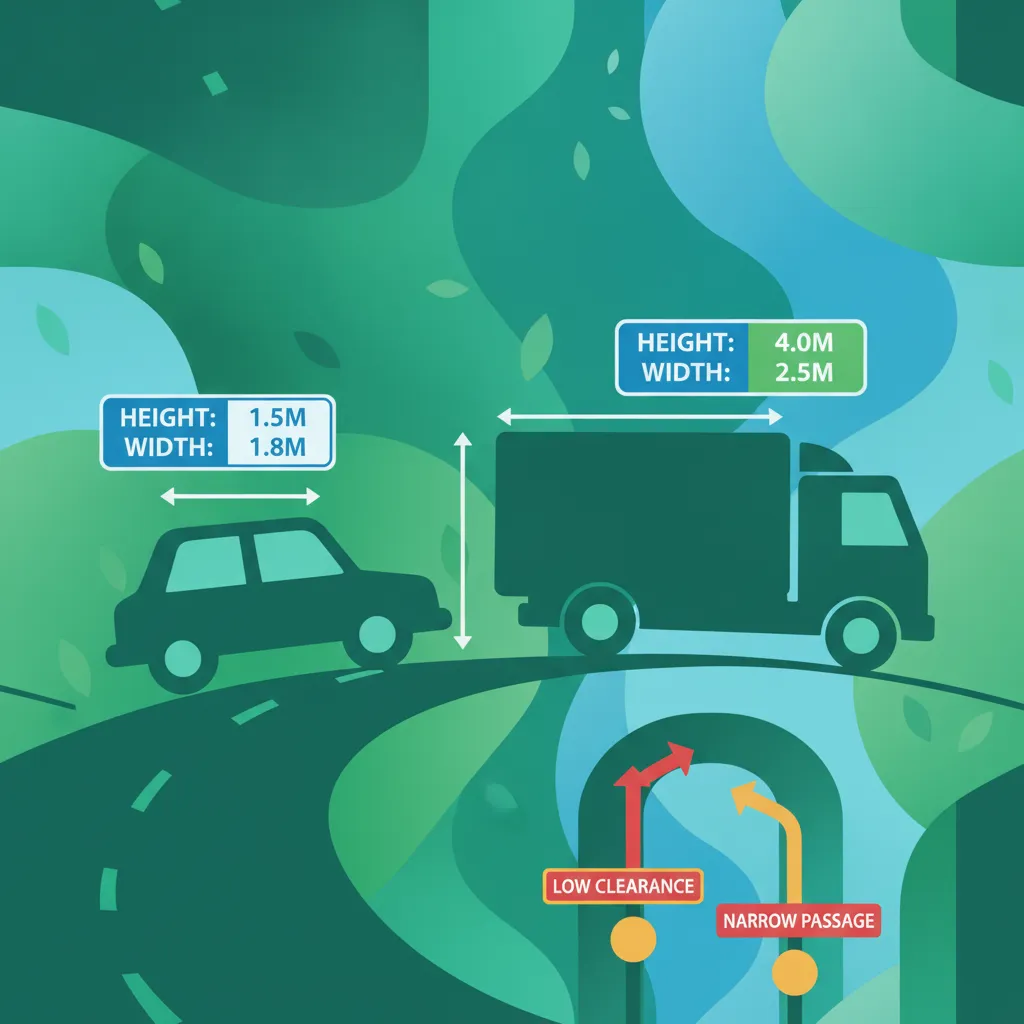
This lesson focuses on the specific dimensional limits that heavy goods vehicles must adhere to on Italian roads, as stipulated by the Codice della Strada. It covers the maximum permissible length, width, and height, explaining how these restrictions impact navigation through tunnels, under bridges, and within urban environments. Learners will also understand the conditions under which special permits for exceptional or oversized transport are required.

This lesson outlines the correct protocols for stopping to make a delivery in a public area. It covers the legal use of designated loading bays, the importance of making the vehicle highly visible with hazard lights, and ensuring that the parking brake is securely applied. The lesson stresses the need to conduct loading and unloading activities efficiently and safely, without causing undue obstruction or danger to other road users and pedestrians.
This lesson explains the principles of maintaining proper lane discipline and strategic positioning in an urban context. It covers how to adapt your position within the lane to enhance visibility, avoid road surface hazards, and prepare for turns or lane changes. The content also provides awareness of specific urban features like restricted traffic zones (ZTL) and how to navigate them legally and safely.
This lesson bridges the gap between general traffic laws and their specific application to heavy goods vehicles. It examines how rules regarding speed limits, lane discipline, overtaking, and priority are modified or have special considerations for trucks due to their size, weight, and reduced maneuverability. Drivers will learn to correctly interpret road signs and signals within the context of operating a large vehicle, ensuring safe and compliant integration with other traffic.
This lesson provides a practical guide to parking regulations in Italian urban areas. It explains the meaning of different colored parking lines (blue for paid, white for free, yellow for reserved), the use of the parking disc (disco orario) for time-limited zones, and how to operate pay-and-display machines. The content also covers how to identify no-parking zones to avoid fines and towing.

This lesson focuses on the specific regulations and techniques for operating a heavy vehicle on high-speed motorways. It covers mandatory lane discipline for trucks, the rules governing overtaking other heavy vehicles, and the specific speed limits that apply. Best practices for merging onto and exiting the motorway, maintaining safe following distances, and using the hard shoulder only in genuine emergencies are also detailed.
Learn about frequent driving errors when dealing with ZTLs, historic centres, and delivery vehicles in Italian cities. This lesson clarifies potential fines and safety protocols for these complex urban environments.
This lesson explains the concept of 'Zone a Traffico Limitato' (ZTL), common in Italian city centers, which restricts vehicle access at certain times. It covers how to identify ZTL boundaries, understand the operating hours, and the procedures for obtaining permits for commercial deliveries. The lesson also touches on environmental zones that may restrict access based on a vehicle's emission standards.
This lesson focuses on the importance of meticulous pre-journey planning for urban deliveries. It teaches drivers how to use maps and digital tools to plan routes that avoid physical restrictions (low bridges, narrow streets), legal restrictions (ZTLs, weight limits), and temporary disruptions. Effective route planning saves time, reduces stress, and ensures that all deliveries can be made legally and safely.
This lesson focuses on the principle of 'appropriate speed' in urban environments, which often means driving slower than the legal maximum. It explains how to assess the environment for potential hazards—such as schools, parked cars, and busy intersections—and adjust speed accordingly to allow for adequate reaction time. Maintaining a safe, consistent speed reduces the need for harsh braking and contributes to a safer environment for everyone.
This lesson provides a clear overview of the legal consequences for failing to comply with road transport regulations in Italy. It covers the system of fines for common offenses like speeding, overloading, and violations of driving hours. The lesson also explains the penalty point system that can lead to license suspension and touches upon the responsibilities and potential liability of the transport company.
This lesson outlines the correct protocols for stopping to make a delivery in a public area. It covers the legal use of designated loading bays, the importance of making the vehicle highly visible with hazard lights, and ensuring that the parking brake is securely applied. The lesson stresses the need to conduct loading and unloading activities efficiently and safely, without causing undue obstruction or danger to other road users and pedestrians.
This lesson provides a clear overview of the legal penalties for traffic violations in Italy. It explains the structure of fines and the penalty point system that can lead to license suspension or revocation. The content also touches on more severe consequences, including criminal liability for incidents causing injury, to emphasize the importance of lawful riding.
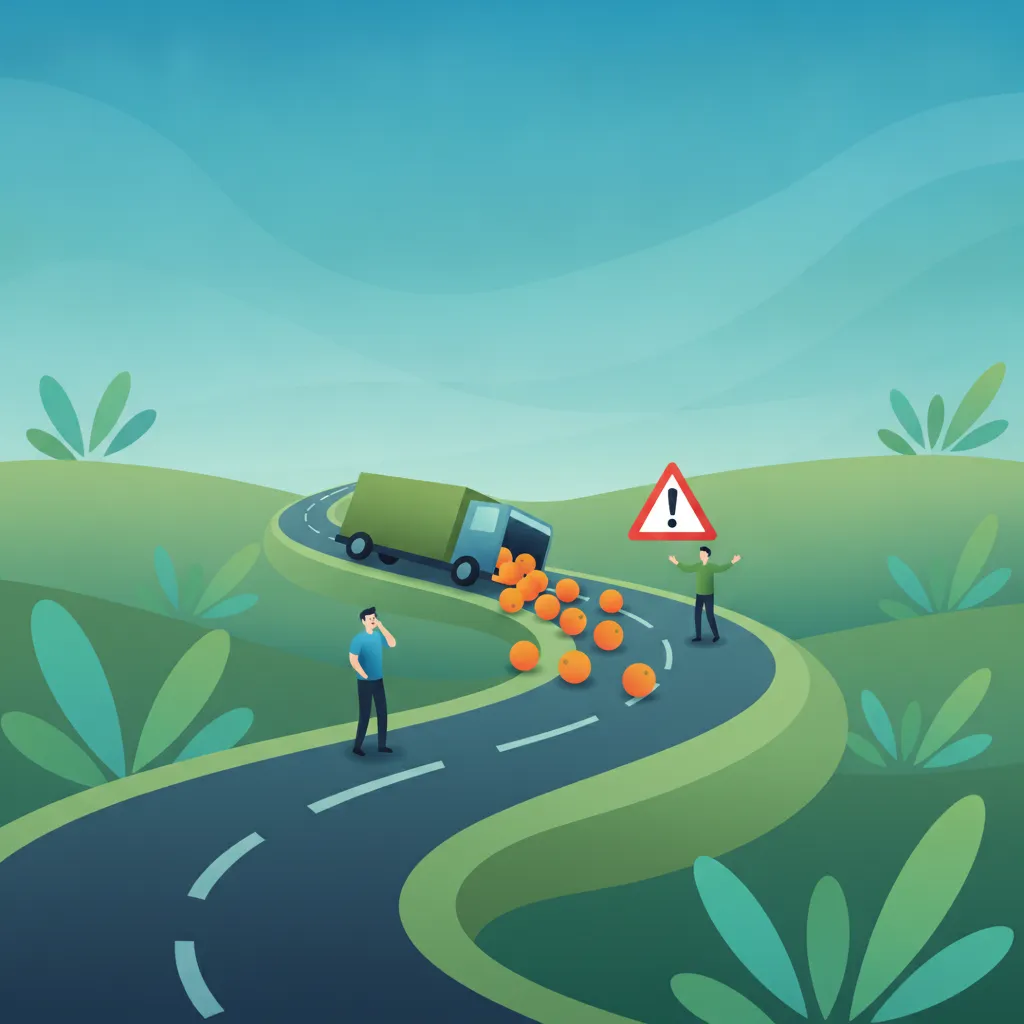
This lesson prepares drivers for incidents beyond a simple breakdown, such as losing part of the load onto the roadway or dealing with a spillage. It outlines the immediate priorities: ensuring personal safety, warning other traffic of the hazard, and notifying the authorities. The lesson also covers the fundamental principles of managing an accident scene, including protecting the area, assessing for casualties, and providing essential information to emergency services.
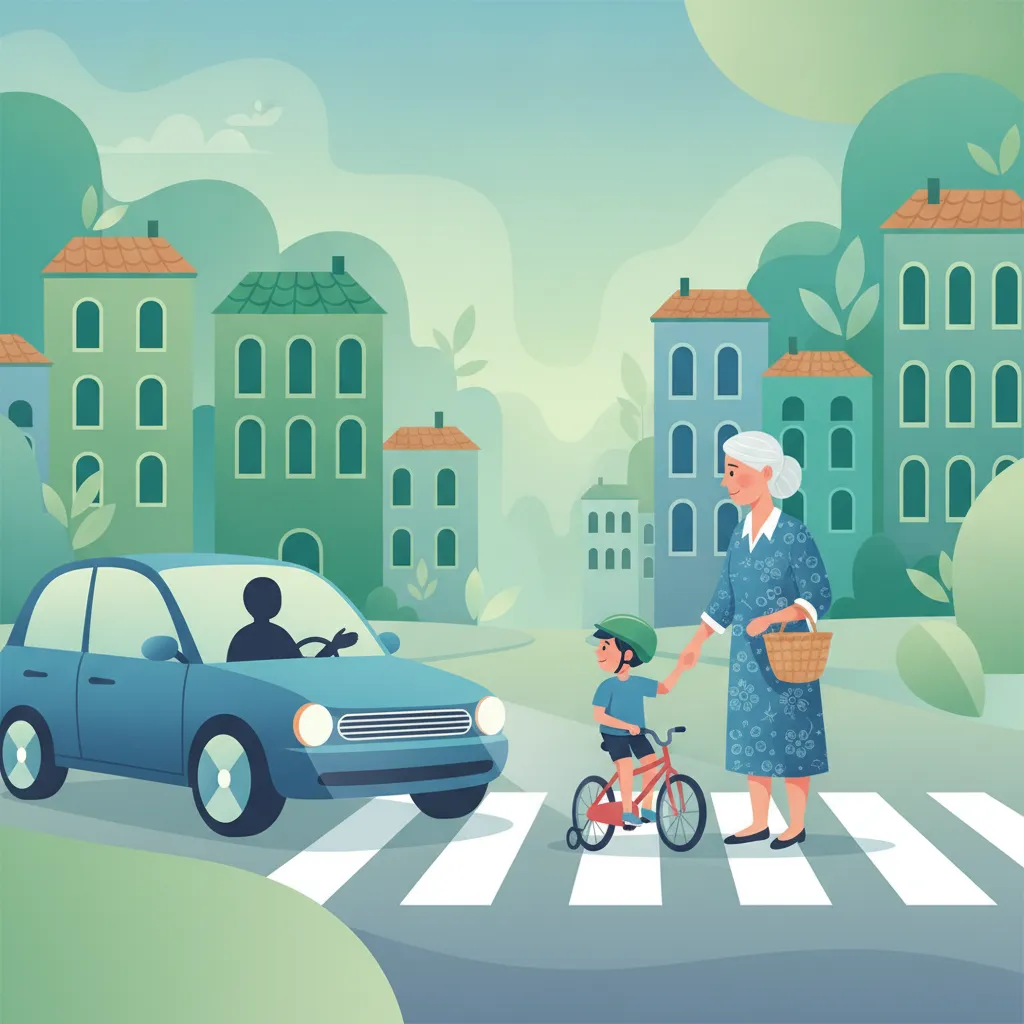
This lesson addresses the critical responsibility of protecting vulnerable road users, such as pedestrians, cyclists, and motorcyclists, who are most at risk in a collision with a heavy vehicle. It teaches drivers to be hyper-aware in urban settings, to anticipate the unpredictable movements of VRUs, and to provide ample space, especially when turning at junctions. A key focus is on scanning for VRUs in blind spots before moving off or making any maneuver.
Find clear answers to common questions learners have about Special Situations: ZTL, Historic Centres, Delivery Vehicles. Learn how the lesson is structured, which driving theory objectives it supports, and how it fits into the overall learning path of units and curriculum progression in Italy. These explanations help you understand key concepts, lesson flow, and exam focused study goals.
Residents often have authorized access, but it usually requires specific registration of the vehicle's license plate with the local municipality. As a student, you must focus on the general rule: if you do not have explicit authorization, entering a marked ZTL area is a violation of the Codice della Strada.
ZTL zones are marked by regulatory signs indicating the start of a limited traffic area, often accompanied by electronic displays and camera warnings. Always look for the circular sign with a red border and the text 'Zona Traffico Limitato' below it.
No, they must follow general stopping and parking regulations. However, you will often find them in tight spaces; you must remain patient, ensure visibility is clear, and never overtake if it requires crossing a continuous line or if the maneuver is unsafe.
Historic centres feature narrow streets, blind corners, and high numbers of vulnerable road users like pedestrians and cyclists. You must maintain low speeds, anticipate sudden movements from around corners, and ensure your vehicle is positioned for maximum visibility.
Start searching now to pinpoint exactly which Italian driving theory topics, road signs, or traffic rules you need to master. Use our advanced filters to build a custom practice session and ensure you're fully prepared for every aspect of your official driving licence exam.