
This lesson details the specific motorway regulations essential for professional goods vehicle drivers in Italy. You will learn the strict rules governing heavy vehicle lane discipline, speed limits, and safe maneuvering to ensure you are fully prepared for both the C, C1, C1E, and CE theoretical exam and safe, professional practice on the road.

Lesson content overview
Driving heavy goods vehicles (HGVs) on motorways demands a specialized skill set and strict adherence to regulations. This comprehensive guide details the essential rules, safety practices, and operational techniques for navigating Italy's high-speed road network with trucks and other heavy vehicles. Understanding these specific requirements is not only crucial for obtaining your Italian C, C1, C1E, or CE license but also for ensuring road safety, efficient traffic flow, and compliance with the Codice della Strada (Italian Road Code).
Motorways are designed for high-speed, uninterrupted traffic flow, presenting unique challenges for heavy vehicles. Unlike passenger cars, HGVs, including trucks and combinations, have significantly greater mass and inertia, leading to longer braking distances and reduced acceleration capabilities. They also possess larger blind spots and require more space for maneuvering.
Proper motorway conduct for heavy vehicles is paramount to mitigate risks such as rear-end collisions, lane-change incidents, and rollovers. It ensures smoother traffic operations for all road users and reduces the likelihood of mechanical stress on vehicle components, contributing to overall road safety and legal compliance.
Adhering to correct speed limits is a fundamental aspect of safe and legal heavy vehicle operation on Italian motorways. These limits are specifically set to account for the increased mass, stopping distances, and handling characteristics of larger vehicles.
For most heavy goods vehicles (HGVs) exceeding 3.5 tonnes maximum authorized mass, the mandatory speed limit on Italian motorways is 80 km/h. This limit applies uniformly unless otherwise indicated by specific road signage.
Vehicles up to 3.5 tonnes, including lighter commercial vehicles that might fall under C1 categories but are close to passenger car weights, generally follow passenger car limits, which can be up to 130 km/h on motorways, or lower if specified by signage or adverse conditions.
Drivers must constantly monitor their speed, ensuring it is appropriate not only for the legal limit but also for the vehicle's load, current road conditions, and tyre integrity. Exceeding these limits significantly increases stopping distances, reduces vehicle control, and incurs severe penalties under the Codice della Strada.
Lane discipline is a cornerstone of safe and efficient motorway driving for heavy vehicles. In Italy, the Codice della Strada mandates specific lane usage rules for HGVs to maintain traffic flow and minimize conflicts with faster-moving vehicles.
The primary rule is that heavy vehicles must keep to the rightmost lane on multi-lane motorways. This means that unless you are actively overtaking slower traffic or following specific lane usage signs, your vehicle should remain in the far-right lane available for your direction of travel.
Heavy vehicles are permitted to use the middle lane (or adjacent left lane) only when overtaking another vehicle that is traveling slower. Once the overtaking maneuver is safely completed, the driver must signal and promptly return to the rightmost lane. The use of the leftmost lane is generally prohibited for HGVs, except in very specific circumstances, such as avoiding an obstruction or preparing for a left-hand exit on complex interchanges where indicated.
Failure to adhere to proper lane discipline can lead to traffic obstruction, increased risk of accidents, and potential fines. It is a common source of frustration for other drivers and reflects poorly on professional driving standards.
A safe following distance is critical for all vehicles, but it is especially vital for heavy goods vehicles due to their extended braking requirements. Maintaining an adequate gap between your vehicle and the one ahead provides crucial reaction time and sufficient braking distance to avoid rear-end collisions.
For heavy vehicles on Italian motorways, a minimum following distance of at least 4 seconds is recommended. This is a significant increase compared to the 2-second rule often suggested for light vehicles and reflects the physics of stopping a much heavier mass.
How to estimate a 4-second gap:
This minimum distance must be increased significantly in adverse conditions such as rain, fog, snow, ice, or when the road surface is wet or slippery. It also needs to be adjusted when carrying particularly heavy or unstable loads, as these can further impact braking efficiency and vehicle stability.
Overtaking is a maneuver that requires careful judgment, precise execution, and strict adherence to rules, particularly for heavy vehicles on motorways.
Key Overtaking Protocols for HGVs:
Merging onto a motorway with a heavy vehicle is a critical maneuver that requires precision and awareness to integrate smoothly and safely into high-speed traffic.
Use the Acceleration Lane Fully: The slip road (acceleration lane) is designed to allow you to build up speed. Utilize its entire length to accelerate your heavy vehicle to a speed that closely matches the prevailing speed of traffic on the motorway (up to 80 km/h for >3.5t HGVs).
Signal Your Intention Early: Activate your left turn signal as you approach the end of the acceleration lane. This signals your intention to merge to other drivers.
Check for a Safe Gap: Continuously scan your mirrors and blind spots for a safe opening in the rightmost lane of motorway traffic. Do not force your way in; wait for an adequate gap.
Match Speed and Merge Smoothly: Once a safe gap is identified, steer smoothly into the rightmost lane, matching the speed of the traffic you are joining. Avoid abrupt braking or accelerating after merging.
Maintain Following Distance: Immediately after merging, establish and maintain a safe following distance (minimum 4 seconds) from the vehicle ahead.
Merging at too low a speed or without adequately matching the flow of traffic can cause other drivers to brake suddenly, creating a dangerous situation and potentially leading to collisions. Heavy vehicles, with their longer acceleration times, must plan this maneuver meticulously.
Exiting a motorway safely with a heavy vehicle requires early planning and a methodical approach, given the vehicle's size and momentum.
Plan Your Exit Early: Identify your exit well in advance. Road signs indicating exits are typically posted at 3 km, 2 km, and 1 km distances.
Move to the Rightmost Lane: As you approach your exit, ensure you are positioned in the rightmost lane of the motorway. This might require a lane change, which should be executed smoothly and with clear signaling.
Signal Your Intention: Activate your right turn signal at least 200 meters before the exit ramp (deceleration lane). This gives other drivers ample warning of your intention to exit.
Enter the Deceleration Lane: Do not start braking on the main motorway lanes. Enter the deceleration lane (exit ramp) at motorway speed.
Reduce Speed in the Deceleration Lane: Use the full length of the deceleration lane to gradually reduce your speed to the appropriate limit for the exit ramp or the road you are joining. Heavy vehicles require more distance to slow down effectively.
Follow Exit Signage: Once on the exit ramp, obey all posted speed limits and traffic signs, preparing for junctions or roundabouts.
Late signaling, abrupt braking on the motorway, or cutting across lanes to reach an exit are dangerous practices that can lead to severe accidents. Due to the momentum of heavy loads, such maneuvers can have catastrophic consequences.
The hard shoulder (or emergency lane) is a vital safety feature on motorways, but its use is strictly limited to genuine emergencies. This lane is reserved for breakdowns, medical emergencies, fires, and access for emergency services.
Permitted Uses of the Hard Shoulder for Heavy Vehicles:
Prohibited Uses of the Hard Shoulder:
Incorrect use of the hard shoulder can result in substantial fines, penalty points, and can obstruct emergency services, endangering lives.
The proper securing and distribution of cargo are not just about compliance; they are fundamental to maintaining vehicle stability and safety, especially at motorway speeds. For heavy vehicles, an improperly secured or distributed load can have severe consequences.
Key Factors for Load Stability on Motorways:
Compliance with the Codice della Strada regarding load securing standards, weight limits per axle, and overall vehicle limits is mandatory. Regular checks of load security, especially before long motorway journeys, are crucial for preventing accidents and ensuring the integrity of both the vehicle and its cargo.
The Italian Codice della Strada governs all aspects of road usage, with specific articles dedicated to heavy vehicles and motorway operations. Professional drivers operating under C, C1, C1E, and CE licenses must have a thorough understanding of these provisions.
These regulations are enforced through roadside checks, speed cameras, and traffic surveillance, with penalties ranging from fines to penalty points on the driving license, and in severe cases, vehicle impoundment or license suspension.
Violations of motorway rules by heavy vehicle drivers not only carry legal consequences but also significantly increase the risk of serious accidents. Understanding common infractions helps in practicing preventative driving.
Exceeding the 80 km/h Speed Limit:
Driving in the Left Lane Without Overtaking:
Insufficient Following Distance:
Stopping on the Hard Shoulder for Non-Emergencies:
Improper Load Distribution or Securing:
Merging onto the Motorway at Low Speed:
Late Signaling for Lane Changes or Exits:
Motorway driving for heavy vehicles is not static; it requires constant adaptation to changing conditions.
Weather Conditions:
Load Weight and Distribution:
Road Infrastructure and Signage:
Visibility is also key; at night or in poor light, ensure all vehicle lights are fully functional. Regularly clean mirrors and windows to maximize visibility and reduce blind spots.
Mastering motorway rules for heavy vehicles is a critical component of professional driving in Italy. It transcends mere compliance; it's about embodying a commitment to safety, efficiency, and environmental responsibility. By consistently applying the principles of appropriate speed management, strict lane discipline, safe following distances, and diligent load securing, heavy vehicle drivers contribute significantly to reducing accidents and ensuring the smooth flow of traffic on Italy's motorways.
The demands of operating a heavy vehicle require continuous vigilance, a deep understanding of vehicle dynamics, and an unwavering respect for the Codice della Strada. Adherence to these guidelines not only protects you and your cargo but also safeguards other road users, embodying the professionalism expected of every C, C1, C1E, and CE license holder.
This lesson covers the essential motorway regulations for heavy goods vehicles in Italy, distinguishing the stricter rules that apply to C, C1, C1E, and CE license holders from standard car rules. Key topics include the mandatory 80 km/h speed limit for vehicles over 3.5 tonnes, the requirement to keep to the rightmost lane except when overtaking on the left, and the 4-second minimum following distance. The lesson also details correct procedures for merging and exiting using acceleration and deceleration lanes, explains that the hard shoulder is strictly for emergencies, and references specific articles of the Codice della Strada governing these operations. Understanding and applying these rules is essential for both safe professional driving and passing the theoretical examination.
A short set of high-value points that capture the most important learning from this lesson.
Heavy vehicles exceeding 3.5 tonnes maximum authorized mass are limited to 80 km/h on Italian motorways unless otherwise posted
Lane discipline requires HGVs to keep to the rightmost lane at all times, using adjacent lanes only when actively overtaking
A minimum 4-second following distance must be maintained, increased significantly in adverse weather or with heavy loads
Overtaking is permitted only on the left side; HGVs must return to the rightmost lane promptly after passing
The hard shoulder is reserved exclusively for genuine emergencies such as breakdowns, vehicle fires, or medical emergencies
Explore all units and lessons included in this driving theory course.
The 80 km/h limit applies to all HGVs over 3.5t; posted signs always override the general rule
Use the full acceleration lane to match traffic speed before merging; use the full deceleration lane when exiting
Signal at least 200 meters before an exit ramp or when changing lanes on the motorway
Load securing affects braking distance, stability, and rollover risk; check restraints before every journey
In poor conditions (rain, fog, ice), reduce speed well below the legal limit and increase following distance substantially
Assuming HGVs can use the left lane freely like passenger cars, rather than only for overtaking
Maintaining only a 2-second gap (appropriate for cars) instead of the required 4-second minimum
Stopping on the hard shoulder for rest breaks, phone calls, or to avoid traffic jams
Merging onto the motorway at too low a speed, forcing other vehicles to brake
Late or absent signaling when changing lanes or preparing to exit, giving other drivers insufficient warning
Lesson content overview
A short set of high-value points that capture the most important learning from this lesson.
Heavy vehicles exceeding 3.5 tonnes maximum authorized mass are limited to 80 km/h on Italian motorways unless otherwise posted
Lane discipline requires HGVs to keep to the rightmost lane at all times, using adjacent lanes only when actively overtaking
A minimum 4-second following distance must be maintained, increased significantly in adverse weather or with heavy loads
Overtaking is permitted only on the left side; HGVs must return to the rightmost lane promptly after passing
The hard shoulder is reserved exclusively for genuine emergencies such as breakdowns, vehicle fires, or medical emergencies
Explore all units and lessons included in this driving theory course.
The 80 km/h limit applies to all HGVs over 3.5t; posted signs always override the general rule
Use the full acceleration lane to match traffic speed before merging; use the full deceleration lane when exiting
Signal at least 200 meters before an exit ramp or when changing lanes on the motorway
Load securing affects braking distance, stability, and rollover risk; check restraints before every journey
In poor conditions (rain, fog, ice), reduce speed well below the legal limit and increase following distance substantially
Assuming HGVs can use the left lane freely like passenger cars, rather than only for overtaking
Maintaining only a 2-second gap (appropriate for cars) instead of the required 4-second minimum
Stopping on the hard shoulder for rest breaks, phone calls, or to avoid traffic jams
Merging onto the motorway at too low a speed, forcing other vehicles to brake
Late or absent signaling when changing lanes or preparing to exit, giving other drivers insufficient warning
Explore search topics learners often look for when studying Motorway Rules for Heavy Vehicles. These topics reflect common questions about road rules, driving situations, safety guidance, and lesson level theory preparation for learners in Italy.
Browse additional driving theory lessons that cover connected traffic rules, road signs, and common driving situations related to this topic. Improve your understanding of how different rules interact across everyday traffic scenarios.
Explore advanced motorway regulations for heavy vehicles (C, CE licenses) beyond basic rules. Covers specific lane restrictions, complex overtaking scenarios, and adapting to variable traffic conditions on Italian autostrade.

This lesson bridges the gap between general traffic laws and their specific application to heavy goods vehicles. It examines how rules regarding speed limits, lane discipline, overtaking, and priority are modified or have special considerations for trucks due to their size, weight, and reduced maneuverability. Drivers will learn to correctly interpret road signs and signals within the context of operating a large vehicle, ensuring safe and compliant integration with other traffic.
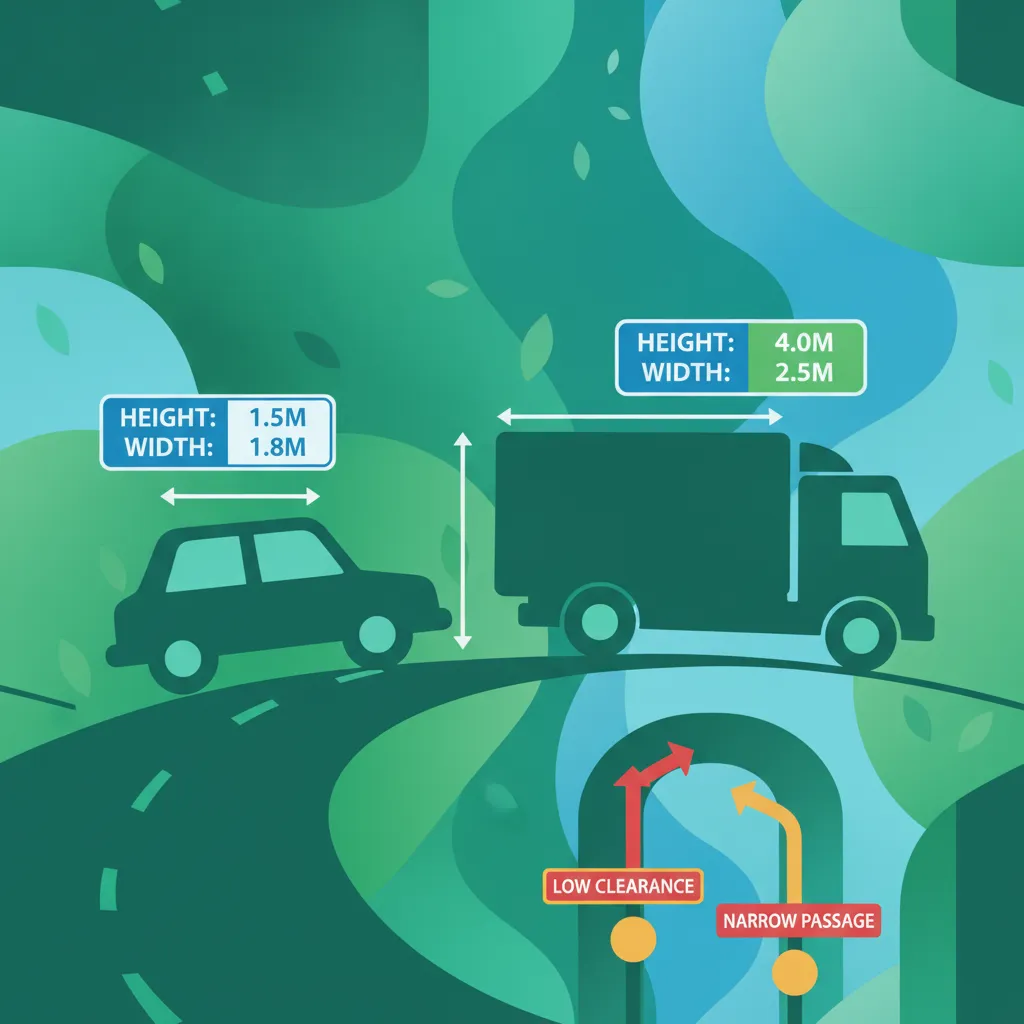
This lesson focuses on the specific dimensional limits that heavy goods vehicles must adhere to on Italian roads, as stipulated by the Codice della Strada. It covers the maximum permissible length, width, and height, explaining how these restrictions impact navigation through tunnels, under bridges, and within urban environments. Learners will also understand the conditions under which special permits for exceptional or oversized transport are required.
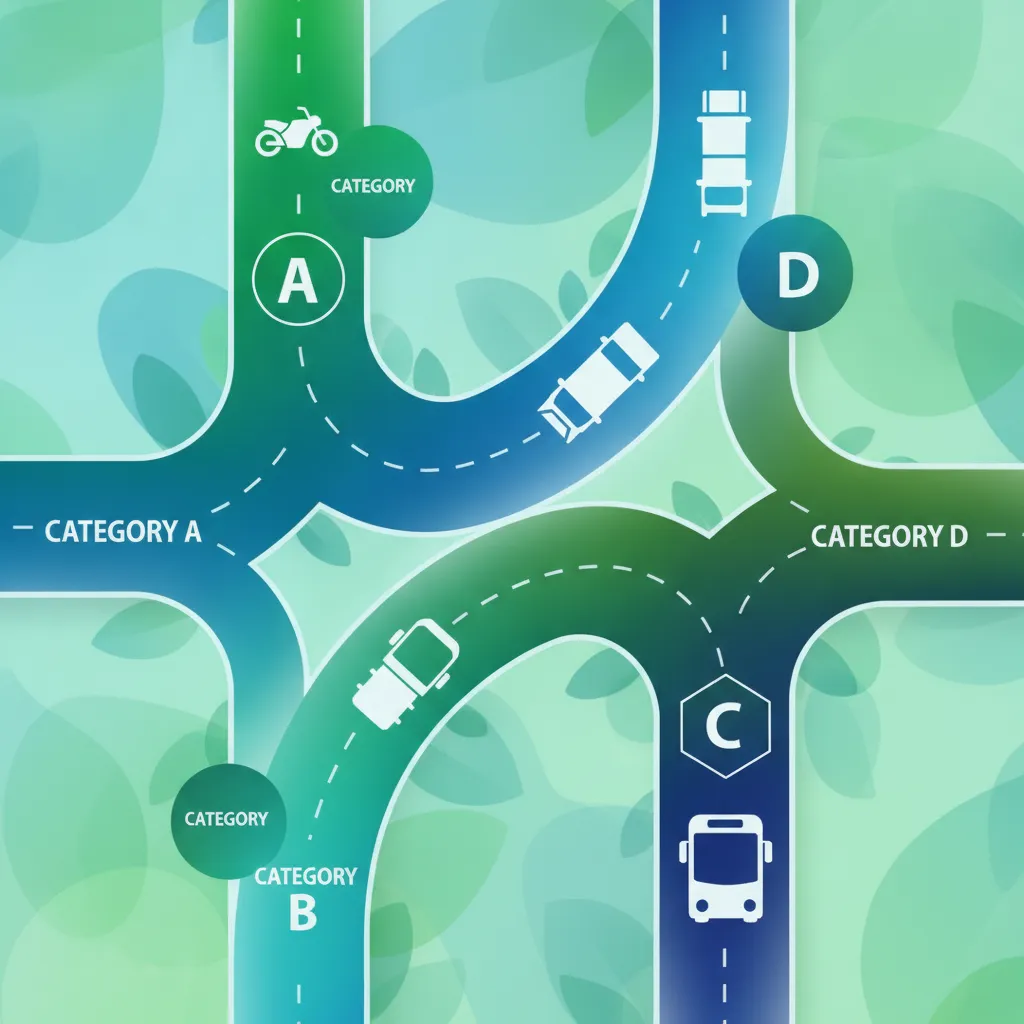
This lesson provides a detailed breakdown of the Italian goods vehicle licence categories, explaining the criteria that define each one. It covers the maximum authorized mass (MAM), vehicle configurations such as rigid trucks and articulated combinations, and the specific permissions granted by the C1, C1E, C, and CE licenses. Understanding these distinctions is fundamental to ensuring legal operation and choosing the correct qualification for specific transport tasks and vehicle types.

This lesson details the specific rules and safety considerations for driving through the extensive tunnels and high viaducts common in Italy. It covers pre-entry checks, maintaining a safe following distance, and the correct procedures to follow in case of a breakdown or fire inside a tunnel. The lesson also addresses the hazard of strong crosswinds on exposed viaducts and how to maintain vehicle control.

This lesson covers the complete set of lighting, reflective equipment, and protective guards mandated for heavy vehicles. It explains the function of each light, from headlights to side markers, and the importance of keeping them clean and operational to ensure the vehicle is visible to others. The lesson also details the legal requirements and safety purpose of side guards and rear underrun protection, which are designed to protect vulnerable road users in a collision.
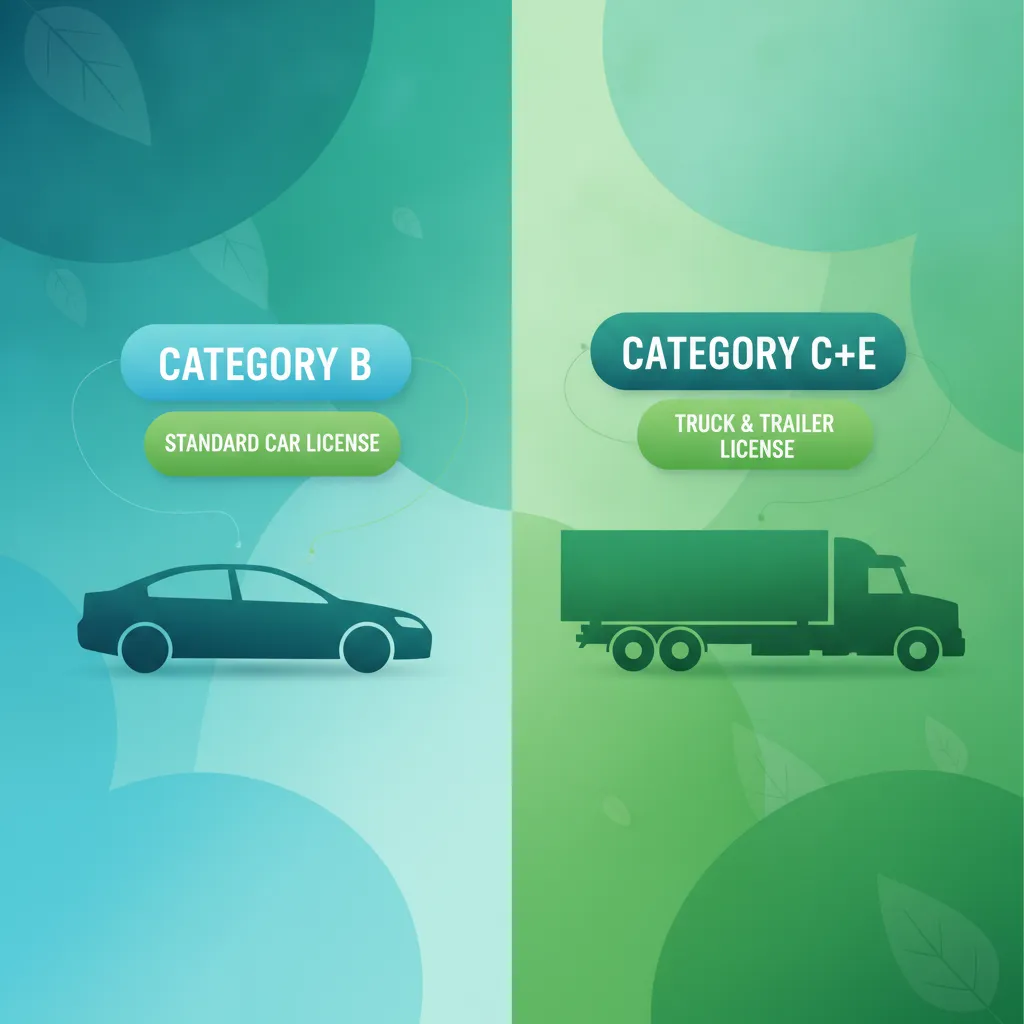
This lesson clearly contrasts the Category B license with the C1, C1E, C, and CE categories, focusing on the significant increases in vehicle mass, dimensions, and operational complexity. It explains the differences in braking systems, vehicle controls, and handling characteristics that necessitate specialized knowledge and skills. Understanding this progression helps learners appreciate the advanced responsibilities and technical competencies required for professional goods vehicle driving.
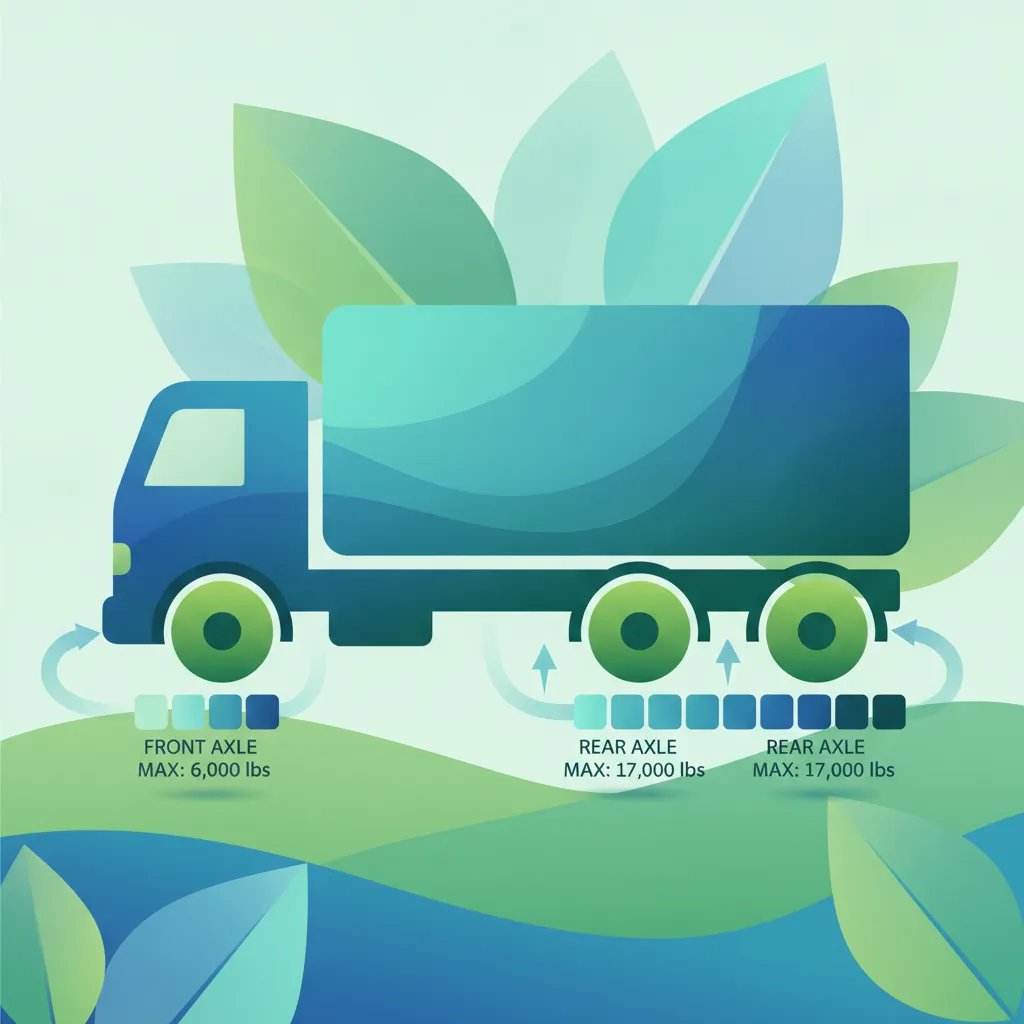
This lesson details the legal restrictions on the weight that can be supported by a single axle or a group of axles. It explains the importance of distributing the load correctly across the vehicle's length to prevent exceeding these limits, which can cause significant road damage and compromise vehicle safety. Learners will understand the relationship between load placement, axle pressure, and overall stability, particularly during braking and cornering.

This lesson delves into the specific articles of the Italian Codice della Strada that apply to heavy goods vehicles. It outlines the core legal and professional obligations of a driver, including the heightened duty of care owed to other road users and the responsibility for the vehicle's roadworthiness and load. Learners will understand the legal consequences of non-compliance, such as fines and sanctions, reinforcing the importance of adhering to all traffic regulations.

This lesson provides a comprehensive overview of the essential documentation required for both the driver and the vehicle. It covers the driver's license (patente), CQC card, vehicle registration (carta di circolazione), insurance certificate, and transport-specific documents like the cargo manifest. Learners will understand the importance of ensuring all documents are valid and readily available for inspection by authorities to avoid legal penalties and operational delays.

This lesson provides specialized instruction for driving in mountainous terrain. It teaches drivers how to select the correct gear for both climbing steep inclines to prevent engine strain and descending to maintain control without overheating the brakes. Techniques for navigating sharp hairpin bends, using passing places on narrow roads, and anticipating the effects of altitude on vehicle performance are also covered.
Learn the critical techniques for safely merging onto and exiting Italian motorways with heavy vehicles. Covers acceleration lane usage, deceleration lane management, and essential safety checks for C and CE license holders.
This lesson bridges the gap between general traffic laws and their specific application to heavy goods vehicles. It examines how rules regarding speed limits, lane discipline, overtaking, and priority are modified or have special considerations for trucks due to their size, weight, and reduced maneuverability. Drivers will learn to correctly interpret road signs and signals within the context of operating a large vehicle, ensuring safe and compliant integration with other traffic.
This lesson details the specific rules and safety considerations for driving through the extensive tunnels and high viaducts common in Italy. It covers pre-entry checks, maintaining a safe following distance, and the correct procedures to follow in case of a breakdown or fire inside a tunnel. The lesson also addresses the hazard of strong crosswinds on exposed viaducts and how to maintain vehicle control.

This lesson provides an in-depth focus on sharing the road with the most vulnerable users. It teaches drivers to be acutely aware of pedestrians at crossings, cyclists filtering through traffic, and motorcyclists who may be in blind spots. The lesson emphasizes the importance of leaving extra space, signaling intentions clearly, and exercising extreme caution at junctions, where the majority of serious incidents occur.

This lesson provides essential rules and techniques for driving on Italian motorways (autostrade) and major extra-urban roads. It explains how to safely merge onto the motorway from an entry ramp, the strict lane discipline required (drive right, overtake left), and how to exit correctly. The content also covers speed regulations, maintaining a safe following distance at high speed, and procedures for using service areas and handling emergencies.

This lesson provides a step-by-step guide for managing a vehicle breakdown safely. It reinforces the procedure for stopping on the hard shoulder, activating hazard lights, and placing a warning triangle at the correct distance. The lesson emphasizes the importance of wearing high-visibility clothing, exiting the vehicle from the side away from traffic, and waiting in a safe location before contacting a roadside assistance service.
This lesson focuses on the specific dimensional limits that heavy goods vehicles must adhere to on Italian roads, as stipulated by the Codice della Strada. It covers the maximum permissible length, width, and height, explaining how these restrictions impact navigation through tunnels, under bridges, and within urban environments. Learners will also understand the conditions under which special permits for exceptional or oversized transport are required.
This lesson provides a detailed breakdown of the Italian goods vehicle licence categories, explaining the criteria that define each one. It covers the maximum authorized mass (MAM), vehicle configurations such as rigid trucks and articulated combinations, and the specific permissions granted by the C1, C1E, C, and CE licenses. Understanding these distinctions is fundamental to ensuring legal operation and choosing the correct qualification for specific transport tasks and vehicle types.
This lesson provides a comprehensive overview of the essential documentation required for both the driver and the vehicle. It covers the driver's license (patente), CQC card, vehicle registration (carta di circolazione), insurance certificate, and transport-specific documents like the cargo manifest. Learners will understand the importance of ensuring all documents are valid and readily available for inspection by authorities to avoid legal penalties and operational delays.
This lesson provides specialized instruction for driving in mountainous terrain. It teaches drivers how to select the correct gear for both climbing steep inclines to prevent engine strain and descending to maintain control without overheating the brakes. Techniques for navigating sharp hairpin bends, using passing places on narrow roads, and anticipating the effects of altitude on vehicle performance are also covered.

This lesson prepares drivers for unexpected emergencies that may occur far from base. It provides a clear, step-by-step guide on what to do in the event of a breakdown on a motorway, including how to stop safely on the hard shoulder, make the vehicle visible, and call for assistance. Basic procedures for dealing with a vehicle fire or being the first at an accident scene are also covered, prioritizing personal safety at all times.
Find clear answers to common questions learners have about Motorway Rules for Heavy Vehicles. Learn how the lesson is structured, which driving theory objectives it supports, and how it fits into the overall learning path of units and curriculum progression in Italy. These explanations help you understand key concepts, lesson flow, and exam focused study goals.
No, heavy goods vehicles are generally restricted to the two right-hand lanes. You must avoid the far-left lane unless specific road markings or signs indicate otherwise for traffic flow, as this lane is reserved for lighter, faster traffic.
The maximum speed limit for heavy goods vehicles on Italian motorways is 80 km/h. It is critical to adhere to this strictly, as speed cameras and enforcement are common, and exceeding this limit has severe legal consequences for professional licenses.
The hard shoulder is strictly reserved for genuine emergencies, such as a mechanical breakdown or medical necessity. It should never be used for resting or avoiding traffic congestion, as this is a serious violation of the Codice della Strada.
Overtaking must be calculated carefully, ensuring you have sufficient space and that your speed is significantly higher than the vehicle being overtaken. You must check your mirrors for blind spots continuously and return to the right lane as soon as it is safe to do so.
Start searching now to pinpoint exactly which Italian driving theory topics, road signs, or traffic rules you need to master. Use our advanced filters to build a custom practice session and ensure you're fully prepared for every aspect of your official driving licence exam.