
This lesson provides a critical framework for professional goods vehicle drivers operating in Italian urban environments. You will learn how to effectively plan routes while respecting specific legal constraints, such as ZTL restricted traffic zones, vehicle dimensions, and local weight limitations.

Lesson content overview
Navigating the complex urban landscapes of Italy with a heavy goods vehicle (HGV) demands meticulous preparation and strategic thinking. For professional drivers aiming to secure their C, C1, C1E, or CE license, understanding the nuances of urban route planning is not merely an advantage; it is a fundamental requirement for legal compliance, operational efficiency, and, most importantly, safety. This lesson explores the essential techniques and considerations for planning urban delivery routes, ensuring every journey is smooth, compliant, and successful.
Pre-journey planning for urban deliveries is a cornerstone of professional driving for heavy goods vehicles. The intricate network of Italian cities, often characterized by historic centres, narrow streets, and unique traffic regulations, presents distinct challenges compared to driving on rural roads or motorways. Efficient route planning significantly minimizes delays, reduces fuel consumption, and mitigates stress for the driver, while also enhancing safety for all road users, particularly vulnerable pedestrians and cyclists. Furthermore, it ensures adherence to the specific legal frameworks and local ordinances that govern vehicle access and movement within urban environments, preventing costly fines and disruptions.
Effective planning integrates multiple layers of information, including the static constraints of the infrastructure and dynamic variables like real-time traffic or temporary closures. Drivers must combine their knowledge of vehicle dimensions and capabilities with an understanding of urban traffic regulations, restricted access zones, and the operational demands of their cargo. This comprehensive approach is vital for the Italian Goods Vehicle License Theory Course, as it prepares candidates for the practical realities of their profession.
Urban environments in Italy present a unique set of restrictions specifically designed to manage traffic flow, protect historic areas, and enhance pedestrian safety. Heavy goods vehicle drivers must be intimately familiar with these constraints before embarking on any urban delivery route. Failing to account for these restrictions can lead to significant delays, hefty fines, and potential damage to vehicles or infrastructure.
A Zona a Traffico Limitato (ZTL), or Restricted Traffic Zone, is a designated area within many Italian cities where vehicle access is controlled or prohibited during specific hours or for certain vehicle categories. These zones are often found in historic city centres, densely populated areas, or sensitive environmental regions, aiming to reduce congestion, pollution, and noise.
ZTLs can be permanent, operating 24/7, or temporary, active only during certain hours, days, or for specific events. For heavy goods vehicles, access is typically restricted based on factors such as gross vehicle weight (GVW), emission class, or even the time of day. Drivers must verify the specific regulations for each municipality they plan to enter, as rules vary significantly between cities like Rome, Milan, Florence, and smaller towns.
To enter a ZTL, heavy goods vehicle drivers often need to obtain a special permit from the local municipal authorities (e.g., the Comune). This permit typically requires an application process, may involve a fee, and must be prominently displayed on the vehicle. Ignoring ZTL signage or entering without a valid permit is a common violation that results in significant administrative fines.
Always check municipal websites or use professional navigation systems for the latest ZTL regulations and permit application procedures, as these can change frequently.
Beyond regulatory zones, the physical infrastructure of urban areas imposes significant limitations on heavy goods vehicles. Planning routes must involve a meticulous review of potential physical barriers to avoid hazardous situations or vehicle damage.
Narrow Streets and Turns: Historic city centres and older residential areas often feature streets that were not designed for modern heavy goods vehicles. These narrow passages can make it impossible for larger vehicles to pass safely or even to make necessary turns without encroaching on pavements or colliding with obstacles. Route planning must account for the vehicle's width and turning radius, ensuring that all chosen streets and intersections are wide enough to accommodate the manoeuvre.
Weight Limits on Bridges and Roads: Certain roads, and especially bridges, have maximum weight capacities. These limits are posted to protect the structural integrity of the infrastructure. Heavy goods vehicle drivers must be aware of their vehicle's actual laden weight and ensure it does not exceed any posted limits on their planned route. Overlooking these limits can cause structural damage to roads or bridges, posing a significant safety risk.
While static restrictions are predictable, urban routes are also subject to dynamic, temporary disruptions that necessitate flexible planning and real-time adaptation.
Roadworks: Construction and maintenance projects are common in urban areas and can alter road geometry, close lanes, or completely block routes. Planned roadworks are usually advertised in advance, and professional drivers should check local traffic news or dedicated roadwork advisories before commencing their journey.
Accidents and Blockages: Unforeseen incidents, such as vehicle breakdowns or accidents, can instantly create significant traffic jams and blockades. These events often require immediate re-routing to minimize delays.
Events (Parades, Market Days, Festivals): Many Italian cities host cultural events, markets, or public gatherings that lead to temporary road closures or diversions. These events can significantly impact access to certain areas, especially in city centres. Drivers should consult local municipal calendars or traffic news to anticipate such closures.
In the modern driving landscape, a variety of tools are available to assist heavy goods vehicle drivers in planning their urban delivery routes, from traditional maps to advanced digital solutions. Combining these resources provides the most robust planning strategy.
Electronic navigation systems, commonly known as GPS (Global Positioning System) devices, have become indispensable for route planning. For heavy goods vehicles, it is crucial to use systems that offer truck-specific navigation. These specialized systems incorporate critical data such as:
Professional routing software, often integrated into fleet management systems, goes a step further by optimizing multi-drop routes, calculating estimated times of arrival (ETAs) based on traffic predictions, and managing delivery time windows. These systems can significantly enhance efficiency for complex delivery schedules.
Despite the advent of digital tools, traditional paper maps and commercial vehicle atlases remain valuable resources. They offer a broader geographical context and can be an excellent backup in areas with poor satellite signal or when cross-referencing information. A physical map allows for a comprehensive overview of the route, helping drivers identify potential issues that might not be immediately obvious on a digital screen, such as the overall flow of one-way streets or the general layout of a district. They are particularly useful for initial broad planning and for emergency deviations.
Beyond simply avoiding restrictions, effective urban route planning also involves optimizing the operational aspects of deliveries to meet customer expectations and maintain vehicle integrity.
Many customers or local authorities impose delivery time windows, which are specific periods during which goods must be delivered. These windows are critical for operational efficiency and customer satisfaction. Route planning must be meticulously designed to ensure these deadlines are met, taking into account:
Missing a delivery time window can lead to contractual breaches, financial penalties, and damage to business reputation. Therefore, the planned route must be realistic and adaptable.
The nature of the load profoundly impacts vehicle stability and handling, which in turn influences route suitability. Load securing is the process of properly fixing cargo within the vehicle to prevent movement during transit. Improperly secured loads can shift, altering the vehicle's centre of gravity, especially during braking, acceleration, or cornering.
For routing purposes, a heavier or poorly distributed load can affect:
Therefore, drivers must consider their vehicle's specific load and its distribution when selecting a route, prioritising paths that accommodate safe handling and stability.
A core principle of professional driving is the prioritisation of safety, especially when operating heavy goods vehicles in environments with vulnerable road users. Urban route planning must actively seek to minimise conflict points and enhance safety for everyone.
Heavy goods vehicles, due to their size, weight, and inherent blind spots, pose a significant risk to pedestrians, cyclists, and motorcyclists. When planning urban routes, drivers should:
Considering these factors during route selection contributes significantly to reducing accident risk and promoting a safer urban environment for all.
Adherence to the legal framework is paramount for all professional drivers. In Italy, the Codice della Strada (Road Code) and numerous local municipal ordinances dictate how heavy goods vehicles can operate within urban areas.
Codice della Strada and Municipal OrdinancesThe Codice della Strada sets national standards for road traffic, including general rules on vehicle dimensions, mass limits, and speed. However, for urban access, many critical regulations are defined at the municipal level. Local ordinances dictate:
Drivers must be proactive in verifying these local rules, as ignorance is not an acceptable defence for violations. Checking the official websites of Comune di Roma, Comune di Milano, or other relevant municipalities is essential for up-to-date information.
The principle of prior route planning is not just a best practice; it is an obligation for professional drivers. Before commencing a delivery journey, especially into an unfamiliar urban area, drivers must:
This meticulous preparation helps prevent legal infringements, operational inefficiencies, and safety hazards, aligning with the high standards expected from professional license holders.
Even with careful planning, urban delivery routes can present unforeseen challenges. Awareness of common pitfalls can help drivers mitigate risks and adapt effectively.
Urban driving conditions are rarely static. Successful route planning incorporates flexibility and an awareness of how external factors can influence the safest and most efficient path.
Adverse weather conditions significantly impact driving safety and route selection:
The vehicle's specific state on any given day can also influence route choices:
The presence of vulnerable road users is a constant factor in urban environments. During peak times (e.g., school drop-off/pick-up, rush hour), areas around schools, public transport hubs, and commercial zones will have significantly higher numbers of pedestrians and cyclists. Route planning should aim to minimise time spent in these zones during these peak periods, or at least select routes that offer clearer visibility and fewer potential conflict points. This proactive approach underscores the commitment to safety central to the Italian Goods Vehicle License Theory Course.
Mastering urban delivery route planning is an indispensable skill for any heavy goods vehicle driver in Italy. It is a complex interplay of understanding static legal and physical restrictions, leveraging advanced digital tools, adapting to dynamic conditions, and always prioritising safety. By meticulously planning routes, drivers can ensure full compliance with the Codice della Strada and local municipal ordinances, avoid costly fines, prevent vehicle damage, and make timely deliveries. Ultimately, effective planning reduces stress, enhances fuel efficiency, and contributes significantly to road safety for all, reinforcing the professionalism and responsibility inherent in holding an Italian Goods Vehicle License.
Planning urban delivery routes for heavy goods vehicles in Italy demands comprehensive pre-journey preparation that integrates legal compliance with operational efficiency. Drivers must understand ZTL zones governed by municipal ordinances, account for physical constraints like low bridges and weight limits, and leverage truck-specific navigation tools updated with real-time data. Key safety considerations include load securing, avoiding high-density pedestrian areas, and adapting routes for vulnerable road users. The lesson emphasizes that meticulous planning prevents costly violations, vehicle damage, and safety incidents while ensuring timely deliveries compliant with the Codice della Strada.
A short set of high-value points that capture the most important learning from this lesson.
Urban HGV deliveries in Italy require pre-journey route planning to avoid ZTL zones, physical barriers, and legal restrictions.
ZTL access for heavy goods vehicles depends on permits, operating hours, and vehicle characteristics like gross weight and emission class.
Drivers must know their vehicle's exact height, width, weight, and turning radius and cross-reference these against all posted restrictions.
Truck-specific navigation systems with real-time traffic data are essential for dynamic routing around closures and congestion.
Proper load securing affects vehicle stability, braking, and route suitability, especially for partially unloaded vehicles.
Explore all units and lessons included in this driving theory course.
ZTL rules vary by municipality; always verify current regulations via Comune websites before entering Italian cities.
Road sign B5 indicates height restriction, B4 indicates weight limit—always check exact vehicle dimensions including load.
Physical barriers like low bridges and narrow streets can cause severe damage; never guess—always verify before proceeding.
Delivery time windows and ZTL operating hours often overlap; plan schedules to align permitted access with delivery slots.
Static route plans must be updated with live traffic information; conditions change and pre-planned routes can become hazardous.
Entering a ZTL without a valid permit or during restricted hours, resulting in significant fines.
Failing to verify vehicle height against bridge clearances, leading to infrastructure and vehicle damage.
Relying on standard car GPS instead of truck-specific navigation, which does not account for HGV restrictions.
Not adjusting route planning for load distribution after partial deliveries, affecting vehicle handling and stability.
Assuming municipal ZTL rules are the same across cities; Rome, Milan, and Florence each have distinct permit systems.
Lesson content overview
A short set of high-value points that capture the most important learning from this lesson.
Urban HGV deliveries in Italy require pre-journey route planning to avoid ZTL zones, physical barriers, and legal restrictions.
ZTL access for heavy goods vehicles depends on permits, operating hours, and vehicle characteristics like gross weight and emission class.
Drivers must know their vehicle's exact height, width, weight, and turning radius and cross-reference these against all posted restrictions.
Truck-specific navigation systems with real-time traffic data are essential for dynamic routing around closures and congestion.
Proper load securing affects vehicle stability, braking, and route suitability, especially for partially unloaded vehicles.
Explore all units and lessons included in this driving theory course.
ZTL rules vary by municipality; always verify current regulations via Comune websites before entering Italian cities.
Road sign B5 indicates height restriction, B4 indicates weight limit—always check exact vehicle dimensions including load.
Physical barriers like low bridges and narrow streets can cause severe damage; never guess—always verify before proceeding.
Delivery time windows and ZTL operating hours often overlap; plan schedules to align permitted access with delivery slots.
Static route plans must be updated with live traffic information; conditions change and pre-planned routes can become hazardous.
Entering a ZTL without a valid permit or during restricted hours, resulting in significant fines.
Failing to verify vehicle height against bridge clearances, leading to infrastructure and vehicle damage.
Relying on standard car GPS instead of truck-specific navigation, which does not account for HGV restrictions.
Not adjusting route planning for load distribution after partial deliveries, affecting vehicle handling and stability.
Assuming municipal ZTL rules are the same across cities; Rome, Milan, and Florence each have distinct permit systems.
Explore search topics learners often look for when studying Planning for Urban Delivery Routes. These topics reflect common questions about road rules, driving situations, safety guidance, and lesson level theory preparation for learners in Italy.
Browse additional driving theory lessons that cover connected traffic rules, road signs, and common driving situations related to this topic. Improve your understanding of how different rules interact across everyday traffic scenarios.
Understand the complex network of ZTL zones, weight limits, and physical restrictions in Italian cities. This lesson details how to legally navigate urban areas with heavy goods vehicles, crucial for compliance and avoiding fines.
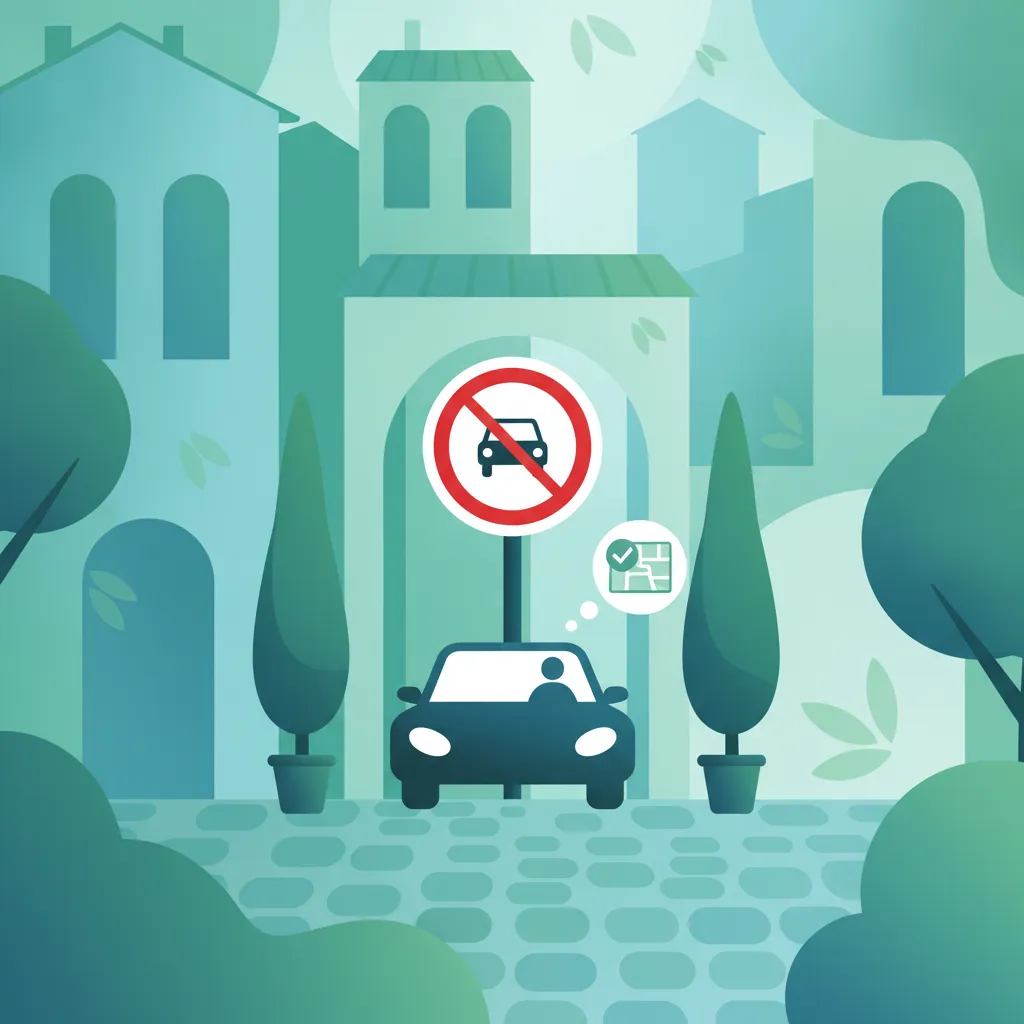
This lesson explains the concept of 'Zone a Traffico Limitato' (ZTL), common in Italian city centers, which restricts vehicle access at certain times. It covers how to identify ZTL boundaries, understand the operating hours, and the procedures for obtaining permits for commercial deliveries. The lesson also touches on environmental zones that may restrict access based on a vehicle's emission standards.
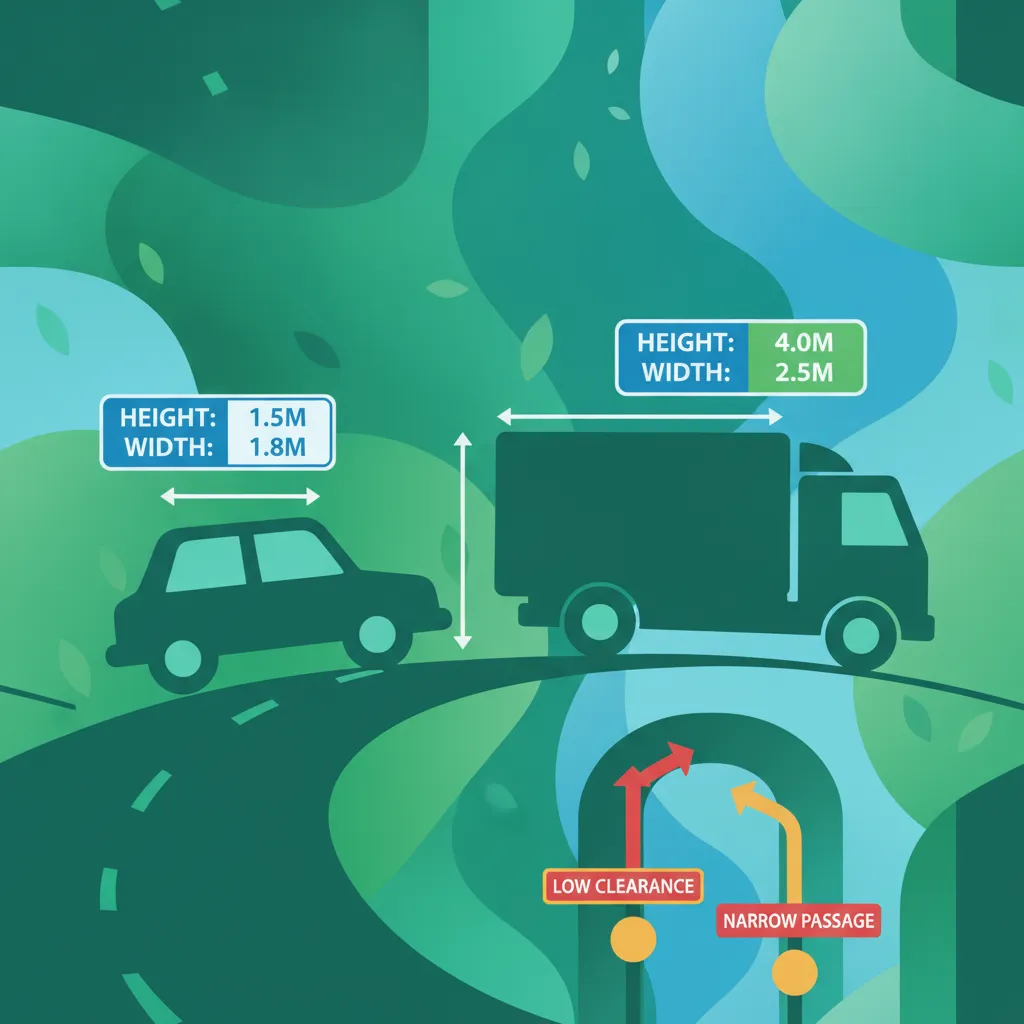
This lesson focuses on the specific dimensional limits that heavy goods vehicles must adhere to on Italian roads, as stipulated by the Codice della Strada. It covers the maximum permissible length, width, and height, explaining how these restrictions impact navigation through tunnels, under bridges, and within urban environments. Learners will also understand the conditions under which special permits for exceptional or oversized transport are required.

This lesson bridges the gap between general traffic laws and their specific application to heavy goods vehicles. It examines how rules regarding speed limits, lane discipline, overtaking, and priority are modified or have special considerations for trucks due to their size, weight, and reduced maneuverability. Drivers will learn to correctly interpret road signs and signals within the context of operating a large vehicle, ensuring safe and compliant integration with other traffic.

This lesson focuses on the principle of 'appropriate speed' in urban environments, which often means driving slower than the legal maximum. It explains how to assess the environment for potential hazards—such as schools, parked cars, and busy intersections—and adjust speed accordingly to allow for adequate reaction time. Maintaining a safe, consistent speed reduces the need for harsh braking and contributes to a safer environment for everyone.

This lesson focuses on the specific regulations and techniques for operating a heavy vehicle on high-speed motorways. It covers mandatory lane discipline for trucks, the rules governing overtaking other heavy vehicles, and the specific speed limits that apply. Best practices for merging onto and exiting the motorway, maintaining safe following distances, and using the hard shoulder only in genuine emergencies are also detailed.
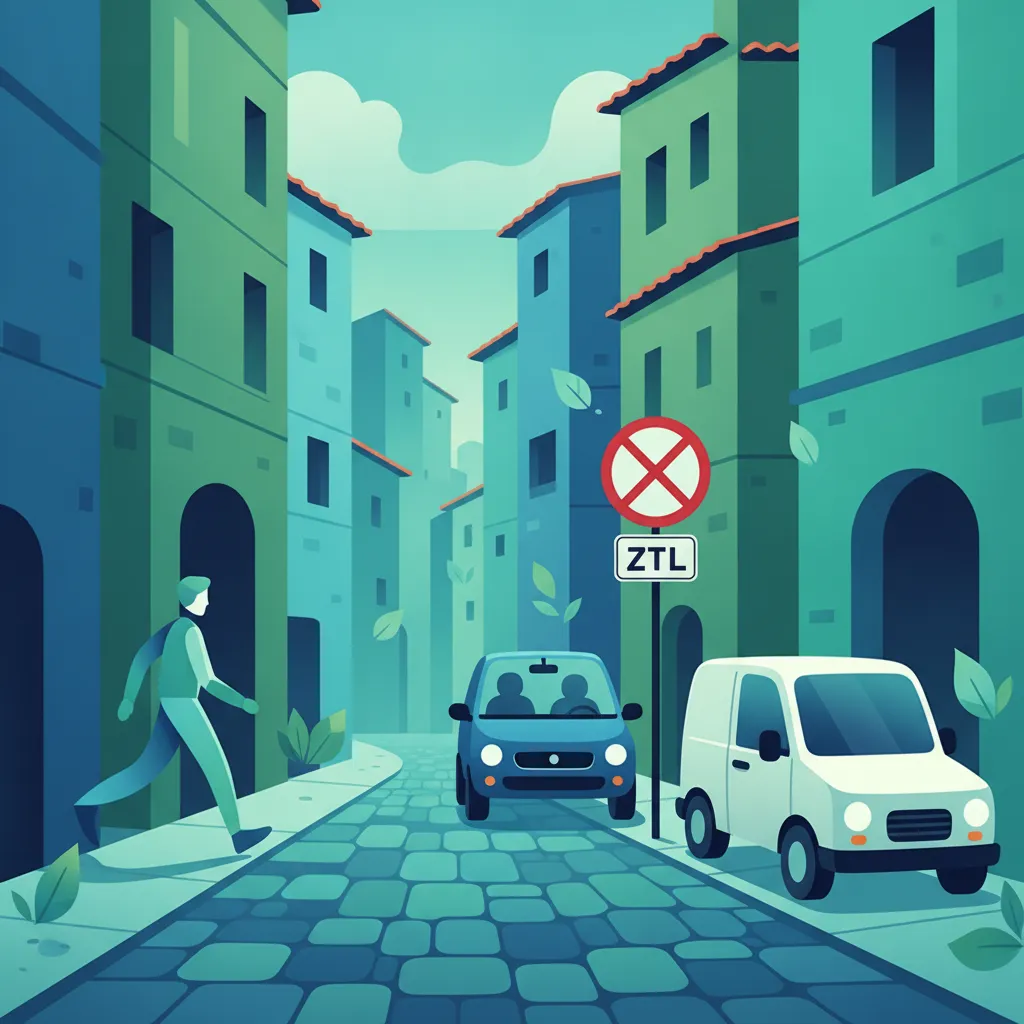
This lesson explains the rules for special urban traffic situations common in Italy. It provides a detailed explanation of Limited Traffic Zones (ZTL), including how to recognize the signage and understand the access restrictions to avoid fines. The content also offers guidance on navigating the narrow and complex streets of historic centers and safely maneuvering around frequently stopping delivery vehicles.

This lesson outlines the correct protocols for stopping to make a delivery in a public area. It covers the legal use of designated loading bays, the importance of making the vehicle highly visible with hazard lights, and ensuring that the parking brake is securely applied. The lesson stresses the need to conduct loading and unloading activities efficiently and safely, without causing undue obstruction or danger to other road users and pedestrians.

This lesson delves into the specific articles of the Italian Codice della Strada that apply to heavy goods vehicles. It outlines the core legal and professional obligations of a driver, including the heightened duty of care owed to other road users and the responsibility for the vehicle's roadworthiness and load. Learners will understand the legal consequences of non-compliance, such as fines and sanctions, reinforcing the importance of adhering to all traffic regulations.
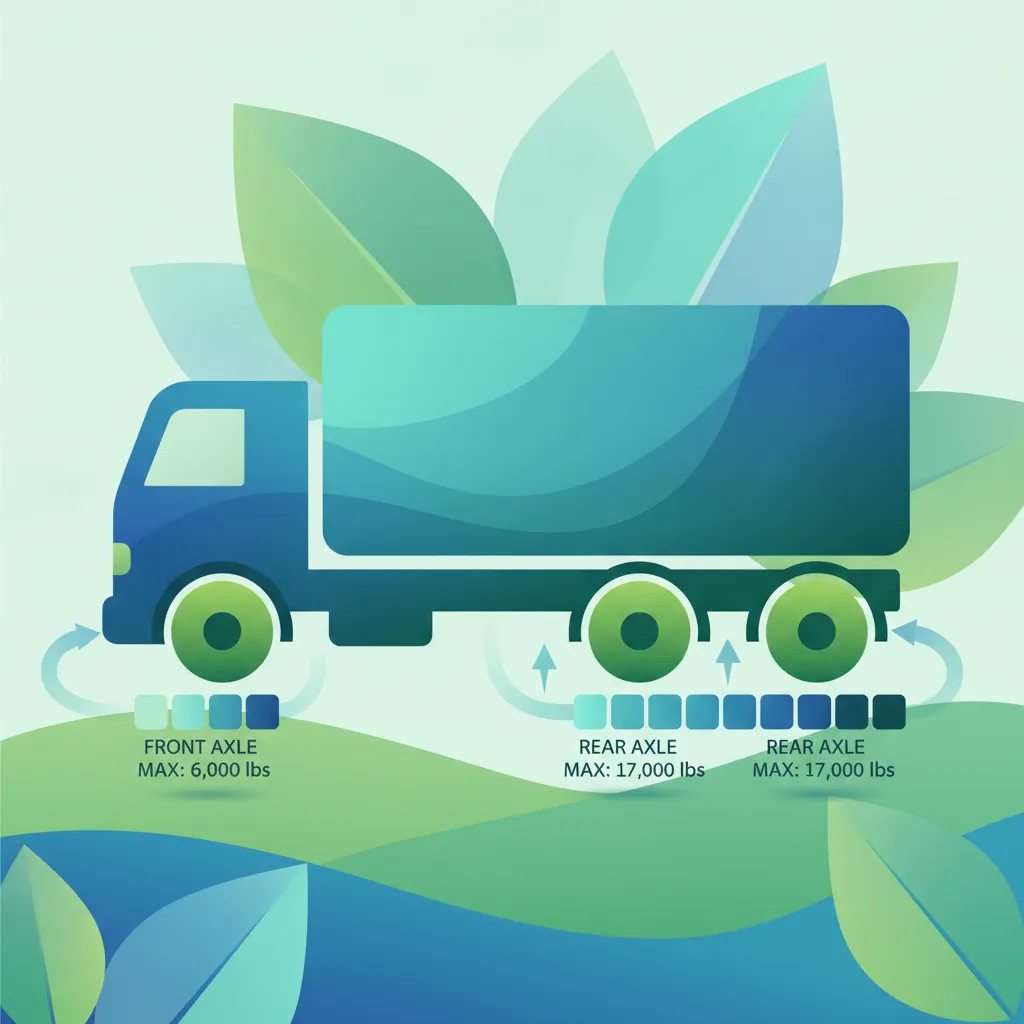
This lesson details the legal restrictions on the weight that can be supported by a single axle or a group of axles. It explains the importance of distributing the load correctly across the vehicle's length to prevent exceeding these limits, which can cause significant road damage and compromise vehicle safety. Learners will understand the relationship between load placement, axle pressure, and overall stability, particularly during braking and cornering.
Learn how to plan efficient urban delivery routes for heavy goods vehicles, incorporating delivery time windows, load considerations, and critical safety measures for vulnerable road users. Essential knowledge for professional drivers.
This lesson outlines the correct protocols for stopping to make a delivery in a public area. It covers the legal use of designated loading bays, the importance of making the vehicle highly visible with hazard lights, and ensuring that the parking brake is securely applied. The lesson stresses the need to conduct loading and unloading activities efficiently and safely, without causing undue obstruction or danger to other road users and pedestrians.

This lesson focuses on the logistical aspects of long-haul driving. It teaches drivers how to plan journeys to comply with legal driving hours and mandatory rest periods, using a tachograph to record activity. The lesson also covers how to plan for fuel stops and select safe and secure overnight parking locations at motorway service areas or designated truck stops.
This lesson focuses on the specific dimensional limits that heavy goods vehicles must adhere to on Italian roads, as stipulated by the Codice della Strada. It covers the maximum permissible length, width, and height, explaining how these restrictions impact navigation through tunnels, under bridges, and within urban environments. Learners will also understand the conditions under which special permits for exceptional or oversized transport are required.

This lesson covers the specific environment of logistics hubs and distribution centers. It explains common site layouts, traffic flow systems, and the safety protocols drivers must follow when on private property. Key skills addressed include safely maneuvering in busy yards, reversing accurately into loading bays, and communicating effectively with warehouse staff to ensure a safe and efficient loading or unloading process.
This lesson focuses on the principle of 'appropriate speed' in urban environments, which often means driving slower than the legal maximum. It explains how to assess the environment for potential hazards—such as schools, parked cars, and busy intersections—and adjust speed accordingly to allow for adequate reaction time. Maintaining a safe, consistent speed reduces the need for harsh braking and contributes to a safer environment for everyone.
This lesson bridges the gap between general traffic laws and their specific application to heavy goods vehicles. It examines how rules regarding speed limits, lane discipline, overtaking, and priority are modified or have special considerations for trucks due to their size, weight, and reduced maneuverability. Drivers will learn to correctly interpret road signs and signals within the context of operating a large vehicle, ensuring safe and compliant integration with other traffic.
This lesson focuses on the specific regulations and techniques for operating a heavy vehicle on high-speed motorways. It covers mandatory lane discipline for trucks, the rules governing overtaking other heavy vehicles, and the specific speed limits that apply. Best practices for merging onto and exiting the motorway, maintaining safe following distances, and using the hard shoulder only in genuine emergencies are also detailed.

This lesson synthesizes the unit's concepts through practical, real-world examples of load planning. Learners will work through scenarios that require calculating payload, distributing weight across axles, and checking dimensions to ensure full compliance with 'sagoma limite'. These exercises reinforce the importance of meticulous pre-trip planning to guarantee a safe, legal, and efficient transport operation from start to finish.
This lesson delves into the specific articles of the Italian Codice della Strada that apply to heavy goods vehicles. It outlines the core legal and professional obligations of a driver, including the heightened duty of care owed to other road users and the responsibility for the vehicle's roadworthiness and load. Learners will understand the legal consequences of non-compliance, such as fines and sanctions, reinforcing the importance of adhering to all traffic regulations.

This lesson addresses the critical responsibility of protecting vulnerable road users, such as pedestrians, cyclists, and motorcyclists, who are most at risk in a collision with a heavy vehicle. It teaches drivers to be hyper-aware in urban settings, to anticipate the unpredictable movements of VRUs, and to provide ample space, especially when turning at junctions. A key focus is on scanning for VRUs in blind spots before moving off or making any maneuver.
Find clear answers to common questions learners have about Planning for Urban Delivery Routes. Learn how the lesson is structured, which driving theory objectives it supports, and how it fits into the overall learning path of units and curriculum progression in Italy. These explanations help you understand key concepts, lesson flow, and exam focused study goals.
A ZTL (Zona a Traffico Limitato) is a restricted traffic zone found in many Italian cities where access is limited to authorized vehicles only. Goods vehicles must often secure special permits or use designated access routes to avoid heavy fines when entering these areas.
Before entering, you must compare your vehicle’s total dimensions, specifically height and width, against local road signs indicating 'sagoma limite'. Route planning tools tailored for HGVs can help identify routes that avoid narrow streets or low-clearance bridges.
Many Italian municipalities enforce time-based access windows for goods deliveries. Always check local ordinances, as access might be restricted to early morning or late night hours to minimize traffic impact.
Many drivers fail by failing to account for their vehicle's swept path or by ignoring weight limits on specific bridges. Always verify the maximum authorized mass limit for the roads on your planned route.
Start searching now to pinpoint exactly which Italian driving theory topics, road signs, or traffic rules you need to master. Use our advanced filters to build a custom practice session and ensure you're fully prepared for every aspect of your official driving licence exam.