
This lesson focuses on the critical skills required to share urban roads safely with vulnerable road users such as pedestrians, cyclists, and motorcyclists. As a professional driver, understanding how to manage the significant risks posed by heavy vehicle blind spots is essential for both your theory exam and daily operations in Italian cities.
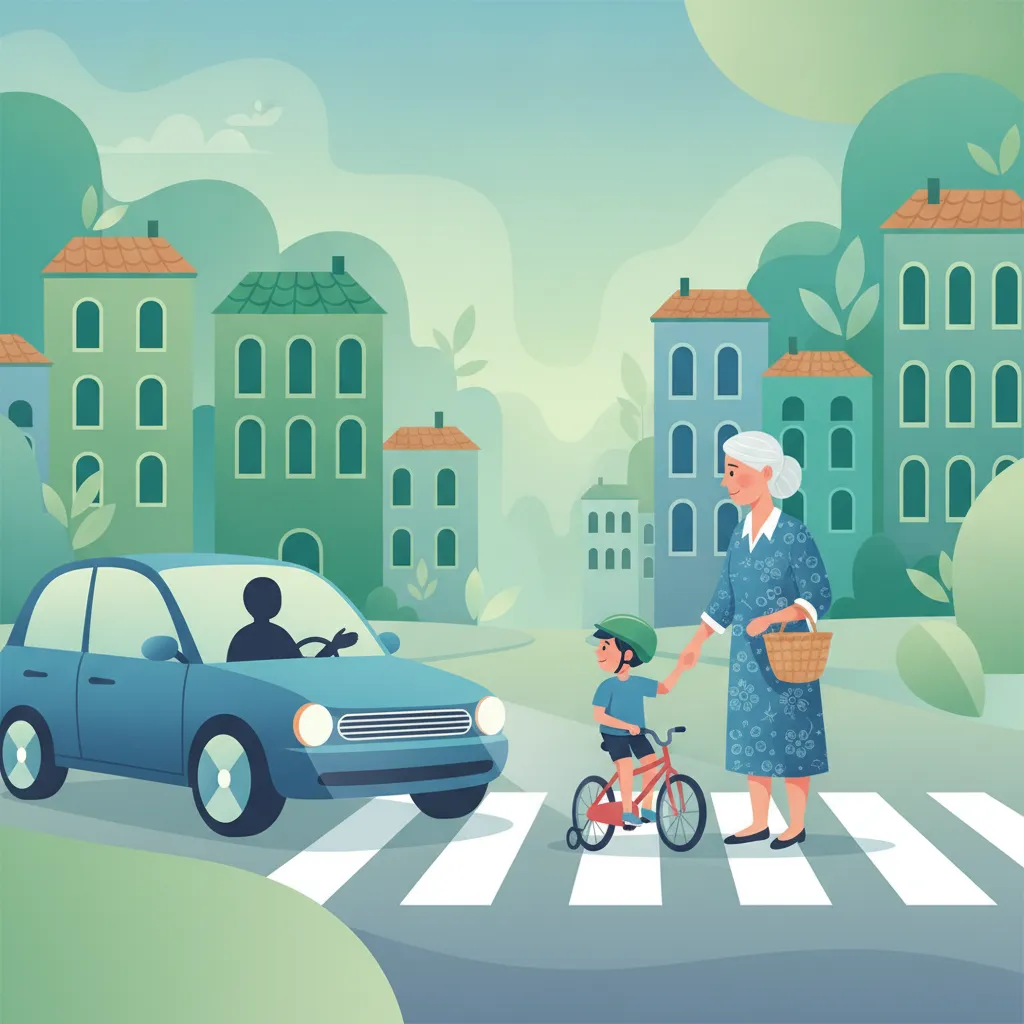
Lesson content overview
Driving a heavy goods vehicle (HGV) demands exceptional vigilance, especially when navigating busy urban environments. These settings are characterized by a high density of other road users, many of whom are classified as "vulnerable." This lesson will equip you with the essential knowledge and techniques to interact safely and responsibly with pedestrians, cyclists, motorcyclists, and other unprotected road users, minimizing risks and ensuring compliance with Italian traffic laws.
Vulnerable Road Users (VRUs) are defined as road users who lack the protection of a vehicle's structure and are, therefore, at a significantly higher risk of severe injury or fatality in the event of a collision. For HGV drivers, the immense mass and dimensions of their vehicles amplify this risk, making every interaction with a VRU a critical safety consideration.
VRUs encompass a diverse group of individuals who share the road space with heavy vehicles. Recognizing these groups and understanding their typical behaviors is the first step towards proactive safety.
The disparity in size and mass between an HGV and a VRU means that any collision is likely to have devastating consequences for the vulnerable party. HGVs also have longer stopping distances, larger blind spots, and wider turning circles, all of which pose unique challenges in detecting and reacting to VRUs. A professional driver's duty of care extends to actively mitigating these inherent risks through heightened awareness and cautious driving.
Operating a heavy vehicle requires a set of foundational principles to ensure the safety of all road users, particularly VRUs. These principles integrate legal obligations, physics, and human factors.
As a professional HGV driver, you bear a significant legal and moral responsibility, known as the "duty of care." This means you must take all reasonable measures to avoid endangering VRUs. This duty is amplified because a collision with a heavy vehicle is likely to cause disproportionate harm to a pedestrian, cyclist, or motorcyclist. Fulfilling this duty requires consistently reduced speeds, extended observation periods, and anticipatory actions, especially in urban areas.
The law grants specific priority to VRUs in defined traffic situations, such as pedestrians at marked crosswalks or cyclists in dedicated bike lanes. Heavy-vehicle drivers must yield in these situations, even if their vehicle is larger or heavier. Misunderstanding or ignoring these rules is a common cause of serious accidents. For example, pedestrians often have priority at zebra crossings regardless of traffic light signals, a rule frequently overlooked.
Heavy vehicles have a much larger turning radius and swept path compared to cars. The swept path is the area covered by the vehicle's outermost points, particularly the rear corners, during a turn. A lack of awareness of this turning envelope can lead to the rear of your vehicle encroaching into spaces occupied by VRUs during lane changes, junction turns, or reversing maneuvers. You must adjust turning speed, use all available mirrors and cameras, and give extra space to VRUs to prevent such encroachments.
Blind spots are areas around your vehicle that are not visible through direct line of sight or your external mirrors. For an HGV, these zones are extensive and can easily conceal a cyclist or motorcyclist. Before initiating any maneuver—such as moving off, changing lanes, or turning—a systematic inspection of all blind spots is crucial. This proactive check helps detect hidden VRUs, particularly cyclists riding near the rear tire path, who might only become visible as the vehicle begins to move.
Appropriate speed adaptation is fundamental to urban safety. You must adjust your vehicle speed based on the road type, traffic density, visibility, and the presence of VRUs. Lower speeds provide increased reaction time and shorter stopping distances, which are critical when unexpected movements from VRUs occur. In urban areas, even within posted speed limits, you must often reduce speed further when VRUs are present or anticipated.
One of the most challenging aspects of driving near VRUs is their potential for unpredictable behavior. Pedestrians might suddenly change direction, cyclists could swerve to avoid obstacles, and motorcyclists might accelerate or decelerate abruptly. As an HGV driver, you must anticipate these possibilities. Maintain a generous safety margin, avoid overtaking cyclists in tight blind spots, and always be prepared to stop if a pedestrian steps onto the road or a child runs out between parked cars.
Urban scenarios present a unique set of challenges due to their inherent complexity and high density of road users. Understanding these characteristics is vital for safe HGV operation.
City driving typically involves frequent intersections, numerous pedestrian crossings, traffic lights, mixed traffic conditions, and often limited sight distances due to buildings or parked vehicles. There is also a higher density of VRUs, often with dedicated infrastructure like bus lanes and bike lanes, and an increased frequency of stops and starts. Furthermore, many urban centers feature specific traffic restrictions, such as Zone a Traffico Limitato (ZTL), or Limited Traffic Zones.
To effectively manage these challenges, HGV drivers must master specific concepts and employ proactive techniques.
Blind spots are extensive on HGVs. They include areas directly beside and slightly behind the cab, the large zone immediately behind the trailer, and crucial spots around the rear corners. Cyclists can position themselves in these zones, becoming invisible, especially when you are preparing to turn.
The swept path means that when your HGV turns, its rear wheels track inside the path of the front wheels, and the outer rear corner swings outwards. This can cause the vehicle to encroach on adjacent lanes, pavements, or cycle paths. This is particularly dangerous for cyclists positioned on your inside during a right turn or for pedestrians on a pavement during a left turn.
A crucial safety principle is to maintain a minimum safe distance from all VRUs, both laterally (sideways) and longitudinally (ahead).
Effective visual scanning is a systematic method of gathering information about your environment. This involves actively moving your eyes, making head turns, and performing frequent mirror checks to cover your entire field of vision.
Before Moving Off: Check all mirrors, side windows, and perform a head-over-shoulder check for VRUs that might have approached while stationary.
Before Turning: Signal your intent, then check mirrors, look forward, and perform a thorough head-over-shoulder check into the blind spot of your intended turn. This is crucial for detecting cyclists.
While Driving: Continuously scan ahead, to the sides, and behind using your mirrors every 5-8 seconds. Pay special attention to intersections, pedestrian crossings, and areas with high VRU activity (e.g., schools, markets).
The Italian Codice della Strada (Road Code) provides a clear framework for interaction with VRUs, emphasizing their protection. Adhering to these regulations is mandatory for all drivers.
This rule is absolute. Even if you have a green light, if a pedestrian is on a marked crossing or about to enter it, you must stop.
When overtaking cyclists or motorcyclists, you must ensure ample space. This means reducing speed, signaling your intent, and moving into an adjacent lane if necessary and safe, ensuring you leave a significant lateral distance (e.g., at least 1.5 meters at lower speeds) to avoid endangering them. Never overtake if it means forcing a VRU into an unsafe position.
At intersections or points where bike lanes merge or cross the roadway, HGV drivers must be acutely aware of cyclists' presence and give them priority. Cutting across a bike lane without checking for cyclists is a serious violation.
However, simply adhering to the maximum speed limit is often insufficient. Drivers must adapt their speed further based on traffic density, the presence of VRUs, visibility, and road conditions. Driving at 40 km/h in a busy residential area with many pedestrians might be safer than driving at 50 km/h.
This principle dictates that you must be able to stop your vehicle within the distance that is clearly visible ahead. This is critical before turning from a stopped position, when emerging from intersections, or when navigating areas with obscured sightlines. It explicitly requires drivers to verify that their intended path is clear of any hidden obstacles or VRUs.
Clear and timely signaling is vital for communicating your intentions to other road users, including VRUs. This allows them to anticipate your actions and react safely. Failing to signal can confuse VRUs and contribute to collisions, especially for cyclists or motorcyclists who might be planning to overtake or move alongside your vehicle.
Many Italian cities have ZTLs where heavy vehicles may be prohibited or limited during certain hours without special permits. These zones are often established to protect historic centers, reduce pollution, and enhance pedestrian safety. Entering a ZTL without authorization can result in significant fines and also increases the risk to the higher concentration of pedestrians and cyclists typically found in these areas.
Awareness of common errors is crucial for enhancing safety. Here are frequent violations and dangerous scenarios involving HGVs and VRUs, along with correct practices.
Why Wrong: Cyclists or motorcyclists often position themselves in the extensive blind spots of an HGV, especially near the rear corners, becoming invisible to mirrors. Initiating a turn without a thorough check can lead to severe side-swipe collisions.
Correct Behavior: Before any turn, especially right turns where a cyclist might be on your inside, signal well in advance, check all mirrors, and perform a distinct head-over-shoulder check into the blind spot of the intended turn. Only proceed if the path is clear.
Why Wrong: Overtaking a cyclist too closely does not leave them enough space to maneuver safely if they encounter a pothole, debris, or a sudden gust of wind. This can force them into the path of oncoming traffic or cause them to lose balance.
Correct Behavior: Reduce speed significantly, signal, and only overtake when there is ample space to move into an adjacent lane, ensuring at least 1.5 meters of lateral clearance. If the road is too narrow, wait for a safer opportunity or remain behind the cyclist.
Why Wrong: Under Article 149 of the Codice della Strada, pedestrians at marked zebra crossings have absolute priority, regardless of traffic lights. Failing to yield is a direct violation and a significant risk.
Correct Behavior: Actively scan for pedestrians approaching or waiting at crosswalks. Slow down, be prepared to stop, and allow them to cross completely before proceeding. Make eye contact if possible to confirm their intentions.
Why Wrong: ZTLs are designed to manage traffic flow, reduce congestion, and prioritize pedestrians in sensitive urban areas. Unauthorized entry contributes to congestion, noise, pollution, and increased collision risk for VRUs.
Correct Behavior: Plan your route in advance to avoid ZTLs if you don't have a permit. If entry is necessary for deliveries, ensure you have the required authorization and strictly adhere to the designated entry times and routes.
Why Wrong: Motorcyclists are less stable than four-wheeled vehicles and require more lateral space, particularly at speed. Overtaking too closely can startle them or create dangerous air turbulence, causing them to lose control.
Correct Behavior: Assess the road width and traffic conditions carefully. Only overtake a motorcyclist when you can safely move completely into an adjacent lane or the oncoming lane (if clear) and maintain a substantial safety margin before returning to your lane.
Why Wrong: While adhering to the posted speed limit, failing to reduce speed further in congested urban areas with high VRU activity significantly reduces reaction time and increases stopping distance. This heightens accident risk, especially if VRUs make sudden movements.
Correct Behavior: Drive defensively, anticipating potential hazards. Voluntarily reduce your speed well below the posted limit in peak hours or high-density areas, giving yourself more time to react to the unpredictable actions of VRUs.
Why Wrong: At uncontrolled intersections, even without specific crosswalk markings, VRUs who are already in the intersection or clearly intending to enter it often have priority. Neglecting this can lead to serious collisions.
Correct Behavior: Treat uncontrolled intersections with extreme caution. Slow down, actively scan for pedestrians and cyclists, and be prepared to stop. Yield to any VRU already in or entering the intersection.
Why Wrong: The horn is primarily for warning of immediate danger. Overusing it in urban settings can startle or confuse VRUs, leading to unpredictable reactions that might inadvertently increase risk rather than reduce it.
Correct Behavior: Use the horn sparingly and only when necessary to prevent an imminent collision. A light tap is often sufficient to gain attention without causing alarm.
Driving conditions are rarely static. HGV drivers must constantly adjust their strategies based on environmental factors, vehicle state, and the specific types of VRUs encountered.
In rain, fog, or icy conditions, visibility is severely reduced, and braking distances increase dramatically. This necessitates a significant reduction in speed and a more frequent, thorough scanning of the environment. VRUs may also be less visible or behave differently (e.g., cyclists avoiding puddles).
At dusk or night, pedestrians and cyclists, especially if not wearing reflective clothing or using lights, can be extremely difficult to spot. Use dipped beams (anabbaglianti) to improve your own visibility and to make your vehicle visible to others without dazzling oncoming traffic. Exercise extra caution when approaching crossings or areas with limited street lighting.
A heavily loaded truck will have significantly extended braking distances and reduced maneuverability compared to an empty one. This must be accounted for by increasing following distances, further reducing speed, and allowing even more space during turns and when interacting with VRUs. The dynamics of an articulated vehicle (truck with trailer) also introduce additional complexities regarding swept path and off-tracking.
The presence of zebra crossings, dedicated bike lanes, traffic calming devices, and ZTL zones directly modifies your driving obligations. Always be aware of and comply with specific local infrastructure rules.
Driving safely around VRUs is not just about following rules; it's about understanding the underlying principles that make those rules necessary.
Operating an HGV in urban environments demands a high degree of skill, focus, and unwavering respect for vulnerable road users. This lesson has highlighted the critical importance of understanding VRUs, adapting your driving behavior, and rigorously applying the rules of the Italian Codice della Strada. By embracing a proactive, defensive driving approach that prioritizes thorough scanning, maintaining safe distances, respecting right-of-way, and anticipating unpredictable behavior, you contribute significantly to the safety of everyone on the road. Remember, your vigilance is the ultimate safeguard against collisions involving those who are most at risk.
Explore all units and lessons included in this driving theory course.
Lesson content overview
Explore all units and lessons included in this driving theory course.
Explore search topics learners often look for when studying Interaction with Vulnerable Road Users and Urban Scenarios. These topics reflect common questions about road rules, driving situations, safety guidance, and lesson level theory preparation for learners in Italy.
Browse additional driving theory lessons that cover connected traffic rules, road signs, and common driving situations related to this topic. Improve your understanding of how different rules interact across everyday traffic scenarios.
Learn essential driving theory for protecting pedestrians, cyclists, and motorcyclists in Italian cities. This lesson focuses on understanding VRU risks, urban driving challenges, and legal obligations under the Codice della Strada.

This lesson is dedicated to fostering awareness and safe interaction with vulnerable road users commonly found in cities. It details the legal priority of pedestrians at crossings and the importance of giving ample space to cyclists. Additionally, it covers the specific hazards associated with tram tracks and the need to be vigilant around public transport vehicles like buses and taxis.

This lesson provides an in-depth focus on sharing the road with the most vulnerable users. It teaches drivers to be acutely aware of pedestrians at crossings, cyclists filtering through traffic, and motorcyclists who may be in blind spots. The lesson emphasizes the importance of leaving extra space, signaling intentions clearly, and exercising extreme caution at junctions, where the majority of serious incidents occur.
This lesson provides critical guidance on how to safely share the road with vulnerable users, including pedestrians, cyclists, motorcyclists, and children. It highlights the importance of increased awareness in specific areas like school zones and crosswalks. The content teaches techniques for maintaining a safe lateral distance when overtaking, checking blind spots thoroughly, and anticipating the often unpredictable movements of these users.

This lesson addresses the increased complexity of overtaking in urban environments with dense traffic and frequent intersections. It stresses the importance of thorough observation, including mirror and blind spot checks, to ensure a safe gap is available. The content covers judging speed differentials and the necessity of clear signalling to execute the maneuver without causing conflict with other road users.

This lesson addresses the specific challenges of sharing the road with two-wheeled motor vehicles like motorcycles and scooters. It highlights their reduced visibility and stability compared to cars, requiring drivers to double-check blind spots and maintain a greater following distance. The content also discusses common behaviors like lane filtering and the need for drivers to be predictable and signal intentions clearly.

This lesson explains the rules and best practices for safely sharing the road with cyclists. It covers the importance of respecting dedicated bike lanes and maintaining a safe lateral distance (at least 1.5 meters) when overtaking. The content also teaches drivers to be vigilant for cyclists, especially at intersections and when opening car doors, to prevent common types of collisions.
This lesson focuses on the driver's responsibility to protect pedestrians, especially at designated crossings (strisce pedonali). It reinforces the legal requirement to yield to pedestrians who are on or about to enter a crosswalk. The content also covers the importance of reducing speed and increasing vigilance in urban areas, school zones, and other places with high pedestrian activity.
This lesson explains the principles of maintaining proper lane discipline and strategic positioning in an urban context. It covers how to adapt your position within the lane to enhance visibility, avoid road surface hazards, and prepare for turns or lane changes. The content also provides awareness of specific urban features like restricted traffic zones (ZTL) and how to navigate them legally and safely.
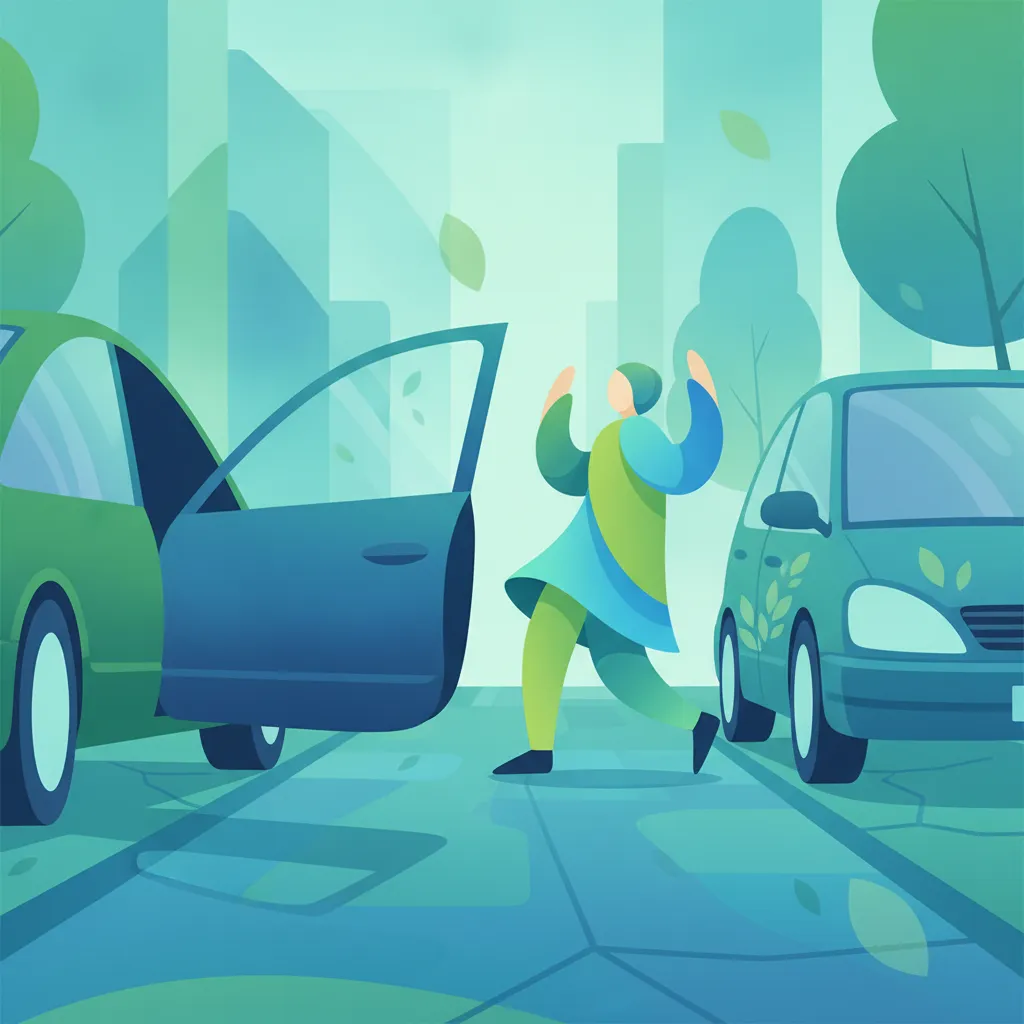
This lesson addresses the significant risk posed by parked vehicles, particularly the hazard of drivers opening their doors into traffic. You will learn to maintain a safe lateral distance when passing parked cars and to actively scan for signs of occupancy. This proactive approach helps prevent dangerous "dooring" incidents and ensures safe passage in urban environments.
Master techniques for identifying and mitigating blind spots on heavy vehicles during urban maneuvers. Understand swept paths and safe interaction protocols for professional drivers in Italy.
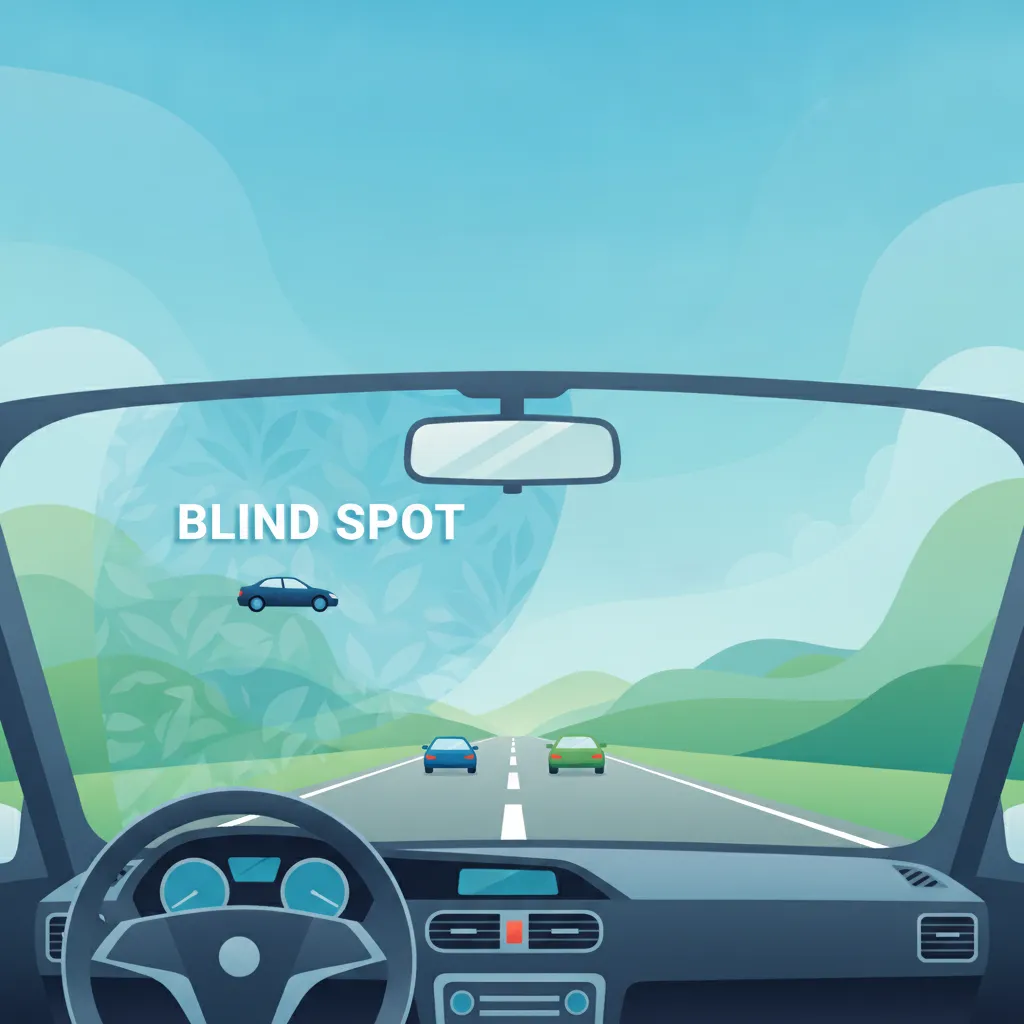
This lesson highlights the large blind spots—or 'no-zones'—that exist to the front, back, and sides of a heavy vehicle, where smaller vehicles, cyclists, and pedestrians can disappear from view. It teaches proactive scanning techniques, the importance of anticipating hazards, and how to use mirrors and direct vision effectively to manage these high-risk areas. Awareness and mitigation of blind spots are crucial for preventing collisions, especially in urban traffic.

This lesson introduces the various electronic driver aids designed to improve visibility and safety during low-speed maneuvering. It covers the use of reversing cameras, blind-spot monitoring systems, and ultrasonic proximity sensors that provide visual and audible warnings. Learners will understand that while these technologies are valuable tools, they are aids to—not replacements for—the driver's own diligent observation and skill.
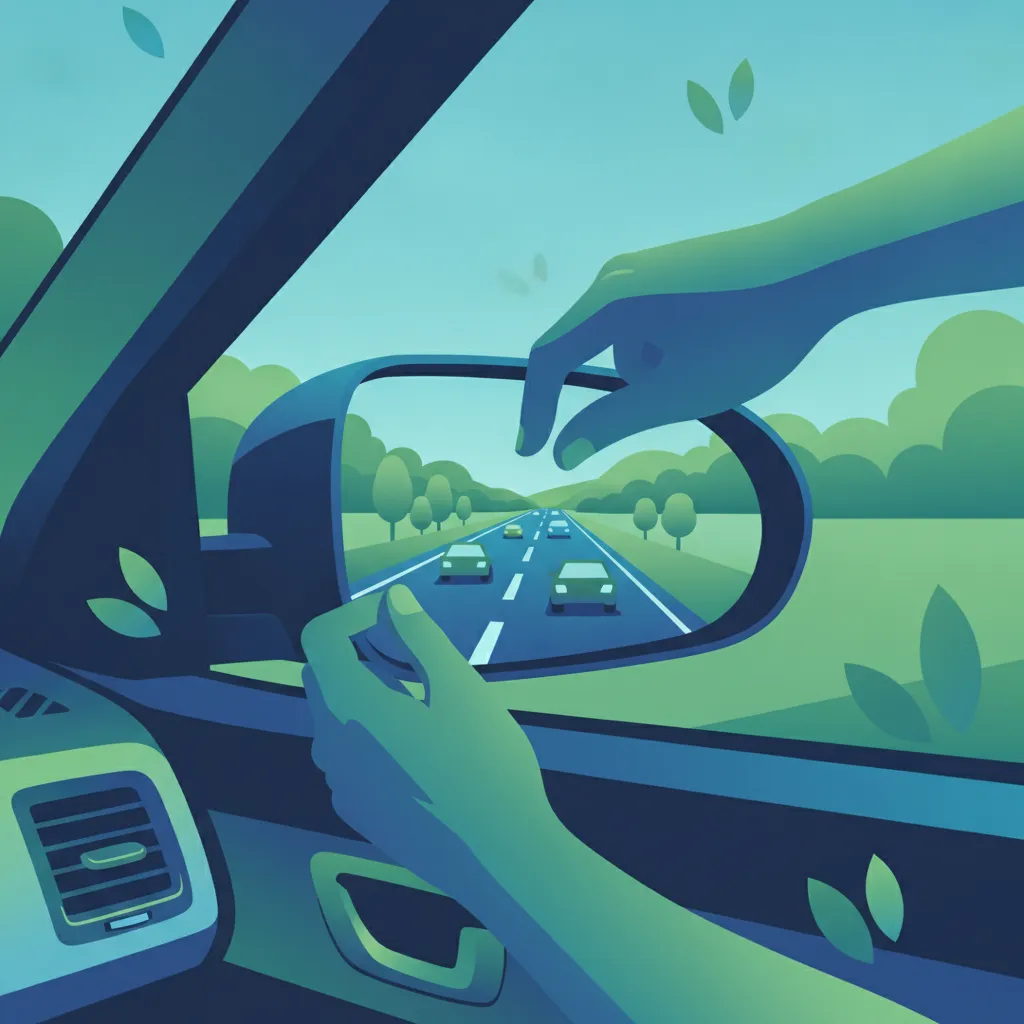
This lesson explains the function of the different classes of mirrors required on a heavy goods vehicle, including the main, wide-angle, and close-proximity (kerb) mirrors. It provides a systematic method for adjusting each mirror correctly from the driver's seating position to create the widest possible field of vision and minimize blind spots. Proper mirror setup is the foundation of safe observation and maneuvering.
This lesson focuses on the principle of 'appropriate speed' in urban environments, which often means driving slower than the legal maximum. It explains how to assess the environment for potential hazards—such as schools, parked cars, and busy intersections—and adjust speed accordingly to allow for adequate reaction time. Maintaining a safe, consistent speed reduces the need for harsh braking and contributes to a safer environment for everyone.
This lesson provides an in-depth focus on sharing the road with the most vulnerable users. It teaches drivers to be acutely aware of pedestrians at crossings, cyclists filtering through traffic, and motorcyclists who may be in blind spots. The lesson emphasizes the importance of leaving extra space, signaling intentions clearly, and exercising extreme caution at junctions, where the majority of serious incidents occur.
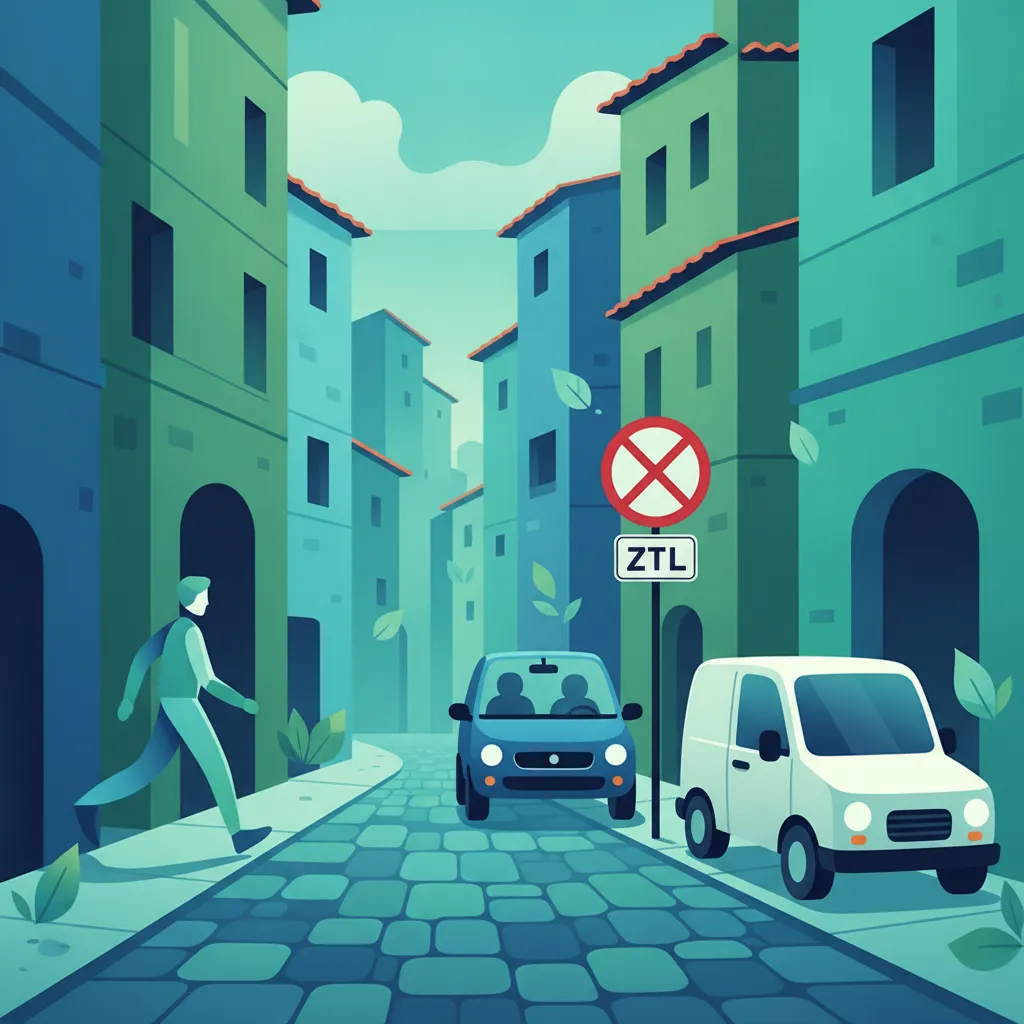
This lesson explains the rules for special urban traffic situations common in Italy. It provides a detailed explanation of Limited Traffic Zones (ZTL), including how to recognize the signage and understand the access restrictions to avoid fines. The content also offers guidance on navigating the narrow and complex streets of historic centers and safely maneuvering around frequently stopping delivery vehicles.
This lesson explains the critical importance of a continuous and systematic visual scan for maintaining 360-degree awareness around the vehicle. It details the correct technique for using interior and exterior mirrors in conjunction with direct vision and shoulder checks to effectively identify hazards. The content emphasizes the need to be aware of blind spots before any maneuver, such as changing lanes or turning.
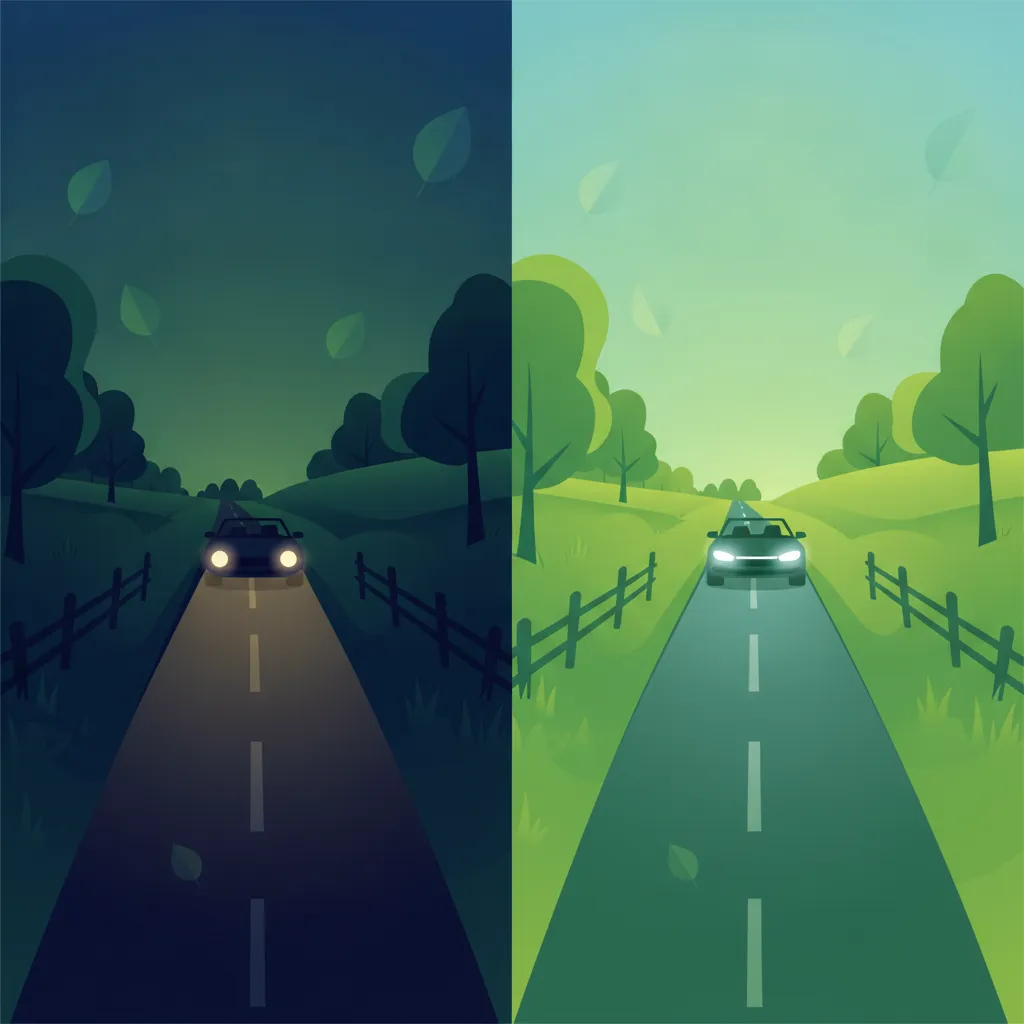
This lesson provides a comprehensive guide to a vehicle's lighting systems and their correct use according to the Codice della Strada. It explains the functions of low beams, high beams, fog lights, and daytime running lights, detailing when each should be used to ensure visibility for the driver and by other road users. Proper use of lighting is critical for safety during night driving and in conditions of poor visibility.
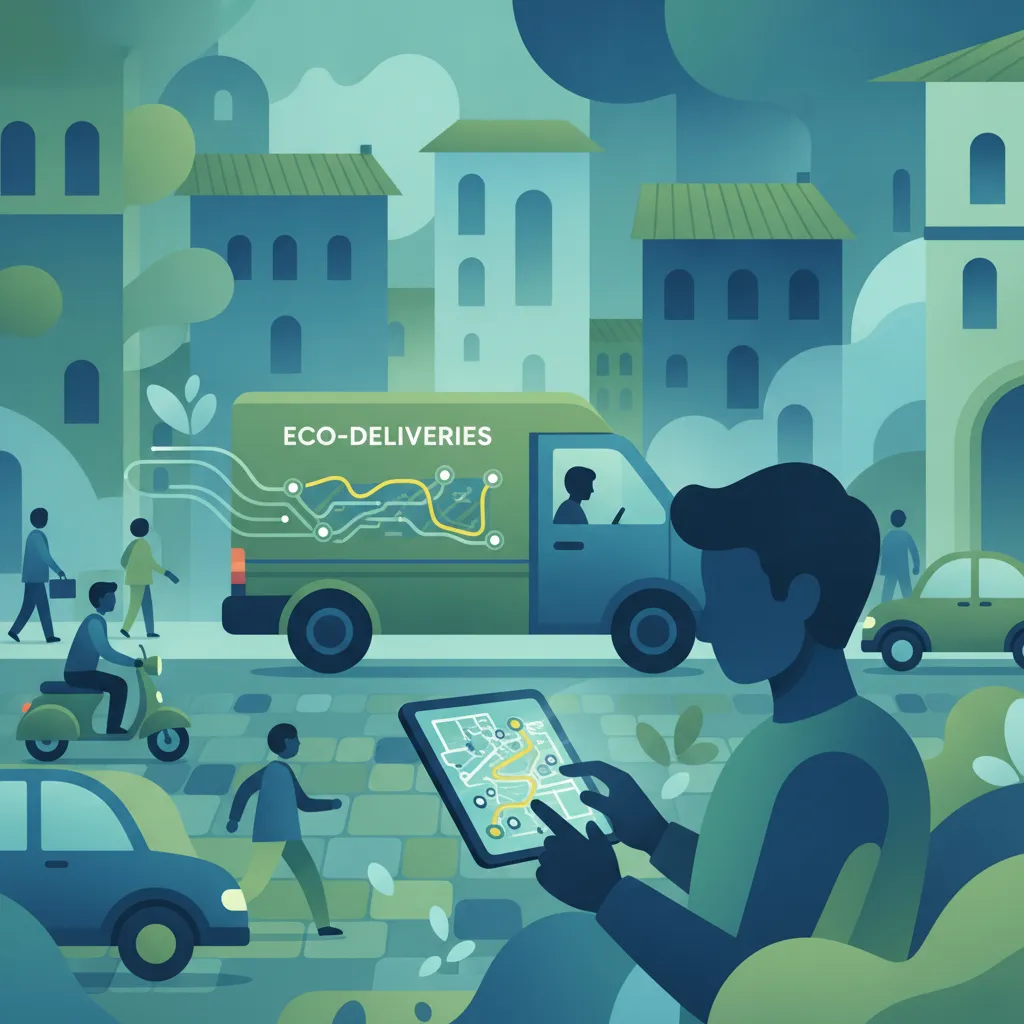
This lesson focuses on the importance of meticulous pre-journey planning for urban deliveries. It teaches drivers how to use maps and digital tools to plan routes that avoid physical restrictions (low bridges, narrow streets), legal restrictions (ZTLs, weight limits), and temporary disruptions. Effective route planning saves time, reduces stress, and ensures that all deliveries can be made legally and safely.
This lesson covers the complete set of lighting, reflective equipment, and protective guards mandated for heavy vehicles. It explains the function of each light, from headlights to side markers, and the importance of keeping them clean and operational to ensure the vehicle is visible to others. The lesson also details the legal requirements and safety purpose of side guards and rear underrun protection, which are designed to protect vulnerable road users in a collision.
Find clear answers to common questions learners have about Interaction with Vulnerable Road Users and Urban Scenarios. Learn how the lesson is structured, which driving theory objectives it supports, and how it fits into the overall learning path of units and curriculum progression in Italy. These explanations help you understand key concepts, lesson flow, and exam focused study goals.
Heavy vehicles have significant blind spots and longer vehicle lengths, which create a 'swept path' during turns. Cyclists often do not realize how much space the rear wheels of a trailer or heavy rigid vehicle need, making them prone to being caught in the side-swipe area during turns.
You must prioritize the safety of vulnerable road users by checking all mirrors and the blind spot sensor systems repeatedly. Never begin the turn until you are certain that no cyclist is positioned along the side of your vehicle or in your turning path.
Yes, many exam questions test your knowledge of the correct adjustment and systematic checking of wide-angle and close-proximity mirrors. You must demonstrate that you know which mirror covers which specific blind spot area around the vehicle.
In ZTL or historic centres, streets are often narrow and crowded. Pedestrians may step out from behind parked vehicles or parked goods. As a professional driver, you must maintain a lower speed and be hyper-aware that the vehicle's size makes it difficult for pedestrians to judge your exact speed or path.
Start searching now to pinpoint exactly which Italian driving theory topics, road signs, or traffic rules you need to master. Use our advanced filters to build a custom practice session and ensure you're fully prepared for every aspect of your official driving licence exam.