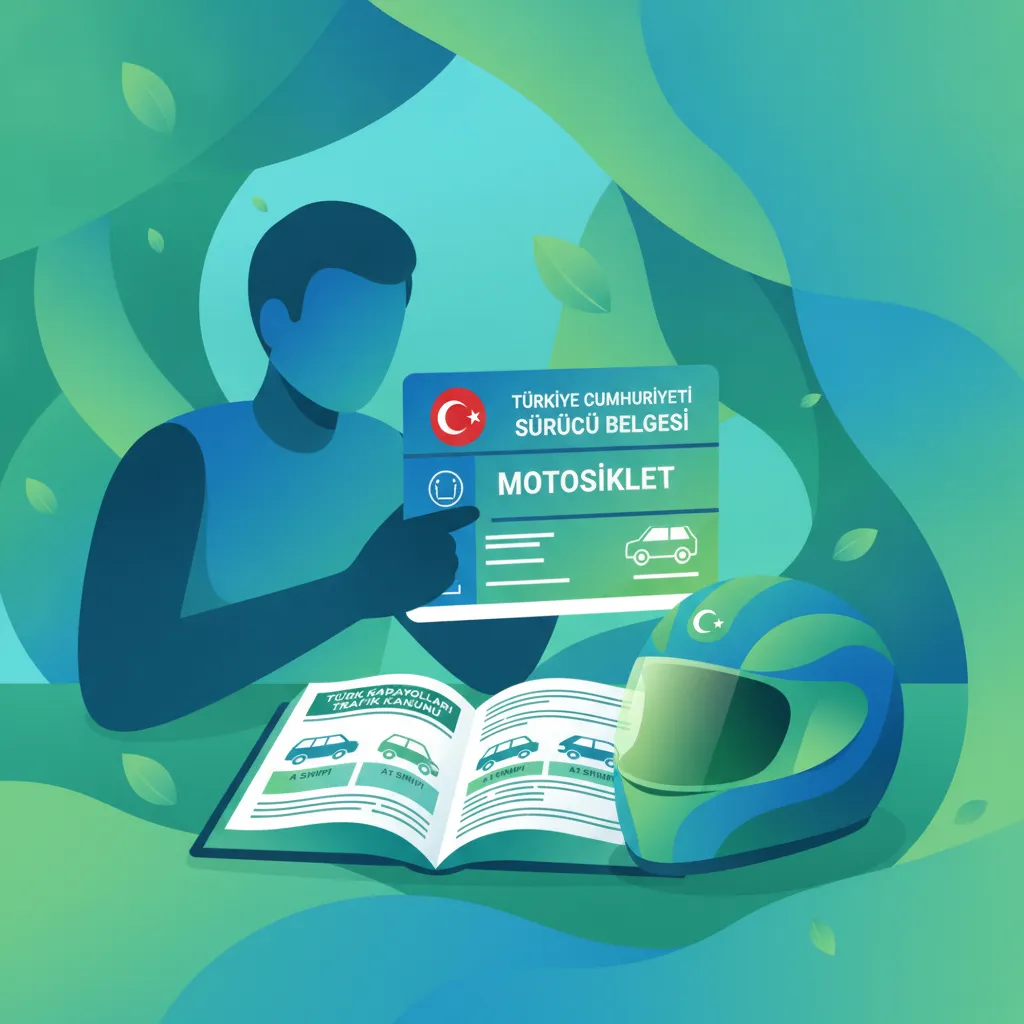
This lesson details the legal structure and licensing requirements for operating motorcycles in Turkey. Understanding these regulations is the first step in your motorcycle journey and ensures you are fully prepared for the official theory exam requirements.
Lesson content overview
Operating a motorcycle on public roads in Turkey requires a deep understanding of the regulatory environment. The primary legislation governing all road users, vehicle classifications, and licensing protocols is the Turkish Highway Traffic Law (Karayolları Trafik Kanunu, Law No. 2918).
For aspiring motorcyclists, navigating this legal framework is the first critical step toward safe and legal riding. This lesson details the specific licence categories (A1, A2, and A), minimum age restrictions, medical examinations, and the exact steps required to successfully pass both the theoretical and practical driving tests in Turkey.
Turkey utilizes a progressive motorcycle licensing system. This structure is designed to match a rider's physical maturity and cognitive skill level with the weight, engine displacement, and power output of the vehicle they operate. By dividing motorcycles into clear legal categories, the licensing framework prevents inexperienced riders from operating high-performance machinery prematurely.
The A1 category is the entry point for young and novice riders. It is strictly limited to lightweight, low-power vehicles that allow beginners to build basic road survival skills without the added danger of managing high speeds or heavy machinery.
A category of driving licence that permits the operation of two-wheeled motorcycles with an engine displacement not exceeding 125 cc, a power output of no more than 11 kW (approximately 14.7 horsepower), and a power-to-weight ratio not exceeding 0.1 kW/kg. It also includes three-wheeled vehicles with a power output not exceeding 15 kW.
The A2 category is designed for intermediate riders. It serves as a transitional step, introducing the rider to more highway-capable motorcycles with significantly more torque and acceleration.
A category of driving licence permitting the operation of two-wheeled motorcycles with a power output not exceeding 35 kW (approximately 47 horsepower), a power-to-weight ratio not exceeding 0.2 kW/kg, and which are not derived from a vehicle with more than double its original power. It also permits three-wheeled vehicles up to 15 kW.
The Full A licence represents the pinnacle of the motorcycle licensing system. It carries no restrictions on engine displacement, power output, or power-to-weight ratios.
An unrestricted driving licence that allows the operation of all two-wheeled and three-wheeled motorcycles, regardless of their engine displacement, power output, or weight.
Age limits under the Karayolları Trafik Kanunu are strictly enforced to ensure that candidates possess the psychological and physical maturity necessary to handle the unique hazards of motorcycle riding.
[A1 Licence] ---> Age 16 Minimum
[A2 Licence] ---> Age 18 Minimum
[Full A Licence] -> Age 20 (with 2 years A2 experience) OR Age 24 (Direct Entry)
Attempting to apply for an unrestricted A licence before meeting either the 2-year A2 experience requirement or the absolute age minimum of 24 will result in the immediate rejection of your application at the civil registration office.
Safe riding requires excellent vision, rapid reflexes, physical coordination, and mental alertness. Consequently, a comprehensive medical examination is a non-negotiable legal prerequisite for obtaining any motorcycle licence in Turkey.
The medical examination must be performed by authorized medical professionals at a family health centre (Aile Sağlığı Merkezi), a state hospital (Devlet Hastanesi), or an accredited private medical clinic. The resulting medical report (Sağlık Raporu) must explicitly state that the applicant is fit to operate a Group 1 vehicle (which includes motorcycles).
The medical evaluation systematically checks several physical and cognitive domains:
A medical report is only valid for one year from its date of issuance. If you do not complete your licensing process within this timeframe, you will be legally required to undergo another medical examination and pay the associated fees.
Once the age and medical requirements are met, candidates must gather a standardized dossier of documents to submit to their selected driving school (Sürücü Kursu) and, ultimately, to the General Directorate of Civil Registration and Nationality (Nüfus ve Vatandaşlık İşleri Genel Müdürlüğü) for licence issuance.
Obtain a National Identity Document: Prepare a valid Turkish Identity Card (T.C. Kimlik Kartı), passport, or approved residence permit (for foreign nationals).
Secure Your Medical Report: Visit an authorized health centre to obtain your medical report showing "Group 1 Driver" eligibility. Ensure it is signed, stamped, and uploaded to the electronic government system (e-Devlet).
Provide Proof of Education: Provide a diploma, student certificate, or graduation document. The minimum legal educational requirement in Turkey is primary school graduation.
Obtain a Criminal Record Certificate: Retrieve an official criminal clearance document (Adli Sicil Kaydı) via the e-Devlet portal. Certain traffic-related offenses or severe criminal convictions can legally bar you from holding a licence.
Take Biometric Photographs: Provide biometric photos (typically 2 to 4 copies) taken within the last 6 months according to ICAO standards.
Submit Existing Driving Licence (if upgrading): If you are upgrading from A1 to A2, or A2 to A, you must present your current physical card during the application process.
Pay the Legal Fees: Pay the required driving licence fee, valuable paper fee, and police foundation share at an authorized tax office or bank, and retain the receipts.
The national theoretical examination serves to ensure that every prospective rider understands the rules of the road, traffic control devices, and basic safety protocols before they are allowed to ride in traffic.
Most theory tests in Turkey are now conducted via the electronic exam system (E-Sınav). The test consists of 50 multiple-choice questions distributed across four primary subjects:
To pass the theoretical exam, candidates must achieve a minimum score of 85%. Since each of the 50 questions is worth 2 points, this means you must answer at least 43 questions correctly.
The practical riding exam is a highly structured, objective test designed to verify your physical mastery of the motorcycle and your ability to ride safely in real-world traffic conditions.
The first part of the test takes place on a flat, closed course. Here, the examiner evaluates your precise control over the motorcycle at low speeds.
The maneuver area contains several mandatory elements:
If you successfully pass the maneuver area, you will proceed immediately to the public road phase.
During this stage, you ride a designated route in traffic while the examiners follow you in a chase vehicle, communicating instructions via a wireless radio earpiece.
The progressive licensing pathway encourages gradual skill accumulation. This structure reduces the statistical risk of accidents by preventing riders from moving to high-powered machinery until they have proven experience on lighter bikes.
The legal transition paths require:
[A1 Licence]
     │
     ▼ (Must wait until Age 18 + pass A2 Practical Exam)
[A2 Licence]
     │
     ▼ (Must complete 2 Years of active riding on A2 + pass A Practical Exam)
[Full A Licence]
Violating licensing laws in Turkey carries heavy financial and legal penalties, particularly under the strict framework of the Karayolları Trafik Kanunu. Below are critical edge cases and mistakes to avoid:
Understanding the rationale behind licensing rules helps riders respect and follow them.
Explore all units and lessons included in this driving theory course.
Lesson content overview
Explore all units and lessons included in this driving theory course.
Explore search topics learners often look for when studying Legal Framework for Motorcycle Licences. These topics reflect common questions about road rules, driving situations, safety guidance, and lesson level theory preparation for learners in Turkey.
Browse additional driving theory lessons that cover connected traffic rules, road signs, and common driving situations related to this topic. Improve your understanding of how different rules interact across everyday traffic scenarios.
Understand the legal and ethical responsibilities of motorcycle riders in Türkiye. This lesson covers the core principles of rider safety, traffic etiquette, and the duty of care required by law to maintain road safety for yourself and other road users.

In this lesson, learners will explore the core obligations of a motorcyclist, emphasizing the necessity of adhering to traffic laws and maintaining respectful conduct toward all road participants. The discussion will focus on the principles of defensive riding, where anticipation of hazards and courteous behavior are paramount. Ethical decision-making will be highlighted as a key factor in preventing accidents and fostering a positive traffic environment.

Riding an exposed lightweight vehicle in busy Turkish cities requires exceptional personal conduct, patience, and absolute control over your emotional reactions. This lesson discusses the psychological aspects of riding, teaching you how to avoid aggressive behaviors and stay calm under stressful traffic situations. It covers proper non-verbal communication, polite road sharing practices, and maintaining safe buffers from other motorists to establish a safe, predictable presence on any public street.

This lesson emphasizes the ethical dimension of driving, encouraging a responsible and considerate attitude towards all road users. Learners will explore the principles of defensive driving, risk awareness, and the moral obligations that come with operating a vehicle. The importance of respecting pedestrians, cyclists, and vulnerable road users is highlighted, along with the broader societal benefits of ethical driving.

Operating a moped in highly populated Turkish urban areas requires a strong awareness of your environmental footprint and social impact. This lesson explains methods for reducing noise and exhaust emissions through timely vehicle maintenance and fuel-efficient riding techniques. You will also learn about the importance of protecting vulnerable road users like pedestrians, children, and cyclists, contributing to a cooperative, clean, and safe urban traffic ecosystem for everyone.
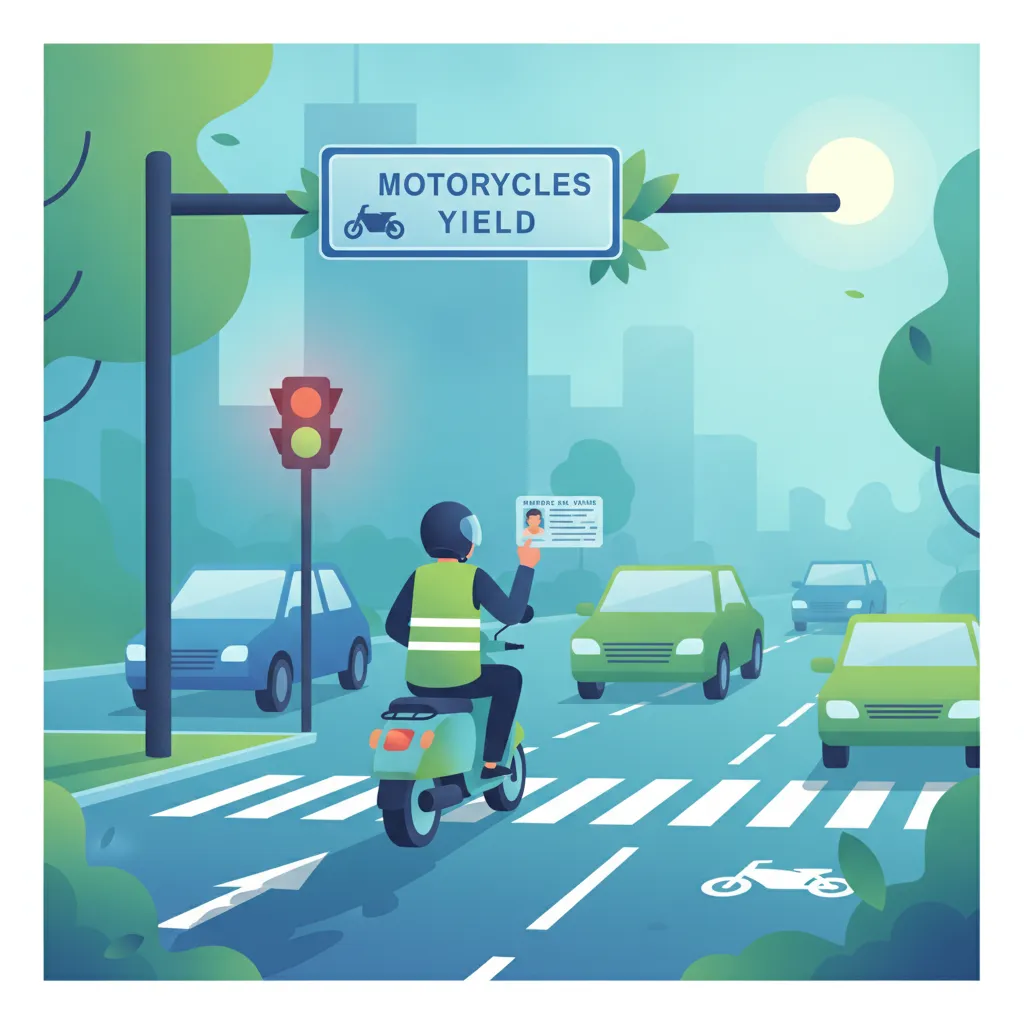
This lesson covers the primary legal requirements that every moped rider must follow when navigating public traffic systems within Turkey. It focuses on the mandatory application of traffic signals, correct lane selection, appropriate overtaking procedures, and the specific speed limitations set for light motorized vehicles. By understanding these regulatory bounds, you will avoid high traffic fines and licence point deductions while ensuring that your riding practices strictly align with national highway laws.
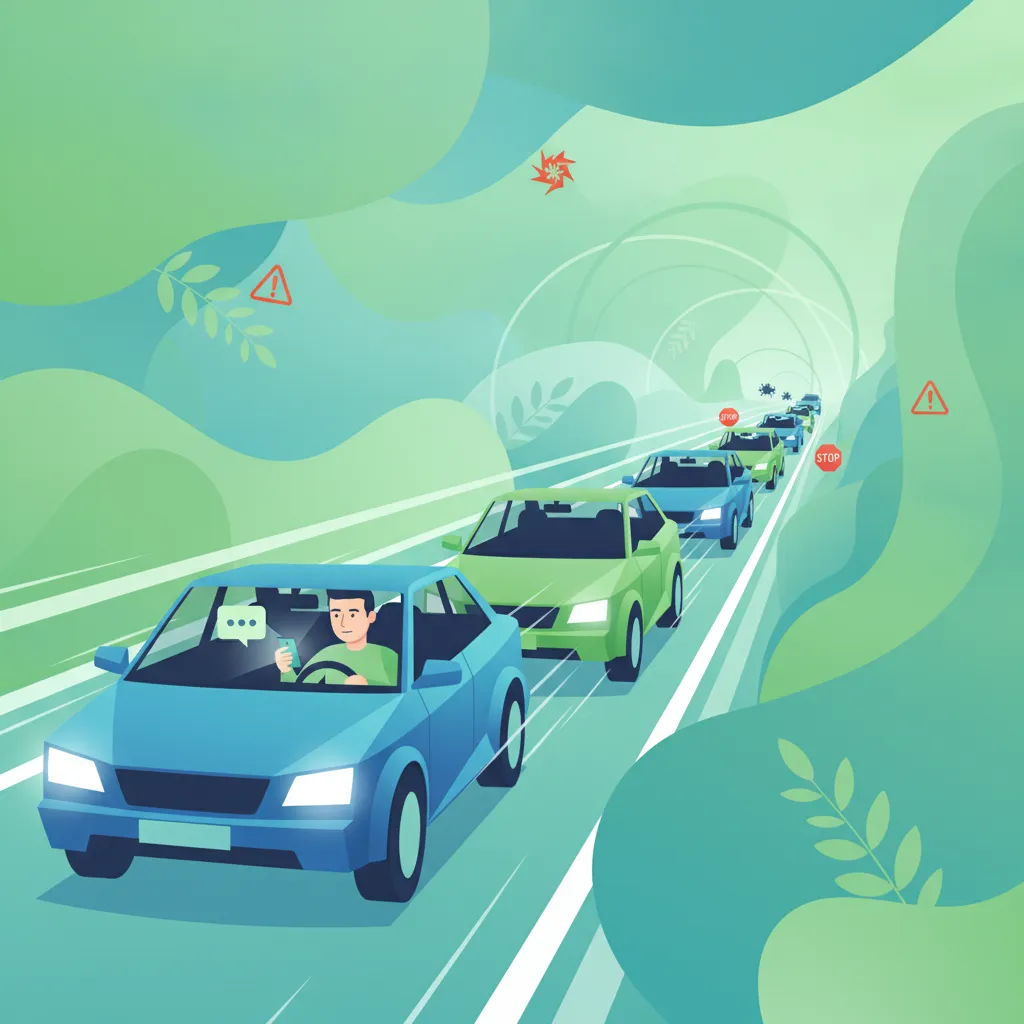
In this lesson, learners will explore the various forms of risk behaviour that can lead to accidents, such as aggressive riding, speeding, riding under the influence of alcohol or drugs, driving while fatigued, and being distracted. The lesson emphasizes the importance of self-awareness, recognizing personal limits, and adopting a safety-first mindset to mitigate these risks and make safe decisions.
In this lesson, learners explore the unique challenges and safety considerations related to motorcyclists and scooter riders. Topics include the importance of visibility, the use of protective gear, and the need for drivers to be aware of blind spots. The lesson also covers lane discipline for two-wheeled vehicles and safe overtaking practices.
This lesson delves into the ethical responsibilities and professional standards expected of goods vehicle drivers, emphasizing their pivotal role in ensuring traffic safety. It explores the duty of care owed to other road users and the broader societal expectations placed upon professional drivers. Learners will examine how their conduct directly influences public trust and overall traffic flow in urban environments.
Focusing on pedestrian safety, this lesson addresses the unique considerations motorcyclists must take when approaching zebra crossings, traffic signal-controlled pedestrian crossings, and designated school zones. Learners will understand the legal obligations to yield to pedestrians, especially children, and the importance of reducing speed in these high-risk areas. The lesson also provides practical tips for ensuring visibility.
This lesson outlines the spectrum of legal repercussions that motorcyclists may face when violating traffic regulations, ranging from monetary fines to licence suspension or revocation. Learners will gain insight into the administrative processes involved, the role of law enforcement and judicial bodies, and how repeated offenses can lead to escalating penalties. Understanding these consequences reinforces the importance of strict adherence to traffic laws.
Learn about the official safety standards for motorcycle helmets and protective clothing in Turkey. This lesson explains the legal requirements for gear, how to identify ECE-approved equipment, and why proper visibility gear is a critical component of defensive riding and personal injury prevention.
This lesson focuses on the critical importance of helmets for motorcyclists, detailing the specific safety standards (such as ECE) that legal helmets must meet. It provides guidance on correct helmet fitting, the different types available, and the essential features that ensure optimal head protection during a crash. Additionally, learners will understand the responsibilities for regular helmet maintenance, proper storage, and timely replacement.

A safety helmet is the single most important piece of protective equipment for any category AM moped rider operating on Turkish streets. This lesson explains how to identify certified helmets meeting international ECE or DOT standards, ensuring optimal impact absorption and structural integrity. You will learn the exact steps to achieve a snug, secure fit, the proper fastening of chin straps, and routine maintenance techniques to preserve your helmet's safety properties over time.
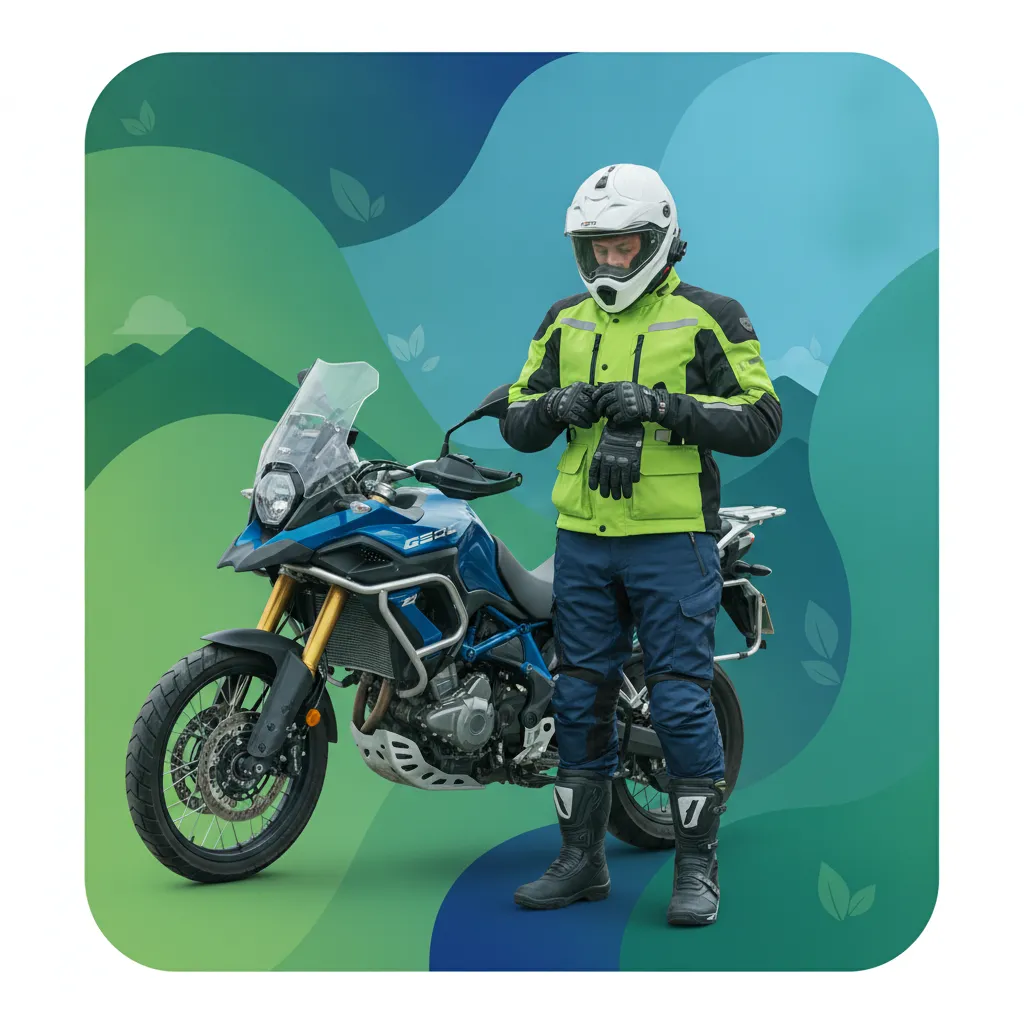
In this lesson, learners explore the range of protective clothing essential for motorcyclists, focusing on jackets, pants, gloves, and boots that meet CE standards. The discussion covers material properties that offer abrasion resistance, the strategic placement of armour, and how to choose gear appropriate for varying weather conditions. Emphasis is placed on the importance of proper maintenance and the role of reflective elements in safety.
Because moped riders lack an enclosed vehicle cabin, wearing proper protective apparel is essential for preventing severe abrasions and joint injuries. This lesson evaluates the protective features of specialized jackets, durable gloves, and reinforced boots that provide grip and ankle support. You will also learn how to select weather-appropriate, thermal, or ventilated clothing to maintain mental alertness and physical comfort under Turkey's varying seasonal conditions.
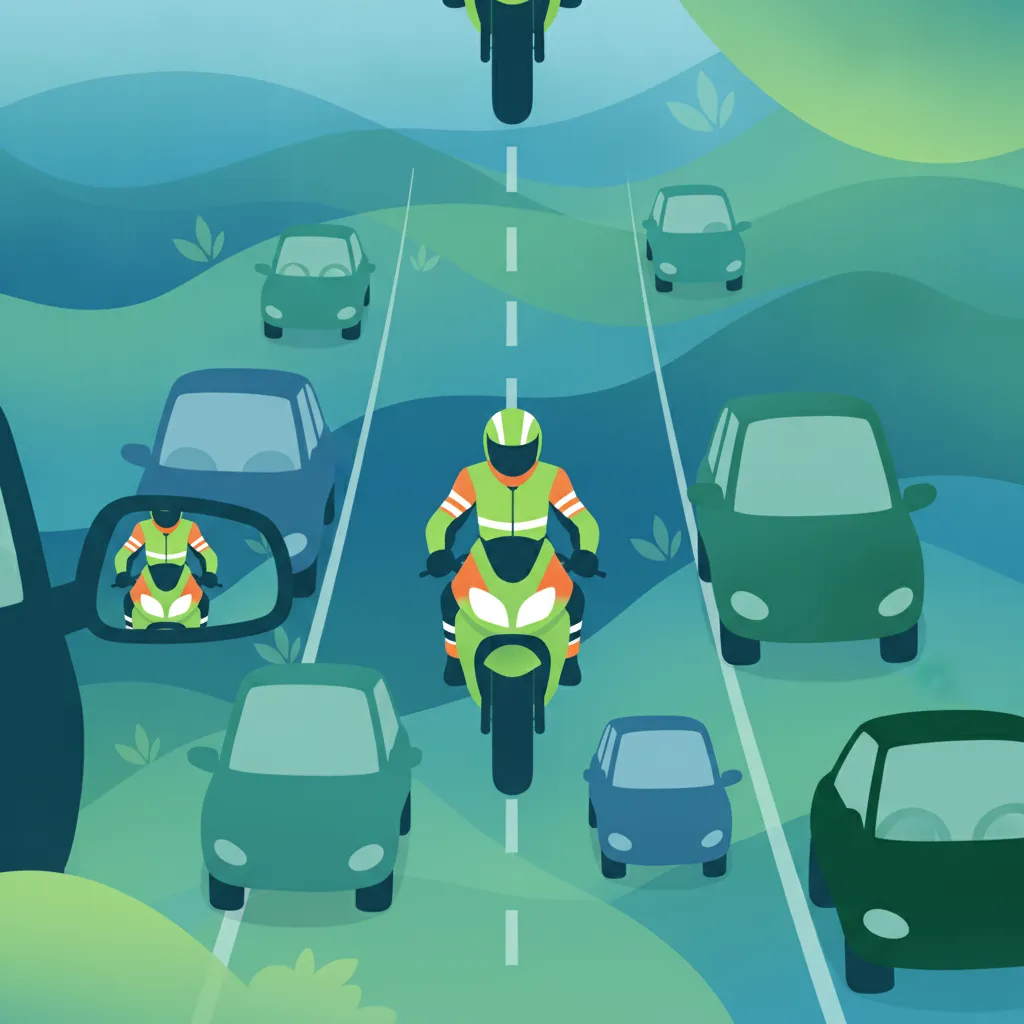
This lesson emphasizes the importance of rider visibility, illustrating how high-visibility clothing and reflective accessories can significantly reduce the risk of collisions. Learners will discover effective strategies for being noticed by other road users, such as using bright colors, reflective strips, and appropriate lighting, especially during adverse weather or nighttime riding. The content also outlines best practices for maintenance.

This lesson addresses the specific challenges of riding a motorcycle after dark, focusing on the importance of proper headlamp usage, reflective clothing, and heightened situational awareness. It provides guidance on how to remain visible to other road users, how to read road markings and signs under low-light conditions, and techniques for managing glare and fatigue during extended night rides.
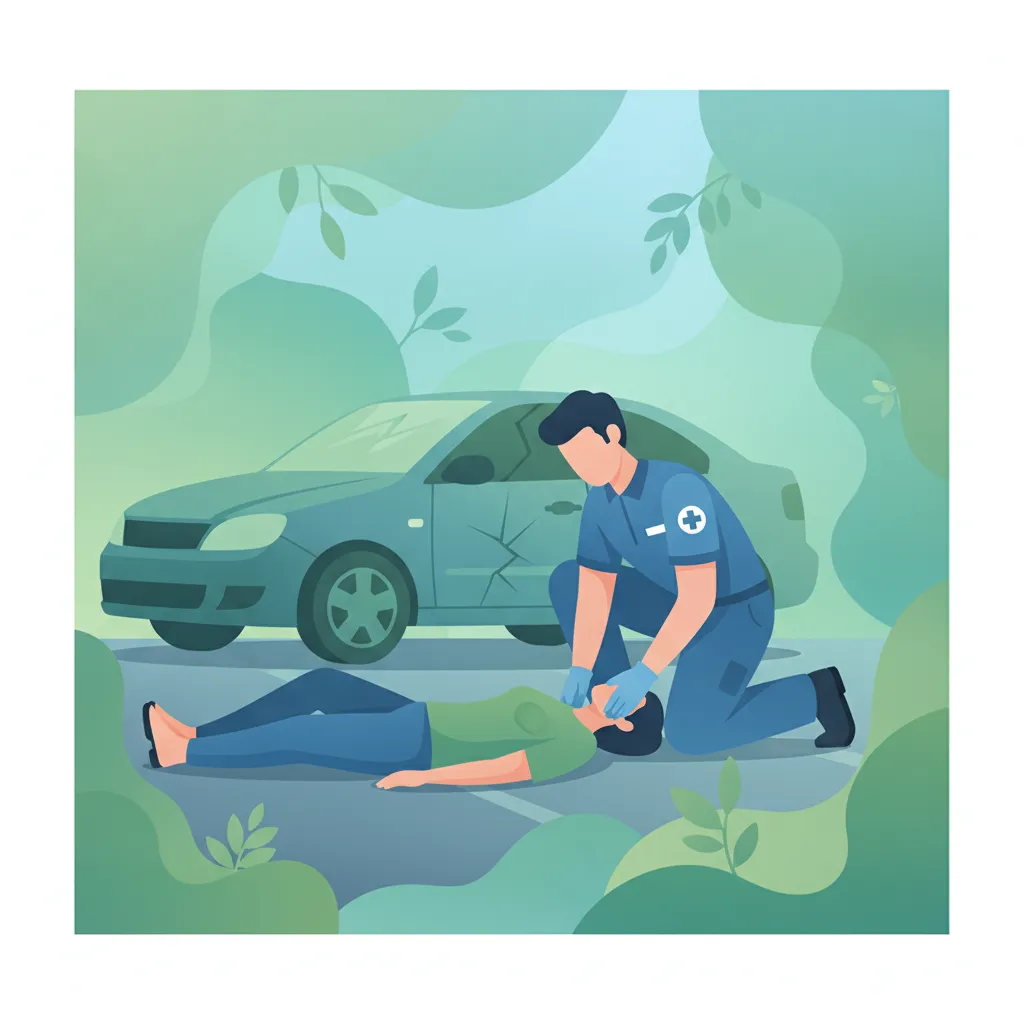
This lesson delves into the heightened risk profile of motorcyclists, explaining why injuries are more severe compared to other vehicles due to exposure and lack of structural protection. The content examines common injury patterns in crashes, the role of helmets and protective gear in mitigating harm, and the importance of rider awareness of these risks. By understanding the dynamics of motorcycle accidents, learners will recognize the critical need for safety practices.

In this lesson, learners will explore the challenges presented by various weather conditions, such as rain, wind, fog, and temperature extremes, and how they affect motorcycle handling and safety. Topics covered include adjusting riding techniques for reduced traction, maintaining visibility in low-light or foggy conditions, and managing physical wind effects. The lesson emphasizes adjusting speed and braking.
In this lesson, learners will explore the core obligations of a motorcyclist, emphasizing the necessity of adhering to traffic laws and maintaining respectful conduct toward all road participants. The discussion will focus on the principles of defensive riding, where anticipation of hazards and courteous behavior are paramount. Ethical decision-making will be highlighted as a key factor in preventing accidents and fostering a positive traffic environment.

In this lesson, learners will discover the principles of defensive riding, focusing on hazard anticipation, maintaining safe distances, and practicing proactive avoidance techniques. It emphasizes developing a vigilant riding posture, constantly scanning the environment, and preparing to react to potential dangers from other road users, road conditions, or unexpected traffic events.
Find clear answers to common questions learners have about Legal Framework for Motorcycle Licences. Learn how the lesson is structured, which driving theory objectives it supports, and how it fits into the overall learning path of units and curriculum progression in Turkey. These explanations help you understand key concepts, lesson flow, and exam focused study goals.
These categories are based on engine power and displacement. A1 is for smaller motorcycles up to 125cc, A2 covers mid-range motorcycles, and the A category is for high-performance motorcycles with no upper limits on power, subject to specific age and experience criteria.
Yes, a valid health report from an authorized medical facility is a mandatory document for all motorcycle licence applicants in Turkey to ensure you are physically fit to operate a vehicle safely.
The general theoretical knowledge regarding traffic rules, first aid, and vehicle technique is consistent across categories; however, your application must specify the intended category as this affects your practical training and testing requirements.
If you fail, you are permitted to retake the theory exam. The Turkish e-sınav system allows you to schedule a new appointment, but it is highly recommended to review the material, specifically the legal and traffic rule sections, before your next attempt.
Use our comprehensive practice search to find exactly the Turkish driving theory questions you need to master. Whether reviewing specific road signs, traffic rules, or first aid scenarios, select your perfect practice set and boost your confidence for the official ehliyet sınavı.