
This lesson guides you through the various portable and electronic warning devices used on Turkish roads to signal hazards and temporary traffic conditions. By understanding these tools, you will be better prepared to navigate construction zones and roadworks safely. This knowledge is essential for both your upcoming MTSK e-sınav and your practical driving experience as a Category B license holder.
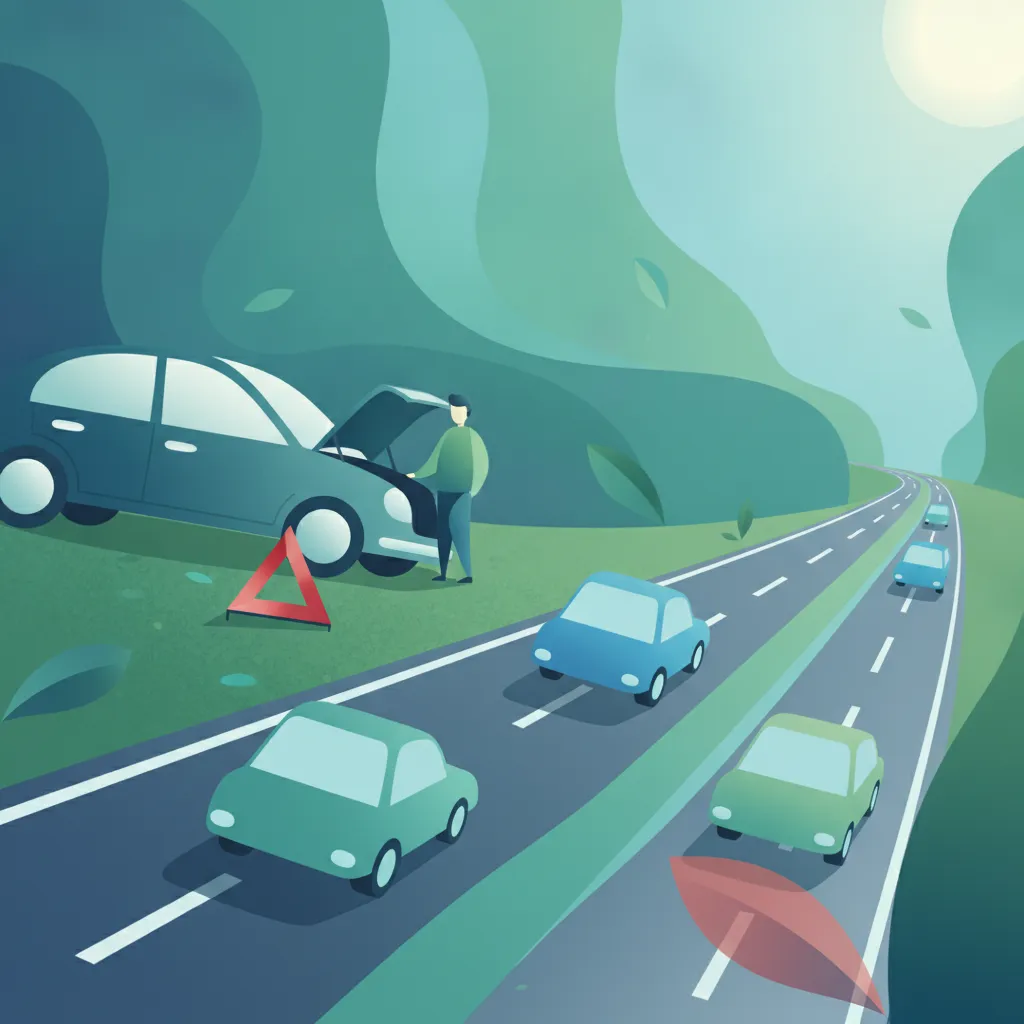
Lesson content overview
Navigating roads safely requires more than just understanding permanent traffic signs and road markings. The traffic environment is dynamic; construction zones, accidents, breakdowns, and sudden weather shifts constantly alter driving conditions. To communicate these temporary changes in real time, road authorities and emergency services deploy temporary and electronic roadside warning devices.
For candidates preparing for the Turkish Driving License Category B Theory Course (MTSK e-sınav), mastering these temporary signals is vital. They dictate immediate, lawful actions—such as speed reduction and lane changes—that differ from permanent road setups. This lesson details the rules, legal requirements, and defensive driving techniques associated with roadside warning devices under Turkish Highway Traffic Regulations.
Temporary warning devices act as situational extensions of the permanent traffic control system. Because they indicate unexpected disruptions, they must command immediate driver attention. Their deployment and design rely on five core safety principles:
Movable signs are temporary physical signs placed on stands or trailers. They are deployed to guide traffic through active work zones, lane closures, or temporary detours, and are removed immediately after the condition ceases.
Portable signs are placed on the shoulder or within the lane itself to signal upcoming modifications. According to KGM guidelines, these signs must be set at specific distances depending on the design speed of the road:
Many drivers assume that portable signs are merely advisory or carry less legal weight than permanent signs. In Turkish traffic law, temporary signage overrides permanent signage when they conflict. For example, if a permanent sign indicates a speed limit of 90 km/h, but a temporary portable sign establishes a limit of 50 km/h due to roadworks, you must legally obey the 50 km/h limit.
Electronic Variable Message Signs (VMS) are dynamic overhead or roadside digital boards used to communicate real-time, critical traffic updates. They can be permanently mounted on highway gantries or towed as portable trailer units to incident sites.
Variable Message Signs are connected to centralized traffic management systems. The information they display is live and reflects immediate hazards such as multi-vehicle accidents, unexpected black ice, high winds, or heavy traffic queues.
Drivers must treat any dynamic speed limit shown on a VMS as a legally binding, enforceable speed restriction. Ignoring these limits in poor weather or active incident zones significantly increases the risk of a multi-car collision.
Radar speed display devices are interactive electronic signs that measure and display the speed of oncoming vehicles in real time. They are often accompanied by a flash or color change (green for legal speed, red for speeding) and are typically installed near high-risk zones, such as school entrances (okul geçidi), pedestrian areas, or the entrance to sharp curves.
The primary function of a radar speed sign is behavioral correction through self-awareness.
Unlike automated speed enforcement cameras (which record license plates to issue fines), radar speed displays do not issue tickets directly. However, they are frequently placed just prior to official speed enforcement zones. Ignoring a radar speed display in a school zone not only endangers vulnerable road users but also increases your likelihood of being caught by a law enforcement radar unit (Trafik Polisi Radarı) stationed further down the road.
Reflective hazard cones are highly portable, conical markers used to delineate lanes, guide traffic around localized hazards, or outline temporary channelization.
For traffic cones to be effective, they must be highly visible. Under international and Turkish standards (ISO 7020 compliance), cones used on public roads must feature retroreflective bands that bounce headlight beams directly back to the driver.
When a lane is closed, cones are placed in a diagonal line across the closed lane—called a taper. The length of this taper depends directly on the speed of the road:
When an entire lane or section of a road is closed for extended maintenance, authorities use heavier, semi-permanent physical barriers alongside dynamic markers to redirect traffic flow.
Anticipate Early: Look far ahead for flashing arrow boards (electronic signs with flashing yellow arrows pointing to the left or right) indicating an upcoming lane drop.
Adjust Your Speed: Gradually reduce your speed to match the temporary speed limit signs posted on the roadside. Avoid abrupt braking.
Execute a Zipper Merge: In heavy, slow-moving traffic, utilize both lanes up to the merge point, then take turns merging into the open lane in an orderly, alternating fashion.
Maintain Following Distance: Keep an increased space cushion behind the vehicle ahead. Construction zones often involve sudden stops or slow-moving utility vehicles.
Watch for Workers: Always stay highly alert for construction personnel and heavy machinery operating directly behind the safety barriers.
Every driver will eventually encounter a situation where they must stop their vehicle on the roadside due to a mechanical breakdown, flat tyre, or minor accident. In these high-stress situations, using your vehicle's built-in emergency systems and portable warning devices is critical to prevent a secondary collision.
If your vehicle becomes disabled on the roadway or shoulder, you must immediately perform the following steps to warn oncoming drivers:
Many drivers make the critical error of placing their emergency triangle only 5 to 10 metres behind their car.
Consider the physics of speed: at a highway speed of 120 km/h, your vehicle travels approximately 33.3 metres every single second. If a driver behind you crests a hill or rounds a bend and your triangle is only 10 metres behind your disabled car, they will hit your car in less than one-third of a second—far faster than human physical reaction time (which averages 1 to 1.5 seconds). Placing the triangle 150 metres back gives oncoming drivers nearly 5 seconds of warning, providing ample time to perceive the hazard, apply the brakes, or safely change lanes.
The effectiveness of roadside warning devices depends heavily on environmental factors. Safe drivers must adapt their reading of these devices based on changing conditions:
| Environmental Condition | Impact on Devices | Required Driver Adaptation |
|---|---|---|
| Nighttime / Darkness | Physical signs lose passive visibility; reliance shifts entirely to retroreflective sheeting and active LED displays. | Use low-beam headlights to illuminate reflective signs; never blind oncoming traffic with high-beams near work zones. |
| Heavy Fog / Rain / Snow | Fog severely reduces the visual range of warning cones and standard signs. | Reduce speed significantly; look for flashing VMS messages; rely on reflective cones to define the lane edges when painted markings are obscured. |
| High-Speed Motorways | High speeds require much longer reaction times and physical stopping distances. | Look further down the road (high-aim steering); expect emergency triangles to be placed much further back; merge early. |
| Urban Residential Zones | Tight spaces, high pedestrian activity, and frequent intersections block the line of sight. | Expect warning devices to be placed closer to hazards (minimum 30-50m); scan carefully for temporary detour signs pointing down side streets. |
Understanding how these devices work in combination is key to safe driving and passing your MTSK exam. Let us examine a common highway construction scenario.
In this scenario, a safe driver registers the first sign 500 metres out, immediately eases off the accelerator, checks their mirrors, and begins planning their lane change. By the time they reach the VMS board at 300 metres, they have safely matched the 60 km/h speed limit and completed their merge into the left lane—well before reaching the physical cone taper and construction zone.
Failing to comply with or properly deploy roadside warning devices is a serious safety hazard and a direct violation of the Turkish Highway Traffic Law. Common infractions include:
Roadside warning devices are critical tools for dynamic traffic management. Whether it is a portable sign warning of roadworks, a VMS directing you around an accident on an otoyol, or your own emergency triangle protecting your vehicle on a dark shoulder, these devices rely on clear visibility and rapid driver action. By understanding the distances, physics, and laws governing these temporary signals, you will ensure safety in unpredictable driving conditions and easily master this section of the Turkish Category B driving theory exam.
Explore all units and lessons included in this driving theory course.
Lesson content overview
Explore all units and lessons included in this driving theory course.
Explore search topics learners often look for when studying Roadside Warning Devices. These topics reflect common questions about road rules, driving situations, safety guidance, and lesson level theory preparation for learners in Turkey.
Browse additional driving theory lessons that cover connected traffic rules, road signs, and common driving situations related to this topic. Improve your understanding of how different rules interact across everyday traffic scenarios.
Understand the specific legal requirements and safety procedures for navigating construction zones on motorways. This lesson details how to interpret temporary speed limits, lane closures, and warning markers according to Turkish traffic regulations to ensure the safety of road workers and other drivers.
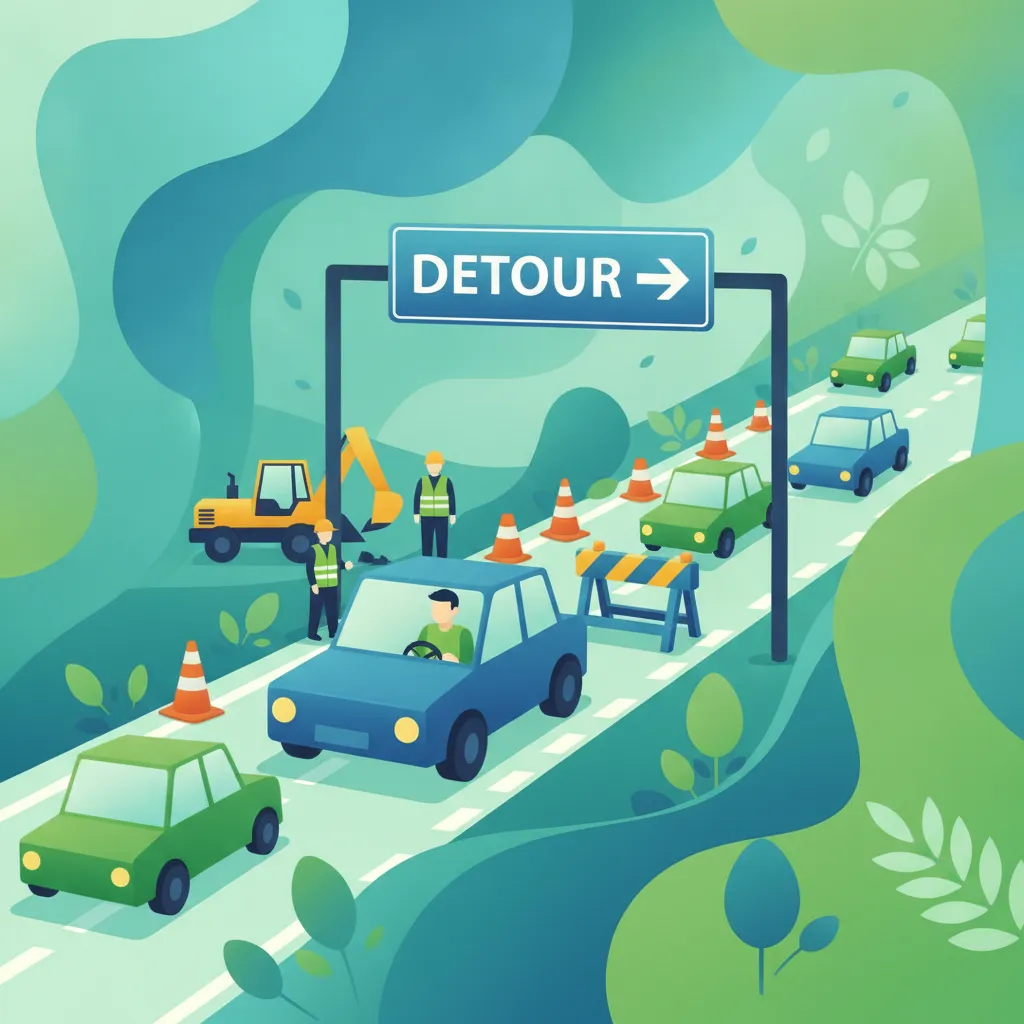
This lesson guides motorists on how to safely navigate active roadwork zones, detours, and temporary lane configurations. It details the meaning of construction signs, temporary speed reductions, and the legal requirement to protect highway workers. Drivers will learn to expect sudden stops and maintain slow, steady speeds through work areas.
This lesson explains the specific rules, driving etiquette, and safety protocols for operating a vehicle on high-speed Turkish motorways. It covers correct lane usage, overtaking procedures, emergency lane restrictions, and how to maintain consistent high speeds safely. Drivers will learn to avoid dangerous tailgating and sudden lane changes.
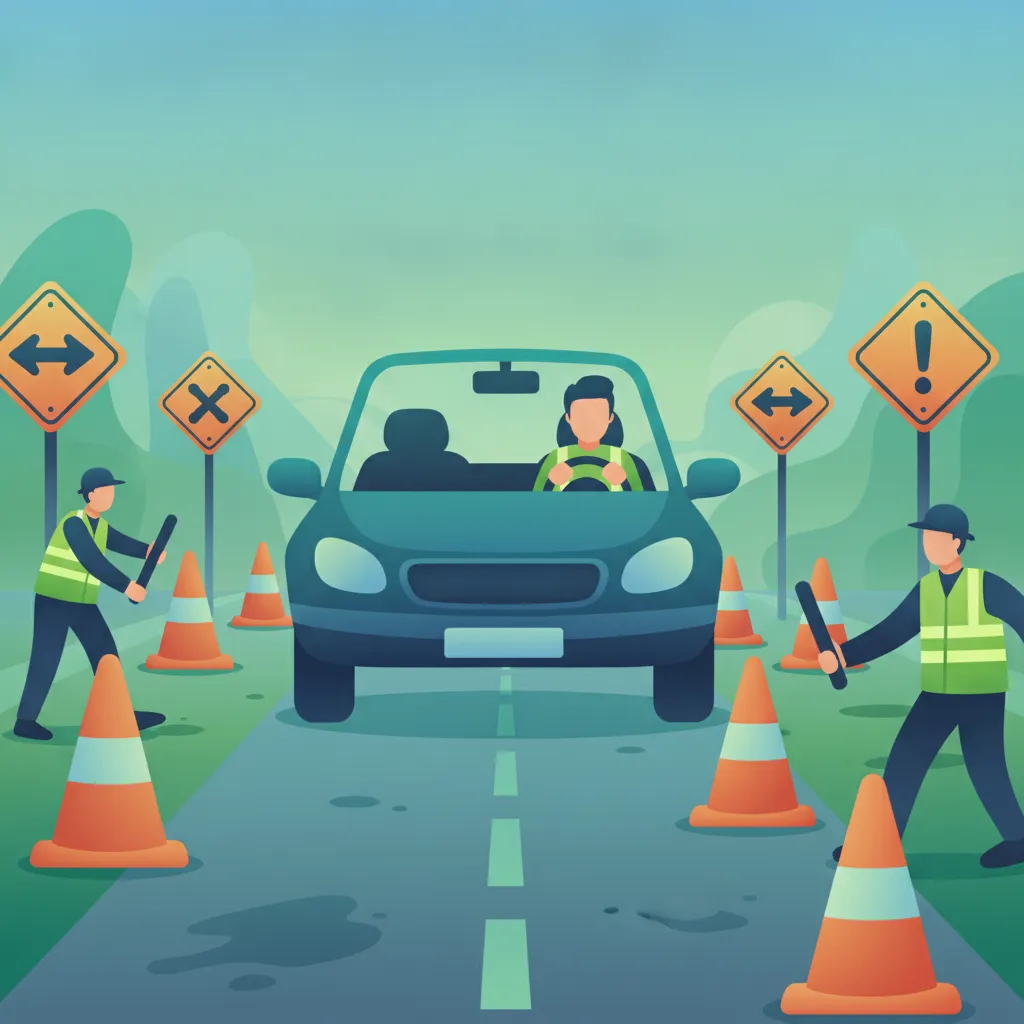
This lesson focuses on the safe navigation of goods vehicles through roadworks and construction zones. Learners will examine the importance of recognizing temporary signs, adhering to reduced speed limits, and maintaining heightened caution around workers and equipment. The lesson emphasizes the need for special attention due to the altered road environment and hazards specific to heavy vehicles.

This lesson focuses on the unique requirements and best practices for operating passenger vehicles on highways and expressways. Topics include maintaining appropriate speed, adhering to lane discipline, executing safe overtaking maneuvers, and managing merges and exits. Emphasis is placed on ensuring a smooth ride for passengers while integrating safely with faster-moving traffic.

In this lesson, learners will focus on the specific considerations and safety practices required when riding motorcycles on high-speed roads and motorways. Topics covered include maintaining appropriate lane discipline, safe overtaking at high speeds, dealing with increased wind resistance, and the importance of accurate speed control and appropriate following distances on faster roadways.
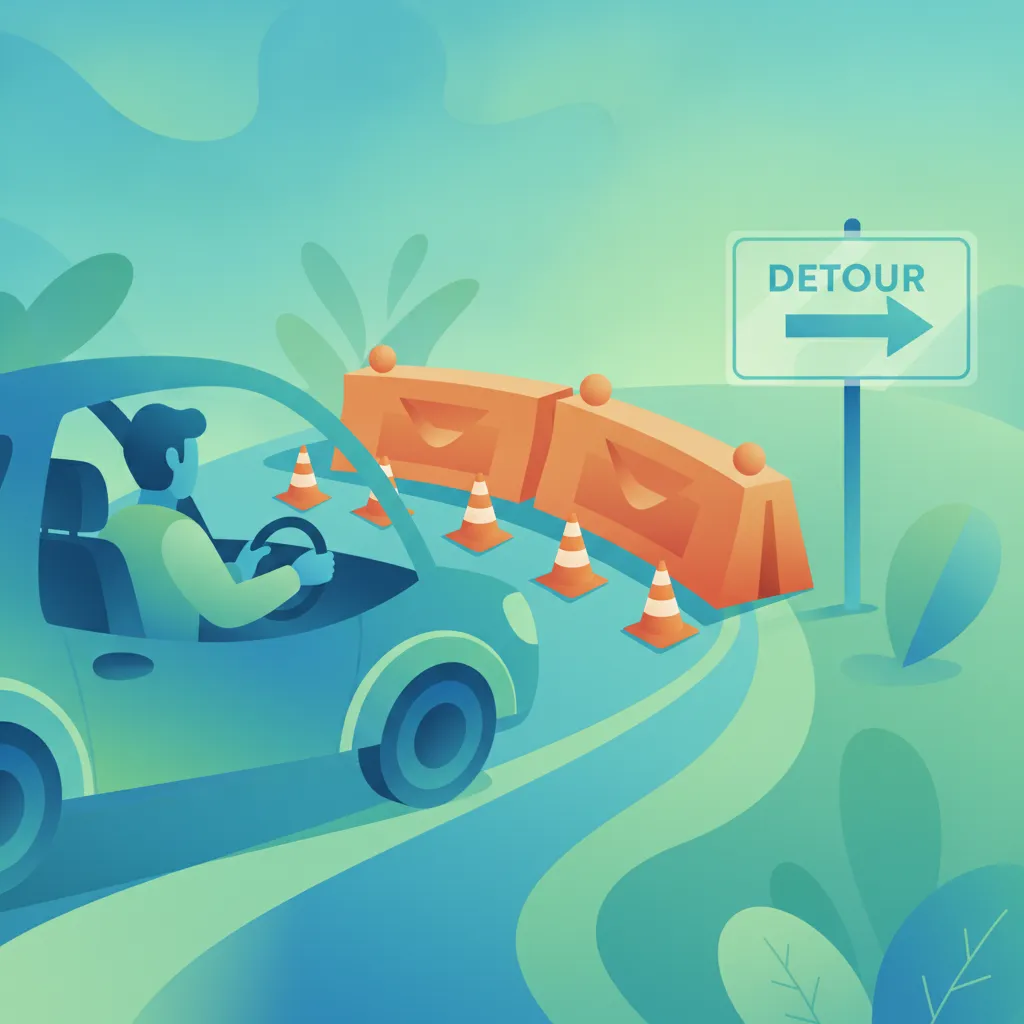
This lesson focuses on effectively managing road closures and detours that affect goods vehicle routes. Learners will explore strategies for obtaining real-time information, updating navigation systems, and planning alternate routes to maintain efficiency and compliance. Emphasis is placed on safety considerations, communication with dispatch centers, and adhering to traffic management.

This lesson explores the hazards characteristic of rural roads, including narrow paths, lack of lighting, slow agricultural vehicles, and sharp curves. It teaches drivers how to anticipate blind corners, adjust speed, and pass slow-moving tractors safely. Motorists will learn to remain highly alert for unexpected roadway obstructions.
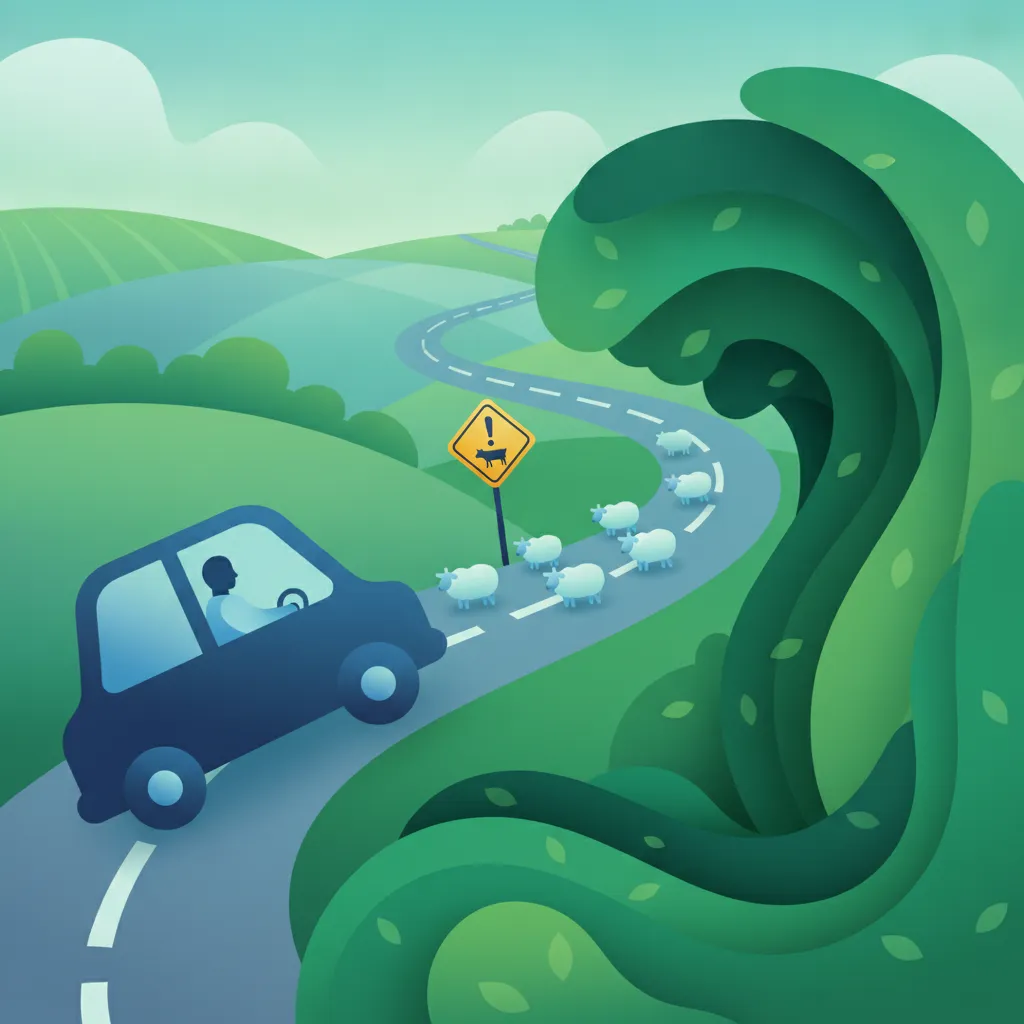
This lesson explores the unique challenges encountered when driving goods vehicles on rural roads, including narrow widths, sharp curves, animal crossings, and varying road surface conditions. Learners will understand the importance of adjusting speed, maintaining vigilance, and respecting road markings. Emphasis is placed on safe navigation practices to mitigate risks associated with rural areas.
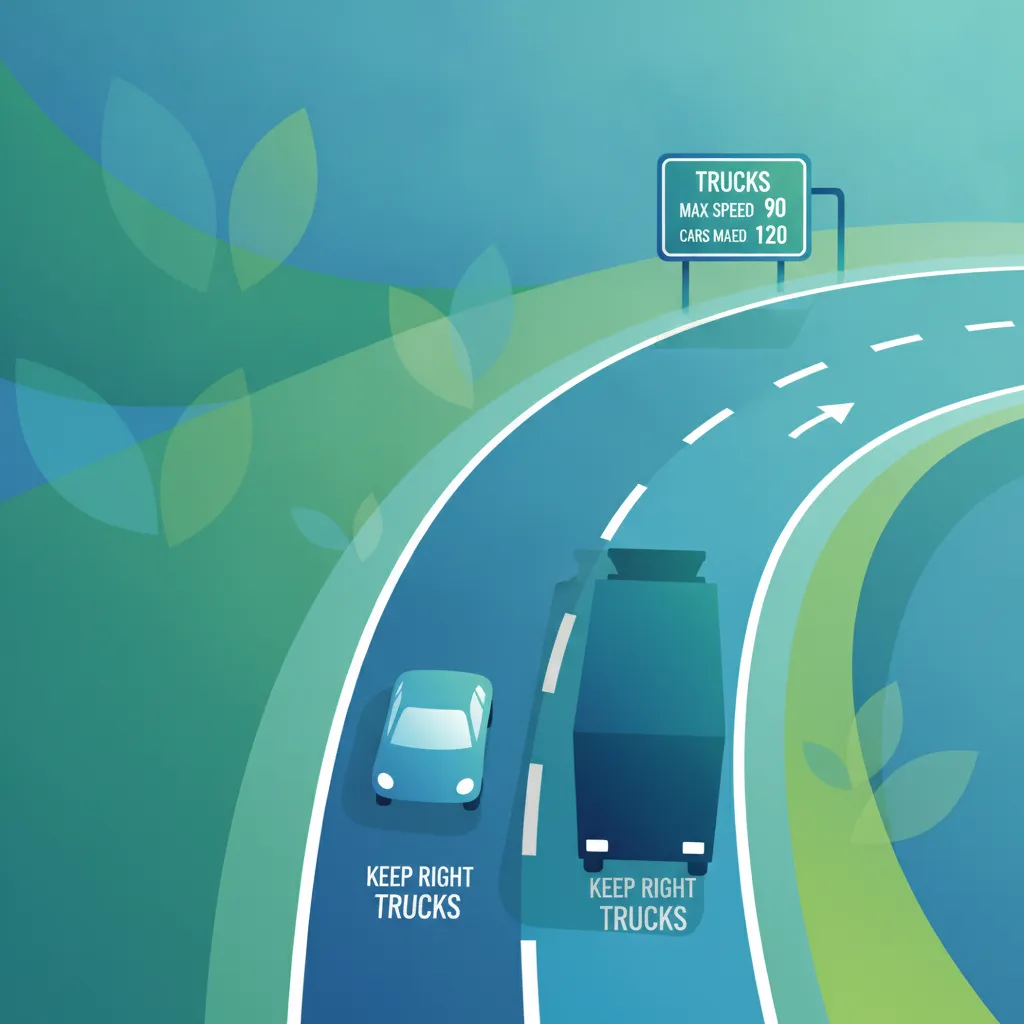
This lesson addresses the specific considerations for goods vehicle operation on highways and expressways, covering speed limits, lane discipline, safe merging, and overtaking. Learners will learn how to adapt to traffic flow, manage heavy vehicle dynamics at higher speeds, and ensure safe operation. The lesson emphasizes the importance of vigilance and proper lane usage to prevent accidents.
This lesson outlines the precise legal and safety procedures for overtaking slower vehicles on two-lane and multi-lane roads. It details when overtaking is strictly prohibited by signs or solid road lines, and how to calculate passing distances. Drivers will learn how to communicate their intentions using indicators and pass other vehicles safely.
Learn to detect potential dangers on the road early and adapt your driving behavior. This lesson covers core defensive driving techniques for managing unexpected events, including identifying hazards on highways and rural roads to improve overall traffic safety and situational awareness for your driving theory.
This lesson explores the critical skill of hazard identification and anticipation while driving. Topics include recognizing potential risks in traffic, road conditions, and environmental factors. Learners will develop skills in anticipatory driving to proactively address hazards before they become dangerous. Real-world examples illustrate how to maintain vigilance.

Learners will identify the different categories of vulnerable road users and understand the heightened risks they face. The lesson emphasizes the importance of recognizing these users, anticipating their actions, and taking proactive measures to ensure their safety while operating passenger vehicles. Strategies for mitigating danger and fostering a protective driving environment are explored.
Learners will examine the complexities of operating in environments where various road users, including pedestrians, cyclists, and motorcyclists, coexist. The lesson emphasizes the need for heightened situational awareness, defensive driving techniques, and proactive hazard anticipation. Strategies for navigating mixed traffic safely, especially in congested urban areas, are highlighted.
Human error and deliberate risk-taking represent the leading causes of traffic collisions among novice moped riders. This lesson analyzes the high dangers of using mobile phones while riding, weaving unsafely between lanes, and tailgating other motorists. It also covers the severe legal limits on alcohol and drug consumption under Turkish law, explaining how even minor impairments can drastically slower your hazard response times and lead to catastrophic accidents.

This lesson focuses on protecting vulnerable road users, such as pedestrians, cyclists, and motorcyclists, in mixed traffic environments. Learners will examine specific strategies for increased vigilance, anticipatory driving, and properly yielding to these users. The lesson also covers high-risk zones, such as school areas and public transport stops, emphasizing the need for heightened safety.
This lesson explores the hazards characteristic of rural roads, including narrow paths, lack of lighting, slow agricultural vehicles, and sharp curves. It teaches drivers how to anticipate blind corners, adjust speed, and pass slow-moving tractors safely. Motorists will learn to remain highly alert for unexpected roadway obstructions.
This lesson examines the integral role of the goods vehicle driver in contributing to overall traffic safety and a positive safety culture. It focuses on proactive driving behaviors, hazard identification, and effective risk management strategies. Communication techniques with other road users, compliance with traffic flow regulations, and competent emergency responses are highlighted as essential skills.

In this lesson, learners explore warning traffic signs designed to alert drivers to potential hazards ahead. Topics include signs indicating curves, steep descents, slippery surfaces, pedestrian crossings, and school zones. The lesson emphasizes the importance of interpreting these signs correctly to adjust speed and driving behaviour, thereby preventing accidents.

Warning signs alert road users to impending physical conditions, dangers, or layout alterations that require immediate driver attention and speed adjustment. This lesson focuses on indicators of sharp bends, narrowing paths, slippery road surfaces, upcoming pedestrian crosswalks, and school warning zones. You will study how to interpret these yellow-and-red triangular signs to safely modify your approach speed and gear your attention toward potential hazards unique to lightweight mopeds.

In this lesson, learners will discover the principles of defensive riding, focusing on hazard anticipation, maintaining safe distances, and practicing proactive avoidance techniques. It emphasizes developing a vigilant riding posture, constantly scanning the environment, and preparing to react to potential dangers from other road users, road conditions, or unexpected traffic events.
Find clear answers to common questions learners have about Roadside Warning Devices. Learn how the lesson is structured, which driving theory objectives it supports, and how it fits into the overall learning path of units and curriculum progression in Turkey. These explanations help you understand key concepts, lesson flow, and exam focused study goals.
These signs provide real-time information about hazards, accidents, or speed limit changes that standard fixed signs cannot. Understanding their messages is vital for safety and is frequently tested to ensure you can adapt to dynamic road conditions.
Yes. While they are movable, they delineate lanes and safety zones in construction areas. You must follow their guidance as strictly as you would a permanent painted road marking to avoid accidents.
A speed display device shows your current speed compared to the temporary limit. Use it as a reminder to check your speedometer and adjust your speed immediately to the posted limit for that specific zone.
Yes. Ignoring signs and cones in construction zones can lead to severe fines and points on your license, as these areas carry higher risks. Safe navigation is a core component of responsible driving in Turkey.
Use our comprehensive practice search to find exactly the Turkish driving theory questions you need to master. Whether reviewing specific road signs, traffic rules, or first aid scenarios, select your perfect practice set and boost your confidence for the official ehliyet sınavı.